
January 14, 2026
- AI Technology
- Interior Design
- Design Tools
The Speed of Responsiveness: How AI Visualization Tools Make You Look Like You Care More
Hemanth Velury
CEO & Co-FounderThe Speed of Responsiveness: How AI Visualization Tools Make You Look Like You Care More
When was the last time you promised a client you'd have renderings ready by next week, and they seemed to light up? Or when you sent over three different design options within an hour of your consultation, and suddenly the client felt heard, valued, and understood?
That moment, that feeling your client gets when you respond faster than expected, isn't just about the renderings. It's about responsiveness. It's about showing your clients that you're not just another designer juggling dozens of projects. You're someone who gets their vision and moves fast to bring it to life.
Here's the uncomfortable truth: In the competitive world of interior design, your actual design skills might be matched by five other designers in your city. What sets you apart isn't just what you create, but it's how fast you create it. And more importantly, what that speed communicates to your clients about your professionalism and care.
The Psychology of Speed: Why Clients Equate Fast Responses with Care
Before we talk about tools and technology, let's talk about human psychology. Research consistently shows that when businesses respond quickly to client requests, customers perceive them as more professional, more reliable, and frankly, more caring.
Think about it: You send an email to a designer, and they respond within an hour. Your instant thought? "Wow, they're on top of things. They care about this project." Compare that to a designer who responds three days later with something equally brilliant. The speed dramatically shifts how you perceive their level of engagement. This involves both psychology and neuroscience. When clients receive rapid responses, their brains release dopamine, that feel-good chemical associated with pleasure and satisfaction. Suddenly, working with a responsive designer feels rewarding. They've met an expectation faster than anticipated, which creates a psychological boost.
Fast responsiveness also signals competence. When you can turn around 2D floor plans into photorealistic 3D visualizations within hours instead of weeks, it communicates that you have your process dialed in, you're organized, and you know exactly what you're doing.
The Real Cost of Slow Visualization Workflows
Traditional interior design visualization workflows are slow. Really slow. A designer would typically need to:
- Receive a floor plan or blueprint from the client
- Hand it to a 3D specialist or spend hours manually building the model themselves
- Wait for rendering passes (which could take overnight or longer depending on complexity)
- Make revisions when the client inevitably wants changes
- Re-render everything again
- Iterate multiple times through feedback loops
This entire process could take weeks for what should be a straightforward task: showing a client what their space will look like. Meanwhile, the client sits in the dark, imagining possibilities, growing impatient, sometimes even losing confidence in the project because they can't see anything concrete yet.
The psychological impact is real. Without visualization, clients struggle to make decisions. They second-guess themselves. They request endless changes because they're working from vague descriptions rather than clear imagery. Your role as a designer becomes infinitely harder because communication breaks down.
Enter: AI Interior Design Visualization
This is where tools like VirtualSpaces and Foursite fundamentally change the game for interior designers.
Imagine this instead: A client sends you a floor plan. You upload it to an AI-powered interior design visualization platform. In under five minutes, you have a fully furnished, professionally styled 3D model with accurate lighting, materials, and spatial layout. You can instantly switch between different interior design styles: think Victorian, modern, Scandinavian, minimalist etc. and generate photorealistic renders from any angle.
No manual 3D modeling. No waiting overnight for renders. No wrestling with complex CAD software. Just instant, beautiful, 3D visualization that makes your client's space feel real and tangible.
This isn't just faster. It's a complete paradigm shift.
Speed as a Competitive Differentiator
Here's where the real magic happens: When you can deliver AI interior décor visualizations this quickly, you're not just meeting client expectations—you're shattering them. You're positioning yourself as someone who uses cutting-edge technology intelligently, who respects their time, and who can iterate rapidly on their feedback.
Let's say a client wants to see how a space would look with three different color palettes. With traditional methods, that's three separate rendering cycles, potentially days of work. With AI 3D visualization tools, you generate all three in minutes. The client sees options almost immediately after your conversation ends.
Now ask yourself: Who will the client trust more on future projects? The designer who took weeks to show them three options, or the designer who showed them three options within a day of meeting?
Speed becomes differentiation. It becomes your brand promise.
The interior designers and architects now using platforms like Foursite are reporting that they've cut visualization turnaround from days to minutes. That's not just a productivity gain. It's a completely different service experience they're offering clients.
The Technology Behind the Speed: 2D Floor Plans to 3D Reality
Let's get into what makes this possible, because the technology is genuinely impressive.
Tools like VirtualSpaces and Foursite use advanced AI to do something that traditionally required skilled manual labor: converting 2D floor plans into photorealistic 3D interiors. Here's how it works:
- Blueprint Recognition: You upload a JPG or PNG of your floor plan or blueprint. The AI doesn't just look at it—it understands it. It identifies walls, doors, windows, trim, and spatial relationships. It extracts accurate dimensions and understands room types.
- Intelligent 3D Construction: The system automatically builds a precise 3D shell of the space with correct geometry, maintaining structural integrity and spatial logic.
- Material and Lighting Mastery: Rather than leaving you with a bare 3D wireframe, the AI applies physically-based rendering (PBR), intelligent material mapping, and state-of-the-art lighting. Suddenly you have a space that looks like it's been professionally photographed.
- Style Flexibility: This is where it gets really powerful. You can apply different interior design styles—modern, contemporary, industrial, bohemian—and the system intelligently adapts materials, colors, furniture placement, and lighting to match that aesthetic. It's like having an unlimited array of finished design options at your fingertips.
- Multiple Perspectives: Generate interior design renders from any camera angle, any room perspective. Walk through the space virtually. Your client can easily explore it.
All of this happens without requiring you to understand complex 3D modeling software. No CAD knowledge. No rendering farms. No technical bottlenecks.
Virtual Staging: The Game-Changer for Empty Spaces
One of the most powerful applications of AI visualization for interior designers is virtual staging: the art of furnishing empty or unfurnished spaces digitally.
This has massive implications:
- For Real Estate Developers: You can show off-plan properties with fully furnished, styled interiors before construction even begins. Buyers see possibility instead of empty walls. Pre-sales conversions skyrocket.
- For Renovation Projects: Before a client commits $50,000 to a renovation, they want to see what it will look like. Virtual staging shows them exactly that! No more guesswork, and the risk of buyer's remorse is gone.
- For Interior Designers: You can create multiple design options: three different ways to furnish the same space with different aesthetics, price points, or themes. Instead of committing to one direction, clients explore options with photorealistic clarity.
- For Rental Property Managers: Empty units don't rent. Staged units do. AI-powered 2D to 3D conversion means you can show renters what a unit could look like furnished, immediately increasing rental appeal and reducing vacancy time.
How This Translates to Client Relationships
Let's ground this in real scenarios:
Scenario 1 - The Rushed Client
Your client books a consultation. They're excited but impatient and they need to make a decision quickly. Traditionally, you'd say "Give me a week or two for renderings." With AI 3D visualization, you say "Let me show you three options in the next hour." That responsiveness feels like care.
Scenario 2 - The Indecisive Client
Your client loves the design but isn't sure about the color palette. They want to see it in three variations. Instead of asking them to wait while you coordinate with your rendering team, you generate three variations right there in real-time. They feel heard because you literally showed them, not just told them.
Scenario 3 - The Collaborative Project
You're working with an architect and a builder. Each has feedback. Communication gaps emerge. But when everyone can see a photorealistic, updated 3D model within hours of each feedback round, alignment happens faster. Problems get caught early. The project moves forward without bottlenecks.
Scenario 4 - The Competitive Pitch
You're competing for a big project. Your competitors have beautiful portfolios and solid experience. But in the pitch meeting, you show them something they can't ignore: interactive 3D interior design visualizations generated from their floor plans within the meeting itself. Suddenly, you're not just presenting ideas but showing capabilities. You're showing that you leverage technology to work smarter and faster.
The Softer Skills: Communication and Client Confidence
Here's something subtle but important: When you respond quickly with professional, photorealistic interior design renders, you're not just showing competence. You're building confidence.
Clients who can see their space clearly, with multiple options, in high-fidelity imagery, make better decisions faster. They feel more confident in their choices. They're less likely to request endless changes because they can see and evaluate what they're approving. Faster decisions mean faster project timelines. Faster project timelines mean you can take on more projects. More projects at a higher service level means stronger profitability and reputation for you.
The responsiveness becomes a virtuous cycle.
Standing Out in a Crowded Market
The interior design industry is competitive. Clients have options. What they're increasingly looking for is:
- Speed: Can you turn their vision into visible reality quickly?
- Clarity: Can you show them what they're paying for before they commit?
- Responsiveness: Do they feel like a priority, or are they one of many?
- Professional Capability: Do you have access to cutting-edge tools and processes?
Platforms like VirtualSpaces and Foursite directly address all four. By using AI interior design visualization, you're not just accelerating your workflow—you're also signaling to the market that you're a modern, efficient, client-focused designer who uses technology intelligently.
When clients browse portfolios and see photorealistic 3D visualization work compared to competitors showing 2D sketches, the choice feels obvious.
Making the Technology Work for Your Brand
Here's the practical angle: It's not enough to just use these tools. You need to position them as part of your brand promise.
- Mention in your marketing that you offer rapid floor plan to 3D conversion
- Highlight your ability to generate photorealistic renders quickly
- Showcase before-and-after of your virtual staging work
- Talk about how you use AI interior décor visualization to speed up the design process for clients
- Position yourself as a designer who respects clients' time and delivers stunning visuals fast
The technology becomes your competitive advantage, but the positioning is what makes it resonate with clients.
The Future Is Fast, Clear, and Intelligent
Interior design is evolving. The old workflows which were slow, manual and required weeks for visualization are becoming increasingly outdated. Designers who recognize this and adapt will dominate their markets. The designers investing in AI visualization platforms, learning to convert 2D floor plans into 3D photorealistic interiors effortlessly, and using tools like Foursite and VirtualSpaces to accelerate every phase of their design process are the ones who will attract the most clients, close deals faster, and build stronger reputations.
Because here's the truth: Your clients don't just want beautiful interiors. They want you to care about their vision, their time, and their needs. And the fastest way to prove you care? Respond faster. Show them more options. Visualize their space in stunning, photorealistic detail before they've even fully imagined it themselves.
Speed, in this case, isn't just about efficiency. It's the modern language of care.
Recommended for you

August 19, 2026
The End of the Model Home? 3D Changes the Math | VirtualSpaces
HHemanth Velury
CEO & Co-Founder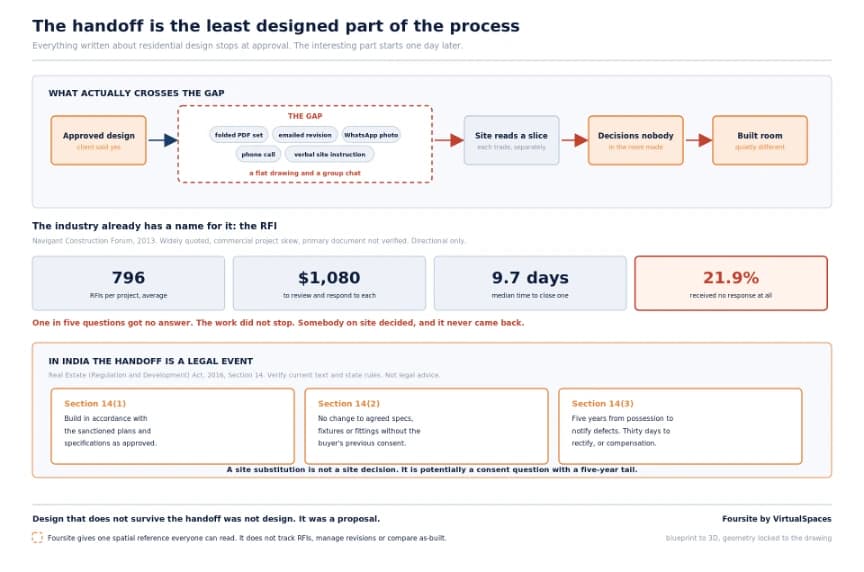
August 17, 2026
Designing Spaces That Actually Get Built | VirtualSpaces
HHemanth Velury
CEO & Co-Founder
August 12, 2026
Designing Homes for the Stuff People Actually Own | VirtualSpaces
HHemanth Velury
CEO & Co-Founder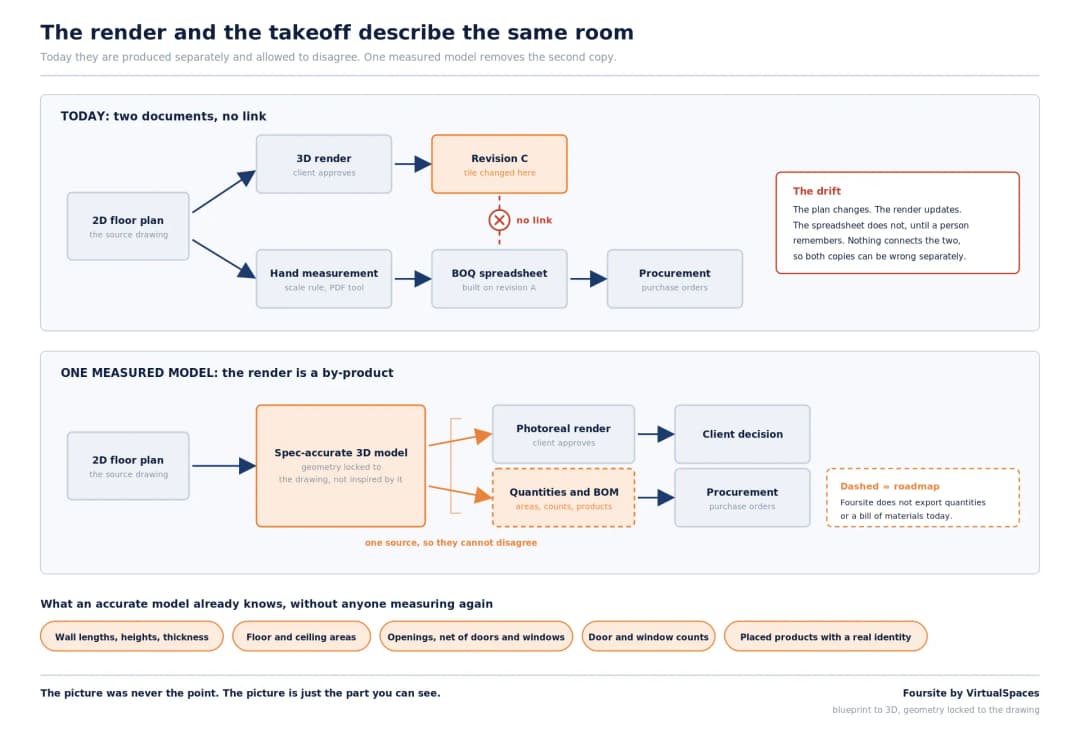
August 07, 2026
Floor Plan to Bill of Materials: The 3D Model as Data | VirtualSpaces
HHemanth Velury
CEO & Co-Founder.png&w=1080&q=75)
August 05, 2026
Designing Homes for How People Actually Live | VirtualSpaces
HHemanth Velury
CEO & Co-Founder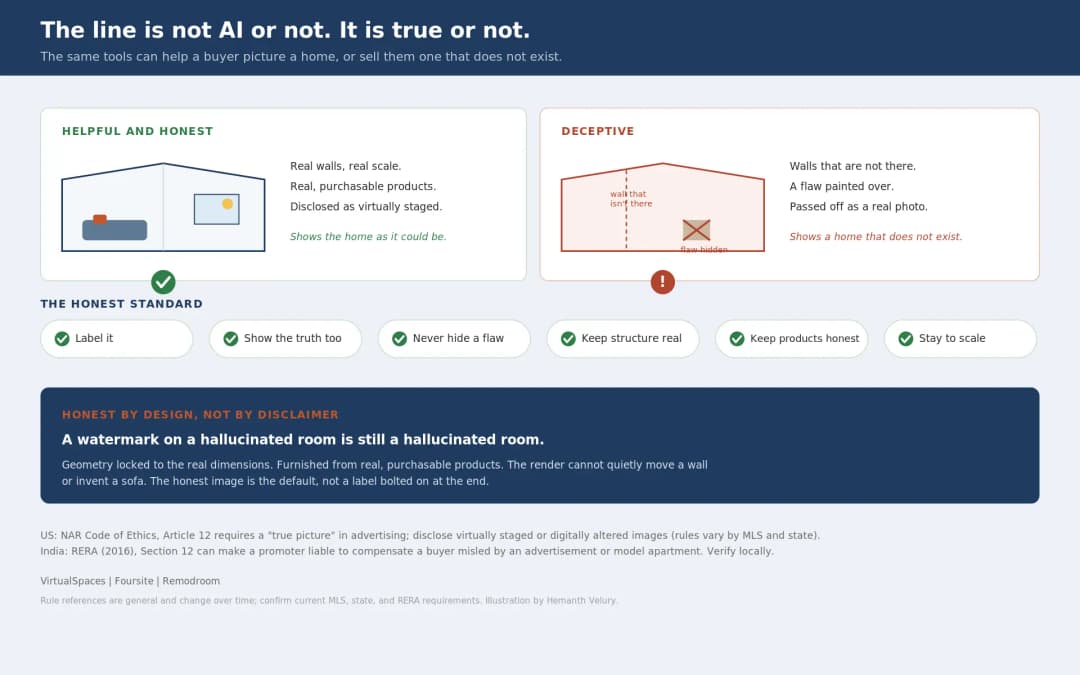
August 03, 2026
Honest by Design: Trust in AI Real Estate Imagery | VirtualSpaces
HHemanth Velury
CEO & Co-Founder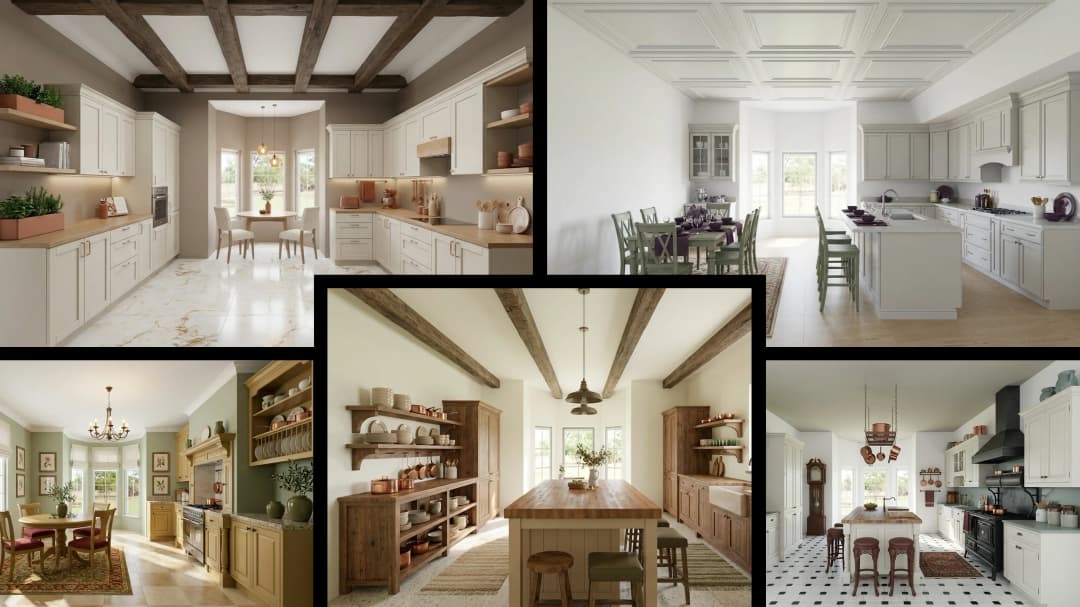
July 29, 2026
Kitchen and Bath: The Two Rooms That Decide Resale | VirtualSpaces
HHemanth Velury
CEO & Co-Founder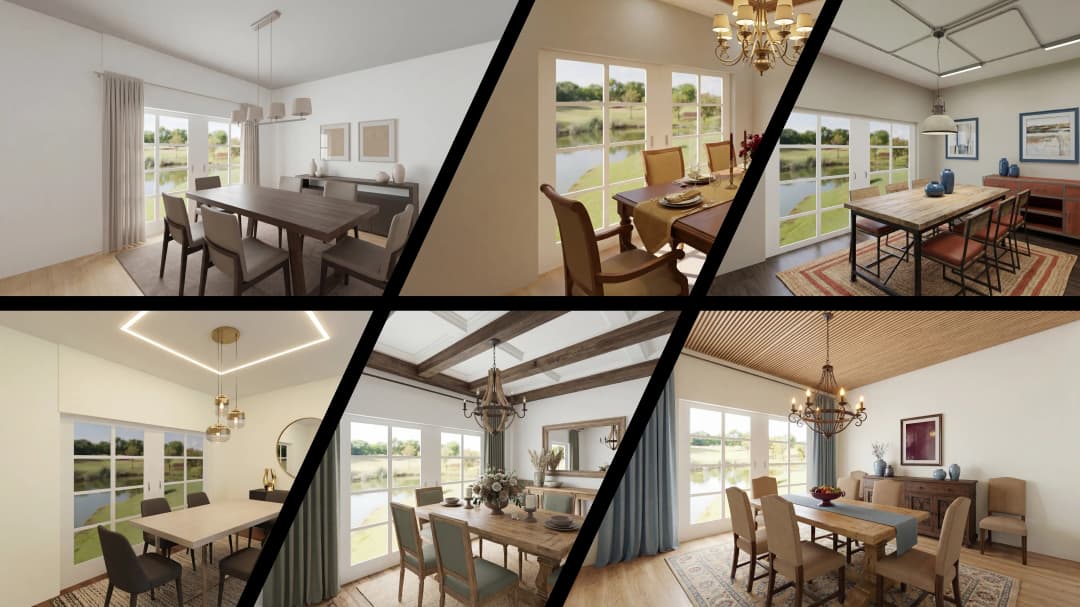
July 27, 2026
Why Empty Rooms Don't Sell: Virtual Staging | VirtualSpaces
HHemanth Velury
CEO & Co-Founder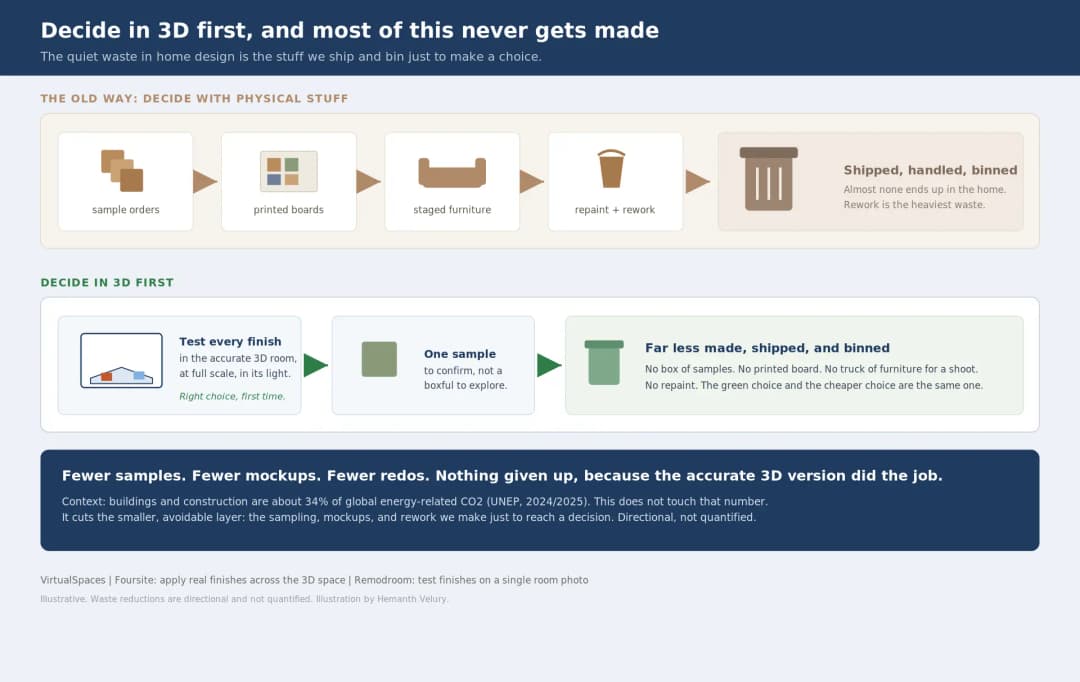
July 24, 2026
The Quiet Sustainability Win of Deciding in 3D | VirtualSpaces
HHemanth Velury
CEO & Co-Founder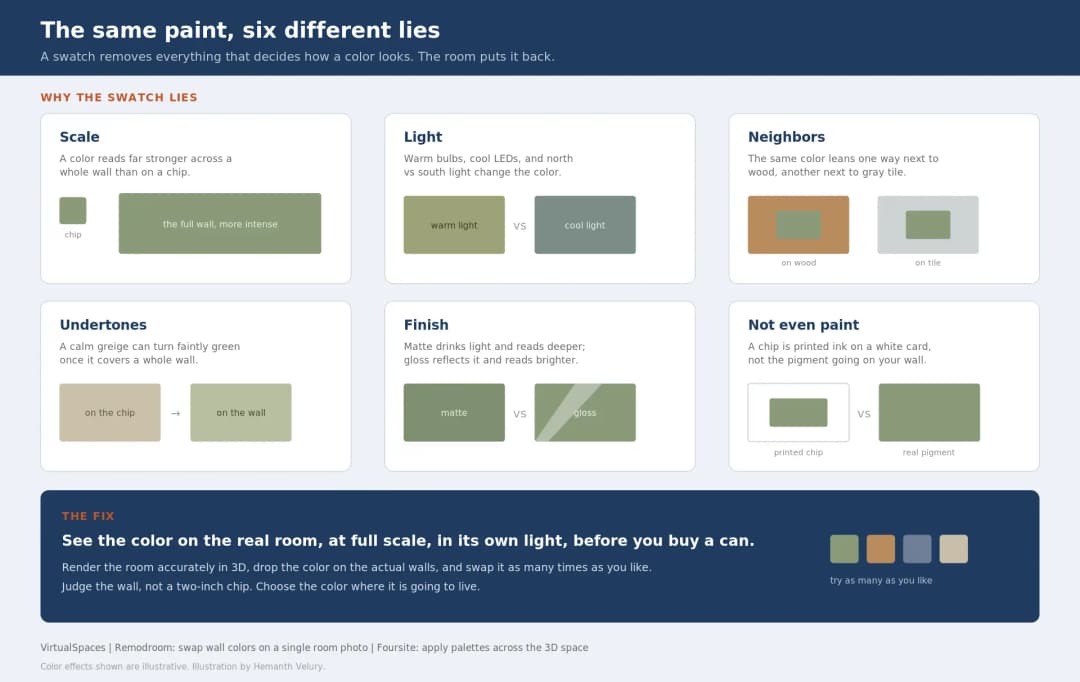
July 22, 2026
Why Paint Swatches Lie: Test Color in 3D First | VirtualSpaces
HHemanth Velury
CEO & Co-Founder
July 20, 2026
Why Every Home Should Be Seen Before It's Built | VirtualSpaces
HHemanth Velury
CEO & Co-Founder
July 17, 2026
Why Big AI Labs Won't Build Floor Plan to 3D | VirtualSpaces
HHemanth Velury
CEO & Co-Founder
July 15, 2026
How We Solve Floor Plan to 3D, Accurately | VirtualSpaces
HHemanth Velury
CEO & Co-Founder
July 13, 2026
Designing Homes That Age With the People in Them | VirtualSpaces
HHemanth Velury
CEO & Co-Founder
July 10, 2026
Designing Spaces for How Light Actually Moves | VirtualSpaces
HHemanth Velury
CEO & Co-Founder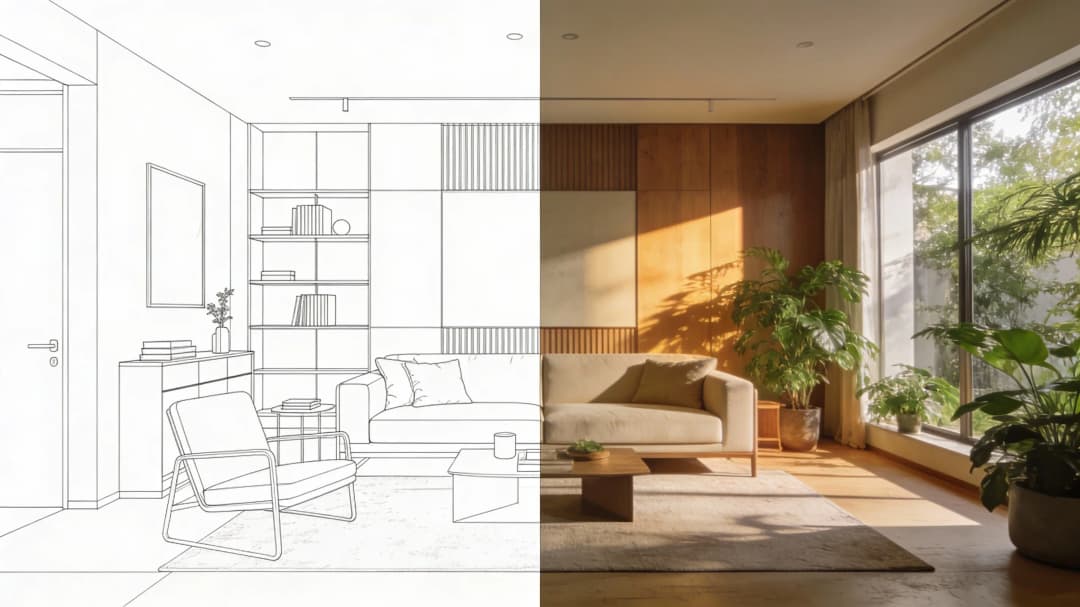
July 08, 2026
Designing Homes for Every Life Stage in 3D | VirtualSpaces
HHemanth Velury
CEO & Co-Founder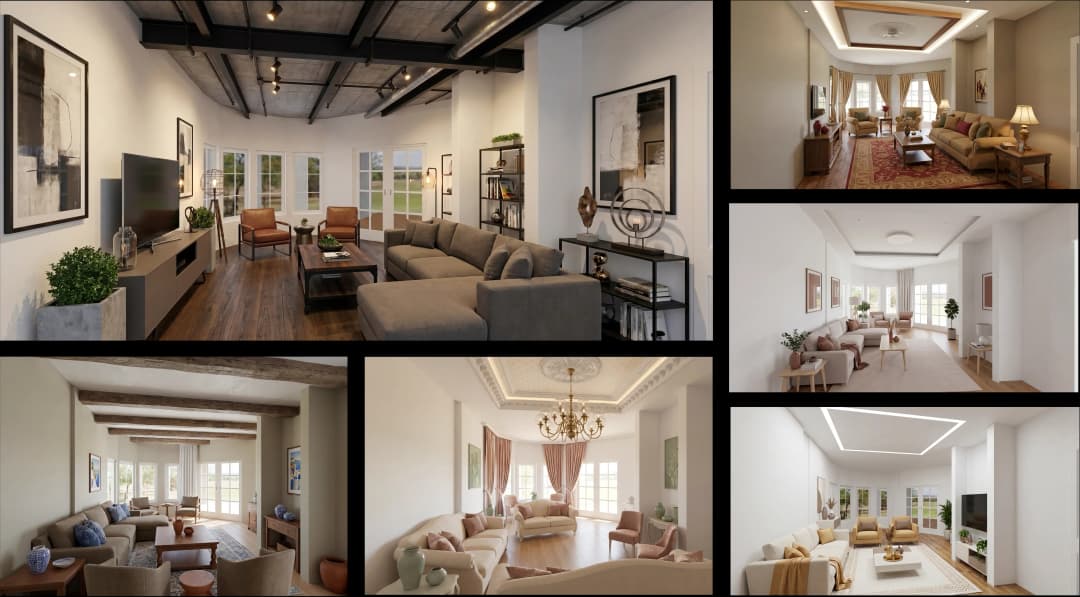
July 06, 2026
Build an Interior Design Portfolio Without Clients | VirtualSpaces
HHemanth Velury
CEO & Co-Founder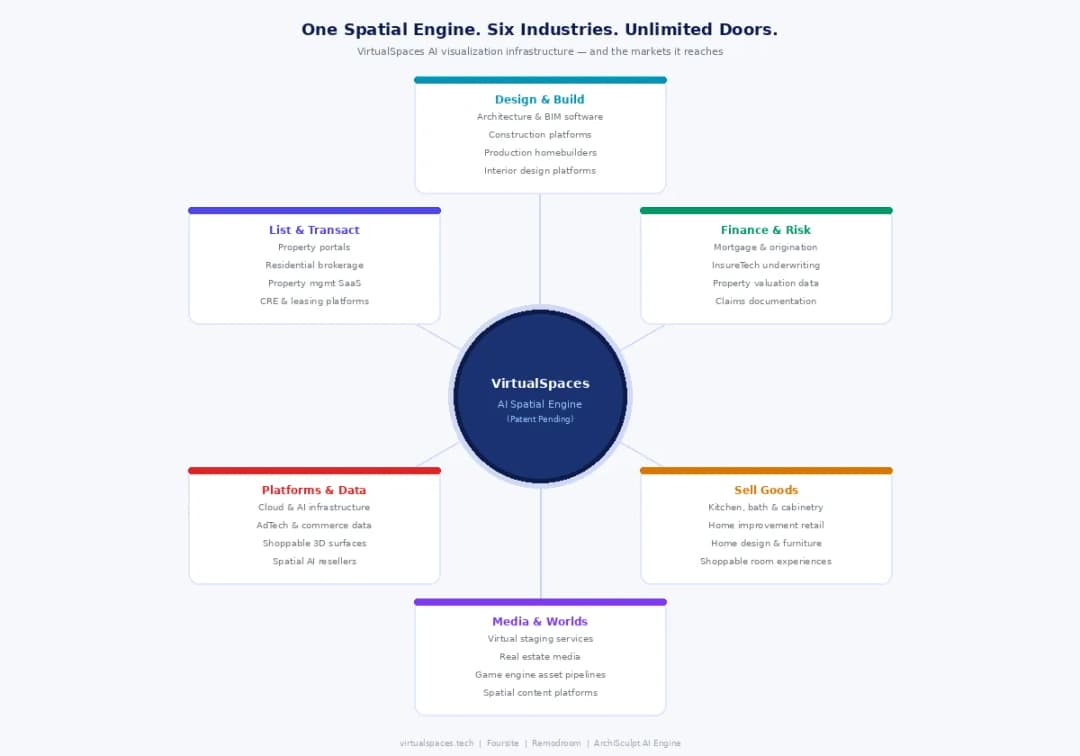
June 26, 2026
AI Interior Design: Full 3D Workflow in One Platform | VirtualSpaces
HHemanth Velury
CEO & Co-Founder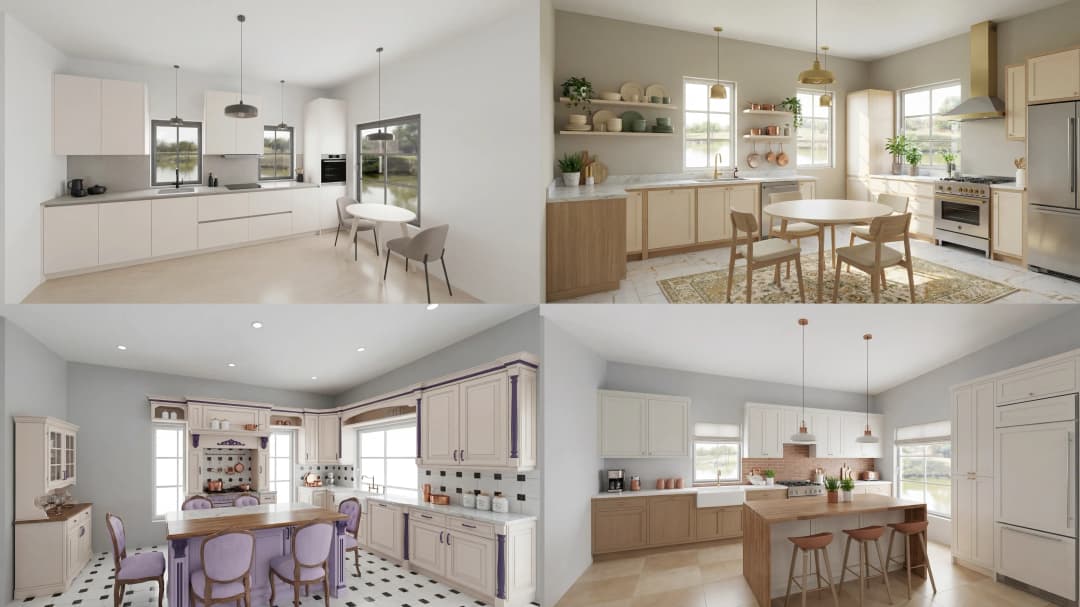
June 24, 2026
Scope Creep in Interior Design: How AI Visualization Fixes It | VirtualSpaces
HHemanth Velury
CEO & Co-Founder
June 22, 2026
What Buyers See on a Floor Plan: Your Biggest Sales Problem | VirtualSpaces
HHemanth Velury
CEO & Co-Founder
June 19, 2026
Small Design Studios vs Big Firms: The AI Advantage | VirtualSpaces
HHemanth Velury
CEO & Co-Founder
June 17, 2026
After the Mood Board: AI Interior Visualization | VirtualSpaces
HHemanth Velury
CEO & Co-Founder
June 15, 2026
Foursite Pro Editor: Full Floor Plan Control for Designers | VirtualSpaces
HHemanth Velury
CEO & Co-Founder
June 12, 2026
AI Interior Design: Style Any Room in Seconds with Foursite | VirtualSpaces
HHemanth Velury
CEO & Co-Founder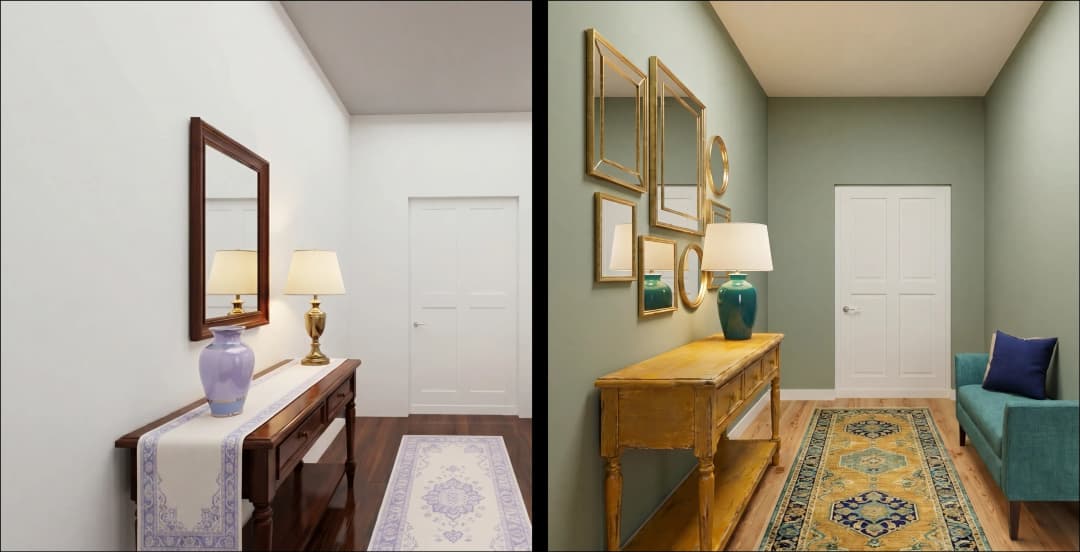
June 10, 2026
Foursite: Floor Plan to 3D Walkthrough in Minutes | VirtualSpaces
HHemanth Velury
CEO & Co-Founder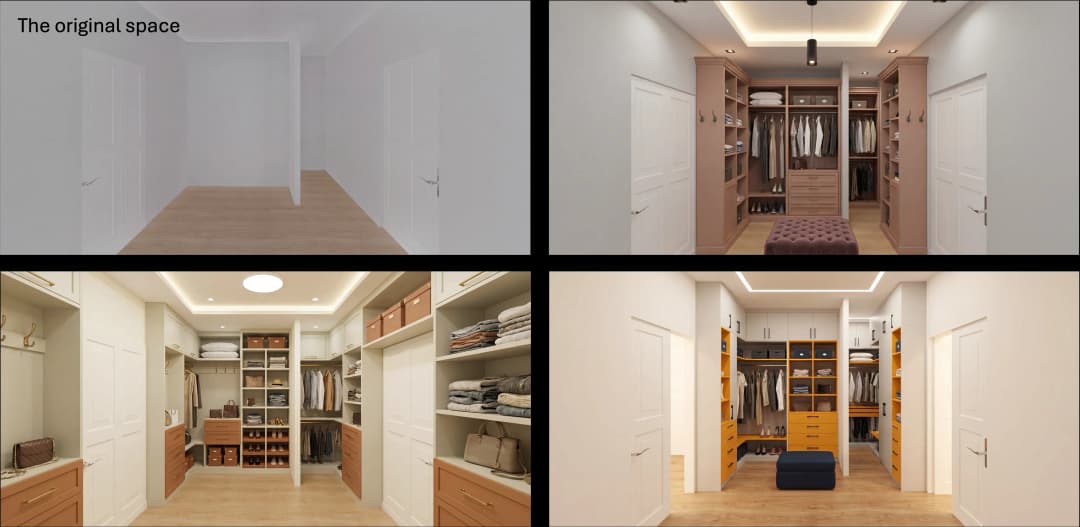
June 08, 2026
Win More Pitches With AI Renders Before the Meeting | VirtualSpaces
HHemanth Velury
CEO & Co-Founder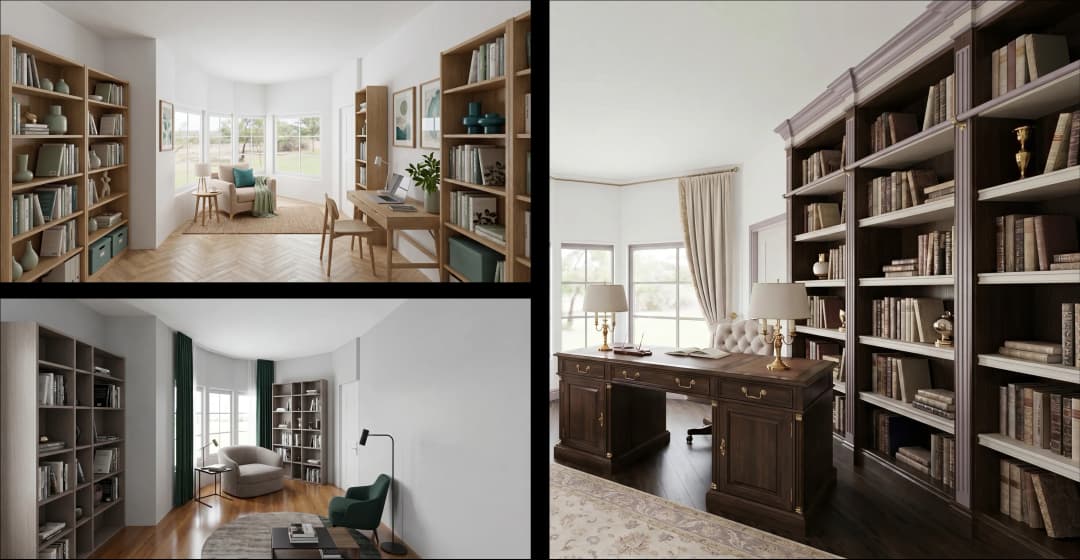
June 05, 2026
From Floor Plan to Finished Room: What AI Now Makes Possible | VirtualSpaces
HHemanth Velury
CEO & Co-Founder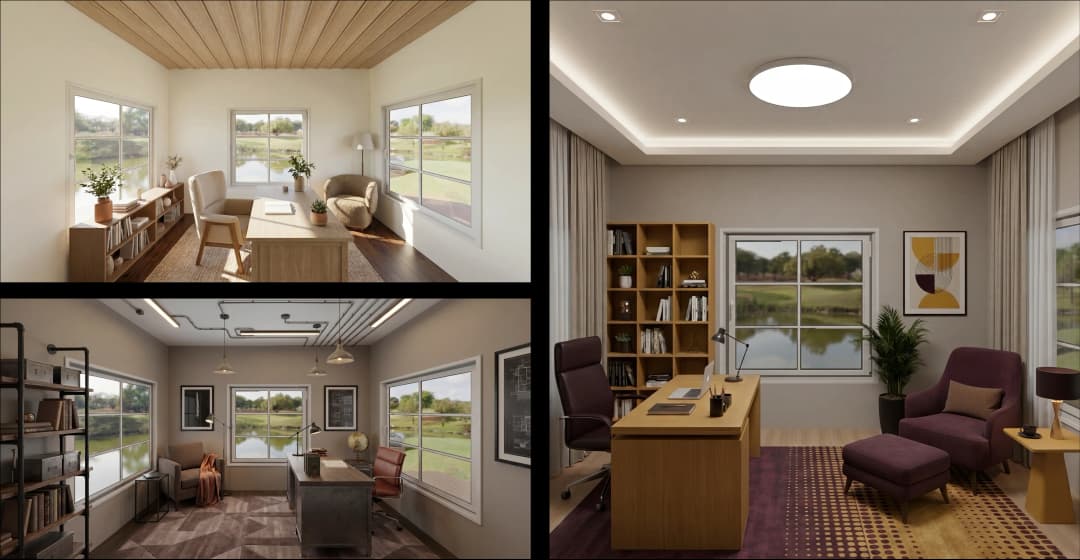
June 03, 2026
The Interior Design Brief Is Broken. AI Fixes It | VirtualSpaces
HHemanth Velury
CEO & Co-Founder
June 01, 2026
Pre-Construction Home Sales: AI Interior Visualization Guide | VirtualSpaces
HHemanth Velury
CEO & Co-Founder
May 30, 2026
Interior Design Principles: Applied with AI | VirtualSpaces
HHemanth Velury
CEO & Co-Founder
May 28, 2026
Designing Spaces for People, Not Blueprints | VirtualSpaces
HHemanth Velury
CEO & Co-Founder
May 26, 2026
The Future of Interior Design: Closing the Visualization Gap with Foursite and Remodroom | VirtualSpaces
HHemanth Velury
CEO & Co-Founder
May 18, 2026
How AI Visualization Upgrades Property Data Platforms | VirtualSpaces
HHemanth Velury
CEO & Co-Founder
May 14, 2026
How AI-First Insurers Can Use 3D Property Data to Transform Home Claims | VirtualSpaces
HHemanth Velury
CEO & Co-FounderMay 12, 2026
Why Photoreal 3D Renders Are Replacing Mood Boards | Interior Design Client Presentations | VirtualSpaces
HHemanth Velury
CEO & Co-Founder
May 08, 2026
From 2D Floor Plans To Living Worlds: The Spec‑Accurate 3D Engine | VirtualSpaces
HHemanth Velury
CEO & Co-Founder
May 06, 2026
Why Furniture Brands Need AI 3D Visualization Now | VirtualSpaces
HHemanth Velury
CEO & Co-Founder
May 4, 2026
How Property Portals Can Turn 2D Floor Plans into 3D Design Decisions | VirtualSpaces
HHemanth Velury
CEO & Co-Founder
April 29, 2026
The Home-Fit Test: Why Square Footage Misleads | VirtualSpaces
HHemanth Velury
CEO & Co-Founder
April 27, 2026
Designing Homes That Sell: 3D Visualization ROI Data | VirtualSpaces
HHemanth Velury
CEO & Co-FounderApril 24, 2026
What's Next: Foursite & Remodroom's New AI Features | VirtualSpaces
HHemanth Velury
CEO & Co-Founder
April 22, 2026
AI in Architecture: Closing the 85% Exposure Gap | VirtualSpaces
HHemanth Velury
CEO & Co-Founder
April 20, 2026
Interior Design Pricing in 2026: From Hourly to Value-Based Fees | VirtualSpaces
HHemanth Velury
CEO & Co-FounderApril 17, 2026
How Foursite and Remodroom Help Designers Win Clients | VirtualSpaces
HHemanth Velury
CEO & Co-Founder
April 15, 2026
Designing Spaces for People: Remodroom + Foursite AI Guide | VirtualSpaces
HHemanth Velury
CEO & Co-Founder
April 13, 2026
Designing for the Way People Actually Live: How AI 3D Is Finally Closing the Gap Between Floor Plan and Reality
HHemanth Velury
CEO & Co-Founder
April 11, 2026
Design in Real Time: AI Renders in Your First Client Meeting
HHemanth Velury
CEO & Co-Founder
April 06, 2026
Why Real Estate Photography Is No Longer Enough: The Shift to Spatial-First Listings
HHemanth Velury
CEO & Co-Founder
April 03, 2026
Property Management's Hidden Weapon: AI 3D Floor Plans That Cut Vacancy Time and Raise Tenant Quality
HHemanth Velury
CEO & Co-Founder
April 01, 2026
Off-Plan and Oversubscribed: How AI 3D Visualization Is Transforming Real Estate Pre-Sales
HHemanth Velury
CEO & Co-Founder
March 30, 2026
Why Foursite Beats Generic AI Tools for Interior Design 3D Visualization
HHemanth Velury
CEO & Co-Founder
March 27, 2026
7 Tenets of Interior Design: How AI Accelerates Harmony in Residential Spaces
HHemanth Velury
CEO & Co-Founder
March 25, 2026
What Is the 3-5-7 Rule in Interior Design? Foursite's AI Guide for Residential Spaces
HHemanth Velury
CEO & Co-Founder
March 23, 2026
What Is the 70/30 Rule in Interior Design? Foursite's AI Guide for Residential Spaces
HHemanth Velury
CEO & Co-Founder
March 20, 2026
How AI 3D Visualization Is Rewriting Residential Interior Design Workflows
HHemanth Velury
CEO & Co-Founder
March 18, 2026
Beyond Marketing: How 3D Floorplans Transform FM, Retrofit Planning & ESG Operations
HHemanth Velury
CEO & Co-Founder
March 16, 2026
Why AI Companies Use Token Payments (And Why VirtualSpaces Is Returning To Fiat)
HHemanth Velury
CEO & Co-Founder
March 13, 2026
Floorplan‑Native Digital Twins: Beyond BIM for Consumer‑Ready Real Estate Experiences
HHemanth Velury
CEO & Co-Founder
March 11, 2026
The Foursite Platform Thesis: Why Floor Plans, Not Photos, Are the Next Property Software Primitive
HHemanth Velury
CEO & Co-Founder
March 09, 2026
Design Systems for Space: Building Reusable 3D Component Libraries on Top of AI Floorplan‑to‑3D Engines
HHemanth Velury
CEO & Co-Founder
March 06, 2026
How to Standardize Design Quality Across Global Projects Using AI Floorplan-to-3D Tools
HHemanth Velury
CEO & Co-Founder
March 04, 2026
From CAD-First to AI-First: Reskilling Your Team for AI-Native Design Workflows
HHemanth Velury
CEO & Co-Founder
March 02, 2026
Algorithmic Ergonomics Meets Photorealistic 3D: Designing Human-Centered Smart Homes with Foursite in 2026
HHemanth Velury
CEO & Co-Founder
February 27, 2026
The Ethics of AI in Interior Design: Ownership, Originality, and Client Transparency
HHemanth Velury
CEO & Co-Founder
February 25, 2026
Designing with Empathy: Using AI 3D Visualization to Improve Client Communication and Emotional Clarity
HHemanth Velury
CEO & Co-Founder
February 23, 2026
From Tool to Infrastructure: AI Floorplan-to-3D and the Next Wave of PropTech
HHemanth Velury
CEO & Co-Founder
February 20, 2026
AI Interior Design for Holiday Homes: Turn Spare Flats into High-Demand Short-Stay Rentals with 3D Visuals
HHemanth Velury
CEO & Co-Founder
February 18, 2026
The Pre‑Purchase Power Play: How Savvy Home Buyers Use 3D Floor Plan Visualization to Negotiate Better Deals
HHemanth Velury
CEO & Co-FounderFebruary 16, 2026
AI Interior Design for Non‑Designers: How Homeowners Can Brief Like Pros
HHemanth Velury
CEO & Co-Founder
February 13, 2026
Scaling a Design Business Without Hiring a 3D Team: An Owner's Guide
HHemanth Velury
CEO & Co-Founder
February 11, 2026
From Bland to Bold: How to Rescue Builder-Grade Interiors on Any Budget
HHemanth Velury
CEO & Co-Founder
February 6, 2026
The Psychology of Space: How Room Dimensions Influence Interior Design Decisions
HHemanth Velury
CEO & Co-Founder
February 4, 2026
The Future of Interior Design Visualization: How AI Technology is Transforming 2D Concepts Into 3D Reality
HHemanth Velury
CEO & Co-Founder
February 2, 2026
AI Interior Décor: How Artificial Intelligence Generates Design Options from Your Floor Plan
HHemanth Velury
CEO & Co-Founder
January 30, 2026
Photoreal vs. Reality: What Clients Actually Expect from Interior Design Visualization
HHemanth Velury
CEO & Co-Founder
January 28, 2026
The Design Approval Conversation That Changes Everything: Communication Strategy When Using Photorealistic Visualization
HHemanth Velury
CEO & Co-Founder
January 25, 2026
Interior Design as Experience Design: How 3D Visualization Changes Your Professional Identity
HHemanth Velury
CEO & Co-Founder
January 23, 2026
The Professional Gap: How 3D Visualization Changes Interior Design Client Perception
HHemanth Velury
CEO & Co-Founder
January 21, 2026
Why Clients Fire Designers (And How 3D Visualization Could Have Saved the Project)
HHemanth Velury
CEO & Co-Founder
January 16, 2026
Blueprint to Vision: Why Seeing Is Believing in Interior Design
HHemanth Velury
CEO & Co-Founder
January 12, 2026
Why Interior Designers and Architects Can't Compete Without AI 3D Visualization Tools
HHemanth Velury
CEO & Co-Founder
January 07, 2026
From "Saved" to "Sold": How Homeowners Are Planning Renovations with AI
HHemanth Velury
CEO & Co-Founder
January 05, 2026
The Interior Designer's Secret Weapon: Speed as Premium Positioning
HHemanth Velury
CEO & Co-Founder
December 31, 2025
Gratitude, Growth & Game-Changing Innovation: VirtualSpaces' 2025 Journey & What's Coming in 2026
HHemanth Velury
CEO & Co-Founder
December 29, 2025
Why Interior Designers Are Switching to AI Floor Plan-to-3D Tools in 2026
HHemanth Velury
CEO & Co-Founder
December 26, 2025
AI Virtual Staging for Real Estate Agents: Sell More Homes Faster with Foursite
HHemanth Velury
CEO & Co-Founder
December 24, 2025
Why Architects Are Switching to AI 2D-to-3D: The SketchUp Alternative
HHemanth Velury
CEO & Co-Founder
December 22, 2025
Cut 3 Weeks from Real Estate Sales Cycle: The ROI of AI 2D to 3D Visualization
HHemanth Velury
CEO & Co-Founder
December 19, 2025
2D Floor Plans Are Dying: Why 3D Visualization & AI Virtual Staging Are the Future
HHemanth Velury
CEO & Co-Founder
December 17, 2025
Virtual Staging vs Physical Staging: How AI Saves Money Per Property
HHemanth Velury
CEO & Co-Founder
December 15, 2025
AI Floor Plan to Image: Revolutionizing Real Estate Marketing for Agents
HHemanth Velury
CEO & Co-Founder
December 12, 2025
Color of the Year 2026: Cloud Dancer | VirtualSpaces AI Interior Design Guide
HHemanth Velury
CEO & Co-Founder
December 10, 2025
AI Floor Plan to 3D: The New Standard for Interior Design Workflows
HHemanth Velury
CEO & Co-Founder
December 08, 2025
How Interior Design Studios Can Operationalize AI 2D-to-3D Workflows (Without Breaking Their Process)
HHemanth Velury
CEO & Co-Founder
December 06, 2025
How to Implement AI Interior Design Workflows in Your Studio
HHemanth Velury
CEO & Co-Founder
December 4, 2025
How Homeowners Can Use AI Interior Design Tools to Plan Renovations with Confidence
HHemanth Velury
CEO & Co-Founder
November 28, 2025
Interior Designers in the Age of AI: From Threat Narrative to Superpower
HHemanth Velury
CEO & Co-Founder
November 21, 2025
Foursite Launch: Embracing 'Release Early, Release Often'
HHemanth Velury
CEO & Co-Founder
November 13, 2025
Foursite by VirtSpaces: Empowering Interior Designers, Architects, and Homeowners
HHemanth Velury
CEO & Co-Founder
November 7, 2025
Reimagining Architectural Education: How AI Floorplan-to-3D Technology Can Transform Design Learning
VVirtualSpaces Research Labs
AI Research Initiative
October 27, 2025
Archisculpt AI: Turning Architectural Drawings into Photorealistic 3D Spaces
AAbhijeet Naik
Co-Founder & CTO
October 13, 2025
Home Makeover: From Floor Plan to Dream Space with AI
HHemanth Velury
CEO & Co-Founder
October 6, 2025
Real-Time Rendering & AI: Revolutionizing Interactive Property Walkthroughs with VirtSpaces
HHemanth Velury
CEO & Co-Founder
September 26, 2025
Foursite - A True AI-Native Experience in Design Visualization
AAbhijeet Naik
CTO & Co-Founder
September 18, 2025
Why PropTech Startups Are Betting on AI Interior Design
HHemanth Velury
CEO & Co-Founder
September 11, 2025
How AI Differs from Traditional 3D Rendering Software
HHemanth Velury
CEO & Co-Founder
September 2, 2025
From Client to Investor: How Nila Spaces and VirtSpaces Are Redefining Proptech with AI
HHemanth Velury
CEO & Co-Founder
August 25, 2025
VirtSpaces From Virtual Reality to AI – Transforming Real Estate Visualization.
HHemanth Velury
CEO & Co-Founder


We help teams collaborate seamlessly and reduce costs. Virtual Spaces offers cutting-edge technology with flexible plans designed to fit modern teams.
Copyright © VirtSpaces Pvt. Ltd. 2025 All Rights Reserved.
CIN: U74999KA2016PTC094921