
January 09, 2026
- AI Technology
- Real Estate
- Interior Design
The Empty Room Problem That's Costing You Sales
Hemanth Velury
CEO & Co-FounderThe Empty Room Problem That's Costing You Sales
An empty house whispers. A furnished home tells a story. That's the brutal reality facing real estate developers and interior designers in 2025. A vacant property sits on the market for an average of 90 days. But the same property with professional staging? It sells in just 24 days.
That's a 73% reduction in time on the market. For developers, every single day matters. Holding costs eat into margins. For interior designers, vacant spaces are a missed opportunity to showcase their vision. Both face the same challenge: how do you help buyers see the potential in empty rooms?
The answer isn't staging furniture anymore. It's AI 3D visualization.
Why Vacant Properties Struggle to Sell
Let's be honest. Empty rooms are scary to buyers.
When someone walks into a vacant bedroom, they don't see a bedroom. They see four blank walls, echoing footsteps, and a void that their imagination can't quite fill. Even the most experienced real estate agent knows this truth: buyers buy with their hearts first, then their heads.
The numbers prove it. Properties listed online with professional staging attract 40% more views than vacant listings. That matters because in today's digital-first market, the first impression happens on a screen, not in person. Here's the real kicker: 83% of buyers' agents report that staging a home makes it significantly easier for buyers to visualize the property as their future home. That's not a nice-to-have anymore. It's a MUST have.
For developers, the problem multiplies. A pre-construction project is even harder to visualize. You're asking buyers to imagine something that doesn't exist yet. A static blueprint? Forget it. A basic floor plan? Won't move the needle.
That's where AI steps in.
The AI Visualization Revolution: Converting Blueprints to Dreams
For decades, the real estate industry has been stuck in a workflow that feels outdated. Blueprints come in. Manual designers spend weeks creating 3D renderings. Back-and-forth revisions drag on. Finally, you get a beautiful image. But by then, the market has moved on.
AI visualization flips this entire process on its head. Imagine this: You have a 2D floor plan. Within seconds, an AI system converts that blueprint to 3D. You feed it some reference photos of the actual space. The AI analyzes light, proportions, materials, and spatial relationships. Then it generates a fully furnished, photorealistic interior that looks indistinguishable from professional photography.
That's not science fiction. That's happening right now.
The Speed Advantage
Traditional virtual staging took weeks. AI-powered staging takes minutes.
A real estate agent uploads five photos of a vacant bedroom. By the time they finish their morning coffee, they have twelve different staging options: modern, contemporary, minimalist, luxury, cozy—each one click-ready for their listings. Compare that to the old way. Book a staging company. Wait for their schedule. Back-and-forth emails about furniture choices. Revisions if the homeowner doesn't like the first concept. Fast-forward three weeks, and you finally have your images.
With AI, you eliminate the bottleneck.
The Differentiation Advantage
In a crowded market, differentiation wins.
Property developers know this. When you launch a new project, you're competing against every other development in the city. Your financing is probably similar. Your location might be comparable. Your pricing could be in the same range. What sets you apart? How buyers experience your property. When a potential buyer scrolls through listings, they see ten vacant condominiums. Boring floor plans. Empty rooms. No personality.
Then they see your property: A 3D visualization. The morning light streaming through the windows. A beautifully staged living room that shows lifestyle, not just square footage. Suddenly, your property stands out.
Interior designers face a similar challenge. Clients want to see the "after" before they commit. A 2D floor plan with fabric swatches? Not compelling. A photorealistic 3D rendering of the space with the exact furniture, colors, and lighting they're about to invest in? Now you're speaking their language.
AI visualization gives both groups a massive competitive edge. It's faster than competitors, more stunning than competitors, and more cost-effective than competitors.
How AI Blueprint-to-3D Technology Works
The workflow is surprisingly intuitive.
Blueprint to 3D Conversion: You start with what you already have. A 2D floor plan. An architectural blueprint. A CAD drawing. Feed this into an AI visualization platform, and the system immediately understands the spatial relationships. It extracts room dimensions, identifies wall locations, and understands the overall layout.
The AI converts this 2D blueprint to 3D in seconds. It's not guesswork. The technology uses computer vision and geometric analysis to translate your flat blueprint into accurate 3D coordinates.
Floor Plan to 3D Furniture Placement: Now comes the magic. The AI analyzes the 3D space and suggests optimal furniture placement. It understands scale, sightlines, and functional design principles. A couch won't block a window. A dining table will have proper clearance. The layout works.
If you're an interior designer, you control this stage. The AI does the heavy lifting, but you make the decisions. You can adjust, move, swap, and refine until the space matches your vision.
AI Interior Design & Decor Application: This is where personalization happens. The AI doesn't just place furniture. It understands color theory, lighting psychology, and design trends. It analyzes thousands of professional interior design examples, understands the aesthetic principles behind successful spaces, and applies that knowledge to your specific room.
The AI interior design system can also create multiple style variations for comparison.
AI Interior Decor Renders with Photoreal Quality: The final output is stunning. Photorealistic renderings that look like professional photography. Modern AI visualization creates interior design renders that are nearly indistinguishable from actual photos. Shadows fall correctly. Light reflects realistically. Textures look tangible. Materials show their true appearance.
This is architectural visualization at the highest level.
Workflow Efficiency: The entire AI visualization workflow—from blueprint to final render—takes anywhere from 15 minutes to a couple of hours. No waiting weeks. No expensive designer fees. No multiple rounds of revisions.
For a developer launching 50 units, this means you can have dozens of marketing-ready visualizations within a single day.
The Numbers: AI Visualization ROI That Justifies the Investment
Speed is nice. But developers and interior designers care about one thing: does it really sell more properties and win more clients?
The answer is unequivocally YES.
Sales Velocity Impact: Properties marketed with 3D visualization sell 68% faster than properties without professional visuals. That's not marginal improvement. That's transformational.
In concrete numbers: if a property typically takes 90 days to sell, AI visualization can reduce that to roughly 29 days. That's nearly three months of holding costs eliminated from your balance sheet.
For developers working with 50-unit projects, that compounds quickly. You free up capital faster, reduce carrying costs, and can reinvest in the next project sooner.
Online Engagement Metrics: Virtual staged listings attract 40% more online views than vacant listings. More views mean more serious inquiries. More inquiries mean more qualified leads walking through your door (or in this case, clicking through your virtual tour).
Properties with interactive 3D visualizations see even higher engagement. Users aren't just viewing static images. They're exploring, rotating, looking at different angles, and spending significantly more time engaging with the listing.
Price Premium: Here's where it gets really interesting. Homes with virtual staging sell for 5% to 23% more than identical properties without staging. Some studies report even higher premiums in specific markets. Think about what that means. You're not changing the physical property. You're not upgrading appliances or renovating the kitchen. You're showing the space better with visualization.
A $1 million property with professional visualization might sell for $50,000 to $230,000 more.
AI Visualization ROI: The actual return on investment is staggering.
A single high-quality 3D rendering costs between $200 to $400. A full project package of 10-15 renderings runs $500 to $15,000 depending on complexity.
Virtual staging is more than 90% cheaper than traditional physical staging, with some analyses citing savings as high as 97%. A single virtual staging cost just $29 to $99 per image.
Compare that to the sales impact:
- You save 60+ days of holding costs (easily $10,000+ for a commercial property)
- You reduce the number of physical showings needed (saving time and resources)
- You capture the premium buyers who respond to professional presentation
- You close deals faster and more reliably
The ROI multiples are in the hundreds of percent. Even a conservative estimate demonstrates this: with a 3% price uplift and 5 days saved on the market for a $550,000 home, with a virtual staging cost of $350 (10 photos at $35), the total benefit was $17,500!
Why Developers and Interior Designers Are Adopting AI Visualization Now
The real estate developer persona is data driven. You track inventory turnover. You manage project timelines. You know exactly what impacts your bottom line.
Interior designers, too, understand that client satisfaction directly correlates to referrals and repeat business.
Both professions are rapidly adopting AI visualization because the business case is irrefutable.
For Real Estate Developers
You face constant pressure. Interest rates fluctuate. Project timelines slip. Buyer sentiment shifts. In this environment, any tool that accelerates sales velocity and reduces holding costs is gold.
AI visualization does exactly that. It lets you:
- Convert floor plans to 3D visualizations instantly
- Generate multiple design options to A/B test with buyers
- Pre-sell properties before construction finishes
- Reduce buyer uncertainty and decision hesitation
- Present projects to investors with stunning clarity
The financial impact is direct. Faster sales. Lower carrying costs. Higher prices. Better cash flow.
For Interior Designers
You already know that showing, not telling, is how you win clients. A description of a design concept is fine. A photorealistic 3D visualization of the exact space your client is about to invest in is transformational.
With AI interior design and visualization tools, you can:
- Generate multiple design options in hours instead of weeks
- Show clients exactly what their space will look like before moving a single piece of furniture
- Adjust designs on the fly based on client feedback
- Build a stunning portfolio of completed designs
- Close more projects and increase project fees
You're no longer waiting for skilled CAD operators or expensive 3D artists. You're leveraging AI to amplify your design talent.
The Practical Implementation: VirtualSpaces & Foursite in Action
So how does this actually work in practice?
The workflow looks like this:
Day 1 Morning: A developer receives architectural blueprints for a new residential project. 50 units. Three design variations. They need marketing materials within a week.
Day 1 Afternoon: They input the blueprints and floor plans into an AI visualization platform. Within minutes, the system converts the 2D blueprints to accurate 3D models.
Day 2: Interior designers use the AI visualization tool to stage different design variations. Modern minimalist. Warm contemporary. Luxury finishes. Each variation is customized for different buyer demographics.
Day 2 Evening: The platform generates photorealistic interior design renders for all three variations. The renders show lighting at different times of day. They show how furniture interacts with natural light. They show material finishes in their truest appearance.
Day 3: The developer has dozens of marketing-ready visualizations. Not sketches. Not rough concepts. Professional-grade renderings ready for website, brochures, and marketing campaigns.
Marketing Impact: Buyers see the space as finished. As styled. As real. They engage more, visit in person more often, and close faster.
This compressed timeline is what separates fast-moving developers from stuck competitors.
The Technology Stack: AI Visualization Architectural Workflow Explained
If you're wondering how this works technically, here's the simplified version.
Input: Floor Plans and Blueprints
The system accepts a pdf or a jpg/png of your floorplan—you don't even have to deal with a CAD drawing anymore!
The AI uses computer vision to understand these 2D representations.
Processing: AI Visualization Workflow
The system performs several tasks simultaneously:
- Spatial Understanding: Analyzes room dimensions, wall locations, doorways, windows
- Semantic Analysis: Identifies what type of room (bedroom, living room, kitchen) and infers functional requirements
- 3D Generation: Converts 2D geometry to accurate 3D coordinates
- Lighting Analysis: Calculates how natural and artificial light interact with the space
- Material Application: Suggests finishes and materials based on design context
AI Interior Design Application
Once the base 3D model is created, the AI interior decor system:
- Generates design recommendations based on style preference
- Places furniture using functional and aesthetic rules
- Applies color palettes and material finishes
- Suggests lighting arrangements
- Generates multiple design variations
Output: Photoreal Renders
The final output is indistinguishable from professional photography. Every shadow, reflection, and texture is rendered with accuracy. This entire AI visualization workflow handles what traditionally required multiple specialists: 3D modelers, interior designers, lighting specialists, and render artists.
The Market Perspective: Why This Shift Is Accelerating
The numbers tell a clear story about where the market is heading. The AI interior design market is growing at a CAGR of 24.3%, with the market expected to reach USD 7,299 million by 2033, up from USD 829 million in 2023. That's not fringe technology. That's mainstream adoption accelerating.
The virtual staging market is similarly robust. The virtual staging for real estate market size stood at USD 1.2 billion in 2024 and is forecast to achieve USD 5.5 billion by 2033, registering an 18.5% CAGR from 2026 to 2033. This is JUST in the US!
Why? Because the business case is undeniable.
Developers who adopt AI visualization close properties faster. Interior designers who adopt these tools win more clients. The competitive pressure is real. Early adopters capture market share. Late adopters struggle to compete. This isn't speculation. This is market reality playing out in real-time.
Key Takeaway: Speed and Differentiation Win
In today's real estate market, vacant properties don't need to stay vacant for 90 days. They don't need to drag through months of showings with uncertain buyers. AI visualization transforms vacant properties from liabilities into assets. It transforms floor plans from confusing technical drawings into compelling visual stories.
For real estate developers, the advantage is clear: faster sales, higher prices, lower carrying costs, and competitive differentiation.
For interior designers, the advantage is equally clear: faster project delivery, more confident clients, higher project velocity, and the ability to close more business.
The technology exists. The ROI is proven. The market adoption is accelerating.
The question isn't whether to adopt AI visualization. The question is how quickly you can implement it before your competitors do.
Because in the world of real estate, the fastest mover wins. And AI visualization is the tool that makes you unstoppably fast.
NOTE: Studies are US based. There is a lot of data that is available out there in National Association of Realtors and other credible (rather than anecdotal) sources. This is why all the data is in USD.
Recommended for you

August 19, 2026
The End of the Model Home? 3D Changes the Math | VirtualSpaces
HHemanth Velury
CEO & Co-Founder
August 17, 2026
Designing Spaces That Actually Get Built | VirtualSpaces
HHemanth Velury
CEO & Co-Founder
August 12, 2026
Designing Homes for the Stuff People Actually Own | VirtualSpaces
HHemanth Velury
CEO & Co-Founder
August 07, 2026
Floor Plan to Bill of Materials: The 3D Model as Data | VirtualSpaces
HHemanth Velury
CEO & Co-Founder.png&w=1080&q=75)
August 05, 2026
Designing Homes for How People Actually Live | VirtualSpaces
HHemanth Velury
CEO & Co-Founder
August 03, 2026
Honest by Design: Trust in AI Real Estate Imagery | VirtualSpaces
HHemanth Velury
CEO & Co-Founder
July 29, 2026
Kitchen and Bath: The Two Rooms That Decide Resale | VirtualSpaces
HHemanth Velury
CEO & Co-Founder
July 27, 2026
Why Empty Rooms Don't Sell: Virtual Staging | VirtualSpaces
HHemanth Velury
CEO & Co-Founder
July 24, 2026
The Quiet Sustainability Win of Deciding in 3D | VirtualSpaces
HHemanth Velury
CEO & Co-Founder
July 22, 2026
Why Paint Swatches Lie: Test Color in 3D First | VirtualSpaces
HHemanth Velury
CEO & Co-Founder
July 20, 2026
Why Every Home Should Be Seen Before It's Built | VirtualSpaces
HHemanth Velury
CEO & Co-Founder
July 17, 2026
Why Big AI Labs Won't Build Floor Plan to 3D | VirtualSpaces
HHemanth Velury
CEO & Co-Founder
July 15, 2026
How We Solve Floor Plan to 3D, Accurately | VirtualSpaces
HHemanth Velury
CEO & Co-Founder
July 13, 2026
Designing Homes That Age With the People in Them | VirtualSpaces
HHemanth Velury
CEO & Co-Founder
July 10, 2026
Designing Spaces for How Light Actually Moves | VirtualSpaces
HHemanth Velury
CEO & Co-Founder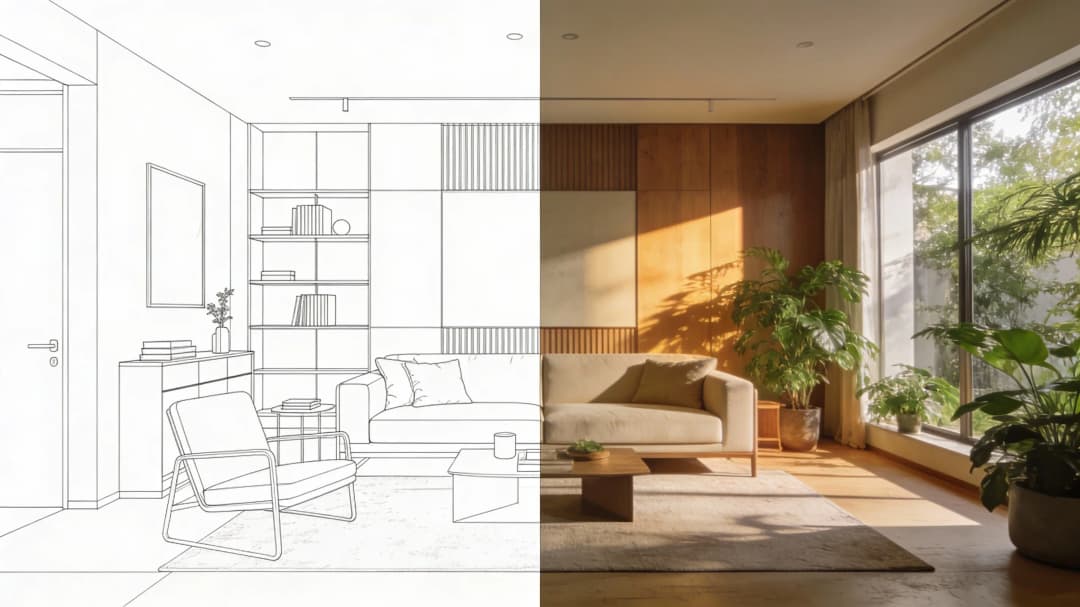
July 08, 2026
Designing Homes for Every Life Stage in 3D | VirtualSpaces
HHemanth Velury
CEO & Co-Founder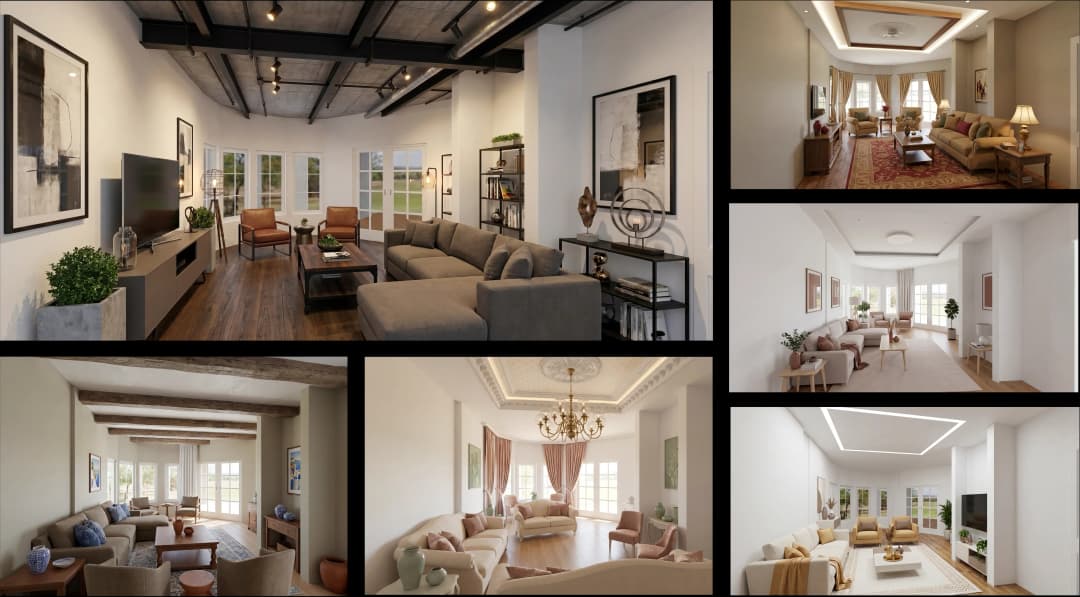
July 06, 2026
Build an Interior Design Portfolio Without Clients | VirtualSpaces
HHemanth Velury
CEO & Co-Founder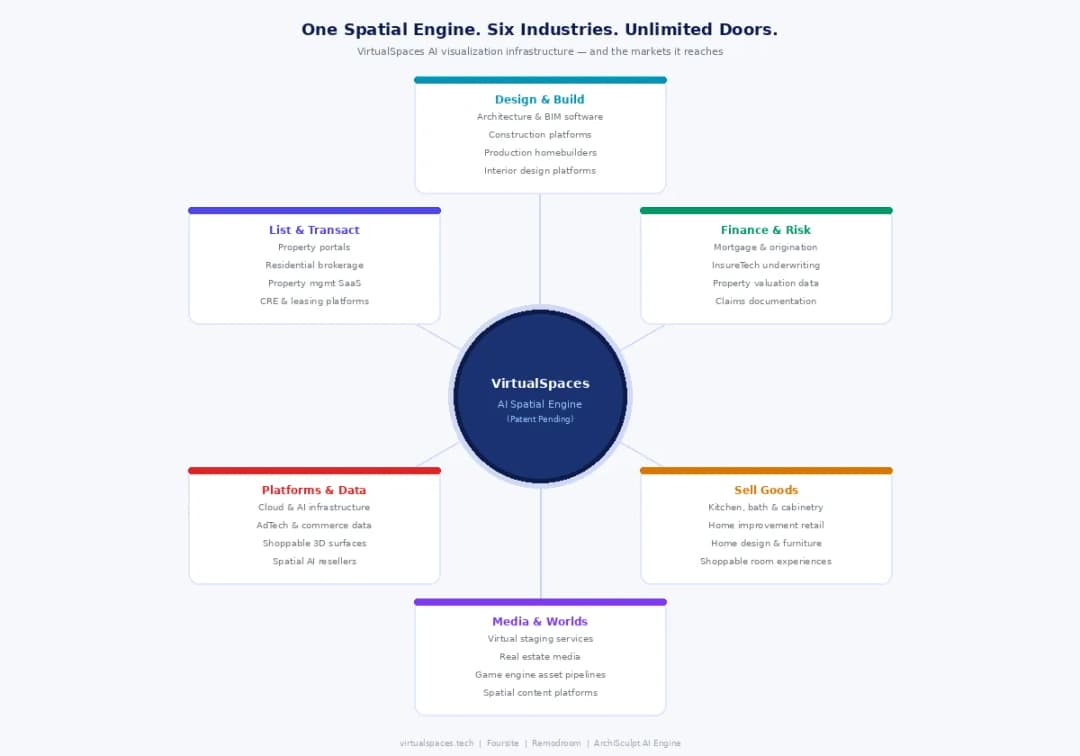
June 26, 2026
AI Interior Design: Full 3D Workflow in One Platform | VirtualSpaces
HHemanth Velury
CEO & Co-Founder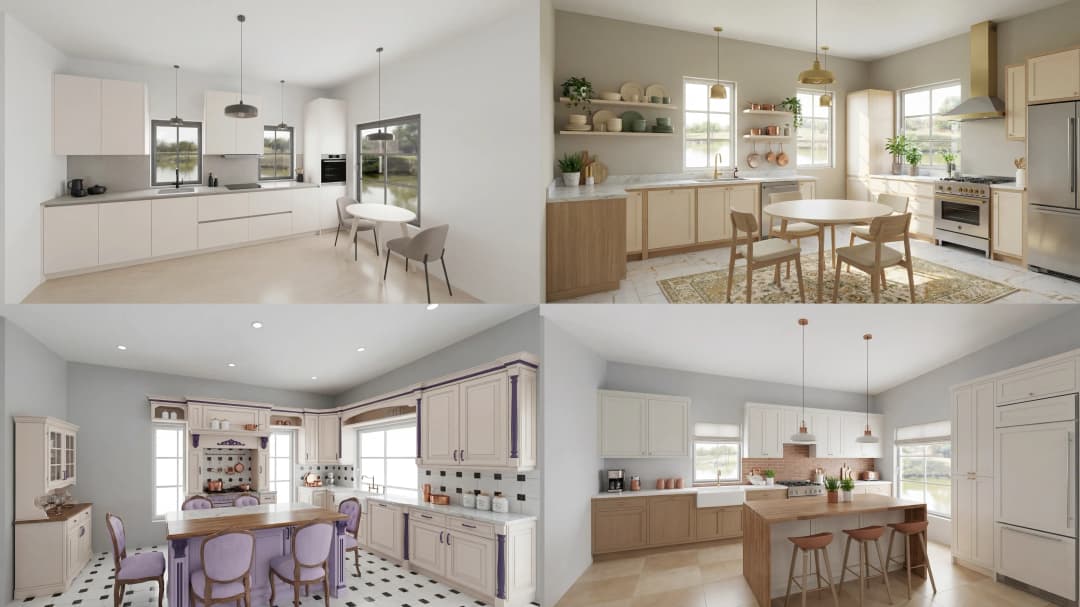
June 24, 2026
Scope Creep in Interior Design: How AI Visualization Fixes It | VirtualSpaces
HHemanth Velury
CEO & Co-Founder
June 22, 2026
What Buyers See on a Floor Plan: Your Biggest Sales Problem | VirtualSpaces
HHemanth Velury
CEO & Co-Founder
June 19, 2026
Small Design Studios vs Big Firms: The AI Advantage | VirtualSpaces
HHemanth Velury
CEO & Co-Founder
June 17, 2026
After the Mood Board: AI Interior Visualization | VirtualSpaces
HHemanth Velury
CEO & Co-Founder
June 15, 2026
Foursite Pro Editor: Full Floor Plan Control for Designers | VirtualSpaces
HHemanth Velury
CEO & Co-Founder
June 12, 2026
AI Interior Design: Style Any Room in Seconds with Foursite | VirtualSpaces
HHemanth Velury
CEO & Co-Founder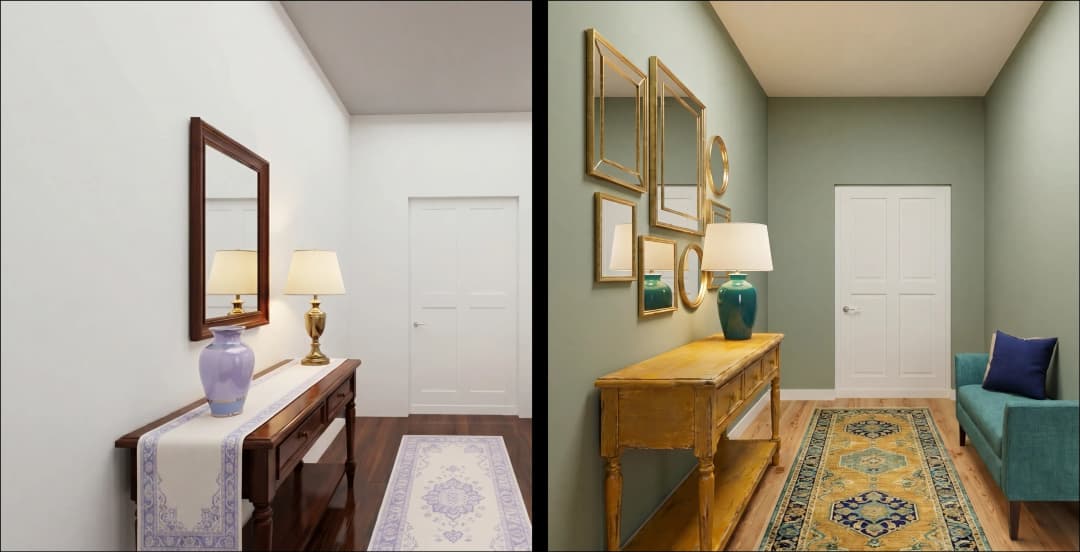
June 10, 2026
Foursite: Floor Plan to 3D Walkthrough in Minutes | VirtualSpaces
HHemanth Velury
CEO & Co-Founder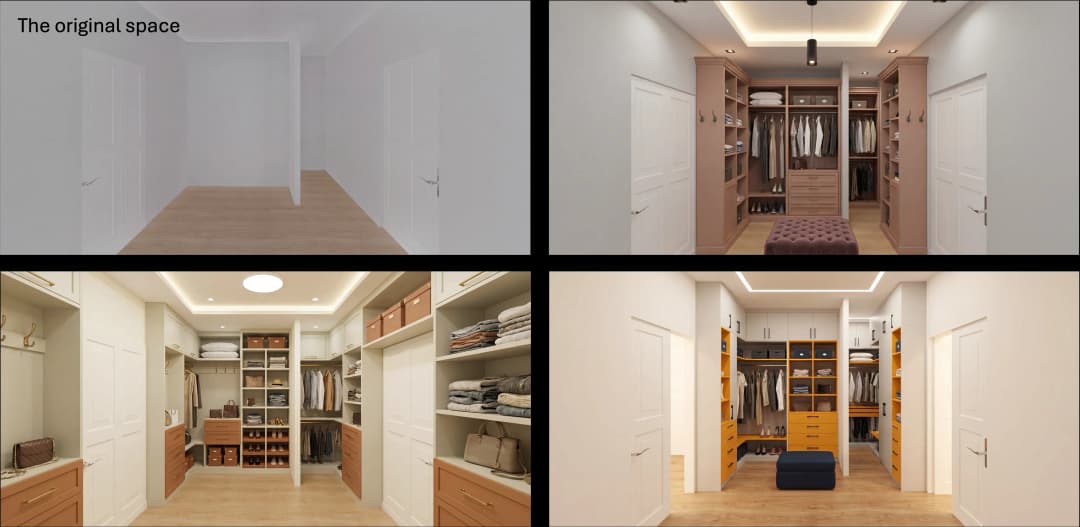
June 08, 2026
Win More Pitches With AI Renders Before the Meeting | VirtualSpaces
HHemanth Velury
CEO & Co-Founder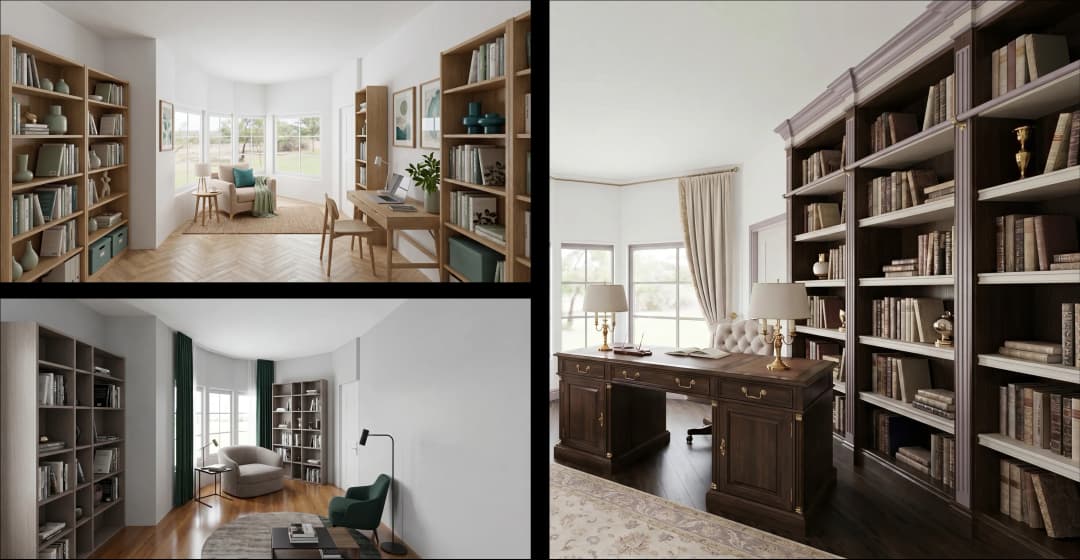
June 05, 2026
From Floor Plan to Finished Room: What AI Now Makes Possible | VirtualSpaces
HHemanth Velury
CEO & Co-Founder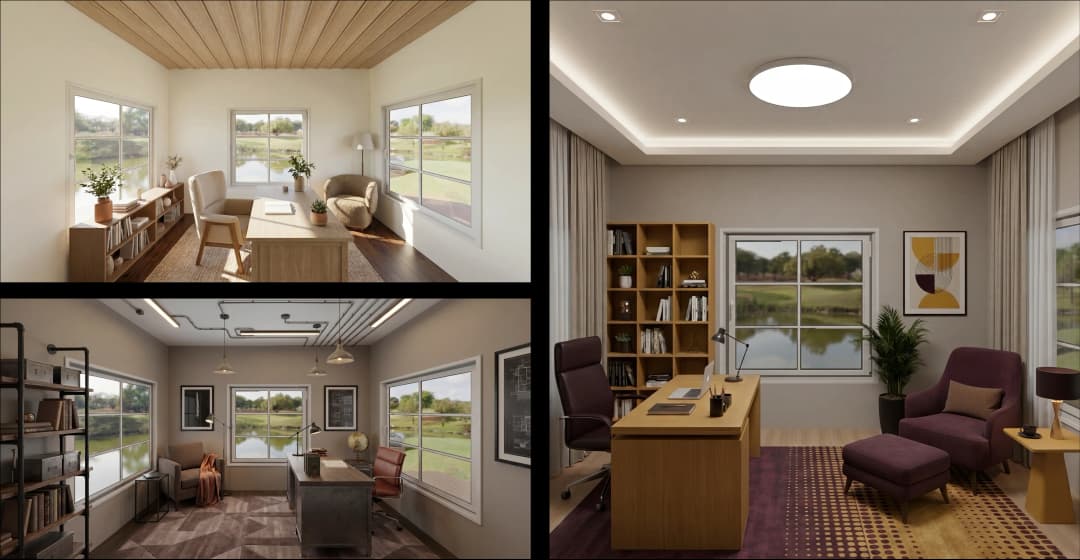
June 03, 2026
The Interior Design Brief Is Broken. AI Fixes It | VirtualSpaces
HHemanth Velury
CEO & Co-Founder
June 01, 2026
Pre-Construction Home Sales: AI Interior Visualization Guide | VirtualSpaces
HHemanth Velury
CEO & Co-Founder
May 30, 2026
Interior Design Principles: Applied with AI | VirtualSpaces
HHemanth Velury
CEO & Co-Founder
May 28, 2026
Designing Spaces for People, Not Blueprints | VirtualSpaces
HHemanth Velury
CEO & Co-Founder
May 26, 2026
The Future of Interior Design: Closing the Visualization Gap with Foursite and Remodroom | VirtualSpaces
HHemanth Velury
CEO & Co-Founder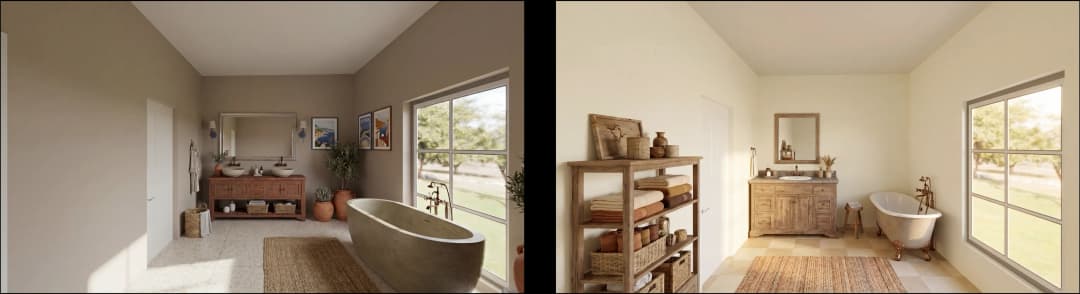
May 18, 2026
How AI Visualization Upgrades Property Data Platforms | VirtualSpaces
HHemanth Velury
CEO & Co-Founder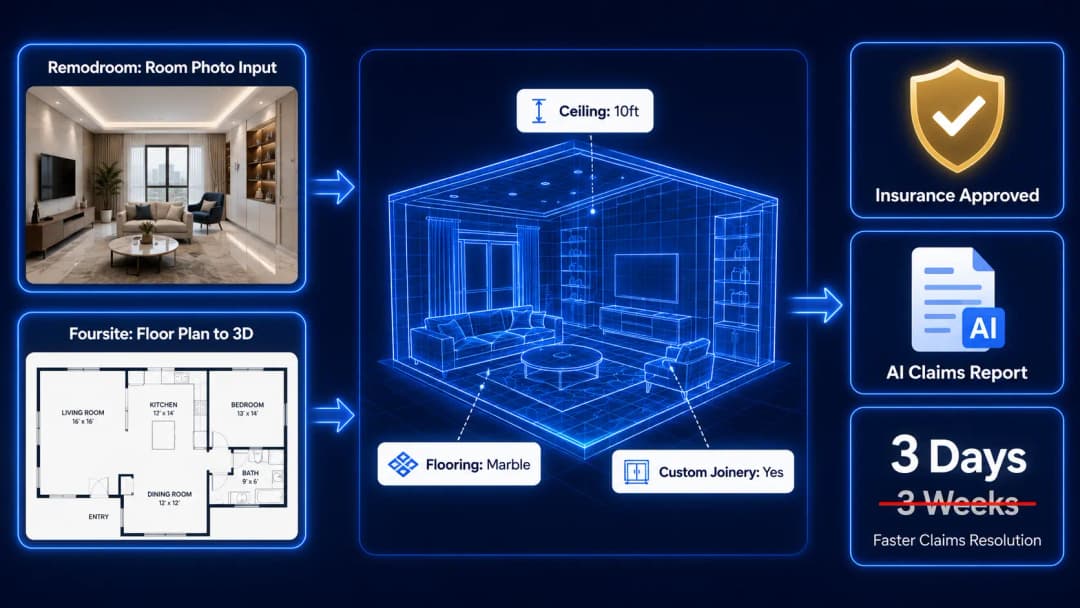
May 14, 2026
How AI-First Insurers Can Use 3D Property Data to Transform Home Claims | VirtualSpaces
HHemanth Velury
CEO & Co-FounderMay 12, 2026
Why Photoreal 3D Renders Are Replacing Mood Boards | Interior Design Client Presentations | VirtualSpaces
HHemanth Velury
CEO & Co-Founder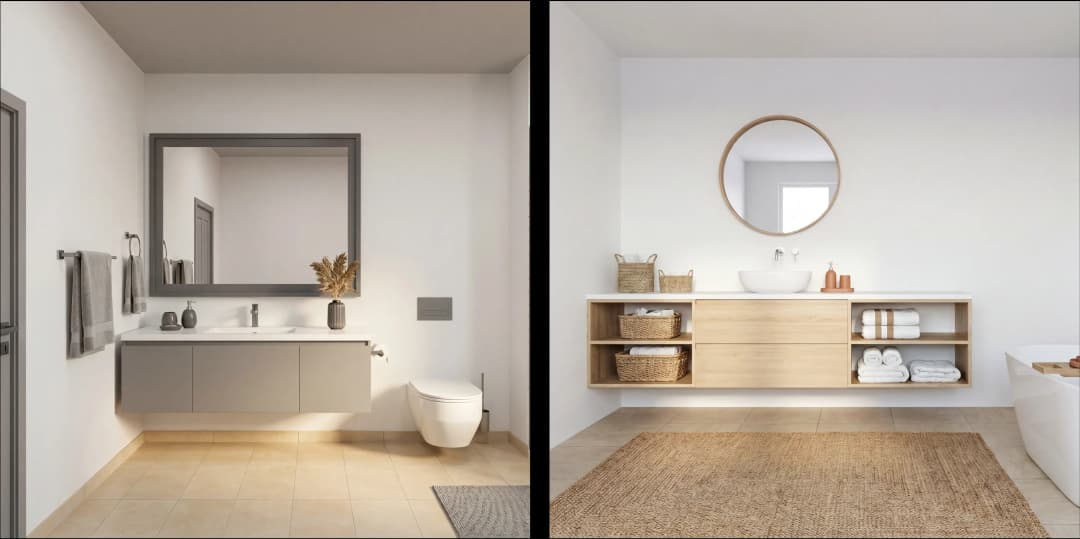
May 08, 2026
From 2D Floor Plans To Living Worlds: The Spec‑Accurate 3D Engine | VirtualSpaces
HHemanth Velury
CEO & Co-Founder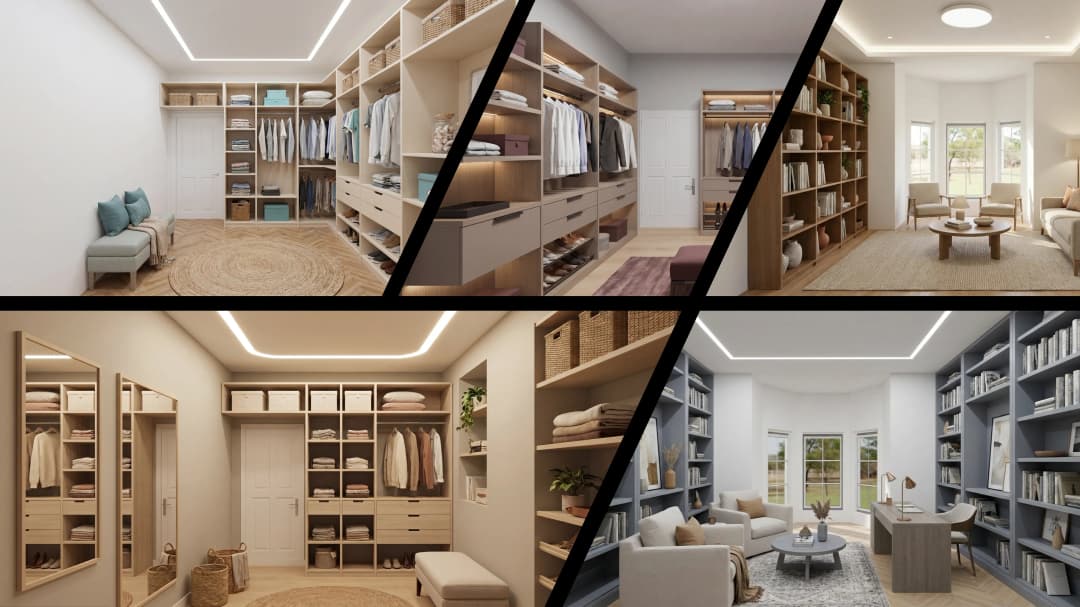
May 06, 2026
Why Furniture Brands Need AI 3D Visualization Now | VirtualSpaces
HHemanth Velury
CEO & Co-Founder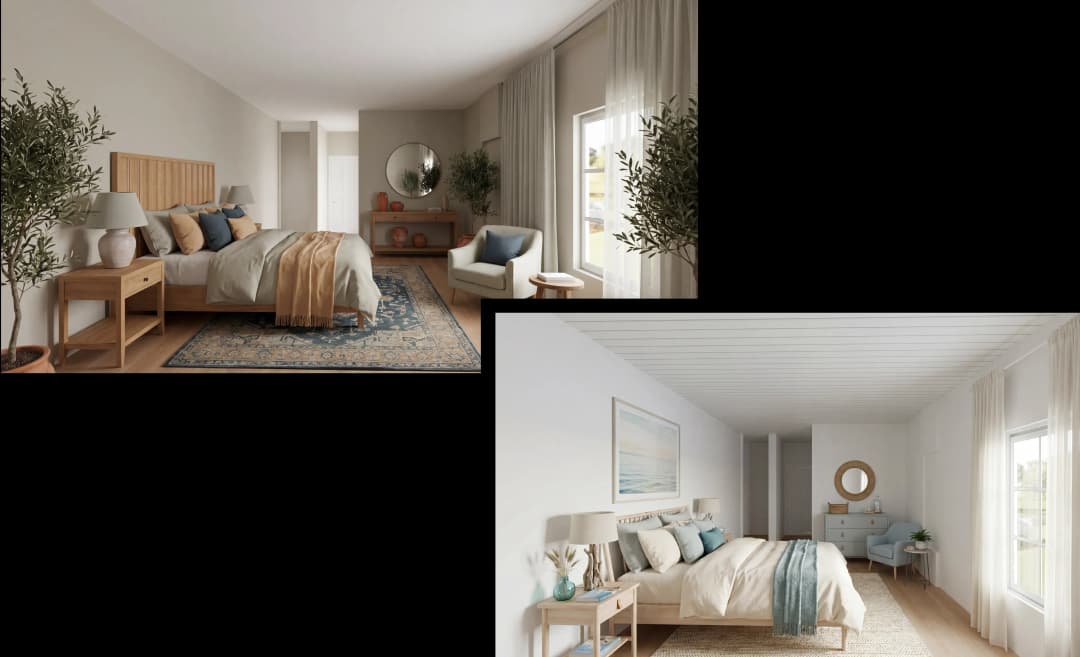
May 4, 2026
How Property Portals Can Turn 2D Floor Plans into 3D Design Decisions | VirtualSpaces
HHemanth Velury
CEO & Co-Founder
April 29, 2026
The Home-Fit Test: Why Square Footage Misleads | VirtualSpaces
HHemanth Velury
CEO & Co-Founder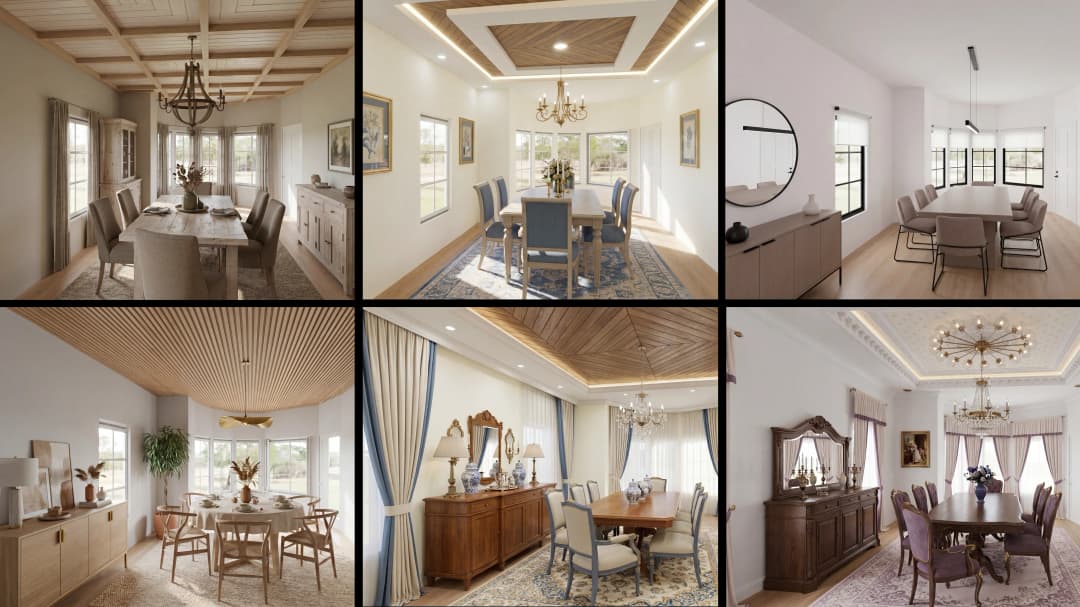
April 27, 2026
Designing Homes That Sell: 3D Visualization ROI Data | VirtualSpaces
HHemanth Velury
CEO & Co-FounderApril 24, 2026
What's Next: Foursite & Remodroom's New AI Features | VirtualSpaces
HHemanth Velury
CEO & Co-Founder
April 22, 2026
AI in Architecture: Closing the 85% Exposure Gap | VirtualSpaces
HHemanth Velury
CEO & Co-Founder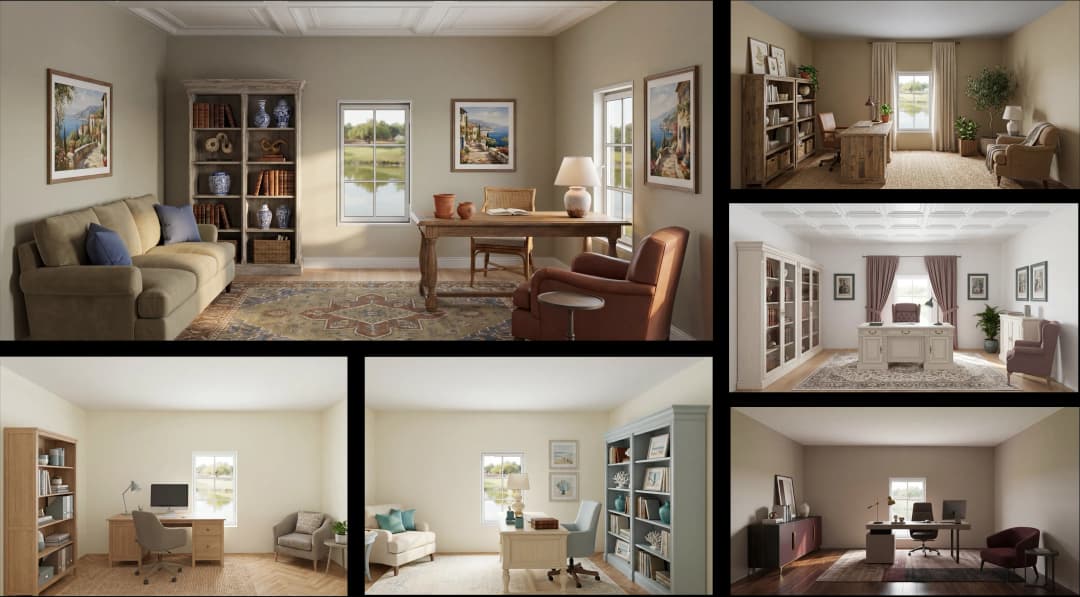
April 20, 2026
Interior Design Pricing in 2026: From Hourly to Value-Based Fees | VirtualSpaces
HHemanth Velury
CEO & Co-FounderApril 17, 2026
How Foursite and Remodroom Help Designers Win Clients | VirtualSpaces
HHemanth Velury
CEO & Co-Founder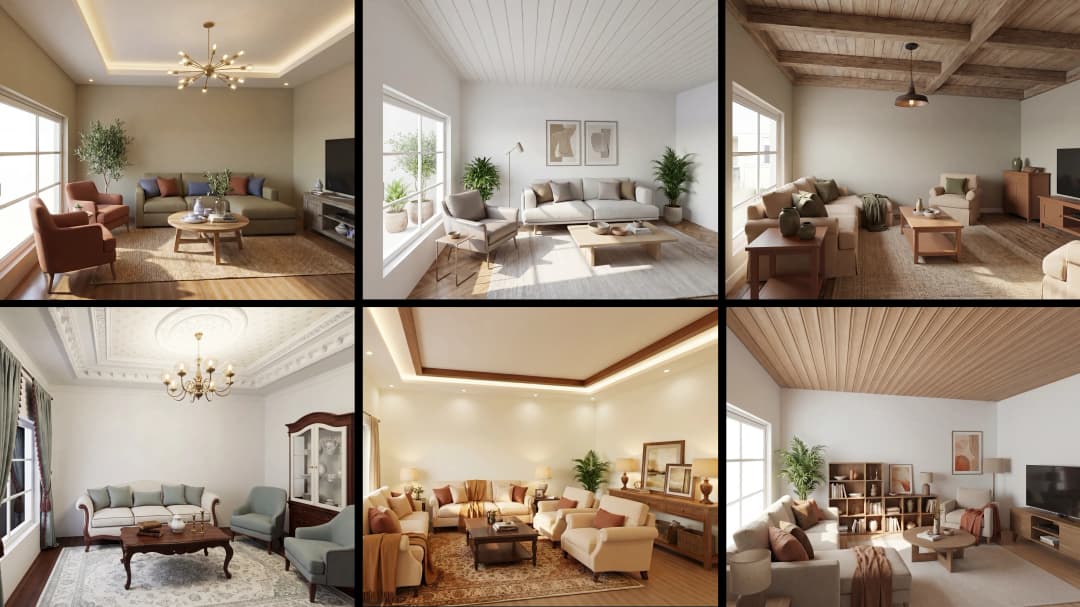
April 15, 2026
Designing Spaces for People: Remodroom + Foursite AI Guide | VirtualSpaces
HHemanth Velury
CEO & Co-Founder
April 13, 2026
Designing for the Way People Actually Live: How AI 3D Is Finally Closing the Gap Between Floor Plan and Reality
HHemanth Velury
CEO & Co-Founder
April 11, 2026
Design in Real Time: AI Renders in Your First Client Meeting
HHemanth Velury
CEO & Co-Founder
April 06, 2026
Why Real Estate Photography Is No Longer Enough: The Shift to Spatial-First Listings
HHemanth Velury
CEO & Co-Founder
April 03, 2026
Property Management's Hidden Weapon: AI 3D Floor Plans That Cut Vacancy Time and Raise Tenant Quality
HHemanth Velury
CEO & Co-Founder
April 01, 2026
Off-Plan and Oversubscribed: How AI 3D Visualization Is Transforming Real Estate Pre-Sales
HHemanth Velury
CEO & Co-Founder
March 30, 2026
Why Foursite Beats Generic AI Tools for Interior Design 3D Visualization
HHemanth Velury
CEO & Co-Founder
March 27, 2026
7 Tenets of Interior Design: How AI Accelerates Harmony in Residential Spaces
HHemanth Velury
CEO & Co-Founder
March 25, 2026
What Is the 3-5-7 Rule in Interior Design? Foursite's AI Guide for Residential Spaces
HHemanth Velury
CEO & Co-Founder
March 23, 2026
What Is the 70/30 Rule in Interior Design? Foursite's AI Guide for Residential Spaces
HHemanth Velury
CEO & Co-Founder
March 20, 2026
How AI 3D Visualization Is Rewriting Residential Interior Design Workflows
HHemanth Velury
CEO & Co-Founder
March 18, 2026
Beyond Marketing: How 3D Floorplans Transform FM, Retrofit Planning & ESG Operations
HHemanth Velury
CEO & Co-Founder
March 16, 2026
Why AI Companies Use Token Payments (And Why VirtualSpaces Is Returning To Fiat)
HHemanth Velury
CEO & Co-Founder
March 13, 2026
Floorplan‑Native Digital Twins: Beyond BIM for Consumer‑Ready Real Estate Experiences
HHemanth Velury
CEO & Co-Founder
March 11, 2026
The Foursite Platform Thesis: Why Floor Plans, Not Photos, Are the Next Property Software Primitive
HHemanth Velury
CEO & Co-Founder
March 09, 2026
Design Systems for Space: Building Reusable 3D Component Libraries on Top of AI Floorplan‑to‑3D Engines
HHemanth Velury
CEO & Co-Founder
March 06, 2026
How to Standardize Design Quality Across Global Projects Using AI Floorplan-to-3D Tools
HHemanth Velury
CEO & Co-Founder
March 04, 2026
From CAD-First to AI-First: Reskilling Your Team for AI-Native Design Workflows
HHemanth Velury
CEO & Co-Founder
March 02, 2026
Algorithmic Ergonomics Meets Photorealistic 3D: Designing Human-Centered Smart Homes with Foursite in 2026
HHemanth Velury
CEO & Co-Founder
February 27, 2026
The Ethics of AI in Interior Design: Ownership, Originality, and Client Transparency
HHemanth Velury
CEO & Co-Founder
February 25, 2026
Designing with Empathy: Using AI 3D Visualization to Improve Client Communication and Emotional Clarity
HHemanth Velury
CEO & Co-Founder
February 23, 2026
From Tool to Infrastructure: AI Floorplan-to-3D and the Next Wave of PropTech
HHemanth Velury
CEO & Co-Founder
February 20, 2026
AI Interior Design for Holiday Homes: Turn Spare Flats into High-Demand Short-Stay Rentals with 3D Visuals
HHemanth Velury
CEO & Co-Founder
February 18, 2026
The Pre‑Purchase Power Play: How Savvy Home Buyers Use 3D Floor Plan Visualization to Negotiate Better Deals
HHemanth Velury
CEO & Co-FounderFebruary 16, 2026
AI Interior Design for Non‑Designers: How Homeowners Can Brief Like Pros
HHemanth Velury
CEO & Co-Founder
February 13, 2026
Scaling a Design Business Without Hiring a 3D Team: An Owner's Guide
HHemanth Velury
CEO & Co-Founder
February 11, 2026
From Bland to Bold: How to Rescue Builder-Grade Interiors on Any Budget
HHemanth Velury
CEO & Co-Founder
February 6, 2026
The Psychology of Space: How Room Dimensions Influence Interior Design Decisions
HHemanth Velury
CEO & Co-Founder
February 4, 2026
The Future of Interior Design Visualization: How AI Technology is Transforming 2D Concepts Into 3D Reality
HHemanth Velury
CEO & Co-Founder
February 2, 2026
AI Interior Décor: How Artificial Intelligence Generates Design Options from Your Floor Plan
HHemanth Velury
CEO & Co-Founder
January 30, 2026
Photoreal vs. Reality: What Clients Actually Expect from Interior Design Visualization
HHemanth Velury
CEO & Co-Founder
January 28, 2026
The Design Approval Conversation That Changes Everything: Communication Strategy When Using Photorealistic Visualization
HHemanth Velury
CEO & Co-Founder
January 25, 2026
Interior Design as Experience Design: How 3D Visualization Changes Your Professional Identity
HHemanth Velury
CEO & Co-Founder
January 23, 2026
The Professional Gap: How 3D Visualization Changes Interior Design Client Perception
HHemanth Velury
CEO & Co-Founder
January 21, 2026
Why Clients Fire Designers (And How 3D Visualization Could Have Saved the Project)
HHemanth Velury
CEO & Co-Founder
January 16, 2026
Blueprint to Vision: Why Seeing Is Believing in Interior Design
HHemanth Velury
CEO & Co-Founder
January 14, 2026
The Speed of Responsiveness: How AI Visualization Tools Make You Look Like You Care More
HHemanth Velury
CEO & Co-Founder
January 12, 2026
Why Interior Designers and Architects Can't Compete Without AI 3D Visualization Tools
HHemanth Velury
CEO & Co-Founder
January 07, 2026
From "Saved" to "Sold": How Homeowners Are Planning Renovations with AI
HHemanth Velury
CEO & Co-Founder
January 05, 2026
The Interior Designer's Secret Weapon: Speed as Premium Positioning
HHemanth Velury
CEO & Co-Founder
December 31, 2025
Gratitude, Growth & Game-Changing Innovation: VirtualSpaces' 2025 Journey & What's Coming in 2026
HHemanth Velury
CEO & Co-Founder
December 29, 2025
Why Interior Designers Are Switching to AI Floor Plan-to-3D Tools in 2026
HHemanth Velury
CEO & Co-Founder
December 26, 2025
AI Virtual Staging for Real Estate Agents: Sell More Homes Faster with Foursite
HHemanth Velury
CEO & Co-Founder
December 24, 2025
Why Architects Are Switching to AI 2D-to-3D: The SketchUp Alternative
HHemanth Velury
CEO & Co-Founder
December 22, 2025
Cut 3 Weeks from Real Estate Sales Cycle: The ROI of AI 2D to 3D Visualization
HHemanth Velury
CEO & Co-Founder
December 19, 2025
2D Floor Plans Are Dying: Why 3D Visualization & AI Virtual Staging Are the Future
HHemanth Velury
CEO & Co-Founder
December 17, 2025
Virtual Staging vs Physical Staging: How AI Saves Money Per Property
HHemanth Velury
CEO & Co-Founder
December 15, 2025
AI Floor Plan to Image: Revolutionizing Real Estate Marketing for Agents
HHemanth Velury
CEO & Co-Founder
December 12, 2025
Color of the Year 2026: Cloud Dancer | VirtualSpaces AI Interior Design Guide
HHemanth Velury
CEO & Co-Founder
December 10, 2025
AI Floor Plan to 3D: The New Standard for Interior Design Workflows
HHemanth Velury
CEO & Co-Founder
December 08, 2025
How Interior Design Studios Can Operationalize AI 2D-to-3D Workflows (Without Breaking Their Process)
HHemanth Velury
CEO & Co-Founder
December 06, 2025
How to Implement AI Interior Design Workflows in Your Studio
HHemanth Velury
CEO & Co-Founder
December 4, 2025
How Homeowners Can Use AI Interior Design Tools to Plan Renovations with Confidence
HHemanth Velury
CEO & Co-Founder
November 28, 2025
Interior Designers in the Age of AI: From Threat Narrative to Superpower
HHemanth Velury
CEO & Co-Founder
November 21, 2025
Foursite Launch: Embracing 'Release Early, Release Often'
HHemanth Velury
CEO & Co-Founder
November 13, 2025
Foursite by VirtSpaces: Empowering Interior Designers, Architects, and Homeowners
HHemanth Velury
CEO & Co-Founder
November 7, 2025
Reimagining Architectural Education: How AI Floorplan-to-3D Technology Can Transform Design Learning
VVirtualSpaces Research Labs
AI Research Initiative
October 27, 2025
Archisculpt AI: Turning Architectural Drawings into Photorealistic 3D Spaces
AAbhijeet Naik
Co-Founder & CTO
October 13, 2025
Home Makeover: From Floor Plan to Dream Space with AI
HHemanth Velury
CEO & Co-Founder
October 6, 2025
Real-Time Rendering & AI: Revolutionizing Interactive Property Walkthroughs with VirtSpaces
HHemanth Velury
CEO & Co-Founder
September 26, 2025
Foursite - A True AI-Native Experience in Design Visualization
AAbhijeet Naik
CTO & Co-Founder
September 18, 2025
Why PropTech Startups Are Betting on AI Interior Design
HHemanth Velury
CEO & Co-Founder
September 11, 2025
How AI Differs from Traditional 3D Rendering Software
HHemanth Velury
CEO & Co-Founder
September 2, 2025
From Client to Investor: How Nila Spaces and VirtSpaces Are Redefining Proptech with AI
HHemanth Velury
CEO & Co-Founder
August 25, 2025
VirtSpaces From Virtual Reality to AI – Transforming Real Estate Visualization.
HHemanth Velury
CEO & Co-Founder


We help teams collaborate seamlessly and reduce costs. Virtual Spaces offers cutting-edge technology with flexible plans designed to fit modern teams.
Copyright © VirtSpaces Pvt. Ltd. 2025 All Rights Reserved.
CIN: U74999KA2016PTC094921