
December 06, 2025
- AI Technology
- Interior Design
How to Implement AI Interior Design Workflows in Your Studio
Hemanth Velury
CEO & Co-FounderHow to Implement AI Interior Design Workflows in Your Studio
AI is no longer a futuristic add-on in interior design; it is quietly becoming the backbone of how fast-moving studios visualize, pitch, and close projects. Platforms like VirtualSpaces and its AI-powered tool Foursite already show how quickly designers can convert 2D floor plans into photorealistic 3D interiors and walkthroughs, often in just a few minutes.
For many designers and architects, the question is no longer "Should AI be used?" but rather "How exactly do we integrate AI into our daily workflow without losing control over creativity and quality?"
Why Studios Need AI Workflows
Traditional 3D visualization processes are slow, fragmented, and often expensive, involving manual modeling, rendering farms, or outsourced vendors. AI-native platforms dramatically shorten this cycle by turning flat floor plans into interactive, fully styled 3D spaces with a fraction of the time and cost.
For design studios, this shift is not only about speed. It enables:
- Faster concept validation and approvals with clients.
- The ability to explore multiple design options early in the process.
- Scalable production of visuals for marketing, sales, and stakeholder presentations.
Where AI Fits in Your Design Process
AI works best when it is embedded into specific stages of your design pipeline instead of treated as a separate "experimental" tool. A typical interior design or architecture workflow includes discovery, concepting, detailed design, visualization, and client approvals -- AI can sit at the heart of concepting and visualization.
For example, VirtualSpaces' Foursite allows you to upload 2D floor plans or sketches, automatically detect structural elements like walls, doors, and windows, and generate a 3D shell that can be styled and rendered quickly. This becomes your "fast lane" for visual iterations while you refine layout logic and material choices in parallel.
Step 1: Audit Your Current Workflow
Before adopting AI, map how projects currently move through your studio -- from first client meeting to final handover. Identify bottlenecks such as slow 3D modeling, delays in render revisions, or dependency on external vendors.
Once these pain points are clear, mark where AI tools could replace manual steps. For many firms, the early visualization phase (from basic floor plan to first 3D concept) is the lowest-risk and highest-impact place to start using AI.
Step 2: Choose the Right AI Tool
Not all "AI design" tools are built the same. Some focus on mood-board inspiration, while others, like Foursite by VirtualSpaces, are engineered around floor plan understanding and spatially accurate 3D generation. When evaluating a platform, pay attention to:
- Input formats: Whether it supports standard floor plan images like JPG or PNG.
- Output quality: Photorealistic renders, interactive 3D walkthroughs, and style control.
- Speed and automation: Automatic detection of walls, openings, and room types saves hours of modeling.
- Scalability: Cloud-based SaaS models make it easier to roll out across teams and project portfolios.
Step 3: Start with One Pilot Project
The most practical way to introduce AI into your studio is to run a focused pilot project with a clear outcome. Choose a project that:
- Has clear floor plans and typical room configurations.
- Requires multiple layout or style options for the client.
- Has tight timelines or high visualization demand.
Use an AI tool like Foursite to generate the first batch of 3D interiors and renders instead of starting from a blank modeling file. Track how much time you save and how clients respond to faster, more visual iterations.
Step 4: Define AI Roles vs Designer Roles
A common fear among designers is that AI will "replace" their creative judgment. AI, we feel, is most effective when clearly positioned as the engine for speed and baseline visuals, while the designer remains the curator and decision maker.
In practice, this division could look like:
- AI generates the initial 3D environment from 2D plans and applies default or selected styles.
- The designer refines furniture choices, color palettes, and spatial compositions, and decides which versions go to the client.
- The studio uses AI to quickly explore variations: different material schemes, lighting moods, or layout tweaks -- before locking the final direction.
Step 5: Integrate AI into Client Presentations
Once your team is comfortable with AI-generated 3D visuals, bring them into your client-facing workflow. Instead of showing flat plans or static mood-boards in early meetings, present AI-rendered spaces that clients can visually understand in seconds.
VirtualSpaces supports interactive 3D viewing and shareable links, which means remote clients and stakeholders can explore spaces without needing special software. This improves clarity, reduces miscommunication, and shortens decision cycles because clients can "walk through" the space rather than imagine it from top-down drawings.
Step 6: Adjust Your Pricing and Packages
AI-powered workflows save production time, but they also increase the value of your service -- you can deliver more options, faster, and with higher visual clarity. Instead of discounting your fees because "the tool is fast," structure pricing around outcomes: rapid concept packages, premium visualization add-ons, and iterative design sprints.
For example, you might:
- Offer a "Fast Concept Pack" where clients receive 2-3 AI-generated 3D options early in the engagement.
- Charge separately for high-fidelity, styled renders suitable for marketing or investor decks.
- Bundle AI visualizations into your standard design fees as a value differentiator for your studio.
Step 7: Train Your Team on AI Best Practices
AI tools are most powerful when the whole team understands how to use them consistently. Conduct short internal workshops where designers learn:
- How to prepare floor plans for the best AI results.
- How to choose appropriate style presets or design directions for different client profiles.
- How to review AI-generated outputs critically and decide what to keep, tweak, or discard.
Document a simple internal "AI workflow playbook" -- from file naming conventions to how outputs are stored in your asset library -- so your process remains organized and scalable.
Step 8: Use AI for Marketing and Sales Content
The same AI-generated visuals you create for projects can double as powerful marketing assets. Studios can build case studies, social posts, and website galleries much faster when photorealistic images and walkthroughs are readily available.
VirtualSpaces positions itself not just as a visualization engine but as a way for real estate professionals and designers to create client-ready presentations at scale. By reusing these outputs, your studio can showcase style diversity, speed of delivery, and the ability to help clients "see before they build" across digital channels.
Handling Common Objections from Clients
Some clients might worry that AI-driven design feels "generic" or less customized. The key is to explain that AI accelerates the visualization layer, but the design intent and final decisions still come from human experts.
Share how your studio uses AI to:
- Explore more options for them in less time.
- Reduce the risk of misalignment by visualizing early.
- Allocate more of your time to thoughtful planning, material curation, and detailing instead of manual drafting.
AI, Data, and Collaboration
Modern AI interior design platforms rely on models trained on real-world spatial and design patterns to understand room types, layouts, and object placements. When combined with cloud-based infrastructure, teams can collaborate around a single source of truth -- a shared 3D environment accessible from anywhere.
This is particularly powerful for distributed teams and cross-functional projects: architects, interior designers, project managers, and real estate stakeholders can all align around the same visual space. It also lays the foundation for future layers like AR previews on-site or integration with procurement and project management tools.
When to Keep Traditional 3D Workflows
AI does not replace every part of the visualization stack. For highly complex geometries, bespoke parametric structures, or ultra-polished marketing animations, traditional 3D pipelines may still be the preferred route.
The most effective studios hybridize: using AI to accelerate early-stage design exploration and client alignment, then selectively investing in advanced manual 3D when needed for hero shots, cinematic flythroughs, or high-budget campaigns. This blended approach ensures both efficiency and craftsmanship.
Measuring the Impact of AI in Your Studio
To understand whether AI is truly helping, track a few simple metrics across projects. Examples include:
- Time taken from initial floor plan to first 3D presentation.
- Number of revision cycles required for client approval.
- Reduction in outsourcing or external rendering costs.
- Team hours spent on manual modeling versus AI-assisted workflows.
Studios that systematically adopt AI interior design tools often report shorter sales cycles, higher client satisfaction, and the ability to handle more active projects without burning out their teams.
Getting Started with VirtualSpaces and Foursite
If your studio is ready to move from experimentation to structured AI workflows, starting with a dedicated platform specifically built for floor plan to 3D is the most reliable path. VirtualSpaces and its Foursite product are designed for architects, interior designers, and real estate professionals who want fast, accurate conversions from 2D layouts to immersive 3D interiors and walkthroughs.
By integrating such tools into your day-to-day process: from concept sprints to client presentations, your studio can transform how it communicates design, wins projects, and delivers value in a market where speed and clarity increasingly define competitive advantage.
Recommended for you

August 19, 2026
The End of the Model Home? 3D Changes the Math | VirtualSpaces
HHemanth Velury
CEO & Co-Founder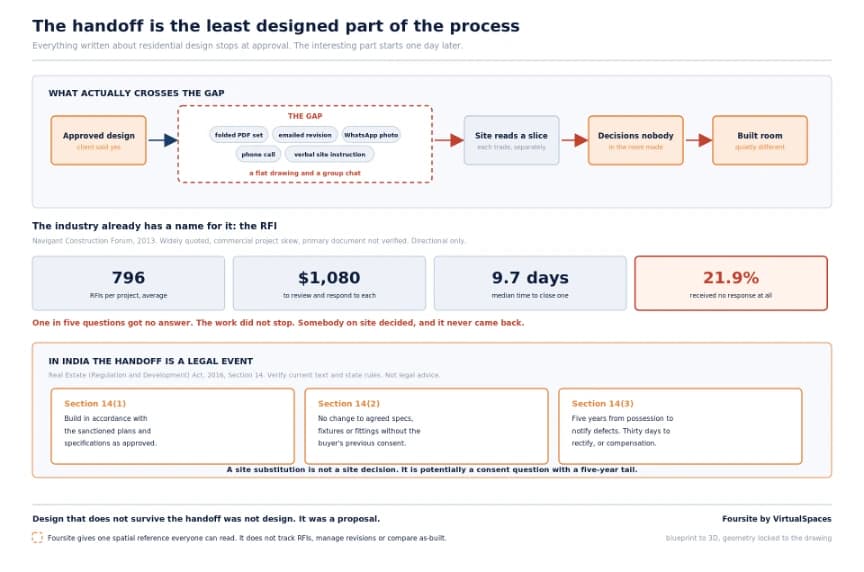
August 17, 2026
Designing Spaces That Actually Get Built | VirtualSpaces
HHemanth Velury
CEO & Co-Founder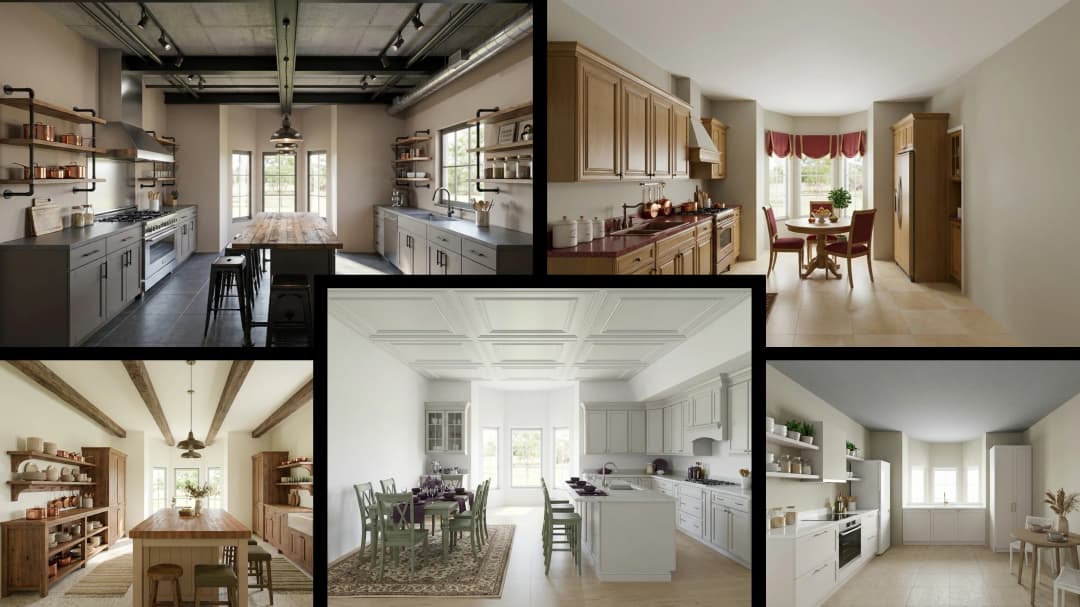
August 12, 2026
Designing Homes for the Stuff People Actually Own | VirtualSpaces
HHemanth Velury
CEO & Co-Founder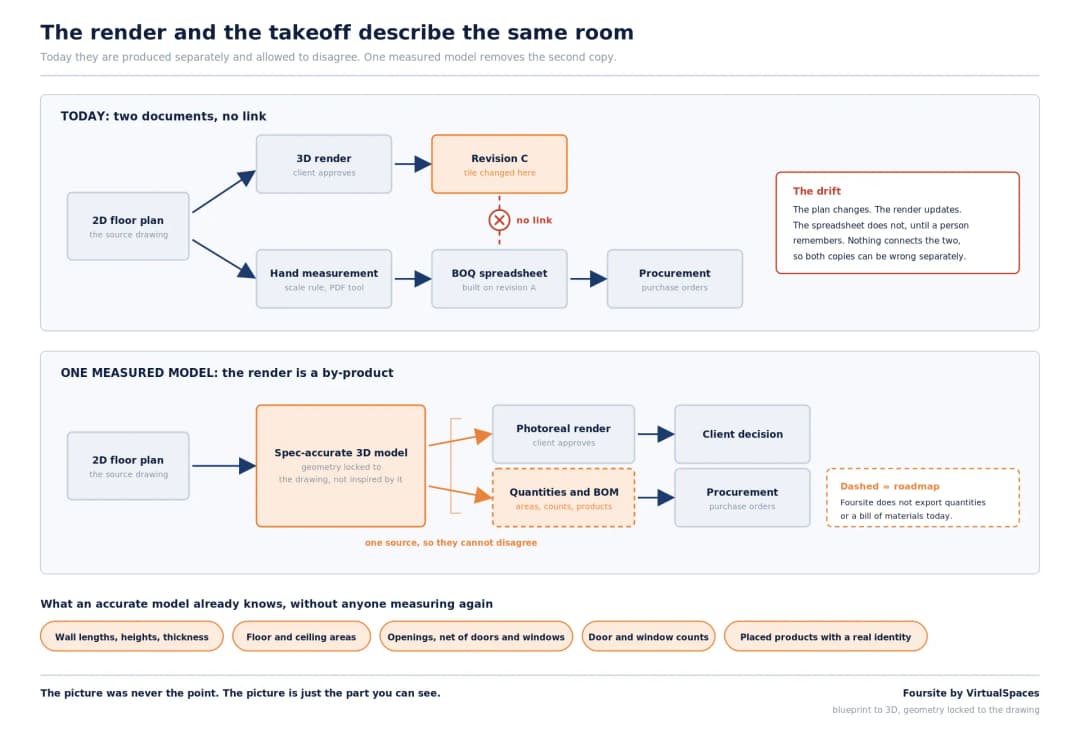
August 07, 2026
Floor Plan to Bill of Materials: The 3D Model as Data | VirtualSpaces
HHemanth Velury
CEO & Co-Founder.png&w=1080&q=75)
August 05, 2026
Designing Homes for How People Actually Live | VirtualSpaces
HHemanth Velury
CEO & Co-Founder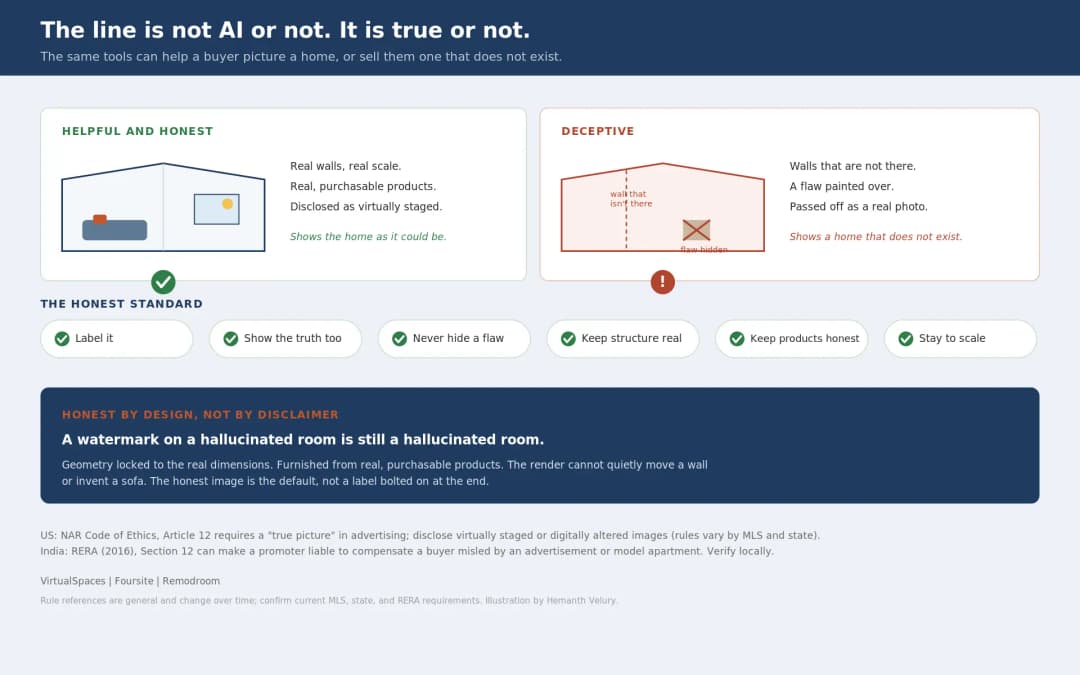
August 03, 2026
Honest by Design: Trust in AI Real Estate Imagery | VirtualSpaces
HHemanth Velury
CEO & Co-Founder
July 29, 2026
Kitchen and Bath: The Two Rooms That Decide Resale | VirtualSpaces
HHemanth Velury
CEO & Co-Founder
July 27, 2026
Why Empty Rooms Don't Sell: Virtual Staging | VirtualSpaces
HHemanth Velury
CEO & Co-Founder
July 24, 2026
The Quiet Sustainability Win of Deciding in 3D | VirtualSpaces
HHemanth Velury
CEO & Co-Founder
July 22, 2026
Why Paint Swatches Lie: Test Color in 3D First | VirtualSpaces
HHemanth Velury
CEO & Co-Founder
July 20, 2026
Why Every Home Should Be Seen Before It's Built | VirtualSpaces
HHemanth Velury
CEO & Co-Founder
July 17, 2026
Why Big AI Labs Won't Build Floor Plan to 3D | VirtualSpaces
HHemanth Velury
CEO & Co-Founder
July 15, 2026
How We Solve Floor Plan to 3D, Accurately | VirtualSpaces
HHemanth Velury
CEO & Co-Founder
July 13, 2026
Designing Homes That Age With the People in Them | VirtualSpaces
HHemanth Velury
CEO & Co-Founder
July 10, 2026
Designing Spaces for How Light Actually Moves | VirtualSpaces
HHemanth Velury
CEO & Co-Founder
July 08, 2026
Designing Homes for Every Life Stage in 3D | VirtualSpaces
HHemanth Velury
CEO & Co-Founder
July 06, 2026
Build an Interior Design Portfolio Without Clients | VirtualSpaces
HHemanth Velury
CEO & Co-Founder
June 26, 2026
AI Interior Design: Full 3D Workflow in One Platform | VirtualSpaces
HHemanth Velury
CEO & Co-Founder
June 24, 2026
Scope Creep in Interior Design: How AI Visualization Fixes It | VirtualSpaces
HHemanth Velury
CEO & Co-Founder
June 22, 2026
What Buyers See on a Floor Plan: Your Biggest Sales Problem | VirtualSpaces
HHemanth Velury
CEO & Co-Founder
June 19, 2026
Small Design Studios vs Big Firms: The AI Advantage | VirtualSpaces
HHemanth Velury
CEO & Co-Founder
June 17, 2026
After the Mood Board: AI Interior Visualization | VirtualSpaces
HHemanth Velury
CEO & Co-Founder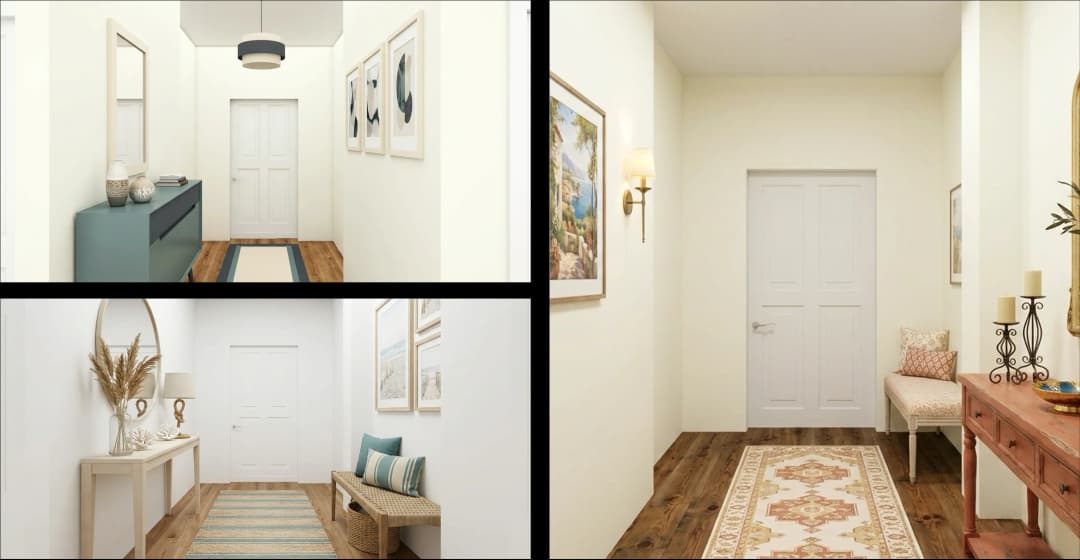
June 15, 2026
Foursite Pro Editor: Full Floor Plan Control for Designers | VirtualSpaces
HHemanth Velury
CEO & Co-Founder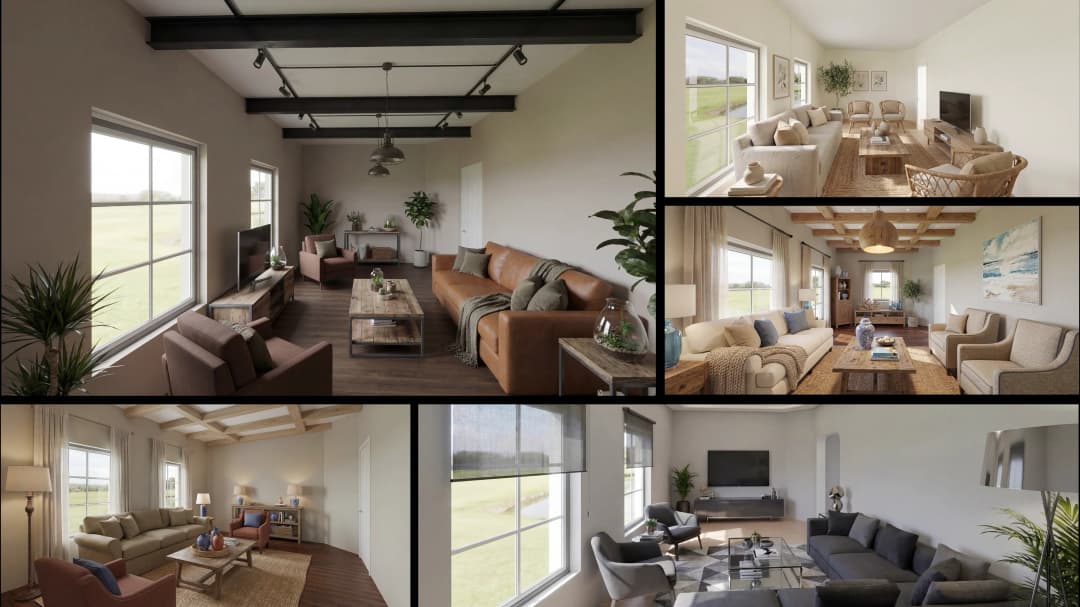
June 12, 2026
AI Interior Design: Style Any Room in Seconds with Foursite | VirtualSpaces
HHemanth Velury
CEO & Co-Founder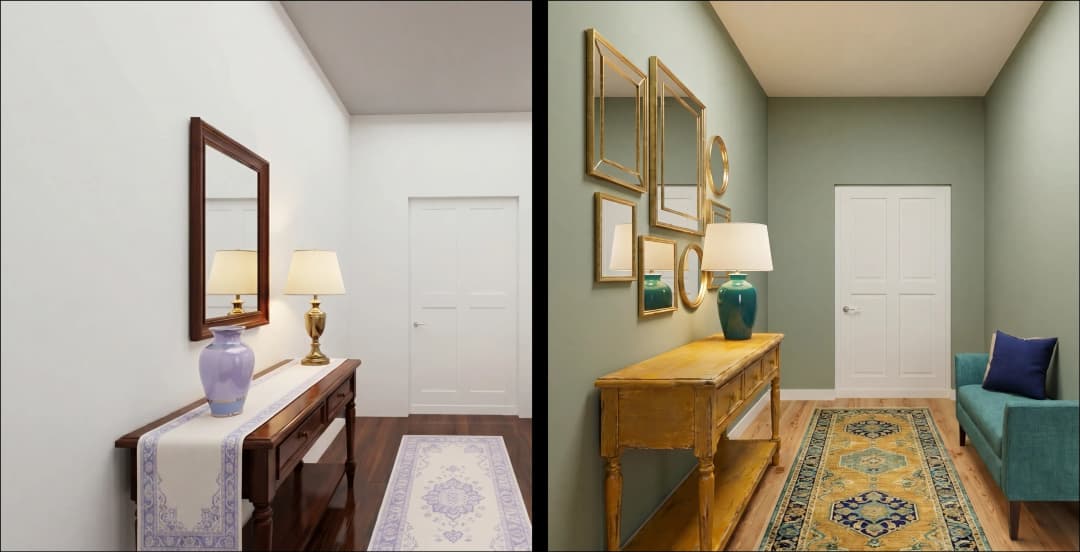
June 10, 2026
Foursite: Floor Plan to 3D Walkthrough in Minutes | VirtualSpaces
HHemanth Velury
CEO & Co-Founder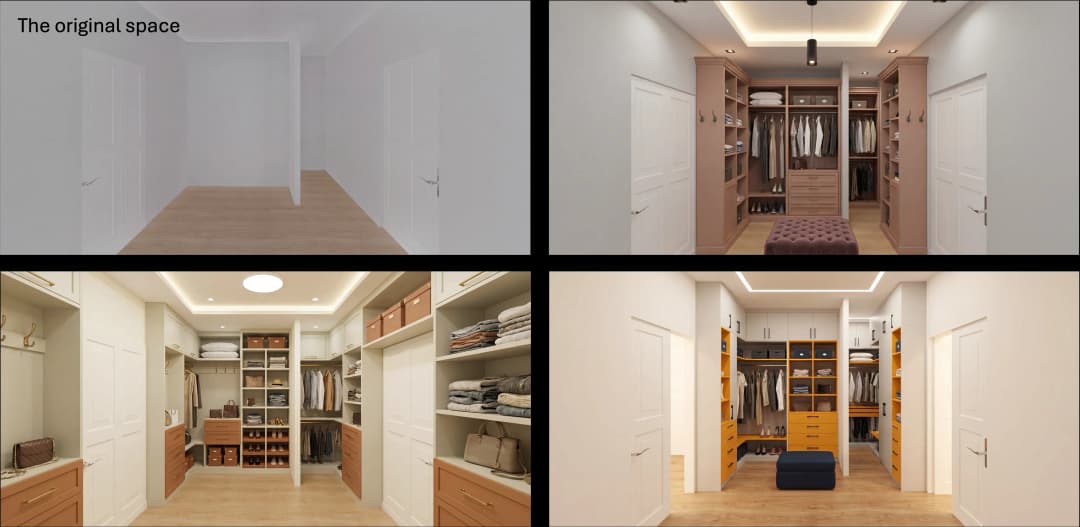
June 08, 2026
Win More Pitches With AI Renders Before the Meeting | VirtualSpaces
HHemanth Velury
CEO & Co-Founder
June 05, 2026
From Floor Plan to Finished Room: What AI Now Makes Possible | VirtualSpaces
HHemanth Velury
CEO & Co-Founder
June 03, 2026
The Interior Design Brief Is Broken. AI Fixes It | VirtualSpaces
HHemanth Velury
CEO & Co-Founder
June 01, 2026
Pre-Construction Home Sales: AI Interior Visualization Guide | VirtualSpaces
HHemanth Velury
CEO & Co-Founder
May 30, 2026
Interior Design Principles: Applied with AI | VirtualSpaces
HHemanth Velury
CEO & Co-Founder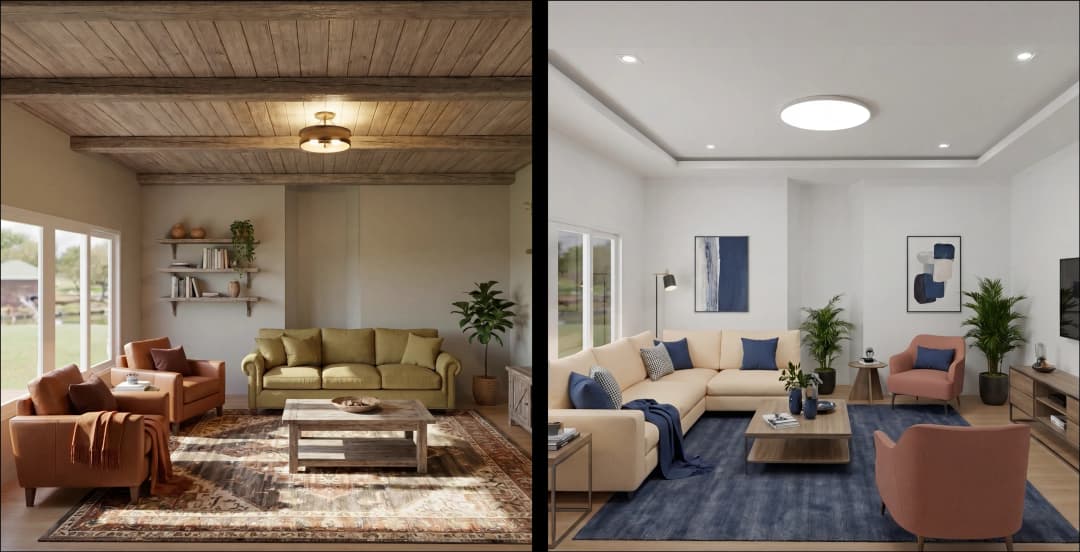
May 28, 2026
Designing Spaces for People, Not Blueprints | VirtualSpaces
HHemanth Velury
CEO & Co-Founder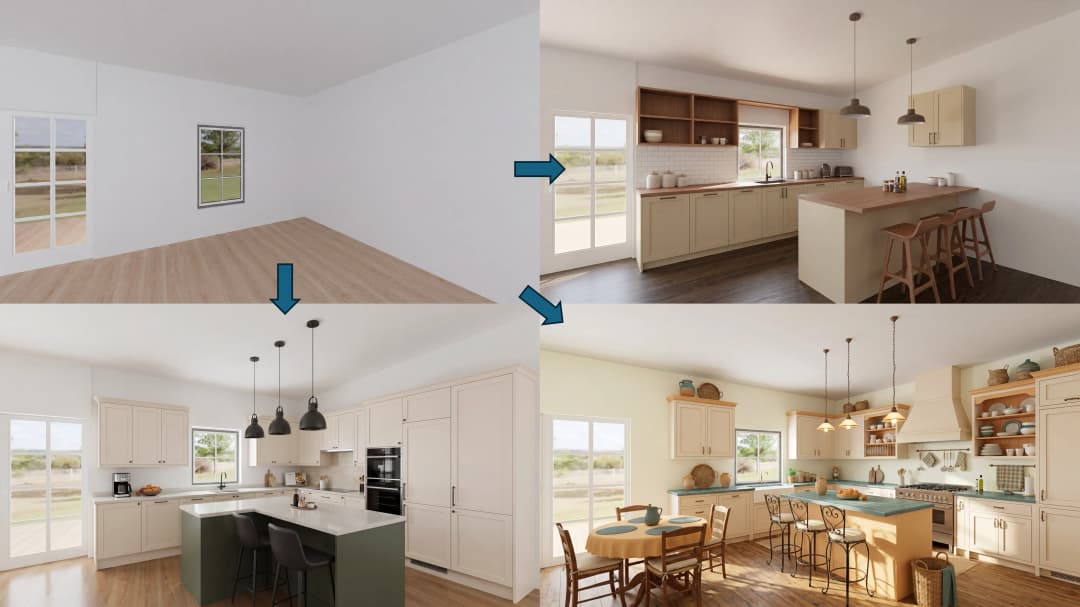
May 26, 2026
The Future of Interior Design: Closing the Visualization Gap with Foursite and Remodroom | VirtualSpaces
HHemanth Velury
CEO & Co-Founder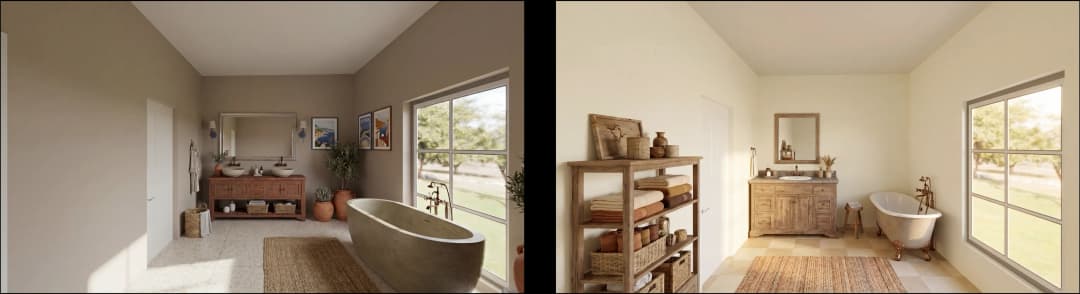
May 18, 2026
How AI Visualization Upgrades Property Data Platforms | VirtualSpaces
HHemanth Velury
CEO & Co-Founder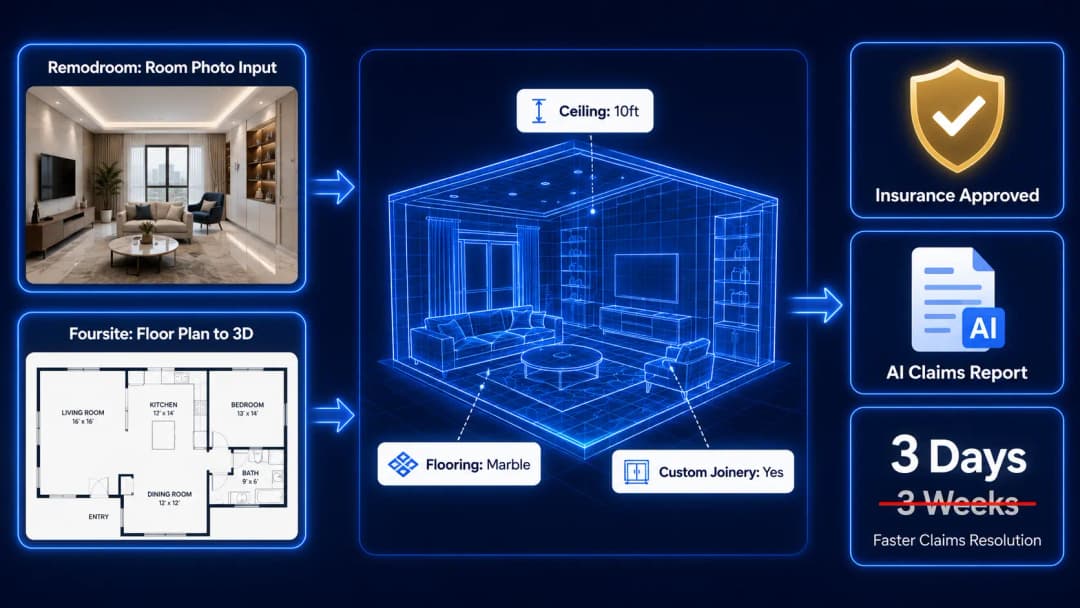
May 14, 2026
How AI-First Insurers Can Use 3D Property Data to Transform Home Claims | VirtualSpaces
HHemanth Velury
CEO & Co-FounderMay 12, 2026
Why Photoreal 3D Renders Are Replacing Mood Boards | Interior Design Client Presentations | VirtualSpaces
HHemanth Velury
CEO & Co-Founder
May 08, 2026
From 2D Floor Plans To Living Worlds: The Spec‑Accurate 3D Engine | VirtualSpaces
HHemanth Velury
CEO & Co-Founder
May 06, 2026
Why Furniture Brands Need AI 3D Visualization Now | VirtualSpaces
HHemanth Velury
CEO & Co-Founder
May 4, 2026
How Property Portals Can Turn 2D Floor Plans into 3D Design Decisions | VirtualSpaces
HHemanth Velury
CEO & Co-Founder
April 29, 2026
The Home-Fit Test: Why Square Footage Misleads | VirtualSpaces
HHemanth Velury
CEO & Co-Founder
April 27, 2026
Designing Homes That Sell: 3D Visualization ROI Data | VirtualSpaces
HHemanth Velury
CEO & Co-FounderApril 24, 2026
What's Next: Foursite & Remodroom's New AI Features | VirtualSpaces
HHemanth Velury
CEO & Co-Founder
April 22, 2026
AI in Architecture: Closing the 85% Exposure Gap | VirtualSpaces
HHemanth Velury
CEO & Co-Founder
April 20, 2026
Interior Design Pricing in 2026: From Hourly to Value-Based Fees | VirtualSpaces
HHemanth Velury
CEO & Co-FounderApril 17, 2026
How Foursite and Remodroom Help Designers Win Clients | VirtualSpaces
HHemanth Velury
CEO & Co-Founder
April 15, 2026
Designing Spaces for People: Remodroom + Foursite AI Guide | VirtualSpaces
HHemanth Velury
CEO & Co-Founder
April 13, 2026
Designing for the Way People Actually Live: How AI 3D Is Finally Closing the Gap Between Floor Plan and Reality
HHemanth Velury
CEO & Co-Founder
April 11, 2026
Design in Real Time: AI Renders in Your First Client Meeting
HHemanth Velury
CEO & Co-Founder
April 06, 2026
Why Real Estate Photography Is No Longer Enough: The Shift to Spatial-First Listings
HHemanth Velury
CEO & Co-Founder
April 03, 2026
Property Management's Hidden Weapon: AI 3D Floor Plans That Cut Vacancy Time and Raise Tenant Quality
HHemanth Velury
CEO & Co-Founder
April 01, 2026
Off-Plan and Oversubscribed: How AI 3D Visualization Is Transforming Real Estate Pre-Sales
HHemanth Velury
CEO & Co-Founder
March 30, 2026
Why Foursite Beats Generic AI Tools for Interior Design 3D Visualization
HHemanth Velury
CEO & Co-Founder
March 27, 2026
7 Tenets of Interior Design: How AI Accelerates Harmony in Residential Spaces
HHemanth Velury
CEO & Co-Founder
March 25, 2026
What Is the 3-5-7 Rule in Interior Design? Foursite's AI Guide for Residential Spaces
HHemanth Velury
CEO & Co-Founder
March 23, 2026
What Is the 70/30 Rule in Interior Design? Foursite's AI Guide for Residential Spaces
HHemanth Velury
CEO & Co-Founder
March 20, 2026
How AI 3D Visualization Is Rewriting Residential Interior Design Workflows
HHemanth Velury
CEO & Co-Founder
March 18, 2026
Beyond Marketing: How 3D Floorplans Transform FM, Retrofit Planning & ESG Operations
HHemanth Velury
CEO & Co-Founder
March 16, 2026
Why AI Companies Use Token Payments (And Why VirtualSpaces Is Returning To Fiat)
HHemanth Velury
CEO & Co-Founder
March 13, 2026
Floorplan‑Native Digital Twins: Beyond BIM for Consumer‑Ready Real Estate Experiences
HHemanth Velury
CEO & Co-Founder
March 11, 2026
The Foursite Platform Thesis: Why Floor Plans, Not Photos, Are the Next Property Software Primitive
HHemanth Velury
CEO & Co-Founder
March 09, 2026
Design Systems for Space: Building Reusable 3D Component Libraries on Top of AI Floorplan‑to‑3D Engines
HHemanth Velury
CEO & Co-Founder
March 06, 2026
How to Standardize Design Quality Across Global Projects Using AI Floorplan-to-3D Tools
HHemanth Velury
CEO & Co-Founder
March 04, 2026
From CAD-First to AI-First: Reskilling Your Team for AI-Native Design Workflows
HHemanth Velury
CEO & Co-Founder
March 02, 2026
Algorithmic Ergonomics Meets Photorealistic 3D: Designing Human-Centered Smart Homes with Foursite in 2026
HHemanth Velury
CEO & Co-Founder
February 27, 2026
The Ethics of AI in Interior Design: Ownership, Originality, and Client Transparency
HHemanth Velury
CEO & Co-Founder
February 25, 2026
Designing with Empathy: Using AI 3D Visualization to Improve Client Communication and Emotional Clarity
HHemanth Velury
CEO & Co-Founder
February 23, 2026
From Tool to Infrastructure: AI Floorplan-to-3D and the Next Wave of PropTech
HHemanth Velury
CEO & Co-Founder
February 20, 2026
AI Interior Design for Holiday Homes: Turn Spare Flats into High-Demand Short-Stay Rentals with 3D Visuals
HHemanth Velury
CEO & Co-Founder
February 18, 2026
The Pre‑Purchase Power Play: How Savvy Home Buyers Use 3D Floor Plan Visualization to Negotiate Better Deals
HHemanth Velury
CEO & Co-FounderFebruary 16, 2026
AI Interior Design for Non‑Designers: How Homeowners Can Brief Like Pros
HHemanth Velury
CEO & Co-Founder
February 13, 2026
Scaling a Design Business Without Hiring a 3D Team: An Owner's Guide
HHemanth Velury
CEO & Co-Founder
February 11, 2026
From Bland to Bold: How to Rescue Builder-Grade Interiors on Any Budget
HHemanth Velury
CEO & Co-Founder
February 6, 2026
The Psychology of Space: How Room Dimensions Influence Interior Design Decisions
HHemanth Velury
CEO & Co-Founder
February 4, 2026
The Future of Interior Design Visualization: How AI Technology is Transforming 2D Concepts Into 3D Reality
HHemanth Velury
CEO & Co-Founder
February 2, 2026
AI Interior Décor: How Artificial Intelligence Generates Design Options from Your Floor Plan
HHemanth Velury
CEO & Co-Founder
January 30, 2026
Photoreal vs. Reality: What Clients Actually Expect from Interior Design Visualization
HHemanth Velury
CEO & Co-Founder
January 28, 2026
The Design Approval Conversation That Changes Everything: Communication Strategy When Using Photorealistic Visualization
HHemanth Velury
CEO & Co-Founder
January 25, 2026
Interior Design as Experience Design: How 3D Visualization Changes Your Professional Identity
HHemanth Velury
CEO & Co-Founder
January 23, 2026
The Professional Gap: How 3D Visualization Changes Interior Design Client Perception
HHemanth Velury
CEO & Co-Founder
January 21, 2026
Why Clients Fire Designers (And How 3D Visualization Could Have Saved the Project)
HHemanth Velury
CEO & Co-Founder
January 16, 2026
Blueprint to Vision: Why Seeing Is Believing in Interior Design
HHemanth Velury
CEO & Co-Founder
January 14, 2026
The Speed of Responsiveness: How AI Visualization Tools Make You Look Like You Care More
HHemanth Velury
CEO & Co-Founder
January 12, 2026
Why Interior Designers and Architects Can't Compete Without AI 3D Visualization Tools
HHemanth Velury
CEO & Co-Founder
January 07, 2026
From "Saved" to "Sold": How Homeowners Are Planning Renovations with AI
HHemanth Velury
CEO & Co-Founder
January 05, 2026
The Interior Designer's Secret Weapon: Speed as Premium Positioning
HHemanth Velury
CEO & Co-Founder
December 31, 2025
Gratitude, Growth & Game-Changing Innovation: VirtualSpaces' 2025 Journey & What's Coming in 2026
HHemanth Velury
CEO & Co-Founder
December 29, 2025
Why Interior Designers Are Switching to AI Floor Plan-to-3D Tools in 2026
HHemanth Velury
CEO & Co-Founder
December 26, 2025
AI Virtual Staging for Real Estate Agents: Sell More Homes Faster with Foursite
HHemanth Velury
CEO & Co-Founder
December 24, 2025
Why Architects Are Switching to AI 2D-to-3D: The SketchUp Alternative
HHemanth Velury
CEO & Co-Founder
December 22, 2025
Cut 3 Weeks from Real Estate Sales Cycle: The ROI of AI 2D to 3D Visualization
HHemanth Velury
CEO & Co-Founder
December 19, 2025
2D Floor Plans Are Dying: Why 3D Visualization & AI Virtual Staging Are the Future
HHemanth Velury
CEO & Co-Founder
December 17, 2025
Virtual Staging vs Physical Staging: How AI Saves Money Per Property
HHemanth Velury
CEO & Co-Founder
December 15, 2025
AI Floor Plan to Image: Revolutionizing Real Estate Marketing for Agents
HHemanth Velury
CEO & Co-Founder
December 12, 2025
Color of the Year 2026: Cloud Dancer | VirtualSpaces AI Interior Design Guide
HHemanth Velury
CEO & Co-Founder
December 10, 2025
AI Floor Plan to 3D: The New Standard for Interior Design Workflows
HHemanth Velury
CEO & Co-Founder
December 08, 2025
How Interior Design Studios Can Operationalize AI 2D-to-3D Workflows (Without Breaking Their Process)
HHemanth Velury
CEO & Co-Founder
December 4, 2025
How Homeowners Can Use AI Interior Design Tools to Plan Renovations with Confidence
HHemanth Velury
CEO & Co-Founder
November 28, 2025
Interior Designers in the Age of AI: From Threat Narrative to Superpower
HHemanth Velury
CEO & Co-Founder
November 21, 2025
Foursite Launch: Embracing 'Release Early, Release Often'
HHemanth Velury
CEO & Co-Founder
November 13, 2025
Foursite by VirtSpaces: Empowering Interior Designers, Architects, and Homeowners
HHemanth Velury
CEO & Co-Founder
November 7, 2025
Reimagining Architectural Education: How AI Floorplan-to-3D Technology Can Transform Design Learning
VVirtualSpaces Research Labs
AI Research Initiative
October 27, 2025
Archisculpt AI: Turning Architectural Drawings into Photorealistic 3D Spaces
AAbhijeet Naik
Co-Founder & CTO
October 13, 2025
Home Makeover: From Floor Plan to Dream Space with AI
HHemanth Velury
CEO & Co-Founder
October 6, 2025
Real-Time Rendering & AI: Revolutionizing Interactive Property Walkthroughs with VirtSpaces
HHemanth Velury
CEO & Co-Founder
September 26, 2025
Foursite - A True AI-Native Experience in Design Visualization
AAbhijeet Naik
CTO & Co-Founder
September 18, 2025
Why PropTech Startups Are Betting on AI Interior Design
HHemanth Velury
CEO & Co-Founder
September 11, 2025
How AI Differs from Traditional 3D Rendering Software
HHemanth Velury
CEO & Co-Founder
September 2, 2025
From Client to Investor: How Nila Spaces and VirtSpaces Are Redefining Proptech with AI
HHemanth Velury
CEO & Co-Founder
August 25, 2025
VirtSpaces From Virtual Reality to AI – Transforming Real Estate Visualization.
HHemanth Velury
CEO & Co-Founder


We help teams collaborate seamlessly and reduce costs. Virtual Spaces offers cutting-edge technology with flexible plans designed to fit modern teams.
Copyright © VirtSpaces Pvt. Ltd. 2025 All Rights Reserved.
CIN: U74999KA2016PTC094921