
February 13, 2026
- Interior Design
- AI Technology
- Business Growth
Scaling a Design Business Without Hiring a 3D Team: An Owner's Guide
Hemanth Velury
CEO & Co-FounderScaling a Design Business Without Hiring a 3D Team: An Owner's Guide
Running an interior design business in 2026 comes with exciting opportunities and significant challenges. As client expectations continue to rise, the demand for photorealistic visualizations, immersive 3D walkthroughs, and stunning interior design renders has become the norm rather than the exception. Yet, the traditional solution, that of hiring an entire 3D visualization team can strain your budget, complicate operations, and slow down your project timelines.
What if I told you there's a better way to scale your design business without the overhead of a full-time 3D team? Welcome to the future of interior design, where AI 3D visualization, virtual staging, and innovative tools like Foursite are transforming how designers deliver world-class results.
In this comprehensive guide, we'll explore practical strategies that empower interior designers to grow their businesses, impress clients, and stay competitive, all without breaking the bank on specialized 3D staff.
The Modern Interior Designer's Dilemma
You're talented, creative, and your client list is growing. But here's the challenge: today's clients don't just want mood boards and 2D floor plans anymore. They want to see their future spaces come to life before committing to expensive renovations or purchases. They expect interior design photoreal renders that showcase every texture, lighting detail, and spatial relationship.
The traditional approach would be to hire 3D modelers, renderers, and visualization specialists. But let's be honest about what that really means:
-
High overhead costs: Salaries for skilled 3D artists can range from $60,000 to $100,000+ annually
-
Training time: It takes months to onboard new team members into your workflow
-
Software licensing: Professional 3D software suites cost thousands per seat
-
Project delays: Back-and-forth communication between designers and 3D teams slows everything down
-
Scalability issues: What happens when you have too many projects or not enough?
For small to mid-sized design firms, this investment often doesn't make financial sense. But here's the good news: the rise of AI interior design and AI visualization technology has created an entirely new paradigm.
Enter AI-Powered 3D Visualization: Your Secret Weapon
The game has changed. Advanced AI 3D visualization platforms like Foursite are democratizing access to professional-grade 3D rendering capabilities. These tools harness the power of artificial intelligence to transform your 2D floor plans and blueprints into stunning, photorealistic 3D environments, in a fraction of the time and at a fraction of the cost.
Let's talk about what this means for your business.
From Blueprint to 3D in Minutes, Not Days
Remember when converting a blueprint to 3D meant hours of manual modeling work? Those days are over. With AI-powered tools, you can now convert floor plan to 3D visualizations almost instantly. Simply upload your 2D floor plans, and watch as intelligent algorithms interpret the spatial layout, add appropriate dimensions, and create a foundation for your design vision.
VirtualSpaces' Foursite specializes in this exact transformation, taking your blueprints and 2D floor plans and breathing three-dimensional life into them. The platform understands architectural elements, recognizes room types, and even suggests optimal furniture layouts based on spatial analysis.
AI Virtual Staging: Show, Don't Tell
Virtual staging has become one of the most powerful tools in an interior designer's arsenal. Instead of asking clients to "imagine" how a space could look, AI virtual staging allows you to show them multiple design possibilities with realistic furniture, décor, and styling.
The beauty of AI interior décor technology is its flexibility. Want to show a living room in both contemporary and traditional styles? No problem. Need to present three different color schemes for a bedroom? Done in minutes. This capability to rapidly iterate and present options dramatically improves your close rate and client satisfaction.
Traditional physical staging costs thousands of dollars per property and takes days to set up. Virtual staging costs a fraction of that and can be completed in hours. For design business owners, this ROI is game-changing.
Real-World Benefits: What This Means for Your Bottom Line
Let's get practical. How does leveraging AI 3D visualization and virtual staging actually help you scale your business without hiring a 3D team?
1. Dramatically Reduced Operational Costs
Instead of paying annual salaries plus benefits for 3D specialists, you're looking at subscription-based pricing that costs roughly 10-15% of what a full-time hire would require. This frees up capital for marketing, business development, or expanding your service offerings in other areas.
2. Lightning-Fast Turnaround Times
When you can convert blueprints to 3D and create interior design renders in hours rather than days, you can take on more projects simultaneously. This directly translates to increased revenue without proportionally increasing your workload.
Many designers report that tools like Foursite reduce their visualization timeline by 70-80%. Imagine winning more bids simply because you can deliver proposals faster than your competitors.
3. Higher Client Conversion Rates
Studies consistently show that properties and designs presented with high-quality 3D visualization sell faster and command higher prices. When clients can truly see their future space through interior design photoreal renders, their confidence in your vision and their willingness to commit increases dramatically.
One interior design firm reported a 45% increase in project approval rates after incorporating AI 3D visualization into their presentation process.
4. Unlimited Creative Exploration
Here's something that's hard to put a price on: creative freedom. With traditional 3D teams, every revision means more billable hours and potential friction. With AI-powered platforms, you can experiment freely. Want to try that accent wall in five different colors? Go ahead. Curious how the space looks with different flooring options? Test it instantly.
This freedom to iterate doesn't just improve your final designs, it makes the entire creative process more enjoyable and less stressful.
5. Competitive Differentiation
While some of your competitors are still presenting 2D floor plans and hand-drawn sketches, you're showing up with stunning AI interior design visualizations that look like professional photography. This immediately positions you as a forward-thinking, technology-savvy designer who delivers exceptional value.
In a crowded market, this differentiation can be the deciding factor for high-value clients.
Implementing AI Visualization in Your Workflow
So how do you actually integrate these tools into your existing process? Let's walk through a practical workflow using VirtualSpaces Foursite as an example.
Step 1: Start with Your Blueprints or 2D Floor Plans
You likely already have these from architects, builders, or your own measuring work. Upload them directly to the platform. The AI will analyze the floor plan, identify rooms, and create the basic 3D structure.
Step 2: Refine and Customize
While the AI does impressive work automatically, you maintain complete creative control. Adjust room dimensions if needed, modify ceiling heights, add architectural details like crown molding or exposed beams. This is where your design expertise shines, the technology handles the technical execution while you focus on aesthetics.
Step 3: Apply Your Design Vision
Now comes the fun part. Using AI interior decor capabilities, you can furnish and style each room according to your client's preferences. Choose from extensive libraries of furniture, fixtures, materials, and finishes. Adjust lighting to show different times of day or moods.
The convert floor plan to 3D process isn't just about structure, it's about bringing your complete design concept to life.
Step 4: Generate Photorealistic Renders
Once you're happy with the design, generate interior design renders with a single click. The AI rendering engine produces photoreal quality images that rival traditional 3D visualization services costing thousands of dollars per image.
Want to create a virtual walkthrough? Many platforms, including Foursite, allow you to generate interactive 3D tours that clients can explore at their own pace.
Step 5: Present with Confidence
Now you have a presentation package that includes floor plans, 3D visualizations, multiple design options, and photorealistic renders, all created in hours rather than weeks. Your clients are impressed, your proposals stand out, and your conversion rates improve.
Choosing the Right Platform: Why VirtualSpaces Foursite?
You might be wondering: there are several AI visualization tools available, why specifically consider VirtualSpaces Foursite?
Purpose-Built for Interior Designers
While some platforms target real estate agents or architects, Foursite was designed with interior designers' specific needs in mind. The interface, features, and output quality reflect a deep understanding of interior design workflows.
Blueprint to 3D Specialization
Foursite excels at the critical first step: converting your 2D floor plans and blueprints into accurate 3D models. This foundation quality determines everything that comes after, and Foursite's AI has been trained on thousands of architectural documents to ensure accuracy.
Comprehensive AI Interior Décor Library
Access to an extensive, constantly updated library of furniture, fixtures, and finishes means you're not limited in your creative expression. Whether you're designing minimalist modern spaces or ornate traditional interiors, the assets you need are available. The library is updated every few days so that you can experiment more, have more choices, give more choices to your customer and most importantly, keep creative control with you.
Realistic AI Virtual Staging
The virtual staging capabilities go beyond simple furniture placement. Foursite's AI understands design principles like scale, proportion, and color harmony, offering intelligent suggestions while still allowing you complete creative control.
Integration-Friendly
Most designers use multiple tools in their workflow. Foursite plays well with others, allowing exports in various formats compatible with presentation software, mood-boarding tools, and client collaboration platforms. Foursite also helps you download a full 3D model of the blueprint, that can be imported into other tools, in case you don't want to use the interior décor capabilities.
Beyond Technology: The Strategic Mindset
While AI 3D visualization tools are powerful, successfully scaling your business without a 3D team also requires the right strategic approach.
Reposition Your Value Proposition
You're no longer just an interior designer but a comprehensive design solutions provider. Your ability to deliver everything from initial concepts to photorealistic renders positions you as a one-stop shop for clients, justifying premium pricing.
Invest Time Savings into Business Development
The hours you save on visualization should be reinvested strategically. Use that time to network, refine your marketing, develop new service offerings, or simply take on more projects. This is how the time efficiency translates to real business growth.
Educate Your Clients
Help clients understand the value they're receiving. When you present interior design photoreal renders and 3D walkthroughs, explain that this level of visualization used to require significant additional investment and time. You're delivering premium service while maintaining competitive pricing and that is a powerful selling point.
Stay Updated on AI Capabilities
AI visualization technology evolves rapidly. Platforms like VirtualSpaces continuously improve their algorithms, add new features, and expand their asset libraries. Stay engaged with these developments to ensure you're leveraging the latest capabilities.
Common Concerns Addressed
Let's tackle some hesitations you might have about this approach.
"Won't AI-generated designs lack the human touch?"
Not at all. AI handles the technical execution i.e. the rendering, the modeling, the computational heavy lifting. You still provide the creative vision, the design expertise, and the understanding of your client's needs. Think of AI as your assistant, not your replacement.
"What if clients ask for revisions?"
This is actually where AI visualization shines. Revisions that would take a 3D-team days can be accomplished in minutes. Change a paint color? Two clicks. Swap out furniture? Instant. This flexibility actually improves client satisfaction because you can accommodate their feedback easily.
"Is the quality really comparable to professional 3D rendering?"
Current AI rendering technology produces results that are virtually indistinguishable from traditional methods for most interior design applications. While there might be edge cases where custom, highly specialized rendering is needed, 95% of design projects are perfectly served by AI-generated renders.
"What's the learning curve like?"
Most modern AI visualization platforms are designed for designers, not technical specialists. If you can use standard design software, you can learn these tools. Many designers report feeling comfortable within a few hours of use, and fully proficient within a week or two.
Real Success Stories
Interior designers across the globe are already scaling their businesses using this approach. A boutique design firm in California reported taking their annual revenue from $400,000 to $1.2 million within 18 months of adopting AI visualization tools, without adding full-time staff.
A residential designer in Texas shared that her average project value increased by 30% after she started presenting with 3D visualization because clients felt more confident investing in higher-end finishes when they could see the results beforehand.
These aren't exceptional cases, they're becoming the norm for designers who embrace this technology strategically.
The Future is Here: Your Next Steps
The interior design industry is at an inflection point. Designers who adopt AI-powered tools like VirtualSpaces Foursite are positioning themselves for sustainable, scalable growth. Those who resist are finding themselves increasingly unable to compete on both speed and presentation quality.
Scaling your design business without hiring a 3D team isn't just possible — it's the smart strategic choice for 2026 and beyond. You maintain creative control, reduce overhead, increase capacity, and deliver exceptional value to clients.
Here's what to do next:
-
Evaluate your current visualization process: How much time and money are you currently spending on 3D rendering? What's your typical turnaround time?
-
Research AI visualization platforms: Explore options like Foursite that align with your specific needs as an interior designer.
-
Start with a pilot project: Choose a lower-stakes project to test the technology and workflow integration.
-
Measure the impact: Track metrics like proposal turnaround time, client conversion rates, and operational costs.
-
Scale gradually: As you become comfortable with the technology, expand its use across more projects and services.
The barriers to entry have never been lower. The technology has never been better. And the competitive advantages have never been clearer.
Your design business doesn't need a 3D team to deliver 3D results. It needs smart tools, strategic thinking, and a willingness to embrace the future of interior design visualization.
Welcome to that future. Welcome to scaling without limits.
Ready to Transform Your Design Business?
Explore how Foursite can help you convert blueprints to 3D, create stunning AI virtual staging, and produce interior design photoreal renders, all without hiring a single 3D specialist. Your clients deserve to see your vision in vivid detail, and you deserve a business model that scales sustainably.
The question isn't whether AI 3D visualization will transform interior design, it already has. The only question is: will you lead the transformation, or follow behind?
Recommended for you

August 19, 2026
The End of the Model Home? 3D Changes the Math | VirtualSpaces
HHemanth Velury
CEO & Co-Founder
August 17, 2026
Designing Spaces That Actually Get Built | VirtualSpaces
HHemanth Velury
CEO & Co-Founder
August 12, 2026
Designing Homes for the Stuff People Actually Own | VirtualSpaces
HHemanth Velury
CEO & Co-Founder
August 07, 2026
Floor Plan to Bill of Materials: The 3D Model as Data | VirtualSpaces
HHemanth Velury
CEO & Co-Founder.png&w=1080&q=75)
August 05, 2026
Designing Homes for How People Actually Live | VirtualSpaces
HHemanth Velury
CEO & Co-Founder
August 03, 2026
Honest by Design: Trust in AI Real Estate Imagery | VirtualSpaces
HHemanth Velury
CEO & Co-Founder
July 29, 2026
Kitchen and Bath: The Two Rooms That Decide Resale | VirtualSpaces
HHemanth Velury
CEO & Co-Founder
July 27, 2026
Why Empty Rooms Don't Sell: Virtual Staging | VirtualSpaces
HHemanth Velury
CEO & Co-Founder
July 24, 2026
The Quiet Sustainability Win of Deciding in 3D | VirtualSpaces
HHemanth Velury
CEO & Co-Founder
July 22, 2026
Why Paint Swatches Lie: Test Color in 3D First | VirtualSpaces
HHemanth Velury
CEO & Co-Founder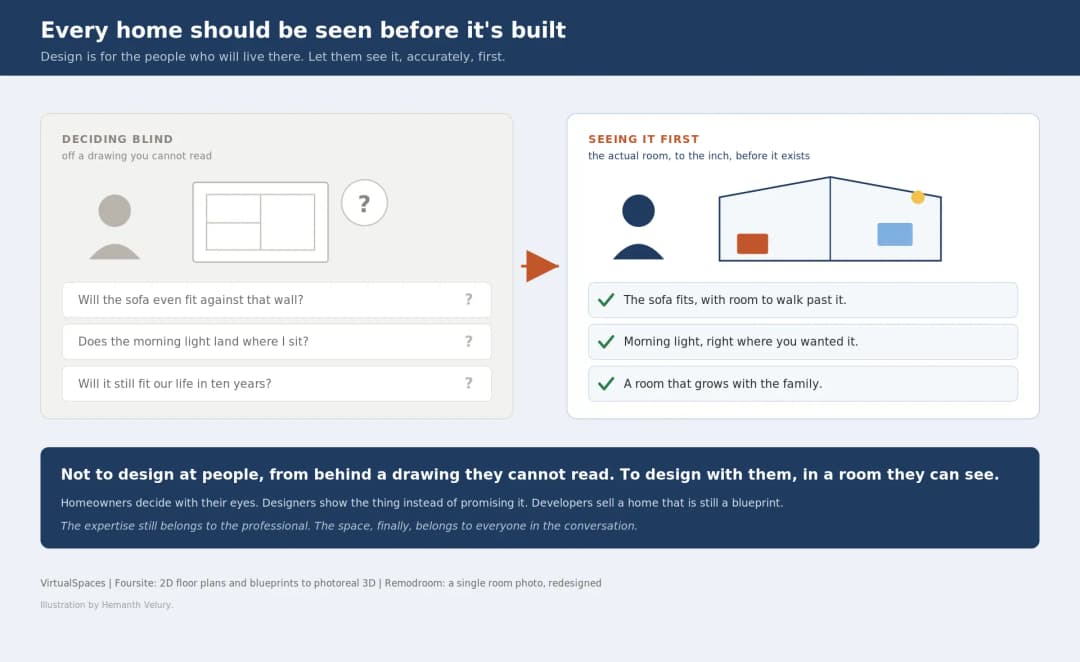
July 20, 2026
Why Every Home Should Be Seen Before It's Built | VirtualSpaces
HHemanth Velury
CEO & Co-Founder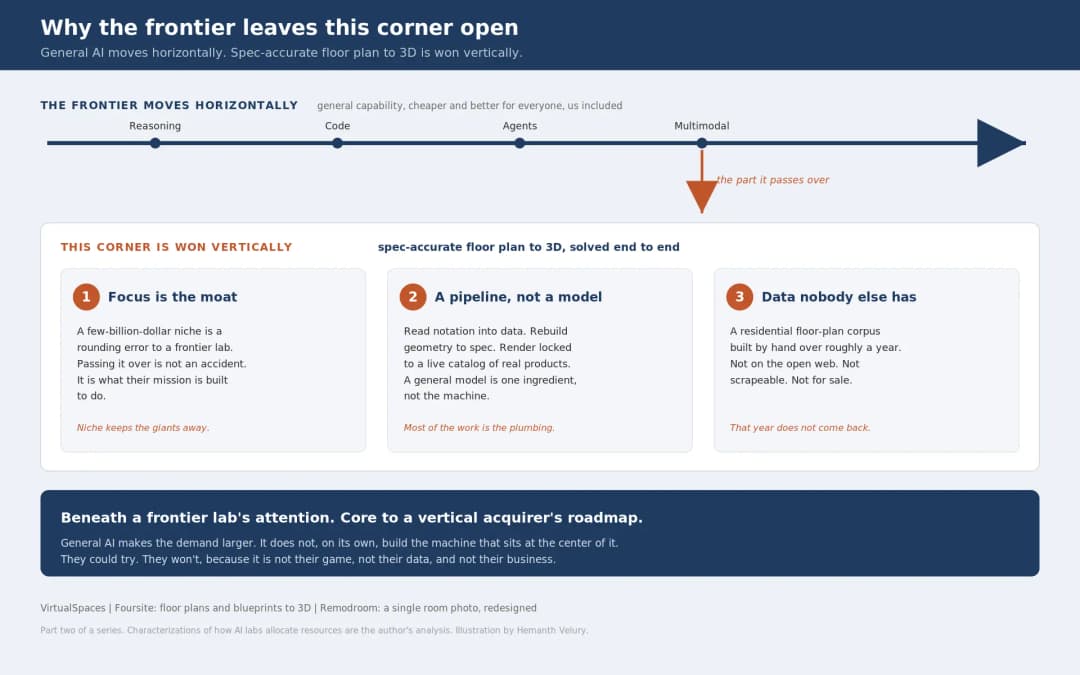
July 17, 2026
Why Big AI Labs Won't Build Floor Plan to 3D | VirtualSpaces
HHemanth Velury
CEO & Co-Founder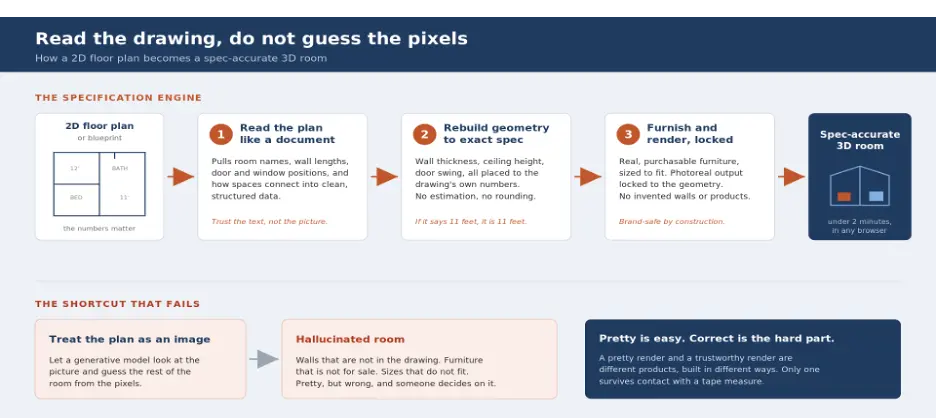
July 15, 2026
How We Solve Floor Plan to 3D, Accurately | VirtualSpaces
HHemanth Velury
CEO & Co-Founder
July 13, 2026
Designing Homes That Age With the People in Them | VirtualSpaces
HHemanth Velury
CEO & Co-Founder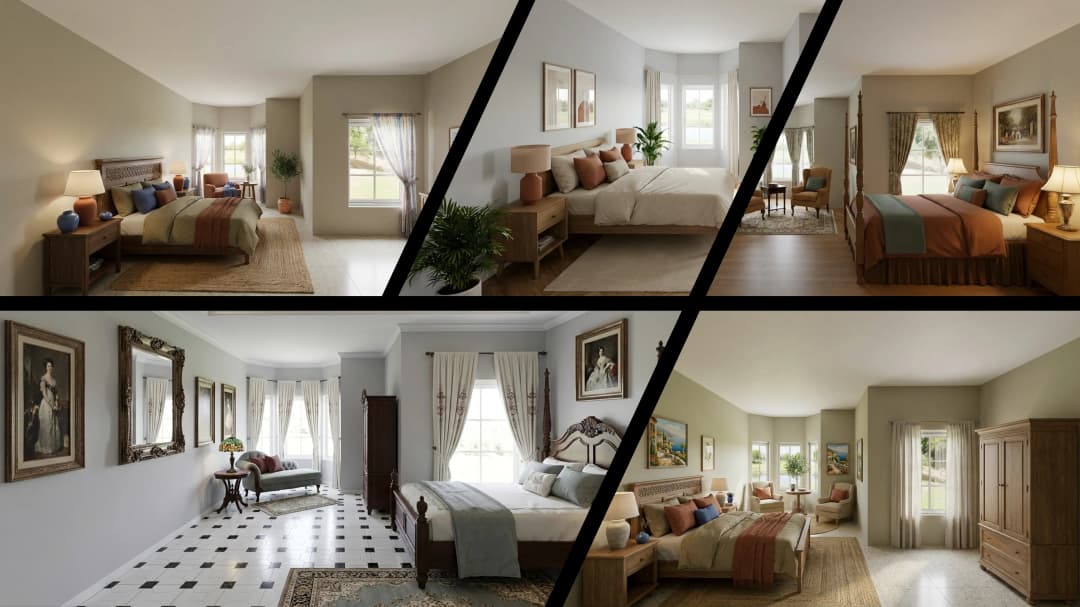
July 10, 2026
Designing Spaces for How Light Actually Moves | VirtualSpaces
HHemanth Velury
CEO & Co-Founder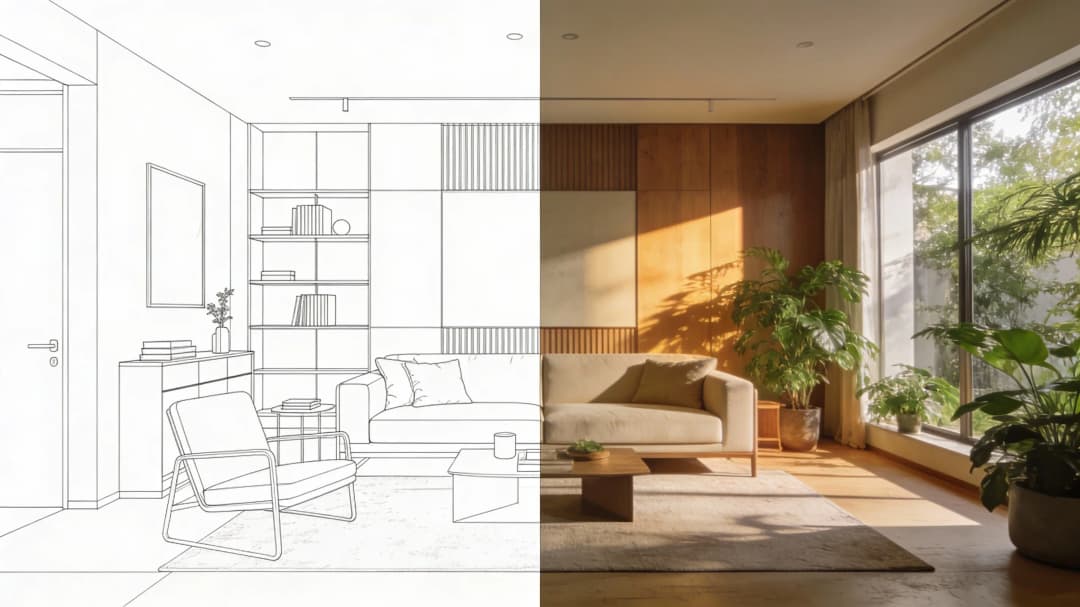
July 08, 2026
Designing Homes for Every Life Stage in 3D | VirtualSpaces
HHemanth Velury
CEO & Co-Founder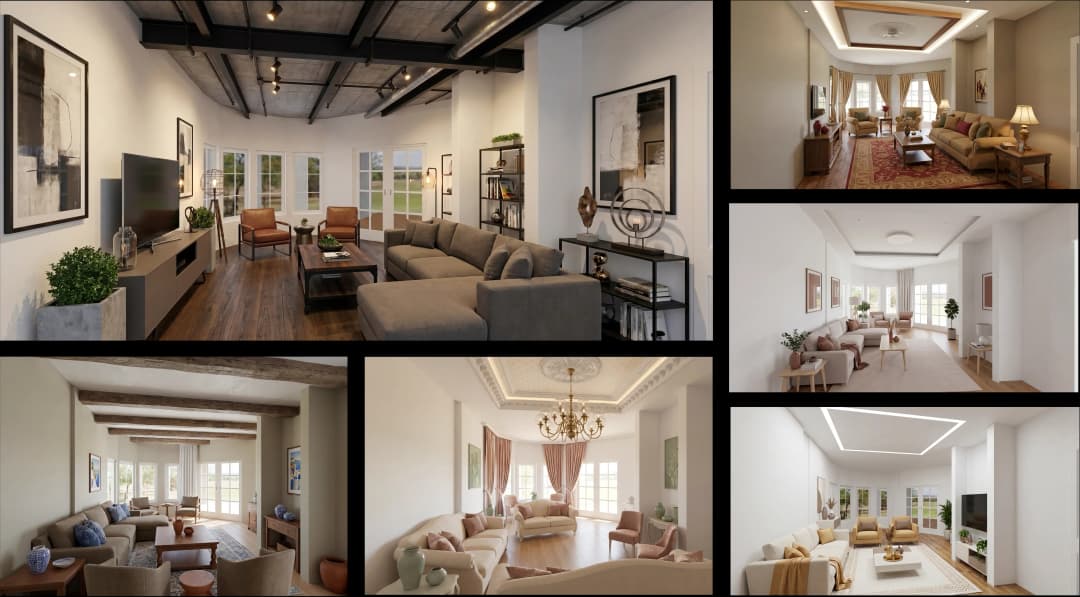
July 06, 2026
Build an Interior Design Portfolio Without Clients | VirtualSpaces
HHemanth Velury
CEO & Co-Founder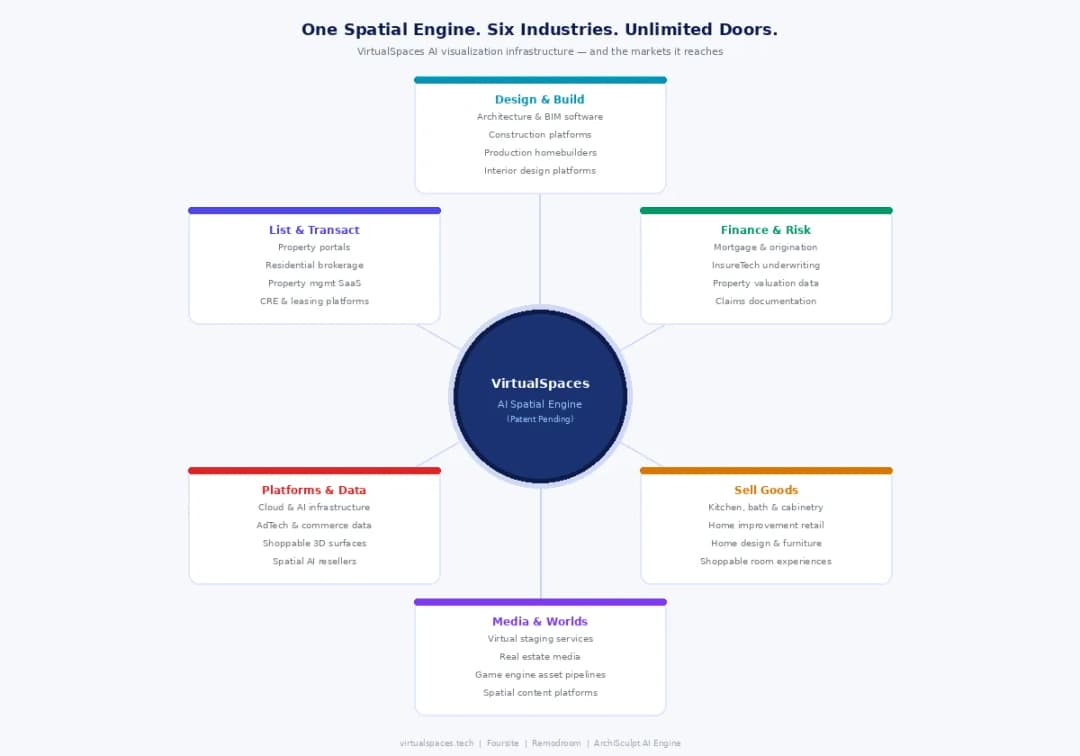
June 26, 2026
AI Interior Design: Full 3D Workflow in One Platform | VirtualSpaces
HHemanth Velury
CEO & Co-Founder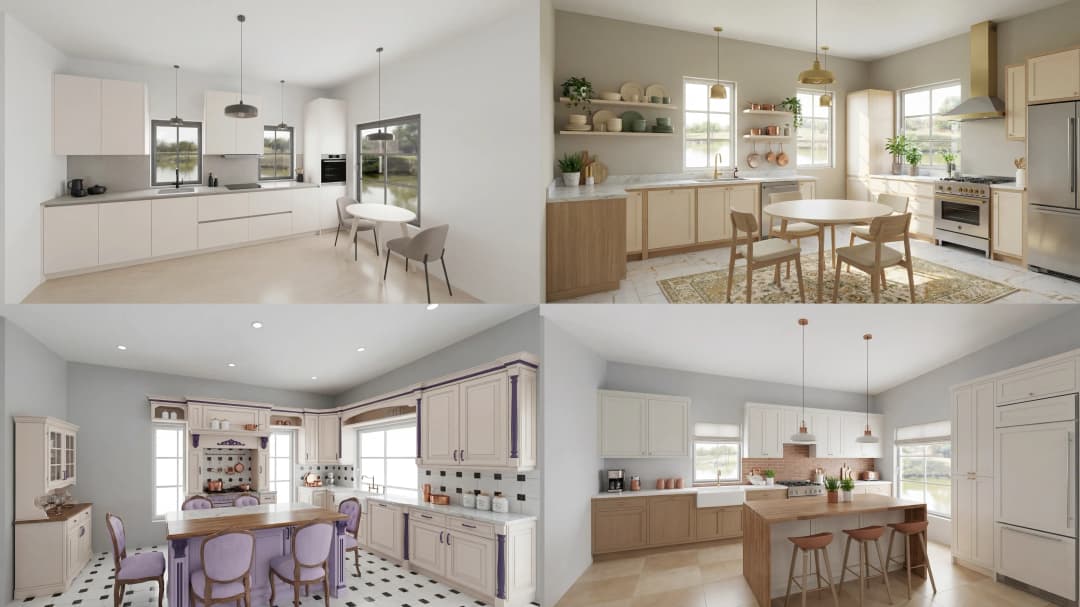
June 24, 2026
Scope Creep in Interior Design: How AI Visualization Fixes It | VirtualSpaces
HHemanth Velury
CEO & Co-Founder
June 22, 2026
What Buyers See on a Floor Plan: Your Biggest Sales Problem | VirtualSpaces
HHemanth Velury
CEO & Co-Founder
June 19, 2026
Small Design Studios vs Big Firms: The AI Advantage | VirtualSpaces
HHemanth Velury
CEO & Co-Founder
June 17, 2026
After the Mood Board: AI Interior Visualization | VirtualSpaces
HHemanth Velury
CEO & Co-Founder
June 15, 2026
Foursite Pro Editor: Full Floor Plan Control for Designers | VirtualSpaces
HHemanth Velury
CEO & Co-Founder
June 12, 2026
AI Interior Design: Style Any Room in Seconds with Foursite | VirtualSpaces
HHemanth Velury
CEO & Co-Founder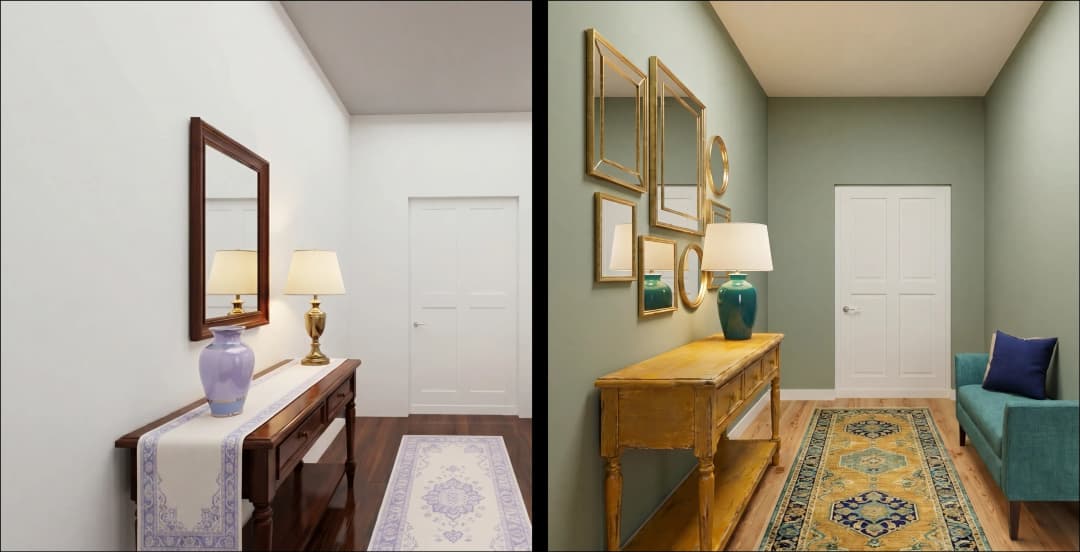
June 10, 2026
Foursite: Floor Plan to 3D Walkthrough in Minutes | VirtualSpaces
HHemanth Velury
CEO & Co-Founder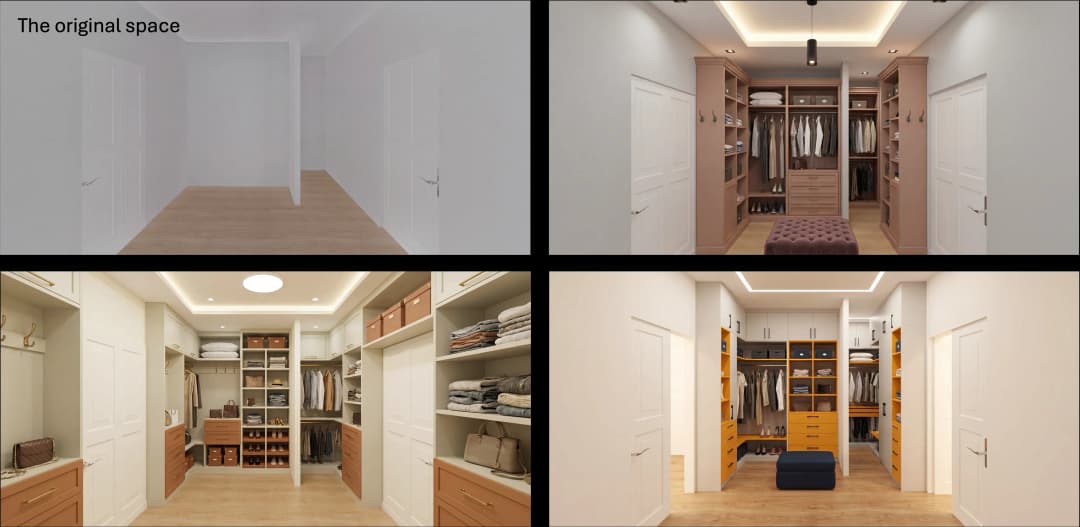
June 08, 2026
Win More Pitches With AI Renders Before the Meeting | VirtualSpaces
HHemanth Velury
CEO & Co-Founder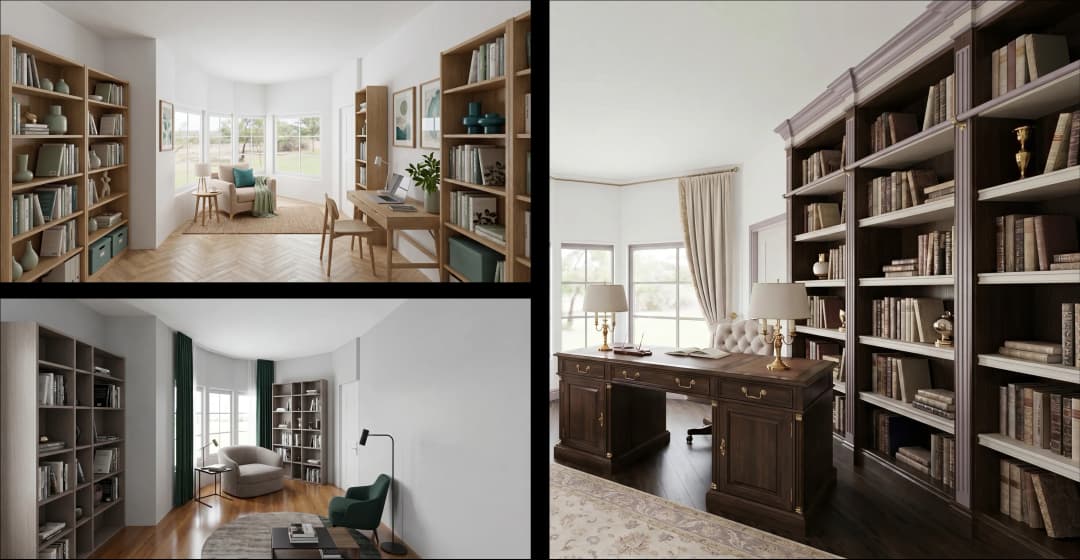
June 05, 2026
From Floor Plan to Finished Room: What AI Now Makes Possible | VirtualSpaces
HHemanth Velury
CEO & Co-Founder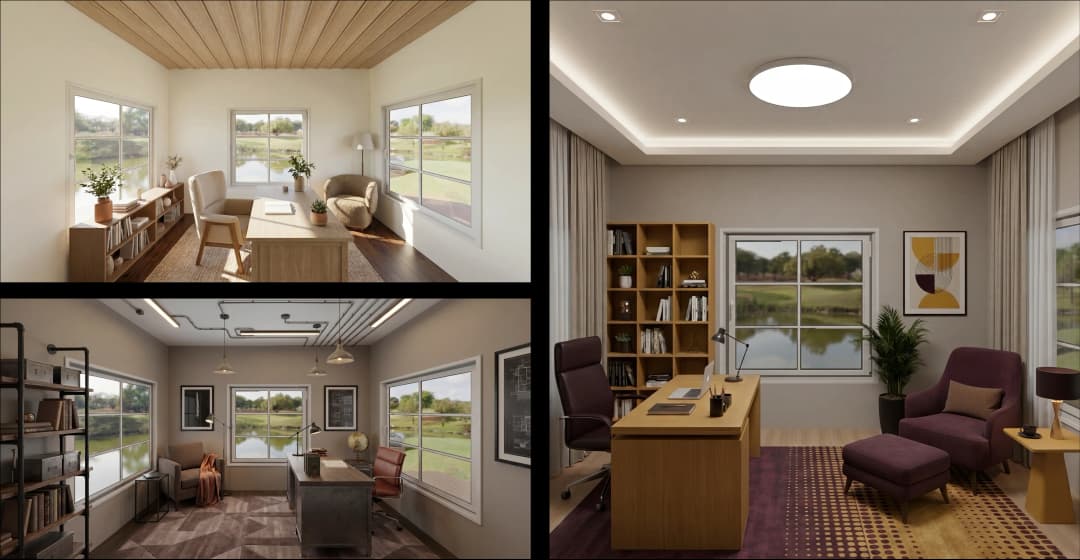
June 03, 2026
The Interior Design Brief Is Broken. AI Fixes It | VirtualSpaces
HHemanth Velury
CEO & Co-Founder
June 01, 2026
Pre-Construction Home Sales: AI Interior Visualization Guide | VirtualSpaces
HHemanth Velury
CEO & Co-Founder
May 30, 2026
Interior Design Principles: Applied with AI | VirtualSpaces
HHemanth Velury
CEO & Co-Founder
May 28, 2026
Designing Spaces for People, Not Blueprints | VirtualSpaces
HHemanth Velury
CEO & Co-Founder
May 26, 2026
The Future of Interior Design: Closing the Visualization Gap with Foursite and Remodroom | VirtualSpaces
HHemanth Velury
CEO & Co-Founder
May 18, 2026
How AI Visualization Upgrades Property Data Platforms | VirtualSpaces
HHemanth Velury
CEO & Co-Founder
May 14, 2026
How AI-First Insurers Can Use 3D Property Data to Transform Home Claims | VirtualSpaces
HHemanth Velury
CEO & Co-FounderMay 12, 2026
Why Photoreal 3D Renders Are Replacing Mood Boards | Interior Design Client Presentations | VirtualSpaces
HHemanth Velury
CEO & Co-Founder
May 08, 2026
From 2D Floor Plans To Living Worlds: The Spec‑Accurate 3D Engine | VirtualSpaces
HHemanth Velury
CEO & Co-Founder
May 06, 2026
Why Furniture Brands Need AI 3D Visualization Now | VirtualSpaces
HHemanth Velury
CEO & Co-Founder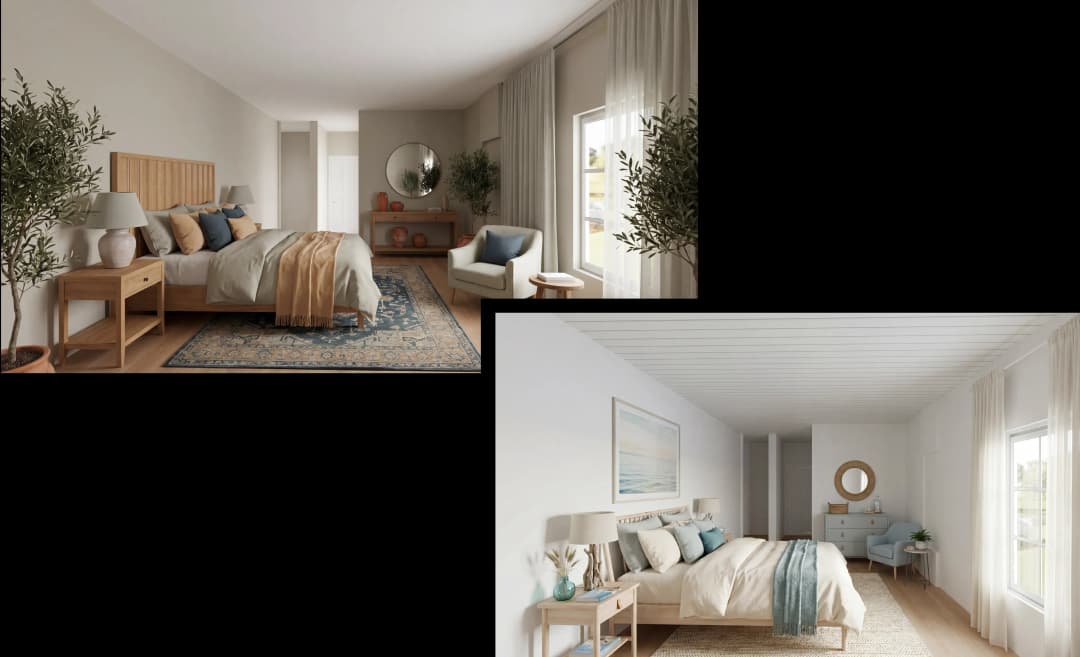
May 4, 2026
How Property Portals Can Turn 2D Floor Plans into 3D Design Decisions | VirtualSpaces
HHemanth Velury
CEO & Co-Founder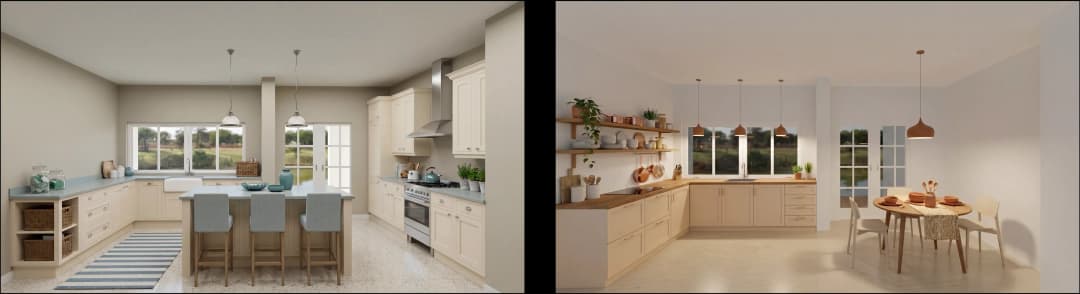
April 29, 2026
The Home-Fit Test: Why Square Footage Misleads | VirtualSpaces
HHemanth Velury
CEO & Co-Founder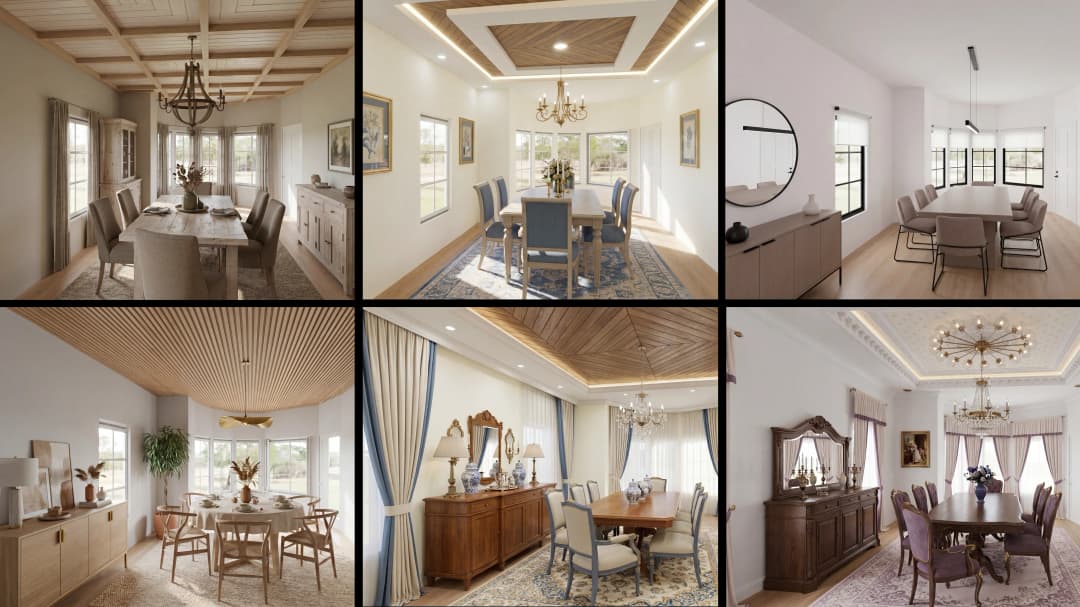
April 27, 2026
Designing Homes That Sell: 3D Visualization ROI Data | VirtualSpaces
HHemanth Velury
CEO & Co-FounderApril 24, 2026
What's Next: Foursite & Remodroom's New AI Features | VirtualSpaces
HHemanth Velury
CEO & Co-Founder
April 22, 2026
AI in Architecture: Closing the 85% Exposure Gap | VirtualSpaces
HHemanth Velury
CEO & Co-Founder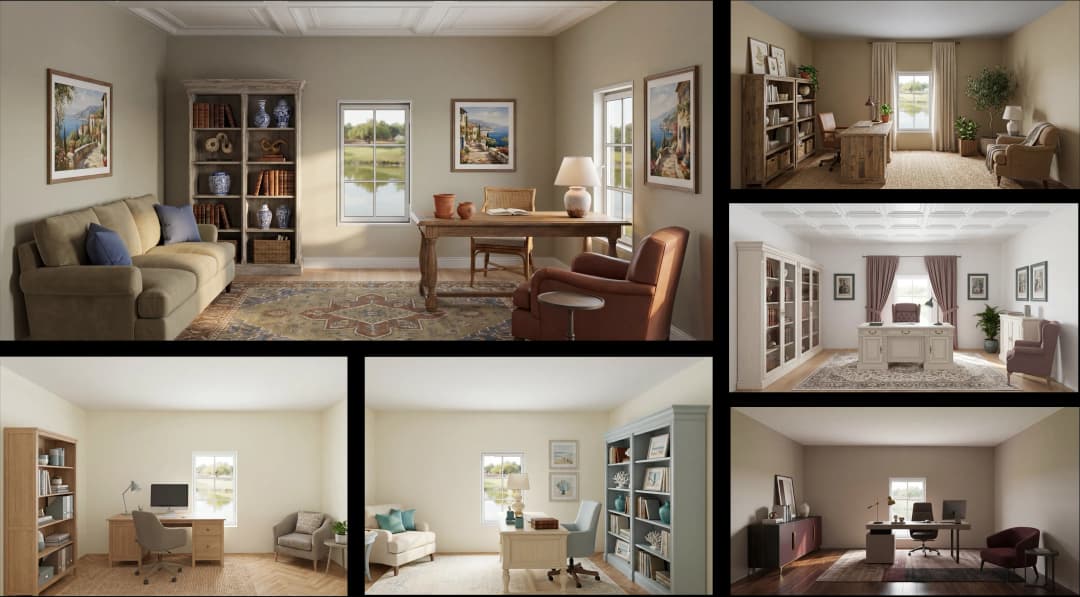
April 20, 2026
Interior Design Pricing in 2026: From Hourly to Value-Based Fees | VirtualSpaces
HHemanth Velury
CEO & Co-FounderApril 17, 2026
How Foursite and Remodroom Help Designers Win Clients | VirtualSpaces
HHemanth Velury
CEO & Co-Founder
April 15, 2026
Designing Spaces for People: Remodroom + Foursite AI Guide | VirtualSpaces
HHemanth Velury
CEO & Co-Founder
April 13, 2026
Designing for the Way People Actually Live: How AI 3D Is Finally Closing the Gap Between Floor Plan and Reality
HHemanth Velury
CEO & Co-Founder
April 11, 2026
Design in Real Time: AI Renders in Your First Client Meeting
HHemanth Velury
CEO & Co-Founder
April 06, 2026
Why Real Estate Photography Is No Longer Enough: The Shift to Spatial-First Listings
HHemanth Velury
CEO & Co-Founder
April 03, 2026
Property Management's Hidden Weapon: AI 3D Floor Plans That Cut Vacancy Time and Raise Tenant Quality
HHemanth Velury
CEO & Co-Founder
April 01, 2026
Off-Plan and Oversubscribed: How AI 3D Visualization Is Transforming Real Estate Pre-Sales
HHemanth Velury
CEO & Co-Founder
March 30, 2026
Why Foursite Beats Generic AI Tools for Interior Design 3D Visualization
HHemanth Velury
CEO & Co-Founder
March 27, 2026
7 Tenets of Interior Design: How AI Accelerates Harmony in Residential Spaces
HHemanth Velury
CEO & Co-Founder
March 25, 2026
What Is the 3-5-7 Rule in Interior Design? Foursite's AI Guide for Residential Spaces
HHemanth Velury
CEO & Co-Founder
March 23, 2026
What Is the 70/30 Rule in Interior Design? Foursite's AI Guide for Residential Spaces
HHemanth Velury
CEO & Co-Founder
March 20, 2026
How AI 3D Visualization Is Rewriting Residential Interior Design Workflows
HHemanth Velury
CEO & Co-Founder
March 18, 2026
Beyond Marketing: How 3D Floorplans Transform FM, Retrofit Planning & ESG Operations
HHemanth Velury
CEO & Co-Founder
March 16, 2026
Why AI Companies Use Token Payments (And Why VirtualSpaces Is Returning To Fiat)
HHemanth Velury
CEO & Co-Founder
March 13, 2026
Floorplan‑Native Digital Twins: Beyond BIM for Consumer‑Ready Real Estate Experiences
HHemanth Velury
CEO & Co-Founder
March 11, 2026
The Foursite Platform Thesis: Why Floor Plans, Not Photos, Are the Next Property Software Primitive
HHemanth Velury
CEO & Co-Founder
March 09, 2026
Design Systems for Space: Building Reusable 3D Component Libraries on Top of AI Floorplan‑to‑3D Engines
HHemanth Velury
CEO & Co-Founder
March 06, 2026
How to Standardize Design Quality Across Global Projects Using AI Floorplan-to-3D Tools
HHemanth Velury
CEO & Co-Founder
March 04, 2026
From CAD-First to AI-First: Reskilling Your Team for AI-Native Design Workflows
HHemanth Velury
CEO & Co-Founder
March 02, 2026
Algorithmic Ergonomics Meets Photorealistic 3D: Designing Human-Centered Smart Homes with Foursite in 2026
HHemanth Velury
CEO & Co-Founder
February 27, 2026
The Ethics of AI in Interior Design: Ownership, Originality, and Client Transparency
HHemanth Velury
CEO & Co-Founder
February 25, 2026
Designing with Empathy: Using AI 3D Visualization to Improve Client Communication and Emotional Clarity
HHemanth Velury
CEO & Co-Founder
February 23, 2026
From Tool to Infrastructure: AI Floorplan-to-3D and the Next Wave of PropTech
HHemanth Velury
CEO & Co-Founder
February 20, 2026
AI Interior Design for Holiday Homes: Turn Spare Flats into High-Demand Short-Stay Rentals with 3D Visuals
HHemanth Velury
CEO & Co-Founder
February 18, 2026
The Pre‑Purchase Power Play: How Savvy Home Buyers Use 3D Floor Plan Visualization to Negotiate Better Deals
HHemanth Velury
CEO & Co-FounderFebruary 16, 2026
AI Interior Design for Non‑Designers: How Homeowners Can Brief Like Pros
HHemanth Velury
CEO & Co-Founder
February 11, 2026
From Bland to Bold: How to Rescue Builder-Grade Interiors on Any Budget
HHemanth Velury
CEO & Co-Founder
February 6, 2026
The Psychology of Space: How Room Dimensions Influence Interior Design Decisions
HHemanth Velury
CEO & Co-Founder
February 4, 2026
The Future of Interior Design Visualization: How AI Technology is Transforming 2D Concepts Into 3D Reality
HHemanth Velury
CEO & Co-Founder
February 2, 2026
AI Interior Décor: How Artificial Intelligence Generates Design Options from Your Floor Plan
HHemanth Velury
CEO & Co-Founder
January 30, 2026
Photoreal vs. Reality: What Clients Actually Expect from Interior Design Visualization
HHemanth Velury
CEO & Co-Founder
January 28, 2026
The Design Approval Conversation That Changes Everything: Communication Strategy When Using Photorealistic Visualization
HHemanth Velury
CEO & Co-Founder
January 25, 2026
Interior Design as Experience Design: How 3D Visualization Changes Your Professional Identity
HHemanth Velury
CEO & Co-Founder
January 23, 2026
The Professional Gap: How 3D Visualization Changes Interior Design Client Perception
HHemanth Velury
CEO & Co-Founder
January 21, 2026
Why Clients Fire Designers (And How 3D Visualization Could Have Saved the Project)
HHemanth Velury
CEO & Co-Founder
January 16, 2026
Blueprint to Vision: Why Seeing Is Believing in Interior Design
HHemanth Velury
CEO & Co-Founder
January 14, 2026
The Speed of Responsiveness: How AI Visualization Tools Make You Look Like You Care More
HHemanth Velury
CEO & Co-Founder
January 12, 2026
Why Interior Designers and Architects Can't Compete Without AI 3D Visualization Tools
HHemanth Velury
CEO & Co-Founder
January 07, 2026
From "Saved" to "Sold": How Homeowners Are Planning Renovations with AI
HHemanth Velury
CEO & Co-Founder
January 05, 2026
The Interior Designer's Secret Weapon: Speed as Premium Positioning
HHemanth Velury
CEO & Co-Founder
December 31, 2025
Gratitude, Growth & Game-Changing Innovation: VirtualSpaces' 2025 Journey & What's Coming in 2026
HHemanth Velury
CEO & Co-Founder
December 29, 2025
Why Interior Designers Are Switching to AI Floor Plan-to-3D Tools in 2026
HHemanth Velury
CEO & Co-Founder
December 26, 2025
AI Virtual Staging for Real Estate Agents: Sell More Homes Faster with Foursite
HHemanth Velury
CEO & Co-Founder
December 24, 2025
Why Architects Are Switching to AI 2D-to-3D: The SketchUp Alternative
HHemanth Velury
CEO & Co-Founder
December 22, 2025
Cut 3 Weeks from Real Estate Sales Cycle: The ROI of AI 2D to 3D Visualization
HHemanth Velury
CEO & Co-Founder
December 19, 2025
2D Floor Plans Are Dying: Why 3D Visualization & AI Virtual Staging Are the Future
HHemanth Velury
CEO & Co-Founder
December 17, 2025
Virtual Staging vs Physical Staging: How AI Saves Money Per Property
HHemanth Velury
CEO & Co-Founder
December 15, 2025
AI Floor Plan to Image: Revolutionizing Real Estate Marketing for Agents
HHemanth Velury
CEO & Co-Founder
December 12, 2025
Color of the Year 2026: Cloud Dancer | VirtualSpaces AI Interior Design Guide
HHemanth Velury
CEO & Co-Founder
December 10, 2025
AI Floor Plan to 3D: The New Standard for Interior Design Workflows
HHemanth Velury
CEO & Co-Founder
December 08, 2025
How Interior Design Studios Can Operationalize AI 2D-to-3D Workflows (Without Breaking Their Process)
HHemanth Velury
CEO & Co-Founder
December 06, 2025
How to Implement AI Interior Design Workflows in Your Studio
HHemanth Velury
CEO & Co-Founder
December 4, 2025
How Homeowners Can Use AI Interior Design Tools to Plan Renovations with Confidence
HHemanth Velury
CEO & Co-Founder
November 28, 2025
Interior Designers in the Age of AI: From Threat Narrative to Superpower
HHemanth Velury
CEO & Co-Founder
November 21, 2025
Foursite Launch: Embracing 'Release Early, Release Often'
HHemanth Velury
CEO & Co-Founder
November 13, 2025
Foursite by VirtSpaces: Empowering Interior Designers, Architects, and Homeowners
HHemanth Velury
CEO & Co-Founder
November 7, 2025
Reimagining Architectural Education: How AI Floorplan-to-3D Technology Can Transform Design Learning
VVirtualSpaces Research Labs
AI Research Initiative
October 27, 2025
Archisculpt AI: Turning Architectural Drawings into Photorealistic 3D Spaces
AAbhijeet Naik
Co-Founder & CTO
October 13, 2025
Home Makeover: From Floor Plan to Dream Space with AI
HHemanth Velury
CEO & Co-Founder
October 6, 2025
Real-Time Rendering & AI: Revolutionizing Interactive Property Walkthroughs with VirtSpaces
HHemanth Velury
CEO & Co-Founder
September 26, 2025
Foursite - A True AI-Native Experience in Design Visualization
AAbhijeet Naik
CTO & Co-Founder
September 18, 2025
Why PropTech Startups Are Betting on AI Interior Design
HHemanth Velury
CEO & Co-Founder
September 11, 2025
How AI Differs from Traditional 3D Rendering Software
HHemanth Velury
CEO & Co-Founder
September 2, 2025
From Client to Investor: How Nila Spaces and VirtSpaces Are Redefining Proptech with AI
HHemanth Velury
CEO & Co-Founder
August 25, 2025
VirtSpaces From Virtual Reality to AI – Transforming Real Estate Visualization.
HHemanth Velury
CEO & Co-Founder


We help teams collaborate seamlessly and reduce costs. Virtual Spaces offers cutting-edge technology with flexible plans designed to fit modern teams.
Copyright © VirtSpaces Pvt. Ltd. 2025 All Rights Reserved.
CIN: U74999KA2016PTC094921