
February 18, 2026
- Real Estate
- AI Technology
- Homeowners
The Pre‑Purchase Power Play: How Savvy Home Buyers Use 3D Floor Plan Visualization to Negotiate Better Deals
Hemanth Velury
CEO & Co-FounderThe Pre‑Purchase Power Play: How Savvy Home Buyers Use 3D Floor Plan Visualization to Negotiate Better Deals
Walking into a home viewing with confidence is one thing. Walking in armed with visual proof of what the property could become is a completely different level of power as a buyer.
Today's buyers aren't just competing on price. They're competing on preparation, vision, and the ability to see potential where others see problems. One quiet but powerful advantage is 3D floor plan visualization, especially when it's driven by 2D to 3D tools, AI visualization, and AI virtual staging.
If you're in the market for a home, especially one that needs updating, using platforms like Foursite can help you negotiate more confidently and more effectively. Instead of guessing, you walk into conversations with clear visuals, realistic layouts, and photorealistic ideas of what your future home could look like.
Why Traditional Home Viewings Hold You Back
Most home tours rely on three things: photos, a quick walk‑through, and maybe a basic 2D floor plan. That sounds helpful, but it also hides a lot.
You might see:
-
An awkward living room that "doesn't feel right"
-
A dark kitchen that looks smaller than it is
-
A bedroom that seems too cramped on first impression
What you don't see is how the same space could feel with a different layout, lighter finishes, or smarter furniture placement.
Traditional floor plans are flat. They don't convey ceiling height, natural light, or how furniture realistically fits. You end up relying on imagination at exactly the moment you need clarity.
This is where 3D visualization changes everything for a property buyer. When you can convert floor plan to 3D, the guesswork drops and your confidence climbs.
From 2D to 3D: Seeing What Others Miss
Imagine taking the simple blueprints or 2D floor plans from a listing and turning them into a detailed, walkable 3D view. With Foursite, that's exactly what you can do.
Instead of staring at flat lines and measurements, you can:
-
See a floor plan to 3D version of the home with realistic proportions
-
Test how a sofa, dining table, or bed fits into each room
-
Try different layouts, colors, and styles using AI interior design and AI interior décor
-
Layer in virtual staging to show the home fully furnished and inviting
This isn't about becoming an interior designer overnight. It's about giving yourself the same clarity that professionals have, without needing their skills.
When you convert blueprint to 3D, suddenly the "maybe" house becomes something you can truly picture living in. And that ability to see clearly gives you leverage when it's time to negotiate.
How Visualization Becomes Negotiation Power
You might wonder: "Nice visuals are great, but how does that actually help me get a better deal?"
Here's how AI 3D visualization and interior design 3D visualization support you as a buyer:
-
You understand the true potential of the space. With interior design renders and interior design photoreal renders, you can see which problems are cosmetic and which are structural. Outdated tiles? Easy to change. Terrible layout? Maybe not so simple. That distinction shapes how firmly you negotiate.
-
You walk into discussions prepared. Most buyers say things like "it needs work." You can say, "Here's what it looks like once we open this wall and update the finishes," backed by credible 3D visualization images.
-
You justify your position visually, not just verbally. Instead of arguing about gut feelings, you can show what's missing or what needs updating using your AI visualization outputs. It's easier for a seller to respect a buyer who has clearly studied the home.
-
You stay calm and clear. Negotiations can be emotional. Clear visuals and plans help you stay focused on the home itself, its layout, light, and flow, instead of being swept up in pressure or fear of missing out.
Example: Turning an "Ugly Duckling" into a Smart Buy
Let's say you find a house in a great neighborhood, but the photos are underwhelming. Heavy curtains, busy wallpaper, bulky furniture, everything feels cramped and dated.
Many buyers will scroll right past that listing.
You take a different approach:
-
You grab the 2D floor plans from the listing or make a quick sketch during a viewing.
-
You open Foursite and convert floor plan to 3D.
-
Using AI interior design and AI interior decor, you strip away the clutter in seconds: open the space, lighten the walls, modernize the furniture, and add simple, fresh styling with virtual staging.
The result: you see a bright, open, welcoming home that looks nothing like the listing photos.
Now, when you talk with your agent:
-
You're not saying, "I guess it might work if we fix it up."
-
You're saying, "I've already seen a clean, modern version of this home in 3D. I know it suits my life. Let's negotiate from that place of clarity."
That shift, from vague hope to clear vision, changes how you talk about price, timing, and conditions.
Example: Understanding Layout Strengths and Weaknesses
Another common situation: the layout looks odd on paper. There's a long hallway, or a dining room that feels detached from the kitchen, or a bedroom that seems strangely shaped.
Looking at 2D lines, it's hard to tell whether it's a dealbreaker.
Instead of guessing, you:
-
Use Foursite to turn the blueprints into a navigable 3D layout.
-
Drop in furniture using AI interior décor, seeing how real pieces fit.
-
Generate interior design photoreal renders to get an honest sense of flow.
Now you can answer:
-
Does that hallway actually feel narrow and dark, or is it fine once styled?
-
Will the sofa and chairs fit in the living room comfortably?
-
Does the dining area work for hosting, or does it feel cramped?
If the layout still doesn't work, you'll know early and move on. If it does work, you now have solid reasoning when you decide to move forward, and you can discuss minor layout issues more confidently with the seller.
Why This Matters So Much for First‑Time Buyers
For experienced buyers, it's easier to imagine how to fix a space. They've lived through renovations or bought multiple homes before.
First‑time buyers, on the other hand, often feel overwhelmed:
-
"Will my furniture fit?"
-
"Will this feel dark once we move in?"
-
"Is this really the right home, or am I missing something?"
Using AI 3D visualization and interior design 3D visualization helps answer those questions visually, which is far less stressful than trying to remember measurements and guess.
With Foursite, you:
-
Upload 2D floor plans
-
Let the 2D to 3D engine build a realistic model
-
Experiment with virtual staging and styling until it feels right
By the time you're ready to make an offer, you're not guessing. You've "walked through" the future version of the home many times in 3D. That kind of grounded confidence is rare and very valuable.
Using Foursite as Your Silent Adviser
Think of Foursite as a quiet adviser sitting next to you as you shop for homes.
Instead of:
-
Relying solely on listing photos
-
Getting confused by flat floor plans
-
Feeling pressured to decide quickly
You can, now:
-
Drop any blueprint to 3D in minutes
-
Try multiple furniture layouts and styles with AI interior décor
-
Generate interior design renders for each key room
-
Save several different versions of the same property and compare them
This is especially helpful when you're torn between two or three homes. Instead of going in circles mentally, you can compare:
-
How your life would actually feel in each space
-
How your existing furniture fits
-
How easy or hard it is to create the vibe you want with AI virtual staging
The goal is simple: help you choose a home you feel excited about and confident in, not just one that "seems okay" in a 15‑minute viewing.
Beyond Style: Understanding How You'll Live There
One of the most underrated benefits of convert blueprint to 3D tools is that they show how you will live in the space day to day.
For example, in 3D visualization you can:
-
See the line of sight from the kitchen to the living room (great if you have kids).
-
Check how light might fall into a room based on window placement.
-
Understand whether your work‑from‑home setup will feel cramped or comfortable.
By combining AI interior design with your own lifestyle needs, you're not just decorating, you're stress‑testing the home for real life.
When you talk with the seller or your agent, you're now speaking from lived‑in understanding, not abstract guesswork. That makes your decisions and requests sound thoughtful instead of impulsive.
Why 3D, AI, and Virtual Staging Are Here to Stay
The home buying process used to be built on imagination: "Just picture how nice it'll be once you paint and furnish it."
Today, buyers are smarter and better equipped. With AI 3D visualization, virtual staging, and the ability to convert floor plan to 3D, you no longer have to merely imagine but can see.
Tools like Foursite bring together:
-
2D to 3D conversion of 2D floor plans
-
Realistic AI visualization
-
Style‑aware AI interior decor and AI interior design
-
High‑quality interior design photoreal renders
All of this gives you a richer, more complete picture of the property before you commit. That's good for your finances, your stress levels, and your long‑term satisfaction with your home.
How to Turn This Into Your Personal Advantage
To use this pre‑purchase power play in your own search, you can:
-
Collect floor plans and blueprints for any home you're serious about. Ask your agent or the seller. Many times they already exist from previous sales or building records.
-
Run them through a tool like Foursite. Let the system convert blueprint to 3D and create a navigable model.
-
Experiment with layouts and styling. Use AI virtual staging, AI interior décor, and interior design 3D visualization to see how each room could look once it's truly yours.
-
Save multiple versions. Try a cozy version, a minimalist version, a family‑friendly version, whatever suits your life. Having options helps you think clearly.
-
Use what you've learned to guide discussions. When you talk to your agent or consider making an offer, base your feelings on what you saw in 3D, not just what you vaguely remember from a quick tour.
The result: you become the kind of buyer who knows exactly what they're stepping into, visually and emotionally. That confidence is felt by everyone involved in the transaction.
A New Kind of Savvy Buyer
Savvy home buyers in 2026 aren't just asking "What's the price?" They're asking:
-
"How will this space really work for my life?"
-
"What does this home look like once it reflects my style?"
-
"Can I see this clearly in 3D before I commit?"
By using floor plan to 3D and everything Foursite offers, you step into that new category of buyer.
You don't need to be a designer. You don't need to love technology. You just need to be curious enough to see beyond flat lines and listing photos.
In a world where homes are some of the biggest decisions we make, that extra layer of clarity is more than a nice‑to‑have. It's your quiet, powerful advantage, the pre‑purchase power play that helps you find the right home, feel good about your offer, and move in knowing you truly saw the full picture before you said yes.
Recommended for you

August 19, 2026
The End of the Model Home? 3D Changes the Math | VirtualSpaces
HHemanth Velury
CEO & Co-Founder
August 17, 2026
Designing Spaces That Actually Get Built | VirtualSpaces
HHemanth Velury
CEO & Co-Founder
August 12, 2026
Designing Homes for the Stuff People Actually Own | VirtualSpaces
HHemanth Velury
CEO & Co-Founder
August 07, 2026
Floor Plan to Bill of Materials: The 3D Model as Data | VirtualSpaces
HHemanth Velury
CEO & Co-Founder.png&w=1080&q=75)
August 05, 2026
Designing Homes for How People Actually Live | VirtualSpaces
HHemanth Velury
CEO & Co-Founder
August 03, 2026
Honest by Design: Trust in AI Real Estate Imagery | VirtualSpaces
HHemanth Velury
CEO & Co-Founder
July 29, 2026
Kitchen and Bath: The Two Rooms That Decide Resale | VirtualSpaces
HHemanth Velury
CEO & Co-Founder
July 27, 2026
Why Empty Rooms Don't Sell: Virtual Staging | VirtualSpaces
HHemanth Velury
CEO & Co-Founder
July 24, 2026
The Quiet Sustainability Win of Deciding in 3D | VirtualSpaces
HHemanth Velury
CEO & Co-Founder
July 22, 2026
Why Paint Swatches Lie: Test Color in 3D First | VirtualSpaces
HHemanth Velury
CEO & Co-Founder
July 20, 2026
Why Every Home Should Be Seen Before It's Built | VirtualSpaces
HHemanth Velury
CEO & Co-Founder
July 17, 2026
Why Big AI Labs Won't Build Floor Plan to 3D | VirtualSpaces
HHemanth Velury
CEO & Co-Founder
July 15, 2026
How We Solve Floor Plan to 3D, Accurately | VirtualSpaces
HHemanth Velury
CEO & Co-Founder
July 13, 2026
Designing Homes That Age With the People in Them | VirtualSpaces
HHemanth Velury
CEO & Co-Founder
July 10, 2026
Designing Spaces for How Light Actually Moves | VirtualSpaces
HHemanth Velury
CEO & Co-Founder
July 08, 2026
Designing Homes for Every Life Stage in 3D | VirtualSpaces
HHemanth Velury
CEO & Co-Founder
July 06, 2026
Build an Interior Design Portfolio Without Clients | VirtualSpaces
HHemanth Velury
CEO & Co-Founder
June 26, 2026
AI Interior Design: Full 3D Workflow in One Platform | VirtualSpaces
HHemanth Velury
CEO & Co-Founder
June 24, 2026
Scope Creep in Interior Design: How AI Visualization Fixes It | VirtualSpaces
HHemanth Velury
CEO & Co-Founder
June 22, 2026
What Buyers See on a Floor Plan: Your Biggest Sales Problem | VirtualSpaces
HHemanth Velury
CEO & Co-Founder
June 19, 2026
Small Design Studios vs Big Firms: The AI Advantage | VirtualSpaces
HHemanth Velury
CEO & Co-Founder
June 17, 2026
After the Mood Board: AI Interior Visualization | VirtualSpaces
HHemanth Velury
CEO & Co-Founder
June 15, 2026
Foursite Pro Editor: Full Floor Plan Control for Designers | VirtualSpaces
HHemanth Velury
CEO & Co-Founder
June 12, 2026
AI Interior Design: Style Any Room in Seconds with Foursite | VirtualSpaces
HHemanth Velury
CEO & Co-Founder
June 10, 2026
Foursite: Floor Plan to 3D Walkthrough in Minutes | VirtualSpaces
HHemanth Velury
CEO & Co-Founder
June 08, 2026
Win More Pitches With AI Renders Before the Meeting | VirtualSpaces
HHemanth Velury
CEO & Co-Founder
June 05, 2026
From Floor Plan to Finished Room: What AI Now Makes Possible | VirtualSpaces
HHemanth Velury
CEO & Co-Founder
June 03, 2026
The Interior Design Brief Is Broken. AI Fixes It | VirtualSpaces
HHemanth Velury
CEO & Co-Founder
June 01, 2026
Pre-Construction Home Sales: AI Interior Visualization Guide | VirtualSpaces
HHemanth Velury
CEO & Co-Founder
May 30, 2026
Interior Design Principles: Applied with AI | VirtualSpaces
HHemanth Velury
CEO & Co-Founder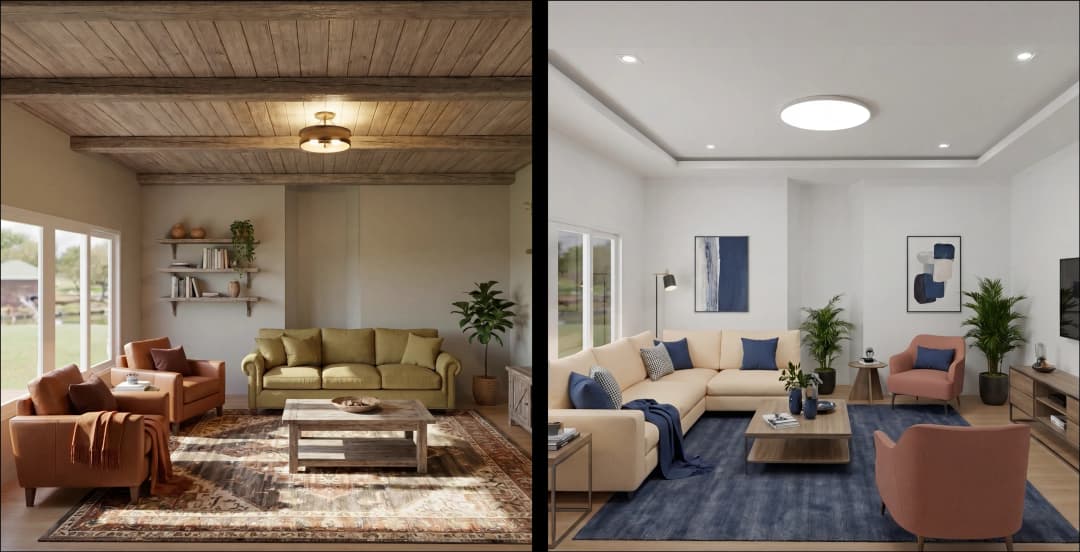
May 28, 2026
Designing Spaces for People, Not Blueprints | VirtualSpaces
HHemanth Velury
CEO & Co-Founder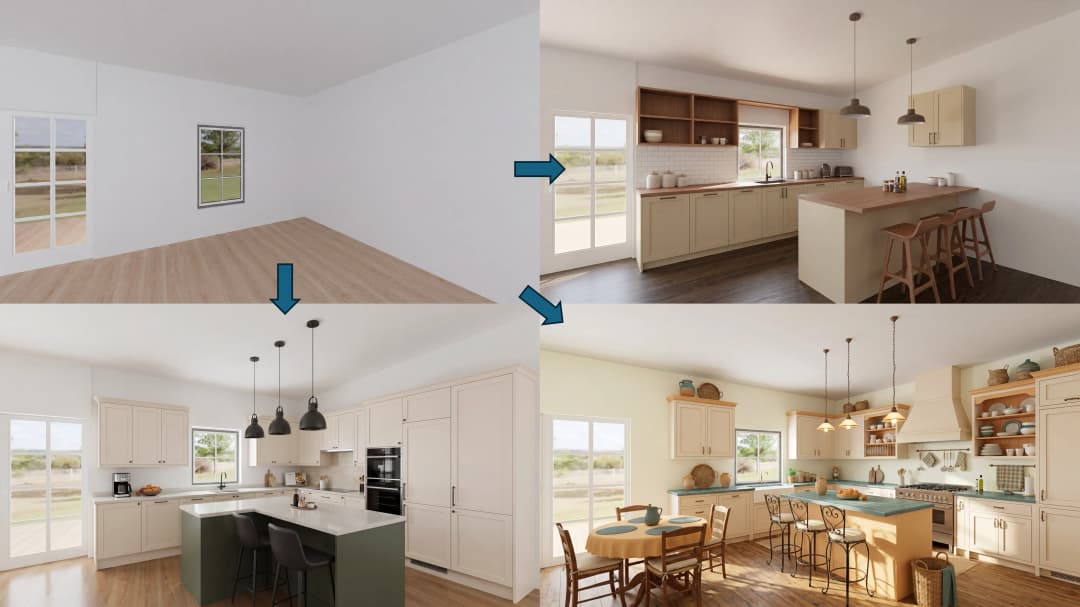
May 26, 2026
The Future of Interior Design: Closing the Visualization Gap with Foursite and Remodroom | VirtualSpaces
HHemanth Velury
CEO & Co-Founder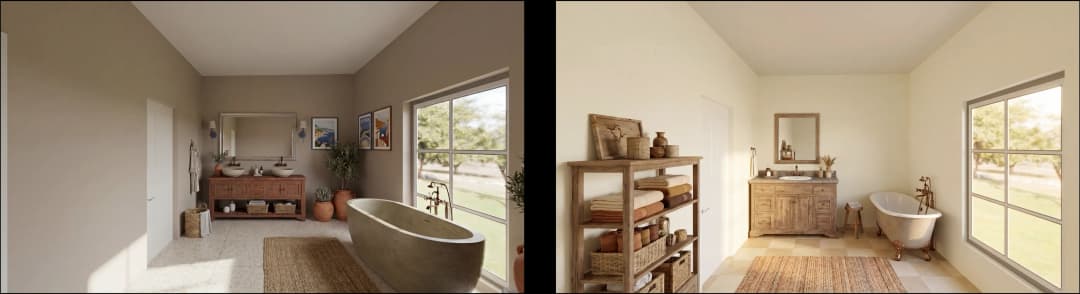
May 18, 2026
How AI Visualization Upgrades Property Data Platforms | VirtualSpaces
HHemanth Velury
CEO & Co-Founder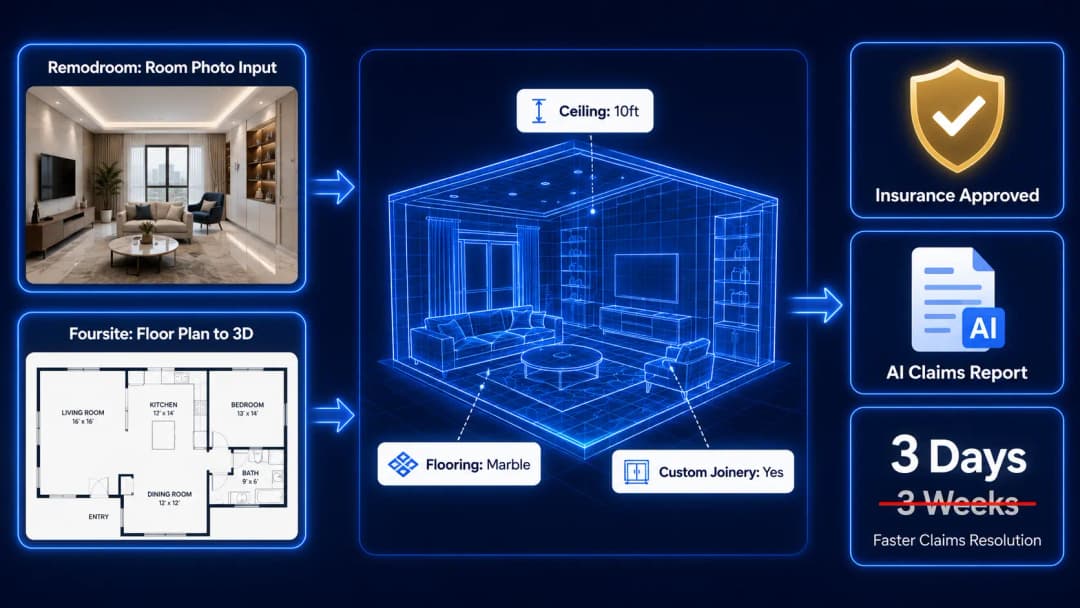
May 14, 2026
How AI-First Insurers Can Use 3D Property Data to Transform Home Claims | VirtualSpaces
HHemanth Velury
CEO & Co-FounderMay 12, 2026
Why Photoreal 3D Renders Are Replacing Mood Boards | Interior Design Client Presentations | VirtualSpaces
HHemanth Velury
CEO & Co-Founder
May 08, 2026
From 2D Floor Plans To Living Worlds: The Spec‑Accurate 3D Engine | VirtualSpaces
HHemanth Velury
CEO & Co-Founder
May 06, 2026
Why Furniture Brands Need AI 3D Visualization Now | VirtualSpaces
HHemanth Velury
CEO & Co-Founder
May 4, 2026
How Property Portals Can Turn 2D Floor Plans into 3D Design Decisions | VirtualSpaces
HHemanth Velury
CEO & Co-Founder
April 29, 2026
The Home-Fit Test: Why Square Footage Misleads | VirtualSpaces
HHemanth Velury
CEO & Co-Founder
April 27, 2026
Designing Homes That Sell: 3D Visualization ROI Data | VirtualSpaces
HHemanth Velury
CEO & Co-FounderApril 24, 2026
What's Next: Foursite & Remodroom's New AI Features | VirtualSpaces
HHemanth Velury
CEO & Co-Founder
April 22, 2026
AI in Architecture: Closing the 85% Exposure Gap | VirtualSpaces
HHemanth Velury
CEO & Co-Founder
April 20, 2026
Interior Design Pricing in 2026: From Hourly to Value-Based Fees | VirtualSpaces
HHemanth Velury
CEO & Co-FounderApril 17, 2026
How Foursite and Remodroom Help Designers Win Clients | VirtualSpaces
HHemanth Velury
CEO & Co-Founder
April 15, 2026
Designing Spaces for People: Remodroom + Foursite AI Guide | VirtualSpaces
HHemanth Velury
CEO & Co-Founder
April 13, 2026
Designing for the Way People Actually Live: How AI 3D Is Finally Closing the Gap Between Floor Plan and Reality
HHemanth Velury
CEO & Co-Founder
April 11, 2026
Design in Real Time: AI Renders in Your First Client Meeting
HHemanth Velury
CEO & Co-Founder
April 06, 2026
Why Real Estate Photography Is No Longer Enough: The Shift to Spatial-First Listings
HHemanth Velury
CEO & Co-Founder
April 03, 2026
Property Management's Hidden Weapon: AI 3D Floor Plans That Cut Vacancy Time and Raise Tenant Quality
HHemanth Velury
CEO & Co-Founder
April 01, 2026
Off-Plan and Oversubscribed: How AI 3D Visualization Is Transforming Real Estate Pre-Sales
HHemanth Velury
CEO & Co-Founder
March 30, 2026
Why Foursite Beats Generic AI Tools for Interior Design 3D Visualization
HHemanth Velury
CEO & Co-Founder
March 27, 2026
7 Tenets of Interior Design: How AI Accelerates Harmony in Residential Spaces
HHemanth Velury
CEO & Co-Founder
March 25, 2026
What Is the 3-5-7 Rule in Interior Design? Foursite's AI Guide for Residential Spaces
HHemanth Velury
CEO & Co-Founder
March 23, 2026
What Is the 70/30 Rule in Interior Design? Foursite's AI Guide for Residential Spaces
HHemanth Velury
CEO & Co-Founder
March 20, 2026
How AI 3D Visualization Is Rewriting Residential Interior Design Workflows
HHemanth Velury
CEO & Co-Founder
March 18, 2026
Beyond Marketing: How 3D Floorplans Transform FM, Retrofit Planning & ESG Operations
HHemanth Velury
CEO & Co-Founder
March 16, 2026
Why AI Companies Use Token Payments (And Why VirtualSpaces Is Returning To Fiat)
HHemanth Velury
CEO & Co-Founder
March 13, 2026
Floorplan‑Native Digital Twins: Beyond BIM for Consumer‑Ready Real Estate Experiences
HHemanth Velury
CEO & Co-Founder
March 11, 2026
The Foursite Platform Thesis: Why Floor Plans, Not Photos, Are the Next Property Software Primitive
HHemanth Velury
CEO & Co-Founder
March 09, 2026
Design Systems for Space: Building Reusable 3D Component Libraries on Top of AI Floorplan‑to‑3D Engines
HHemanth Velury
CEO & Co-Founder
March 06, 2026
How to Standardize Design Quality Across Global Projects Using AI Floorplan-to-3D Tools
HHemanth Velury
CEO & Co-Founder
March 04, 2026
From CAD-First to AI-First: Reskilling Your Team for AI-Native Design Workflows
HHemanth Velury
CEO & Co-Founder
March 02, 2026
Algorithmic Ergonomics Meets Photorealistic 3D: Designing Human-Centered Smart Homes with Foursite in 2026
HHemanth Velury
CEO & Co-Founder
February 27, 2026
The Ethics of AI in Interior Design: Ownership, Originality, and Client Transparency
HHemanth Velury
CEO & Co-Founder
February 25, 2026
Designing with Empathy: Using AI 3D Visualization to Improve Client Communication and Emotional Clarity
HHemanth Velury
CEO & Co-Founder
February 23, 2026
From Tool to Infrastructure: AI Floorplan-to-3D and the Next Wave of PropTech
HHemanth Velury
CEO & Co-Founder
February 20, 2026
AI Interior Design for Holiday Homes: Turn Spare Flats into High-Demand Short-Stay Rentals with 3D Visuals
HHemanth Velury
CEO & Co-Founder
February 16, 2026
AI Interior Design for Non‑Designers: How Homeowners Can Brief Like Pros
HHemanth Velury
CEO & Co-Founder
February 13, 2026
Scaling a Design Business Without Hiring a 3D Team: An Owner's Guide
HHemanth Velury
CEO & Co-Founder
February 11, 2026
From Bland to Bold: How to Rescue Builder-Grade Interiors on Any Budget
HHemanth Velury
CEO & Co-Founder
February 6, 2026
The Psychology of Space: How Room Dimensions Influence Interior Design Decisions
HHemanth Velury
CEO & Co-Founder
February 4, 2026
The Future of Interior Design Visualization: How AI Technology is Transforming 2D Concepts Into 3D Reality
HHemanth Velury
CEO & Co-Founder
February 2, 2026
AI Interior Décor: How Artificial Intelligence Generates Design Options from Your Floor Plan
HHemanth Velury
CEO & Co-Founder
January 30, 2026
Photoreal vs. Reality: What Clients Actually Expect from Interior Design Visualization
HHemanth Velury
CEO & Co-Founder
January 28, 2026
The Design Approval Conversation That Changes Everything: Communication Strategy When Using Photorealistic Visualization
HHemanth Velury
CEO & Co-Founder
January 25, 2026
Interior Design as Experience Design: How 3D Visualization Changes Your Professional Identity
HHemanth Velury
CEO & Co-Founder
January 23, 2026
The Professional Gap: How 3D Visualization Changes Interior Design Client Perception
HHemanth Velury
CEO & Co-Founder
January 21, 2026
Why Clients Fire Designers (And How 3D Visualization Could Have Saved the Project)
HHemanth Velury
CEO & Co-Founder
January 16, 2026
Blueprint to Vision: Why Seeing Is Believing in Interior Design
HHemanth Velury
CEO & Co-Founder
January 14, 2026
The Speed of Responsiveness: How AI Visualization Tools Make You Look Like You Care More
HHemanth Velury
CEO & Co-Founder
January 12, 2026
Why Interior Designers and Architects Can't Compete Without AI 3D Visualization Tools
HHemanth Velury
CEO & Co-Founder
January 07, 2026
From "Saved" to "Sold": How Homeowners Are Planning Renovations with AI
HHemanth Velury
CEO & Co-Founder
January 05, 2026
The Interior Designer's Secret Weapon: Speed as Premium Positioning
HHemanth Velury
CEO & Co-Founder
December 31, 2025
Gratitude, Growth & Game-Changing Innovation: VirtualSpaces' 2025 Journey & What's Coming in 2026
HHemanth Velury
CEO & Co-Founder
December 29, 2025
Why Interior Designers Are Switching to AI Floor Plan-to-3D Tools in 2026
HHemanth Velury
CEO & Co-Founder
December 26, 2025
AI Virtual Staging for Real Estate Agents: Sell More Homes Faster with Foursite
HHemanth Velury
CEO & Co-Founder
December 24, 2025
Why Architects Are Switching to AI 2D-to-3D: The SketchUp Alternative
HHemanth Velury
CEO & Co-Founder
December 22, 2025
Cut 3 Weeks from Real Estate Sales Cycle: The ROI of AI 2D to 3D Visualization
HHemanth Velury
CEO & Co-Founder
December 19, 2025
2D Floor Plans Are Dying: Why 3D Visualization & AI Virtual Staging Are the Future
HHemanth Velury
CEO & Co-Founder
December 17, 2025
Virtual Staging vs Physical Staging: How AI Saves Money Per Property
HHemanth Velury
CEO & Co-Founder
December 15, 2025
AI Floor Plan to Image: Revolutionizing Real Estate Marketing for Agents
HHemanth Velury
CEO & Co-Founder
December 12, 2025
Color of the Year 2026: Cloud Dancer | VirtualSpaces AI Interior Design Guide
HHemanth Velury
CEO & Co-Founder
December 10, 2025
AI Floor Plan to 3D: The New Standard for Interior Design Workflows
HHemanth Velury
CEO & Co-Founder
December 08, 2025
How Interior Design Studios Can Operationalize AI 2D-to-3D Workflows (Without Breaking Their Process)
HHemanth Velury
CEO & Co-Founder
December 06, 2025
How to Implement AI Interior Design Workflows in Your Studio
HHemanth Velury
CEO & Co-Founder
December 4, 2025
How Homeowners Can Use AI Interior Design Tools to Plan Renovations with Confidence
HHemanth Velury
CEO & Co-Founder
November 28, 2025
Interior Designers in the Age of AI: From Threat Narrative to Superpower
HHemanth Velury
CEO & Co-Founder
November 21, 2025
Foursite Launch: Embracing 'Release Early, Release Often'
HHemanth Velury
CEO & Co-Founder
November 13, 2025
Foursite by VirtSpaces: Empowering Interior Designers, Architects, and Homeowners
HHemanth Velury
CEO & Co-Founder
November 7, 2025
Reimagining Architectural Education: How AI Floorplan-to-3D Technology Can Transform Design Learning
VVirtualSpaces Research Labs
AI Research Initiative
October 27, 2025
Archisculpt AI: Turning Architectural Drawings into Photorealistic 3D Spaces
AAbhijeet Naik
Co-Founder & CTO
October 13, 2025
Home Makeover: From Floor Plan to Dream Space with AI
HHemanth Velury
CEO & Co-Founder
October 6, 2025
Real-Time Rendering & AI: Revolutionizing Interactive Property Walkthroughs with VirtSpaces
HHemanth Velury
CEO & Co-Founder
September 26, 2025
Foursite - A True AI-Native Experience in Design Visualization
AAbhijeet Naik
CTO & Co-Founder
September 18, 2025
Why PropTech Startups Are Betting on AI Interior Design
HHemanth Velury
CEO & Co-Founder
September 11, 2025
How AI Differs from Traditional 3D Rendering Software
HHemanth Velury
CEO & Co-Founder
September 2, 2025
From Client to Investor: How Nila Spaces and VirtSpaces Are Redefining Proptech with AI
HHemanth Velury
CEO & Co-Founder
August 25, 2025
VirtSpaces From Virtual Reality to AI – Transforming Real Estate Visualization.
HHemanth Velury
CEO & Co-Founder


We help teams collaborate seamlessly and reduce costs. Virtual Spaces offers cutting-edge technology with flexible plans designed to fit modern teams.
Copyright © VirtSpaces Pvt. Ltd. 2025 All Rights Reserved.
CIN: U74999KA2016PTC094921