
December 26, 2025
- Real Estate Tech
- AI Technology
- 3D Visualization
- Design Visualization
AI Virtual Staging for Real Estate Agents: Sell More Homes Faster with Foursite
Hemanth Velury
CEO & Co-FounderFoursite for Real Estate Agents: Sell More Homes Faster with AI Virtual Staging
Real estate has changed. Buyers don't make decisions based on empty rooms and vague promises anymore. They scroll listings on their phones, often from thousands of miles away. They need to see what a home could feel like, furnished, styled, lived-in, in the first 5 seconds of clicking on a listing.
That reality has given rise to a new category of tools: AI virtual staging.
Virtual staging isn't entirely new: It's been available for a few years. But until recently, it was clunky, unconvincing, and often made homes look worse, not better. Fake furniture looked cartoonish. Colors were off. Proportions were wrong. Modern AI virtual staging, powered by deep learning and photorealistic rendering, is different. The furniture looks real. The proportions feel right. The lighting is convincing. For an agent, it's the difference between a gimmick and a genuine competitive advantage. This guide walks through how real estate agents can use AI virtual staging to stage homes faster, attract more buyers, and close deals quicker.
Why Virtual Staging Matters (Now More Than Ever)
Let's start with the underlying trend: buyers are increasingly making initial decisions based on online imagery, not in-person visits. According to Zillow, 81% of homebuyers start their search online. They scroll hundreds of listings in a few minutes, making snap judgments based on photos. First impressions matter enormously. The data is clear: staged homes sell faster and often for higher prices.
- Staged homes sell 73% faster than non-staged ones
- Properties with high-quality, staged images receive 118% more views than vacant or empty properties
- Staged homes often sell for 5-8% higher than non-staged comparables
Traditionally, staging meant hiring a professional stager ($500-$1,500 per room, per month) to rent furniture and coordinate logistics. This was economically feasible for high-end properties but completely impractical for the bulk of the real estate market.
Result: most homes were listed empty. Buyers had to imagine the potential. Many couldn't.
AI virtual staging flips that equation. Instead of hiring a stager, you upload a photo of the empty room to an AI platform, specify a style, and get back a photorealistic image of that same room, fully furnished and styled.
Cost: $15-$50 per image, delivered within 24 hours.
Suddenly, staging isn't a luxury for high-end properties. It's a commodity feature that every agent can offer to every client.
The Agent's Challenge: Listings Compete on Imagery
From an agent's perspective, here's the challenge:
A typical residential listing has 20-40 photos. Those photos tell the story of whether a buyer will schedule a showing. A few key photos (the living room, master bedroom, kitchen, major feature) do most of the work. If those key photos show an empty room — white walls, plain carpet, no furniture — the buyer's imagination must work hard. They have to mentally furnish the space, imagine the potential, fill the void.
Some buyers can do that. Many can't. They move on to the next listing.
But if that same room is shown staged, with furniture that demonstrates scale, color that shows personality, decor that creates mood, the buyer instantly feels the space. They can imagine themselves there. They're more likely to schedule a showing. And here's the thing: even if the buyer ultimately doesn't buy that home, the staged photos have done their job. They've attracted a qualified, interested buyer. They've increased the likelihood of a showing. And showings lead to offers.
How AI Virtual Staging Works (For Agents)
The basic workflow is simple:
- Take a photo of an empty room / Take the floor plan from the landlord
- Upload to the AI platform (Foursite, Canva, Interior AI, or similar)
- Select a style (Modern, Scandinavian, Cozy, Minimalist, etc.)
- Review the staged image (in seconds)
- Approve or adjust (if needed, try a different style or furniture arrangement)
- Use in listing
The entire process per image: 2-3 minutes.
For an agent with a typical 5-photo listing shoot, staging 3-5 key images takes 15-30 minutes, costs $45-$250 total (vs. $1,500-$3,000 for professional staging), and can be done from the agent's desk on the day of the shoot.
Real-World Agent Use Cases
Use Case 1: Empty Home Staging
An agent lists an estate home — inherited property, vacant for months, lived-in empty. The bones are good, but without furniture, it looks cavernous and cold. Buyers struggle to envision living there.
Solution: AI virtual staging. The agent stages the living room in "Warm Traditional," the master bedroom in "Modern Luxury," the kitchen in "Contemporary Clean." Each room shows potential. Buyers can imagine themselves in the space. Showings increase. Offers follow.
Impact: 30-40% faster sale than comparable non-staged vacant homes.
Use Case 2: Rental Pre-Lease Showing
A property manager has 5 vacant units coming online. Normally, they'd leave them empty or hire a professional stager ($3,000-$5,000 per unit). Either way, prospective tenants struggle to imagine the space furnished.
Solution: AI virtual staging. Each unit is photographed empty, then 2-3 furnished variations are generated (Modern Minimalist for young professionals, Family Cozy for families with kids). Virtual tours are created showing each variant. Prospective tenants can choose their preferred aesthetic. Pre-lease inquiries increase 25-40%.
Impact: Faster tenant acquisition, ability to attract wider demographic, higher pre-lease velocity.
Use Case 3: Investor/Flipper Marketing
An investor buys a fixer-upper, does a light renovation, and lists it. The bones are updated, but the aesthetic is generic. They want to show the home in multiple styles to attract different buyer personas.
Solution: AI virtual staging. Three variations generated: "Modern Urban" (for first-time buyers), "Family Comfortable" (for young families), "Luxury Contemporary" (for affluent buyers). Each variation tells a different story. Different buyer segments see the listing styled for their preferences. Conversion improves.
Impact: Broader buyer appeal, higher offer rate, potential for premium pricing.
Use Case 4: Luxury Home Problem-Solving
A luxury home sits on the market for longer than expected. The architecture is beautiful, but the current staging feels dated. The agent wants to refresh the presentation without restaging the entire home (which would require 2-3 weeks and $5,000+ investment).
Solution: AI virtual staging creates 4-5 alternative furniture and color options without moving a single piece of furniture in the actual home. The MLS and digital marketing show the home in fresh, contemporary styles. The home feels current and desirable.
Impact: Reinvigorated interest, showings increase, eventually sells closer to asking price.
The Business Case: ROI for Individual Agents
Let's calculate the ROI for an agent using AI virtual staging:
- Agent lists 20 homes per year
- Typical listing sits on market for 35 days before selling
- Current ask: $350K average sale price
Without AI Virtual Staging
- Of 20 listings, 8 (40%) get professional staging before first showing (cost: $1,500 per property = $12,000 total)
- 12 (60%) are listed empty
- Average days-on-market: 35 days
- Average sale price: $350K (baseline)
- Commission: 6% = $420K annual commission income
With AI Virtual Staging
- All 20 listings get virtual staging (3-5 key photos per listing at $15-$50 per image = $150-$250 per listing = $3,000-$5,000 total annual cost)
- Better imagery means faster sale
- Average days-on-market: 24 days (31% faster)
- Better staged imagery + faster sale = higher sell-through rate (85% vs. 75% without staging)
- Improved sale price: 5% premium due to better presentation and faster sale = $367.5K average
ROI Calculation
Cost: $4,000 annually for AI virtual staging (vs. $12,000 for traditional staging of 40% of listings)
Benefits:
- 20% reduction in days-on-market (35 days → 24 days) = faster turnover = ability to list more homes per year. With faster cycle, agent can add 2-3 more listings per year
- 10% higher sell-through rate (85% vs. 75%) = 2 additional homes sold per year
- 5% higher average sale price = (20 homes @ $350K @ 0.05) = $35K higher total commission from better pricing
Total Annual Benefit
- Faster turnover allows 2-3 additional listings = 2-3 more homes, average 6% commission = $42K-$63K additional commission
- Higher sell price on existing 20 homes = $35K higher commission
- Total incremental commission: $77K-$98K
For an agent making $420K annually in commission, adding $77-98K of incremental commission from better staging is a 18-23% revenue uplift.
The key to getting an increased revenue is to have a proper implementation plan to get started and to seamlessly integrate the AI Visualization / AI Virtual Staging tools into the existing workflow. This tweak is well worth the time given the ROI of implementing it.
Common Objections and Answers
Isn't virtual staging fake/misleading?
Answer: Staged photos — whether physical or virtual — are a standard, accepted real estate practice. Most countries' federal bodies typically allow virtual staging if it's disclosed (many platforms auto-disclose). Buyers understand that staged photos represent possibility, not current state. The value is in helping buyers envision potential, not deceiving them.
Won't the virtually staged photo disappoint buyers when they see the actual empty room?
Answer: By the time a buyer sees the actual home, they're already invested in viewing. They came for a showing, which means the staged photos did their job (attracted enough interest to schedule a showing). Showings lead to offers. Even if the home is empty (or still under construction), the buyer's imagination has already done the work.
Virtual staging won't help sell a bad home.
Answer: Correct. Virtual staging can't fix structural problems, terrible neighborhoods, or fundamentally undesirable properties. But it can help a decent home present better, stand out in a crowded market, and attract more serious buyers. It's not a magic bullet, but it's a meaningful tool in the toolkit.
Isn't this just another tech gimmick?
Answer: The data is clear: staged homes sell faster and often for higher prices. Virtual staging brings the benefits of staging to every property, at scale, without the cost and logistics of physical staging. It's not a gimmick — It's an efficiency improvement that directly impacts agent productivity and client satisfaction.
Conclusion: AI Virtual Staging Is a Competitive Necessity
Real estate is increasingly a numbers game: more listings, faster sales, higher sell-through rates. AI virtual staging is a tool that moves all three metrics in the right direction. For individual agents, it's a 2,000%+ ROI investment in better marketing collateral. For brokerages, it's a 1-2% productivity uplift across the portfolio which translates to millions in incremental revenue.
The technology is proven. The ROI is clear. The adoption curve is steep.
Early adopters are already winning — better listings, faster sales, happier clients. The question for agents and brokerages isn't whether to adopt AI virtual staging. It's how quickly you can integrate it before your competition does.
Note: While a lot of data is from the US because data is more easily accessible and available, stats are the same everywhere — brokers in India earn 2%-3% each from the buyer and seller — the numbers aren't dramatically different.
Recommended for you

August 19, 2026
The End of the Model Home? 3D Changes the Math | VirtualSpaces
HHemanth Velury
CEO & Co-Founder
August 17, 2026
Designing Spaces That Actually Get Built | VirtualSpaces
HHemanth Velury
CEO & Co-Founder
August 12, 2026
Designing Homes for the Stuff People Actually Own | VirtualSpaces
HHemanth Velury
CEO & Co-Founder
August 07, 2026
Floor Plan to Bill of Materials: The 3D Model as Data | VirtualSpaces
HHemanth Velury
CEO & Co-Founder.png&w=1080&q=75)
August 05, 2026
Designing Homes for How People Actually Live | VirtualSpaces
HHemanth Velury
CEO & Co-Founder
August 03, 2026
Honest by Design: Trust in AI Real Estate Imagery | VirtualSpaces
HHemanth Velury
CEO & Co-Founder
July 29, 2026
Kitchen and Bath: The Two Rooms That Decide Resale | VirtualSpaces
HHemanth Velury
CEO & Co-Founder
July 27, 2026
Why Empty Rooms Don't Sell: Virtual Staging | VirtualSpaces
HHemanth Velury
CEO & Co-Founder
July 24, 2026
The Quiet Sustainability Win of Deciding in 3D | VirtualSpaces
HHemanth Velury
CEO & Co-Founder
July 22, 2026
Why Paint Swatches Lie: Test Color in 3D First | VirtualSpaces
HHemanth Velury
CEO & Co-Founder
July 20, 2026
Why Every Home Should Be Seen Before It's Built | VirtualSpaces
HHemanth Velury
CEO & Co-Founder
July 17, 2026
Why Big AI Labs Won't Build Floor Plan to 3D | VirtualSpaces
HHemanth Velury
CEO & Co-Founder
July 15, 2026
How We Solve Floor Plan to 3D, Accurately | VirtualSpaces
HHemanth Velury
CEO & Co-Founder
July 13, 2026
Designing Homes That Age With the People in Them | VirtualSpaces
HHemanth Velury
CEO & Co-Founder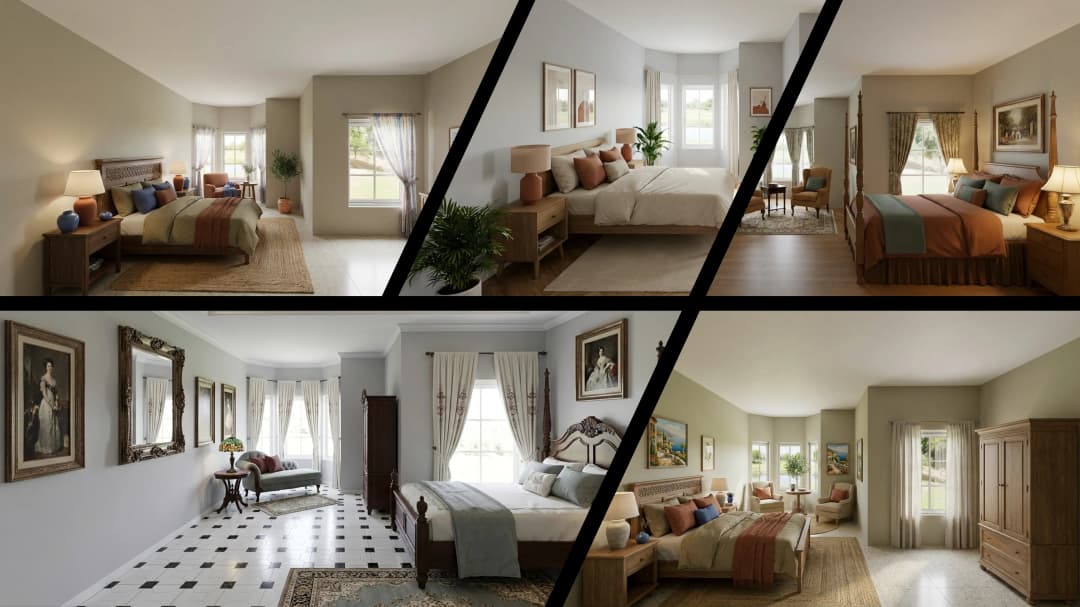
July 10, 2026
Designing Spaces for How Light Actually Moves | VirtualSpaces
HHemanth Velury
CEO & Co-Founder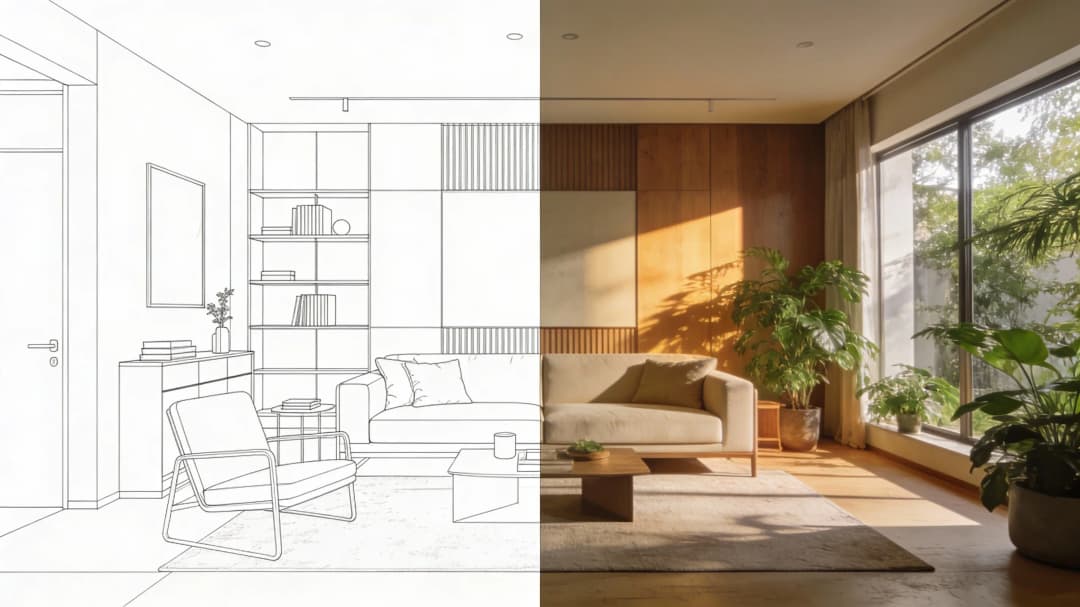
July 08, 2026
Designing Homes for Every Life Stage in 3D | VirtualSpaces
HHemanth Velury
CEO & Co-Founder
July 06, 2026
Build an Interior Design Portfolio Without Clients | VirtualSpaces
HHemanth Velury
CEO & Co-Founder
June 26, 2026
AI Interior Design: Full 3D Workflow in One Platform | VirtualSpaces
HHemanth Velury
CEO & Co-Founder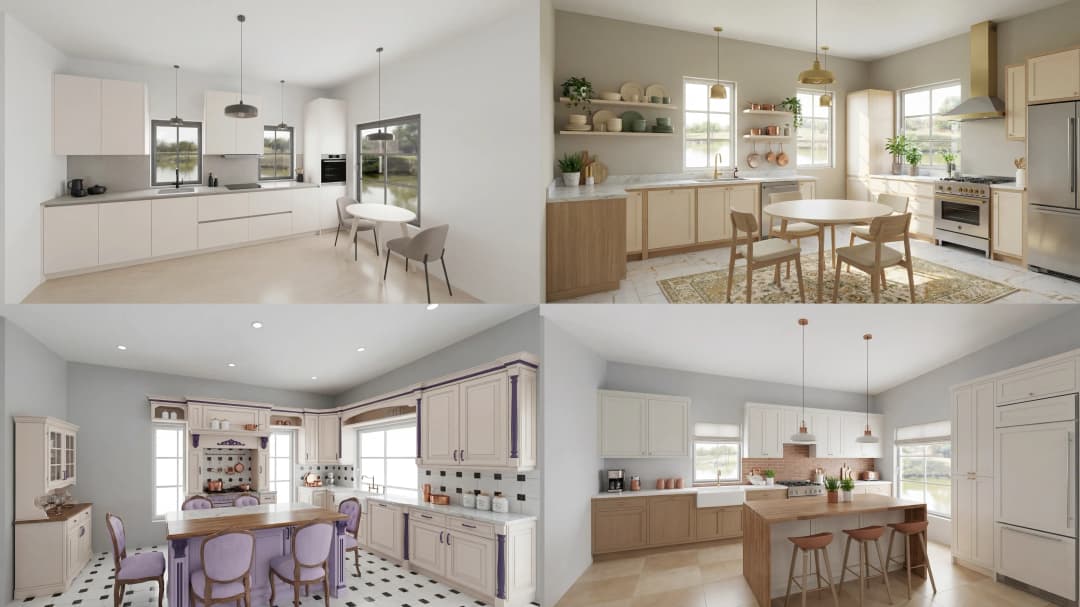
June 24, 2026
Scope Creep in Interior Design: How AI Visualization Fixes It | VirtualSpaces
HHemanth Velury
CEO & Co-Founder
June 22, 2026
What Buyers See on a Floor Plan: Your Biggest Sales Problem | VirtualSpaces
HHemanth Velury
CEO & Co-Founder
June 19, 2026
Small Design Studios vs Big Firms: The AI Advantage | VirtualSpaces
HHemanth Velury
CEO & Co-Founder
June 17, 2026
After the Mood Board: AI Interior Visualization | VirtualSpaces
HHemanth Velury
CEO & Co-Founder
June 15, 2026
Foursite Pro Editor: Full Floor Plan Control for Designers | VirtualSpaces
HHemanth Velury
CEO & Co-Founder
June 12, 2026
AI Interior Design: Style Any Room in Seconds with Foursite | VirtualSpaces
HHemanth Velury
CEO & Co-Founder
June 10, 2026
Foursite: Floor Plan to 3D Walkthrough in Minutes | VirtualSpaces
HHemanth Velury
CEO & Co-Founder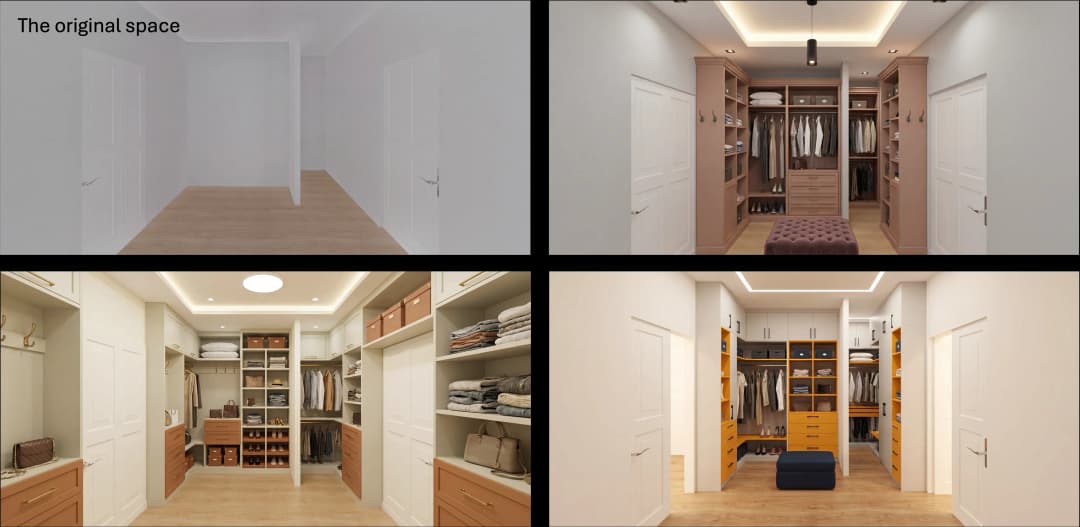
June 08, 2026
Win More Pitches With AI Renders Before the Meeting | VirtualSpaces
HHemanth Velury
CEO & Co-Founder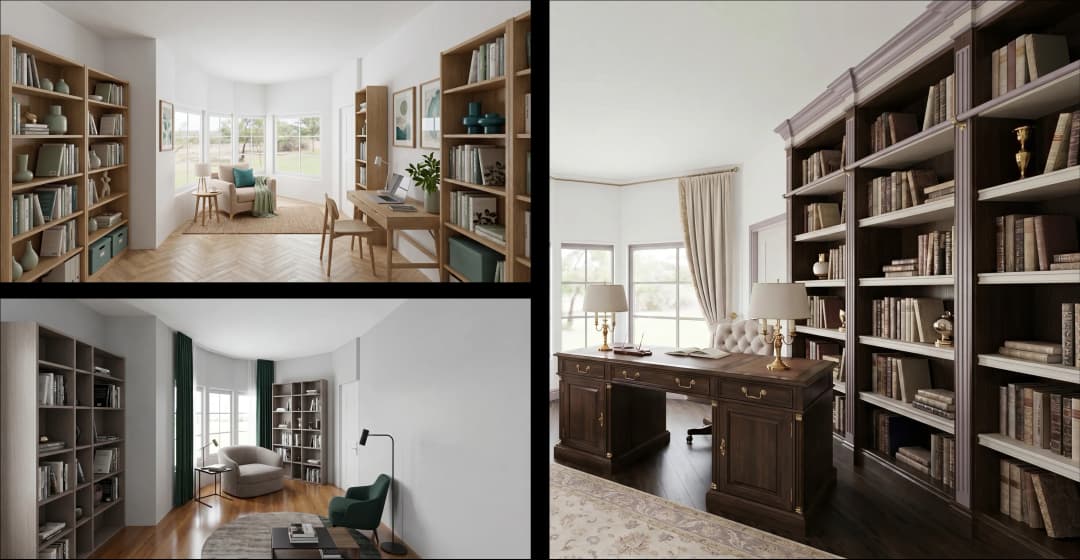
June 05, 2026
From Floor Plan to Finished Room: What AI Now Makes Possible | VirtualSpaces
HHemanth Velury
CEO & Co-Founder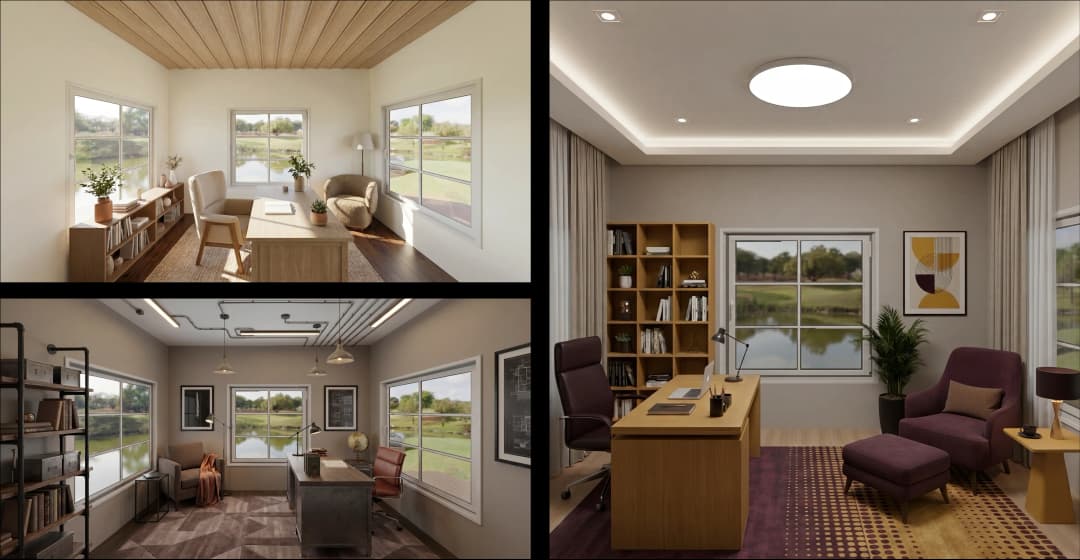
June 03, 2026
The Interior Design Brief Is Broken. AI Fixes It | VirtualSpaces
HHemanth Velury
CEO & Co-Founder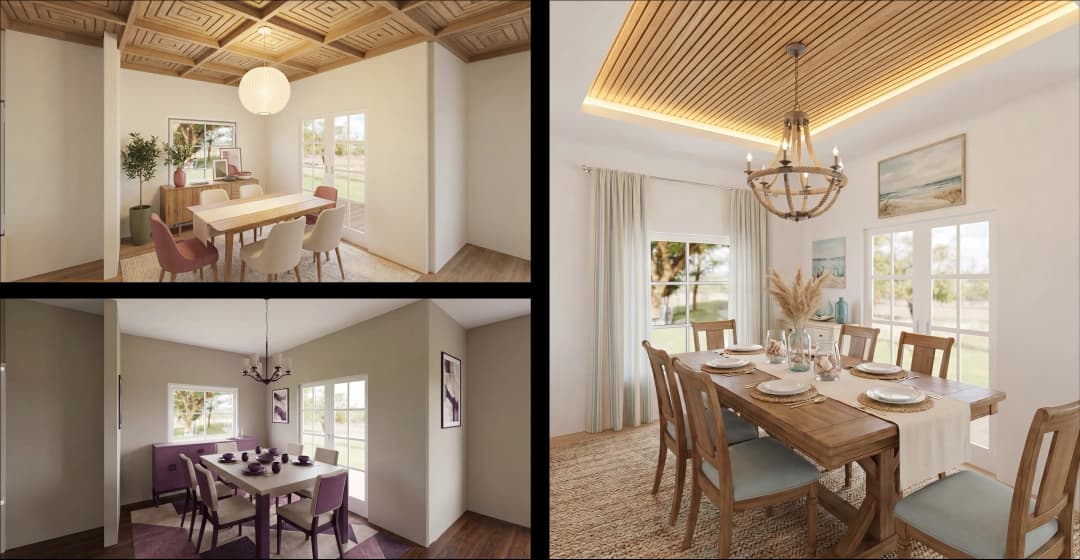
June 01, 2026
Pre-Construction Home Sales: AI Interior Visualization Guide | VirtualSpaces
HHemanth Velury
CEO & Co-Founder
May 30, 2026
Interior Design Principles: Applied with AI | VirtualSpaces
HHemanth Velury
CEO & Co-Founder
May 28, 2026
Designing Spaces for People, Not Blueprints | VirtualSpaces
HHemanth Velury
CEO & Co-Founder
May 26, 2026
The Future of Interior Design: Closing the Visualization Gap with Foursite and Remodroom | VirtualSpaces
HHemanth Velury
CEO & Co-Founder
May 18, 2026
How AI Visualization Upgrades Property Data Platforms | VirtualSpaces
HHemanth Velury
CEO & Co-Founder
May 14, 2026
How AI-First Insurers Can Use 3D Property Data to Transform Home Claims | VirtualSpaces
HHemanth Velury
CEO & Co-FounderMay 12, 2026
Why Photoreal 3D Renders Are Replacing Mood Boards | Interior Design Client Presentations | VirtualSpaces
HHemanth Velury
CEO & Co-Founder
May 08, 2026
From 2D Floor Plans To Living Worlds: The Spec‑Accurate 3D Engine | VirtualSpaces
HHemanth Velury
CEO & Co-Founder
May 06, 2026
Why Furniture Brands Need AI 3D Visualization Now | VirtualSpaces
HHemanth Velury
CEO & Co-Founder
May 4, 2026
How Property Portals Can Turn 2D Floor Plans into 3D Design Decisions | VirtualSpaces
HHemanth Velury
CEO & Co-Founder
April 29, 2026
The Home-Fit Test: Why Square Footage Misleads | VirtualSpaces
HHemanth Velury
CEO & Co-Founder
April 27, 2026
Designing Homes That Sell: 3D Visualization ROI Data | VirtualSpaces
HHemanth Velury
CEO & Co-FounderApril 24, 2026
What's Next: Foursite & Remodroom's New AI Features | VirtualSpaces
HHemanth Velury
CEO & Co-Founder
April 22, 2026
AI in Architecture: Closing the 85% Exposure Gap | VirtualSpaces
HHemanth Velury
CEO & Co-Founder
April 20, 2026
Interior Design Pricing in 2026: From Hourly to Value-Based Fees | VirtualSpaces
HHemanth Velury
CEO & Co-FounderApril 17, 2026
How Foursite and Remodroom Help Designers Win Clients | VirtualSpaces
HHemanth Velury
CEO & Co-Founder
April 15, 2026
Designing Spaces for People: Remodroom + Foursite AI Guide | VirtualSpaces
HHemanth Velury
CEO & Co-Founder
April 13, 2026
Designing for the Way People Actually Live: How AI 3D Is Finally Closing the Gap Between Floor Plan and Reality
HHemanth Velury
CEO & Co-Founder
April 11, 2026
Design in Real Time: AI Renders in Your First Client Meeting
HHemanth Velury
CEO & Co-Founder
April 06, 2026
Why Real Estate Photography Is No Longer Enough: The Shift to Spatial-First Listings
HHemanth Velury
CEO & Co-Founder
April 03, 2026
Property Management's Hidden Weapon: AI 3D Floor Plans That Cut Vacancy Time and Raise Tenant Quality
HHemanth Velury
CEO & Co-Founder
April 01, 2026
Off-Plan and Oversubscribed: How AI 3D Visualization Is Transforming Real Estate Pre-Sales
HHemanth Velury
CEO & Co-Founder
March 30, 2026
Why Foursite Beats Generic AI Tools for Interior Design 3D Visualization
HHemanth Velury
CEO & Co-Founder
March 27, 2026
7 Tenets of Interior Design: How AI Accelerates Harmony in Residential Spaces
HHemanth Velury
CEO & Co-Founder
March 25, 2026
What Is the 3-5-7 Rule in Interior Design? Foursite's AI Guide for Residential Spaces
HHemanth Velury
CEO & Co-Founder
March 23, 2026
What Is the 70/30 Rule in Interior Design? Foursite's AI Guide for Residential Spaces
HHemanth Velury
CEO & Co-Founder
March 20, 2026
How AI 3D Visualization Is Rewriting Residential Interior Design Workflows
HHemanth Velury
CEO & Co-Founder
March 18, 2026
Beyond Marketing: How 3D Floorplans Transform FM, Retrofit Planning & ESG Operations
HHemanth Velury
CEO & Co-Founder
March 16, 2026
Why AI Companies Use Token Payments (And Why VirtualSpaces Is Returning To Fiat)
HHemanth Velury
CEO & Co-Founder
March 13, 2026
Floorplan‑Native Digital Twins: Beyond BIM for Consumer‑Ready Real Estate Experiences
HHemanth Velury
CEO & Co-Founder
March 11, 2026
The Foursite Platform Thesis: Why Floor Plans, Not Photos, Are the Next Property Software Primitive
HHemanth Velury
CEO & Co-Founder
March 09, 2026
Design Systems for Space: Building Reusable 3D Component Libraries on Top of AI Floorplan‑to‑3D Engines
HHemanth Velury
CEO & Co-Founder
March 06, 2026
How to Standardize Design Quality Across Global Projects Using AI Floorplan-to-3D Tools
HHemanth Velury
CEO & Co-Founder
March 04, 2026
From CAD-First to AI-First: Reskilling Your Team for AI-Native Design Workflows
HHemanth Velury
CEO & Co-Founder
March 02, 2026
Algorithmic Ergonomics Meets Photorealistic 3D: Designing Human-Centered Smart Homes with Foursite in 2026
HHemanth Velury
CEO & Co-Founder
February 27, 2026
The Ethics of AI in Interior Design: Ownership, Originality, and Client Transparency
HHemanth Velury
CEO & Co-Founder
February 25, 2026
Designing with Empathy: Using AI 3D Visualization to Improve Client Communication and Emotional Clarity
HHemanth Velury
CEO & Co-Founder
February 23, 2026
From Tool to Infrastructure: AI Floorplan-to-3D and the Next Wave of PropTech
HHemanth Velury
CEO & Co-Founder
February 20, 2026
AI Interior Design for Holiday Homes: Turn Spare Flats into High-Demand Short-Stay Rentals with 3D Visuals
HHemanth Velury
CEO & Co-Founder
February 18, 2026
The Pre‑Purchase Power Play: How Savvy Home Buyers Use 3D Floor Plan Visualization to Negotiate Better Deals
HHemanth Velury
CEO & Co-FounderFebruary 16, 2026
AI Interior Design for Non‑Designers: How Homeowners Can Brief Like Pros
HHemanth Velury
CEO & Co-Founder
February 13, 2026
Scaling a Design Business Without Hiring a 3D Team: An Owner's Guide
HHemanth Velury
CEO & Co-Founder
February 11, 2026
From Bland to Bold: How to Rescue Builder-Grade Interiors on Any Budget
HHemanth Velury
CEO & Co-Founder
February 6, 2026
The Psychology of Space: How Room Dimensions Influence Interior Design Decisions
HHemanth Velury
CEO & Co-Founder
February 4, 2026
The Future of Interior Design Visualization: How AI Technology is Transforming 2D Concepts Into 3D Reality
HHemanth Velury
CEO & Co-Founder
February 2, 2026
AI Interior Décor: How Artificial Intelligence Generates Design Options from Your Floor Plan
HHemanth Velury
CEO & Co-Founder
January 30, 2026
Photoreal vs. Reality: What Clients Actually Expect from Interior Design Visualization
HHemanth Velury
CEO & Co-Founder
January 28, 2026
The Design Approval Conversation That Changes Everything: Communication Strategy When Using Photorealistic Visualization
HHemanth Velury
CEO & Co-Founder
January 25, 2026
Interior Design as Experience Design: How 3D Visualization Changes Your Professional Identity
HHemanth Velury
CEO & Co-Founder
January 23, 2026
The Professional Gap: How 3D Visualization Changes Interior Design Client Perception
HHemanth Velury
CEO & Co-Founder
January 21, 2026
Why Clients Fire Designers (And How 3D Visualization Could Have Saved the Project)
HHemanth Velury
CEO & Co-Founder
January 16, 2026
Blueprint to Vision: Why Seeing Is Believing in Interior Design
HHemanth Velury
CEO & Co-Founder
January 14, 2026
The Speed of Responsiveness: How AI Visualization Tools Make You Look Like You Care More
HHemanth Velury
CEO & Co-Founder
January 12, 2026
Why Interior Designers and Architects Can't Compete Without AI 3D Visualization Tools
HHemanth Velury
CEO & Co-Founder
January 07, 2026
From "Saved" to "Sold": How Homeowners Are Planning Renovations with AI
HHemanth Velury
CEO & Co-Founder
January 05, 2026
The Interior Designer's Secret Weapon: Speed as Premium Positioning
HHemanth Velury
CEO & Co-Founder
December 31, 2025
Gratitude, Growth & Game-Changing Innovation: VirtualSpaces' 2025 Journey & What's Coming in 2026
HHemanth Velury
CEO & Co-Founder
December 29, 2025
Why Interior Designers Are Switching to AI Floor Plan-to-3D Tools in 2026
HHemanth Velury
CEO & Co-Founder
December 24, 2025
Why Architects Are Switching to AI 2D-to-3D: The SketchUp Alternative
HHemanth Velury
CEO & Co-Founder
December 22, 2025
Cut 3 Weeks from Real Estate Sales Cycle: The ROI of AI 2D to 3D Visualization
HHemanth Velury
CEO & Co-Founder
December 19, 2025
2D Floor Plans Are Dying: Why 3D Visualization & AI Virtual Staging Are the Future
HHemanth Velury
CEO & Co-Founder
December 17, 2025
Virtual Staging vs Physical Staging: How AI Saves Money Per Property
HHemanth Velury
CEO & Co-Founder
December 15, 2025
AI Floor Plan to Image: Revolutionizing Real Estate Marketing for Agents
HHemanth Velury
CEO & Co-Founder
December 12, 2025
Color of the Year 2026: Cloud Dancer | VirtualSpaces AI Interior Design Guide
HHemanth Velury
CEO & Co-Founder
December 10, 2025
AI Floor Plan to 3D: The New Standard for Interior Design Workflows
HHemanth Velury
CEO & Co-Founder
December 08, 2025
How Interior Design Studios Can Operationalize AI 2D-to-3D Workflows (Without Breaking Their Process)
HHemanth Velury
CEO & Co-Founder
December 06, 2025
How to Implement AI Interior Design Workflows in Your Studio
HHemanth Velury
CEO & Co-Founder
December 4, 2025
How Homeowners Can Use AI Interior Design Tools to Plan Renovations with Confidence
HHemanth Velury
CEO & Co-Founder
November 28, 2025
Interior Designers in the Age of AI: From Threat Narrative to Superpower
HHemanth Velury
CEO & Co-Founder
November 21, 2025
Foursite Launch: Embracing 'Release Early, Release Often'
HHemanth Velury
CEO & Co-Founder
November 13, 2025
Foursite by VirtSpaces: Empowering Interior Designers, Architects, and Homeowners
HHemanth Velury
CEO & Co-Founder
November 7, 2025
Reimagining Architectural Education: How AI Floorplan-to-3D Technology Can Transform Design Learning
VVirtualSpaces Research Labs
AI Research Initiative
October 27, 2025
Archisculpt AI: Turning Architectural Drawings into Photorealistic 3D Spaces
AAbhijeet Naik
Co-Founder & CTO
October 13, 2025
Home Makeover: From Floor Plan to Dream Space with AI
HHemanth Velury
CEO & Co-Founder
October 6, 2025
Real-Time Rendering & AI: Revolutionizing Interactive Property Walkthroughs with VirtSpaces
HHemanth Velury
CEO & Co-Founder
September 26, 2025
Foursite - A True AI-Native Experience in Design Visualization
AAbhijeet Naik
CTO & Co-Founder
September 18, 2025
Why PropTech Startups Are Betting on AI Interior Design
HHemanth Velury
CEO & Co-Founder
September 11, 2025
How AI Differs from Traditional 3D Rendering Software
HHemanth Velury
CEO & Co-Founder
September 2, 2025
From Client to Investor: How Nila Spaces and VirtSpaces Are Redefining Proptech with AI
HHemanth Velury
CEO & Co-Founder
August 25, 2025
VirtSpaces From Virtual Reality to AI – Transforming Real Estate Visualization.
HHemanth Velury
CEO & Co-Founder


We help teams collaborate seamlessly and reduce costs. Virtual Spaces offers cutting-edge technology with flexible plans designed to fit modern teams.
Copyright © VirtSpaces Pvt. Ltd. 2025 All Rights Reserved.
CIN: U74999KA2016PTC094921