
January 30, 2026
- Interior Design
- 3D Visualization
- Client Management
Photoreal vs. Reality: What Clients Actually Expect from Interior Design Visualization
Hemanth Velury
CEO & Co-FounderPhotoreal vs. Reality: What Clients Actually Expect from Interior Design Visualization - Managing Expectations and Delivering on Promises
You know that moment? You've spent three hours perfecting a design concept. Every paint color is deliberate. Every piece of furniture is positioned for maximum spatial flow and visual harmony. The lighting plan is flawless. You can see it perfectly in your mind, the mood, the feeling, how the room will actually "live" when a client is inside it.
Then you show your client a sketch.
Their eyes glaze over. They stare at lines on paper, tilting their head slightly, trying to translate abstract geometry into an actual lived experience. They nod politely. You know they don't get it. Not because your design isn't good. But because they literally can't see it yet.
This is the gap that defines modern interior design. And it's not getting smaller, it's getting more expensive, more frustrating, and more competitive than ever before.
The Professional Gap: What's Happening in the Designer's Brain vs. The Client's Brain
Here's something important that rarely gets discussed in design conversations: your brain is trained differently than your client's brain.
After years of training, education, and project experience, you've developed the ability to instantly convert 2D lines into 3D spatial understanding. When you look at a blueprint or floor plan, your mind automatically projects walls upward, places furniture at scale, imagines light bouncing off surfaces, and visualizes the entire sensory experience of moving through that space. It's second nature to you now. You don't think about it anymore.
Your client is being asked to do something completely foreign to them. They're looking at abstract lines and numbers and being asked to project themselves into a space that exists nowhere except in your mind. This creates enormous cognitive load - mental strain that slows down decision-making and fills them with doubt.
The research is clear about what happens next. When clients see a 2D drawing, they're not thinking about your creative vision. They're not evaluating color theory or spatial relationships. They're mentally translating geometry, squinting at dimensions, trying to understand which room is which. They're exhausted before they even start thinking about design.
Then something remarkable happened in design technology. Tools emerged that could bridge this gap. Instead of asking clients to translate 2D representations, designers could now show clients exactly what their mind's eye was seeing. Not mood boards. Not Pinterest collections. A complete, photorealistic visualization of their actual space with their actual furniture, their actual lighting conditions, and their actual color palette before any purchase or installation happens.
When a client sees this - when they can virtually stand in their redesigned living room and see how that sofa actually sits in relation to the windows, how the paint color interacts with natural light, how the proportions work in three dimensions - something fundamental shifts in their brain.
They stop squinting at a drawing and start making a confident decision.
What Clients Actually Expect Now: The Reality Check
Your clients aren't comparing you to interior designers from five years ago anymore. They're comparing you to every designer they follow on Instagram, every design firm they researched online, every colleague who mentioned their designer was incredibly responsive and showed them finished designs in days.
They expect clarity. They expect speed. They expect options. And they expect to feel heard and understood throughout the process.
Here's what's happening in client conversations right now: A potential client walks into your studio, describes their vision, talks about budget and timeline, and expects you to be able to show them something concrete. Not weeks later. Not even next week. Some of the most successful designers are now showing clients 3D visualizations of their space - in photorealistic detail - within the first consultation. Sometimes before the consultation even ends.
Think about what that does to client perception. You're not asking them to wait. You're not asking them to imagine harder or trust your vision. You're making your vision tangible. You're removing the gap between your mental model and theirs.
Clients who see multiple design options - say, a modern aesthetic and a warm traditional approach to the same space, both photorealistic and detailed - don't need to guess which direction resonates with them. They see it. They feel it. They make an informed decision immediately.
This is where expectation management completely transforms. You're not promising renderings in three weeks. You're delivering clarity in hours.
The Photoreal Render Revolution: More Than Just Pretty Pictures
Photoreal 3D visualization isn't just about making things look nice. It's about building trust through absolute clarity.
When a client sees a photorealistic render of their space, they're seeing something that looks exactly like a high-quality photograph. The light bounces realistically. The materials have actual reflectivity and texture. The proportions are mathematically accurate. The furniture is placed at actual scale.
Here's the trust component: clients can see exactly what they're approving. No interpretation. No guesswork. They can see how that expensive marble countertop will reflect light from the window. They can see the exact dimensions and proportions of built-in shelving. They can see how the color palette creates mood in the space.
Compare this to a 2D floor plan. A client imagines a sofa. They think it'll be a certain size, certain proportion, certain feel. The sofa arrives. It doesn't match what they imagined. They blame you for miscommunication. But here's the truth: there was no communication. The client never had a clear visual reference point to communicate about.
With photorealistic visualization, that entire problem evaporates. The client sees the sofa in their actual space, at actual scale, in actual light. They see it positioned exactly where it'll live. If they don't like it, they tell you immediately. You adjust the visualization, regenerate instantly, and get approval before anything is ordered.
The result? According to interior design research, firms using 3D visualization report 30 to 50% fewer client revisions compared to firms using only 2D drawings and mood boards. That's not a small number. That's the difference between a project that flows smoothly and a project that feels like constant firefighting.
Speed as Your Competitive Advantage: The Modern Language of Care
This is where most interior designers haven't fully grasped the opportunity.
In a crowded market where every designer claims to be collaborative, creative, and detail-oriented, speed has become the primary differentiator. But not speed for its own sake. Speed as a signal of professionalism, competence, and care.
Think about human psychology for a moment. When someone responds to your email immediately, what's your instant reaction? "Wow, they're on top of things. They care about this project." When a designer can show you multiple design options within hours of your initial conversation instead of waiting weeks, what does that signal? Competence. Organization. Respect for your time. The ability to execute.
Traditional interior design visualization used to work like this: you'd gather client specifications, create design concepts, send everything to a rendering company, wait 5-7 business days while a 3D artist built the model, wait another few days for revisions, and finally show the client something rendered. A single round of revisions took 8-10 days. Multiple rounds? You're looking at 3-4 weeks or more.
Now, with modern AI visualization tools that convert blueprints and floor plans to photorealistic 3D models, you can show clients something remarkable: a complete, fully furnished, professionally styled 3D interior visualization - in multiple design directions - in hours instead of weeks.
A client says they're torn between modern minimalism and warm contemporary. You upload their floor plan to your AI visualization platform. Within minutes, you have photorealistic renders of their space in both styles. They can compare directly. They can see what resonates. You can iterate collaboratively in the same meeting.
What does that do to your brand? It positions you as someone who uses technology strategically to serve clients better. Not gimmicky. Not flashy. Smart. Responsive. In control.
One interior design firm that shifted from traditional 3-4 week rendering timelines to AI-powered 3D visualization in 24-48 hours reported that clients moved from approval cycles measured in months to cycles measured in days. They weren't just saving time. They repositioned their entire brand as a premium, responsive service that respects client time and delivers clarity.
Virtual Staging: Where Expectation Management Happens in Real Time
Here's where AI interior design visualization becomes genuinely transformative: virtual staging.
Virtual staging means taking a floor plan or photograph of a space and digitally furnishing and decorating it with photorealistic accuracy. No physical furniture rental. No manual staging. No waiting for traditional renders. Just intelligent AI that understands spatial relationships, scale, lighting, and aesthetics.
This changes the client consultation completely. Instead of showing clients mood boards and asking them to imagine their space filled with furniture, you show them their actual space virtually staged in multiple styles.
"Which aesthetic resonates with you?" you ask. Client points to one. "I love the warmth and richness of this style, but I want the cleaner lines from that other one."
You adjust the AI interior décor tool and regenerate instantly.
Done. They see exactly what you're proposing, in their actual space, with actual lighting and proportions.
From a practical standpoint, this means you can explore far more options than traditional rendering would allow. You're not limited by time or cost. You can show clients five, ten, even fifteen different design directions for the same space - different color palettes, different furniture arrangements, different styling approaches - because the visualization process is so fast.
Clients make genuinely informed decisions because they've seen real alternatives, not just one or two carefully curated options you had time to render.
Building Trust Through Visual Clarity: Why Clients Buy In
Here's something worth saying directly: your clients don't just want beautiful interiors. They want to feel understood. They want a designer who listens to their preferences and translates those preferences into visual reality that matches their expectations.
When you show them sketches or mood boards, that translation feels abstract. When you show them a photorealistic 3D visualization of their actual space, it feels concrete. It feels real. Because, from their perspective, it is real. They're seeing their future space.
Research on client perception is striking: when architects and interior designers present designs using 3D visualization instead of 2D drawings, clients report higher comprehension, faster decision-making, and significantly more confidence in their approval. But here's the part that matters most: clients feel heard. They feel like the designer understands their space and their vision.
That's not a small thing. That's the difference between a client who's hesitant to say yes and a client who's eager to move forward. One designer noted that the moment she switched from showing sketches to showing photorealistic interior design renders, her proposal close rate jumped 35 percent. The design quality hadn't changed. The presentation had. She'd simply removed the interpretation gap and replaced it with visual certainty.
The Business Reality: Speed Creates Profitability
Let's get practical about what this means for your business.
A typical interior design proposal takes 32 to 46 hours from concept to final presentation. That's nearly a full work week for a project that hasn't earned you revenue yet. If you're managing 2-3 client proposals simultaneously, you're consuming 80-140 hours on speculative work.
With AI floor plan to 3D conversion and visualization tools, that timeline compresses dramatically. Proposal time drops from 32-46 hours to 4-5 hours. You're saving 27 hours per proposal. At 15-20 proposals annually, that's 410-540 hours saved per year. That translates to 17-22 days! At a conservative billable rate of $75-150 per hour, that's $30,750 to $81,000 in reclaimed time that you can redirect toward revenue-generating work.
But the real money isn't in hour savings. It's in what speed lets you do to your business model.
A typical solo interior designer handles 8-12 projects per year. Why? Because each project consumes 6-8 weeks for design approval, refinement, and execution planning. When your approval cycle drops from 4 weeks to 1 week, you can take on 25-30 projects per year with the same team. That's a 75-100 percent increase in revenue. From the same people. Same overhead. Same office.
Additionally, when you position speed as a premium service feature - not as cutting corners, but as delivering clarity faster - you can increase your rates by 10-15 percent across all projects. Clients happily pay more because they perceive the service as premium. Not because the design is different, but because the process feels more professional, more responsive, more collaborative.
Firms using photorealistic visualization report that clients who see their complete design quickly and iterate based on visual feedback have higher satisfaction scores and better referral rates. The long-term client lifetime value increases measurably.
The Competitive Window: Now Is Your Moment
Here's a reality that interior designers need to understand right now: adoption of AI 3D visualization in interior design is accelerating rapidly, but it's not yet universal. There's still a window - probably 12 to 24 months - where designers who adopt these tools now have a genuine competitive advantage.
Within 2-3 years, clients will expect you to show them a 3D visualization of their space. It won't be a premium service. It'll be baseline. Like how all designers now have portfolios and can discuss mood boards. The table stakes will shift.
The designers who figure this out now - who learn to convert floor plans to 3D efficiently, who understand how to use these tools collaboratively with clients, who integrate AI interior design visualization into their workflow - will have years of experience, established client testimonials, proven results, and a reputation for being responsive and innovative. By the time every designer in your market is offering 3D visualization, they'll have already moved on to the next competitive advantage.
That's how you build a sustainable business in a crowded market. You adopt the tools that move the needle early.
From Expectation to Execution: Practical Next Steps
If you're still primarily showing clients sketches, 2D floor plans, or waiting weeks to deliver renderings, you're operating with a self-imposed disadvantage. Your clients are doing cognitive work that should be unnecessary. They're struggling to understand something that could be crystal clear.
Start thinking about 3D visualization not as a luxury add-on but as a core communication tool. Whether it's floor plan to 3D conversion, virtual staging of spaces, or AI interior visualization, the specific platform matters less than your commitment to clarity.
Consider integrating these tools into your early-stage client work. Show 3D visualizations in your first consultation. Use them to explore multiple options collaboratively. Let clients iterate based on visual feedback instead of abstract conversation. Watch what happens: decisions accelerate, client satisfaction increases, and referrals improve.
The professional gap between sketches and 3D visualization isn't about rendering quality or technical sophistication. It's about whether your client understands what you're showing them. It's about whether they trust that you understand their vision. It's about whether they feel heard and seen in the process.
Photorealistic 3D visualization, powered by modern AI tools that convert blueprints and floor plans to finished renders in minutes, closes that gap entirely. In a market where every interior designer is claiming the same things - collaborative, creative, detail-oriented - delivering clarity, speed, and responsiveness is what differentiates you.
Your clients don't want to work harder to understand your vision. They want you to make it so clear that understanding is inevitable. They want speed that feels like professionalism, not rushing. They want options that help them make confident decisions, not limited choices that force them to choose between your preferences.
That's what modern interior design visualization delivers. That's what clients expect now. And that's what transforms interior design from a field where you're constantly managing disappointment into a field where you're consistently exceeding expectations.
The tools to do this are available to you right now. The question is how long you're willing to wait before making them part of how you work.
Recommended for you

August 19, 2026
The End of the Model Home? 3D Changes the Math | VirtualSpaces
HHemanth Velury
CEO & Co-Founder
August 17, 2026
Designing Spaces That Actually Get Built | VirtualSpaces
HHemanth Velury
CEO & Co-Founder
August 12, 2026
Designing Homes for the Stuff People Actually Own | VirtualSpaces
HHemanth Velury
CEO & Co-Founder
August 07, 2026
Floor Plan to Bill of Materials: The 3D Model as Data | VirtualSpaces
HHemanth Velury
CEO & Co-Founder.png&w=1080&q=75)
August 05, 2026
Designing Homes for How People Actually Live | VirtualSpaces
HHemanth Velury
CEO & Co-Founder
August 03, 2026
Honest by Design: Trust in AI Real Estate Imagery | VirtualSpaces
HHemanth Velury
CEO & Co-Founder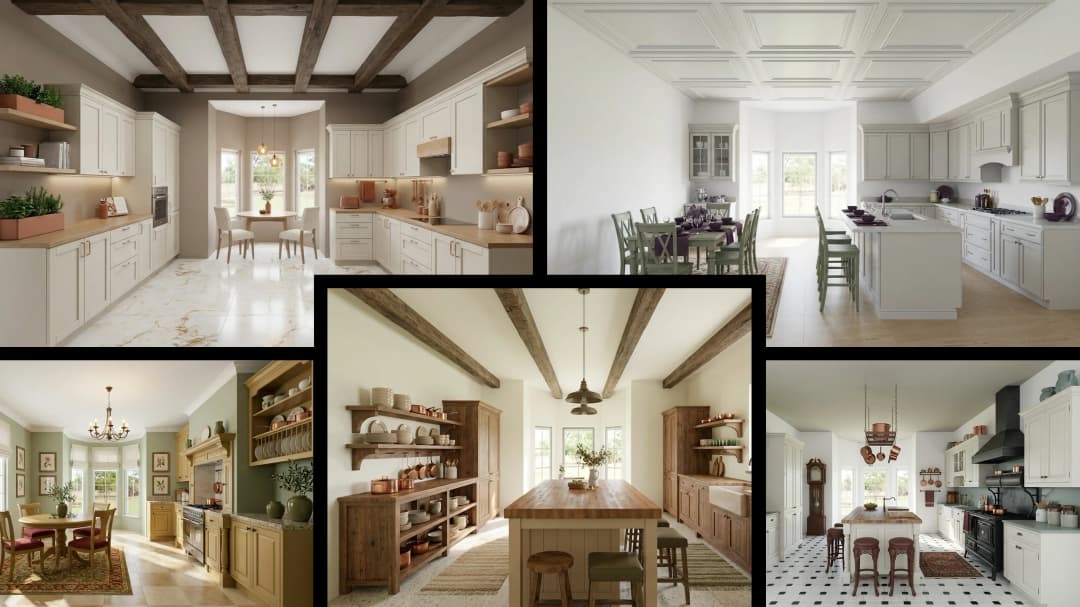
July 29, 2026
Kitchen and Bath: The Two Rooms That Decide Resale | VirtualSpaces
HHemanth Velury
CEO & Co-Founder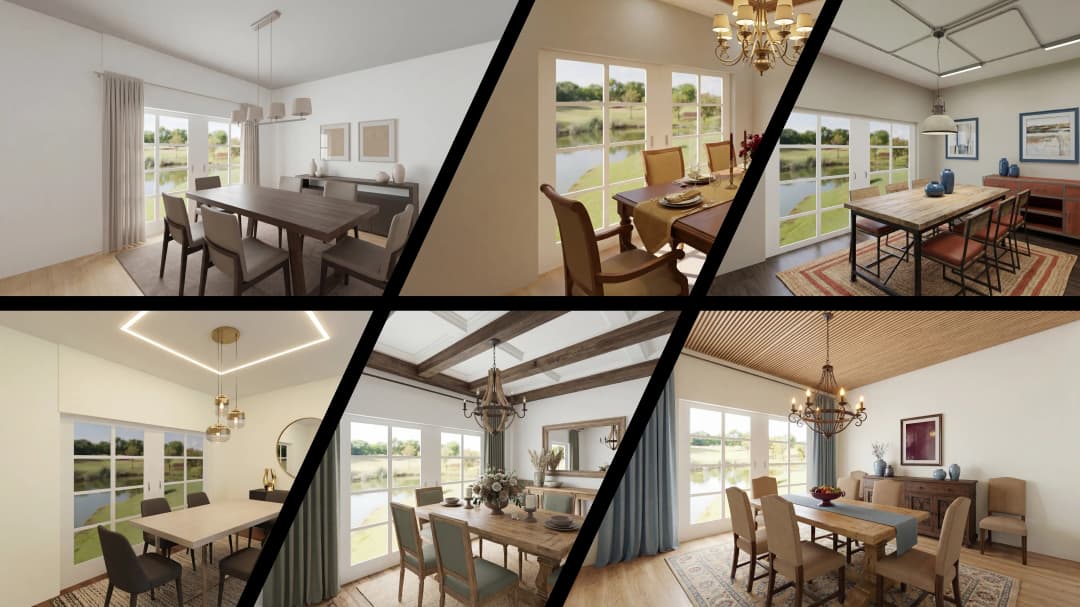
July 27, 2026
Why Empty Rooms Don't Sell: Virtual Staging | VirtualSpaces
HHemanth Velury
CEO & Co-Founder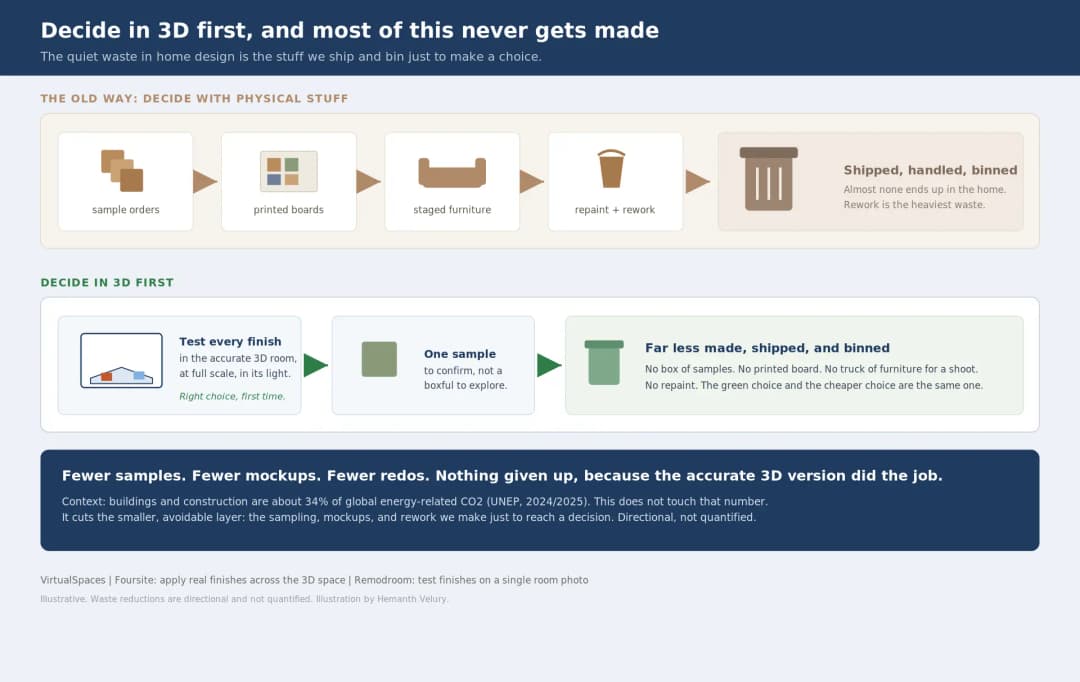
July 24, 2026
The Quiet Sustainability Win of Deciding in 3D | VirtualSpaces
HHemanth Velury
CEO & Co-Founder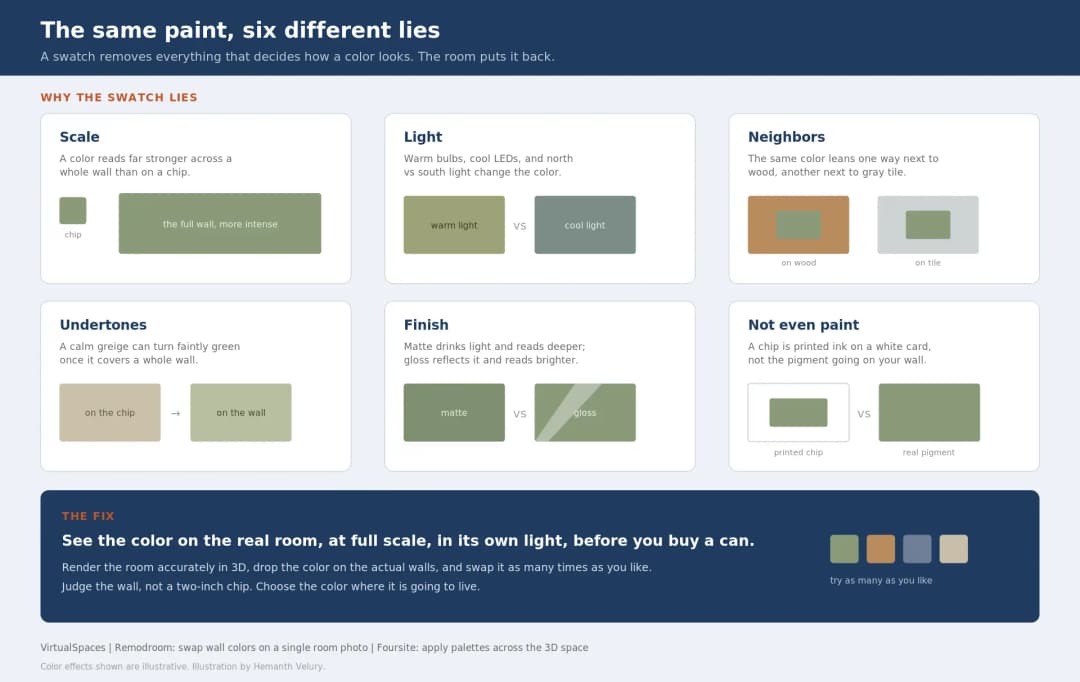
July 22, 2026
Why Paint Swatches Lie: Test Color in 3D First | VirtualSpaces
HHemanth Velury
CEO & Co-Founder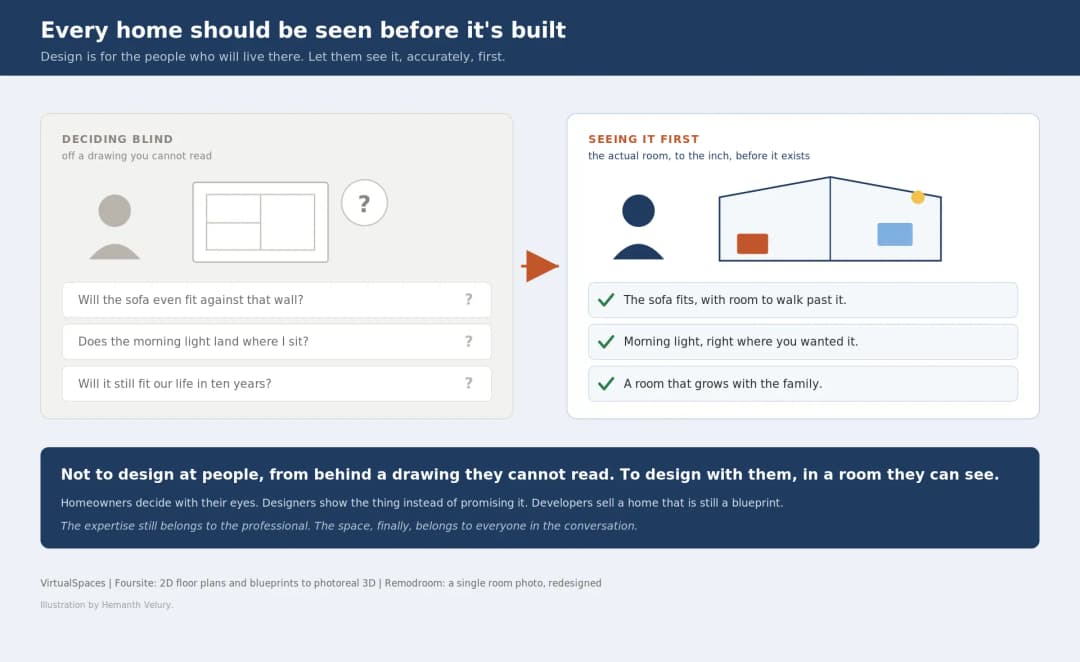
July 20, 2026
Why Every Home Should Be Seen Before It's Built | VirtualSpaces
HHemanth Velury
CEO & Co-Founder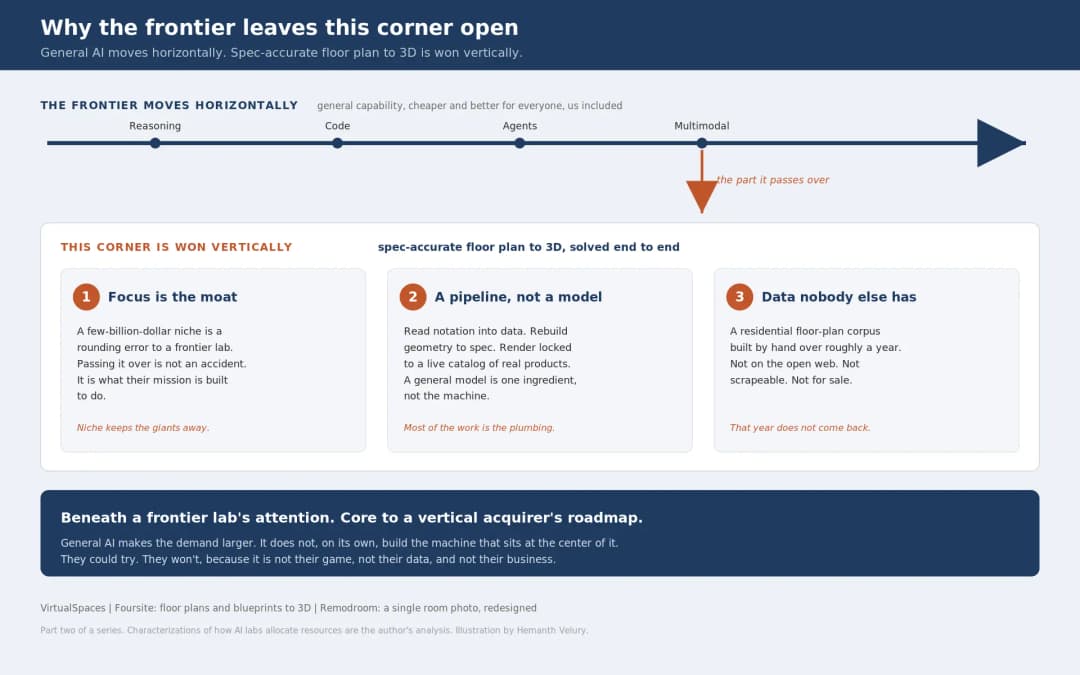
July 17, 2026
Why Big AI Labs Won't Build Floor Plan to 3D | VirtualSpaces
HHemanth Velury
CEO & Co-Founder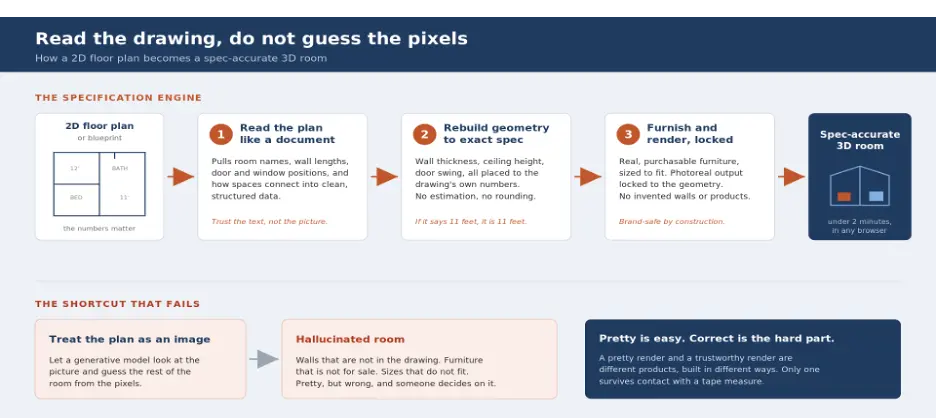
July 15, 2026
How We Solve Floor Plan to 3D, Accurately | VirtualSpaces
HHemanth Velury
CEO & Co-Founder
July 13, 2026
Designing Homes That Age With the People in Them | VirtualSpaces
HHemanth Velury
CEO & Co-Founder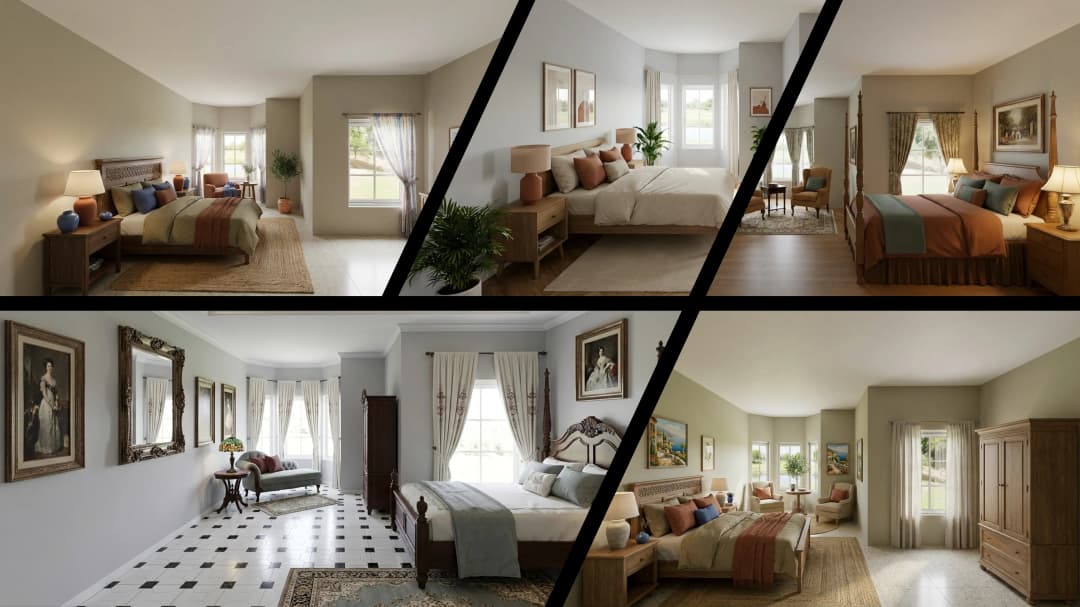
July 10, 2026
Designing Spaces for How Light Actually Moves | VirtualSpaces
HHemanth Velury
CEO & Co-Founder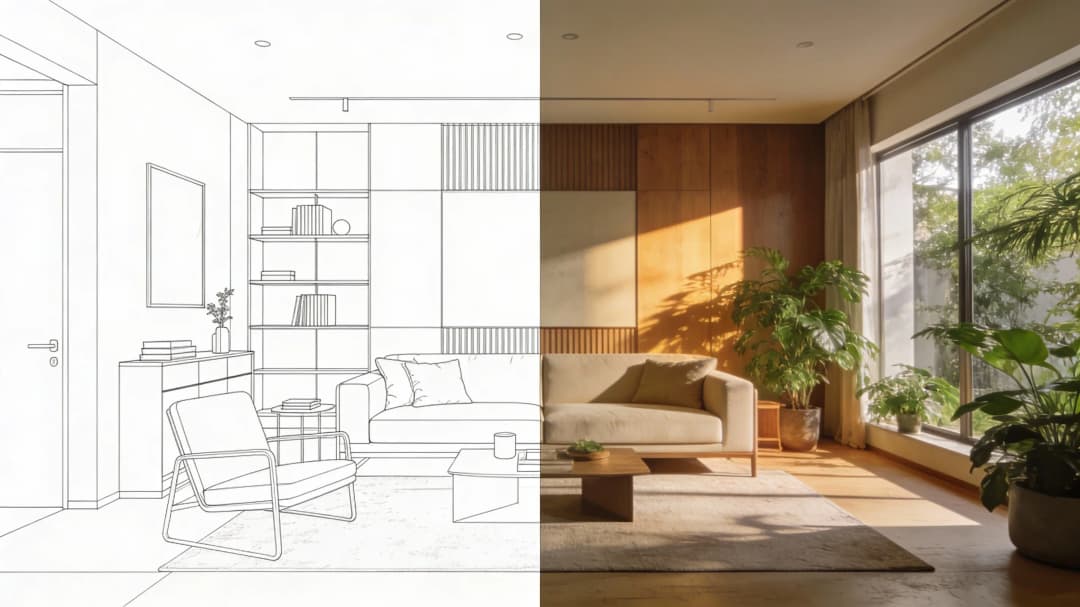
July 08, 2026
Designing Homes for Every Life Stage in 3D | VirtualSpaces
HHemanth Velury
CEO & Co-Founder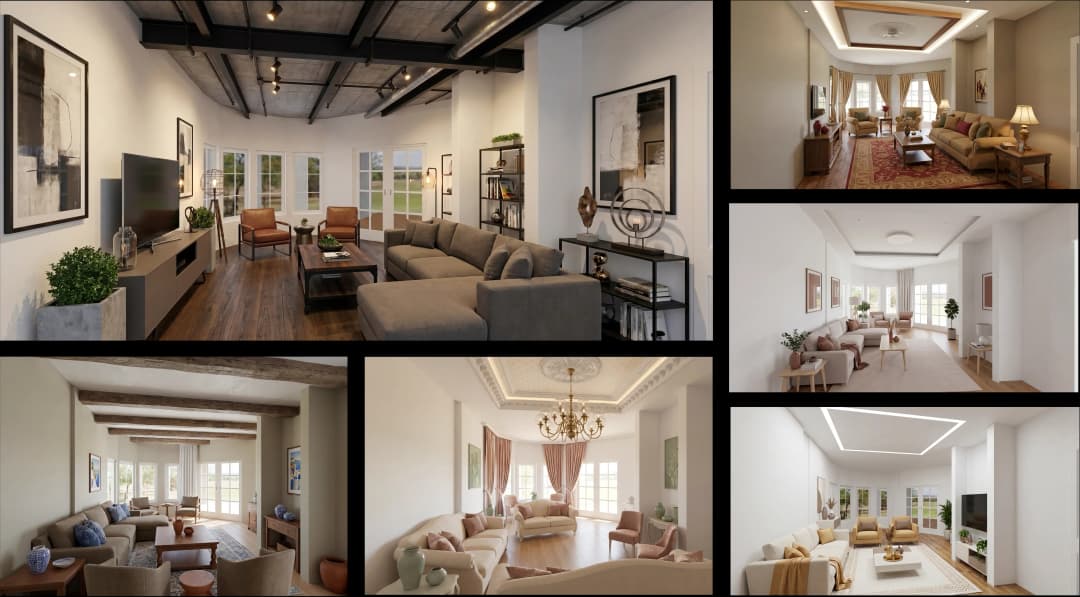
July 06, 2026
Build an Interior Design Portfolio Without Clients | VirtualSpaces
HHemanth Velury
CEO & Co-Founder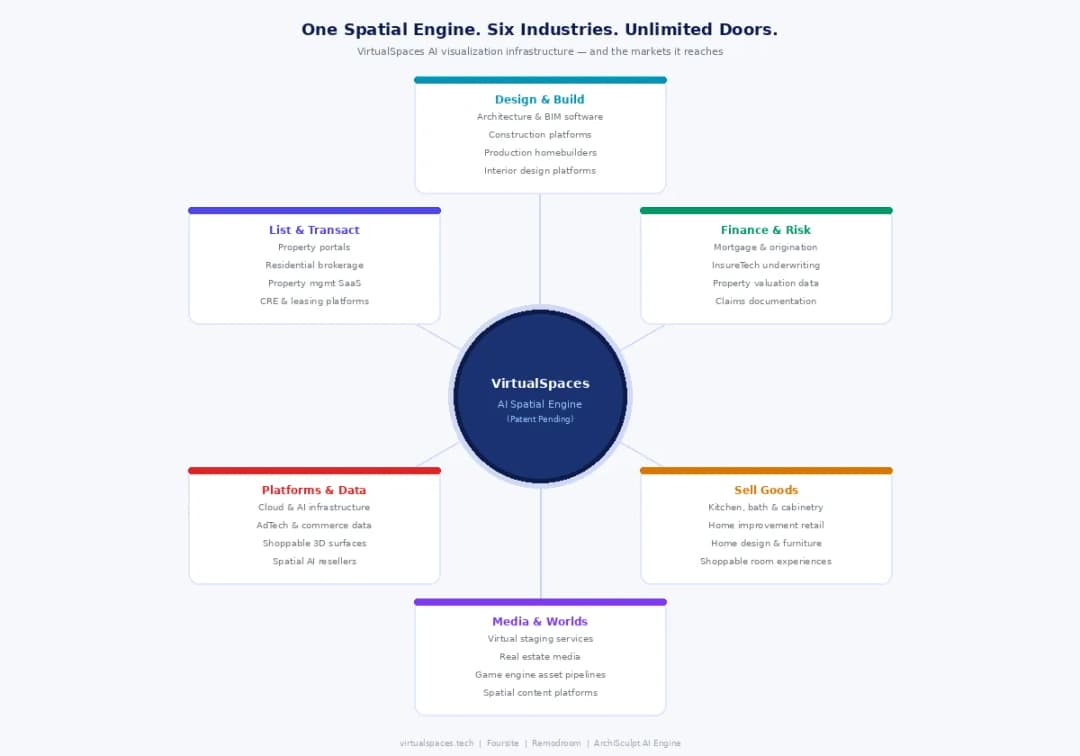
June 26, 2026
AI Interior Design: Full 3D Workflow in One Platform | VirtualSpaces
HHemanth Velury
CEO & Co-Founder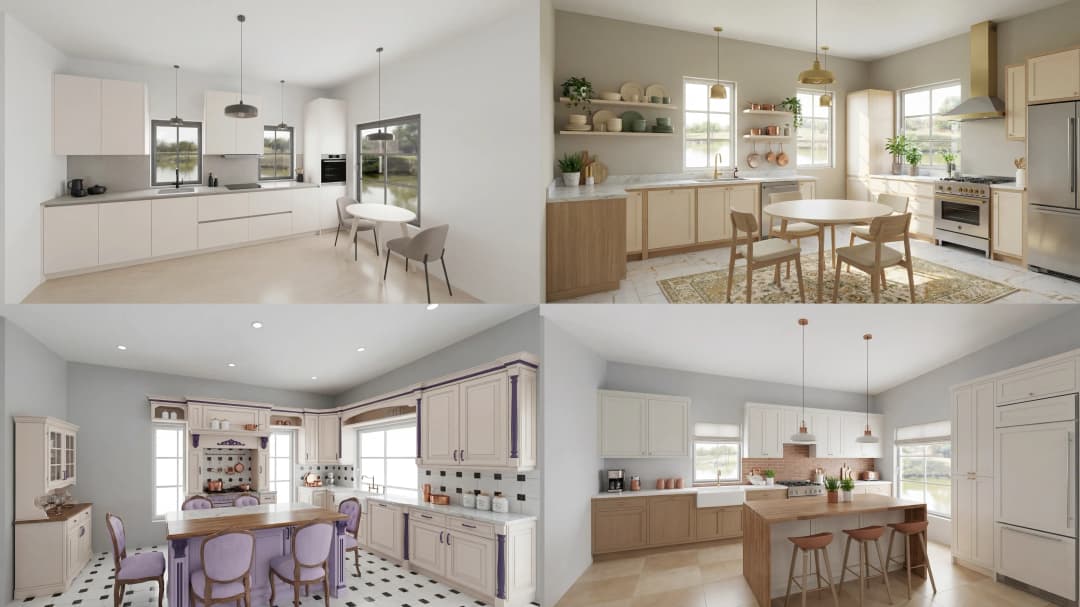
June 24, 2026
Scope Creep in Interior Design: How AI Visualization Fixes It | VirtualSpaces
HHemanth Velury
CEO & Co-Founder
June 22, 2026
What Buyers See on a Floor Plan: Your Biggest Sales Problem | VirtualSpaces
HHemanth Velury
CEO & Co-Founder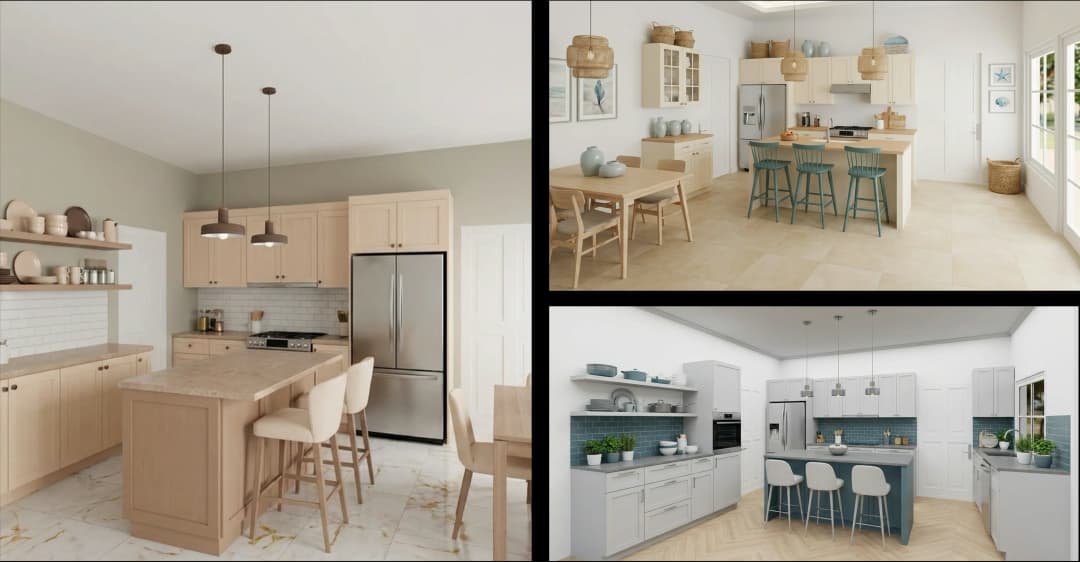
June 19, 2026
Small Design Studios vs Big Firms: The AI Advantage | VirtualSpaces
HHemanth Velury
CEO & Co-Founder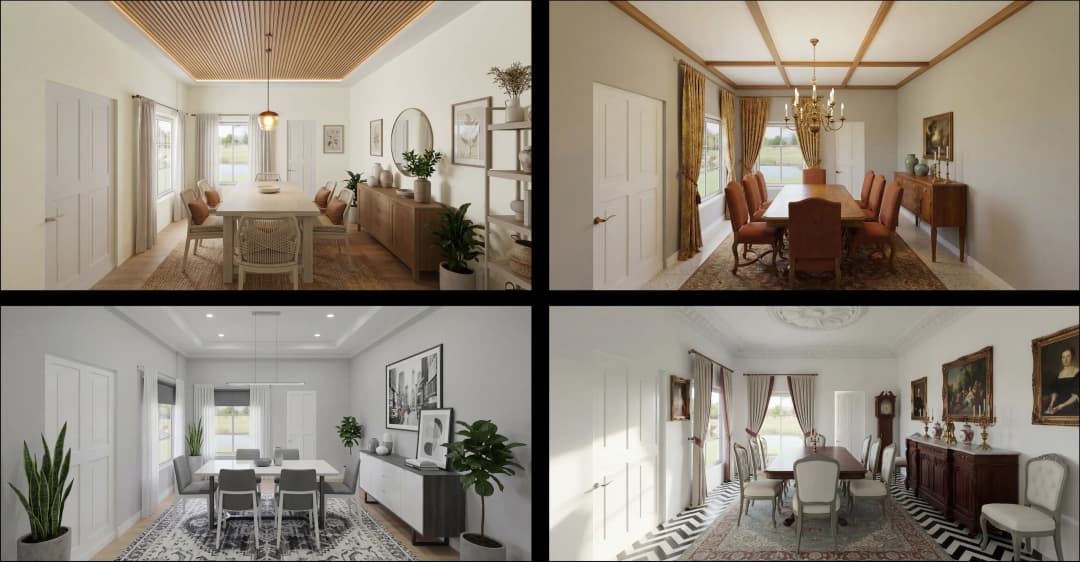
June 17, 2026
After the Mood Board: AI Interior Visualization | VirtualSpaces
HHemanth Velury
CEO & Co-Founder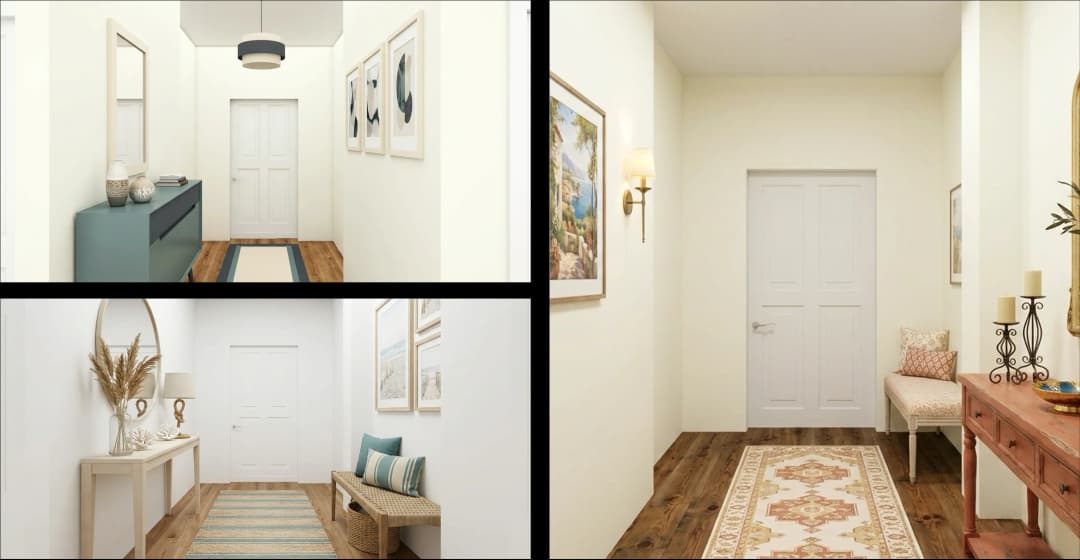
June 15, 2026
Foursite Pro Editor: Full Floor Plan Control for Designers | VirtualSpaces
HHemanth Velury
CEO & Co-Founder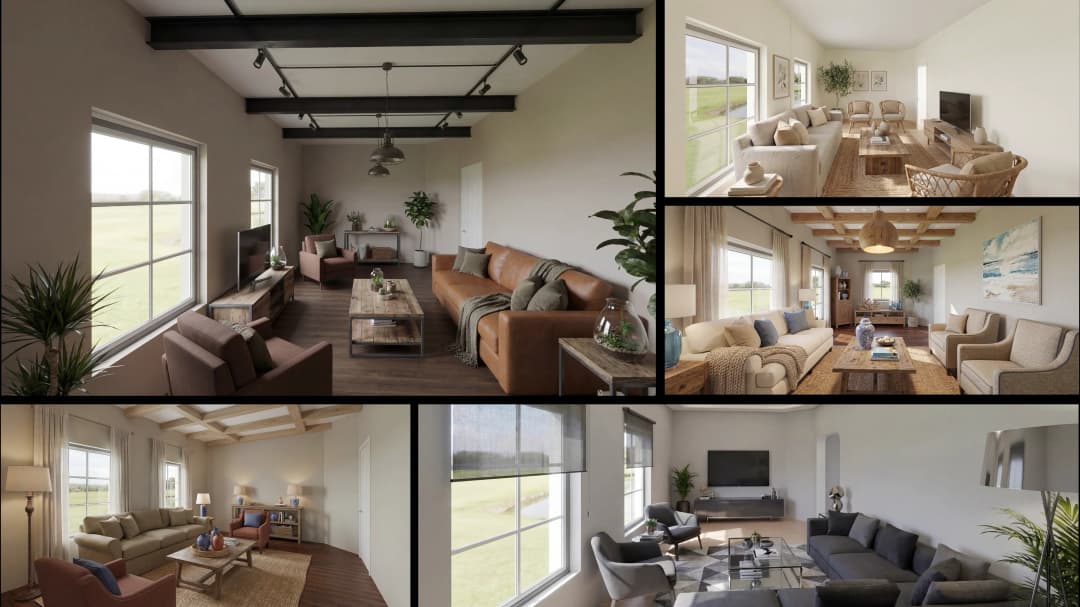
June 12, 2026
AI Interior Design: Style Any Room in Seconds with Foursite | VirtualSpaces
HHemanth Velury
CEO & Co-Founder
June 10, 2026
Foursite: Floor Plan to 3D Walkthrough in Minutes | VirtualSpaces
HHemanth Velury
CEO & Co-Founder
June 08, 2026
Win More Pitches With AI Renders Before the Meeting | VirtualSpaces
HHemanth Velury
CEO & Co-Founder
June 05, 2026
From Floor Plan to Finished Room: What AI Now Makes Possible | VirtualSpaces
HHemanth Velury
CEO & Co-Founder
June 03, 2026
The Interior Design Brief Is Broken. AI Fixes It | VirtualSpaces
HHemanth Velury
CEO & Co-Founder
June 01, 2026
Pre-Construction Home Sales: AI Interior Visualization Guide | VirtualSpaces
HHemanth Velury
CEO & Co-Founder
May 30, 2026
Interior Design Principles: Applied with AI | VirtualSpaces
HHemanth Velury
CEO & Co-Founder
May 28, 2026
Designing Spaces for People, Not Blueprints | VirtualSpaces
HHemanth Velury
CEO & Co-Founder
May 26, 2026
The Future of Interior Design: Closing the Visualization Gap with Foursite and Remodroom | VirtualSpaces
HHemanth Velury
CEO & Co-Founder
May 18, 2026
How AI Visualization Upgrades Property Data Platforms | VirtualSpaces
HHemanth Velury
CEO & Co-Founder
May 14, 2026
How AI-First Insurers Can Use 3D Property Data to Transform Home Claims | VirtualSpaces
HHemanth Velury
CEO & Co-FounderMay 12, 2026
Why Photoreal 3D Renders Are Replacing Mood Boards | Interior Design Client Presentations | VirtualSpaces
HHemanth Velury
CEO & Co-Founder
May 08, 2026
From 2D Floor Plans To Living Worlds: The Spec‑Accurate 3D Engine | VirtualSpaces
HHemanth Velury
CEO & Co-Founder
May 06, 2026
Why Furniture Brands Need AI 3D Visualization Now | VirtualSpaces
HHemanth Velury
CEO & Co-Founder
May 4, 2026
How Property Portals Can Turn 2D Floor Plans into 3D Design Decisions | VirtualSpaces
HHemanth Velury
CEO & Co-Founder
April 29, 2026
The Home-Fit Test: Why Square Footage Misleads | VirtualSpaces
HHemanth Velury
CEO & Co-Founder
April 27, 2026
Designing Homes That Sell: 3D Visualization ROI Data | VirtualSpaces
HHemanth Velury
CEO & Co-FounderApril 24, 2026
What's Next: Foursite & Remodroom's New AI Features | VirtualSpaces
HHemanth Velury
CEO & Co-Founder
April 22, 2026
AI in Architecture: Closing the 85% Exposure Gap | VirtualSpaces
HHemanth Velury
CEO & Co-Founder
April 20, 2026
Interior Design Pricing in 2026: From Hourly to Value-Based Fees | VirtualSpaces
HHemanth Velury
CEO & Co-FounderApril 17, 2026
How Foursite and Remodroom Help Designers Win Clients | VirtualSpaces
HHemanth Velury
CEO & Co-Founder
April 15, 2026
Designing Spaces for People: Remodroom + Foursite AI Guide | VirtualSpaces
HHemanth Velury
CEO & Co-Founder
April 13, 2026
Designing for the Way People Actually Live: How AI 3D Is Finally Closing the Gap Between Floor Plan and Reality
HHemanth Velury
CEO & Co-Founder
April 11, 2026
Design in Real Time: AI Renders in Your First Client Meeting
HHemanth Velury
CEO & Co-Founder
April 06, 2026
Why Real Estate Photography Is No Longer Enough: The Shift to Spatial-First Listings
HHemanth Velury
CEO & Co-Founder
April 03, 2026
Property Management's Hidden Weapon: AI 3D Floor Plans That Cut Vacancy Time and Raise Tenant Quality
HHemanth Velury
CEO & Co-Founder
April 01, 2026
Off-Plan and Oversubscribed: How AI 3D Visualization Is Transforming Real Estate Pre-Sales
HHemanth Velury
CEO & Co-Founder
March 30, 2026
Why Foursite Beats Generic AI Tools for Interior Design 3D Visualization
HHemanth Velury
CEO & Co-Founder
March 27, 2026
7 Tenets of Interior Design: How AI Accelerates Harmony in Residential Spaces
HHemanth Velury
CEO & Co-Founder
March 25, 2026
What Is the 3-5-7 Rule in Interior Design? Foursite's AI Guide for Residential Spaces
HHemanth Velury
CEO & Co-Founder
March 23, 2026
What Is the 70/30 Rule in Interior Design? Foursite's AI Guide for Residential Spaces
HHemanth Velury
CEO & Co-Founder
March 20, 2026
How AI 3D Visualization Is Rewriting Residential Interior Design Workflows
HHemanth Velury
CEO & Co-Founder
March 18, 2026
Beyond Marketing: How 3D Floorplans Transform FM, Retrofit Planning & ESG Operations
HHemanth Velury
CEO & Co-Founder
March 16, 2026
Why AI Companies Use Token Payments (And Why VirtualSpaces Is Returning To Fiat)
HHemanth Velury
CEO & Co-Founder
March 13, 2026
Floorplan‑Native Digital Twins: Beyond BIM for Consumer‑Ready Real Estate Experiences
HHemanth Velury
CEO & Co-Founder
March 11, 2026
The Foursite Platform Thesis: Why Floor Plans, Not Photos, Are the Next Property Software Primitive
HHemanth Velury
CEO & Co-Founder
March 09, 2026
Design Systems for Space: Building Reusable 3D Component Libraries on Top of AI Floorplan‑to‑3D Engines
HHemanth Velury
CEO & Co-Founder
March 06, 2026
How to Standardize Design Quality Across Global Projects Using AI Floorplan-to-3D Tools
HHemanth Velury
CEO & Co-Founder
March 04, 2026
From CAD-First to AI-First: Reskilling Your Team for AI-Native Design Workflows
HHemanth Velury
CEO & Co-Founder
March 02, 2026
Algorithmic Ergonomics Meets Photorealistic 3D: Designing Human-Centered Smart Homes with Foursite in 2026
HHemanth Velury
CEO & Co-Founder
February 27, 2026
The Ethics of AI in Interior Design: Ownership, Originality, and Client Transparency
HHemanth Velury
CEO & Co-Founder
February 25, 2026
Designing with Empathy: Using AI 3D Visualization to Improve Client Communication and Emotional Clarity
HHemanth Velury
CEO & Co-Founder
February 23, 2026
From Tool to Infrastructure: AI Floorplan-to-3D and the Next Wave of PropTech
HHemanth Velury
CEO & Co-Founder
February 20, 2026
AI Interior Design for Holiday Homes: Turn Spare Flats into High-Demand Short-Stay Rentals with 3D Visuals
HHemanth Velury
CEO & Co-Founder
February 18, 2026
The Pre‑Purchase Power Play: How Savvy Home Buyers Use 3D Floor Plan Visualization to Negotiate Better Deals
HHemanth Velury
CEO & Co-FounderFebruary 16, 2026
AI Interior Design for Non‑Designers: How Homeowners Can Brief Like Pros
HHemanth Velury
CEO & Co-Founder
February 13, 2026
Scaling a Design Business Without Hiring a 3D Team: An Owner's Guide
HHemanth Velury
CEO & Co-Founder
February 11, 2026
From Bland to Bold: How to Rescue Builder-Grade Interiors on Any Budget
HHemanth Velury
CEO & Co-Founder
February 6, 2026
The Psychology of Space: How Room Dimensions Influence Interior Design Decisions
HHemanth Velury
CEO & Co-Founder
February 4, 2026
The Future of Interior Design Visualization: How AI Technology is Transforming 2D Concepts Into 3D Reality
HHemanth Velury
CEO & Co-Founder
February 2, 2026
AI Interior Décor: How Artificial Intelligence Generates Design Options from Your Floor Plan
HHemanth Velury
CEO & Co-Founder
January 28, 2026
The Design Approval Conversation That Changes Everything: Communication Strategy When Using Photorealistic Visualization
HHemanth Velury
CEO & Co-Founder
January 25, 2026
Interior Design as Experience Design: How 3D Visualization Changes Your Professional Identity
HHemanth Velury
CEO & Co-Founder
January 23, 2026
The Professional Gap: How 3D Visualization Changes Interior Design Client Perception
HHemanth Velury
CEO & Co-Founder
January 21, 2026
Why Clients Fire Designers (And How 3D Visualization Could Have Saved the Project)
HHemanth Velury
CEO & Co-Founder
January 16, 2026
Blueprint to Vision: Why Seeing Is Believing in Interior Design
HHemanth Velury
CEO & Co-Founder
January 14, 2026
The Speed of Responsiveness: How AI Visualization Tools Make You Look Like You Care More
HHemanth Velury
CEO & Co-Founder
January 12, 2026
Why Interior Designers and Architects Can't Compete Without AI 3D Visualization Tools
HHemanth Velury
CEO & Co-Founder
January 07, 2026
From "Saved" to "Sold": How Homeowners Are Planning Renovations with AI
HHemanth Velury
CEO & Co-Founder
January 05, 2026
The Interior Designer's Secret Weapon: Speed as Premium Positioning
HHemanth Velury
CEO & Co-Founder
December 31, 2025
Gratitude, Growth & Game-Changing Innovation: VirtualSpaces' 2025 Journey & What's Coming in 2026
HHemanth Velury
CEO & Co-Founder
December 29, 2025
Why Interior Designers Are Switching to AI Floor Plan-to-3D Tools in 2026
HHemanth Velury
CEO & Co-Founder
December 26, 2025
AI Virtual Staging for Real Estate Agents: Sell More Homes Faster with Foursite
HHemanth Velury
CEO & Co-Founder
December 24, 2025
Why Architects Are Switching to AI 2D-to-3D: The SketchUp Alternative
HHemanth Velury
CEO & Co-Founder
December 22, 2025
Cut 3 Weeks from Real Estate Sales Cycle: The ROI of AI 2D to 3D Visualization
HHemanth Velury
CEO & Co-Founder
December 19, 2025
2D Floor Plans Are Dying: Why 3D Visualization & AI Virtual Staging Are the Future
HHemanth Velury
CEO & Co-Founder
December 17, 2025
Virtual Staging vs Physical Staging: How AI Saves Money Per Property
HHemanth Velury
CEO & Co-Founder
December 15, 2025
AI Floor Plan to Image: Revolutionizing Real Estate Marketing for Agents
HHemanth Velury
CEO & Co-Founder
December 12, 2025
Color of the Year 2026: Cloud Dancer | VirtualSpaces AI Interior Design Guide
HHemanth Velury
CEO & Co-Founder
December 10, 2025
AI Floor Plan to 3D: The New Standard for Interior Design Workflows
HHemanth Velury
CEO & Co-Founder
December 08, 2025
How Interior Design Studios Can Operationalize AI 2D-to-3D Workflows (Without Breaking Their Process)
HHemanth Velury
CEO & Co-Founder
December 06, 2025
How to Implement AI Interior Design Workflows in Your Studio
HHemanth Velury
CEO & Co-Founder
December 4, 2025
How Homeowners Can Use AI Interior Design Tools to Plan Renovations with Confidence
HHemanth Velury
CEO & Co-Founder
November 28, 2025
Interior Designers in the Age of AI: From Threat Narrative to Superpower
HHemanth Velury
CEO & Co-Founder
November 21, 2025
Foursite Launch: Embracing 'Release Early, Release Often'
HHemanth Velury
CEO & Co-Founder
November 13, 2025
Foursite by VirtSpaces: Empowering Interior Designers, Architects, and Homeowners
HHemanth Velury
CEO & Co-Founder
November 7, 2025
Reimagining Architectural Education: How AI Floorplan-to-3D Technology Can Transform Design Learning
VVirtualSpaces Research Labs
AI Research Initiative
October 27, 2025
Archisculpt AI: Turning Architectural Drawings into Photorealistic 3D Spaces
AAbhijeet Naik
Co-Founder & CTO
October 13, 2025
Home Makeover: From Floor Plan to Dream Space with AI
HHemanth Velury
CEO & Co-Founder
October 6, 2025
Real-Time Rendering & AI: Revolutionizing Interactive Property Walkthroughs with VirtSpaces
HHemanth Velury
CEO & Co-Founder
September 26, 2025
Foursite - A True AI-Native Experience in Design Visualization
AAbhijeet Naik
CTO & Co-Founder
September 18, 2025
Why PropTech Startups Are Betting on AI Interior Design
HHemanth Velury
CEO & Co-Founder
September 11, 2025
How AI Differs from Traditional 3D Rendering Software
HHemanth Velury
CEO & Co-Founder
September 2, 2025
From Client to Investor: How Nila Spaces and VirtSpaces Are Redefining Proptech with AI
HHemanth Velury
CEO & Co-Founder
August 25, 2025
VirtSpaces From Virtual Reality to AI – Transforming Real Estate Visualization.
HHemanth Velury
CEO & Co-Founder


We help teams collaborate seamlessly and reduce costs. Virtual Spaces offers cutting-edge technology with flexible plans designed to fit modern teams.
Copyright © VirtSpaces Pvt. Ltd. 2025 All Rights Reserved.
CIN: U74999KA2016PTC094921