
March 06, 2026
- Interior Design
- AI Technology
- Real Estate
How to Standardize Design Quality Across Global Projects Using AI Floorplan-to-3D Tools
Hemanth Velury
CEO & Co-FounderHow to Standardize Design Quality Across Global Projects Using AI Floorplan-to-3D Tools
Here's an uncomfortable truth that's keeping architecture and real estate firms up at night: your global team is probably producing wildly inconsistent design visualizations right now, and your clients are starting to notice.
A developer in Singapore receives a stunning interior design photoreal render for their luxury condo project. Meanwhile, their colleague in Dubai gets a flat, lifeless 3D visualization of an identical floor plan from your London office. Same company, same standards document, completely different quality. Sound familiar?
The problem isn't your team's talent or effort. It's that traditional design quality standardization was never built for today's distributed, fast-moving, globally connected reality. And while everyone's been trying to solve this with more documentation, stricter guidelines, and endless review cycles, a completely different solution has been quietly emerging.
The Global Design Quality Crisis Nobody's Talking About
Let's start with what's actually happening on the ground.
According to recent industry research, 37% of construction and design companies are now using artificial intelligence in their projects, up dramatically from just 26% in 2023. But here's what the statistics don't show: most of these companies are still struggling with fundamental consistency issues that AI was supposed to solve.
The challenge isn't technological capability. It's standardization at scale.
When your team in Mumbai converts a blueprint to 3D using one workflow, your team in Toronto uses a completely different process for the same task, and your outsourced visualization partner in Manila has their own interpretation entirely, you don't have a design system. You have chaos with a style guide.
Why Traditional Standardization Fails for Distributed Teams
Traditional design quality control was built on a simple assumption: most of your team sits in the same building, uses the same software, and can walk over to each other's desks when something looks off. That world is gone.
Today's reality looks more like this:
- Your design director is reviewing 2D floor plans at 9 AM in New York
- Your visualization team is converting floor plan to 3D at 10 PM in Singapore
- Your client is experiencing AI virtual staging on their phone at 3 PM in Sao Paulo
- Your partner firm is generating interior design renders at 11 AM in London
Four time zones. Four different tool stacks. Four interpretations of what "high-quality 3D visualization" means.
The old solution was to create massive standards documents, conduct regular training sessions, and hope everyone stayed aligned. But here's what actually happens: your 147-page design standards PDF sits unopened in a SharePoint folder while your Singapore team Googles "how to convert blueprint to 3D" and picks whatever tool appears first.
The gap between documented standards and actual practice becomes a chasm.
What Design Quality Standardization Actually Means in 2026
Before we talk about solutions, we need to redefine what design quality standardization actually means in today's environment. Because if you're still thinking about it the old way, you've already lost.
Design quality standardization in 2026 isn't about documentation. It's about infrastructure.
Think about it this way: When you send an email, you don't worry about whether your message will look different depending on whether the recipient uses Gmail in Germany or Outlook in Ohio. The underlying infrastructure handles consistency automatically. The same principle needs to apply to your design visualization workflow.
Real standardization in global projects now means:
-
Consistent input processing: Whether someone uploads blueprints from AutoCAD, scanned 2D floor plans from a site visit, or architectural drawings from Revit, the system should recognize and process them the same way, every time.
-
Unified 3D visualization output: A floor plan to 3D conversion done in your Melbourne office should produce the same base quality, dimensional accuracy, and structural fidelity as one done in your Miami office, regardless of who's doing the work.
-
Standardized styling capabilities: When your team applies AI interior design to that 3D space, the quality, realism, and photorealism should be consistent whether it's handled by a junior designer in Bangalore or your senior visualization lead in Berlin.
-
Reproducible workflows: The process to go from blueprint to 3D to interior design photoreal renders should follow the same steps, use the same underlying AI models, and produce comparable results across your entire organization.
-
Measurable quality benchmarks: You need actual metrics, not subjective assessments, to determine if a 3D visualization meets your standards, whether it was created in Cape Town or Calgary.
Notice what's missing from this list? Hundred-page PDF manuals. Quarterly training seminars. Hoping everyone reads the updated guidelines.
Instead, the standardization is baked into the tool itself.
Enter the Infrastructure Era: Why Foursite Changes Everything
This is where we need to talk about what's fundamentally different about platforms like Foursite by VirtualSpaces, and why they represent a genuine paradigm shift rather than just another design tool.
Most companies approach the 2D to 3D problem by giving their teams access to various software applications and then trying to standardize how people use those tools. It's like giving everyone different brands of cameras and then writing extensive guidelines about how to take identical photos.
Foursite flips this entirely.
Instead of being a tool that your team uses differently in different locations, it becomes the standardized infrastructure that your entire global operation runs through. The AI floorplan-to-3D conversion isn't something your team does, it's something the platform does, the same way, every single time, regardless of who pressed the button or where they're sitting.
How AI Floorplan-to-3D Infrastructure Actually Works
Here's what happens when you move from tools to infrastructure:
Stage One: Intelligent Input Normalization
When someone in your organization uploads floor plans or blueprints to Foursite, the AI doesn't just convert the image. It analyzes and normalizes the input first.
Different architectural drawing standards? The AI recognizes them. The system just needs an image (either .jpg or .png files): Think of taking a photo of a blueprint using your phone!
This means your team in Tokyo can upload architectural drawings that follow Japanese drafting conventions, while your Dubai office submits plans that follow UAE standards, and Foursite processes both into the same consistent 3D visualization format. Your team doesn't need to pre-process or standardize the inputs manually because the AI infrastructure handles that normalization layer automatically.
Stage Two: Consistent Spatial Interpretation
The real magic happens in how the AI interprets spatial information. When Foursite converts blueprint to 3D, it's not just extruding lines into shapes. The system has been trained on thousands of architectural plans and understands spatial relationships, room proportions, structural logic, and design conventions.
This means that when your team converts floor plan to 3D, the output respects actual architectural principles rather than producing technically accurate but spatially nonsensical results. Room heights make sense relative to the room's purpose. Door swings are positioned logically. Window placements respect both the 2D plans and real-world architectural standards, mostly. There will be some element of hallucination as it is with every AI tool and will still need to be verified by a human.
Most importantly, this interpretation happens consistently. The AI model that processes a residential floor plan in your Singapore office is the exact same model that processes a similar plan in your Stockholm office. Same training data. Same algorithms. Same quality output.
Stage Three: Unified Visualization Standards
Once you have that consistent 3D base model, this is where traditional workflows start to fracture again. Different team members apply different lighting setups, choose different rendering engines, make different material selections, and produce wildly different final results.
Foursite's AI 3D visualization infrastructure prevents this fracturing by providing a consistent visualization engine that sits on top of the base 3D model. When your team generates interior design 3D visualization or produces interior design renders, they're working within a system that has pre-established quality baselines, lighting standards, and material libraries.
This doesn't mean everything looks identical or that creativity is stifled. It means the baseline quality is consistent, and variations happen within a controlled range rather than spanning from amateur to professional depending on who's handling the project.
Stage Four: Scalable AI Interior Design and Virtual Staging
Here's where infrastructure-based standardization delivers its biggest competitive advantage: AI virtual staging becomes consistently excellent across your entire organization, not just when your best designers are available.
When you need to convert floor plan to 3D and then furnish that space with AI interior design, traditional workflows create huge quality variations based on who's doing the styling, what their taste level is, how much time they have, and what furniture libraries they have access to.
Foursite's infrastructure approach means the AI interior decor engine is the same everywhere. The system learns from professional design choices, understands spatial relationships and scale, and applies design principles consistently whether the request comes from a junior team member in Manila or your design director in Milan.
Your client sees interior design photoreal renders that meet your quality standards because those standards are encoded in the infrastructure, not dependent on individual skill variations.
The Data Flywheel: How Your Standardization Gets Better Over Time
Here's something that separates true infrastructure from just sophisticated tools: infrastructure gets smarter the more it's used.
Every time someone in your organization uses Foursite to convert blueprint to 3D, the platform learns. Every time a team member applies AI interior design to a space, the system refines its understanding of what works. Every time a client provides feedback on interior design renders, that information feeds back into the AI models.
This creates a data flywheel effect that traditional tool-based standardization can't match. Your design quality standards aren't just maintained, they actively improve over time as your collective usage patterns teach the AI what great looks like for your specific business.
A developer client who works with you across projects in Dubai, London, and Singapore isn't just getting consistent quality because you have good processes. They're getting improving quality because your Dubai projects teach the AI things that benefit your London projects, and vice versa. The system learns that this particular client prefers certain interior design styles, certain lighting treatments, certain levels of detail in their 3D visualization deliverables.
That institutional knowledge doesn't walk out the door when a senior designer leaves your firm. It's captured in the infrastructure itself.
Practical Implementation: Making This Real in Your Organization
Theory is interesting, but let's talk about how forward-thinking firms are actually implementing AI floorplan-to-3D infrastructure to solve real standardization problems.
Case Pattern One: The Multi-Office Architecture Firm
Large architecture firms with offices across multiple continents face a classic standardization nightmare. A client expects the same quality whether their project is being handled by the New York flagship office or the newer Kuala Lumpur branch.
Firms solving this with Foursite follow a specific pattern:
1. Establish the Infrastructure Layer
Rather than giving different offices different tools and hoping for consistency, they designate Foursite as the single platform for all 2D to 3D conversion work across the organization. This isn't a recommendation or preference, it's infrastructure.
Just like you wouldn't let different offices use different email systems or different project management platforms, you don't allow variation in how floor plans become 3D visualizations.
2. Define Quality Gates Within the Platform
Instead of external quality checklists, these firms configure quality standards directly in the workflow. Before any 3D visualization leaves the platform, it must meet specific criteria: dimensional accuracy thresholds, lighting quality metrics, material resolution standards, rendering completeness.
These gates are consistent globally because they're not enforced by different regional managers with different interpretations. They're coded into the infrastructure.
3. Create Branded Visualization Templates
The firms that do this best create firm-specific templates within Foursite for their most common project types. Residential developments get one set of AI interior design styling presets. Commercial office spaces get another. Hospitality projects get a third.
These templates encode the firm's design point of view directly into the infrastructure. A junior designer in the Sydney office working on a hotel project automatically gets access to the same AI interior décor styling approach that your most senior designers use, because it's part of the template they're working from.
4. Continuous Feedback Integration
The smartest firms create a formal process where client feedback on interior design photoreal renders gets fed back into their Foursite configuration. When a developer client says "we loved the lighting treatment in the Dubai project," that insight gets captured and can be applied to future projects globally.
This turns every project into a learning opportunity that benefits the entire organization.
Case Pattern Two: The Developer with Multiple Outsourcing Partners
Real estate developers face a different but equally challenging standardization problem. They might work with visualization studio A in India, architecture firm B in the UK, and design consultant C in the US, all producing deliverables for the same project.
Developers solving this with infrastructure take a different approach:
1. Platform-First RFP Requirements
Instead of specifying deliverable quality in abstract terms in their RFPs, forward-thinking developers are now requiring partners to use specific platforms for visualization work. "All 2D to 3D conversion must be processed through Foursite" becomes a contract requirement, not a suggestion.
This immediately eliminates 80% of the standardization problems because everyone is working through the same infrastructure from day one.
2. Shared Workspace Configuration
The developer creates a branded Foursite workspace that all partners contribute to. When the architecture firm converts blueprint to 3D, that base model lives in the shared workspace. When the visualization studio applies AI virtual staging, they're working from the same standardized base. When the interior design consultant produces interior design renders, they're pulling from the same 3D visualization foundation.
There's no file format conversion, no "can you send me a different version," no quality loss as assets move between partners. Everyone works in the same infrastructure.
Case Pattern Three: The PropTech Platform Building Spatial Infrastructure
The most forward-thinking real estate technology companies aren't just using Foursite for their own visualization needs, they're building it into their product infrastructure.
-
Rental Marketplaces: Instead of accepting whatever inconsistent photos and floor plans that landlords submit, they require floor plan uploads that get automatically processed through Foursite's floor plan to 3D engine. Every listing then includes consistent, explorable 3D visualization regardless of whether it's a luxury penthouse or a studio apartment.
-
Home Renovation Platforms: They integrate Foursite's AI interior design capabilities so that homeowners can see what their space could look like with different renovation approaches. The interior design 3D visualization quality is consistent because it's infrastructure, not dependent on which contractor is providing the service.
-
Real Estate Investment Analytics: Investment platforms embed convert blueprint to 3D functionality so that every property in their database has a standardized 3D visualization that investors can explore. The quality consistency makes property comparison actually meaningful.
These companies understand that reliable 2D to 3D conversion and AI 3D visualization aren't features they build themselves. They're infrastructure they build upon.
The Standardization Checklist: What to Look for in AI Floorplan-to-3D Infrastructure
Not all AI-powered visualization tools are infrastructure. Most are just sophisticated applications that still require your team to enforce standardization manually. Here's how to tell the difference:
Infrastructure Checklist
-
Consistent input handling: Does the platform normalize different types of blueprints and floor plans automatically, or do your team members need to pre-process inputs differently depending on their source?
-
Unified AI models: Is every user accessing the same AI engines for blueprint to 3D conversion, AI interior design, and AI virtual staging, or are there different versions, tiers, or regional variations?
-
Centralized quality standards: Can you configure quality baselines, approval requirements, and output specifications once at the platform level rather than enforcing them project by project?
-
Shared asset libraries: When one team creates great AI interior décor templates or interior design renders approaches, can the entire organization access and build upon those, or does each team maintain separate libraries? (PS: Shared libraries are coming soon on Foursite)
-
Integrated workflows: Does the platform handle the complete journey from 2D floor plans through convert floor plan to 3D to interior design photoreal renders, or do you need to export to different tools for different stages?
-
Learning infrastructure: Does the platform get better at serving your specific needs as you use it more, capturing your preferences and standards automatically, or does it work exactly the same way on day one and day one thousand?
-
Performance metrics: Can you measure actual quality consistency across your global team with data, or are you still relying on subjective assessments and spot checks?
If you're answering "no" to most of these questions about your current visualization workflow, you're using tools, not infrastructure. And that means your standardization problems will persist no matter how many new guidelines you publish.
The Business Case: What Standardization Actually Delivers
Let's talk about what this infrastructure-based standardization actually means for your bottom line, because that's ultimately what makes this shift from interesting to essential.
Velocity Increase Without Quality Sacrifice
Traditional design quality standardization creates an inverse relationship between speed and consistency. The faster you need to move, the more quality varies because rushing means shortcuts and shortcuts mean different team members cut different corners.
AI floorplan-to-3D infrastructure breaks this relationship. Your Tokyo team can convert blueprint to 3D and produce interior design renders for a client pitch in hours instead of days, while maintaining the same quality that your flagship office produces.
Firms implementing this infrastructure report being able to respond to RFPs 60-80% faster while actually improving quality consistency. That's not a theoretical advantage, that's the difference between winning and losing major contracts.
Geographic Expansion Without Quality Dilution
Here's a problem that's killed many architecture and real estate firms' international expansion plans: you open a new office in an emerging market to capture local opportunities, but you can't maintain the quality standards that built your reputation, so the new office either produces subpar work or requires constant expensive oversight from your senior team.
When your design quality lives in infrastructure rather than in individual expertise, geographic expansion becomes dramatically more viable. Your new office in Vietnam or your expanded presence in Mexico can produce interior design photoreal renders and 3D visualization that matches your established markets from day one because they're using the same infrastructure.
You're not training new team members how to achieve quality, you're training them how to use infrastructure that delivers quality automatically.
Client Trust That Scales
Your largest clients don't just want good work from you, they want predictably excellent work across every project, every location, every team member they interact with.
When a global developer works with you on projects in Dubai, Miami, and Singapore simultaneously, they notice if the floor plan to 3D quality varies between those projects. They notice if the AI virtual staging feels cohesive in one location but disconnected in another. They notice if interior design 3D visualization meets their standards consistently or requires constant rounds of revisions depending on which office handled the work.
Infrastructure-based standardization turns quality consistency from a hope into a guarantee. Your client doesn't wonder if they'll get great AI interior design work, they know they will because the quality is a property of the infrastructure, not dependent on which specific humans are assigned to their project.
This transforms client relationships from transactional to strategic because you become a reliable, scalable partner rather than a firm that's great when your A-team is available but unpredictable otherwise.
Competitive Differentiation That Matters
Here's what's happening in the market right now: everyone claims to use AI. Every architecture firm mentions AI visualization in their marketing. Every real estate tech platform talks about AI-powered features. The phrase "AI interior design" appears in countless pitch decks.
But most of them are using AI as a tool, not as infrastructure. Which means they still face all the same standardization challenges, just slightly faster.
When you're one of the few firms that has genuinely solved design quality standardization at scale through infrastructure, that becomes a massive competitive advantage. You can credibly promise what others can only hope to deliver.
A developer choosing between visualization partners isn't just comparing portfolios anymore. They're comparing who can reliably deliver consistent interior design photoreal renders across a multi-year, multi-building, multi-market development program. The firm with infrastructure wins that comparison every time.
Implementation Roadmap: How to Actually Make This Transition
Knowing that infrastructure-based standardization is better and actually implementing it are two different challenges. Here's a practical roadmap based on how successful firms are making this transition.
Phase One: Audit Your Current State (Weeks 1-2)
-
Map your current workflow complexity: Document every different path that exists in your organization for getting from 2D floor plans to final interior design renders. You'll probably be horrified by how many variations exist.
-
Identify consistency failure points: Where does quality diverge in your current process? Is it in the initial blueprint to 3D conversion? During AI interior design styling? When producing final interior design photoreal renders?
-
Quantify the standardization gap: Pull examples of the same type of project handled by different offices or team members. Put them side by side. The visual evidence of inconsistency is usually more convincing than any argument.
-
Calculate current costs: What do your quality inconsistencies actually cost you? Count revision rounds, lost pitches, client escalations, and senior team time spent on quality enforcement.
Phase Two: Establish Infrastructure Foundation (Weeks 3-6)
-
Deploy Foursite as primary 2D to 3D infrastructure: This isn't about adding another tool to your stack, it's about designating the primary platform for all floor plan to 3D and blueprint to 3D work.
-
Configure baseline quality standards: Work with Foursite to encode your firm's quality requirements directly into the platform rather than maintaining them in separate documentation.
-
Create initial template library: Develop a starter set of templates for your most common project types, encoding your design point of view into reusable AI interior design and AI interior décor configurations.
-
Train infrastructure administrators: Identify people in your organization who will manage and evolve your Foursite configuration over time, not just use it for individual projects.
Phase Three: Pilot with Controlled Expansion (Weeks 7-12)
-
Select pilot projects strategically: Choose projects that span multiple offices or involve multiple partners, where standardization challenges are most acute. Use these to prove the value.
-
Implement parallel workflows initially: Run your traditional process and the Foursite infrastructure-based process side by side for the first several projects. Document the differences in quality, speed, and client satisfaction.
-
Capture and codify learnings: As your pilot projects generate results, feed those learnings back into your Foursite configuration. What AI virtual staging approaches worked best? What interior design 3D visualization settings produced the most client approvals?
-
Build internal champions: Identify team members who see the value most clearly and turn them into advocates who can help the rest of the organization understand the infrastructure shift.
Phase Four: Organization-Wide Rollout (Months 4-6)
-
Make infrastructure mandatory: Stop treating Foursite as an option and make it the required path for all 2D to 3D conversion and 3D visualization work across your organization.
-
Deprecate alternative workflows: Actively shut down the old, inconsistent approaches rather than letting them persist in parallel indefinitely. This is uncomfortable but essential.
-
Integrate with existing systems: Connect Foursite with your project management platforms, client portals, and approval workflows so the infrastructure becomes the backbone of your operations, not a separate system. (PS: Feature coming soon on Foursite)
-
Establish feedback loops: Create formal processes where insights from completed projects feed back into your infrastructure configuration, making your standardization smarter over time.
Phase Five: Continuous Evolution (Ongoing)
-
Monitor quality metrics: Track actual consistency data across projects, offices, and team members. Use this data to identify where additional standardization is needed.
-
Expand template library: Continuously add new templates, AI interior design presets, and interior design render configurations based on successful project patterns.
-
Deepen AI integration: As Foursite's capabilities evolve, expand what you're using the infrastructure for. Start with basic convert floor plan to 3D, grow into sophisticated AI virtual staging, evolve into complete interior design photoreal renders production.
-
Share learning organizationally: Create regular forums where different offices share what they're discovering about making the infrastructure work best for different project types or client needs.
The Future is Infrastructure, Not Tools
We're at an inflection point in how design quality standardization works across global projects. The old model of creating comprehensive documentation and hoping for consistent interpretation is collapsing under the weight of distributed teams, accelerated timelines, and rising client expectations.
The new model that's emerging isn't about better guidelines or more training. It's about moving design quality standards out of documentation and into infrastructure.
When your 2D to 3D conversion happens through AI-powered infrastructure like Foursite, consistency isn't something you enforce after the fact, it's something that's guaranteed by the infrastructure itself. When your AI virtual staging and AI interior design workflows run through centralized platforms rather than disconnected tools, your quality standards scale automatically as your business scales.
This doesn't mean designers become less important, it means they can focus their expertise on creative direction and client needs rather than fighting to maintain basic consistency. It doesn't mean AI replaces human judgment, it means the AI infrastructure handles the repeatability and standardization so humans can focus on the strategy and innovation.
The firms that understand this shift are building competitive advantages that will be difficult for others to match. When you can reliably deliver high-quality interior design 3D visualization, interior design renders, and interior design photoreal renders across every project, every office, and every partnership, you're playing a different game than competitors who are still hoping their team reads the updated guidelines.
The question isn't whether your organization will make this infrastructure shift. The question is whether you'll make it now while it's still a differentiator, or later when it's become table stakes and you're playing catch-up.
Because make no mistake: five years from now, every serious architecture firm, real estate developer, and PropTech platform will have infrastructure-based standardization. The winners will be those who built that infrastructure today when their competitors were still writing better standards documents.
Foursite by VirtualSpaces isn't just another tool for converting blueprint to 3D or producing AI interior décor. It's the infrastructure layer that makes true design quality standardization possible at global scale. The question is: are you ready to build on it?
Recommended for you

August 19, 2026
The End of the Model Home? 3D Changes the Math | VirtualSpaces
HHemanth Velury
CEO & Co-Founder
August 17, 2026
Designing Spaces That Actually Get Built | VirtualSpaces
HHemanth Velury
CEO & Co-Founder
August 12, 2026
Designing Homes for the Stuff People Actually Own | VirtualSpaces
HHemanth Velury
CEO & Co-Founder
August 07, 2026
Floor Plan to Bill of Materials: The 3D Model as Data | VirtualSpaces
HHemanth Velury
CEO & Co-Founder.png&w=1080&q=75)
August 05, 2026
Designing Homes for How People Actually Live | VirtualSpaces
HHemanth Velury
CEO & Co-Founder
August 03, 2026
Honest by Design: Trust in AI Real Estate Imagery | VirtualSpaces
HHemanth Velury
CEO & Co-Founder
July 29, 2026
Kitchen and Bath: The Two Rooms That Decide Resale | VirtualSpaces
HHemanth Velury
CEO & Co-Founder
July 27, 2026
Why Empty Rooms Don't Sell: Virtual Staging | VirtualSpaces
HHemanth Velury
CEO & Co-Founder
July 24, 2026
The Quiet Sustainability Win of Deciding in 3D | VirtualSpaces
HHemanth Velury
CEO & Co-Founder
July 22, 2026
Why Paint Swatches Lie: Test Color in 3D First | VirtualSpaces
HHemanth Velury
CEO & Co-Founder
July 20, 2026
Why Every Home Should Be Seen Before It's Built | VirtualSpaces
HHemanth Velury
CEO & Co-Founder
July 17, 2026
Why Big AI Labs Won't Build Floor Plan to 3D | VirtualSpaces
HHemanth Velury
CEO & Co-Founder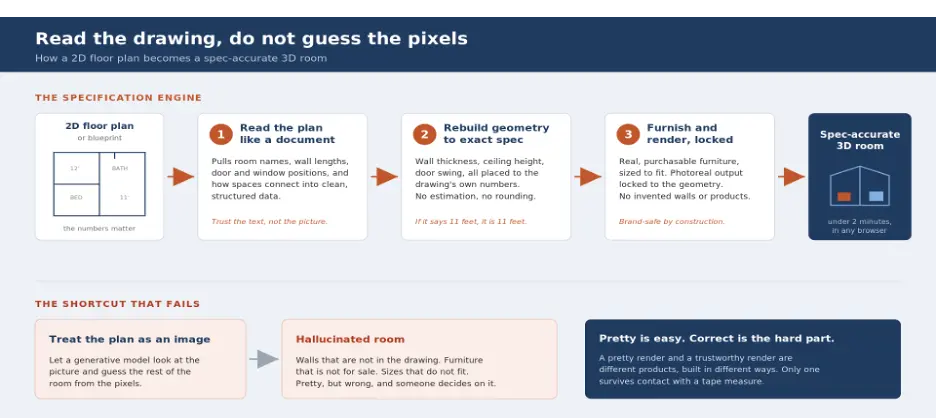
July 15, 2026
How We Solve Floor Plan to 3D, Accurately | VirtualSpaces
HHemanth Velury
CEO & Co-Founder
July 13, 2026
Designing Homes That Age With the People in Them | VirtualSpaces
HHemanth Velury
CEO & Co-Founder
July 10, 2026
Designing Spaces for How Light Actually Moves | VirtualSpaces
HHemanth Velury
CEO & Co-Founder
July 08, 2026
Designing Homes for Every Life Stage in 3D | VirtualSpaces
HHemanth Velury
CEO & Co-Founder
July 06, 2026
Build an Interior Design Portfolio Without Clients | VirtualSpaces
HHemanth Velury
CEO & Co-Founder
June 26, 2026
AI Interior Design: Full 3D Workflow in One Platform | VirtualSpaces
HHemanth Velury
CEO & Co-Founder
June 24, 2026
Scope Creep in Interior Design: How AI Visualization Fixes It | VirtualSpaces
HHemanth Velury
CEO & Co-Founder
June 22, 2026
What Buyers See on a Floor Plan: Your Biggest Sales Problem | VirtualSpaces
HHemanth Velury
CEO & Co-Founder
June 19, 2026
Small Design Studios vs Big Firms: The AI Advantage | VirtualSpaces
HHemanth Velury
CEO & Co-Founder
June 17, 2026
After the Mood Board: AI Interior Visualization | VirtualSpaces
HHemanth Velury
CEO & Co-Founder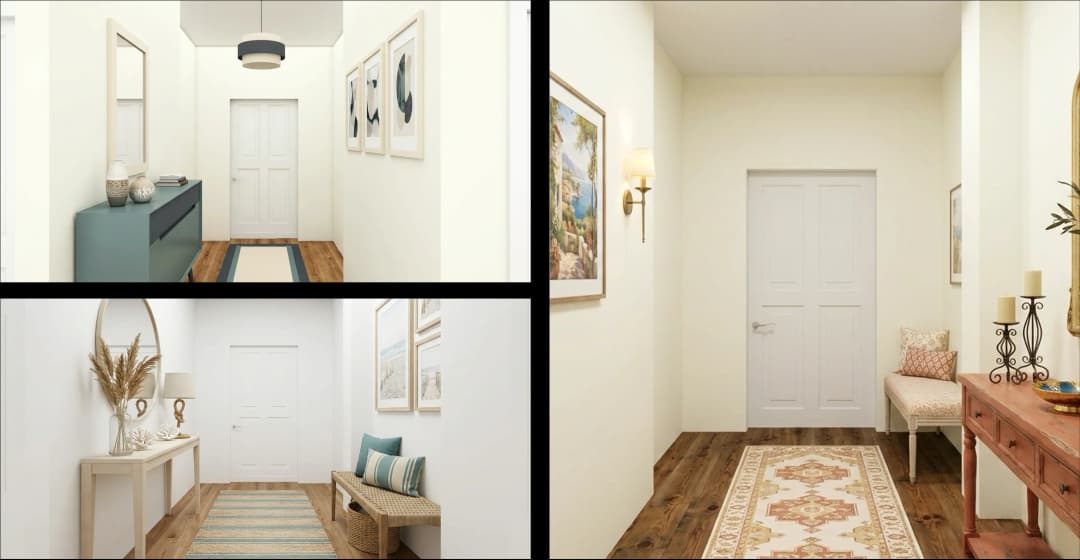
June 15, 2026
Foursite Pro Editor: Full Floor Plan Control for Designers | VirtualSpaces
HHemanth Velury
CEO & Co-Founder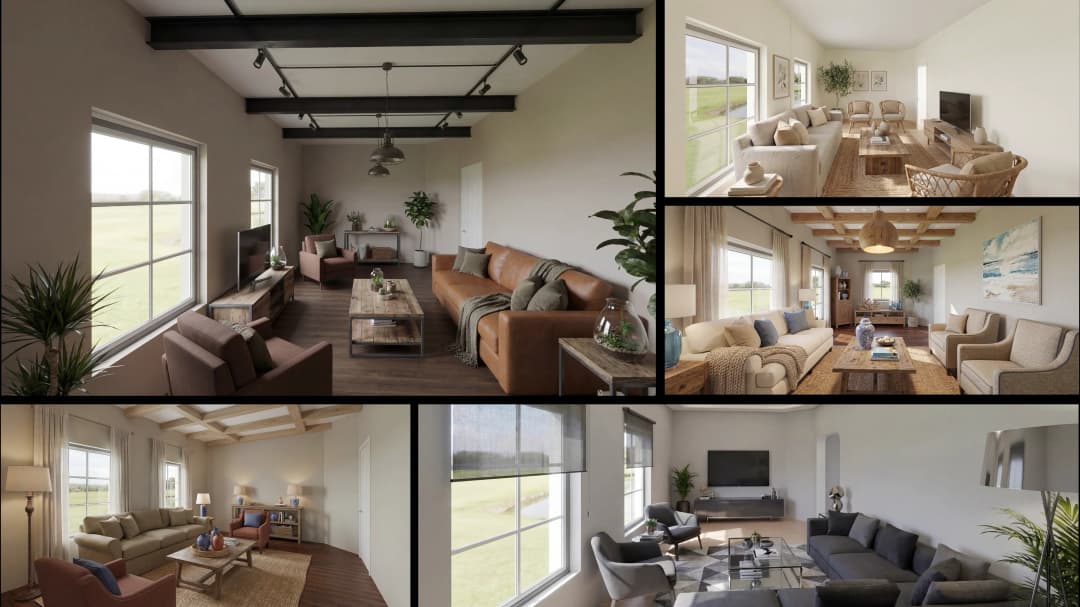
June 12, 2026
AI Interior Design: Style Any Room in Seconds with Foursite | VirtualSpaces
HHemanth Velury
CEO & Co-Founder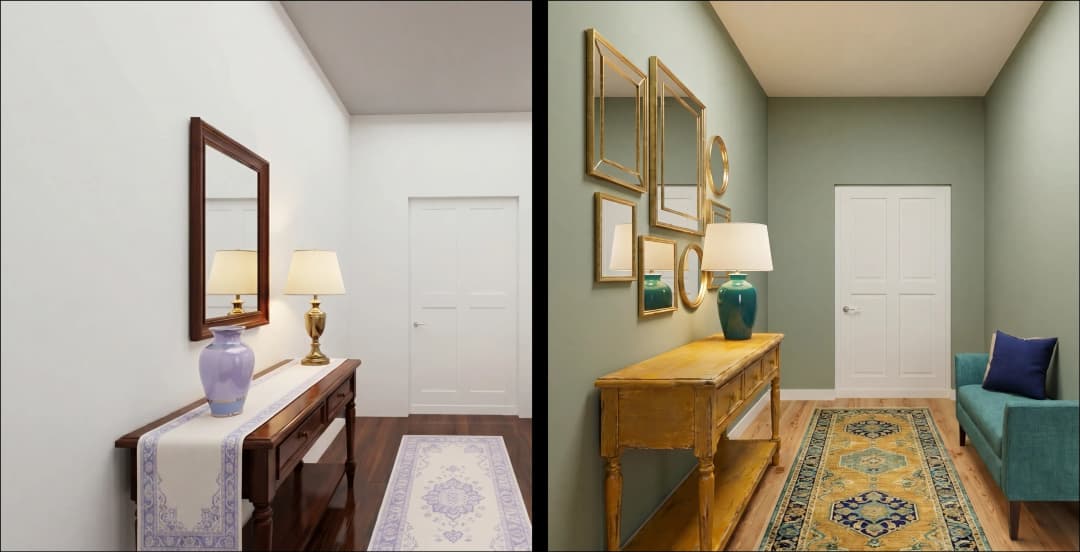
June 10, 2026
Foursite: Floor Plan to 3D Walkthrough in Minutes | VirtualSpaces
HHemanth Velury
CEO & Co-Founder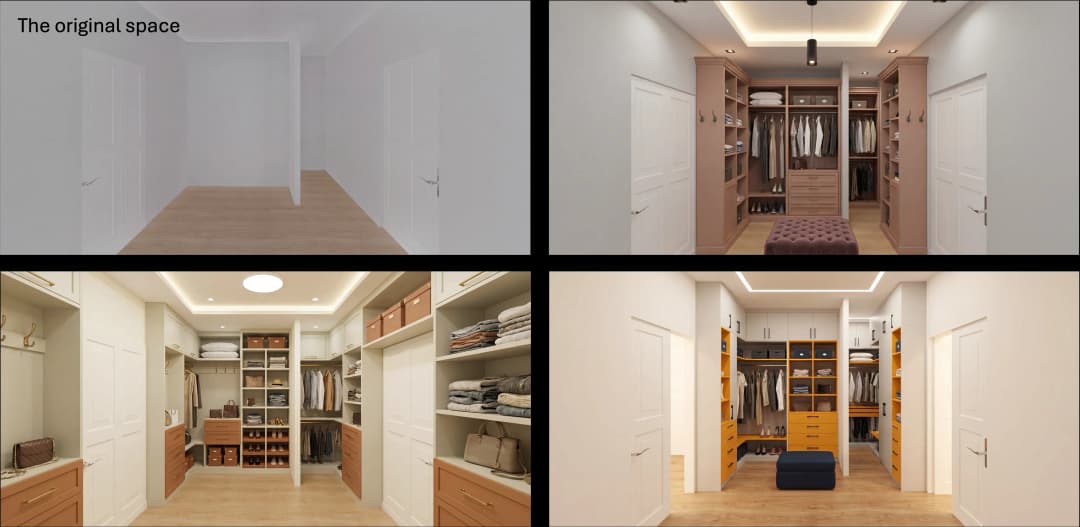
June 08, 2026
Win More Pitches With AI Renders Before the Meeting | VirtualSpaces
HHemanth Velury
CEO & Co-Founder
June 05, 2026
From Floor Plan to Finished Room: What AI Now Makes Possible | VirtualSpaces
HHemanth Velury
CEO & Co-Founder
June 03, 2026
The Interior Design Brief Is Broken. AI Fixes It | VirtualSpaces
HHemanth Velury
CEO & Co-Founder
June 01, 2026
Pre-Construction Home Sales: AI Interior Visualization Guide | VirtualSpaces
HHemanth Velury
CEO & Co-Founder
May 30, 2026
Interior Design Principles: Applied with AI | VirtualSpaces
HHemanth Velury
CEO & Co-Founder
May 28, 2026
Designing Spaces for People, Not Blueprints | VirtualSpaces
HHemanth Velury
CEO & Co-Founder
May 26, 2026
The Future of Interior Design: Closing the Visualization Gap with Foursite and Remodroom | VirtualSpaces
HHemanth Velury
CEO & Co-Founder
May 18, 2026
How AI Visualization Upgrades Property Data Platforms | VirtualSpaces
HHemanth Velury
CEO & Co-Founder
May 14, 2026
How AI-First Insurers Can Use 3D Property Data to Transform Home Claims | VirtualSpaces
HHemanth Velury
CEO & Co-FounderMay 12, 2026
Why Photoreal 3D Renders Are Replacing Mood Boards | Interior Design Client Presentations | VirtualSpaces
HHemanth Velury
CEO & Co-Founder
May 08, 2026
From 2D Floor Plans To Living Worlds: The Spec‑Accurate 3D Engine | VirtualSpaces
HHemanth Velury
CEO & Co-Founder
May 06, 2026
Why Furniture Brands Need AI 3D Visualization Now | VirtualSpaces
HHemanth Velury
CEO & Co-Founder
May 4, 2026
How Property Portals Can Turn 2D Floor Plans into 3D Design Decisions | VirtualSpaces
HHemanth Velury
CEO & Co-Founder
April 29, 2026
The Home-Fit Test: Why Square Footage Misleads | VirtualSpaces
HHemanth Velury
CEO & Co-Founder
April 27, 2026
Designing Homes That Sell: 3D Visualization ROI Data | VirtualSpaces
HHemanth Velury
CEO & Co-FounderApril 24, 2026
What's Next: Foursite & Remodroom's New AI Features | VirtualSpaces
HHemanth Velury
CEO & Co-Founder
April 22, 2026
AI in Architecture: Closing the 85% Exposure Gap | VirtualSpaces
HHemanth Velury
CEO & Co-Founder
April 20, 2026
Interior Design Pricing in 2026: From Hourly to Value-Based Fees | VirtualSpaces
HHemanth Velury
CEO & Co-FounderApril 17, 2026
How Foursite and Remodroom Help Designers Win Clients | VirtualSpaces
HHemanth Velury
CEO & Co-Founder
April 15, 2026
Designing Spaces for People: Remodroom + Foursite AI Guide | VirtualSpaces
HHemanth Velury
CEO & Co-Founder
April 13, 2026
Designing for the Way People Actually Live: How AI 3D Is Finally Closing the Gap Between Floor Plan and Reality
HHemanth Velury
CEO & Co-Founder
April 11, 2026
Design in Real Time: AI Renders in Your First Client Meeting
HHemanth Velury
CEO & Co-Founder
April 06, 2026
Why Real Estate Photography Is No Longer Enough: The Shift to Spatial-First Listings
HHemanth Velury
CEO & Co-Founder
April 03, 2026
Property Management's Hidden Weapon: AI 3D Floor Plans That Cut Vacancy Time and Raise Tenant Quality
HHemanth Velury
CEO & Co-Founder
April 01, 2026
Off-Plan and Oversubscribed: How AI 3D Visualization Is Transforming Real Estate Pre-Sales
HHemanth Velury
CEO & Co-Founder
March 30, 2026
Why Foursite Beats Generic AI Tools for Interior Design 3D Visualization
HHemanth Velury
CEO & Co-Founder
March 27, 2026
7 Tenets of Interior Design: How AI Accelerates Harmony in Residential Spaces
HHemanth Velury
CEO & Co-Founder
March 25, 2026
What Is the 3-5-7 Rule in Interior Design? Foursite's AI Guide for Residential Spaces
HHemanth Velury
CEO & Co-Founder
March 23, 2026
What Is the 70/30 Rule in Interior Design? Foursite's AI Guide for Residential Spaces
HHemanth Velury
CEO & Co-Founder
March 20, 2026
How AI 3D Visualization Is Rewriting Residential Interior Design Workflows
HHemanth Velury
CEO & Co-Founder
March 18, 2026
Beyond Marketing: How 3D Floorplans Transform FM, Retrofit Planning & ESG Operations
HHemanth Velury
CEO & Co-Founder
March 16, 2026
Why AI Companies Use Token Payments (And Why VirtualSpaces Is Returning To Fiat)
HHemanth Velury
CEO & Co-Founder
March 13, 2026
Floorplan‑Native Digital Twins: Beyond BIM for Consumer‑Ready Real Estate Experiences
HHemanth Velury
CEO & Co-Founder
March 11, 2026
The Foursite Platform Thesis: Why Floor Plans, Not Photos, Are the Next Property Software Primitive
HHemanth Velury
CEO & Co-Founder
March 09, 2026
Design Systems for Space: Building Reusable 3D Component Libraries on Top of AI Floorplan‑to‑3D Engines
HHemanth Velury
CEO & Co-Founder
March 04, 2026
From CAD-First to AI-First: Reskilling Your Team for AI-Native Design Workflows
HHemanth Velury
CEO & Co-Founder
March 02, 2026
Algorithmic Ergonomics Meets Photorealistic 3D: Designing Human-Centered Smart Homes with Foursite in 2026
HHemanth Velury
CEO & Co-Founder
February 27, 2026
The Ethics of AI in Interior Design: Ownership, Originality, and Client Transparency
HHemanth Velury
CEO & Co-Founder
February 25, 2026
Designing with Empathy: Using AI 3D Visualization to Improve Client Communication and Emotional Clarity
HHemanth Velury
CEO & Co-Founder
February 23, 2026
From Tool to Infrastructure: AI Floorplan-to-3D and the Next Wave of PropTech
HHemanth Velury
CEO & Co-Founder
February 20, 2026
AI Interior Design for Holiday Homes: Turn Spare Flats into High-Demand Short-Stay Rentals with 3D Visuals
HHemanth Velury
CEO & Co-Founder
February 18, 2026
The Pre‑Purchase Power Play: How Savvy Home Buyers Use 3D Floor Plan Visualization to Negotiate Better Deals
HHemanth Velury
CEO & Co-FounderFebruary 16, 2026
AI Interior Design for Non‑Designers: How Homeowners Can Brief Like Pros
HHemanth Velury
CEO & Co-Founder
February 13, 2026
Scaling a Design Business Without Hiring a 3D Team: An Owner's Guide
HHemanth Velury
CEO & Co-Founder
February 11, 2026
From Bland to Bold: How to Rescue Builder-Grade Interiors on Any Budget
HHemanth Velury
CEO & Co-Founder
February 6, 2026
The Psychology of Space: How Room Dimensions Influence Interior Design Decisions
HHemanth Velury
CEO & Co-Founder
February 4, 2026
The Future of Interior Design Visualization: How AI Technology is Transforming 2D Concepts Into 3D Reality
HHemanth Velury
CEO & Co-Founder
February 2, 2026
AI Interior Décor: How Artificial Intelligence Generates Design Options from Your Floor Plan
HHemanth Velury
CEO & Co-Founder
January 30, 2026
Photoreal vs. Reality: What Clients Actually Expect from Interior Design Visualization
HHemanth Velury
CEO & Co-Founder
January 28, 2026
The Design Approval Conversation That Changes Everything: Communication Strategy When Using Photorealistic Visualization
HHemanth Velury
CEO & Co-Founder
January 25, 2026
Interior Design as Experience Design: How 3D Visualization Changes Your Professional Identity
HHemanth Velury
CEO & Co-Founder
January 23, 2026
The Professional Gap: How 3D Visualization Changes Interior Design Client Perception
HHemanth Velury
CEO & Co-Founder
January 21, 2026
Why Clients Fire Designers (And How 3D Visualization Could Have Saved the Project)
HHemanth Velury
CEO & Co-Founder
January 16, 2026
Blueprint to Vision: Why Seeing Is Believing in Interior Design
HHemanth Velury
CEO & Co-Founder
January 14, 2026
The Speed of Responsiveness: How AI Visualization Tools Make You Look Like You Care More
HHemanth Velury
CEO & Co-Founder
January 12, 2026
Why Interior Designers and Architects Can't Compete Without AI 3D Visualization Tools
HHemanth Velury
CEO & Co-Founder
January 07, 2026
From "Saved" to "Sold": How Homeowners Are Planning Renovations with AI
HHemanth Velury
CEO & Co-Founder
January 05, 2026
The Interior Designer's Secret Weapon: Speed as Premium Positioning
HHemanth Velury
CEO & Co-Founder
December 31, 2025
Gratitude, Growth & Game-Changing Innovation: VirtualSpaces' 2025 Journey & What's Coming in 2026
HHemanth Velury
CEO & Co-Founder
December 29, 2025
Why Interior Designers Are Switching to AI Floor Plan-to-3D Tools in 2026
HHemanth Velury
CEO & Co-Founder
December 26, 2025
AI Virtual Staging for Real Estate Agents: Sell More Homes Faster with Foursite
HHemanth Velury
CEO & Co-Founder
December 24, 2025
Why Architects Are Switching to AI 2D-to-3D: The SketchUp Alternative
HHemanth Velury
CEO & Co-Founder
December 22, 2025
Cut 3 Weeks from Real Estate Sales Cycle: The ROI of AI 2D to 3D Visualization
HHemanth Velury
CEO & Co-Founder
December 19, 2025
2D Floor Plans Are Dying: Why 3D Visualization & AI Virtual Staging Are the Future
HHemanth Velury
CEO & Co-Founder
December 17, 2025
Virtual Staging vs Physical Staging: How AI Saves Money Per Property
HHemanth Velury
CEO & Co-Founder
December 15, 2025
AI Floor Plan to Image: Revolutionizing Real Estate Marketing for Agents
HHemanth Velury
CEO & Co-Founder
December 12, 2025
Color of the Year 2026: Cloud Dancer | VirtualSpaces AI Interior Design Guide
HHemanth Velury
CEO & Co-Founder
December 10, 2025
AI Floor Plan to 3D: The New Standard for Interior Design Workflows
HHemanth Velury
CEO & Co-Founder
December 08, 2025
How Interior Design Studios Can Operationalize AI 2D-to-3D Workflows (Without Breaking Their Process)
HHemanth Velury
CEO & Co-Founder
December 06, 2025
How to Implement AI Interior Design Workflows in Your Studio
HHemanth Velury
CEO & Co-Founder
December 4, 2025
How Homeowners Can Use AI Interior Design Tools to Plan Renovations with Confidence
HHemanth Velury
CEO & Co-Founder
November 28, 2025
Interior Designers in the Age of AI: From Threat Narrative to Superpower
HHemanth Velury
CEO & Co-Founder
November 21, 2025
Foursite Launch: Embracing 'Release Early, Release Often'
HHemanth Velury
CEO & Co-Founder
November 13, 2025
Foursite by VirtSpaces: Empowering Interior Designers, Architects, and Homeowners
HHemanth Velury
CEO & Co-Founder
November 7, 2025
Reimagining Architectural Education: How AI Floorplan-to-3D Technology Can Transform Design Learning
VVirtualSpaces Research Labs
AI Research Initiative
October 27, 2025
Archisculpt AI: Turning Architectural Drawings into Photorealistic 3D Spaces
AAbhijeet Naik
Co-Founder & CTO
October 13, 2025
Home Makeover: From Floor Plan to Dream Space with AI
HHemanth Velury
CEO & Co-Founder
October 6, 2025
Real-Time Rendering & AI: Revolutionizing Interactive Property Walkthroughs with VirtSpaces
HHemanth Velury
CEO & Co-Founder
September 26, 2025
Foursite - A True AI-Native Experience in Design Visualization
AAbhijeet Naik
CTO & Co-Founder
September 18, 2025
Why PropTech Startups Are Betting on AI Interior Design
HHemanth Velury
CEO & Co-Founder
September 11, 2025
How AI Differs from Traditional 3D Rendering Software
HHemanth Velury
CEO & Co-Founder
September 2, 2025
From Client to Investor: How Nila Spaces and VirtSpaces Are Redefining Proptech with AI
HHemanth Velury
CEO & Co-Founder
August 25, 2025
VirtSpaces From Virtual Reality to AI – Transforming Real Estate Visualization.
HHemanth Velury
CEO & Co-Founder


We help teams collaborate seamlessly and reduce costs. Virtual Spaces offers cutting-edge technology with flexible plans designed to fit modern teams.
Copyright © VirtSpaces Pvt. Ltd. 2025 All Rights Reserved.
CIN: U74999KA2016PTC094921