
December 17, 2025
- Real Estate
- PropTech
Virtual Staging vs Physical Staging: How AI Saves Money Per Property
Hemanth Velury
CEO & Co-FounderVirtual Staging vs Physical Staging: How AI Saves Money Per Property
For the majority of listings today, virtual staging provides the same punch as physical staging but at a fraction of the cost. Using AI-powered tools such as VirtualSpaces means agents and developers can reduce expenses per property while still showcasing photorealistic, aspirational spaces online.
What is Physical Staging?
Traditional physical staging is the process in which furniture, decor, and accessories are rented and used to style a property before photography and open houses. This usually involves the staging team visiting the home, planning layouts, delivering and setting everything up, and then removing all the staging once the property sells or the contract ends. Industry-wide, full-service physical staging has been cited to run upwards of $2,000-$5,000 up-front for an average home often, higher-end properties push this number well beyond that. Often, besides the initial upfront cost, many staging contracts also involve monthly furniture rental fees, adding an additional $2,000 or more per month if the listing drags on longer. In India, specifically, physical staging is mostly a sunk cost.
What is Virtual Staging?
Virtual staging replaces physical furniture with digitally rendered interiors added to listing photos. Rather than physically moving real sofas and beds into a property, a designer or AI tool edits the empty-room photos to include realistic furniture, lighting, and decor that reflects a target buyer profile. Many virtual staging services charge per image or per room; typical packages for a full property range from about $72 to $360 and with Foursite by VirtualSpaces, this is even lower. Because no furniture is rented, stored, or moved around, the cost remains fixed and doesn't increase if the listing stays on the market longer.
The Cost Gap: How AI Saves Money per Property
The cost disparity between physical and virtual staging is apparent at the property level. A typical physical staging engagement for a mid-range home could include an upfront fee of $2,000-$5,000 plus many months of furniture rental, or worse still buying it can cost upwards of $150K, which typically happens in India, in show apartments and even higher in villas, pushing total costs even higher. By comparison, virtually staging that same property might cost less than $300 for a full complement of listing-ready images. This signifies that AI-driven virtual staging could save thousands of dollars per property while continuing to provide buyers with an attractive, fully furnished look at the space online.
Time-to-Market: Speed vs Logistics
Physical staging requires time to coordinate. Agents/Real Estate developers must book site visits, approve designs, schedule deliveries, and allow several days of installation before photography can begin. If inventory isn't readily available, or multiple properties are being staged at once, delays can easily add a week or more to time-to-market. Virtual staging builds on top of existing property photos, so once rooms are photographed, AI or designers can typically turn around staged images in a few days or less.
This process is even faster and significantly more cost-effective with tools such as Foursite where all an agent or a real estate developer needs is a floor plan and AI-native workflows compress this time further by converting 2D to 3D, enabling near-instant rendering in some cases and letting listings go live much faster.
Testing Flexibility and Style
Physical staging is expensive and slow to change styles or layouts. Swapping a contemporary look for a more classic scheme requires redesign, new inventory, and another round of logistics. As such, most properties are staged in a single style and that look remains fixed for the listing's duration. Virtual staging is fundamentally more flexible. The same empty-room photo can be staged in multiple styles-minimalist, luxury, family-friendly, or investor-focused-without revisiting the property or incurring extra logistics. With the use of AI tools as the ones developed by VirtualSpaces, agents can rapidly test which visuals perform best on portals and social media, then lean into the layouts and styles that drive more inquiries.
Impact on Buyer Perception and ROI
Both physical and virtual staging help buyers understand scale, layout, and potential. Well-staged spaces photograph better, attract more clicks, and help buyers envision living there. Various studies and industry reports indicate that staged listings sell more quickly and for higher prices than vacant ones, whether the staging has been physical or virtual. Because virtual staging costs so much less, the return on investment is typically higher. For example, the expenditure of a few hundred dollars on virtual staging that helps secure a higher sale price or a faster sale can yield a strong return on marketing spend, whereas a multi-thousand-dollar physical staging bill requires a much larger uplift to justify itself.
Where Physical Staging Still Makes Sense
Physical staging still has a place in certain scenarios. Luxury properties with high in-person traffic, boutique developments relying on model units, or show homes in new communities have reason to lean on the sensory experience of real furniture, textures, and finishes. It's also useful for events such as broker previews and VIP open houses, where the feel of the space is part of the brand narrative. In these cases, the property's price point and marketing strategy may justify a larger budget, making physical staging more of a branding investment than a purely functional one.
Why Virtual Staging is Becoming the Default
For the vast majority of listings, but especially in competitive digital-first markets, virtual staging is the new default. Most buyers see the property online before they ever step foot in it, with the decision to schedule a viewing often based on how well listing photos display the space. Since virtual staging focuses on the online experience, it meets this reality head-on. Agents can create multiple looks in a flash, update images as campaigns evolve, and market the same property differently across portals or audiences without revisiting the physical asset.
How VirtualSpaces Fits into the Picture
VirtualSpaces focuses on the transformation of 2D floor plans into photorealistic 3D interiors in minutes, which helps architects, interior designers, developers, and agents visualize spaces before they are built or fully furnished. Instead of starting with finished photos, users upload floor plans and use AI to create fully realized interiors that can be explored, refined, and rendered for marketing. Real estate teams can now create staged-similar visuals long before a property is ready for traditional photography. Thus, off-plan listings, projects currently under construction, and units that remain unfurnished can all be visualized through 3D interiors, derived directly from floor plans, reducing the need for both physical staging and manual 3D modeling services.
From Empty Plan to Market-Ready Visuals
VirtualSpaces' AI pipeline parses walls, doors, windows, and room types from a 2D floor plan and builds an accurate 3D shell of the property. Interior layouts, furniture, and materials are then generated to match the intended use of each room, producing an interior that functions like an AI-staged version of the space. Once generated, users can adjust styles, color palettes, and layouts to align with branding or buyer profiles, then export still images or walkthrough-ready scenes for marketing. This means that in practice, agents and developers will be able to deliver virtually staged experiences even before the first photograph is taken.
Practical Savings for Agents & Real Estate Developers
Thus, with the ability to replace or complement physical staging with AI visuals, substantial savings can be unlocked for agents managing multiple listings. Teams could invest a fraction of several thousand dollars per property in generating reusable 3D visuals that power portal listings, websites, brochures, and social ads. Developers and builders will find the advantage even more compelling since AI-generated interiors can be used for units that may have the same layout or customized per target buyer segment or updated in-line as the project evolves, without having to rebook staging or photography. Across multiple units and phases, this compounding effect could yield significant savings per property type.
When to Choose Which Approach
With virtual staging and AI-generated visuals, one has a practicable, cost-efficient solution for the typical resale property, where most buyer interest is driven by online photos and budgets are tight. They reduce upfront spend, accelerate time-to-market, and still deliver the styled imagery that buyers expect. If the property is high-end or a showcase, where an in-person experience and brand storytelling are important, a hybrid approach may work well. Use AI interiors and virtual staging to drive online reach, then selectively invest in physical staging for the key spaces that will be hosting events or high-impact viewings. This keeps overall spend in check while preserving the benefits of both methods.
Direction of Staging in a Digital-First Market
As more of the buyer journey has moved online, staging decisions focus increasingly on visual content creation rather than furniture logistics. AI virtual staging and 3D interior visualization tools like VirtualSpaces shift the emphasis toward flexible, reusable digital assets that can be adapted across campaigns and channels. Given the cost structure of traditional staging and the speed, flexibility, and scalability of AI-driven workflows, the financial case for virtual approaches is clear. For many agents, developers, and marketers, reallocating even part of the staging budget to AI-powered visualization saves money per property while still presenting spaces in their best possible light.
Recommended for you

August 19, 2026
The End of the Model Home? 3D Changes the Math | VirtualSpaces
HHemanth Velury
CEO & Co-Founder
August 17, 2026
Designing Spaces That Actually Get Built | VirtualSpaces
HHemanth Velury
CEO & Co-Founder
August 12, 2026
Designing Homes for the Stuff People Actually Own | VirtualSpaces
HHemanth Velury
CEO & Co-Founder
August 07, 2026
Floor Plan to Bill of Materials: The 3D Model as Data | VirtualSpaces
HHemanth Velury
CEO & Co-Founder.png&w=1080&q=75)
August 05, 2026
Designing Homes for How People Actually Live | VirtualSpaces
HHemanth Velury
CEO & Co-Founder
August 03, 2026
Honest by Design: Trust in AI Real Estate Imagery | VirtualSpaces
HHemanth Velury
CEO & Co-Founder
July 29, 2026
Kitchen and Bath: The Two Rooms That Decide Resale | VirtualSpaces
HHemanth Velury
CEO & Co-Founder
July 27, 2026
Why Empty Rooms Don't Sell: Virtual Staging | VirtualSpaces
HHemanth Velury
CEO & Co-Founder
July 24, 2026
The Quiet Sustainability Win of Deciding in 3D | VirtualSpaces
HHemanth Velury
CEO & Co-Founder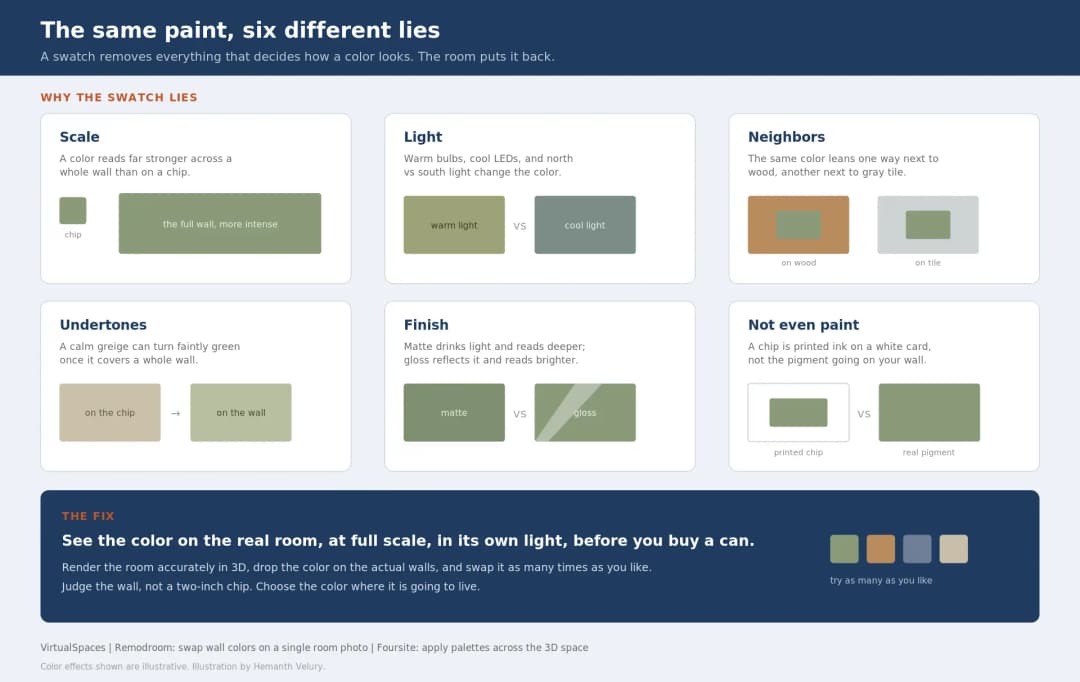
July 22, 2026
Why Paint Swatches Lie: Test Color in 3D First | VirtualSpaces
HHemanth Velury
CEO & Co-Founder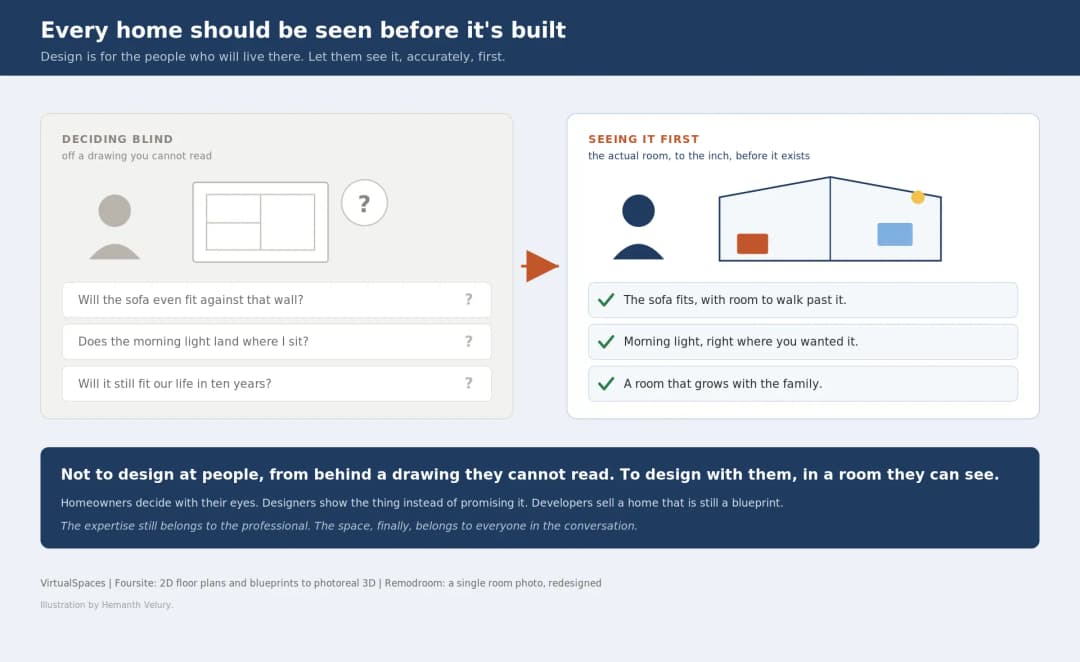
July 20, 2026
Why Every Home Should Be Seen Before It's Built | VirtualSpaces
HHemanth Velury
CEO & Co-Founder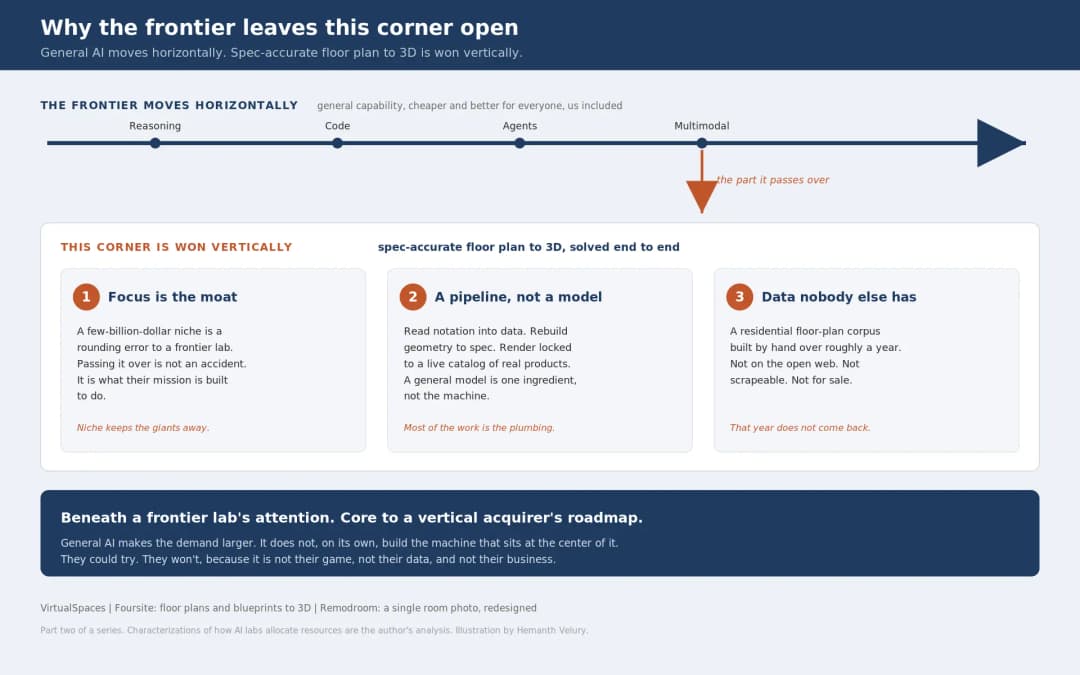
July 17, 2026
Why Big AI Labs Won't Build Floor Plan to 3D | VirtualSpaces
HHemanth Velury
CEO & Co-Founder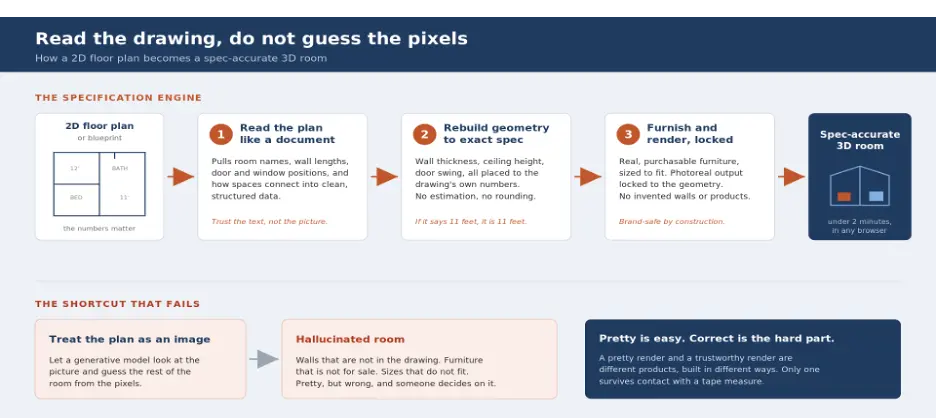
July 15, 2026
How We Solve Floor Plan to 3D, Accurately | VirtualSpaces
HHemanth Velury
CEO & Co-Founder
July 13, 2026
Designing Homes That Age With the People in Them | VirtualSpaces
HHemanth Velury
CEO & Co-Founder
July 10, 2026
Designing Spaces for How Light Actually Moves | VirtualSpaces
HHemanth Velury
CEO & Co-Founder
July 08, 2026
Designing Homes for Every Life Stage in 3D | VirtualSpaces
HHemanth Velury
CEO & Co-Founder
July 06, 2026
Build an Interior Design Portfolio Without Clients | VirtualSpaces
HHemanth Velury
CEO & Co-Founder
June 26, 2026
AI Interior Design: Full 3D Workflow in One Platform | VirtualSpaces
HHemanth Velury
CEO & Co-Founder
June 24, 2026
Scope Creep in Interior Design: How AI Visualization Fixes It | VirtualSpaces
HHemanth Velury
CEO & Co-Founder
June 22, 2026
What Buyers See on a Floor Plan: Your Biggest Sales Problem | VirtualSpaces
HHemanth Velury
CEO & Co-Founder
June 19, 2026
Small Design Studios vs Big Firms: The AI Advantage | VirtualSpaces
HHemanth Velury
CEO & Co-Founder
June 17, 2026
After the Mood Board: AI Interior Visualization | VirtualSpaces
HHemanth Velury
CEO & Co-Founder
June 15, 2026
Foursite Pro Editor: Full Floor Plan Control for Designers | VirtualSpaces
HHemanth Velury
CEO & Co-Founder
June 12, 2026
AI Interior Design: Style Any Room in Seconds with Foursite | VirtualSpaces
HHemanth Velury
CEO & Co-Founder
June 10, 2026
Foursite: Floor Plan to 3D Walkthrough in Minutes | VirtualSpaces
HHemanth Velury
CEO & Co-Founder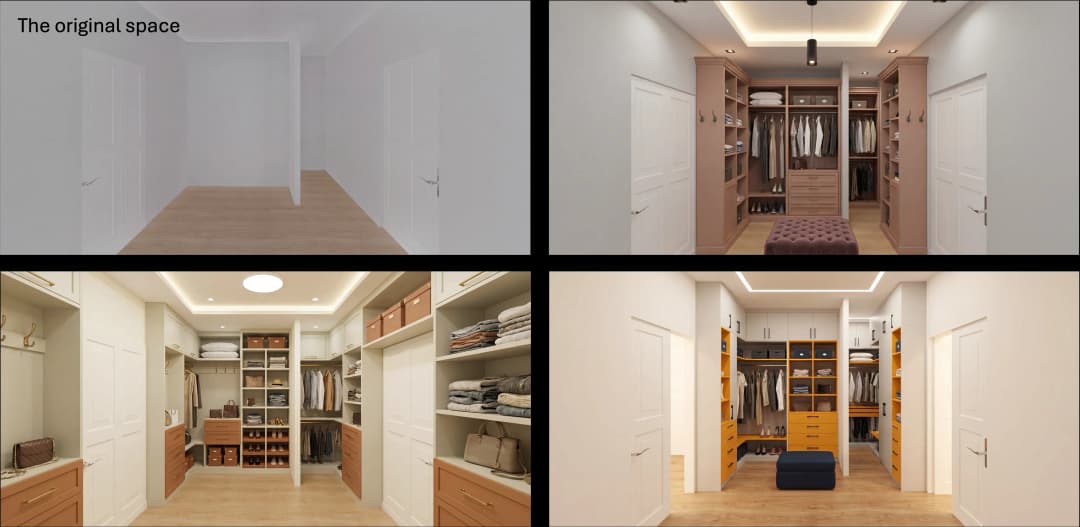
June 08, 2026
Win More Pitches With AI Renders Before the Meeting | VirtualSpaces
HHemanth Velury
CEO & Co-Founder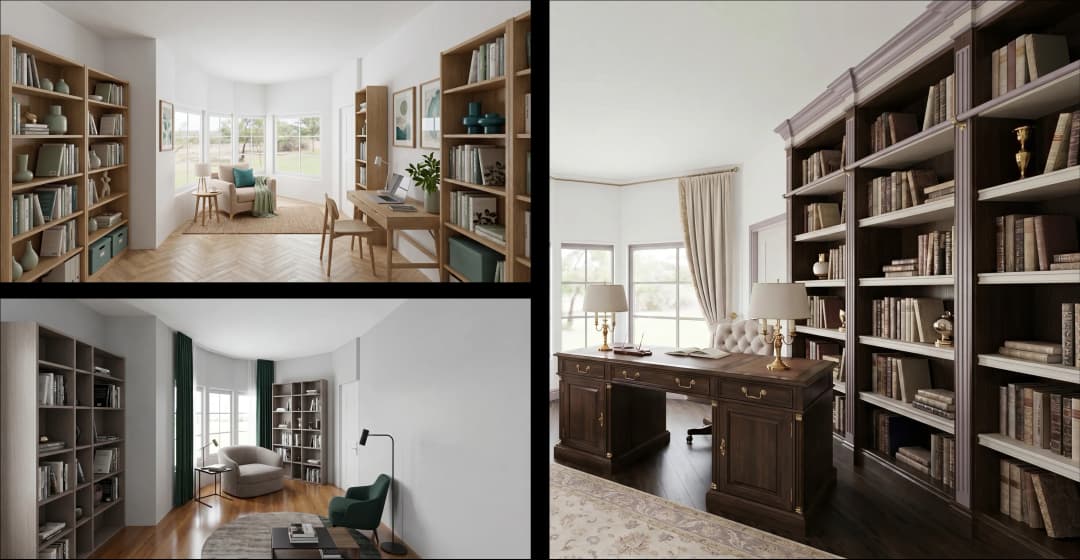
June 05, 2026
From Floor Plan to Finished Room: What AI Now Makes Possible | VirtualSpaces
HHemanth Velury
CEO & Co-Founder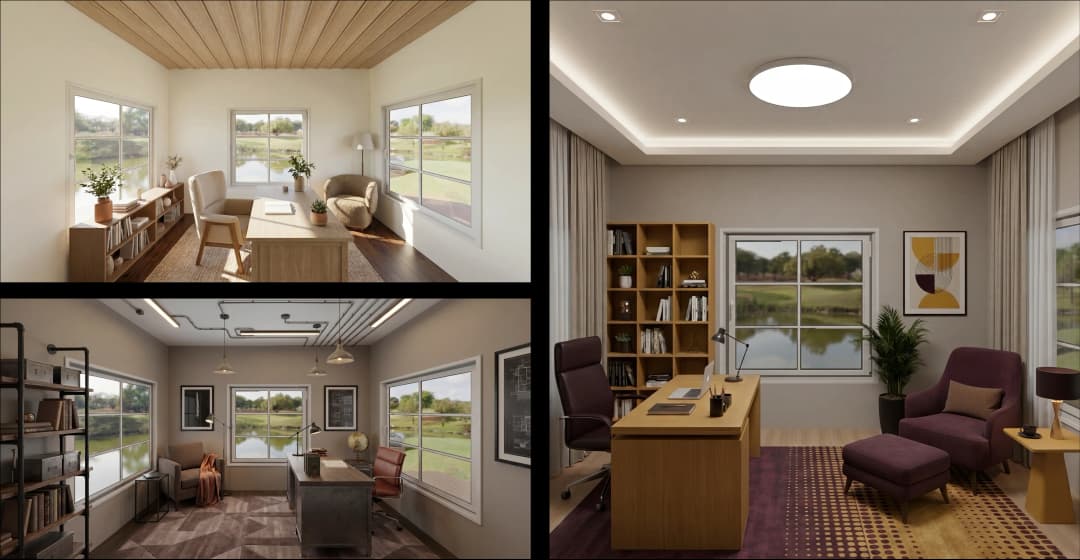
June 03, 2026
The Interior Design Brief Is Broken. AI Fixes It | VirtualSpaces
HHemanth Velury
CEO & Co-Founder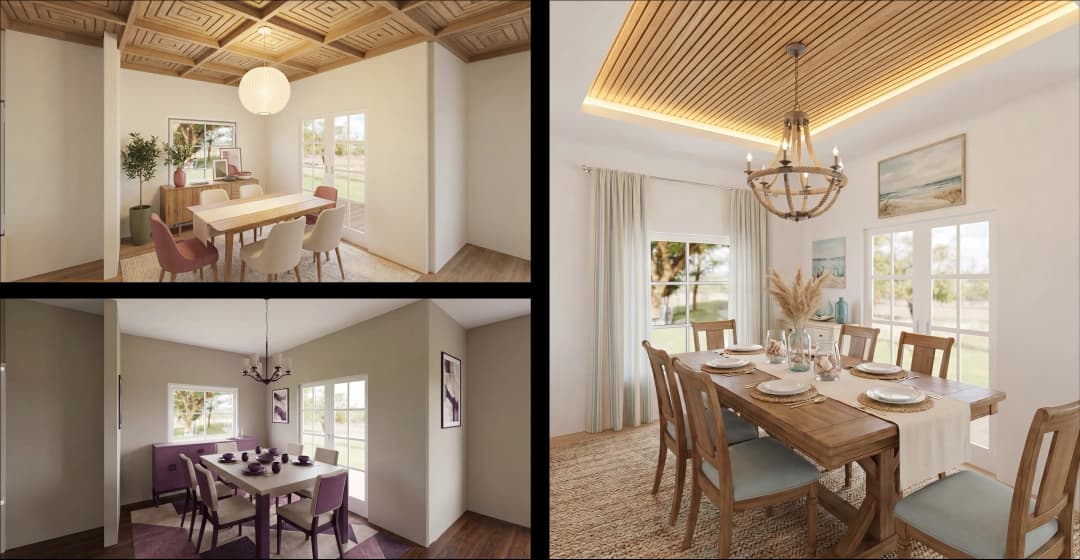
June 01, 2026
Pre-Construction Home Sales: AI Interior Visualization Guide | VirtualSpaces
HHemanth Velury
CEO & Co-Founder
May 30, 2026
Interior Design Principles: Applied with AI | VirtualSpaces
HHemanth Velury
CEO & Co-Founder
May 28, 2026
Designing Spaces for People, Not Blueprints | VirtualSpaces
HHemanth Velury
CEO & Co-Founder
May 26, 2026
The Future of Interior Design: Closing the Visualization Gap with Foursite and Remodroom | VirtualSpaces
HHemanth Velury
CEO & Co-Founder
May 18, 2026
How AI Visualization Upgrades Property Data Platforms | VirtualSpaces
HHemanth Velury
CEO & Co-Founder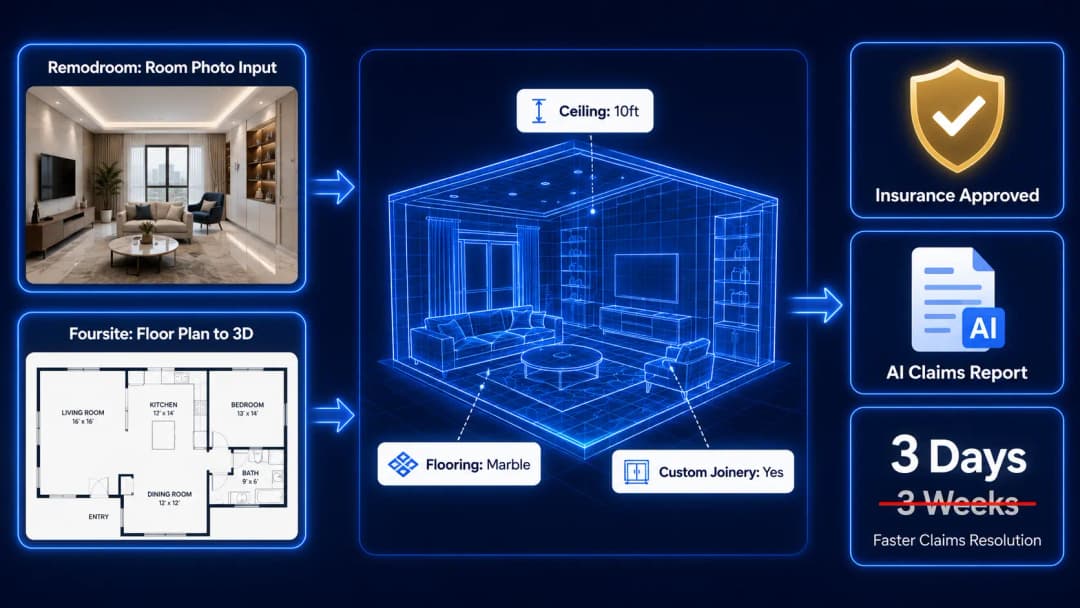
May 14, 2026
How AI-First Insurers Can Use 3D Property Data to Transform Home Claims | VirtualSpaces
HHemanth Velury
CEO & Co-FounderMay 12, 2026
Why Photoreal 3D Renders Are Replacing Mood Boards | Interior Design Client Presentations | VirtualSpaces
HHemanth Velury
CEO & Co-Founder
May 08, 2026
From 2D Floor Plans To Living Worlds: The Spec‑Accurate 3D Engine | VirtualSpaces
HHemanth Velury
CEO & Co-Founder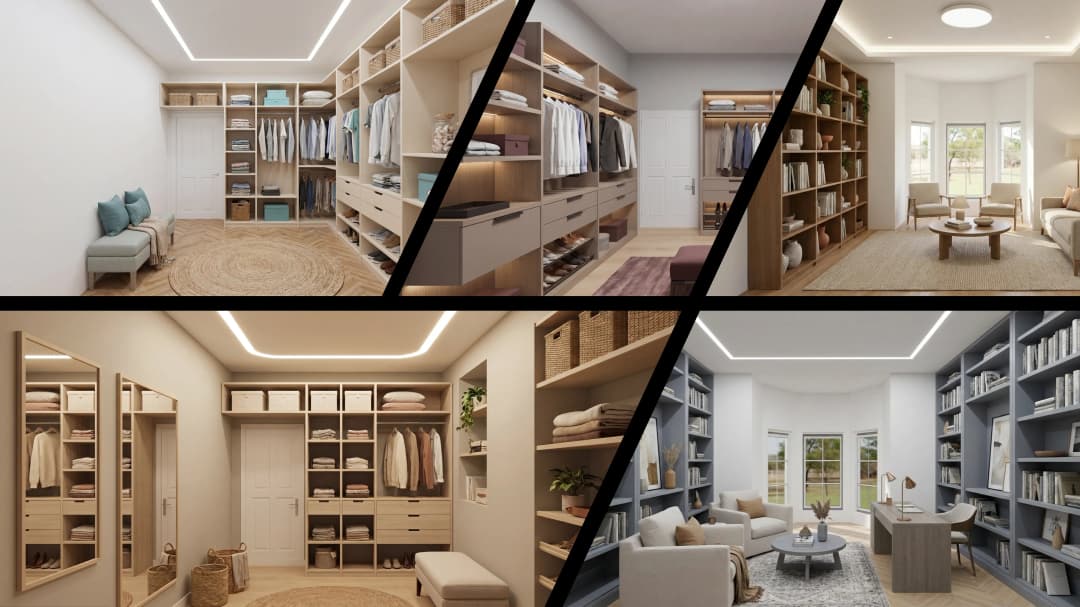
May 06, 2026
Why Furniture Brands Need AI 3D Visualization Now | VirtualSpaces
HHemanth Velury
CEO & Co-Founder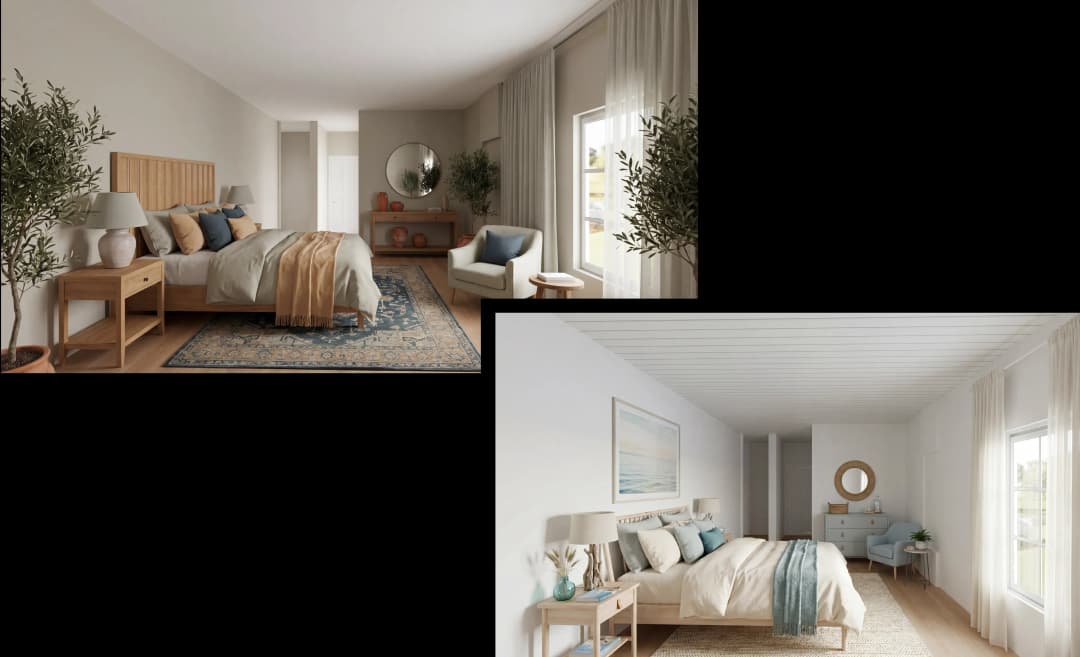
May 4, 2026
How Property Portals Can Turn 2D Floor Plans into 3D Design Decisions | VirtualSpaces
HHemanth Velury
CEO & Co-Founder
April 29, 2026
The Home-Fit Test: Why Square Footage Misleads | VirtualSpaces
HHemanth Velury
CEO & Co-Founder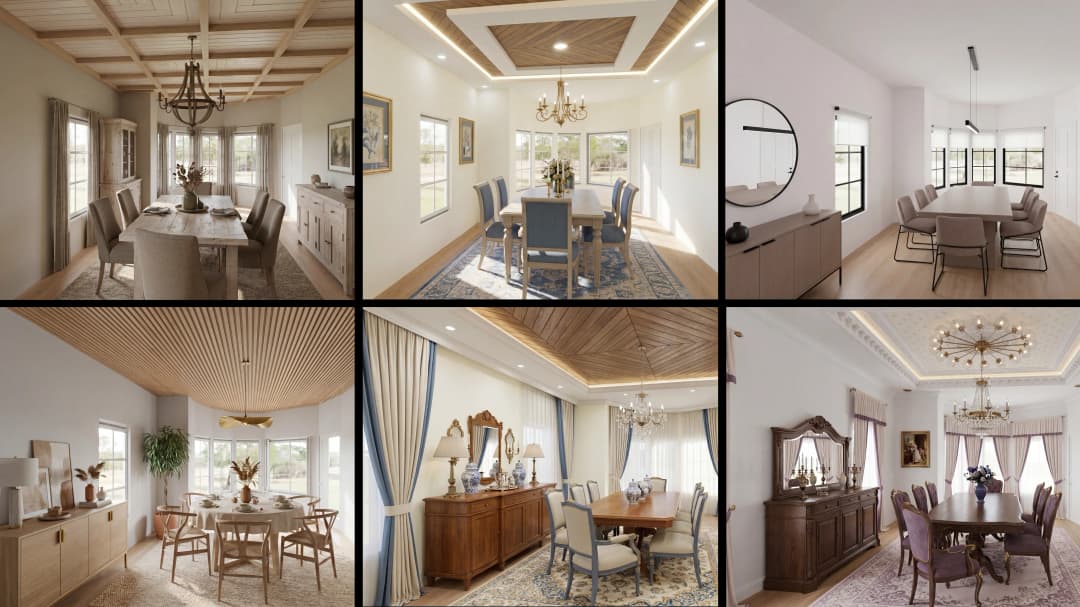
April 27, 2026
Designing Homes That Sell: 3D Visualization ROI Data | VirtualSpaces
HHemanth Velury
CEO & Co-FounderApril 24, 2026
What's Next: Foursite & Remodroom's New AI Features | VirtualSpaces
HHemanth Velury
CEO & Co-Founder
April 22, 2026
AI in Architecture: Closing the 85% Exposure Gap | VirtualSpaces
HHemanth Velury
CEO & Co-Founder
April 20, 2026
Interior Design Pricing in 2026: From Hourly to Value-Based Fees | VirtualSpaces
HHemanth Velury
CEO & Co-FounderApril 17, 2026
How Foursite and Remodroom Help Designers Win Clients | VirtualSpaces
HHemanth Velury
CEO & Co-Founder
April 15, 2026
Designing Spaces for People: Remodroom + Foursite AI Guide | VirtualSpaces
HHemanth Velury
CEO & Co-Founder
April 13, 2026
Designing for the Way People Actually Live: How AI 3D Is Finally Closing the Gap Between Floor Plan and Reality
HHemanth Velury
CEO & Co-Founder
April 11, 2026
Design in Real Time: AI Renders in Your First Client Meeting
HHemanth Velury
CEO & Co-Founder
April 06, 2026
Why Real Estate Photography Is No Longer Enough: The Shift to Spatial-First Listings
HHemanth Velury
CEO & Co-Founder
April 03, 2026
Property Management's Hidden Weapon: AI 3D Floor Plans That Cut Vacancy Time and Raise Tenant Quality
HHemanth Velury
CEO & Co-Founder
April 01, 2026
Off-Plan and Oversubscribed: How AI 3D Visualization Is Transforming Real Estate Pre-Sales
HHemanth Velury
CEO & Co-Founder
March 30, 2026
Why Foursite Beats Generic AI Tools for Interior Design 3D Visualization
HHemanth Velury
CEO & Co-Founder
March 27, 2026
7 Tenets of Interior Design: How AI Accelerates Harmony in Residential Spaces
HHemanth Velury
CEO & Co-Founder
March 25, 2026
What Is the 3-5-7 Rule in Interior Design? Foursite's AI Guide for Residential Spaces
HHemanth Velury
CEO & Co-Founder
March 23, 2026
What Is the 70/30 Rule in Interior Design? Foursite's AI Guide for Residential Spaces
HHemanth Velury
CEO & Co-Founder
March 20, 2026
How AI 3D Visualization Is Rewriting Residential Interior Design Workflows
HHemanth Velury
CEO & Co-Founder
March 18, 2026
Beyond Marketing: How 3D Floorplans Transform FM, Retrofit Planning & ESG Operations
HHemanth Velury
CEO & Co-Founder
March 16, 2026
Why AI Companies Use Token Payments (And Why VirtualSpaces Is Returning To Fiat)
HHemanth Velury
CEO & Co-Founder
March 13, 2026
Floorplan‑Native Digital Twins: Beyond BIM for Consumer‑Ready Real Estate Experiences
HHemanth Velury
CEO & Co-Founder
March 11, 2026
The Foursite Platform Thesis: Why Floor Plans, Not Photos, Are the Next Property Software Primitive
HHemanth Velury
CEO & Co-Founder
March 09, 2026
Design Systems for Space: Building Reusable 3D Component Libraries on Top of AI Floorplan‑to‑3D Engines
HHemanth Velury
CEO & Co-Founder
March 06, 2026
How to Standardize Design Quality Across Global Projects Using AI Floorplan-to-3D Tools
HHemanth Velury
CEO & Co-Founder
March 04, 2026
From CAD-First to AI-First: Reskilling Your Team for AI-Native Design Workflows
HHemanth Velury
CEO & Co-Founder
March 02, 2026
Algorithmic Ergonomics Meets Photorealistic 3D: Designing Human-Centered Smart Homes with Foursite in 2026
HHemanth Velury
CEO & Co-Founder
February 27, 2026
The Ethics of AI in Interior Design: Ownership, Originality, and Client Transparency
HHemanth Velury
CEO & Co-Founder
February 25, 2026
Designing with Empathy: Using AI 3D Visualization to Improve Client Communication and Emotional Clarity
HHemanth Velury
CEO & Co-Founder
February 23, 2026
From Tool to Infrastructure: AI Floorplan-to-3D and the Next Wave of PropTech
HHemanth Velury
CEO & Co-Founder
February 20, 2026
AI Interior Design for Holiday Homes: Turn Spare Flats into High-Demand Short-Stay Rentals with 3D Visuals
HHemanth Velury
CEO & Co-Founder
February 18, 2026
The Pre‑Purchase Power Play: How Savvy Home Buyers Use 3D Floor Plan Visualization to Negotiate Better Deals
HHemanth Velury
CEO & Co-FounderFebruary 16, 2026
AI Interior Design for Non‑Designers: How Homeowners Can Brief Like Pros
HHemanth Velury
CEO & Co-Founder
February 13, 2026
Scaling a Design Business Without Hiring a 3D Team: An Owner's Guide
HHemanth Velury
CEO & Co-Founder
February 11, 2026
From Bland to Bold: How to Rescue Builder-Grade Interiors on Any Budget
HHemanth Velury
CEO & Co-Founder
February 6, 2026
The Psychology of Space: How Room Dimensions Influence Interior Design Decisions
HHemanth Velury
CEO & Co-Founder
February 4, 2026
The Future of Interior Design Visualization: How AI Technology is Transforming 2D Concepts Into 3D Reality
HHemanth Velury
CEO & Co-Founder
February 2, 2026
AI Interior Décor: How Artificial Intelligence Generates Design Options from Your Floor Plan
HHemanth Velury
CEO & Co-Founder
January 30, 2026
Photoreal vs. Reality: What Clients Actually Expect from Interior Design Visualization
HHemanth Velury
CEO & Co-Founder
January 28, 2026
The Design Approval Conversation That Changes Everything: Communication Strategy When Using Photorealistic Visualization
HHemanth Velury
CEO & Co-Founder
January 25, 2026
Interior Design as Experience Design: How 3D Visualization Changes Your Professional Identity
HHemanth Velury
CEO & Co-Founder
January 23, 2026
The Professional Gap: How 3D Visualization Changes Interior Design Client Perception
HHemanth Velury
CEO & Co-Founder
January 21, 2026
Why Clients Fire Designers (And How 3D Visualization Could Have Saved the Project)
HHemanth Velury
CEO & Co-Founder
January 16, 2026
Blueprint to Vision: Why Seeing Is Believing in Interior Design
HHemanth Velury
CEO & Co-Founder
January 14, 2026
The Speed of Responsiveness: How AI Visualization Tools Make You Look Like You Care More
HHemanth Velury
CEO & Co-Founder
January 12, 2026
Why Interior Designers and Architects Can't Compete Without AI 3D Visualization Tools
HHemanth Velury
CEO & Co-Founder
January 07, 2026
From "Saved" to "Sold": How Homeowners Are Planning Renovations with AI
HHemanth Velury
CEO & Co-Founder
January 05, 2026
The Interior Designer's Secret Weapon: Speed as Premium Positioning
HHemanth Velury
CEO & Co-Founder
December 31, 2025
Gratitude, Growth & Game-Changing Innovation: VirtualSpaces' 2025 Journey & What's Coming in 2026
HHemanth Velury
CEO & Co-Founder
December 29, 2025
Why Interior Designers Are Switching to AI Floor Plan-to-3D Tools in 2026
HHemanth Velury
CEO & Co-Founder
December 26, 2025
AI Virtual Staging for Real Estate Agents: Sell More Homes Faster with Foursite
HHemanth Velury
CEO & Co-Founder
December 24, 2025
Why Architects Are Switching to AI 2D-to-3D: The SketchUp Alternative
HHemanth Velury
CEO & Co-Founder
December 22, 2025
Cut 3 Weeks from Real Estate Sales Cycle: The ROI of AI 2D to 3D Visualization
HHemanth Velury
CEO & Co-Founder
December 19, 2025
2D Floor Plans Are Dying: Why 3D Visualization & AI Virtual Staging Are the Future
HHemanth Velury
CEO & Co-Founder
December 15, 2025
AI Floor Plan to Image: Revolutionizing Real Estate Marketing for Agents
HHemanth Velury
CEO & Co-Founder
December 12, 2025
Color of the Year 2026: Cloud Dancer | VirtualSpaces AI Interior Design Guide
HHemanth Velury
CEO & Co-Founder
December 10, 2025
AI Floor Plan to 3D: The New Standard for Interior Design Workflows
HHemanth Velury
CEO & Co-Founder
December 08, 2025
How Interior Design Studios Can Operationalize AI 2D-to-3D Workflows (Without Breaking Their Process)
HHemanth Velury
CEO & Co-Founder
December 06, 2025
How to Implement AI Interior Design Workflows in Your Studio
HHemanth Velury
CEO & Co-Founder
December 4, 2025
How Homeowners Can Use AI Interior Design Tools to Plan Renovations with Confidence
HHemanth Velury
CEO & Co-Founder
November 28, 2025
Interior Designers in the Age of AI: From Threat Narrative to Superpower
HHemanth Velury
CEO & Co-Founder
November 21, 2025
Foursite Launch: Embracing 'Release Early, Release Often'
HHemanth Velury
CEO & Co-Founder
November 13, 2025
Foursite by VirtSpaces: Empowering Interior Designers, Architects, and Homeowners
HHemanth Velury
CEO & Co-Founder
November 7, 2025
Reimagining Architectural Education: How AI Floorplan-to-3D Technology Can Transform Design Learning
VVirtualSpaces Research Labs
AI Research Initiative
October 27, 2025
Archisculpt AI: Turning Architectural Drawings into Photorealistic 3D Spaces
AAbhijeet Naik
Co-Founder & CTO
October 13, 2025
Home Makeover: From Floor Plan to Dream Space with AI
HHemanth Velury
CEO & Co-Founder
October 6, 2025
Real-Time Rendering & AI: Revolutionizing Interactive Property Walkthroughs with VirtSpaces
HHemanth Velury
CEO & Co-Founder
September 26, 2025
Foursite - A True AI-Native Experience in Design Visualization
AAbhijeet Naik
CTO & Co-Founder
September 18, 2025
Why PropTech Startups Are Betting on AI Interior Design
HHemanth Velury
CEO & Co-Founder
September 11, 2025
How AI Differs from Traditional 3D Rendering Software
HHemanth Velury
CEO & Co-Founder
September 2, 2025
From Client to Investor: How Nila Spaces and VirtSpaces Are Redefining Proptech with AI
HHemanth Velury
CEO & Co-Founder
August 25, 2025
VirtSpaces From Virtual Reality to AI – Transforming Real Estate Visualization.
HHemanth Velury
CEO & Co-Founder


We help teams collaborate seamlessly and reduce costs. Virtual Spaces offers cutting-edge technology with flexible plans designed to fit modern teams.
Copyright © VirtSpaces Pvt. Ltd. 2025 All Rights Reserved.
CIN: U74999KA2016PTC094921