
February 6, 2026
- Interior Design
- AI Technology
- Space Planning
The Psychology of Space: How Room Dimensions Influence Interior Design Decisions
Hemanth Velury
CEO & Co-FounderThe Psychology of Space: How Room Dimensions Influence Interior Design Decisions
As an interior designer, you've probably experienced that moment when a client falls in love with a piece of furniture in the showroom, only to have it arrive at their home and look completely wrong. The sofa that seemed perfect suddenly dominates the room. The dining table that looked elegant now feels cramped. What changed? The space itself.
Understanding the psychology of space isn't just about measurements and square footage, it's about how human beings emotionally respond to the dimensions around them. And in today's competitive design landscape, the designers who master this psychological dimension while delivering proposals faster are the ones winning more projects.
Why Room Dimensions Matter More Than Style
Here's something most homeowners don't realize: the physical dimensions of a room influence design decisions more than any style preference ever could. You can love mid-century modern with your whole heart, but if your living room has 8-foot ceilings and measures 12x14 feet, certain design approaches simply won't work.
Room dimensions affect three critical psychological factors:
Perceived size versus actual size
A 200-square-foot room with 12-foot ceilings feels dramatically different from the same square footage with 8-foot ceilings. The vertical dimension creates a sense of grandeur and openness that changes everything from furniture scale to color selection.
Movement and flow
Narrow rooms create different traffic patterns than square rooms. A 10x20 room forces linear movement, while a 15x15 room allows circular flow. This affects furniture placement, focal points, and how people naturally use the space.
Emotional response
Humans have instinctive reactions to spatial proportions. Low ceilings can feel cozy or claustrophobic depending on room size. Vast open spaces can feel liberating or cold. Understanding these reactions helps you design spaces that feel right, not just look right.
The Speed Advantage: Why Fast Visualization Wins Projects
Let's talk about what separates thriving design practices from struggling ones in 2026: speed of visualization combined with design differentiation.
When a potential client reaches out, they're usually contacting multiple designers. The one who can show them a compelling vision of their space first, not in weeks, but in days, has a massive advantage. This is where understanding spatial psychology intersects with modern technology.
Traditional design presentations required:
- Hand-measuring rooms
- Creating 2D floor plans
- Sketching elevations
- Building mood-boards
- Maybe rendering one or two views if you had the budget
This process took weeks. By the time you presented, your potential client had already moved forward with a competitor, or worse, lost enthusiasm for the project entirely.
Today's most successful designers use AI visualization and 3D tools to compress this timeline dramatically. When you can take a client's blueprints or 2D floor plans and convert them to photoreal 3D visualization in hours instead of weeks, you're not just saving time but capturing projects before competitors even finish their initial consultation.
How Ceiling Height Changes Everything
Let's start with the vertical dimension, because this is where most DIY homeowners go wrong and where your expertise becomes invaluable.
Standard 8-foot ceilings create intimate spaces. They work beautifully for bedrooms, home offices, and cozy dens. But they require careful consideration of:
- Vertical visual weight (avoid tall, heavy furniture)
- Light fixture selection (flush mounts instead of dramatic pendants)
- Color psychology (lighter ceilings to increase perceived height)
- Artwork placement (keeping art at eye level, not high)
9 to 10-foot ceilings are the sweet spot for most living areas. They offer enough height for visual interest without requiring specialized furniture. This is where you have the most flexibility—you can use taller bookshelves, statement light fixtures, and larger-scale art.
11+ foot ceilings don't just create drama but demand it. Under-furnished rooms with high ceilings feel cold and unfinished. These spaces need:
- Vertically scaled furniture (taller bookcases, armoires, substantial headboards)
- Layered lighting at multiple heights
- Window treatments that extend to the ceiling
- Art groupings or large-scale pieces that draw the eye upward
Here's where AI interior design tools become game-changers. Instead of explaining ceiling height concepts to clients verbally or showing them generic inspiration photos, you can generate interior design renders showing their actual space with different furniture scales and arrangements. When a client sees their 8-foot-ceiling living room with both a low-profile sectional and an oversized traditional sofa, the psychology becomes instantly clear.
Tools like Foursite allow you to convert blueprint to 3D and show multiple design scenarios rapidly. This isn't about replacing your design expertise, it's about communicating that expertise more effectively and quickly than ever before.
Square Footage Psychology: When Size Deceives
Two rooms with identical square footage can feel completely different based on their proportions.
A 12x20 foot bedroom (240 sq ft) feels narrow and bowling-alley-like. Furniture placement is limited to perimeter walls. You're working with a hallway that happens to have a bed in it.
A 15x16 foot bedroom (240 sq ft) feels balanced and usable. You have multiple furniture arrangement options. The room breathes.
This is critical information for your design decisions, but it's nearly impossible for clients to understand from 2D floor plans alone. Their eyes see "240 square feet" and think both rooms are equivalent.
When you use floor plan to 3D conversion and AI 3D visualization, clients immediately grasp these spatial differences. They see how the narrow room limits furniture options while the square room opens up possibilities. This understanding happens in seconds instead of requiring lengthy explanations.
The speed advantage here is real: you can test multiple furniture arrangements in the 3D space, rule out what doesn't work, and present only the strongest options. While other designers are still scheduling their second consultation, you're already refining the approved design direction.
The Open Concept Reality Check
Open concept layouts sound wonderful in theory, spacious, airy, light-filled, perfect for entertaining. But the psychology of vast, undefined space is tricky.
Humans need spatial definition to feel comfortable. A completely open 600-square-foot great room can paradoxically feel less functional than three smaller defined spaces totaling the same square footage. Without visual boundaries, people don't know where one "room" ends and another begins.
Your job as a designer is creating zones within open spaces through:
- Furniture arrangement that implies boundaries
- Lighting changes that define areas
- Flooring or ceiling plane variations
- Color zoning that guides the eye
But explaining zoning concepts to clients is challenging. They're imagining their open space feeling huge and free, and you're telling them it needs division. It sounds counterintuitive.
This is precisely where AI virtual staging and 3D visualization prove their worth. You can show the same open space both ways:
- Version A: Minimal furniture, no zoning, feeling empty despite being "open"
- Version B: Strategic furniture placement creating living, dining, and conversation zones while maintaining openness
When clients see both versions as interior design photoreal renders of their actual space, the psychology is undeniable. They choose Version B every time, and they thank you for the expertise.
Virtual staging isn't just for real estate anymore. Forward-thinking interior designers use AI virtual staging to test spatial concepts before purchasing a single piece of furniture. The speed of iteration, trying different zoning strategies, furniture scales, and arrangement options in AI interior décor platforms, means you arrive at the best solution faster while differentiating yourself from competitors still relying on sketches and mood boards.
Proportion Rules That Psychology Demands
The human brain craves proportion. When proportions are off, spaces feel wrong even if people can't articulate why.
The Two-Thirds Rule states that furniture should occupy roughly two-thirds of the room's width. A sofa in a 15-foot-wide living room should be approximately 9-10 feet long. Too small, and it looks lost. Too large, and the room feels stuffed.
The Ceiling-to-Fixture Ratio matters for lighting. In rooms with 8-foot ceilings, chandeliers should be 20-24 inches in diameter for dining areas. With 10-foot ceilings, increase to 27-30 inches. The proportion must match the vertical space.
The Artwork-to-Furniture Scale creates visual harmony. Art above a sofa should span roughly two-thirds to three-quarters of the sofa's width. A single small piece above a large sofa creates uncomfortable proportion imbalance.
These rules sound mathematical, but they're rooted in psychology. Our brains recognize when proportions harmonize and when they clash.
The challenge? Clients can't visualize these proportions from dimensions alone. Telling someone their 8-foot sofa will look perfect in their 12-foot-wide room means nothing until they see it.
Converting 2D to 3D solves this communication gap entirely. When you use platforms like Foursite to create 3D visualization from blueprints, you're showing proportional relationships exactly as they'll exist. Clients see the sofa in the space. They see the chandelier's scale relative to the ceiling height. They see the artwork's size relationship to the furniture.
This visual clarity eliminates back-and-forth revisions and speeds project approvals dramatically. You're not redesigning after installation because the client "didn't realize it would look like that." They knew exactly what it would look like because you showed them photoreal renders of their actual room dimensions.

Narrow Spaces and the Optical Illusion Challenge
Some room dimensions are genuinely problematic. Long, narrow spaces, think: hallways, galley kitchens, corridor-like living rooms, create psychological challenges.
Humans prefer spaces with balanced proportions. When length exceeds width by a 3:1 ratio or more, spaces feel uncomfortable. But you can't change the architecture. You can only use design psychology to improve the perception.
Optical widening techniques include:
- Horizontal lines (striped rugs, horizontal wall treatments)
- Mirrors on long walls to create depth illusion
- Furniture arrangements that break up the length
- Color temperature shifts (warmer colors on short walls, cooler on long walls to visually push them back)
- Strategic focal points at the short ends draw the eye across the narrow dimension rather than down the long corridor.
But here's the design differentiation opportunity: while other designers describe these techniques, you can demonstrate them.
Using AI interior design and AI visualization tools, you can generate multiple versions of the same narrow space:
- The unaddressed version (all furniture along long walls, emphasizing the narrowness)
- Your solution with optical widening techniques applied
The contrast is powerful. Clients immediately understand the value of your spatial psychology expertise when they see the transformation in their actual space dimensions, not generic examples.
This demonstration capability speeds decision-making and positions you as the expert who understands not just what looks pretty, but what works psychologically in their specific room dimensions.
Low Ceiling Strategies and Vertical Perception
Rooms with ceilings at or below 8 feet present unique challenges. The low overhead creates psychological pressure: Spaces can feel confined, cramped, or cave-like if not handled properly.
Your design interventions need to fight the downward visual pull:
- Paint ceilings lighter than walls (white or pale tones)
- Use vertical stripes or tall narrow art to draw eyes upward
- Select low-profile furniture that doesn't compete for vertical space
- Avoid crown molding (it emphasizes the low ceiling)
- Choose recessed or flush-mount lighting instead of hanging fixtures
The psychology here is about creating visual escape from the ceiling plane. You want eyes moving around the space horizontally and along walls vertically, not focusing on that overhead limitation.
When presenting low-ceiling solutions, AI interior décor visualization becomes your differentiator. You can show the same room with:
- Wrong approach: Standard-height furniture, table lamps, hanging pendant lights
- Right approach: Low-profile pieces, vertical art arrangements, recessed lighting
The psychological difference is dramatic when clients see it rendered in their space with accurate ceiling height. They understand instantly why your furniture selections aren't just stylistic preferences—they're spatially intelligent solutions.
This level of visual communication speeds approvals and builds trust. You're not asking clients to imagine how your solutions will work. You're showing them with interior design 3D visualization that reflects their exact room dimensions.
High Ceiling Drama and the Emptiness Problem
On the opposite end, rooms with 11+ foot ceilings create a different psychological challenge: they can feel empty, cold, or unfinished if not properly scaled.
High ceilings demand visual weight at multiple heights:
- Statement light fixtures that descend into the space
- Tall furniture pieces (bookcases, armoires, substantial curtains)
- Layered art arrangements that extend upward
- Architectural elements like exposed beams, moldings, or painted accent ceilings
The psychology of high-ceiling spaces is about filling vertical volume without cluttering horizontal space. You need drama and scale without sacrificing function.
This is difficult to communicate verbally. Clients with high ceilings often resist tall furniture, fearing it will feel heavy or block views. They don't instinctively understand that 12-foot ceilings make 8-foot bookcases look appropriately scaled, not oversized.
Blueprint to 3D conversion through tools like VirtualSpaces lets you demonstrate this instantly. You can render their high-ceiling room with both undersized and appropriately scaled furniture. The psychological impact is immediate: Undersized furniture in a high-ceiling space looks lost and makes the room feel cold and incomplete.
When clients see properly scaled pieces in their actual space through AI 3D visualization, resistance evaporates. They understand the spatial psychology because they're seeing it, not imagining it.
Note: Height adjustment on Foursite is a feature that is getting added. This is Work-in-Progress. We will send an update soon.
The Corner Office: Angled Walls and Irregular Shapes
Not all rooms are rectangles. Angled walls, bay windows, odd corners, and architectural quirks create fascinating psychological challenges.
Humans prefer orthogonal spaces: right angles feel organized and logical. When rooms deviate from this, there's subtle psychological discomfort. Your design solutions need to either embrace the irregularity as an intentional feature or minimize its visual impact.
- Embracing the angle: Built-in seating in bay windows, custom furniture for angled walls, highlighting architectural uniqueness
- Minimizing the angle: Furniture placement that draws attention to regular areas, rugs that create rectangular zones within irregular shapes, lighting that emphasizes standard proportions
The challenge is that these irregular spaces are nearly impossible to understand from 2D floor plans. Clients look at the odd angle on paper and can't visualize how it will affect furniture placement or room feel.
This is where convert floor plan to 3D becomes transformative. When you take those 2D blueprints with the odd angles and convert them to 3D visualization, suddenly everyone understands the spatial reality. They see where furniture can and cannot go. They understand why you're suggesting custom built-ins for that weird corner.
The speed advantage compounds here because irregular spaces require more design problem-solving. With AI visualization, you can test multiple solutions quickly, rule out what doesn't work spatially, and present only viable options. This cuts your design development time significantly while impressing clients with your spatial problem-solving skills.
Light, Dimension, and Psychological Perception
Natural light interacts with room dimensions to create psychological effects that override almost everything else.
A small room with abundant natural light feels larger than its dimensions suggest. A large room with minimal natural light feels confined despite actual square footage. Window placement, size, and orientation relative to room dimensions matter tremendously.
North-facing rooms receive cool, consistent light that makes spaces feel slightly smaller and cooler psychologically. Your color and material selections need to compensate with warmth.
South-facing rooms get warm, changing light throughout the day. Dimensions feel more generous, but afternoon glare can create harshness.
East/West-facing rooms experience dramatic light changes between morning and evening, affecting how dimensions are perceived at different times.
As a designer, you're making decisions that account for these light-dimension interactions. But clients often can't connect the dots between window orientation, room size, and your material recommendations. Interior design renders and AI interior design visualization tools let you demonstrate these relationships. Modern rendering can show the same space at different times of day, illustrating how natural light affects the dimensional feel and why you're recommending specific colors or materials. This capability differentiates you from designers relying on static mood boards. When clients see their actual room dimensions with accurate natural light simulation, your expertise becomes tangible and your recommendations clearly justified.
The Speed-to-Approval Advantage
Throughout this exploration of spatial psychology, there's been a consistent thread: visualization speed creates competitive advantage.
Understanding room dimension psychology is valuable expertise. But that expertise only wins projects when you can communicate it effectively and quickly. In today's market, the designer who presents a compelling, psychologically sound vision first usually gets the project.
This is why interior designers are increasingly adopting AI visualization, virtual staging, and 3D conversion tools. These aren't replacements for design expertise: They're accelerators that let you demonstrate your spatial psychology understanding faster and more convincingly than ever possible before. When you can take a client's blueprints, convert floor plan to 3D, apply your dimensional psychology knowledge, and deliver photoreal interior design renders in days instead of weeks, you're not just faster but better positioned to win the project.
Platforms like Foursite enable this speed without sacrificing quality. You're still making every design decision based on spatial psychology principles. You're still applying your expertise about ceiling heights, room proportions, and dimensional challenges. You're just communicating those solutions through immersive 3D visualization that clients instantly understand.
Differentiation Through Dimensional Mastery
Every interior designer understands room dimensions matter. But most don't communicate this understanding in ways that differentiate their practice.
Your competitive advantage comes from demonstrating spatial psychology expertise through rapid, compelling visualization. When you show clients their actual space with solutions tailored to specific dimensional challenges: Not generic inspiration photos but their 12x18 living room with 9-foot ceilings, you establish authority that mood boards cannot match.
The designers thriving in 2026 are those who've combined traditional spatial psychology knowledge with modern visualization tools. They understand dimensional challenges deeply, and they communicate solutions through AI interior design and 3D visualization that brings that understanding to life. This combination of dimensional expertise plus rapid visualization creates the differentiation that wins projects in competitive markets. You're not just telling clients what will work in their space. You're showing them with interior design photoreal renders generated from their actual 2D floor plans and blueprints.
The psychology of space hasn't changed. What's changed is your ability to demonstrate your mastery of that psychology in ways that are immediately compelling, rapidly produced, and clearly differentiated from competitors still using traditional presentation methods.
Making Dimensional Psychology Your Competitive Edge
As you think about your design practice, consider how you're communicating spatial psychology to clients. Are you relying on verbal explanations and generic references? Or are you demonstrating your dimensional expertise through visualization of their specific spaces?
The most successful interior designers today have made AI 3D visualization and tools like VirtualSpaces central to how they present dimensional solutions. They're converting blueprints to 3D, testing multiple spatial arrangements, and showing clients photoreal renders that make room dimension psychology instantly understandable.
This approach doesn't just speed up your process but transforms how clients perceive your expertise. When you can show them their 8-foot ceiling room with appropriately scaled furniture versus oversized pieces, when you can demonstrate how their narrow 11x19 space can feel balanced through strategic arrangement, when you can prove how high ceilings need vertical drama through actual renders of their space, you're not just designing. You're educating and impressing simultaneously.
Room dimensions will always influence interior design decisions. The question is whether you're explaining that influence or demonstrating it. In today's competitive landscape, demonstration wins projects.
The psychology of space is your expertise. Modern AI visualization and 3D tools like Foursite simply help you communicate that expertise faster and more compellingly than ever before. That combination of deep knowledge and rapid demonstration is what differentiates thriving design practices from struggling ones.
Make dimensional psychology visible, make it fast, and make it your competitive advantage.
Note: Height adjustment on Foursite is a feature that is getting added. This is Work-in-Progress. We will send an update soon.
Recommended for you

August 19, 2026
The End of the Model Home? 3D Changes the Math | VirtualSpaces
HHemanth Velury
CEO & Co-Founder
August 17, 2026
Designing Spaces That Actually Get Built | VirtualSpaces
HHemanth Velury
CEO & Co-Founder
August 12, 2026
Designing Homes for the Stuff People Actually Own | VirtualSpaces
HHemanth Velury
CEO & Co-Founder
August 07, 2026
Floor Plan to Bill of Materials: The 3D Model as Data | VirtualSpaces
HHemanth Velury
CEO & Co-Founder.png&w=1080&q=75)
August 05, 2026
Designing Homes for How People Actually Live | VirtualSpaces
HHemanth Velury
CEO & Co-Founder
August 03, 2026
Honest by Design: Trust in AI Real Estate Imagery | VirtualSpaces
HHemanth Velury
CEO & Co-Founder
July 29, 2026
Kitchen and Bath: The Two Rooms That Decide Resale | VirtualSpaces
HHemanth Velury
CEO & Co-Founder
July 27, 2026
Why Empty Rooms Don't Sell: Virtual Staging | VirtualSpaces
HHemanth Velury
CEO & Co-Founder
July 24, 2026
The Quiet Sustainability Win of Deciding in 3D | VirtualSpaces
HHemanth Velury
CEO & Co-Founder
July 22, 2026
Why Paint Swatches Lie: Test Color in 3D First | VirtualSpaces
HHemanth Velury
CEO & Co-Founder
July 20, 2026
Why Every Home Should Be Seen Before It's Built | VirtualSpaces
HHemanth Velury
CEO & Co-Founder
July 17, 2026
Why Big AI Labs Won't Build Floor Plan to 3D | VirtualSpaces
HHemanth Velury
CEO & Co-Founder
July 15, 2026
How We Solve Floor Plan to 3D, Accurately | VirtualSpaces
HHemanth Velury
CEO & Co-Founder
July 13, 2026
Designing Homes That Age With the People in Them | VirtualSpaces
HHemanth Velury
CEO & Co-Founder
July 10, 2026
Designing Spaces for How Light Actually Moves | VirtualSpaces
HHemanth Velury
CEO & Co-Founder
July 08, 2026
Designing Homes for Every Life Stage in 3D | VirtualSpaces
HHemanth Velury
CEO & Co-Founder
July 06, 2026
Build an Interior Design Portfolio Without Clients | VirtualSpaces
HHemanth Velury
CEO & Co-Founder
June 26, 2026
AI Interior Design: Full 3D Workflow in One Platform | VirtualSpaces
HHemanth Velury
CEO & Co-Founder
June 24, 2026
Scope Creep in Interior Design: How AI Visualization Fixes It | VirtualSpaces
HHemanth Velury
CEO & Co-Founder
June 22, 2026
What Buyers See on a Floor Plan: Your Biggest Sales Problem | VirtualSpaces
HHemanth Velury
CEO & Co-Founder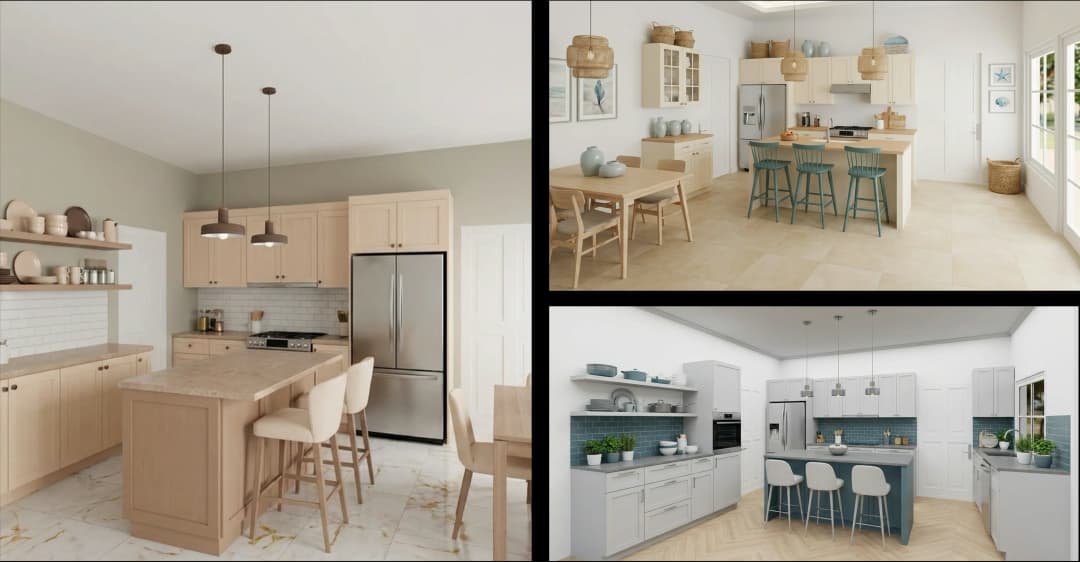
June 19, 2026
Small Design Studios vs Big Firms: The AI Advantage | VirtualSpaces
HHemanth Velury
CEO & Co-Founder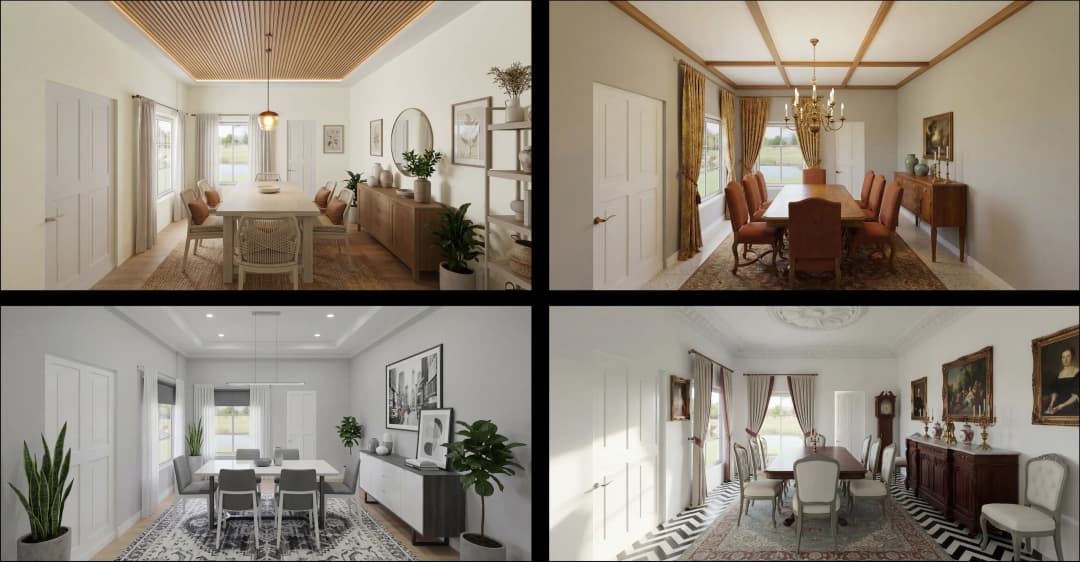
June 17, 2026
After the Mood Board: AI Interior Visualization | VirtualSpaces
HHemanth Velury
CEO & Co-Founder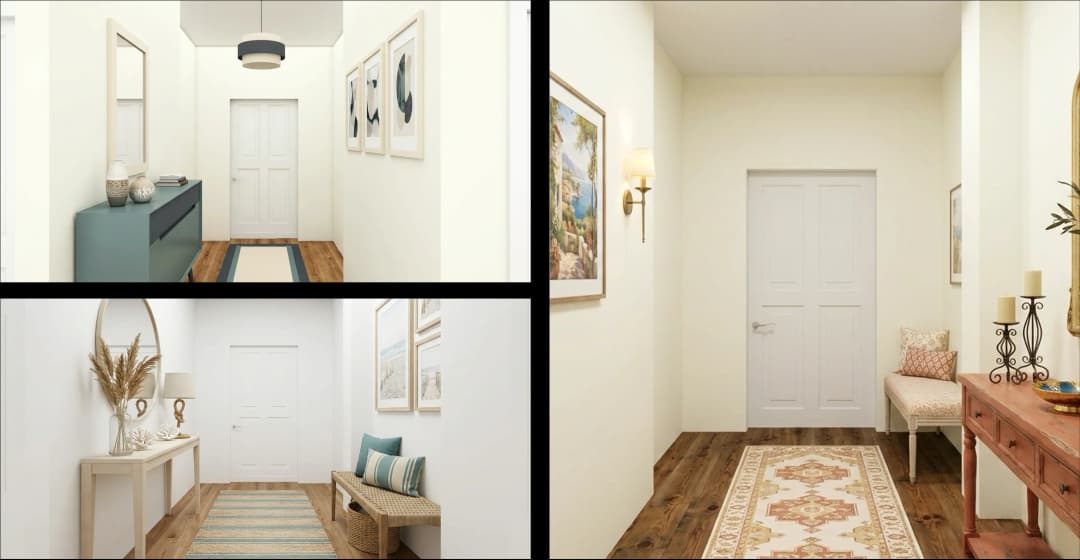
June 15, 2026
Foursite Pro Editor: Full Floor Plan Control for Designers | VirtualSpaces
HHemanth Velury
CEO & Co-Founder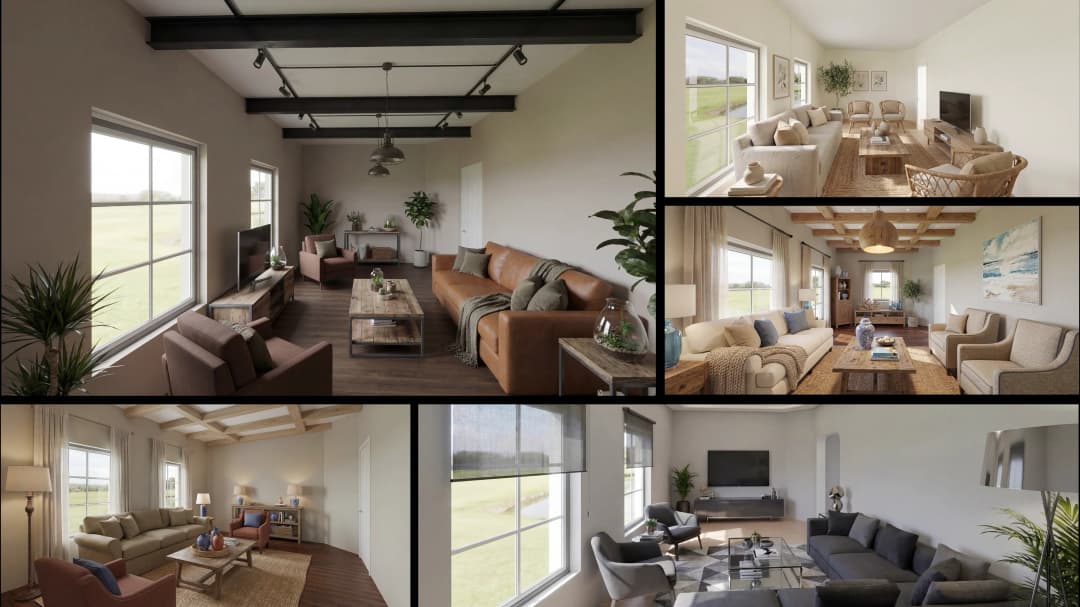
June 12, 2026
AI Interior Design: Style Any Room in Seconds with Foursite | VirtualSpaces
HHemanth Velury
CEO & Co-Founder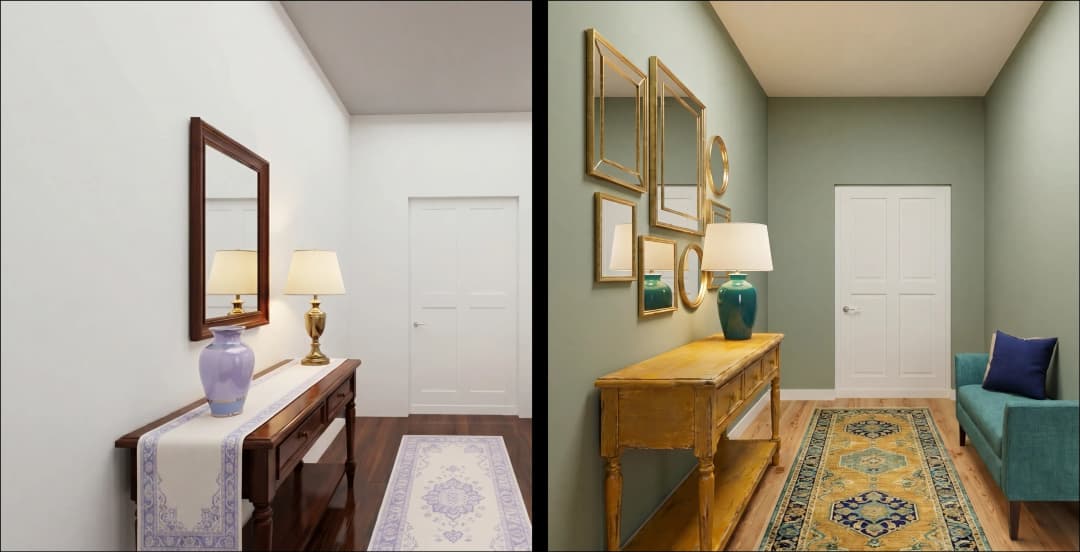
June 10, 2026
Foursite: Floor Plan to 3D Walkthrough in Minutes | VirtualSpaces
HHemanth Velury
CEO & Co-Founder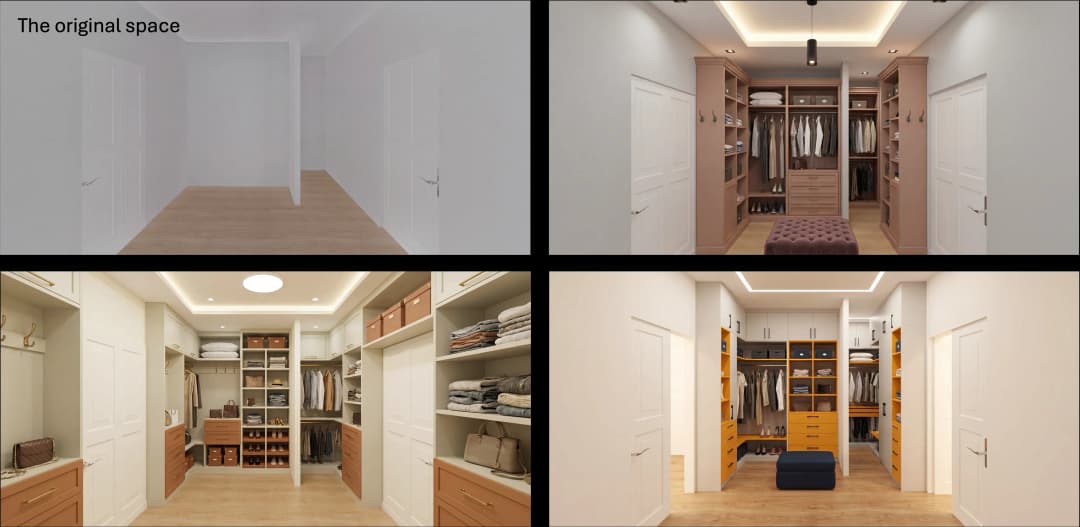
June 08, 2026
Win More Pitches With AI Renders Before the Meeting | VirtualSpaces
HHemanth Velury
CEO & Co-Founder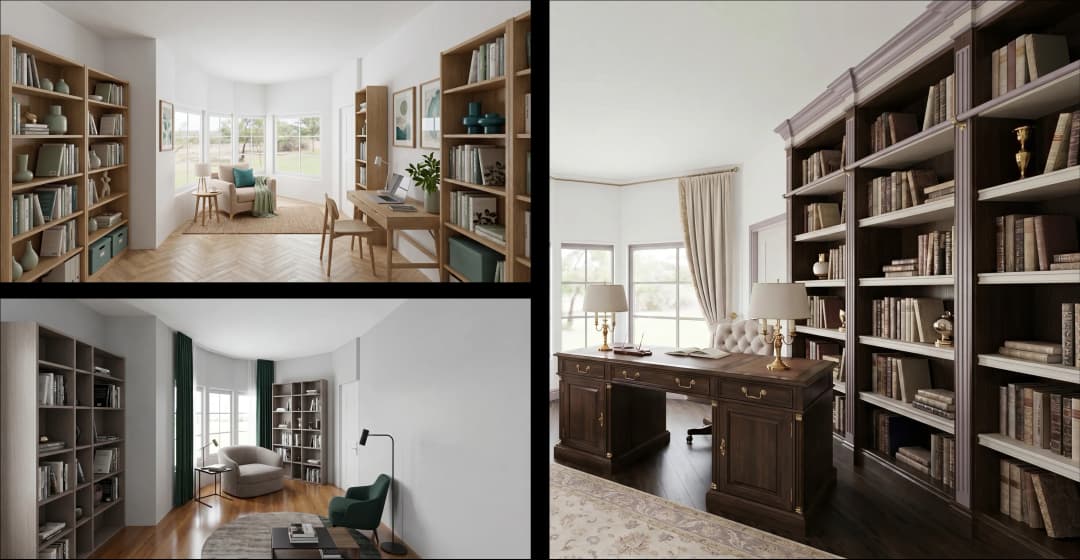
June 05, 2026
From Floor Plan to Finished Room: What AI Now Makes Possible | VirtualSpaces
HHemanth Velury
CEO & Co-Founder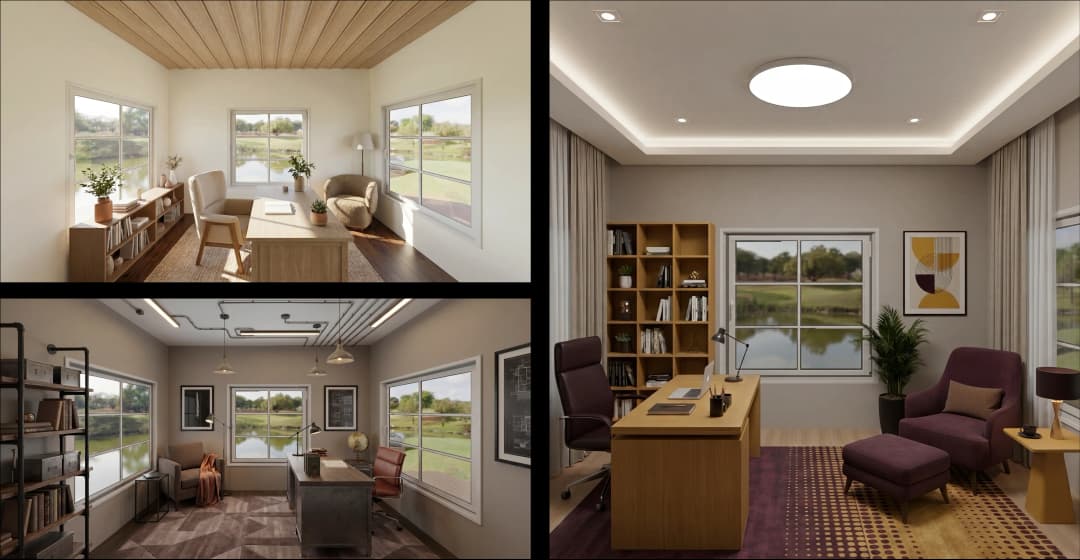
June 03, 2026
The Interior Design Brief Is Broken. AI Fixes It | VirtualSpaces
HHemanth Velury
CEO & Co-Founder
June 01, 2026
Pre-Construction Home Sales: AI Interior Visualization Guide | VirtualSpaces
HHemanth Velury
CEO & Co-Founder
May 30, 2026
Interior Design Principles: Applied with AI | VirtualSpaces
HHemanth Velury
CEO & Co-Founder
May 28, 2026
Designing Spaces for People, Not Blueprints | VirtualSpaces
HHemanth Velury
CEO & Co-Founder
May 26, 2026
The Future of Interior Design: Closing the Visualization Gap with Foursite and Remodroom | VirtualSpaces
HHemanth Velury
CEO & Co-Founder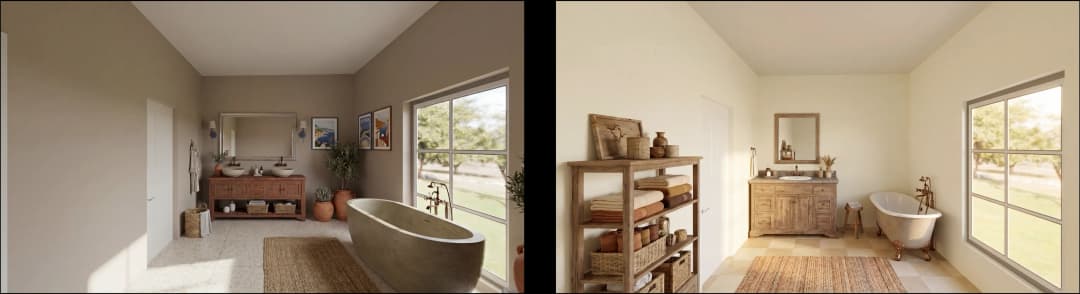
May 18, 2026
How AI Visualization Upgrades Property Data Platforms | VirtualSpaces
HHemanth Velury
CEO & Co-Founder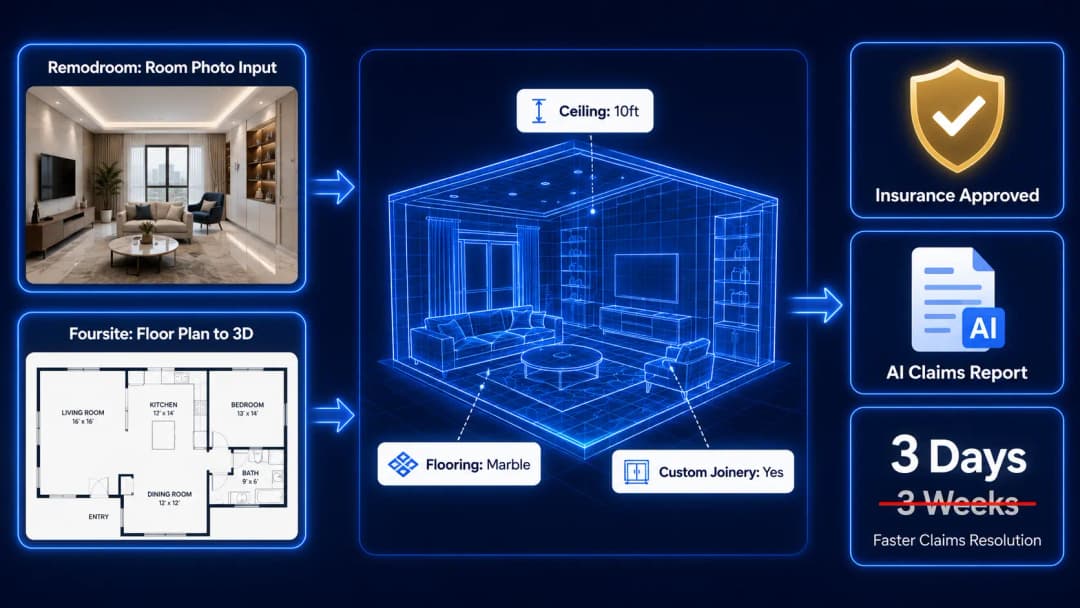
May 14, 2026
How AI-First Insurers Can Use 3D Property Data to Transform Home Claims | VirtualSpaces
HHemanth Velury
CEO & Co-FounderMay 12, 2026
Why Photoreal 3D Renders Are Replacing Mood Boards | Interior Design Client Presentations | VirtualSpaces
HHemanth Velury
CEO & Co-Founder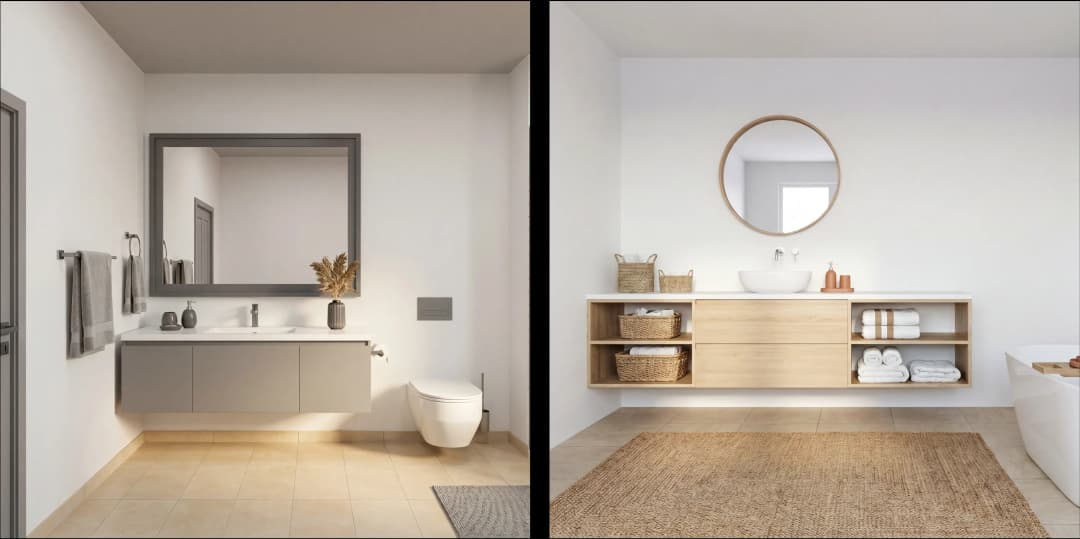
May 08, 2026
From 2D Floor Plans To Living Worlds: The Spec‑Accurate 3D Engine | VirtualSpaces
HHemanth Velury
CEO & Co-Founder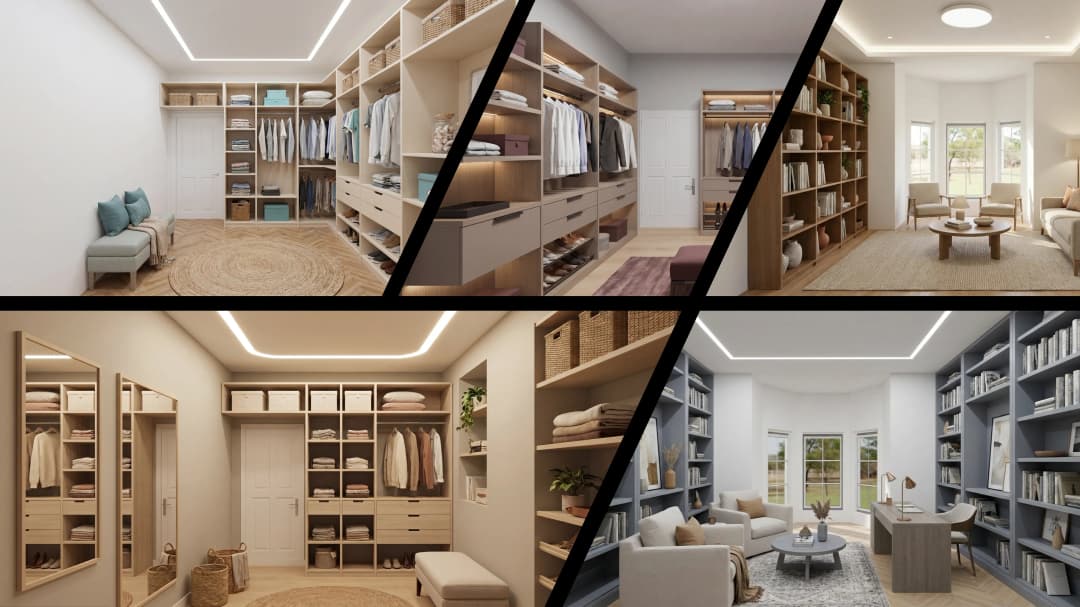
May 06, 2026
Why Furniture Brands Need AI 3D Visualization Now | VirtualSpaces
HHemanth Velury
CEO & Co-Founder
May 4, 2026
How Property Portals Can Turn 2D Floor Plans into 3D Design Decisions | VirtualSpaces
HHemanth Velury
CEO & Co-Founder
April 29, 2026
The Home-Fit Test: Why Square Footage Misleads | VirtualSpaces
HHemanth Velury
CEO & Co-Founder
April 27, 2026
Designing Homes That Sell: 3D Visualization ROI Data | VirtualSpaces
HHemanth Velury
CEO & Co-FounderApril 24, 2026
What's Next: Foursite & Remodroom's New AI Features | VirtualSpaces
HHemanth Velury
CEO & Co-Founder
April 22, 2026
AI in Architecture: Closing the 85% Exposure Gap | VirtualSpaces
HHemanth Velury
CEO & Co-Founder
April 20, 2026
Interior Design Pricing in 2026: From Hourly to Value-Based Fees | VirtualSpaces
HHemanth Velury
CEO & Co-FounderApril 17, 2026
How Foursite and Remodroom Help Designers Win Clients | VirtualSpaces
HHemanth Velury
CEO & Co-Founder
April 15, 2026
Designing Spaces for People: Remodroom + Foursite AI Guide | VirtualSpaces
HHemanth Velury
CEO & Co-Founder
April 13, 2026
Designing for the Way People Actually Live: How AI 3D Is Finally Closing the Gap Between Floor Plan and Reality
HHemanth Velury
CEO & Co-Founder
April 11, 2026
Design in Real Time: AI Renders in Your First Client Meeting
HHemanth Velury
CEO & Co-Founder
April 06, 2026
Why Real Estate Photography Is No Longer Enough: The Shift to Spatial-First Listings
HHemanth Velury
CEO & Co-Founder
April 03, 2026
Property Management's Hidden Weapon: AI 3D Floor Plans That Cut Vacancy Time and Raise Tenant Quality
HHemanth Velury
CEO & Co-Founder
April 01, 2026
Off-Plan and Oversubscribed: How AI 3D Visualization Is Transforming Real Estate Pre-Sales
HHemanth Velury
CEO & Co-Founder
March 30, 2026
Why Foursite Beats Generic AI Tools for Interior Design 3D Visualization
HHemanth Velury
CEO & Co-Founder
March 27, 2026
7 Tenets of Interior Design: How AI Accelerates Harmony in Residential Spaces
HHemanth Velury
CEO & Co-Founder
March 25, 2026
What Is the 3-5-7 Rule in Interior Design? Foursite's AI Guide for Residential Spaces
HHemanth Velury
CEO & Co-Founder
March 23, 2026
What Is the 70/30 Rule in Interior Design? Foursite's AI Guide for Residential Spaces
HHemanth Velury
CEO & Co-Founder
March 20, 2026
How AI 3D Visualization Is Rewriting Residential Interior Design Workflows
HHemanth Velury
CEO & Co-Founder
March 18, 2026
Beyond Marketing: How 3D Floorplans Transform FM, Retrofit Planning & ESG Operations
HHemanth Velury
CEO & Co-Founder
March 16, 2026
Why AI Companies Use Token Payments (And Why VirtualSpaces Is Returning To Fiat)
HHemanth Velury
CEO & Co-Founder
March 13, 2026
Floorplan‑Native Digital Twins: Beyond BIM for Consumer‑Ready Real Estate Experiences
HHemanth Velury
CEO & Co-Founder
March 11, 2026
The Foursite Platform Thesis: Why Floor Plans, Not Photos, Are the Next Property Software Primitive
HHemanth Velury
CEO & Co-Founder
March 09, 2026
Design Systems for Space: Building Reusable 3D Component Libraries on Top of AI Floorplan‑to‑3D Engines
HHemanth Velury
CEO & Co-Founder
March 06, 2026
How to Standardize Design Quality Across Global Projects Using AI Floorplan-to-3D Tools
HHemanth Velury
CEO & Co-Founder
March 04, 2026
From CAD-First to AI-First: Reskilling Your Team for AI-Native Design Workflows
HHemanth Velury
CEO & Co-Founder
March 02, 2026
Algorithmic Ergonomics Meets Photorealistic 3D: Designing Human-Centered Smart Homes with Foursite in 2026
HHemanth Velury
CEO & Co-Founder
February 27, 2026
The Ethics of AI in Interior Design: Ownership, Originality, and Client Transparency
HHemanth Velury
CEO & Co-Founder
February 25, 2026
Designing with Empathy: Using AI 3D Visualization to Improve Client Communication and Emotional Clarity
HHemanth Velury
CEO & Co-Founder
February 23, 2026
From Tool to Infrastructure: AI Floorplan-to-3D and the Next Wave of PropTech
HHemanth Velury
CEO & Co-Founder
February 20, 2026
AI Interior Design for Holiday Homes: Turn Spare Flats into High-Demand Short-Stay Rentals with 3D Visuals
HHemanth Velury
CEO & Co-Founder
February 18, 2026
The Pre‑Purchase Power Play: How Savvy Home Buyers Use 3D Floor Plan Visualization to Negotiate Better Deals
HHemanth Velury
CEO & Co-FounderFebruary 16, 2026
AI Interior Design for Non‑Designers: How Homeowners Can Brief Like Pros
HHemanth Velury
CEO & Co-Founder
February 13, 2026
Scaling a Design Business Without Hiring a 3D Team: An Owner's Guide
HHemanth Velury
CEO & Co-Founder
February 11, 2026
From Bland to Bold: How to Rescue Builder-Grade Interiors on Any Budget
HHemanth Velury
CEO & Co-Founder
February 4, 2026
The Future of Interior Design Visualization: How AI Technology is Transforming 2D Concepts Into 3D Reality
HHemanth Velury
CEO & Co-Founder
February 2, 2026
AI Interior Décor: How Artificial Intelligence Generates Design Options from Your Floor Plan
HHemanth Velury
CEO & Co-Founder
January 30, 2026
Photoreal vs. Reality: What Clients Actually Expect from Interior Design Visualization
HHemanth Velury
CEO & Co-Founder
January 28, 2026
The Design Approval Conversation That Changes Everything: Communication Strategy When Using Photorealistic Visualization
HHemanth Velury
CEO & Co-Founder
January 25, 2026
Interior Design as Experience Design: How 3D Visualization Changes Your Professional Identity
HHemanth Velury
CEO & Co-Founder
January 23, 2026
The Professional Gap: How 3D Visualization Changes Interior Design Client Perception
HHemanth Velury
CEO & Co-Founder
January 21, 2026
Why Clients Fire Designers (And How 3D Visualization Could Have Saved the Project)
HHemanth Velury
CEO & Co-Founder
January 16, 2026
Blueprint to Vision: Why Seeing Is Believing in Interior Design
HHemanth Velury
CEO & Co-Founder
January 14, 2026
The Speed of Responsiveness: How AI Visualization Tools Make You Look Like You Care More
HHemanth Velury
CEO & Co-Founder
January 12, 2026
Why Interior Designers and Architects Can't Compete Without AI 3D Visualization Tools
HHemanth Velury
CEO & Co-Founder
January 07, 2026
From "Saved" to "Sold": How Homeowners Are Planning Renovations with AI
HHemanth Velury
CEO & Co-Founder
January 05, 2026
The Interior Designer's Secret Weapon: Speed as Premium Positioning
HHemanth Velury
CEO & Co-Founder
December 31, 2025
Gratitude, Growth & Game-Changing Innovation: VirtualSpaces' 2025 Journey & What's Coming in 2026
HHemanth Velury
CEO & Co-Founder
December 29, 2025
Why Interior Designers Are Switching to AI Floor Plan-to-3D Tools in 2026
HHemanth Velury
CEO & Co-Founder
December 26, 2025
AI Virtual Staging for Real Estate Agents: Sell More Homes Faster with Foursite
HHemanth Velury
CEO & Co-Founder
December 24, 2025
Why Architects Are Switching to AI 2D-to-3D: The SketchUp Alternative
HHemanth Velury
CEO & Co-Founder
December 22, 2025
Cut 3 Weeks from Real Estate Sales Cycle: The ROI of AI 2D to 3D Visualization
HHemanth Velury
CEO & Co-Founder
December 19, 2025
2D Floor Plans Are Dying: Why 3D Visualization & AI Virtual Staging Are the Future
HHemanth Velury
CEO & Co-Founder
December 17, 2025
Virtual Staging vs Physical Staging: How AI Saves Money Per Property
HHemanth Velury
CEO & Co-Founder
December 15, 2025
AI Floor Plan to Image: Revolutionizing Real Estate Marketing for Agents
HHemanth Velury
CEO & Co-Founder
December 12, 2025
Color of the Year 2026: Cloud Dancer | VirtualSpaces AI Interior Design Guide
HHemanth Velury
CEO & Co-Founder
December 10, 2025
AI Floor Plan to 3D: The New Standard for Interior Design Workflows
HHemanth Velury
CEO & Co-Founder
December 08, 2025
How Interior Design Studios Can Operationalize AI 2D-to-3D Workflows (Without Breaking Their Process)
HHemanth Velury
CEO & Co-Founder
December 06, 2025
How to Implement AI Interior Design Workflows in Your Studio
HHemanth Velury
CEO & Co-Founder
December 4, 2025
How Homeowners Can Use AI Interior Design Tools to Plan Renovations with Confidence
HHemanth Velury
CEO & Co-Founder
November 28, 2025
Interior Designers in the Age of AI: From Threat Narrative to Superpower
HHemanth Velury
CEO & Co-Founder
November 21, 2025
Foursite Launch: Embracing 'Release Early, Release Often'
HHemanth Velury
CEO & Co-Founder
November 13, 2025
Foursite by VirtSpaces: Empowering Interior Designers, Architects, and Homeowners
HHemanth Velury
CEO & Co-Founder
November 7, 2025
Reimagining Architectural Education: How AI Floorplan-to-3D Technology Can Transform Design Learning
VVirtualSpaces Research Labs
AI Research Initiative
October 27, 2025
Archisculpt AI: Turning Architectural Drawings into Photorealistic 3D Spaces
AAbhijeet Naik
Co-Founder & CTO
October 13, 2025
Home Makeover: From Floor Plan to Dream Space with AI
HHemanth Velury
CEO & Co-Founder
October 6, 2025
Real-Time Rendering & AI: Revolutionizing Interactive Property Walkthroughs with VirtSpaces
HHemanth Velury
CEO & Co-Founder
September 26, 2025
Foursite - A True AI-Native Experience in Design Visualization
AAbhijeet Naik
CTO & Co-Founder
September 18, 2025
Why PropTech Startups Are Betting on AI Interior Design
HHemanth Velury
CEO & Co-Founder
September 11, 2025
How AI Differs from Traditional 3D Rendering Software
HHemanth Velury
CEO & Co-Founder
September 2, 2025
From Client to Investor: How Nila Spaces and VirtSpaces Are Redefining Proptech with AI
HHemanth Velury
CEO & Co-Founder
August 25, 2025
VirtSpaces From Virtual Reality to AI – Transforming Real Estate Visualization.
HHemanth Velury
CEO & Co-Founder


We help teams collaborate seamlessly and reduce costs. Virtual Spaces offers cutting-edge technology with flexible plans designed to fit modern teams.
Copyright © VirtSpaces Pvt. Ltd. 2025 All Rights Reserved.
CIN: U74999KA2016PTC094921