
March 02, 2026
- Interior Design
- AI Technology
- Real Estate
Algorithmic Ergonomics Meets Photorealistic 3D: Designing Human-Centered Smart Homes with Foursite in 2026
Hemanth Velury
CEO & Co-FounderAlgorithmic Ergonomics Meets Photorealistic 3D: Designing Human-Centered Smart Homes with Foursite in 2026
If you are an interior designer, 2026 is the year where two powerful forces finally meet in a way you can feel in your day-to-day practice: algorithmic ergonomics and photorealistic 3D visualization.
On one side, you have a new level of intelligence that understands how people really live, move, and feel inside a home. On the other, you have rich, lifelike interior design photoreal renders that look and behave like a finished space. When these come together in platforms like Foursite, you get exactly what interior designers have been asking for: speed and true creative differentiation, without sacrificing the human soul of a project.
This is not about turning you into a "prompt engineer" or a technician. It is about giving you a partner that understands 2D to 3D, blueprint to 3D, and floor plan to 3D in a way that respects your aesthetic eye and your client's lifestyle.
What "Algorithmic Ergonomics" Really Means for Interior Designers
Ergonomics in interior design has always been there: the way a sofa faces light, the distance between cooktop and sink, the height of a reading lamp, the corridor widths that feel comfortable rather than cramped. Algorithmic ergonomics simply means encoding those instincts and rules into intelligent systems that can augment your judgment, such as:
- Layout suggestions that respect circulation, sightlines, and comfort
- Furniture placements that account for human scale, not just geometry
- Smart home features woven into the plan in a natural, invisible way
You still lead the creative choices, but you are no longer wrestling with a blank 2D drawing for hours before you see if a layout "feels right." Instead, algorithms propose starting points that already make ergonomic sense, so you can immediately fine-tune for style, atmosphere, and brand.
This is where AI visualization and AI interior design stop being buzzwords and become a practical layer of intelligence that sits gently beneath your process, not on top of it.
From Blueprints and Floor Plans to Photoreal 3D -- at the Speed of Conversation
For most interior designers, the biggest friction is still the jump from a static plan to something clients can truly understand. In 2026, that translation, from 2D floor plans and blueprints into immersive, believable 3D, is exactly where Foursite is engineered to shine.
Think of it as a "blueprint to 3D" and "floor plan to 3D" partner that:
- Reads your 2D floor plans and floor plans directly
- Intelligently interprets walls, doors, windows, zones, and functions
- Helps you convert floor plan to 3D or convert blueprint to 3D with minimal friction
- Automatically sets up a base layout that you can refine visually instead of redrafting
The benefit is not just automation; it is speed without compromise. You move from a flat drawing to a believable 3D shell in minutes instead of days, which lets you spend your time on higher-order thinking: how this family winds down in the evening, where the morning light should land, how technology should feel invisible but present.
This is where AI 3D visualization and 3D visualization work for you, not the other way around.
Virtual Staging as a Differentiator, Not a Last-Minute Add-On
In real estate, Virtual Staging and AI virtual staging first appeared as a marketing trick, dress up an empty listing to drive clicks. But when you bring that capability into the hands of an interior designer working with Foursite, it becomes something much more powerful: a design differentiation engine.
Imagine this shift:
- Instead of generic staging sets, you define your signature palettes, furniture typologies, and styling language.
- Instead of one layout option, you show clients contrasting concepts: minimalist vs. cozy, tech-forward vs. biophilic, without doubling your production time.
- Instead of rushing to "pretty renders" at the end, virtual staging becomes an integral step in exploring, testing, and refining narrative direction early in the process.
With Foursite, AI virtual staging becomes a way to rapidly test your ideas in full fidelity. The speed is not just about producing more images; it is about seeing more meaningfully different versions of the same space, all grounded in ergonomic logic and realistic smart home behavior.
Your creative language becomes both faster to express and harder for others to imitate.
AI Interior Design Without Losing Your Signature
There is a common anxiety in the industry: "If AI can do interiors, will all spaces start to look the same?" For designers using Foursite thoughtfully, the answer can be the exact opposite.
Here is why:
-
AI interior design as a sketch partner: You can use AI to throw out dozens of layout and style sketches, knowing that the underlying algorithm respects basic ergonomic constraints. This is not about accepting its first suggestion; it is about using AI to widen your exploration field.
-
AI interior décor as a style amplifier: With AI interior décor and AI interior decor, you can quickly layer in accessories, textiles, art, and lighting treatments that reflect your client's story. You can nudge the system toward your established visual language, your "signature" and then refine.
-
AI visualization for narrative, not just aesthetics: Photorealism by itself is no longer a differentiator; everyone can generate a pretty picture. The real advantage lies in how your AI visualization is tuned to tell a story: a kid's play corner that adapts as they grow, a kitchen that supports serious cooking and casual hosting, a home office that truly respects posture and lighting.
-
AI 3D visualization that understands smart home behavior: In a smart home, design is not just about where objects sit but how systems respond. Although you are not writing automation scripts, your 3D scenes can express that logic: motion-sensing pathways, daylight-linked shades, acoustically thoughtful zones. Foursite is built to stage these ideas visually, so that the "smart" part of smart homes is emotionally legible.
In a world where many will use AI superficially, interior designers who learn to steer AI, rather than just ask it for results will stand out clearly.
Speed as a Creative Constraint You Can Finally Embrace
Most designers already work under intense time pressure. The paradox is that creativity thrives when you have time to play, yet deadlines are real. Foursite's approach to 2D to 3D, blueprint to 3D, and floor plan to 3D is about collapsing the slow, mechanical parts so you can protect your creative energy.
Here is how that changes the way you work:
- You can move from a first client conversation to interior design 3D visualization in a single day, which builds trust quickly.
- You can show three or four genuinely different spatial and styling directions, not just variations of one safe layout.
- You can refine micro-details: trim profiles, textiles, hardware, lighting temperatures, directly inside photoreal 3D, without waiting for a new round of manual rendering.
This is where interior design renders and interior design photoreal renders become less about end-of-project deliverables and more about live thinking tools.
Speed stops being a threat to quality and becomes a guardrail for better ideas: you are forced to iterate fast, which naturally surfaces bolder, clearer design directions.
Differentiation: Designing Smart Homes That Actually Feel Human
If every designer has access to similar technologies, how do you stand out? The answer is not in having access to AI itself, but in how you use it to embed empathy and specificity into smart homes.
Foursite is designed around this idea of human-centered differentiation:
-
Contextual ergonomics: Algorithmic ergonomics can factor in scenarios you know intuitively: a client who works late and moves around the home at night, aging parents living with grown children, neurodivergent family members who need calmer sensory environments. When you express these needs to the system, it helps translate them into spatial patterns you might not have time to test manually.
-
Lighting, acoustics, and micro-climate visualized: Smart homes are often sold as bundles of devices. For designers, they are actually dynamic environments. With AI 3D visualization, you can explore how a space looks and feels at different times of day, under different lighting scenes, or with variable openness between rooms. This is not technical configuration; it is tangible atmosphere.
-
Digital twin as a design narrative: A photoreal 3D model is more than a pretty image; it is a digital twin that can express how spaces change throughout the day. You can use Foursite to tell the story of a typical weekday or weekend in your project: where the kids drop their bags, where the dog sleeps, how the kitchen morphs from "workstation" to "wine bar." This narrative depth is almost impossible to convey with 2D alone.
In this sense, VirtualSpaces and similar ecosystems become the canvas and distribution layer, but it is your design intelligence, amplified by Foursite, that makes a home memorable and deeply livable.
Why Photorealistic 3D Matters More in Smart Homes Than Anywhere Else
Photoreal renders have been around for years. What changes in 2026 is how tightly they are tied to behavior in a smart home.
With Foursite, interior design photoreal renders are not just polished stills:
- They help clients immediately understand invisible systems: sensors, speakers, hidden screens, integrated lighting because they see how these elements sit within a beautiful, coherent scene.
- They give you a way to test whether an automation concept feels intuitive or intrusive long before anything is installed.
- They provide an anchor for all stakeholders, architects, technologists, contractors, and clients to align around the same spatial vision.
Because Foursite accelerates the path from 2D to 3D and tightens the loop between floor plans and the final 3D outcome, you can afford to treat photoreal 3D as a live design environment, not a final step.
This is the heart of AI visualization in 2026: it is not merely a lens; it is a playground for testing how smart a smart home really feels.
The Role of VirtualSpaces and Foursite in the 2026 Design Ecosystem
As digital platforms mature, designers increasingly work within ecosystems rather than standalone tools. VirtualSpaces represents one side of that ecosystem: a broader environment where spaces are viewed, shared, and experienced. Foursite sits at the design front line, where those spaces are conceived, refined, and brought into being.
For interior designers, this ecosystem offers:
- A clear path from 2D floor plans and blueprints into compelling 3D models that live within a wider virtual context.
- A bridge between AI interior design, AI interior décor, and AI 3D visualization, grounded in ergonomic intelligence instead of generic templates.
- A way to ensure that what clients see in virtual form aligns closely with what they will eventually feel in real life.
When your work is viewed across multiple platforms, your main competitive edge is still your point of view. Foursite's job is to help you express that point of view faster, in higher fidelity, and in more human-centered ways.
Designing Smart Homes for Real People, Not Ideal Users
Algorithmic systems love averages. Interior designers, however, work with real people and real people are anything but average.
The promise of algorithmic ergonomics in Foursite is not that it optimizes for a generic "user," but that it provides a starting intelligence you can customize for actual lives:
- The young couple sharing a compact city apartment, needing multifunctional spaces for work, rest, and hosting.
- The extended family with layers of privacy and togetherness, where grandparents, parents, and kids all share the same smart ecosystem.
- The client who values privacy and security above all else, needing technology that disappears into the background rather than flashing its presence.
In each case, your ability to convert floor plan to 3D or convert blueprint to 3D with Foursite gives you a living model where you can embed these nuances and test them visually with your clients. You are not trying to convince them with abstract arguments; you are showing them how their home will understand and support them.
A Thought-Leadership Mindset for Designers in 2026
If you want to be seen as a thought leader in this new landscape, technology is necessary but not sufficient. The real thought leadership lies in how you talk about and demonstrate the intersection of human life, smart systems, and space.
Using a platform like Foursite, you can:
- Lead conversations about algorithmic ergonomics and what it means for families, not just gadgets.
- Educate clients on why 3D visualization and AI 3D visualization are not gimmicks but essential tools for de-risking smart home decisions.
- Publish and present work that showcases how you transformed simple 2D floor plans into richly layered, responsive environments using interior design 3D visualization.
- Articulate a clear stance on how AI interior design and AI virtual staging should be used ethically and creatively in the service of better living.
In other words, thought leadership grows from your ideas plus your ability to show those ideas clearly and quickly. Foursite is the amplifier that makes both possible at a new level.
Looking Ahead: The Designer's Role in an AI-Accelerated Future
As AI tools become more capable, one thing becomes clearer: the role of the interior designer does not shrink; it expands.
In 2026 and beyond, designers who embrace algorithmic ergonomics, photorealistic 3D, and AI visualization through platforms like Foursite will:
- Spend less time on mechanical drafting and more time on storytelling and human insight.
- Use Virtual Staging, AI virtual staging, and interior design renders to push speculative ideas that clients would never have approved based on 2D plans alone.
- Treat 3D visualization and interior design photoreal renders as living spaces to be tuned, not static images to be admired.
- Lead the conversation about what a truly human-centered smart home should feel like: calm, intuitive, adaptive, and deeply personal.
The tools are ready. The ecosystems around VirtualSpaces and Foursite are maturing. The next move belongs to interior designers who are ready to claim speed plus differentiation not as a threat, but as the ultimate creative advantage.
If you are one of those designers, 2026 is not the year you are replaced by AI. It is the year you finally get the design partner you have always needed: fast, visual, and deeply attuned to how real people live.
Recommended for you

August 19, 2026
The End of the Model Home? 3D Changes the Math | VirtualSpaces
HHemanth Velury
CEO & Co-Founder
August 17, 2026
Designing Spaces That Actually Get Built | VirtualSpaces
HHemanth Velury
CEO & Co-Founder
August 12, 2026
Designing Homes for the Stuff People Actually Own | VirtualSpaces
HHemanth Velury
CEO & Co-Founder
August 07, 2026
Floor Plan to Bill of Materials: The 3D Model as Data | VirtualSpaces
HHemanth Velury
CEO & Co-Founder.png&w=1080&q=75)
August 05, 2026
Designing Homes for How People Actually Live | VirtualSpaces
HHemanth Velury
CEO & Co-Founder
August 03, 2026
Honest by Design: Trust in AI Real Estate Imagery | VirtualSpaces
HHemanth Velury
CEO & Co-Founder
July 29, 2026
Kitchen and Bath: The Two Rooms That Decide Resale | VirtualSpaces
HHemanth Velury
CEO & Co-Founder
July 27, 2026
Why Empty Rooms Don't Sell: Virtual Staging | VirtualSpaces
HHemanth Velury
CEO & Co-Founder
July 24, 2026
The Quiet Sustainability Win of Deciding in 3D | VirtualSpaces
HHemanth Velury
CEO & Co-Founder
July 22, 2026
Why Paint Swatches Lie: Test Color in 3D First | VirtualSpaces
HHemanth Velury
CEO & Co-Founder
July 20, 2026
Why Every Home Should Be Seen Before It's Built | VirtualSpaces
HHemanth Velury
CEO & Co-Founder
July 17, 2026
Why Big AI Labs Won't Build Floor Plan to 3D | VirtualSpaces
HHemanth Velury
CEO & Co-Founder
July 15, 2026
How We Solve Floor Plan to 3D, Accurately | VirtualSpaces
HHemanth Velury
CEO & Co-Founder
July 13, 2026
Designing Homes That Age With the People in Them | VirtualSpaces
HHemanth Velury
CEO & Co-Founder
July 10, 2026
Designing Spaces for How Light Actually Moves | VirtualSpaces
HHemanth Velury
CEO & Co-Founder
July 08, 2026
Designing Homes for Every Life Stage in 3D | VirtualSpaces
HHemanth Velury
CEO & Co-Founder
July 06, 2026
Build an Interior Design Portfolio Without Clients | VirtualSpaces
HHemanth Velury
CEO & Co-Founder
June 26, 2026
AI Interior Design: Full 3D Workflow in One Platform | VirtualSpaces
HHemanth Velury
CEO & Co-Founder
June 24, 2026
Scope Creep in Interior Design: How AI Visualization Fixes It | VirtualSpaces
HHemanth Velury
CEO & Co-Founder
June 22, 2026
What Buyers See on a Floor Plan: Your Biggest Sales Problem | VirtualSpaces
HHemanth Velury
CEO & Co-Founder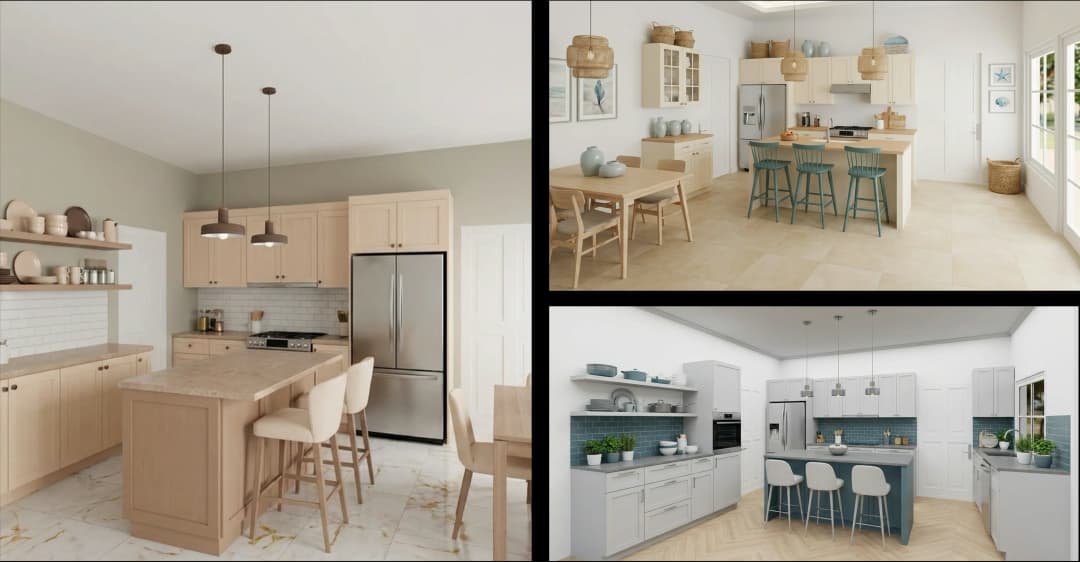
June 19, 2026
Small Design Studios vs Big Firms: The AI Advantage | VirtualSpaces
HHemanth Velury
CEO & Co-Founder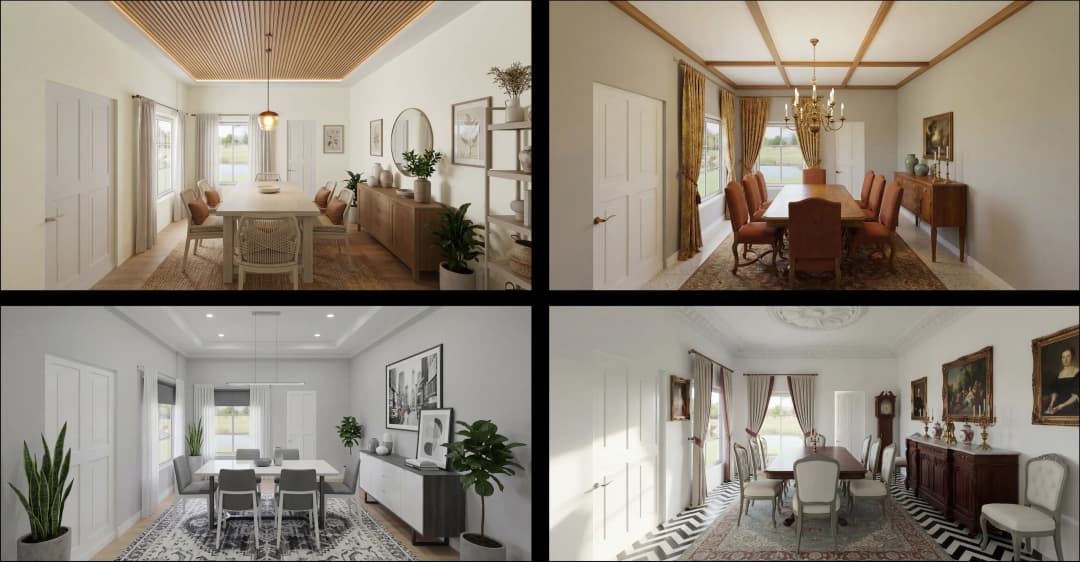
June 17, 2026
After the Mood Board: AI Interior Visualization | VirtualSpaces
HHemanth Velury
CEO & Co-Founder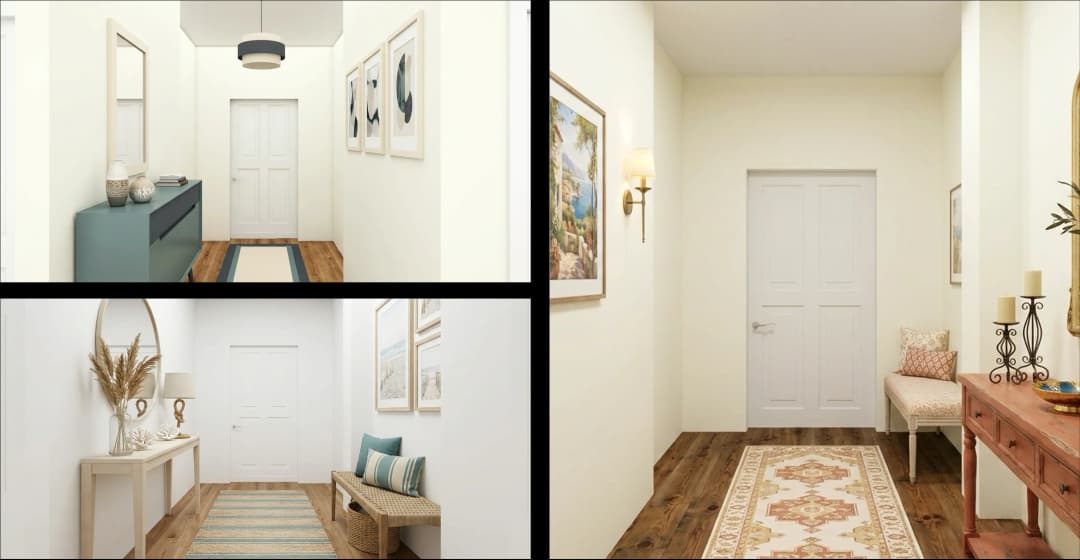
June 15, 2026
Foursite Pro Editor: Full Floor Plan Control for Designers | VirtualSpaces
HHemanth Velury
CEO & Co-Founder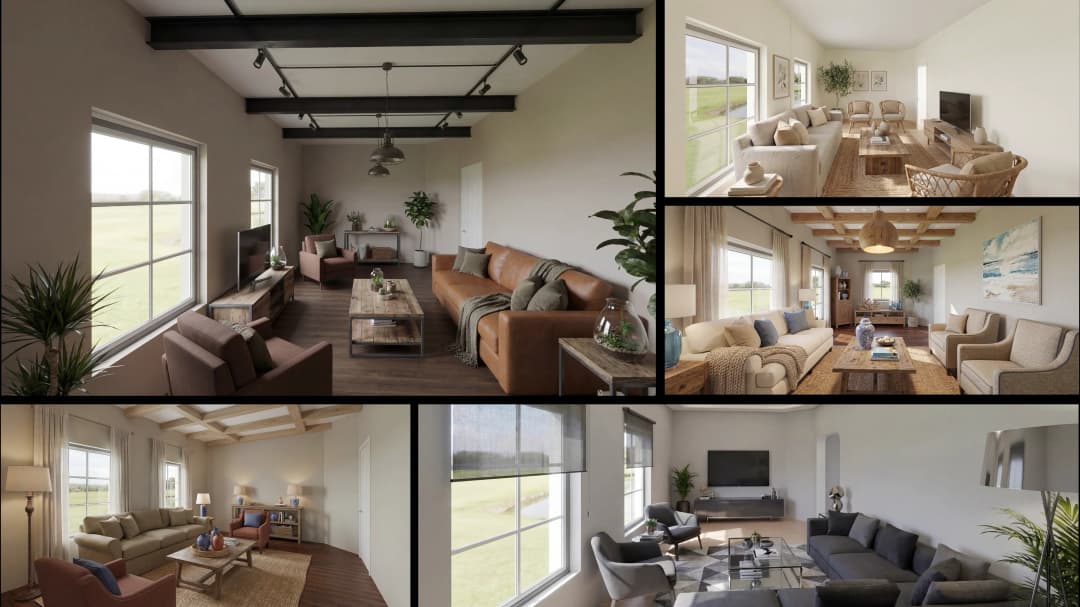
June 12, 2026
AI Interior Design: Style Any Room in Seconds with Foursite | VirtualSpaces
HHemanth Velury
CEO & Co-Founder
June 10, 2026
Foursite: Floor Plan to 3D Walkthrough in Minutes | VirtualSpaces
HHemanth Velury
CEO & Co-Founder
June 08, 2026
Win More Pitches With AI Renders Before the Meeting | VirtualSpaces
HHemanth Velury
CEO & Co-Founder
June 05, 2026
From Floor Plan to Finished Room: What AI Now Makes Possible | VirtualSpaces
HHemanth Velury
CEO & Co-Founder
June 03, 2026
The Interior Design Brief Is Broken. AI Fixes It | VirtualSpaces
HHemanth Velury
CEO & Co-Founder
June 01, 2026
Pre-Construction Home Sales: AI Interior Visualization Guide | VirtualSpaces
HHemanth Velury
CEO & Co-Founder
May 30, 2026
Interior Design Principles: Applied with AI | VirtualSpaces
HHemanth Velury
CEO & Co-Founder
May 28, 2026
Designing Spaces for People, Not Blueprints | VirtualSpaces
HHemanth Velury
CEO & Co-Founder
May 26, 2026
The Future of Interior Design: Closing the Visualization Gap with Foursite and Remodroom | VirtualSpaces
HHemanth Velury
CEO & Co-Founder
May 18, 2026
How AI Visualization Upgrades Property Data Platforms | VirtualSpaces
HHemanth Velury
CEO & Co-Founder
May 14, 2026
How AI-First Insurers Can Use 3D Property Data to Transform Home Claims | VirtualSpaces
HHemanth Velury
CEO & Co-FounderMay 12, 2026
Why Photoreal 3D Renders Are Replacing Mood Boards | Interior Design Client Presentations | VirtualSpaces
HHemanth Velury
CEO & Co-Founder
May 08, 2026
From 2D Floor Plans To Living Worlds: The Spec‑Accurate 3D Engine | VirtualSpaces
HHemanth Velury
CEO & Co-Founder
May 06, 2026
Why Furniture Brands Need AI 3D Visualization Now | VirtualSpaces
HHemanth Velury
CEO & Co-Founder
May 4, 2026
How Property Portals Can Turn 2D Floor Plans into 3D Design Decisions | VirtualSpaces
HHemanth Velury
CEO & Co-Founder
April 29, 2026
The Home-Fit Test: Why Square Footage Misleads | VirtualSpaces
HHemanth Velury
CEO & Co-Founder
April 27, 2026
Designing Homes That Sell: 3D Visualization ROI Data | VirtualSpaces
HHemanth Velury
CEO & Co-FounderApril 24, 2026
What's Next: Foursite & Remodroom's New AI Features | VirtualSpaces
HHemanth Velury
CEO & Co-Founder
April 22, 2026
AI in Architecture: Closing the 85% Exposure Gap | VirtualSpaces
HHemanth Velury
CEO & Co-Founder
April 20, 2026
Interior Design Pricing in 2026: From Hourly to Value-Based Fees | VirtualSpaces
HHemanth Velury
CEO & Co-FounderApril 17, 2026
How Foursite and Remodroom Help Designers Win Clients | VirtualSpaces
HHemanth Velury
CEO & Co-Founder
April 15, 2026
Designing Spaces for People: Remodroom + Foursite AI Guide | VirtualSpaces
HHemanth Velury
CEO & Co-Founder
April 13, 2026
Designing for the Way People Actually Live: How AI 3D Is Finally Closing the Gap Between Floor Plan and Reality
HHemanth Velury
CEO & Co-Founder
April 11, 2026
Design in Real Time: AI Renders in Your First Client Meeting
HHemanth Velury
CEO & Co-Founder
April 06, 2026
Why Real Estate Photography Is No Longer Enough: The Shift to Spatial-First Listings
HHemanth Velury
CEO & Co-Founder
April 03, 2026
Property Management's Hidden Weapon: AI 3D Floor Plans That Cut Vacancy Time and Raise Tenant Quality
HHemanth Velury
CEO & Co-Founder
April 01, 2026
Off-Plan and Oversubscribed: How AI 3D Visualization Is Transforming Real Estate Pre-Sales
HHemanth Velury
CEO & Co-Founder
March 30, 2026
Why Foursite Beats Generic AI Tools for Interior Design 3D Visualization
HHemanth Velury
CEO & Co-Founder
March 27, 2026
7 Tenets of Interior Design: How AI Accelerates Harmony in Residential Spaces
HHemanth Velury
CEO & Co-Founder
March 25, 2026
What Is the 3-5-7 Rule in Interior Design? Foursite's AI Guide for Residential Spaces
HHemanth Velury
CEO & Co-Founder
March 23, 2026
What Is the 70/30 Rule in Interior Design? Foursite's AI Guide for Residential Spaces
HHemanth Velury
CEO & Co-Founder
March 20, 2026
How AI 3D Visualization Is Rewriting Residential Interior Design Workflows
HHemanth Velury
CEO & Co-Founder
March 18, 2026
Beyond Marketing: How 3D Floorplans Transform FM, Retrofit Planning & ESG Operations
HHemanth Velury
CEO & Co-Founder
March 16, 2026
Why AI Companies Use Token Payments (And Why VirtualSpaces Is Returning To Fiat)
HHemanth Velury
CEO & Co-Founder
March 13, 2026
Floorplan‑Native Digital Twins: Beyond BIM for Consumer‑Ready Real Estate Experiences
HHemanth Velury
CEO & Co-Founder
March 11, 2026
The Foursite Platform Thesis: Why Floor Plans, Not Photos, Are the Next Property Software Primitive
HHemanth Velury
CEO & Co-Founder
March 09, 2026
Design Systems for Space: Building Reusable 3D Component Libraries on Top of AI Floorplan‑to‑3D Engines
HHemanth Velury
CEO & Co-Founder
March 06, 2026
How to Standardize Design Quality Across Global Projects Using AI Floorplan-to-3D Tools
HHemanth Velury
CEO & Co-Founder
March 04, 2026
From CAD-First to AI-First: Reskilling Your Team for AI-Native Design Workflows
HHemanth Velury
CEO & Co-Founder
February 27, 2026
The Ethics of AI in Interior Design: Ownership, Originality, and Client Transparency
HHemanth Velury
CEO & Co-Founder
February 25, 2026
Designing with Empathy: Using AI 3D Visualization to Improve Client Communication and Emotional Clarity
HHemanth Velury
CEO & Co-Founder
February 23, 2026
From Tool to Infrastructure: AI Floorplan-to-3D and the Next Wave of PropTech
HHemanth Velury
CEO & Co-Founder
February 20, 2026
AI Interior Design for Holiday Homes: Turn Spare Flats into High-Demand Short-Stay Rentals with 3D Visuals
HHemanth Velury
CEO & Co-Founder
February 18, 2026
The Pre‑Purchase Power Play: How Savvy Home Buyers Use 3D Floor Plan Visualization to Negotiate Better Deals
HHemanth Velury
CEO & Co-FounderFebruary 16, 2026
AI Interior Design for Non‑Designers: How Homeowners Can Brief Like Pros
HHemanth Velury
CEO & Co-Founder
February 13, 2026
Scaling a Design Business Without Hiring a 3D Team: An Owner's Guide
HHemanth Velury
CEO & Co-Founder
February 11, 2026
From Bland to Bold: How to Rescue Builder-Grade Interiors on Any Budget
HHemanth Velury
CEO & Co-Founder
February 6, 2026
The Psychology of Space: How Room Dimensions Influence Interior Design Decisions
HHemanth Velury
CEO & Co-Founder
February 4, 2026
The Future of Interior Design Visualization: How AI Technology is Transforming 2D Concepts Into 3D Reality
HHemanth Velury
CEO & Co-Founder
February 2, 2026
AI Interior Décor: How Artificial Intelligence Generates Design Options from Your Floor Plan
HHemanth Velury
CEO & Co-Founder
January 30, 2026
Photoreal vs. Reality: What Clients Actually Expect from Interior Design Visualization
HHemanth Velury
CEO & Co-Founder
January 28, 2026
The Design Approval Conversation That Changes Everything: Communication Strategy When Using Photorealistic Visualization
HHemanth Velury
CEO & Co-Founder
January 25, 2026
Interior Design as Experience Design: How 3D Visualization Changes Your Professional Identity
HHemanth Velury
CEO & Co-Founder
January 23, 2026
The Professional Gap: How 3D Visualization Changes Interior Design Client Perception
HHemanth Velury
CEO & Co-Founder
January 21, 2026
Why Clients Fire Designers (And How 3D Visualization Could Have Saved the Project)
HHemanth Velury
CEO & Co-Founder
January 16, 2026
Blueprint to Vision: Why Seeing Is Believing in Interior Design
HHemanth Velury
CEO & Co-Founder
January 14, 2026
The Speed of Responsiveness: How AI Visualization Tools Make You Look Like You Care More
HHemanth Velury
CEO & Co-Founder
January 12, 2026
Why Interior Designers and Architects Can't Compete Without AI 3D Visualization Tools
HHemanth Velury
CEO & Co-Founder
January 07, 2026
From "Saved" to "Sold": How Homeowners Are Planning Renovations with AI
HHemanth Velury
CEO & Co-Founder
January 05, 2026
The Interior Designer's Secret Weapon: Speed as Premium Positioning
HHemanth Velury
CEO & Co-Founder
December 31, 2025
Gratitude, Growth & Game-Changing Innovation: VirtualSpaces' 2025 Journey & What's Coming in 2026
HHemanth Velury
CEO & Co-Founder
December 29, 2025
Why Interior Designers Are Switching to AI Floor Plan-to-3D Tools in 2026
HHemanth Velury
CEO & Co-Founder
December 26, 2025
AI Virtual Staging for Real Estate Agents: Sell More Homes Faster with Foursite
HHemanth Velury
CEO & Co-Founder
December 24, 2025
Why Architects Are Switching to AI 2D-to-3D: The SketchUp Alternative
HHemanth Velury
CEO & Co-Founder
December 22, 2025
Cut 3 Weeks from Real Estate Sales Cycle: The ROI of AI 2D to 3D Visualization
HHemanth Velury
CEO & Co-Founder
December 19, 2025
2D Floor Plans Are Dying: Why 3D Visualization & AI Virtual Staging Are the Future
HHemanth Velury
CEO & Co-Founder
December 17, 2025
Virtual Staging vs Physical Staging: How AI Saves Money Per Property
HHemanth Velury
CEO & Co-Founder
December 15, 2025
AI Floor Plan to Image: Revolutionizing Real Estate Marketing for Agents
HHemanth Velury
CEO & Co-Founder
December 12, 2025
Color of the Year 2026: Cloud Dancer | VirtualSpaces AI Interior Design Guide
HHemanth Velury
CEO & Co-Founder
December 10, 2025
AI Floor Plan to 3D: The New Standard for Interior Design Workflows
HHemanth Velury
CEO & Co-Founder
December 08, 2025
How Interior Design Studios Can Operationalize AI 2D-to-3D Workflows (Without Breaking Their Process)
HHemanth Velury
CEO & Co-Founder
December 06, 2025
How to Implement AI Interior Design Workflows in Your Studio
HHemanth Velury
CEO & Co-Founder
December 4, 2025
How Homeowners Can Use AI Interior Design Tools to Plan Renovations with Confidence
HHemanth Velury
CEO & Co-Founder
November 28, 2025
Interior Designers in the Age of AI: From Threat Narrative to Superpower
HHemanth Velury
CEO & Co-Founder
November 21, 2025
Foursite Launch: Embracing 'Release Early, Release Often'
HHemanth Velury
CEO & Co-Founder
November 13, 2025
Foursite by VirtSpaces: Empowering Interior Designers, Architects, and Homeowners
HHemanth Velury
CEO & Co-Founder
November 7, 2025
Reimagining Architectural Education: How AI Floorplan-to-3D Technology Can Transform Design Learning
VVirtualSpaces Research Labs
AI Research Initiative
October 27, 2025
Archisculpt AI: Turning Architectural Drawings into Photorealistic 3D Spaces
AAbhijeet Naik
Co-Founder & CTO
October 13, 2025
Home Makeover: From Floor Plan to Dream Space with AI
HHemanth Velury
CEO & Co-Founder
October 6, 2025
Real-Time Rendering & AI: Revolutionizing Interactive Property Walkthroughs with VirtSpaces
HHemanth Velury
CEO & Co-Founder
September 26, 2025
Foursite - A True AI-Native Experience in Design Visualization
AAbhijeet Naik
CTO & Co-Founder
September 18, 2025
Why PropTech Startups Are Betting on AI Interior Design
HHemanth Velury
CEO & Co-Founder
September 11, 2025
How AI Differs from Traditional 3D Rendering Software
HHemanth Velury
CEO & Co-Founder
September 2, 2025
From Client to Investor: How Nila Spaces and VirtSpaces Are Redefining Proptech with AI
HHemanth Velury
CEO & Co-Founder
August 25, 2025
VirtSpaces From Virtual Reality to AI – Transforming Real Estate Visualization.
HHemanth Velury
CEO & Co-Founder


We help teams collaborate seamlessly and reduce costs. Virtual Spaces offers cutting-edge technology with flexible plans designed to fit modern teams.
Copyright © VirtSpaces Pvt. Ltd. 2025 All Rights Reserved.
CIN: U74999KA2016PTC094921