
December 19, 2025
- AI Technology
- 3D Visualization
- Real Estate Tech
- Design Visualization
2D Floor Plans Are Dying: Why 3D Visualization & AI Virtual Staging Are the Future
Hemanth Velury
CEO & Co-FounderThe Death of 2D: Why Floor Plans Are Becoming Obsolete (And What's Replacing Them)
For decades, the 2D floor plan was sacred. Printed on paper, rolled out in meetings, faxed across continents: the flat, monochromatic diagram was the lingua franca of architects, designers, builders, and real estate professionals. Lines, labels, and symbols told the story of a space. Or at least, they tried to.
But today's stakeholders are demanding more. Clients are tired of staring at geometric outlines and imagining what a room might feel like. Investors want proof, not promises. Buyers scroll through listings in seconds and need instant emotional connection, not a puzzle to solve.
The 2D floor plan, for all its precision and legacy, cannot deliver that. It's a tool built for a different era, designed for professionals who could visualize space from abstract symbols. Modern audiences expect something richer: they want to feel a room before stepping into it.
Welcome to the death of 2D. And the rise of something far more powerful: AI-driven 3D visualization, instant blueprint to 3D conversion, and hyper-realistic virtual staging that transforms static drawings into lived-in spaces.
Why 2D Floor Plans Are No Longer Enough
The traditional 2D floor plan was never supposed to tell the whole story. It was a tool for architects to communicate dimensions, layouts, and spatial relationships. In that narrow context, it served well. But real estate, interior design, and property development have evolved. Today, decision-making happens online, often by non-technical stakeholders — homebuyers, investors, board members, and end-users who have no training in reading architectural symbols.
The Fundamental Problem
A 2D floor plan shows what a space is, not what it feels like.
A 1,200-square-foot apartment looks different depending on ceiling height, natural light, finishes, furnishings, and color. A 2D plan strips all of that away. A bedroom is a rectangle. A kitchen is a line. A living room is a void.
For decades, this was acceptable. Stakeholders hired architects to explain the plans. Interior designers created mood boards alongside them. Marketing teams hired photographers to stage homes after construction. The process worked, but it was slow, expensive, and highly dependent on skilled intermediaries. Today, that model is breaking down. The market is moving at internet speed. Buyers make snap judgments in seconds, scrolling listings on their phones. Developers need to pre-sell units before show flats are ready. Design studios are drowning in rounds of revision because clients can't visualize the plan and come back with vague feedback like "it doesn't feel right."
Enter: 2D to 3D conversion and AI virtual staging: A paradigm shift that collapses the gap between intent and understanding.
The Power of Floor Plan to 3D Visualization
Converting a 2D floor plan to a photorealistic 3D environment changes everything. Suddenly, a buyer isn't decoding symbols — they're walking through a space. They can see how light falls across the floor. They can understand the flow between rooms. They can imagine themselves in that kitchen, standing in that corner, looking out that window.
This is not CGI art or fictional rendering. This is instant, AI-powered materialization of a real space — what's called floor plan to 3D conversion that takes raw architectural data and transforms it into furnished, styled, photorealistic scenes in minutes instead of weeks.
The technology stack is sophisticated, but the user experience is simple: upload a floor plan, select a style (Modern, Scandinavian, Industrial), and watch as the AI:
- Detects walls, doors, and windows from the 2D image
- Segments the space into room types (bedroom, kitchen, bathroom, etc.)
- Understands spatial flow and adjacency patterns
- Places furniture contextually
- Applies realistic lighting and materials
- Outputs a fully furnished, production-ready 3D scene
The entire process takes 90 seconds to two minutes. No specialist needed. No render farm. No weeks of back-and-forth.
This is the blueprint to 3D revolution. And it's upending every vertical that relied on manual visualization.
Virtual Staging: The Great Equalizer
AI virtual staging is having an outsized impact in real estate. For years, staging was a privilege of high-end properties. You'd hire a professional stager (cost: $500 - $1,500 per room), rent furniture, coordinate logistics, and hope the effort translated to faster sales. For most properties, especially bulk listings, rentals, or mid-market homes, staging was economically unfeasible. You'd list an empty home and hope buyers could imagine the potential.
AI Virtual Staging Changes the Equation
For $15 - $50 per image, delivered within 24 hours, a realtor can now show the same space in multiple styles — think modern, cozy, minimalist, family-friendly — each telling a different visual story to different buyer segments. The same empty living room can be a sleek loft on Monday and a warm family den on Tuesday. The impact on sales velocity is documented and dramatic. Staged homes sell 73% faster than non-staged ones. Virtual staging brings that advantage to every property, at scale, without the cost and logistics of physical furniture.
But the power goes deeper than marketing. AI virtual staging also helps designers and architects communicate design intent. A client struggling to envision the finished product can now see it — not a render, but an instantly generated photorealistic scene that validates the design choices and accelerates approval cycles.
The Broader Shift: From Abstract to Experiential
The move from 2D to 3D isn't just a technology shift. It's a shift in how we think about space communication. For a century, the profession of architecture was gatekept by visualization skills. You had to be able to read plans, imagine space, and think in three dimensions. That expertise commanded authority and justified high fees. Now, anyone with a floor plan and an AI tool can see what the space will look like. The power of visualization — once a scarce and expensive skill — is becoming abundant and cheap.
This sounds like a threat to designers and architects. In some ways, it is. But more importantly, it's a liberation. Freed from the burden of spending days on renderings and explanations, designers can focus on design, on the creative, strategic work that AI cannot do. The tool handles the visualization. The human handles the vision.
What's Being Replaced, and Why It Matters
The death of 2D doesn't mean floor plans disappear. They'll always be useful for communicating dimensions, building code compliance, and technical specifications. But they're no longer the primary communication tool.
Here's what's being displaced:
- Manual 3D rendering: Hiring a specialist to spend days in software like SketchUp or 3D Studio Max to create a render from a floor plan. With instant 2D to 3D conversion, this manual work becomes redundant for most use cases.
- Mood-boards + separate renders: Interior designers used to create mood boards (collections of images and materials) alongside separate renders. Now, a single AI-generated 3D scene informed by style parameters can collapse both into one photorealistic output.
- Physical staging: For real estate and interior marketing, virtual staging eliminates the need to rent furniture, coordinate logistics, and schedule shoots. The same space can be shown in infinite variations digitally.
- Slow feedback loops: Design clients used to wait days or weeks for rendered revisions. With instant 2D to 3D conversion, iterations happen in real-time, compressing decision cycles from weeks to hours.
The cumulative effect is profound. Projects that once took weeks to visualize and present now take hours. Options that were too expensive to explore can now be generated instantly. Non-technical stakeholders can engage with designs directly, without intermediaries.
The Market is Speaking
The global architectural visualization market was valued at $2.9 billion in 2023 and is projected to grow to $6.4 billion by 2030 — a compound annual growth rate of 20.5%. That's not incremental change. That's a fundamental market reorientation. Autodesk, the world's largest AEC software provider, has already signaled the shift. Zillow acquired Virtual Staging AI. Market leaders are moving aggressively into AI-powered visualization because they recognize the underlying truth: the way we communicate space is fundamentally changing.
Early adopters — design studios using instant 2D to 3D tools, real estate teams using AI virtual staging, developers using blueprint to 3D for pre-sales — are already seeing the benefits: faster approvals, reduced revision cycles, higher client satisfaction, and quicker sales.
What Replaces 2D: The New Workflow
So what does the post-2D world look like?
- A designer sketches a concept and refines spatial relationships in a 2D plan (still useful for technical work).
- That plan is fed into an AI engine that generates a photorealistic 3D scene with furniture, lighting, and materials in 90 seconds.
- The client sees the space as it will actually appear: warm light streaming across hardwood floors, that armchair in the corner, the way the window frames the view.
- If the client wants to see a different style, different furniture, or a different layout, all it takes is seconds. Another render appears.
Decisions happen faster. Approvals move. Projects accelerate.
This is the new normal. And it's already arriving.
The Practical Reality: It's Not Either/Or
To be clear: 2D floor plans aren't going extinct. Architects will still create them. Building codes still require them. Technical teams still need them for precise specifications and coordination.
But their dominance as the primary communication tool is ending. They're shifting from primary to supporting role — useful for technical work, but not for helping non-technical stakeholders understand and connect with a space. The real future is blended: 2D floor plans for technical precision, coupled with instant AI-generated 3D visualizations for human communication and decision-making. The best of both worlds.
Conclusion: The Emotion Era Begins
For a century, space was communicated through abstraction and symbols. That era served its purpose. It required expertise, commanded respect, and justified the gatekeeping of the design profession. But that era is ending. The future belongs to tools and workflows that make space visible, feel-able, and understandable to everyone — not just trained professionals. The property buyer is finally being treated as a stakeholder.
Floor plan to 3D conversion, AI virtual staging, and blueprint to 3D technology aren't just faster ways to create renders. They're a fundamental reset in how humans and spaces connect.
The 2D floor plan is no longer the story. The story is the experience. And that story is now instant, immersive, and accessible to anyone.
That's why 2D is dying. And why what's replacing it is so much more powerful.
Recommended for you

August 19, 2026
The End of the Model Home? 3D Changes the Math | VirtualSpaces
HHemanth Velury
CEO & Co-Founder
August 17, 2026
Designing Spaces That Actually Get Built | VirtualSpaces
HHemanth Velury
CEO & Co-Founder
August 12, 2026
Designing Homes for the Stuff People Actually Own | VirtualSpaces
HHemanth Velury
CEO & Co-Founder
August 07, 2026
Floor Plan to Bill of Materials: The 3D Model as Data | VirtualSpaces
HHemanth Velury
CEO & Co-Founder.png&w=1080&q=75)
August 05, 2026
Designing Homes for How People Actually Live | VirtualSpaces
HHemanth Velury
CEO & Co-Founder
August 03, 2026
Honest by Design: Trust in AI Real Estate Imagery | VirtualSpaces
HHemanth Velury
CEO & Co-Founder
July 29, 2026
Kitchen and Bath: The Two Rooms That Decide Resale | VirtualSpaces
HHemanth Velury
CEO & Co-Founder
July 27, 2026
Why Empty Rooms Don't Sell: Virtual Staging | VirtualSpaces
HHemanth Velury
CEO & Co-Founder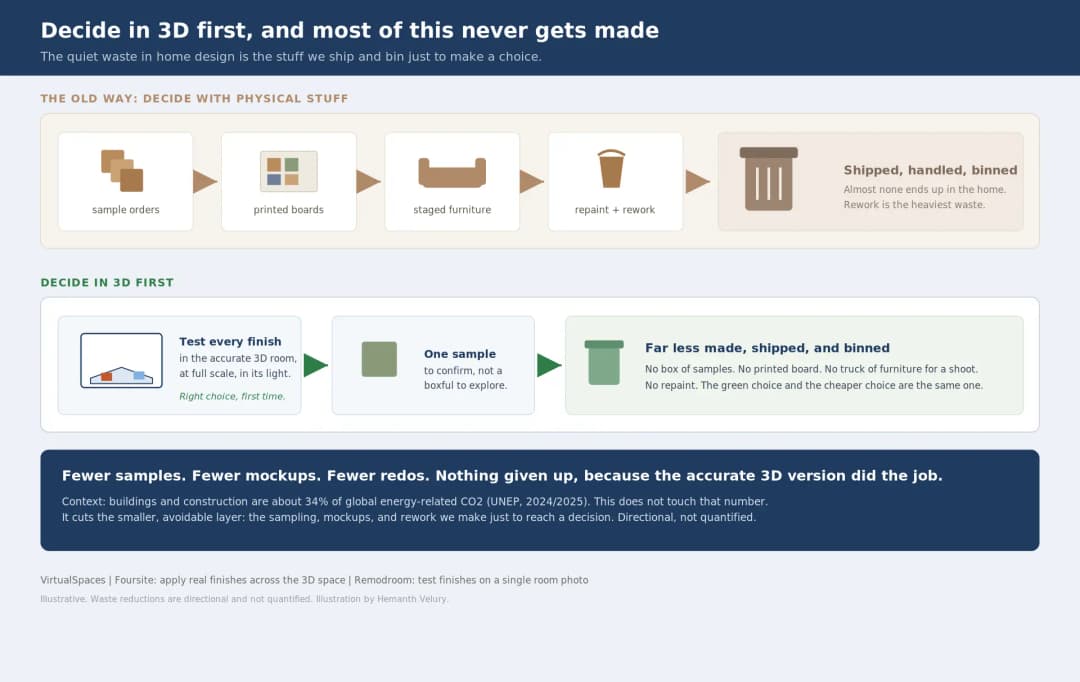
July 24, 2026
The Quiet Sustainability Win of Deciding in 3D | VirtualSpaces
HHemanth Velury
CEO & Co-Founder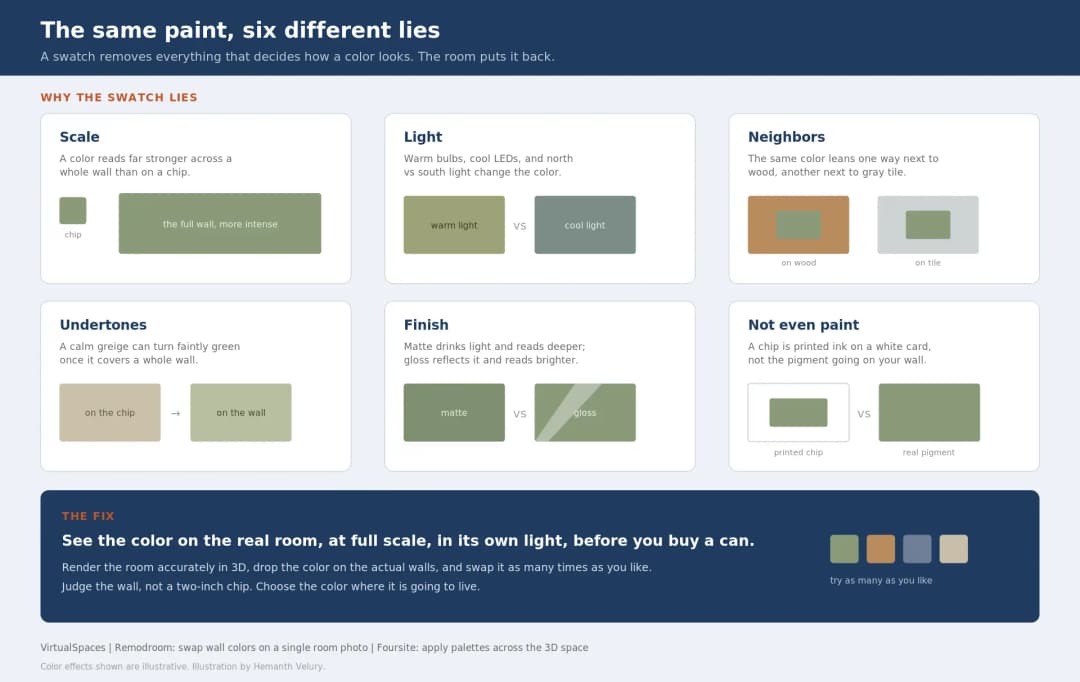
July 22, 2026
Why Paint Swatches Lie: Test Color in 3D First | VirtualSpaces
HHemanth Velury
CEO & Co-Founder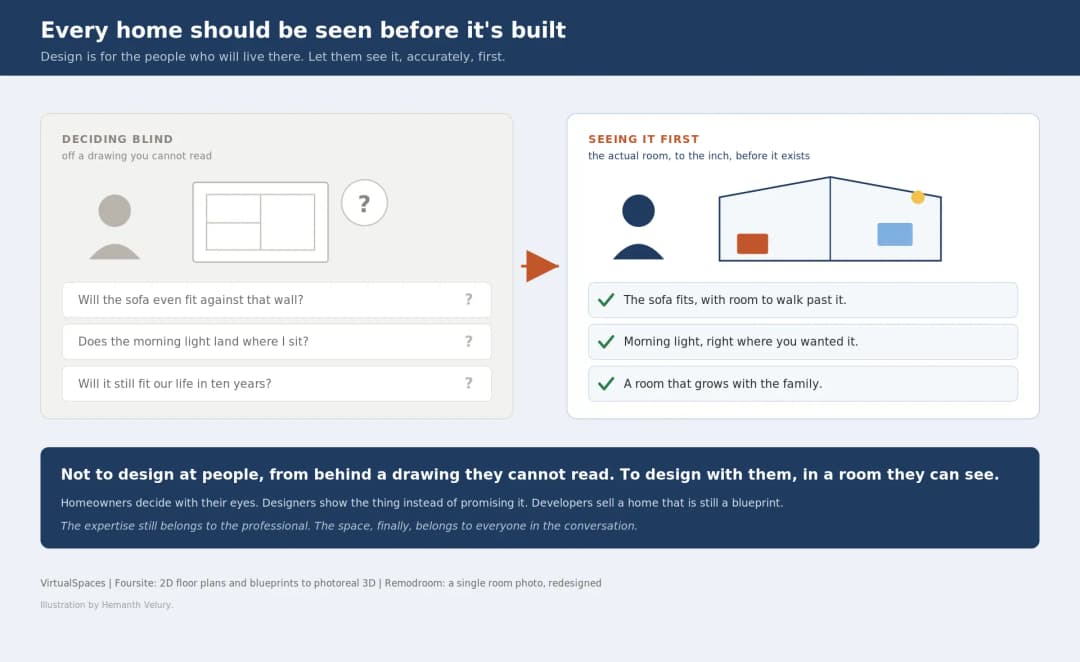
July 20, 2026
Why Every Home Should Be Seen Before It's Built | VirtualSpaces
HHemanth Velury
CEO & Co-Founder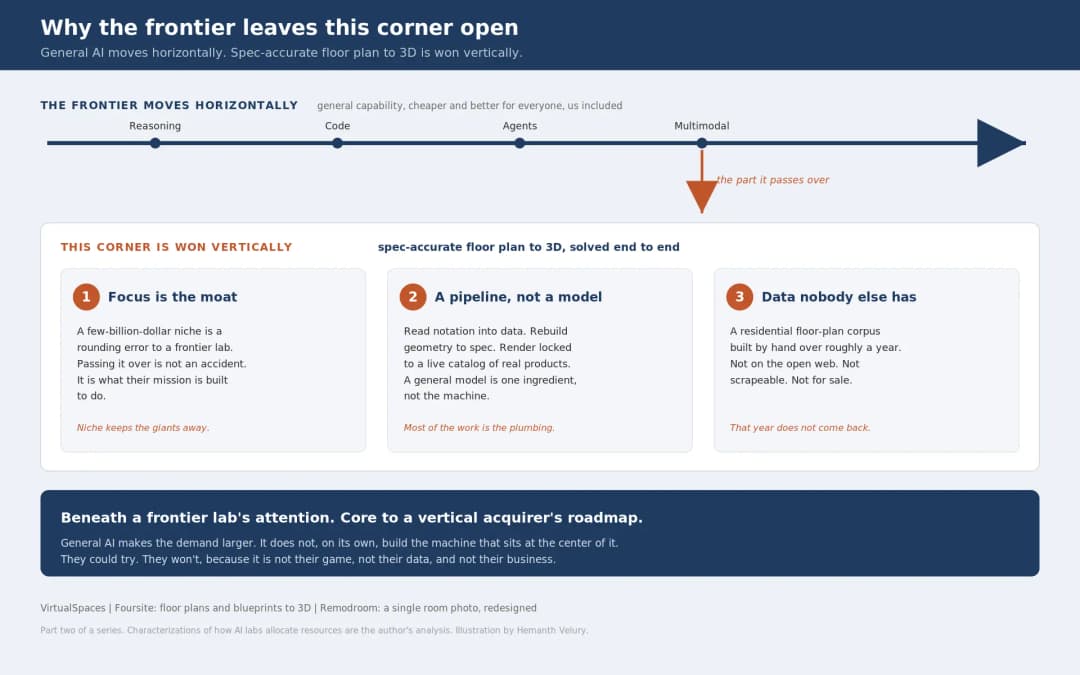
July 17, 2026
Why Big AI Labs Won't Build Floor Plan to 3D | VirtualSpaces
HHemanth Velury
CEO & Co-Founder
July 15, 2026
How We Solve Floor Plan to 3D, Accurately | VirtualSpaces
HHemanth Velury
CEO & Co-Founder
July 13, 2026
Designing Homes That Age With the People in Them | VirtualSpaces
HHemanth Velury
CEO & Co-Founder
July 10, 2026
Designing Spaces for How Light Actually Moves | VirtualSpaces
HHemanth Velury
CEO & Co-Founder
July 08, 2026
Designing Homes for Every Life Stage in 3D | VirtualSpaces
HHemanth Velury
CEO & Co-Founder
July 06, 2026
Build an Interior Design Portfolio Without Clients | VirtualSpaces
HHemanth Velury
CEO & Co-Founder
June 26, 2026
AI Interior Design: Full 3D Workflow in One Platform | VirtualSpaces
HHemanth Velury
CEO & Co-Founder
June 24, 2026
Scope Creep in Interior Design: How AI Visualization Fixes It | VirtualSpaces
HHemanth Velury
CEO & Co-Founder
June 22, 2026
What Buyers See on a Floor Plan: Your Biggest Sales Problem | VirtualSpaces
HHemanth Velury
CEO & Co-Founder
June 19, 2026
Small Design Studios vs Big Firms: The AI Advantage | VirtualSpaces
HHemanth Velury
CEO & Co-Founder
June 17, 2026
After the Mood Board: AI Interior Visualization | VirtualSpaces
HHemanth Velury
CEO & Co-Founder
June 15, 2026
Foursite Pro Editor: Full Floor Plan Control for Designers | VirtualSpaces
HHemanth Velury
CEO & Co-Founder
June 12, 2026
AI Interior Design: Style Any Room in Seconds with Foursite | VirtualSpaces
HHemanth Velury
CEO & Co-Founder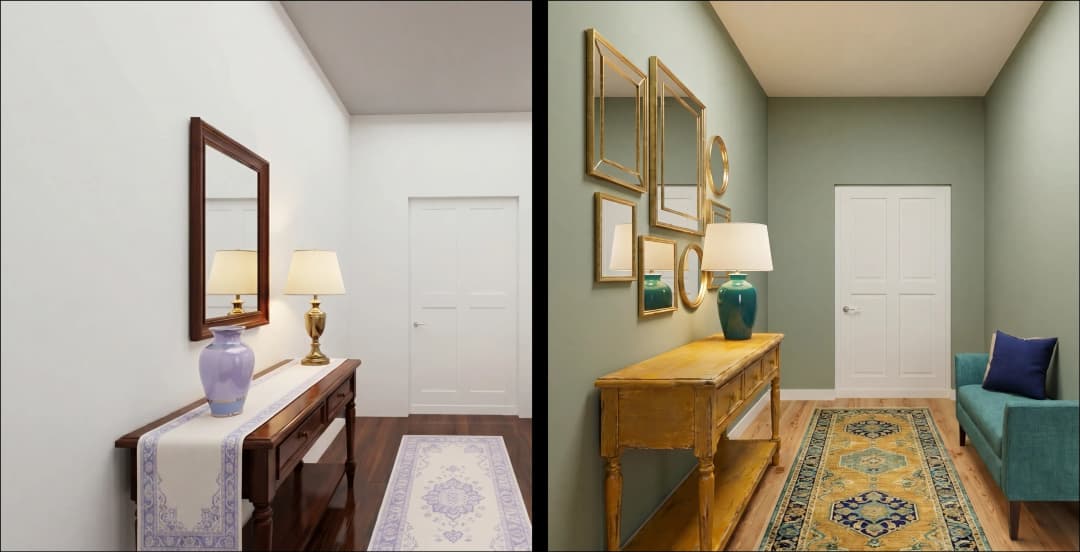
June 10, 2026
Foursite: Floor Plan to 3D Walkthrough in Minutes | VirtualSpaces
HHemanth Velury
CEO & Co-Founder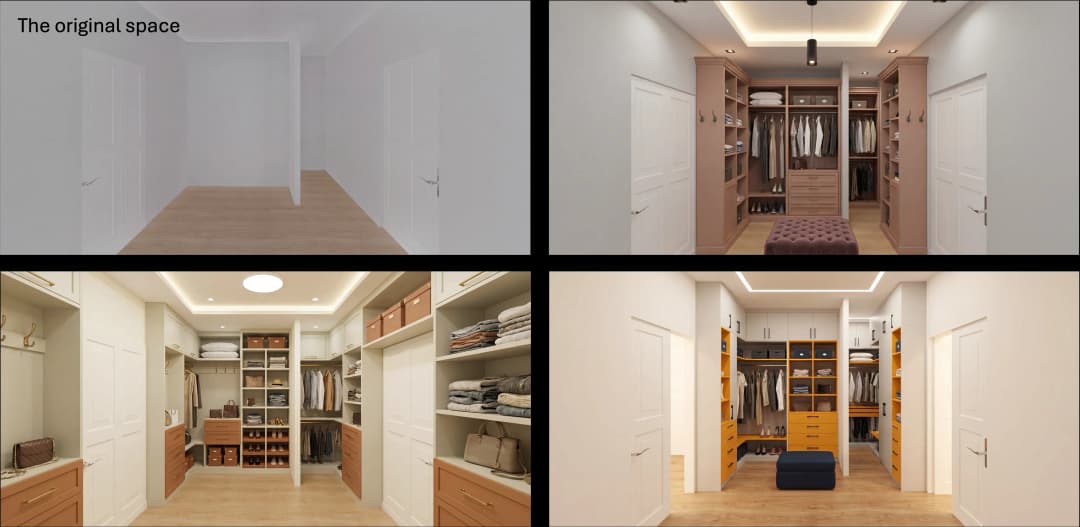
June 08, 2026
Win More Pitches With AI Renders Before the Meeting | VirtualSpaces
HHemanth Velury
CEO & Co-Founder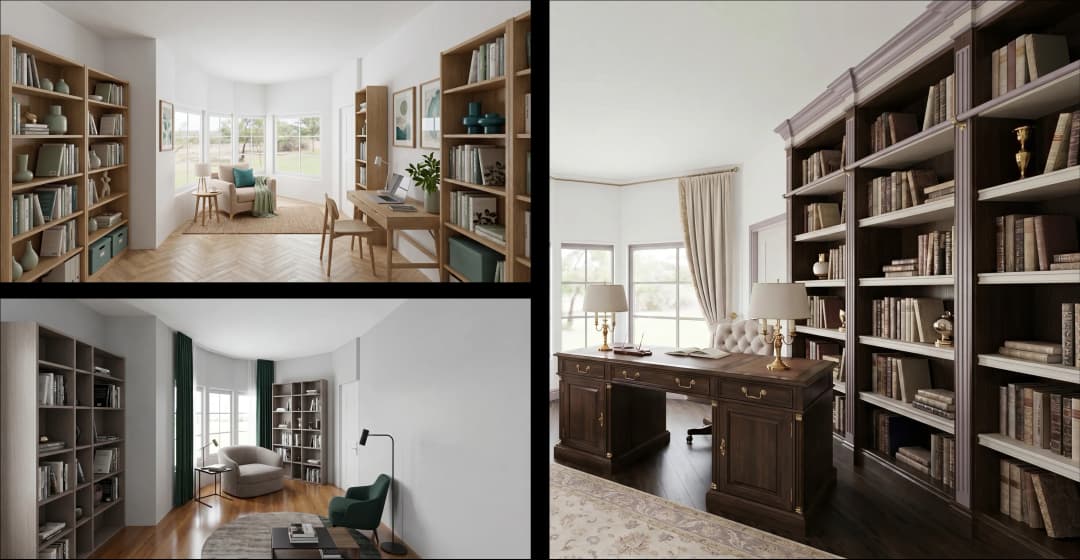
June 05, 2026
From Floor Plan to Finished Room: What AI Now Makes Possible | VirtualSpaces
HHemanth Velury
CEO & Co-Founder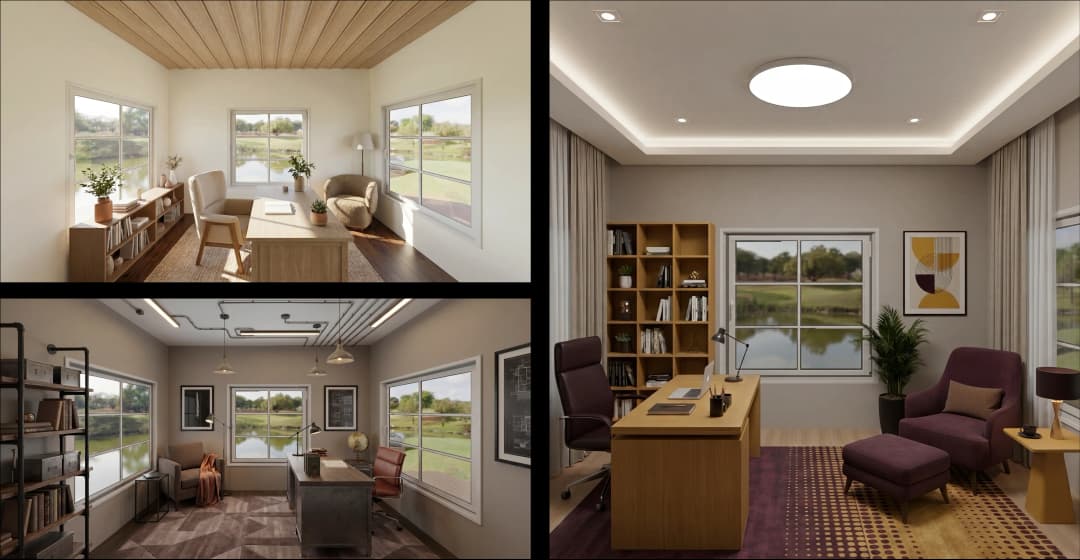
June 03, 2026
The Interior Design Brief Is Broken. AI Fixes It | VirtualSpaces
HHemanth Velury
CEO & Co-Founder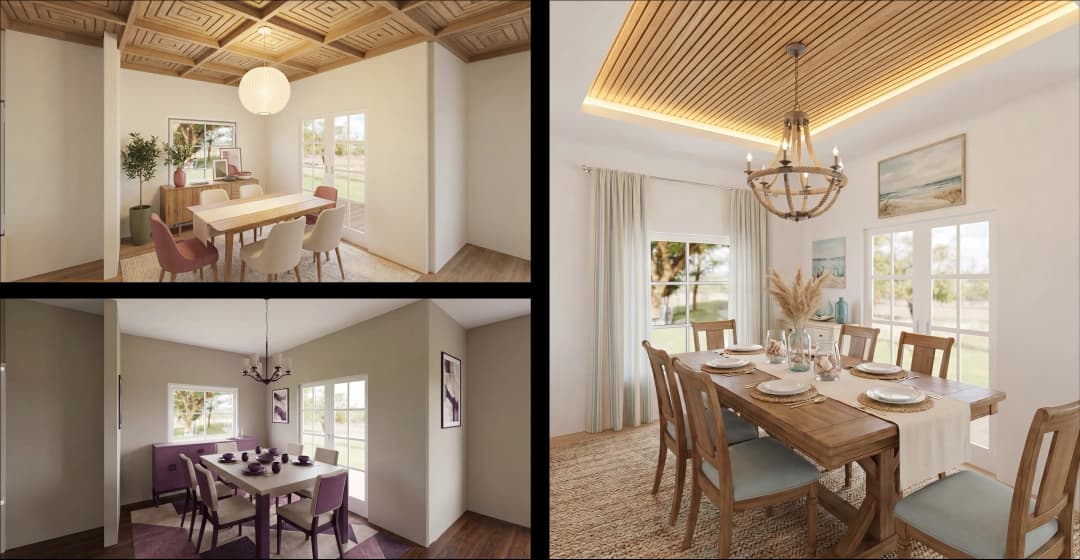
June 01, 2026
Pre-Construction Home Sales: AI Interior Visualization Guide | VirtualSpaces
HHemanth Velury
CEO & Co-Founder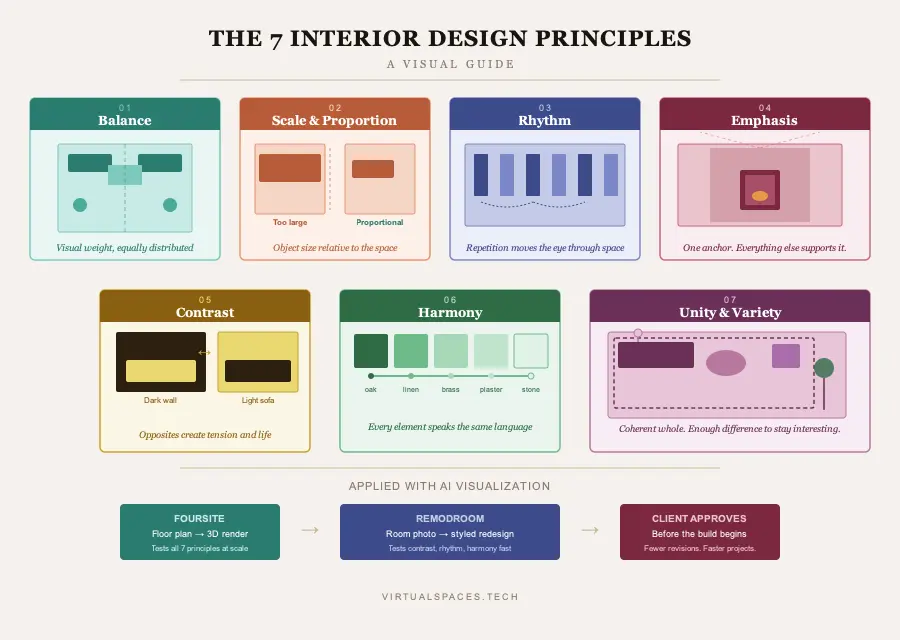
May 30, 2026
Interior Design Principles: Applied with AI | VirtualSpaces
HHemanth Velury
CEO & Co-Founder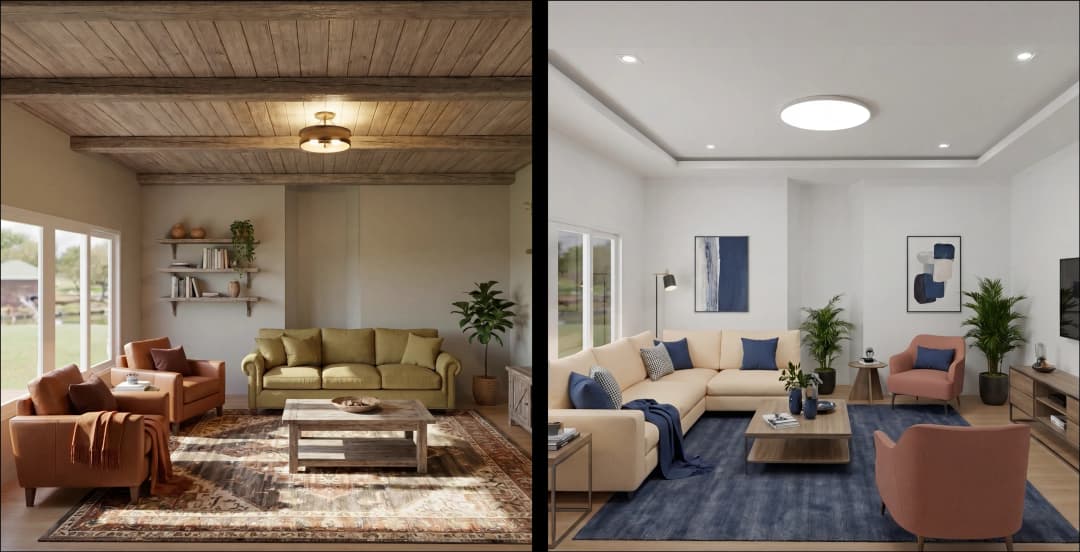
May 28, 2026
Designing Spaces for People, Not Blueprints | VirtualSpaces
HHemanth Velury
CEO & Co-Founder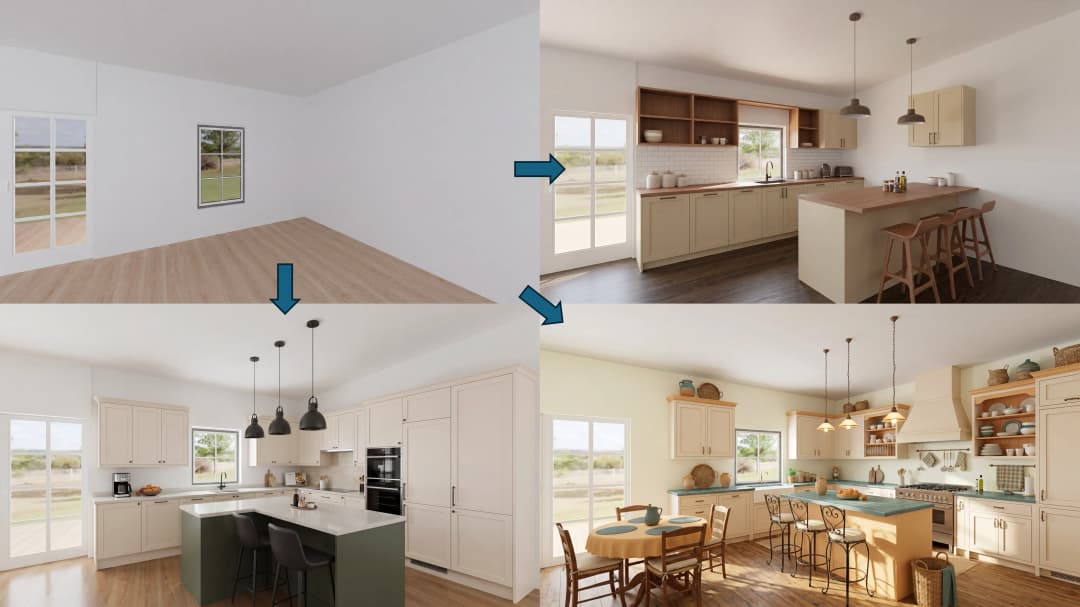
May 26, 2026
The Future of Interior Design: Closing the Visualization Gap with Foursite and Remodroom | VirtualSpaces
HHemanth Velury
CEO & Co-Founder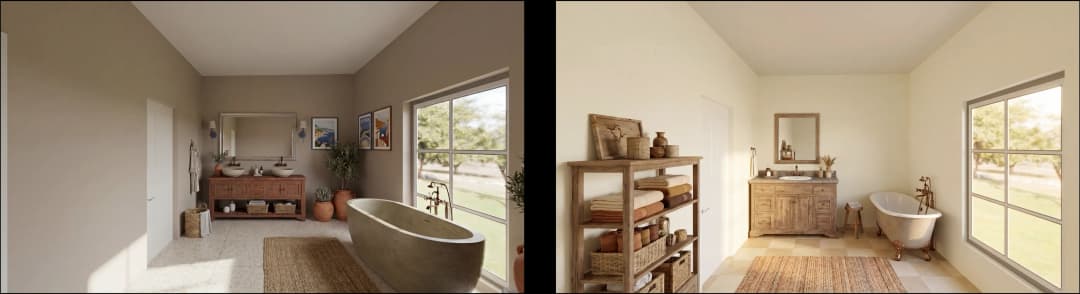
May 18, 2026
How AI Visualization Upgrades Property Data Platforms | VirtualSpaces
HHemanth Velury
CEO & Co-Founder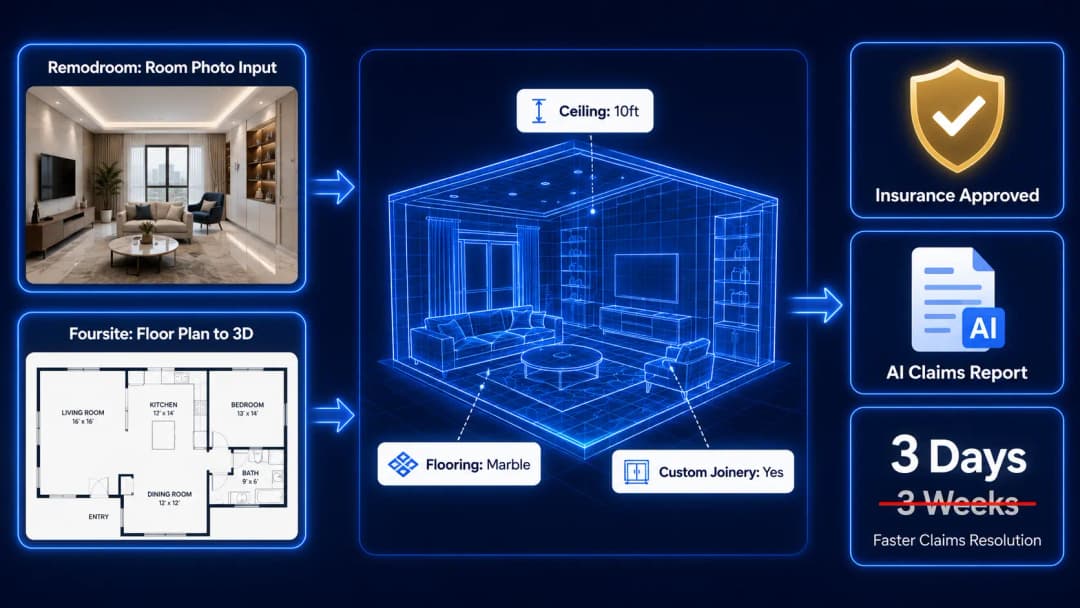
May 14, 2026
How AI-First Insurers Can Use 3D Property Data to Transform Home Claims | VirtualSpaces
HHemanth Velury
CEO & Co-FounderMay 12, 2026
Why Photoreal 3D Renders Are Replacing Mood Boards | Interior Design Client Presentations | VirtualSpaces
HHemanth Velury
CEO & Co-Founder
May 08, 2026
From 2D Floor Plans To Living Worlds: The Spec‑Accurate 3D Engine | VirtualSpaces
HHemanth Velury
CEO & Co-Founder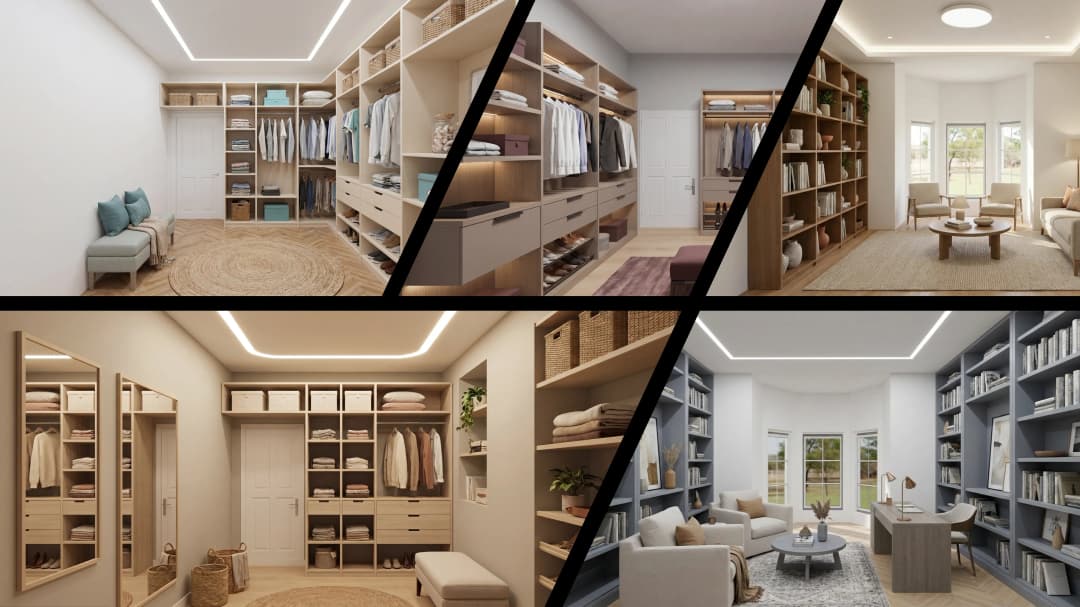
May 06, 2026
Why Furniture Brands Need AI 3D Visualization Now | VirtualSpaces
HHemanth Velury
CEO & Co-Founder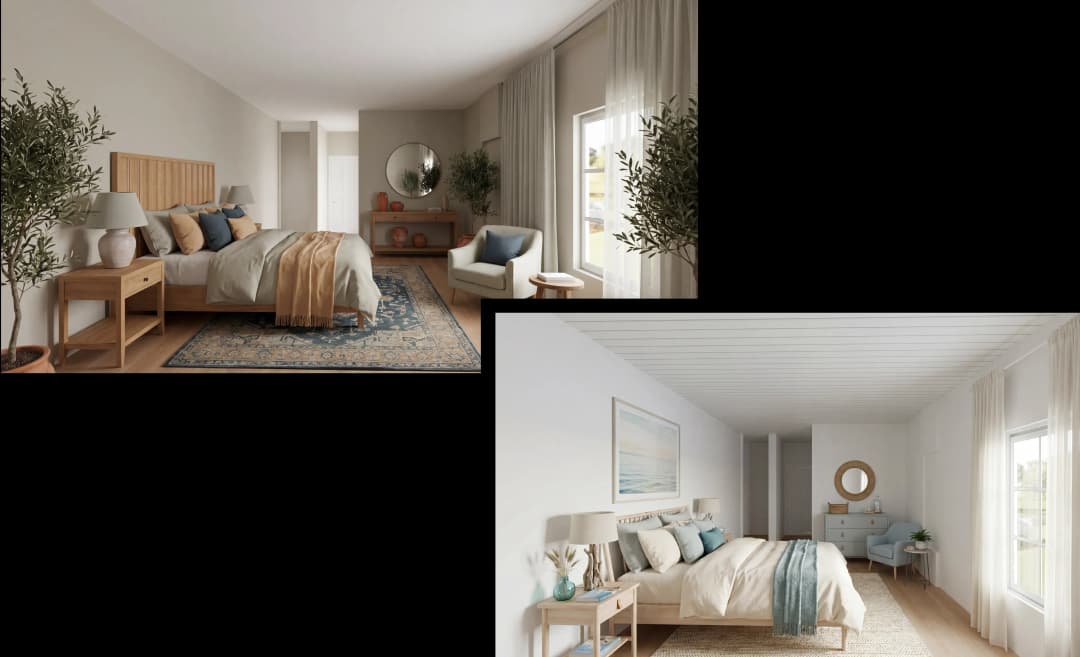
May 4, 2026
How Property Portals Can Turn 2D Floor Plans into 3D Design Decisions | VirtualSpaces
HHemanth Velury
CEO & Co-Founder
April 29, 2026
The Home-Fit Test: Why Square Footage Misleads | VirtualSpaces
HHemanth Velury
CEO & Co-Founder
April 27, 2026
Designing Homes That Sell: 3D Visualization ROI Data | VirtualSpaces
HHemanth Velury
CEO & Co-FounderApril 24, 2026
What's Next: Foursite & Remodroom's New AI Features | VirtualSpaces
HHemanth Velury
CEO & Co-Founder
April 22, 2026
AI in Architecture: Closing the 85% Exposure Gap | VirtualSpaces
HHemanth Velury
CEO & Co-Founder
April 20, 2026
Interior Design Pricing in 2026: From Hourly to Value-Based Fees | VirtualSpaces
HHemanth Velury
CEO & Co-FounderApril 17, 2026
How Foursite and Remodroom Help Designers Win Clients | VirtualSpaces
HHemanth Velury
CEO & Co-Founder
April 15, 2026
Designing Spaces for People: Remodroom + Foursite AI Guide | VirtualSpaces
HHemanth Velury
CEO & Co-Founder
April 13, 2026
Designing for the Way People Actually Live: How AI 3D Is Finally Closing the Gap Between Floor Plan and Reality
HHemanth Velury
CEO & Co-Founder
April 11, 2026
Design in Real Time: AI Renders in Your First Client Meeting
HHemanth Velury
CEO & Co-Founder
April 06, 2026
Why Real Estate Photography Is No Longer Enough: The Shift to Spatial-First Listings
HHemanth Velury
CEO & Co-Founder
April 03, 2026
Property Management's Hidden Weapon: AI 3D Floor Plans That Cut Vacancy Time and Raise Tenant Quality
HHemanth Velury
CEO & Co-Founder
April 01, 2026
Off-Plan and Oversubscribed: How AI 3D Visualization Is Transforming Real Estate Pre-Sales
HHemanth Velury
CEO & Co-Founder
March 30, 2026
Why Foursite Beats Generic AI Tools for Interior Design 3D Visualization
HHemanth Velury
CEO & Co-Founder
March 27, 2026
7 Tenets of Interior Design: How AI Accelerates Harmony in Residential Spaces
HHemanth Velury
CEO & Co-Founder
March 25, 2026
What Is the 3-5-7 Rule in Interior Design? Foursite's AI Guide for Residential Spaces
HHemanth Velury
CEO & Co-Founder
March 23, 2026
What Is the 70/30 Rule in Interior Design? Foursite's AI Guide for Residential Spaces
HHemanth Velury
CEO & Co-Founder
March 20, 2026
How AI 3D Visualization Is Rewriting Residential Interior Design Workflows
HHemanth Velury
CEO & Co-Founder
March 18, 2026
Beyond Marketing: How 3D Floorplans Transform FM, Retrofit Planning & ESG Operations
HHemanth Velury
CEO & Co-Founder
March 16, 2026
Why AI Companies Use Token Payments (And Why VirtualSpaces Is Returning To Fiat)
HHemanth Velury
CEO & Co-Founder
March 13, 2026
Floorplan‑Native Digital Twins: Beyond BIM for Consumer‑Ready Real Estate Experiences
HHemanth Velury
CEO & Co-Founder
March 11, 2026
The Foursite Platform Thesis: Why Floor Plans, Not Photos, Are the Next Property Software Primitive
HHemanth Velury
CEO & Co-Founder
March 09, 2026
Design Systems for Space: Building Reusable 3D Component Libraries on Top of AI Floorplan‑to‑3D Engines
HHemanth Velury
CEO & Co-Founder
March 06, 2026
How to Standardize Design Quality Across Global Projects Using AI Floorplan-to-3D Tools
HHemanth Velury
CEO & Co-Founder
March 04, 2026
From CAD-First to AI-First: Reskilling Your Team for AI-Native Design Workflows
HHemanth Velury
CEO & Co-Founder
March 02, 2026
Algorithmic Ergonomics Meets Photorealistic 3D: Designing Human-Centered Smart Homes with Foursite in 2026
HHemanth Velury
CEO & Co-Founder
February 27, 2026
The Ethics of AI in Interior Design: Ownership, Originality, and Client Transparency
HHemanth Velury
CEO & Co-Founder
February 25, 2026
Designing with Empathy: Using AI 3D Visualization to Improve Client Communication and Emotional Clarity
HHemanth Velury
CEO & Co-Founder
February 23, 2026
From Tool to Infrastructure: AI Floorplan-to-3D and the Next Wave of PropTech
HHemanth Velury
CEO & Co-Founder
February 20, 2026
AI Interior Design for Holiday Homes: Turn Spare Flats into High-Demand Short-Stay Rentals with 3D Visuals
HHemanth Velury
CEO & Co-Founder
February 18, 2026
The Pre‑Purchase Power Play: How Savvy Home Buyers Use 3D Floor Plan Visualization to Negotiate Better Deals
HHemanth Velury
CEO & Co-FounderFebruary 16, 2026
AI Interior Design for Non‑Designers: How Homeowners Can Brief Like Pros
HHemanth Velury
CEO & Co-Founder
February 13, 2026
Scaling a Design Business Without Hiring a 3D Team: An Owner's Guide
HHemanth Velury
CEO & Co-Founder
February 11, 2026
From Bland to Bold: How to Rescue Builder-Grade Interiors on Any Budget
HHemanth Velury
CEO & Co-Founder
February 6, 2026
The Psychology of Space: How Room Dimensions Influence Interior Design Decisions
HHemanth Velury
CEO & Co-Founder
February 4, 2026
The Future of Interior Design Visualization: How AI Technology is Transforming 2D Concepts Into 3D Reality
HHemanth Velury
CEO & Co-Founder
February 2, 2026
AI Interior Décor: How Artificial Intelligence Generates Design Options from Your Floor Plan
HHemanth Velury
CEO & Co-Founder
January 30, 2026
Photoreal vs. Reality: What Clients Actually Expect from Interior Design Visualization
HHemanth Velury
CEO & Co-Founder
January 28, 2026
The Design Approval Conversation That Changes Everything: Communication Strategy When Using Photorealistic Visualization
HHemanth Velury
CEO & Co-Founder
January 25, 2026
Interior Design as Experience Design: How 3D Visualization Changes Your Professional Identity
HHemanth Velury
CEO & Co-Founder
January 23, 2026
The Professional Gap: How 3D Visualization Changes Interior Design Client Perception
HHemanth Velury
CEO & Co-Founder
January 21, 2026
Why Clients Fire Designers (And How 3D Visualization Could Have Saved the Project)
HHemanth Velury
CEO & Co-Founder
January 16, 2026
Blueprint to Vision: Why Seeing Is Believing in Interior Design
HHemanth Velury
CEO & Co-Founder
January 14, 2026
The Speed of Responsiveness: How AI Visualization Tools Make You Look Like You Care More
HHemanth Velury
CEO & Co-Founder
January 12, 2026
Why Interior Designers and Architects Can't Compete Without AI 3D Visualization Tools
HHemanth Velury
CEO & Co-Founder
January 07, 2026
From "Saved" to "Sold": How Homeowners Are Planning Renovations with AI
HHemanth Velury
CEO & Co-Founder
January 05, 2026
The Interior Designer's Secret Weapon: Speed as Premium Positioning
HHemanth Velury
CEO & Co-Founder
December 31, 2025
Gratitude, Growth & Game-Changing Innovation: VirtualSpaces' 2025 Journey & What's Coming in 2026
HHemanth Velury
CEO & Co-Founder
December 29, 2025
Why Interior Designers Are Switching to AI Floor Plan-to-3D Tools in 2026
HHemanth Velury
CEO & Co-Founder
December 26, 2025
AI Virtual Staging for Real Estate Agents: Sell More Homes Faster with Foursite
HHemanth Velury
CEO & Co-Founder
December 24, 2025
Why Architects Are Switching to AI 2D-to-3D: The SketchUp Alternative
HHemanth Velury
CEO & Co-Founder
December 22, 2025
Cut 3 Weeks from Real Estate Sales Cycle: The ROI of AI 2D to 3D Visualization
HHemanth Velury
CEO & Co-Founder
December 17, 2025
Virtual Staging vs Physical Staging: How AI Saves Money Per Property
HHemanth Velury
CEO & Co-Founder
December 15, 2025
AI Floor Plan to Image: Revolutionizing Real Estate Marketing for Agents
HHemanth Velury
CEO & Co-Founder
December 12, 2025
Color of the Year 2026: Cloud Dancer | VirtualSpaces AI Interior Design Guide
HHemanth Velury
CEO & Co-Founder
December 10, 2025
AI Floor Plan to 3D: The New Standard for Interior Design Workflows
HHemanth Velury
CEO & Co-Founder
December 08, 2025
How Interior Design Studios Can Operationalize AI 2D-to-3D Workflows (Without Breaking Their Process)
HHemanth Velury
CEO & Co-Founder
December 06, 2025
How to Implement AI Interior Design Workflows in Your Studio
HHemanth Velury
CEO & Co-Founder
December 4, 2025
How Homeowners Can Use AI Interior Design Tools to Plan Renovations with Confidence
HHemanth Velury
CEO & Co-Founder
November 28, 2025
Interior Designers in the Age of AI: From Threat Narrative to Superpower
HHemanth Velury
CEO & Co-Founder
November 21, 2025
Foursite Launch: Embracing 'Release Early, Release Often'
HHemanth Velury
CEO & Co-Founder
November 13, 2025
Foursite by VirtSpaces: Empowering Interior Designers, Architects, and Homeowners
HHemanth Velury
CEO & Co-Founder
November 7, 2025
Reimagining Architectural Education: How AI Floorplan-to-3D Technology Can Transform Design Learning
VVirtualSpaces Research Labs
AI Research Initiative
October 27, 2025
Archisculpt AI: Turning Architectural Drawings into Photorealistic 3D Spaces
AAbhijeet Naik
Co-Founder & CTO
October 13, 2025
Home Makeover: From Floor Plan to Dream Space with AI
HHemanth Velury
CEO & Co-Founder
October 6, 2025
Real-Time Rendering & AI: Revolutionizing Interactive Property Walkthroughs with VirtSpaces
HHemanth Velury
CEO & Co-Founder
September 26, 2025
Foursite - A True AI-Native Experience in Design Visualization
AAbhijeet Naik
CTO & Co-Founder
September 18, 2025
Why PropTech Startups Are Betting on AI Interior Design
HHemanth Velury
CEO & Co-Founder
September 11, 2025
How AI Differs from Traditional 3D Rendering Software
HHemanth Velury
CEO & Co-Founder
September 2, 2025
From Client to Investor: How Nila Spaces and VirtSpaces Are Redefining Proptech with AI
HHemanth Velury
CEO & Co-Founder
August 25, 2025
VirtSpaces From Virtual Reality to AI – Transforming Real Estate Visualization.
HHemanth Velury
CEO & Co-Founder


We help teams collaborate seamlessly and reduce costs. Virtual Spaces offers cutting-edge technology with flexible plans designed to fit modern teams.
Copyright © VirtSpaces Pvt. Ltd. 2025 All Rights Reserved.
CIN: U74999KA2016PTC094921