
February 20, 2026
- Interior Design
- AI Technology
- Real Estate
AI Interior Design for Holiday Homes: Turn Spare Flats into High-Demand Short-Stay Rentals with 3D Visuals
Hemanth Velury
CEO & Co-FounderAI Interior Design for Holiday Homes: Turn Spare Flats into High-Demand Short-Stay Rentals with 3D Visuals
The holiday rental market has exploded in recent years, and interior designers find themselves at the center of an exciting opportunity. Property owners with spare flats, inherited apartments, or investment properties are racing to transform these spaces into attractive short-stay rentals that command premium rates. But here's the challenge: competition is fierce, and guests have endless options at their fingertips.
As an interior designer working in this space, you're no longer just creating beautiful rooms. You're creating experiences that need to photograph well, appeal to diverse travelers, and most importantly, help your clients stand out in a crowded marketplace. The good news? AI interior design tools are changing the game entirely, giving you superpowers to deliver stunning 3D visuals faster than ever before.
Why Holiday Homes Need a Different Design Approach
Designing a holiday home isn't quite the same as designing someone's permanent residence. Your clients need spaces that are:
- Visually striking in photos: Because 90% of bookings happen based on listing images
- Universally appealing: Since guests come from different backgrounds and tastes
- Instagram-worthy: Today's travelers want spaces they can show off on social media
- Ready to book immediately: Property owners can't afford months of design delays
Traditional design processes simply don't move fast enough for this market. By the time you've created mood-boards, sourced furniture, and completed physical staging, your client's property has already lost weeks or months of potential bookings. This is where AI interior design and 3D visualization become absolute gamechangers.
Speed: Your New Competitive Advantage
Let's talk about what really matters in the holiday rental business: time to market. Every week a property sits empty or poorly presented is money left on the table. Interior designers who embrace AI interior décor tools can compress what used to take weeks into just days or even hours.
From Blueprints to Bookings in Record Time
Imagine this scenario: A property owner contacts you with bare floor plans or blueprints of their spare flat. In the old world, you'd need to visit the property multiple times, take measurements, create design concepts, get approval, source furniture, wait for delivery, and finally stage the space. We're talking 6-8 weeks minimum, often much longer.
With AI 3D visualization technology like VirtualSpaces, the process looks completely different. You can take those 2D floor plans or blueprints and convert them into fully realized 3D visualizations in a fraction of the time. We're talking about transforming blueprint to 3D representations that show exactly how the finished space will look, complete with furniture, décor, lighting, and styling.
The ability to convert floor plan to 3D visualization means you can present multiple design concepts to your client before a single piece of furniture is purchased. They see photoreal renders of their future holiday home, complete with that coastal vibe for beach properties or mountain chic for ski chalets. This speed doesn't just impress clients: it fundamentally changes the economics of holiday rental preparation.
Virtual Staging: Test Before You Invest
Here's where AI virtual staging becomes incredibly powerful for holiday home projects. Rather than committing thousands of dollars to furniture and décor upfront, you can use virtual staging to test different design directions with your client.
Want to see if a minimalist Scandinavian look would work better than a bohemian style? Create both versions as interior design renders and let the data decide. Some designers even recommend their clients test different virtually staged photos in their listings to see which generates more interest before finalizing the physical design.
AI virtual staging through platforms like VirtualSpaces allows you to stage empty rooms or completely reimagine existing spaces. You're not locked into one design vision; you have the flexibility to iterate quickly based on client feedback or market research about what's trending in holiday rentals.
Differentiation: Standing Out in a Sea of Sameness
Speed is critical, but so is creating something genuinely distinctive. Holiday rental guests scroll through dozens, sometimes hundreds of properties. What makes them stop and click on your client's listing?
The Power of Photoreal Renders
This is where interior design photoreal renders become your secret weapon. The quality of AI 3D visualization has reached a point where rendered images are virtually indistinguishable from professional photography. In fact, they're often better than photos of un-staged or poorly lit spaces.
When you deliver photoreal renders to your holiday home clients, you're giving them marketing gold. These images showcase the property's potential in perfect lighting, with impeccable styling, and from the most flattering angles. Every detail is intentional; every corner is optimized for visual appeal.
Using AI interior design tools to create these renders means you can explore bold design choices without risk. Want to try a dramatic accent wall? Curious if a statement chandelier would elevate the space? You can visualize these elements through interior design 3D visualization before committing to them physically.
Creating Cohesive Design Stories
Holiday rentals that perform best have a clear design narrative. They're not just nicely furnished; they tell a story about the experience guests will have. Are they staying in a serene coastal retreat? A vibrant urban loft? A cozy mountain hideaway?
AI interior décor tools help you develop and communicate these narratives more effectively. When you convert blueprint to 3D visualization, you're not just placing furniture in rooms. You're crafting a complete sensory story that guests can imagine themselves in.
The ability to show clients multiple complete design schemes through 3D visualization means you can help them understand how cohesive design throughout the property creates that all-important wow factor. A kitchen that flows into the living area with complementary styles, bedrooms that each have their own personality while maintaining the overall aesthetic; this level of thoughtful design is what separates premium holiday rentals from average ones.
How Interior Designers Are Using AI Visualization Today
Let's get practical. What does this actually look like in your day-to-day work as an interior designer specializing in holiday homes?
Starting with What You Have
Most holiday home projects begin with limited information, maybe some floor plans, a few photos of an empty or outdated space, and a budget. Previously, you'd need extensive site visits just to begin conceptualizing. Now, you can take those 2D floor plans and immediately start working.
The process of turning 2D to 3D has been revolutionized by AI technology. Platforms like Foursite analyze the spatial information in floor plans and blueprints, understanding room dimensions, door placements, and architectural features. This foundation allows you to start designing immediately.
You're no longer constrained by what physically exists today. That cramped, poorly lit spare bedroom? Through AI interior design visualization, you can show your client how knocking down a non-structural wall would create an airy, light-filled space perfect for holiday guests. You can present these options as interior design renders that look like finished photography, making the decision process much easier for clients.
Designing for Photography
Here's something many interior designers miss when working on holiday rentals: you're not just designing for in-person experience, you're designing for the camera. The images in the listing are what drive bookings, which means every space needs to be camera-ready.
AI 3D visualization gives you the unique ability to see exactly how spaces will photograph before they're built. You can adjust lighting, angles, and styling specifically to create images that will perform well in listings. This is a level of control that's simply impossible with traditional design and photography approaches.
When you use AI virtual staging and interior design 3D visualization, you're essentially art directing the photography before the space even exists. You can ensure that the hero shot of the living room has perfect afternoon light streaming through the windows, or that the bedroom has that dreamy, inviting quality that makes travelers want to book immediately.
Rapid Iteration Based on Market Trends
The holiday rental market moves quickly. Design trends that work in one season might be overtaken by new aesthetics the next year. Interior designers who use AI interior design tools have a massive advantage because they can pivot quickly.
See that coastal grandmother aesthetic trending on social media? You can incorporate those elements into your floor plan to 3D visualizations immediately. Notice that properties with dedicated workspaces are getting more bookings as remote work grows? You can redesign that spare corner to include a stylish desk area and show your client the updated interior design renders within hours.
This agility is something your clients will genuinely value. They're operating in a competitive, fast-moving market, and they need a designer who can keep pace. Being able to say "Let me show you three different trending styles for this space by tomorrow morning" is incredibly powerful.
Overcoming Common Design Challenges in Holiday Properties
Holiday home design comes with unique challenges that AI visualization helps you solve elegantly.
Designing for Unknown Guests
Unlike residential design where you know your client's specific tastes and lifestyle, holiday properties need to appeal to a broad audience. This makes design decisions trickier. Should you go bold and risk alienating some potential guests, or play it safe and risk being forgettable?
AI virtual staging allows you to test multiple approaches. Create photoreal renders with different design directions and even use them informally with focus groups or on social media to gauge reactions. You can make data-informed decisions rather than relying purely on instinct.
The ability to convert floor plan to 3D in multiple style variations means you and your client can evaluate options side by side. Which kitchen design feels more welcoming? Which bedroom arrangement maximizes the sense of space? These decisions become much clearer when you can see them realized through interior design 3D visualization.
Maximizing Space in Smaller Properties
Many spare flats and investment properties aren't sprawling mansions; they're modest apartments where every square foot counts. Interior designers need to make these spaces feel larger, lighter, and more luxurious than they actually are.
Blueprint to 3D conversion through AI tools helps you experiment with space-saving solutions and layouts that maximize flow. You can visualize how different furniture arrangements affect the perceived size of rooms. That bulky sofa might look fine on a 2D floor plan but feel overwhelming in the 3D visualization, prompting you to specify something more scaled to the space.
AI interior design tools also let you play with color, lighting, and mirrors to create the illusion of more space. You can show your client how a lighter color palette in the 3D visualization makes the apartment feel more open, or how strategic mirror placement bounces light and expands sightlines.
Balancing Style with Durability
Holiday rentals take a beating. You need spaces that look high-end but can withstand constant guest turnover. This balancing act is tough when working from traditional mood boards and material samples.
With AI 3D visualization and interior design renders, you can visualize how durable materials and finishes actually look in the space. That commercial-grade luxury vinyl flooring that's practically indestructible? Show it in the photoreal renders and demonstrate that it can look just as elegant as hardwood without the maintenance headaches.
You can create interior design photoreal renders that showcase smart material choices: performance fabrics that photograph beautifully, washable rugs that add style without the worry, wipeable paint finishes in high-traffic areas. Your clients see that durability doesn't mean sacrificing design quality.
The Client Presentation That Wins Projects
Let's talk about how AI interior design tools transform your client presentations, helping you win more projects and command better fees.
Before and After That Tells a Story
Nothing sells a design vision like a powerful before-and-after reveal. When you're pitching a holiday home project, being able to show the transformation from bare blueprints or dated existing photos to stunning photoreal renders is incredibly impactful.
Take the client's 2D floor plans or basic architectural blueprints and walk them through your process of turning those flat documents into immersive 3D visualizations. Show them the empty space through AI virtual staging, then reveal how you've transformed it into a bookable, desirable holiday retreat.
This isn't just about pretty pictures: it's about demonstrating your unique value as a designer. You're showing that you can envision possibilities they can't see on their own, and that you have cutting-edge tools to bring those visions to life quickly.
Multiple Options, Clear Direction
Decision paralysis is real, especially for clients who aren't design professionals. They want options but can get overwhelmed by too many choices. AI interior design tools let you strike the perfect balance.
Using VirtualSpaces and similar AI 3D visualization platforms, you can present two or three distinctly different design directions, each fully realized through interior design renders. Maybe one is a modern minimalist approach, another is warm and traditional, and the third splits the difference with transitional style.
Because you've converted blueprint to 3D for each option, clients aren't trying to imagine what you're describing, they're seeing completed spaces. This clarity accelerates decision-making and reduces the back-and-forth that can drag projects out.
Building Confidence in Your Vision
Many property owners are nervous about investing in design and furnishings before seeing results. The photorealistic quality of AI interior décor visualization builds confidence in your recommendations.
When clients can see interior design photoreal renders of exactly how their holiday property will look, they're much more comfortable approving budgets and moving forward. You're eliminating the leap of faith that traditional design requires. They're not wondering if that sofa will work, because they can see it in the space already.
This confidence-building is especially important for holiday home clients who might be new to property investment or design. They're trusting you with both their property and their business success. Showing them detailed 3D visualization demonstrates professionalism and reduces their anxiety about the outcome.
Future-Proofing Your Interior Design Practice
The interior design industry is evolving rapidly, and designers who adopt AI interior design tools now are positioning themselves for long-term success, especially in the lucrative holiday rental niche.
Expanding Your Service Offerings
With AI 3D visualization capabilities, you can offer services that traditional designers simply can't match. Pre-design visualization packages, virtual staging for listing optimization, seasonal redesign concepts; these become feasible when you can create interior design renders quickly and affordably.
Some interior designers are even offering ongoing retainer services to holiday property owners, providing updated design concepts and visualizations as trends change or properties need refreshing. The speed of AI tools like VirtualSpaces makes this economically viable for both you and your clients.
Working with Remote Clients
Not every client is local, and not every project requires extensive on-site visits anymore. When you can work from floor plans and blueprints, converting those 2D to 3D visualizations remotely, your potential market expands dramatically.
Holiday property owners might be anywhere in the world, managing rentals in different cities or countries. Your ability to deliver comprehensive design services using AI interior design tools, starting from nothing more than 2D floor plans or basic property information, makes you accessible to this global client base.
Staying Ahead of Design Trends
The AI tools you use today will only get more powerful. Platforms like Foursite are continuously improving their rendering quality, expanding their furniture and material libraries, and adding new features. Designers who are comfortable with these tools now will be experts as the technology advances.
Moreover, your ability to quickly create interior design 3D visualization means you can experiment with emerging trends without risk. As new design movements emerge, you can test them in virtual space before recommending them to clients, keeping your work fresh and relevant.
Making the Transition to AI-Powered Design
If you're an interior designer who's been working traditionally, the shift to AI interior design tools might feel daunting. Here's the thing: you don't have to abandon everything you know. These tools enhance your existing skills and creativity, they don't replace them.
Your understanding of space, color, proportion, and human psychology in design remains invaluable. AI 3D visualization simply gives you a faster, more powerful way to express and communicate those ideas. You're still the creative director; the technology is your production team.
Start by incorporating AI virtual staging and blueprint to 3D conversion into one aspect of your workflow. Maybe you use it initially just for client presentations, while still doing detailed specifications and sourcing traditionally. As you become comfortable, you'll naturally find more applications.
The learning curve is surprisingly gentle, especially with user-friendly platforms designed specifically for design professionals. Within days, you can be creating impressive interior design renders. Within weeks, you'll wonder how you ever worked without these capabilities.
The Opportunity Waiting for You
The holiday rental market isn't slowing down. Property owners are actively seeking interior designers who understand this unique niche and can help their properties stand out. The designers winning these projects are those who can move fast, show clear vision through stunning visuals, and deliver differentiated designs that photograph beautifully.
By embracing AI interior design, AI virtual staging, and AI 3D visualization tools like Foursite, you're not just keeping up with industry changes; you're positioning yourself as a specialist who brings exceptional value. You can take blueprints, 2D floor plans, or basic architectural drawings and transform them into compelling interior design photoreal renders that help your clients succeed.
The ability to convert floor plan to 3D, showcase multiple design directions through interior design renders, and deliver photoreal visualization in days rather than weeks gives you a massive competitive advantage. Your clients get to market faster, with listings that stand out, while you build a reputation as the designer who combines creativity with cutting-edge technology.
Holiday home interior design is where speed meets style, where business performance depends on visual appeal, and where designers with AI tools have a clear edge. The question isn't whether to adopt these technologies, it's how quickly you can integrate them into your practice and start capturing this exciting opportunity.
The future of interior design is already here, and it's more accessible, more powerful, and more creative than ever before. For designers ready to embrace AI interior décor, 3D visualization, and virtual staging, the holiday rental market offers an incredible opportunity to grow your practice, delight clients, and create spaces that truly perform.
Your next holiday home project could be the one where you discover just how transformative these tools can be. When you convert that first blueprint to 3D visualization and watch your client's eyes light up at the interior design renders you've created, you'll understand why AI interior design isn't just a trend but a new foundation for successful design practice in the modern market.
Recommended for you

August 19, 2026
The End of the Model Home? 3D Changes the Math | VirtualSpaces
HHemanth Velury
CEO & Co-Founder
August 17, 2026
Designing Spaces That Actually Get Built | VirtualSpaces
HHemanth Velury
CEO & Co-Founder
August 12, 2026
Designing Homes for the Stuff People Actually Own | VirtualSpaces
HHemanth Velury
CEO & Co-Founder
August 07, 2026
Floor Plan to Bill of Materials: The 3D Model as Data | VirtualSpaces
HHemanth Velury
CEO & Co-Founder.png&w=1080&q=75)
August 05, 2026
Designing Homes for How People Actually Live | VirtualSpaces
HHemanth Velury
CEO & Co-Founder
August 03, 2026
Honest by Design: Trust in AI Real Estate Imagery | VirtualSpaces
HHemanth Velury
CEO & Co-Founder
July 29, 2026
Kitchen and Bath: The Two Rooms That Decide Resale | VirtualSpaces
HHemanth Velury
CEO & Co-Founder
July 27, 2026
Why Empty Rooms Don't Sell: Virtual Staging | VirtualSpaces
HHemanth Velury
CEO & Co-Founder
July 24, 2026
The Quiet Sustainability Win of Deciding in 3D | VirtualSpaces
HHemanth Velury
CEO & Co-Founder
July 22, 2026
Why Paint Swatches Lie: Test Color in 3D First | VirtualSpaces
HHemanth Velury
CEO & Co-Founder
July 20, 2026
Why Every Home Should Be Seen Before It's Built | VirtualSpaces
HHemanth Velury
CEO & Co-Founder
July 17, 2026
Why Big AI Labs Won't Build Floor Plan to 3D | VirtualSpaces
HHemanth Velury
CEO & Co-Founder
July 15, 2026
How We Solve Floor Plan to 3D, Accurately | VirtualSpaces
HHemanth Velury
CEO & Co-Founder
July 13, 2026
Designing Homes That Age With the People in Them | VirtualSpaces
HHemanth Velury
CEO & Co-Founder
July 10, 2026
Designing Spaces for How Light Actually Moves | VirtualSpaces
HHemanth Velury
CEO & Co-Founder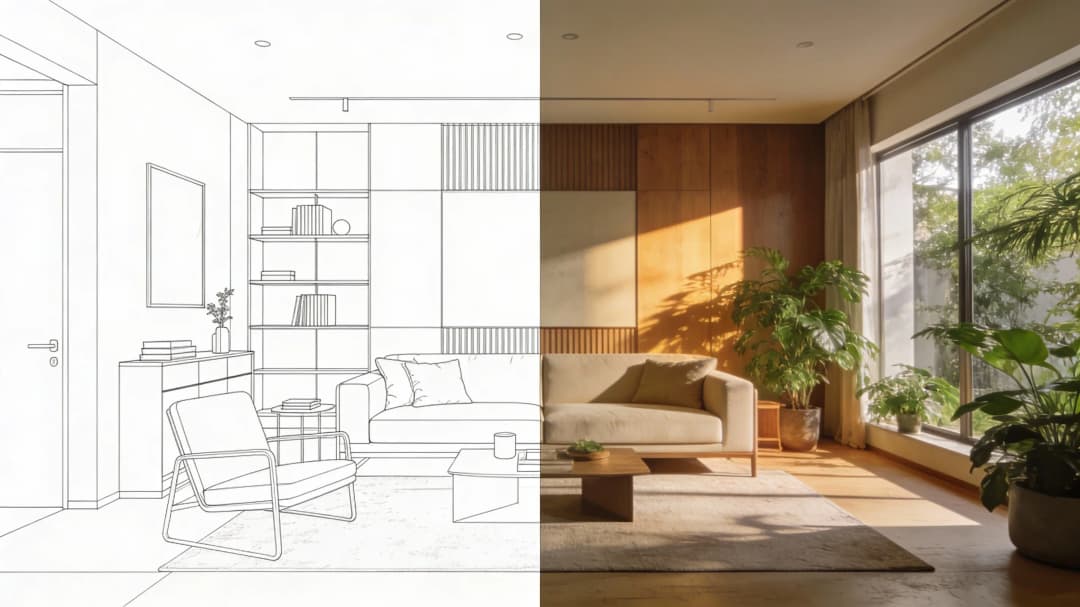
July 08, 2026
Designing Homes for Every Life Stage in 3D | VirtualSpaces
HHemanth Velury
CEO & Co-Founder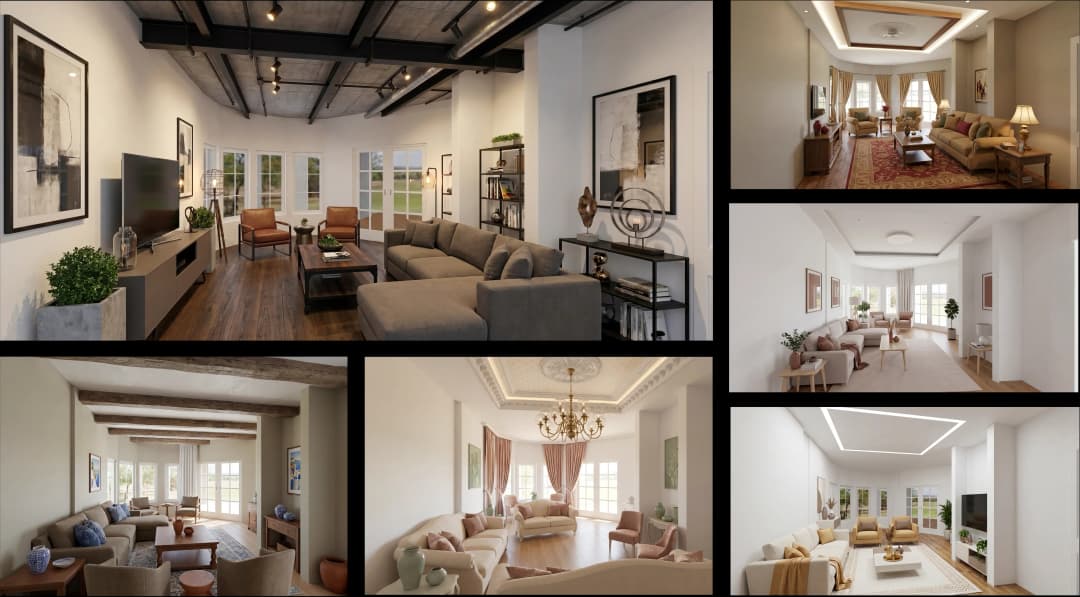
July 06, 2026
Build an Interior Design Portfolio Without Clients | VirtualSpaces
HHemanth Velury
CEO & Co-Founder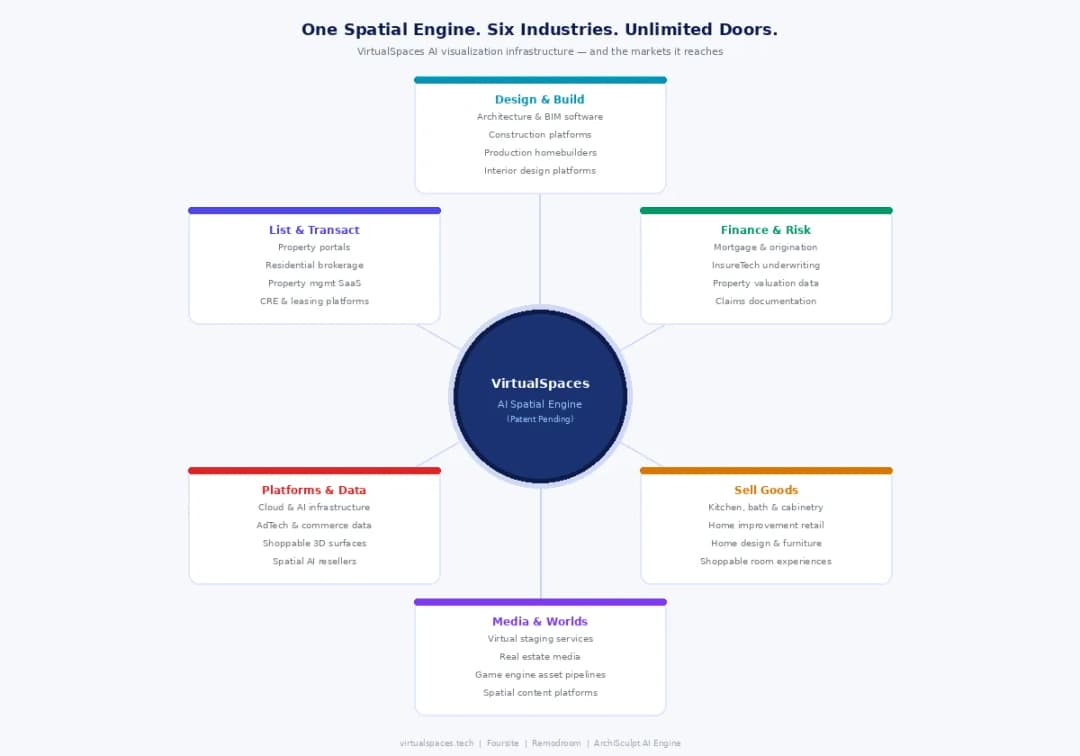
June 26, 2026
AI Interior Design: Full 3D Workflow in One Platform | VirtualSpaces
HHemanth Velury
CEO & Co-Founder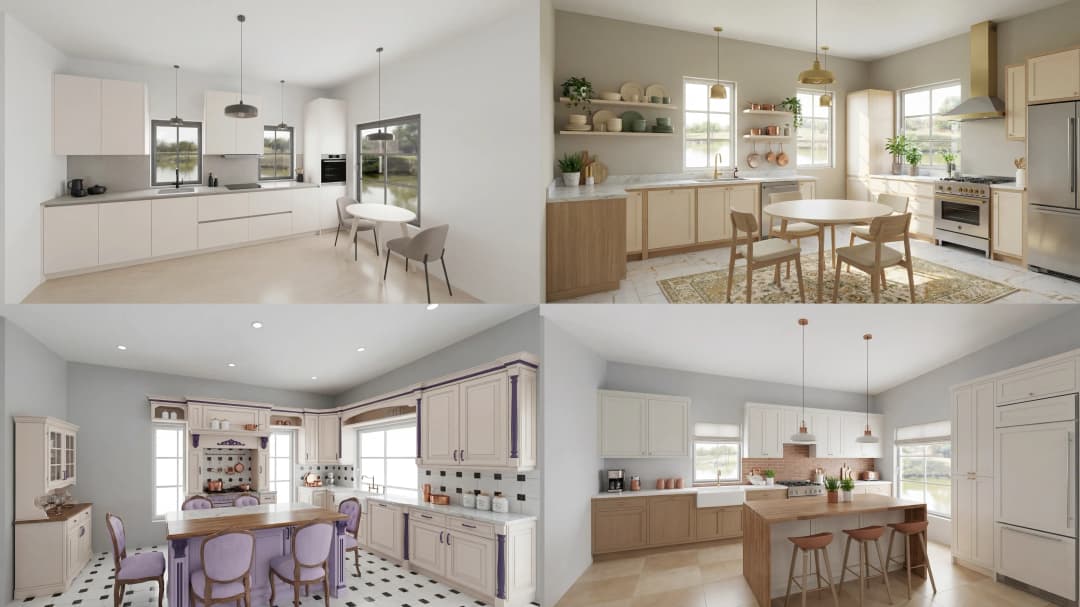
June 24, 2026
Scope Creep in Interior Design: How AI Visualization Fixes It | VirtualSpaces
HHemanth Velury
CEO & Co-Founder
June 22, 2026
What Buyers See on a Floor Plan: Your Biggest Sales Problem | VirtualSpaces
HHemanth Velury
CEO & Co-Founder
June 19, 2026
Small Design Studios vs Big Firms: The AI Advantage | VirtualSpaces
HHemanth Velury
CEO & Co-Founder
June 17, 2026
After the Mood Board: AI Interior Visualization | VirtualSpaces
HHemanth Velury
CEO & Co-Founder
June 15, 2026
Foursite Pro Editor: Full Floor Plan Control for Designers | VirtualSpaces
HHemanth Velury
CEO & Co-Founder
June 12, 2026
AI Interior Design: Style Any Room in Seconds with Foursite | VirtualSpaces
HHemanth Velury
CEO & Co-Founder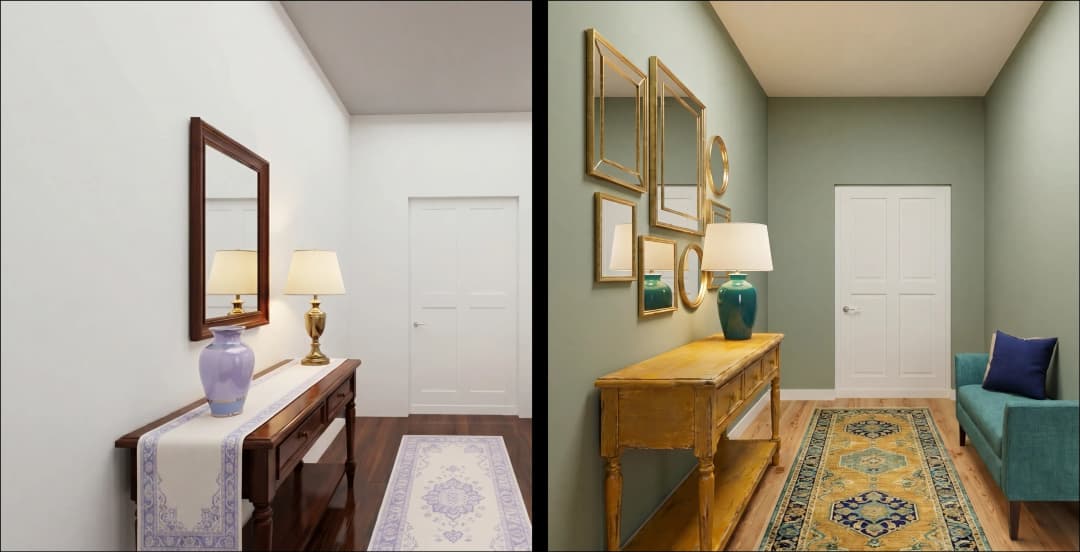
June 10, 2026
Foursite: Floor Plan to 3D Walkthrough in Minutes | VirtualSpaces
HHemanth Velury
CEO & Co-Founder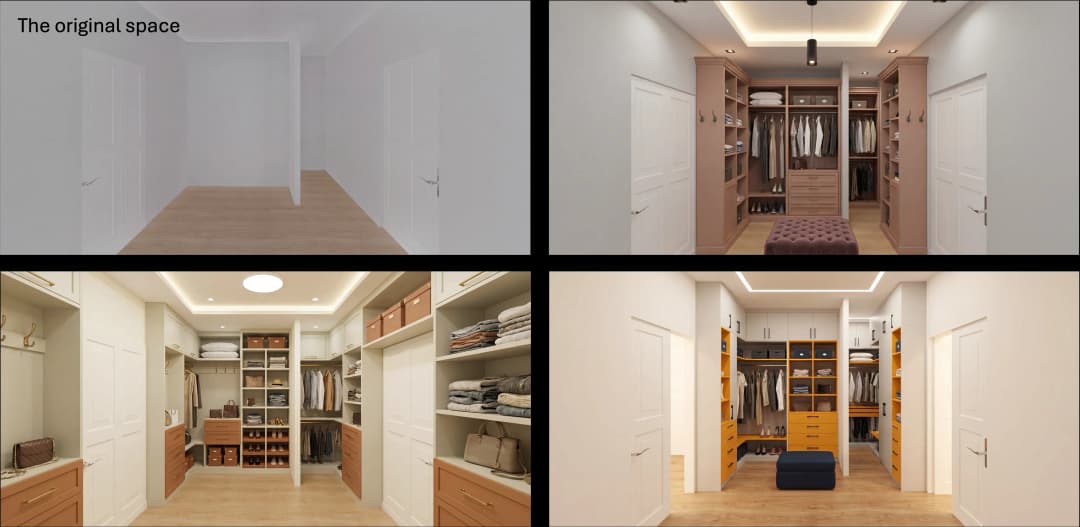
June 08, 2026
Win More Pitches With AI Renders Before the Meeting | VirtualSpaces
HHemanth Velury
CEO & Co-Founder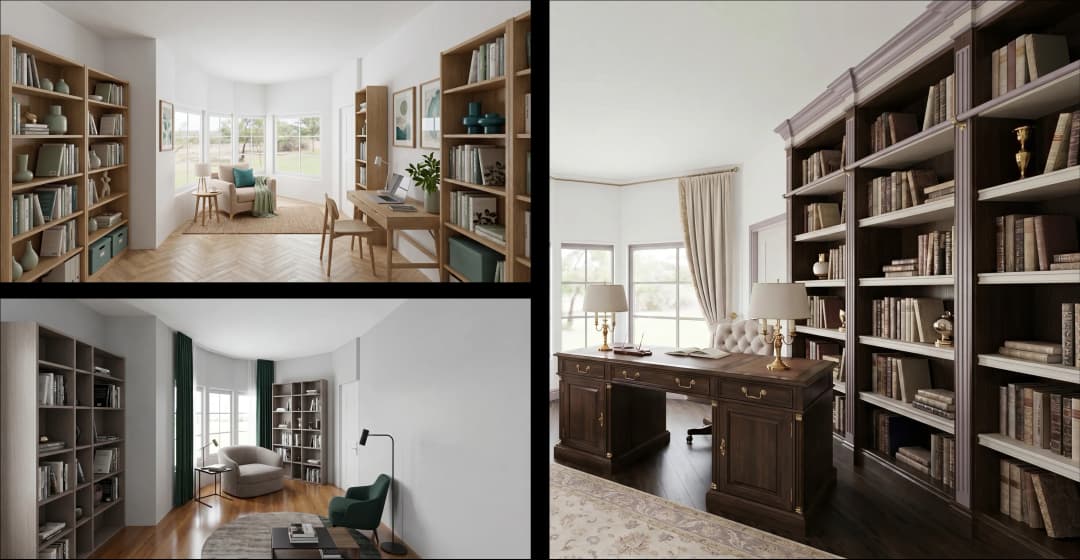
June 05, 2026
From Floor Plan to Finished Room: What AI Now Makes Possible | VirtualSpaces
HHemanth Velury
CEO & Co-Founder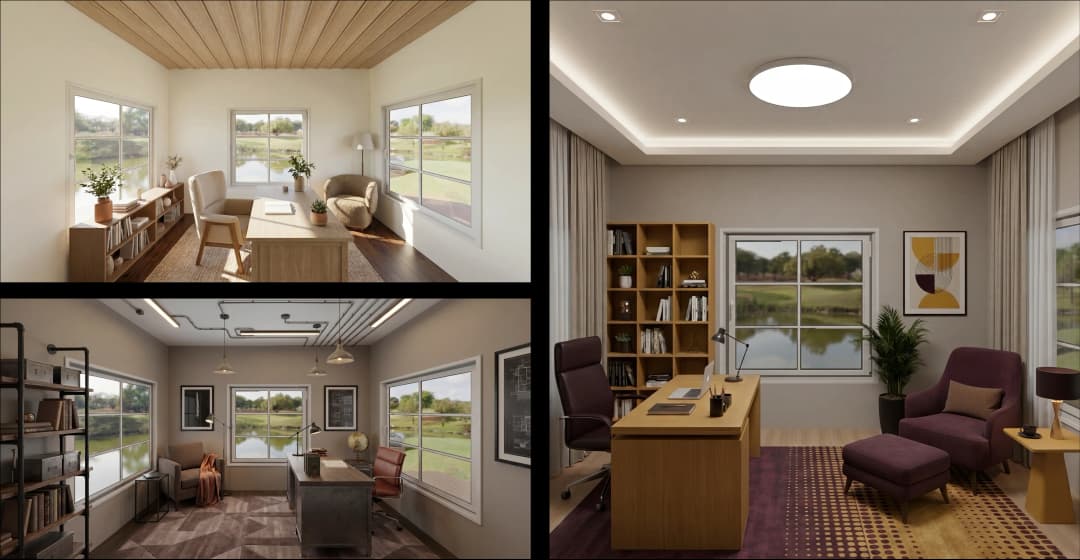
June 03, 2026
The Interior Design Brief Is Broken. AI Fixes It | VirtualSpaces
HHemanth Velury
CEO & Co-Founder
June 01, 2026
Pre-Construction Home Sales: AI Interior Visualization Guide | VirtualSpaces
HHemanth Velury
CEO & Co-Founder
May 30, 2026
Interior Design Principles: Applied with AI | VirtualSpaces
HHemanth Velury
CEO & Co-Founder
May 28, 2026
Designing Spaces for People, Not Blueprints | VirtualSpaces
HHemanth Velury
CEO & Co-Founder
May 26, 2026
The Future of Interior Design: Closing the Visualization Gap with Foursite and Remodroom | VirtualSpaces
HHemanth Velury
CEO & Co-Founder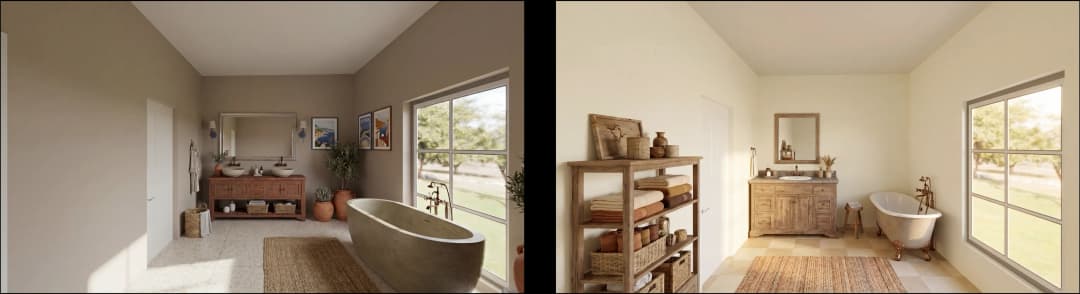
May 18, 2026
How AI Visualization Upgrades Property Data Platforms | VirtualSpaces
HHemanth Velury
CEO & Co-Founder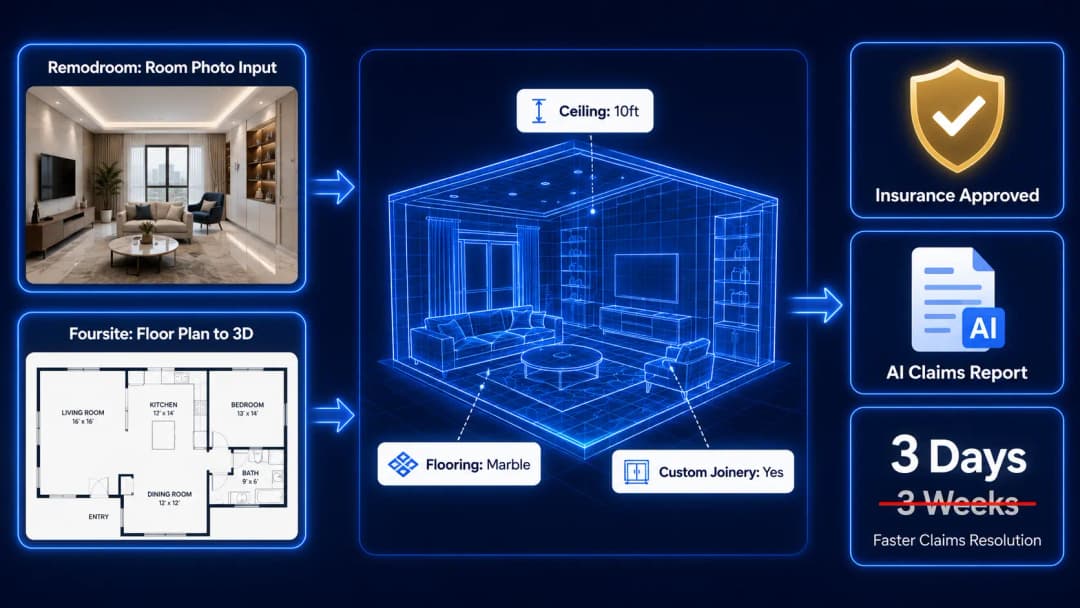
May 14, 2026
How AI-First Insurers Can Use 3D Property Data to Transform Home Claims | VirtualSpaces
HHemanth Velury
CEO & Co-FounderMay 12, 2026
Why Photoreal 3D Renders Are Replacing Mood Boards | Interior Design Client Presentations | VirtualSpaces
HHemanth Velury
CEO & Co-Founder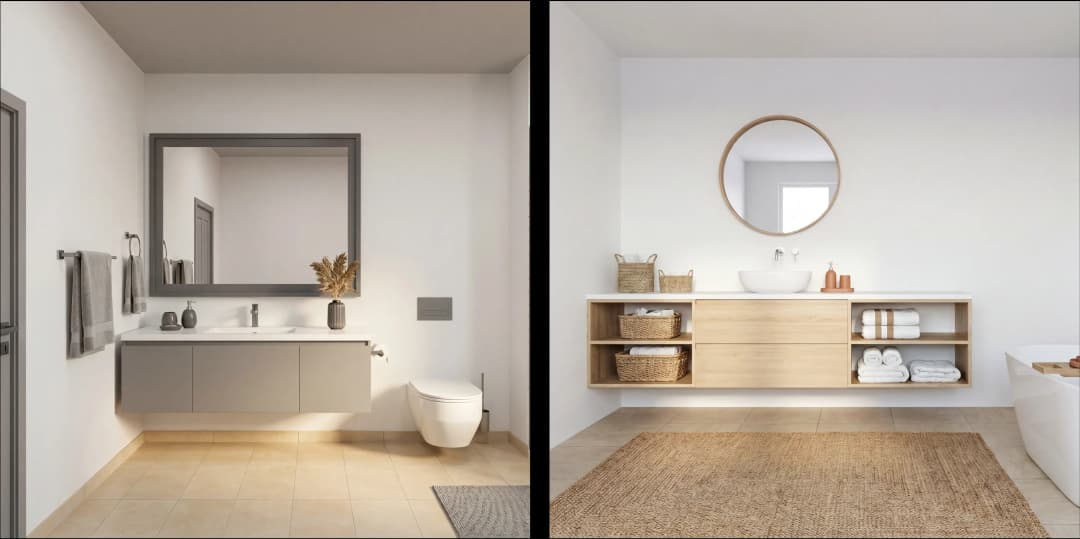
May 08, 2026
From 2D Floor Plans To Living Worlds: The Spec‑Accurate 3D Engine | VirtualSpaces
HHemanth Velury
CEO & Co-Founder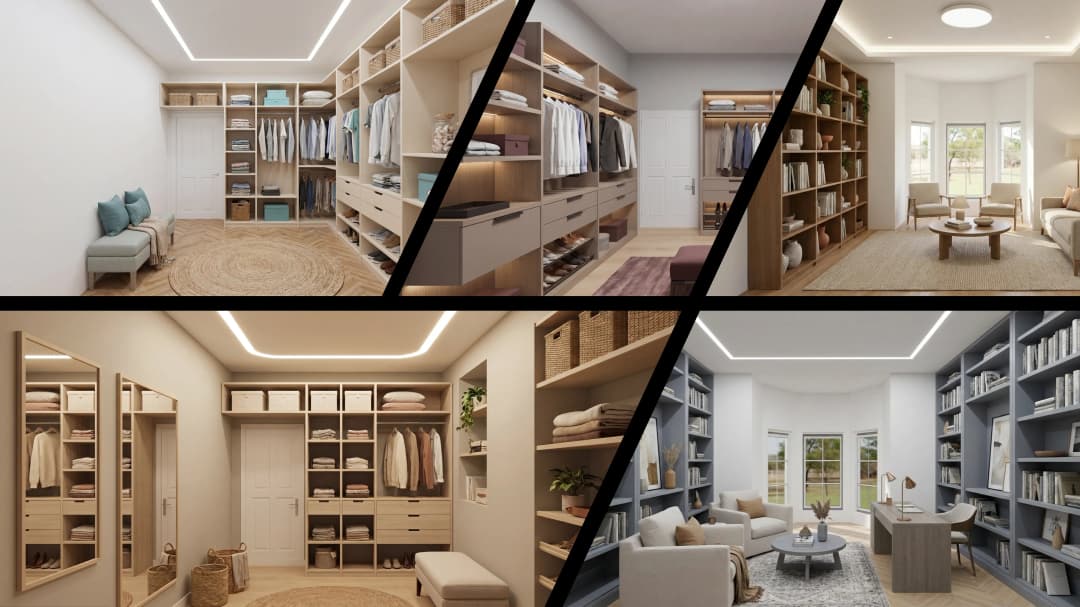
May 06, 2026
Why Furniture Brands Need AI 3D Visualization Now | VirtualSpaces
HHemanth Velury
CEO & Co-Founder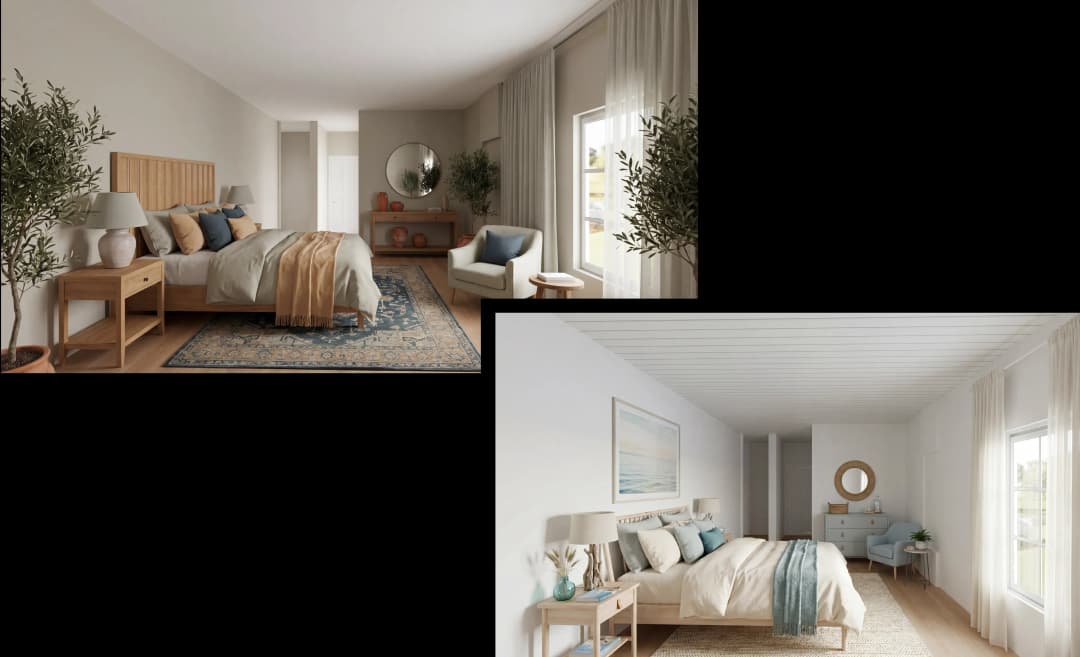
May 4, 2026
How Property Portals Can Turn 2D Floor Plans into 3D Design Decisions | VirtualSpaces
HHemanth Velury
CEO & Co-Founder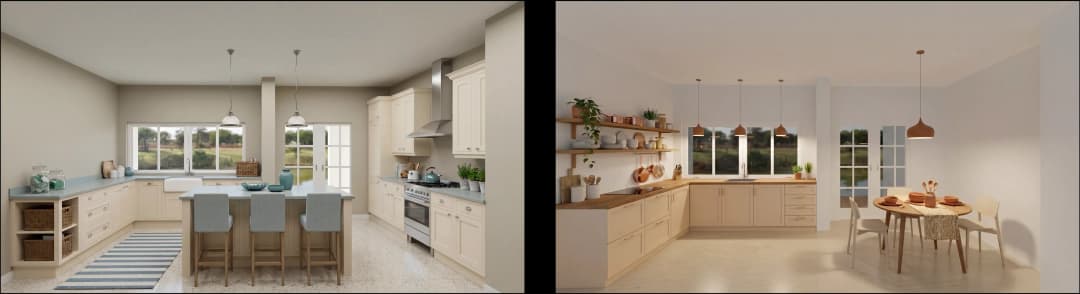
April 29, 2026
The Home-Fit Test: Why Square Footage Misleads | VirtualSpaces
HHemanth Velury
CEO & Co-Founder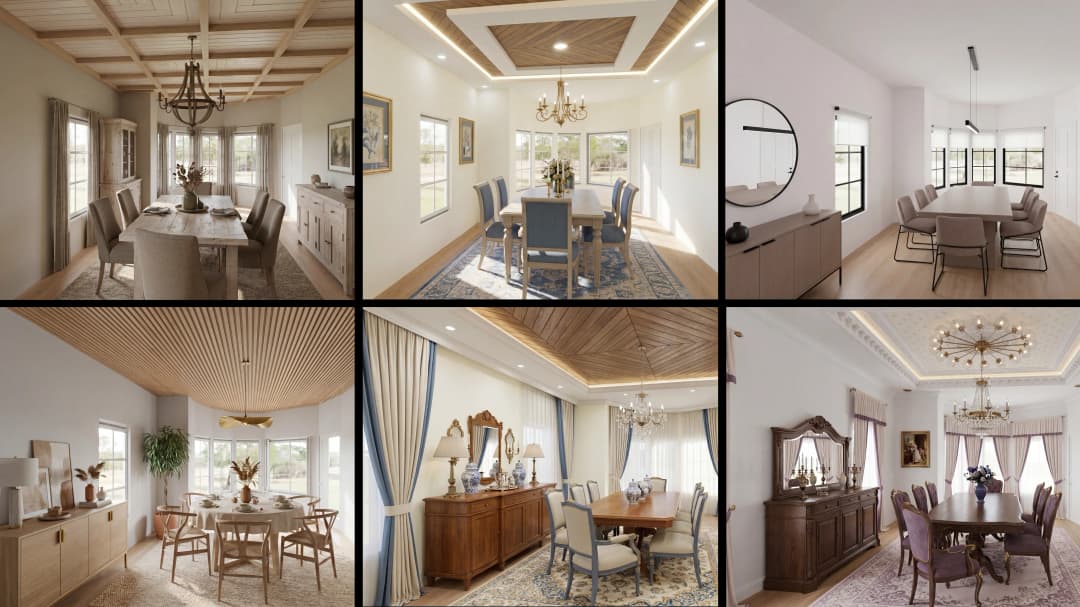
April 27, 2026
Designing Homes That Sell: 3D Visualization ROI Data | VirtualSpaces
HHemanth Velury
CEO & Co-FounderApril 24, 2026
What's Next: Foursite & Remodroom's New AI Features | VirtualSpaces
HHemanth Velury
CEO & Co-Founder
April 22, 2026
AI in Architecture: Closing the 85% Exposure Gap | VirtualSpaces
HHemanth Velury
CEO & Co-Founder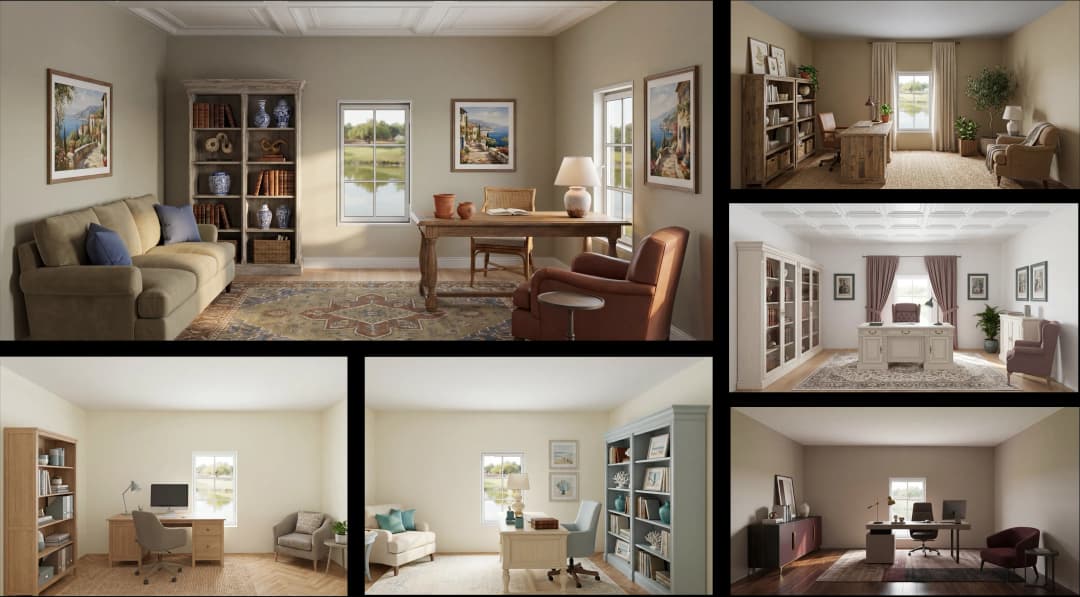
April 20, 2026
Interior Design Pricing in 2026: From Hourly to Value-Based Fees | VirtualSpaces
HHemanth Velury
CEO & Co-FounderApril 17, 2026
How Foursite and Remodroom Help Designers Win Clients | VirtualSpaces
HHemanth Velury
CEO & Co-Founder
April 15, 2026
Designing Spaces for People: Remodroom + Foursite AI Guide | VirtualSpaces
HHemanth Velury
CEO & Co-Founder
April 13, 2026
Designing for the Way People Actually Live: How AI 3D Is Finally Closing the Gap Between Floor Plan and Reality
HHemanth Velury
CEO & Co-Founder
April 11, 2026
Design in Real Time: AI Renders in Your First Client Meeting
HHemanth Velury
CEO & Co-Founder
April 06, 2026
Why Real Estate Photography Is No Longer Enough: The Shift to Spatial-First Listings
HHemanth Velury
CEO & Co-Founder
April 03, 2026
Property Management's Hidden Weapon: AI 3D Floor Plans That Cut Vacancy Time and Raise Tenant Quality
HHemanth Velury
CEO & Co-Founder
April 01, 2026
Off-Plan and Oversubscribed: How AI 3D Visualization Is Transforming Real Estate Pre-Sales
HHemanth Velury
CEO & Co-Founder
March 30, 2026
Why Foursite Beats Generic AI Tools for Interior Design 3D Visualization
HHemanth Velury
CEO & Co-Founder
March 27, 2026
7 Tenets of Interior Design: How AI Accelerates Harmony in Residential Spaces
HHemanth Velury
CEO & Co-Founder
March 25, 2026
What Is the 3-5-7 Rule in Interior Design? Foursite's AI Guide for Residential Spaces
HHemanth Velury
CEO & Co-Founder
March 23, 2026
What Is the 70/30 Rule in Interior Design? Foursite's AI Guide for Residential Spaces
HHemanth Velury
CEO & Co-Founder
March 20, 2026
How AI 3D Visualization Is Rewriting Residential Interior Design Workflows
HHemanth Velury
CEO & Co-Founder
March 18, 2026
Beyond Marketing: How 3D Floorplans Transform FM, Retrofit Planning & ESG Operations
HHemanth Velury
CEO & Co-Founder
March 16, 2026
Why AI Companies Use Token Payments (And Why VirtualSpaces Is Returning To Fiat)
HHemanth Velury
CEO & Co-Founder
March 13, 2026
Floorplan‑Native Digital Twins: Beyond BIM for Consumer‑Ready Real Estate Experiences
HHemanth Velury
CEO & Co-Founder
March 11, 2026
The Foursite Platform Thesis: Why Floor Plans, Not Photos, Are the Next Property Software Primitive
HHemanth Velury
CEO & Co-Founder
March 09, 2026
Design Systems for Space: Building Reusable 3D Component Libraries on Top of AI Floorplan‑to‑3D Engines
HHemanth Velury
CEO & Co-Founder
March 06, 2026
How to Standardize Design Quality Across Global Projects Using AI Floorplan-to-3D Tools
HHemanth Velury
CEO & Co-Founder
March 04, 2026
From CAD-First to AI-First: Reskilling Your Team for AI-Native Design Workflows
HHemanth Velury
CEO & Co-Founder
March 02, 2026
Algorithmic Ergonomics Meets Photorealistic 3D: Designing Human-Centered Smart Homes with Foursite in 2026
HHemanth Velury
CEO & Co-Founder
February 27, 2026
The Ethics of AI in Interior Design: Ownership, Originality, and Client Transparency
HHemanth Velury
CEO & Co-Founder
February 25, 2026
Designing with Empathy: Using AI 3D Visualization to Improve Client Communication and Emotional Clarity
HHemanth Velury
CEO & Co-Founder
February 23, 2026
From Tool to Infrastructure: AI Floorplan-to-3D and the Next Wave of PropTech
HHemanth Velury
CEO & Co-Founder
February 18, 2026
The Pre‑Purchase Power Play: How Savvy Home Buyers Use 3D Floor Plan Visualization to Negotiate Better Deals
HHemanth Velury
CEO & Co-FounderFebruary 16, 2026
AI Interior Design for Non‑Designers: How Homeowners Can Brief Like Pros
HHemanth Velury
CEO & Co-Founder
February 13, 2026
Scaling a Design Business Without Hiring a 3D Team: An Owner's Guide
HHemanth Velury
CEO & Co-Founder
February 11, 2026
From Bland to Bold: How to Rescue Builder-Grade Interiors on Any Budget
HHemanth Velury
CEO & Co-Founder
February 6, 2026
The Psychology of Space: How Room Dimensions Influence Interior Design Decisions
HHemanth Velury
CEO & Co-Founder
February 4, 2026
The Future of Interior Design Visualization: How AI Technology is Transforming 2D Concepts Into 3D Reality
HHemanth Velury
CEO & Co-Founder
February 2, 2026
AI Interior Décor: How Artificial Intelligence Generates Design Options from Your Floor Plan
HHemanth Velury
CEO & Co-Founder
January 30, 2026
Photoreal vs. Reality: What Clients Actually Expect from Interior Design Visualization
HHemanth Velury
CEO & Co-Founder
January 28, 2026
The Design Approval Conversation That Changes Everything: Communication Strategy When Using Photorealistic Visualization
HHemanth Velury
CEO & Co-Founder
January 25, 2026
Interior Design as Experience Design: How 3D Visualization Changes Your Professional Identity
HHemanth Velury
CEO & Co-Founder
January 23, 2026
The Professional Gap: How 3D Visualization Changes Interior Design Client Perception
HHemanth Velury
CEO & Co-Founder
January 21, 2026
Why Clients Fire Designers (And How 3D Visualization Could Have Saved the Project)
HHemanth Velury
CEO & Co-Founder
January 16, 2026
Blueprint to Vision: Why Seeing Is Believing in Interior Design
HHemanth Velury
CEO & Co-Founder
January 14, 2026
The Speed of Responsiveness: How AI Visualization Tools Make You Look Like You Care More
HHemanth Velury
CEO & Co-Founder
January 12, 2026
Why Interior Designers and Architects Can't Compete Without AI 3D Visualization Tools
HHemanth Velury
CEO & Co-Founder
January 07, 2026
From "Saved" to "Sold": How Homeowners Are Planning Renovations with AI
HHemanth Velury
CEO & Co-Founder
January 05, 2026
The Interior Designer's Secret Weapon: Speed as Premium Positioning
HHemanth Velury
CEO & Co-Founder
December 31, 2025
Gratitude, Growth & Game-Changing Innovation: VirtualSpaces' 2025 Journey & What's Coming in 2026
HHemanth Velury
CEO & Co-Founder
December 29, 2025
Why Interior Designers Are Switching to AI Floor Plan-to-3D Tools in 2026
HHemanth Velury
CEO & Co-Founder
December 26, 2025
AI Virtual Staging for Real Estate Agents: Sell More Homes Faster with Foursite
HHemanth Velury
CEO & Co-Founder
December 24, 2025
Why Architects Are Switching to AI 2D-to-3D: The SketchUp Alternative
HHemanth Velury
CEO & Co-Founder
December 22, 2025
Cut 3 Weeks from Real Estate Sales Cycle: The ROI of AI 2D to 3D Visualization
HHemanth Velury
CEO & Co-Founder
December 19, 2025
2D Floor Plans Are Dying: Why 3D Visualization & AI Virtual Staging Are the Future
HHemanth Velury
CEO & Co-Founder
December 17, 2025
Virtual Staging vs Physical Staging: How AI Saves Money Per Property
HHemanth Velury
CEO & Co-Founder
December 15, 2025
AI Floor Plan to Image: Revolutionizing Real Estate Marketing for Agents
HHemanth Velury
CEO & Co-Founder
December 12, 2025
Color of the Year 2026: Cloud Dancer | VirtualSpaces AI Interior Design Guide
HHemanth Velury
CEO & Co-Founder
December 10, 2025
AI Floor Plan to 3D: The New Standard for Interior Design Workflows
HHemanth Velury
CEO & Co-Founder
December 08, 2025
How Interior Design Studios Can Operationalize AI 2D-to-3D Workflows (Without Breaking Their Process)
HHemanth Velury
CEO & Co-Founder
December 06, 2025
How to Implement AI Interior Design Workflows in Your Studio
HHemanth Velury
CEO & Co-Founder
December 4, 2025
How Homeowners Can Use AI Interior Design Tools to Plan Renovations with Confidence
HHemanth Velury
CEO & Co-Founder
November 28, 2025
Interior Designers in the Age of AI: From Threat Narrative to Superpower
HHemanth Velury
CEO & Co-Founder
November 21, 2025
Foursite Launch: Embracing 'Release Early, Release Often'
HHemanth Velury
CEO & Co-Founder
November 13, 2025
Foursite by VirtSpaces: Empowering Interior Designers, Architects, and Homeowners
HHemanth Velury
CEO & Co-Founder
November 7, 2025
Reimagining Architectural Education: How AI Floorplan-to-3D Technology Can Transform Design Learning
VVirtualSpaces Research Labs
AI Research Initiative
October 27, 2025
Archisculpt AI: Turning Architectural Drawings into Photorealistic 3D Spaces
AAbhijeet Naik
Co-Founder & CTO
October 13, 2025
Home Makeover: From Floor Plan to Dream Space with AI
HHemanth Velury
CEO & Co-Founder
October 6, 2025
Real-Time Rendering & AI: Revolutionizing Interactive Property Walkthroughs with VirtSpaces
HHemanth Velury
CEO & Co-Founder
September 26, 2025
Foursite - A True AI-Native Experience in Design Visualization
AAbhijeet Naik
CTO & Co-Founder
September 18, 2025
Why PropTech Startups Are Betting on AI Interior Design
HHemanth Velury
CEO & Co-Founder
September 11, 2025
How AI Differs from Traditional 3D Rendering Software
HHemanth Velury
CEO & Co-Founder
September 2, 2025
From Client to Investor: How Nila Spaces and VirtSpaces Are Redefining Proptech with AI
HHemanth Velury
CEO & Co-Founder
August 25, 2025
VirtSpaces From Virtual Reality to AI – Transforming Real Estate Visualization.
HHemanth Velury
CEO & Co-Founder


We help teams collaborate seamlessly and reduce costs. Virtual Spaces offers cutting-edge technology with flexible plans designed to fit modern teams.
Copyright © VirtSpaces Pvt. Ltd. 2025 All Rights Reserved.
CIN: U74999KA2016PTC094921