
January 16, 2026
- AI Technology
- Interior Design
- Neuroscience
Blueprint to Vision: Why Seeing Is Believing in Interior Design
Hemanth Velury
CEO & Co-FounderBlueprint to Vision: Why Seeing Is Believing in Interior Design
The Neuroscience Behind Visual Communication in Design
Imagine walking into a client consultation with a static 2D floor plan and a mood-board. Your client nods politely, but you see it in their eyes: confusion. They're trying to translate flat lines and abstract color swatches into a real space they can inhabit, feel, and love. Now imagine presenting the same project through a photorealistic 3D rendering: suddenly, they're "walking" through the space, seeing the light streaming through the windows, visualizing the furniture arrangement, and understanding exactly how the design will transform their home.
The difference between these two scenarios isn't just better marketing. It's neuroscience.
Your client's brain is wired to understand 3D space. When we see traditional 2D floor plans, our brains must work harder: pulling resources from multiple brain regions to translate abstract symbols into spatial understanding. But when we see a photorealistic 3D visualization, our brains can immediately grasp the design. This isn't accidental; it's how human perception has evolved.
The reality? 73% of interior design clients struggle to interpret traditional design drawings. And 68% request multiple revisions because of visualization misunderstandings. This gap between what designers envision and what clients understand has plagued the industry for decades. But the solution isn't better explanations or more sketches but leveraging the brain's natural preference for three-dimensional visual information.
How Your Brain Processes 2D Versus 3D Space
When your client looks at a 2D floor plan, their brain activates several regions simultaneously. The visual cortex processes basic shapes and lines. The prefrontal cortex engages to make sense of what they're seeing. The hippocampus and para-hippocampal cortex—regions specialized for spatial memory and navigation—work hard to construct a mental 3D model from the 2D input.
But here's what's remarkable: when that same client views a photorealistic 3D rendering, something shifts. Their brain can skip the translation step. The para-hippocampal cortex, which processes scene information and spatial relationships, springs into action immediately. Their mirror neurons activate. These are specialized brain cells that fire both when we observe something and when we imagine experiencing it ourselves. Suddenly, the client isn't just looking at a design; they're mentally inhabiting it.
This neurological efficiency has profound implications for interior design. When clients can immediately understand spatial relationships, lighting effects, material finishes, and furniture placement without mental translation, they make decisions faster. They feel more confident. They request fewer revisions. And critically, they trust their designer more.
The amygdala, which is the brain's emotional processing center also engages differently with 3D visualizations. When presented with abstract 2D drawings, clients experience ambiguity, which can trigger anxiety. But photorealistic renderings activate the amygdala's reward centers. Clients experience a sense of clarity, confidence, and positive emotion. Their prefrontal cortex, which handles decision-making and rational evaluation, works in harmony with their emotional brain rather than fighting against uncertainty.
Speed Creates Confidence and Confidence Sells Design
Here's an uncomfortable truth for traditional interior designers: the speed at which you respond to a client isn't just about efficiency but also about neuroscience.
When clients receive rapid responses from their designer with professional visualizations, their brains release dopamine, the neurotransmitter associated with satisfaction, pleasure, and reward. The client thinks, "Wow, they're on top of this. They really care." This psychological boost builds trust faster than any promise or credential ever could.
Conversely, when clients wait days or weeks for visualization materials, anxiety creeps in. They second-guess the design. They imagine worst-case scenarios. They start making hasty decisions based on incomplete information, which often leads to misalignment with your original vision.
The traditional interior design workflow is broken. Concept development takes 8–12 hours. Visualization creation takes 12–18 hours. Client communication adds another 6–10 hours. By the time a client sees comprehensive design materials, weeks have passed. And then, a painfully, the client often requests revisions because what they see doesn't match their mental image of what you described.
This is where AI-powered visualization tools like VirtualSpaces and Foursite fundamentally change the game. These platforms use advanced AI to convert 2D floor plans and blueprints into photorealistic 3D visualizations in minutes, not hours. A blueprint that would take a traditional 3D artist 2–3 days can now become a stunning interior design render in under an hour.
But more importantly, this speed allows interior designers to work differently with their clients. Instead of presenting a finished design after weeks of solo work, designers can now collaborate in real-time. During client consultations, designers can instantly convert a 2D floor plan into a 3D model, showing clients different furniture arrangements, color palettes, and lighting scenarios on the fly.
The results are dramatic: designers using AI visualization tools report saving 15–20 hours per project while achieving 47% higher client satisfaction. Projects that previously required 3.2 revision cycles now complete with just 1.5 cycles on average. Timeline delays caused by client indecision drop from 45% of projects to under 10%.
Virtual Staging, AI Interior Décor, and the Differentiation Advantage
For interior designers, differentiation is everything. In a crowded market, the designer who can show clients photorealistic interior design renders first and faster wins the project.
This is where tools like VirtualSpaces and Foursite become your competitive advantage. These platforms don't just convert floor plans to 3D models; they enable virtual staging and AI interior décor at scale.
Imagine a client sends you architectural blueprints. Within minutes, not days (as been the traditional process), you've converted those blueprints to 3D using AI floor plan recognition technology. You've virtually staged the space with furniture, added lighting, applied finishes, and generated multiple design variations. Your client sees photorealistic interior design renders showing their space in contemporary, minimalist, and traditional styles simultaneously.
This capability creates two business advantages:
- Speed Advantage: You present concepts faster than competitors. Your clients make decisions sooner. Your project pipeline moves faster. You differentiate based on responsiveness, a quality clients deeply value.
- Quality Advantage: Your visualizations are photoreal. They show clients exactly how materials will look under specific lighting conditions. They eliminate ambiguity. They reduce revision cycles and change orders. And critically, they make your design vision irrefutable. When clients see a photorealistic render of their interior design, they understand not just what you're proposing, but why it works.
The AI interior design capabilities embedded in platforms like Foursite handle the technical heavy lifting that of converting 2D floor plans to 3D models, optimizing lighting, applying materials, generating multiple design variations. This frees you to focus on what you do best: making creative decisions, understanding client psychology, and translating spatial concepts into human experiences.
Why Seeing Really Is Believing
The human brain is fundamentally visual. We process images 60,000 times faster than text. We remember 65% of information presented visually, compared to just 10% when presented verbally.
For interior designers, this isn't trivia, it's the very foundation of your business.
When you present a design using traditional 2D floor plans and material samples, you're asking clients to do mental gymnastics. Their brains must translate abstract symbols into three-dimensional space while simultaneously imagining how materials will feel, how light will move through the room, and how the space will support their daily life.
But when you present the same design through photorealistic 3D visualization, you remove the translation layer entirely. Your client's visual cortex immediately processes spatial relationships. Their para-hippocampal cortex recognizes the scene. Their mirror neurons engage, allowing them to mentally inhabit the space. And crucially, their amygdala, which is the emotional decision-making center registers positive emotion rather than anxiety.
This neurological shift from translation to immediate understanding transforms the client experience. Clients feel heard. They feel understood. They feel confident in their decisions. And they're far more likely to approve designs, move projects forward, and recommend you to others.
AI 3D visualization tools like VirtualSpaces and Foursite make this neurological advantage accessible to every interior designer. By automating the technical aspects of conversion (taking a 2D floor plan or blueprint and creating a 3D visualization), these platforms allow you to focus on the creative and strategic aspects of design communication.
The Interior Designer in 2026 and Beyond
Today's interior designer faces unprecedented pressure. Clients expect professional visualizations immediately. They want multiple design options before committing. They demand transparency about costs and timelines. And they're increasingly comfortable with technology. They expect their designer to be just as technologically sophisticated as they are.
The interior designers succeeding in this environment share a common trait: they've embraced AI visualization tools not as a threat, but as a capability multiplier.
These designers understand that converting a floor plan to 3D isn't about replacing artistry with automation, it's about amplifying artistry. An AI platform handles the mechanical task of transforming a 2D blueprint into a three-dimensional model, leaving the designer free to make aesthetic choices, refine spatial proportions, adjust lighting for emotional impact, and guide clients through the decision-making process.
When you combine the speed of AI tools with your creative expertise, you create an unstoppable competitive advantage. You're not just faster than competitors who rely on manual 3D rendering. You're better. You're more responsive. You show clients more options. You understand their needs faster. And you deliver results that reflect your unique creative vision and not a compromise imposed by time constraints.
The interior designer of 2026 is someone who masters both the art and the technology. They understand neuroscience enough to know that photorealistic renders close deals faster than abstract drawings. They understand that speed builds client confidence. They use AI visualization platforms to handle the technical lifting, freeing themselves to focus on creative direction and client relationships.
From Blueprint to Reality: Your Competitive Edge
The journey from blueprint to vision no longer takes weeks. With AI-powered 3D visualization platforms, you can convert 2D floor plans into stunning photoreal interior design renders in hours, not days. You can generate multiple design directions, compare them side-by-side, and present them during client consultations rather than after weeks of solo work.
This isn't just faster. It's different. It changes the power dynamic in client conversations. Instead of selling clients on your vision, you're collaborating with them, showing possibilities, and refining concepts together in real-time.
The neuroscience supports this approach entirely. Your clients' brains are wired to understand 3D space, to respond emotionally to visual information, and to make confident decisions when presented with clear, photorealistic visualizations. By leveraging tools that convert blueprints to 3D, by using virtual staging and AI interior décor capabilities, and by responding with speed and sophistication, you're not just meeting client expectations you're exceeding them.
The architects and designers winning in today's market aren't those with the most impressive portfolios or the fanciest credentials. They're the ones who can present a photorealistic 3D visualization of a client's space before the initial consultation is over. They're the ones who understand that showing beats telling. They're the ones who recognize that seeing really is believing.
Your competitive advantage in interior design isn't your aesthetic sensibility (though that matters). It's your ability to help clients see what you see. And the fastest, most effective way to do that is through photorealistic 3D visualizations powered by platforms like VirtualSpaces and Foursite: tools that convert blueprints and floor plans into visual certainty.
The question isn't whether you'll adopt AI visualization tools. The question is how quickly. Your market is already shifting. Clients are expecting designers who can convert a 2D floor plan to a 3D model instantly. They're expecting virtual staging and AI interior décor capabilities as standard. They're expecting speed, sophistication, and photorealistic renders.
Blueprint to vision isn't just about creating beautiful spaces anymore. It's about communicating those spaces with such clarity and speed that clients don't just see your design but believe in it before construction even begins.
Recommended for you

August 19, 2026
The End of the Model Home? 3D Changes the Math | VirtualSpaces
HHemanth Velury
CEO & Co-Founder
August 17, 2026
Designing Spaces That Actually Get Built | VirtualSpaces
HHemanth Velury
CEO & Co-Founder
August 12, 2026
Designing Homes for the Stuff People Actually Own | VirtualSpaces
HHemanth Velury
CEO & Co-Founder
August 07, 2026
Floor Plan to Bill of Materials: The 3D Model as Data | VirtualSpaces
HHemanth Velury
CEO & Co-Founder.png&w=1080&q=75)
August 05, 2026
Designing Homes for How People Actually Live | VirtualSpaces
HHemanth Velury
CEO & Co-Founder
August 03, 2026
Honest by Design: Trust in AI Real Estate Imagery | VirtualSpaces
HHemanth Velury
CEO & Co-Founder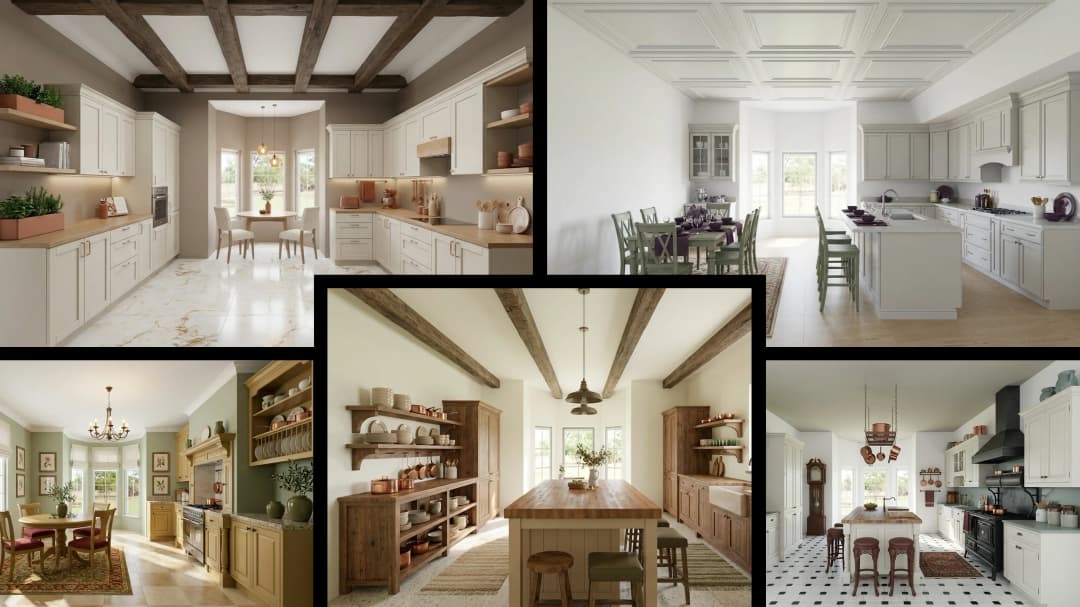
July 29, 2026
Kitchen and Bath: The Two Rooms That Decide Resale | VirtualSpaces
HHemanth Velury
CEO & Co-Founder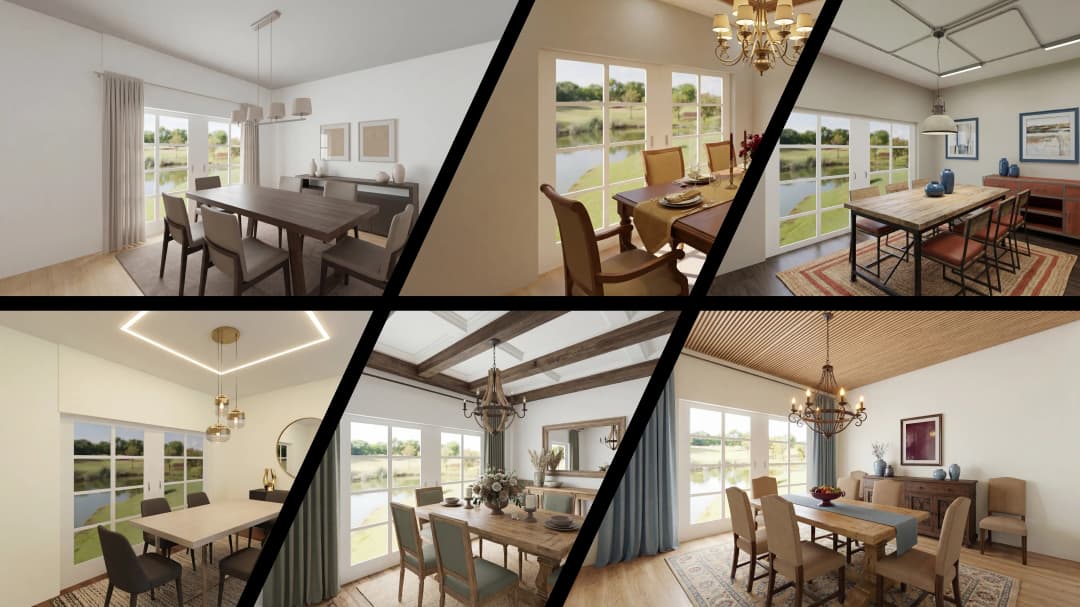
July 27, 2026
Why Empty Rooms Don't Sell: Virtual Staging | VirtualSpaces
HHemanth Velury
CEO & Co-Founder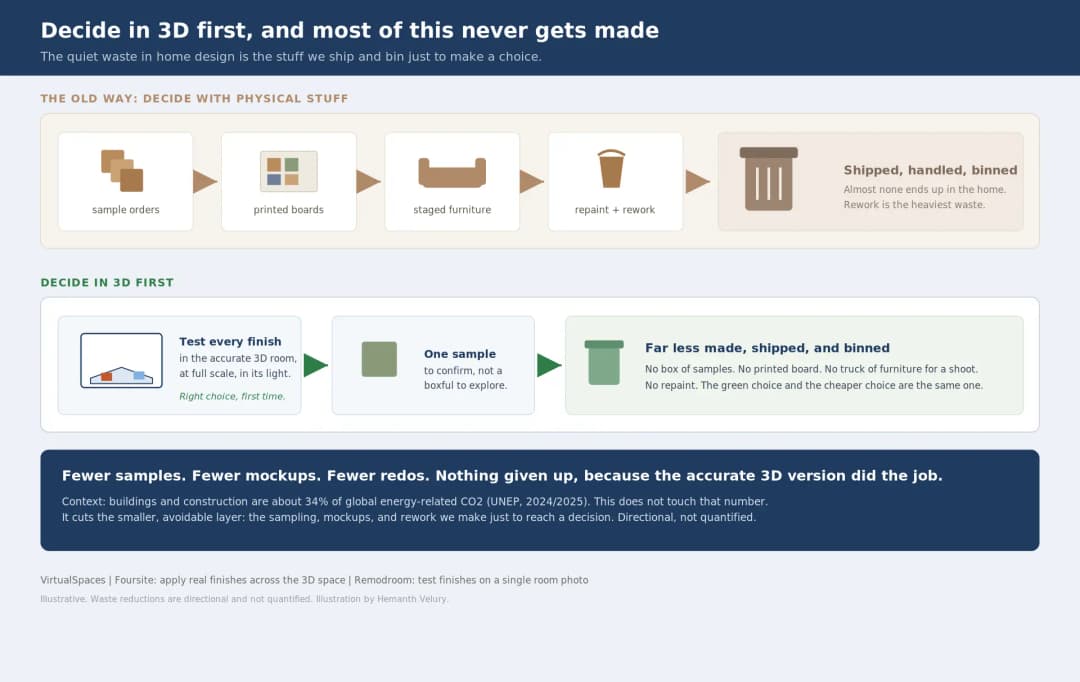
July 24, 2026
The Quiet Sustainability Win of Deciding in 3D | VirtualSpaces
HHemanth Velury
CEO & Co-Founder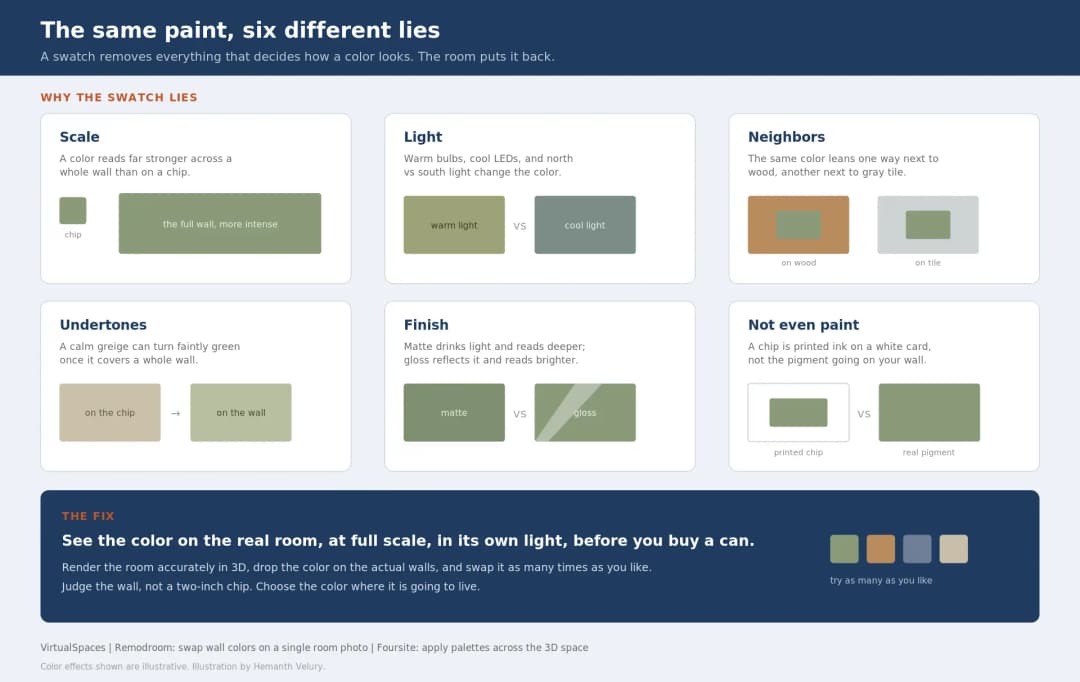
July 22, 2026
Why Paint Swatches Lie: Test Color in 3D First | VirtualSpaces
HHemanth Velury
CEO & Co-Founder
July 20, 2026
Why Every Home Should Be Seen Before It's Built | VirtualSpaces
HHemanth Velury
CEO & Co-Founder
July 17, 2026
Why Big AI Labs Won't Build Floor Plan to 3D | VirtualSpaces
HHemanth Velury
CEO & Co-Founder
July 15, 2026
How We Solve Floor Plan to 3D, Accurately | VirtualSpaces
HHemanth Velury
CEO & Co-Founder
July 13, 2026
Designing Homes That Age With the People in Them | VirtualSpaces
HHemanth Velury
CEO & Co-Founder
July 10, 2026
Designing Spaces for How Light Actually Moves | VirtualSpaces
HHemanth Velury
CEO & Co-Founder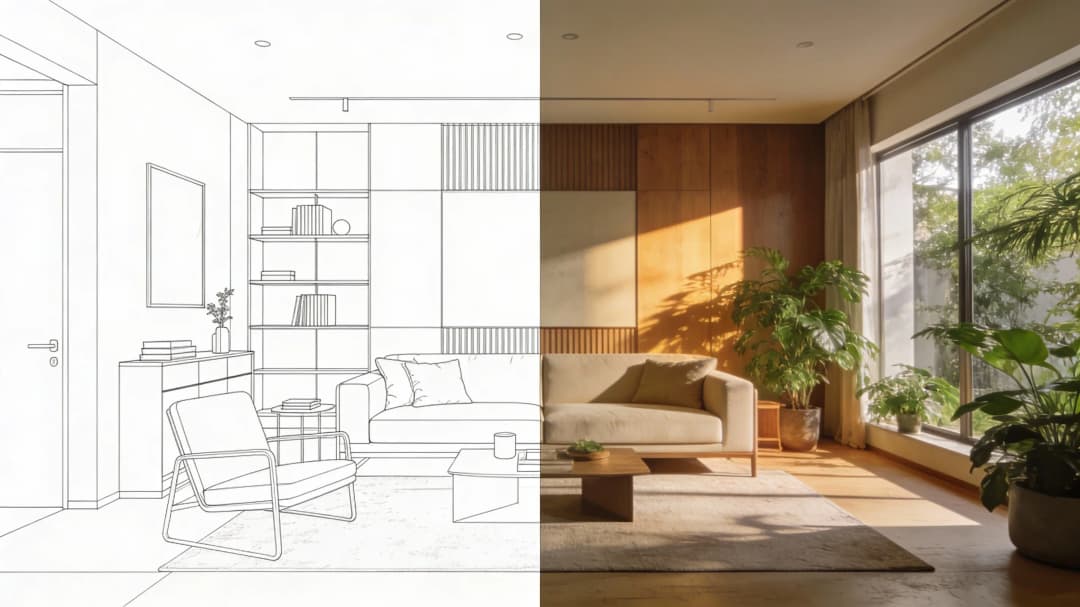
July 08, 2026
Designing Homes for Every Life Stage in 3D | VirtualSpaces
HHemanth Velury
CEO & Co-Founder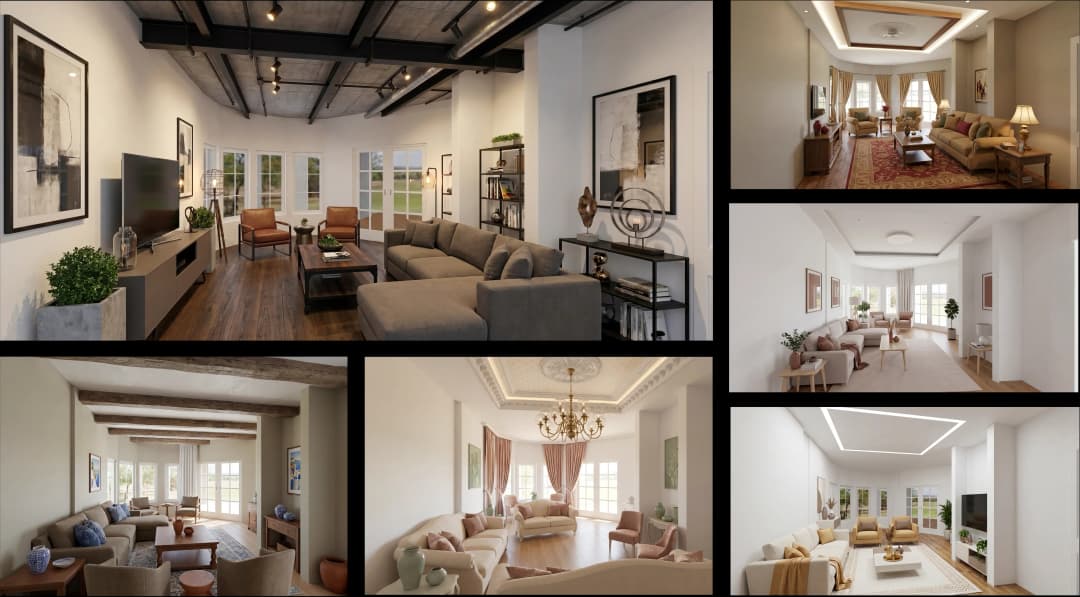
July 06, 2026
Build an Interior Design Portfolio Without Clients | VirtualSpaces
HHemanth Velury
CEO & Co-Founder
June 26, 2026
AI Interior Design: Full 3D Workflow in One Platform | VirtualSpaces
HHemanth Velury
CEO & Co-Founder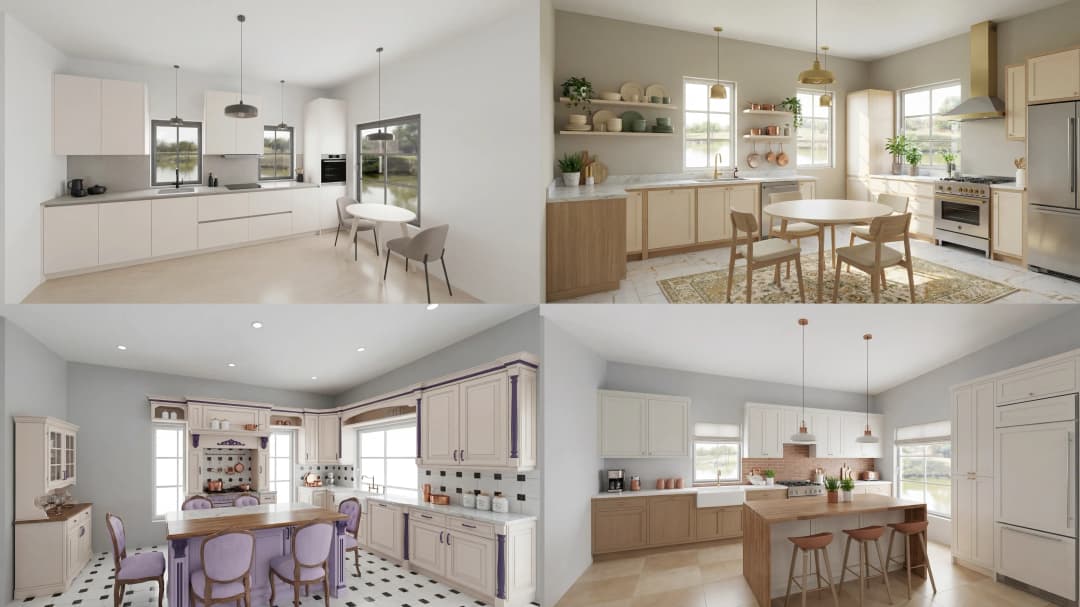
June 24, 2026
Scope Creep in Interior Design: How AI Visualization Fixes It | VirtualSpaces
HHemanth Velury
CEO & Co-Founder
June 22, 2026
What Buyers See on a Floor Plan: Your Biggest Sales Problem | VirtualSpaces
HHemanth Velury
CEO & Co-Founder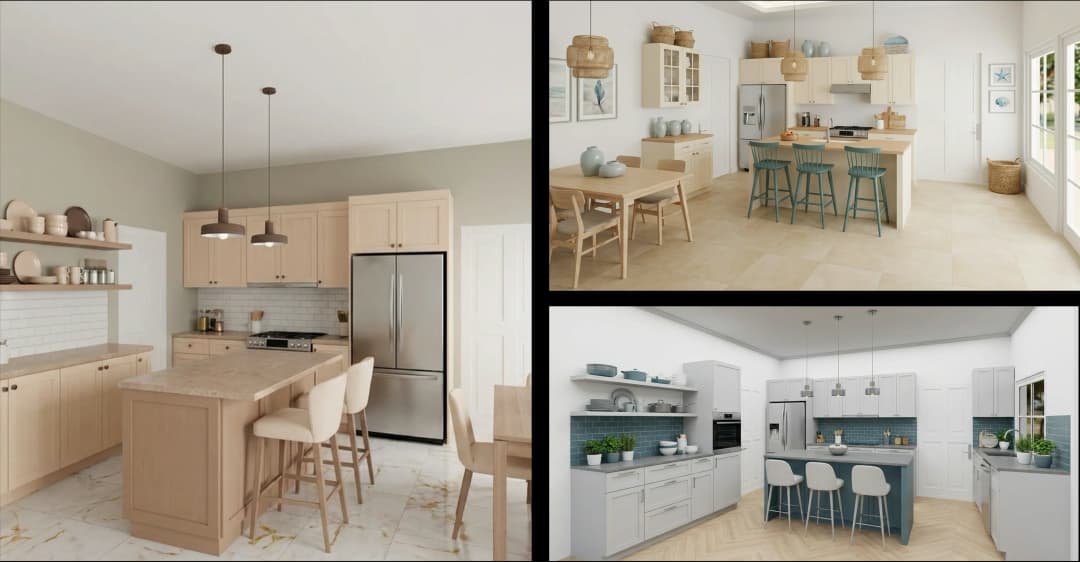
June 19, 2026
Small Design Studios vs Big Firms: The AI Advantage | VirtualSpaces
HHemanth Velury
CEO & Co-Founder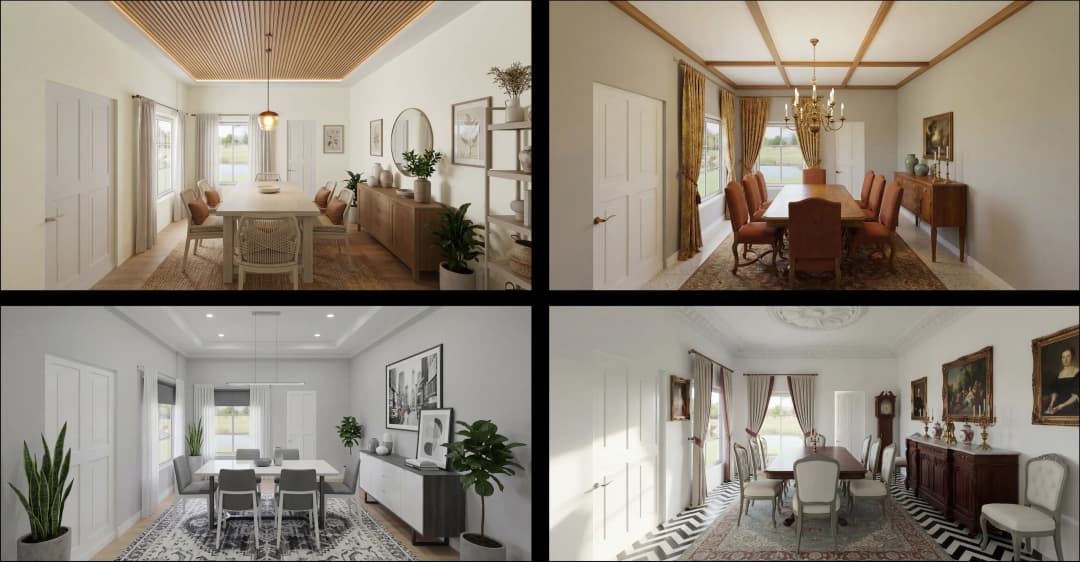
June 17, 2026
After the Mood Board: AI Interior Visualization | VirtualSpaces
HHemanth Velury
CEO & Co-Founder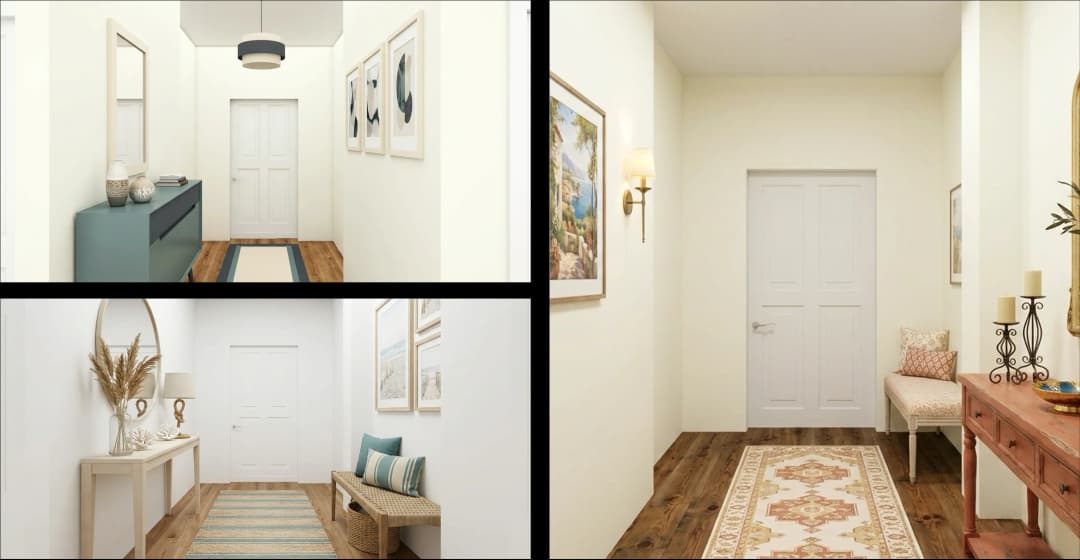
June 15, 2026
Foursite Pro Editor: Full Floor Plan Control for Designers | VirtualSpaces
HHemanth Velury
CEO & Co-Founder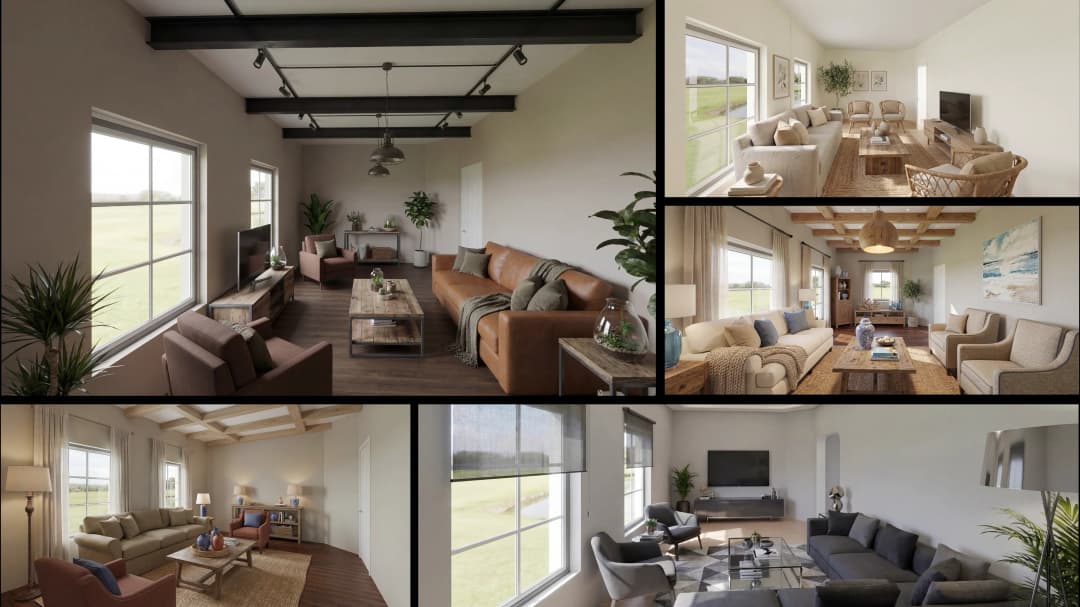
June 12, 2026
AI Interior Design: Style Any Room in Seconds with Foursite | VirtualSpaces
HHemanth Velury
CEO & Co-Founder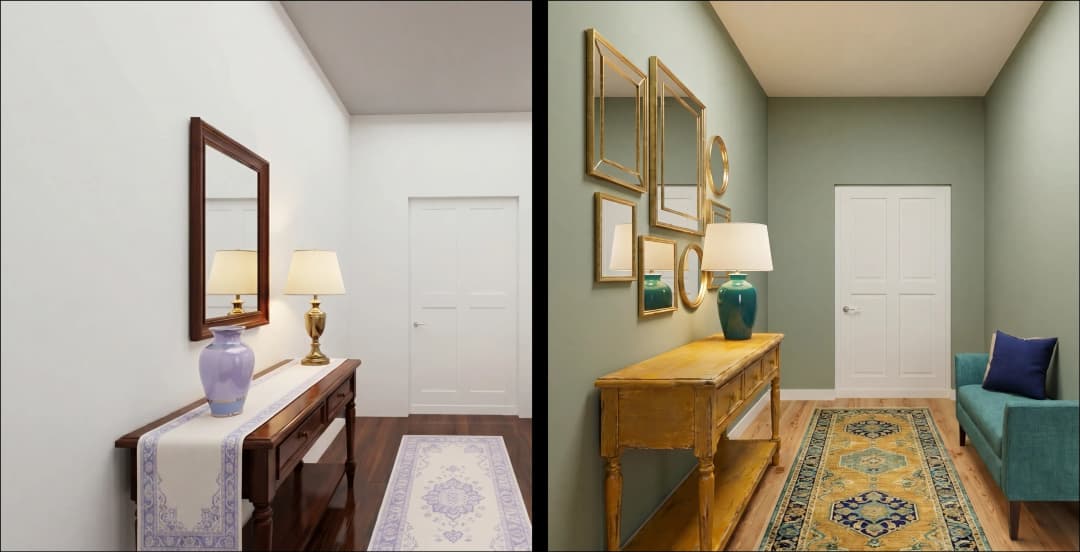
June 10, 2026
Foursite: Floor Plan to 3D Walkthrough in Minutes | VirtualSpaces
HHemanth Velury
CEO & Co-Founder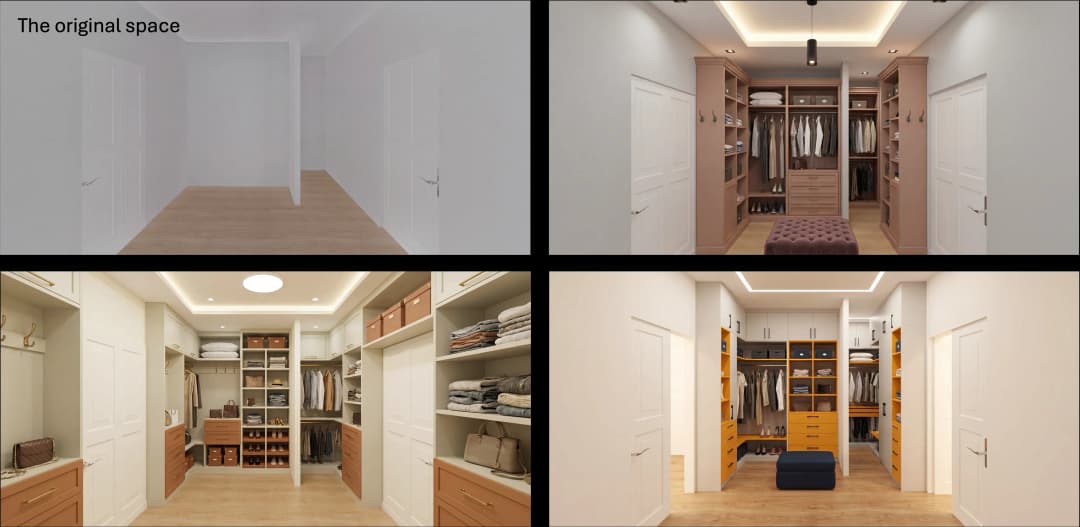
June 08, 2026
Win More Pitches With AI Renders Before the Meeting | VirtualSpaces
HHemanth Velury
CEO & Co-Founder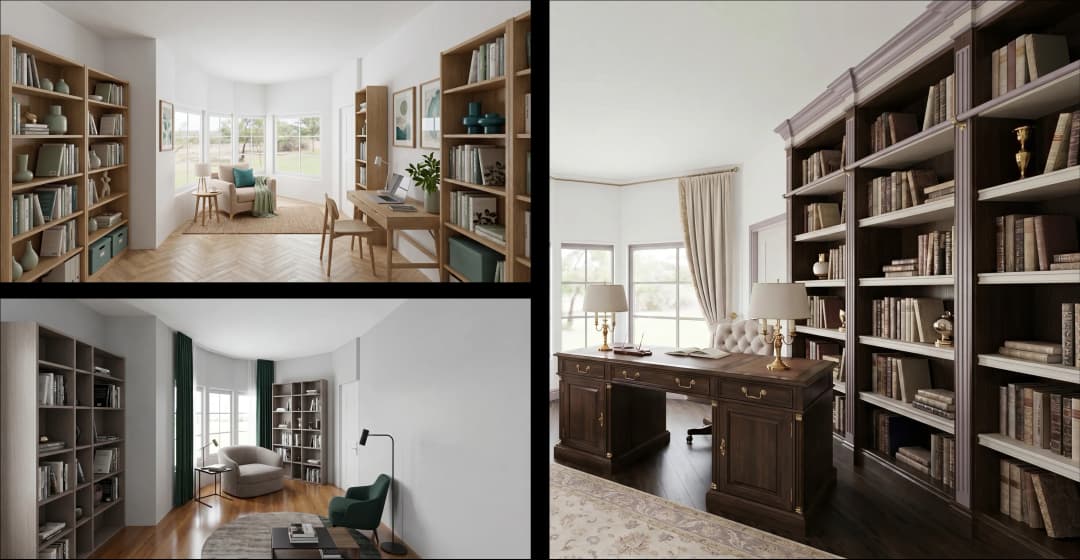
June 05, 2026
From Floor Plan to Finished Room: What AI Now Makes Possible | VirtualSpaces
HHemanth Velury
CEO & Co-Founder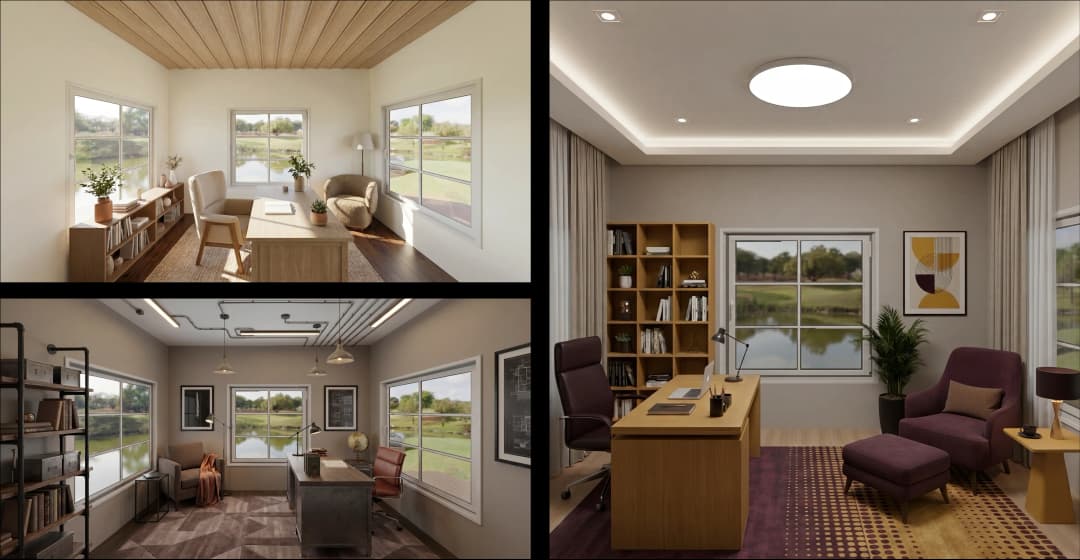
June 03, 2026
The Interior Design Brief Is Broken. AI Fixes It | VirtualSpaces
HHemanth Velury
CEO & Co-Founder
June 01, 2026
Pre-Construction Home Sales: AI Interior Visualization Guide | VirtualSpaces
HHemanth Velury
CEO & Co-Founder
May 30, 2026
Interior Design Principles: Applied with AI | VirtualSpaces
HHemanth Velury
CEO & Co-Founder
May 28, 2026
Designing Spaces for People, Not Blueprints | VirtualSpaces
HHemanth Velury
CEO & Co-Founder
May 26, 2026
The Future of Interior Design: Closing the Visualization Gap with Foursite and Remodroom | VirtualSpaces
HHemanth Velury
CEO & Co-Founder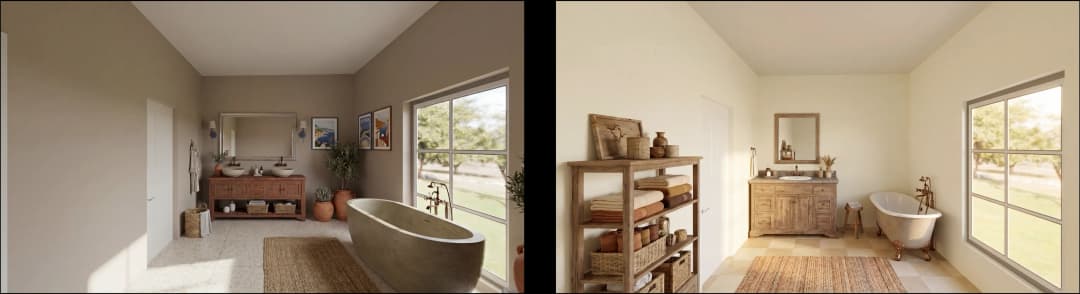
May 18, 2026
How AI Visualization Upgrades Property Data Platforms | VirtualSpaces
HHemanth Velury
CEO & Co-Founder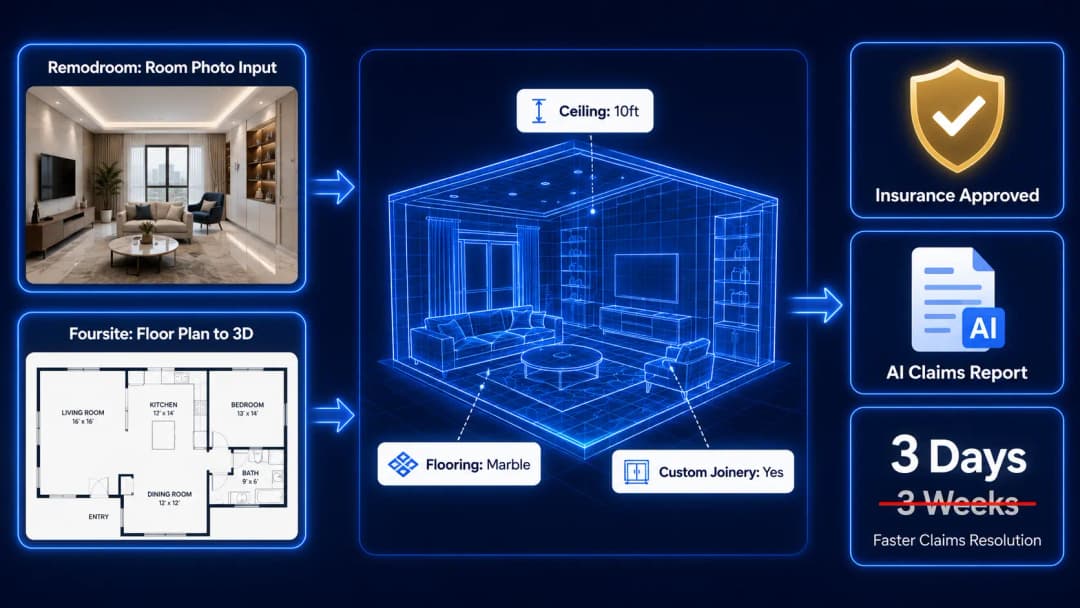
May 14, 2026
How AI-First Insurers Can Use 3D Property Data to Transform Home Claims | VirtualSpaces
HHemanth Velury
CEO & Co-FounderMay 12, 2026
Why Photoreal 3D Renders Are Replacing Mood Boards | Interior Design Client Presentations | VirtualSpaces
HHemanth Velury
CEO & Co-Founder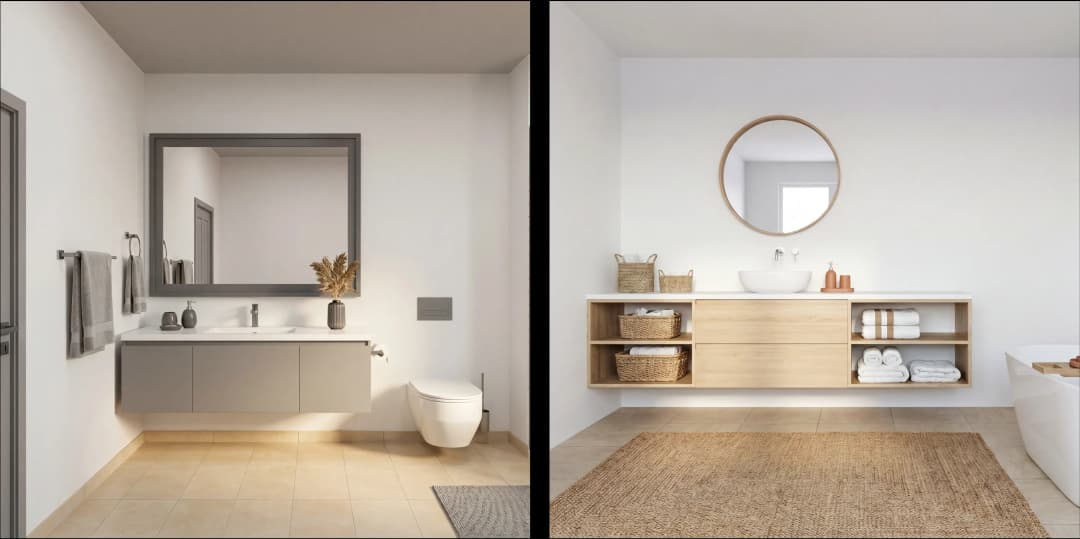
May 08, 2026
From 2D Floor Plans To Living Worlds: The Spec‑Accurate 3D Engine | VirtualSpaces
HHemanth Velury
CEO & Co-Founder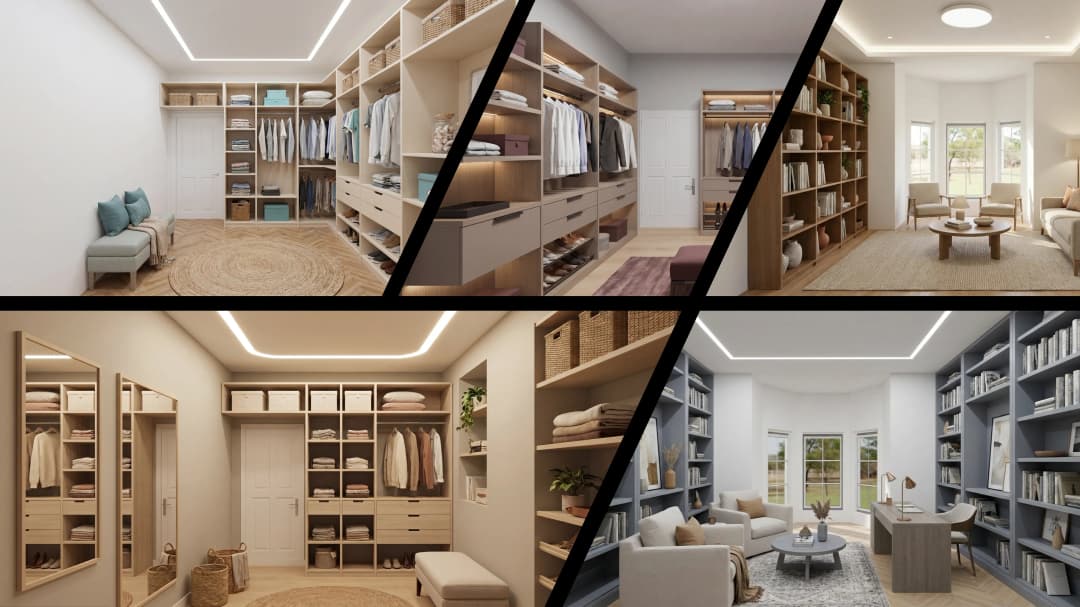
May 06, 2026
Why Furniture Brands Need AI 3D Visualization Now | VirtualSpaces
HHemanth Velury
CEO & Co-Founder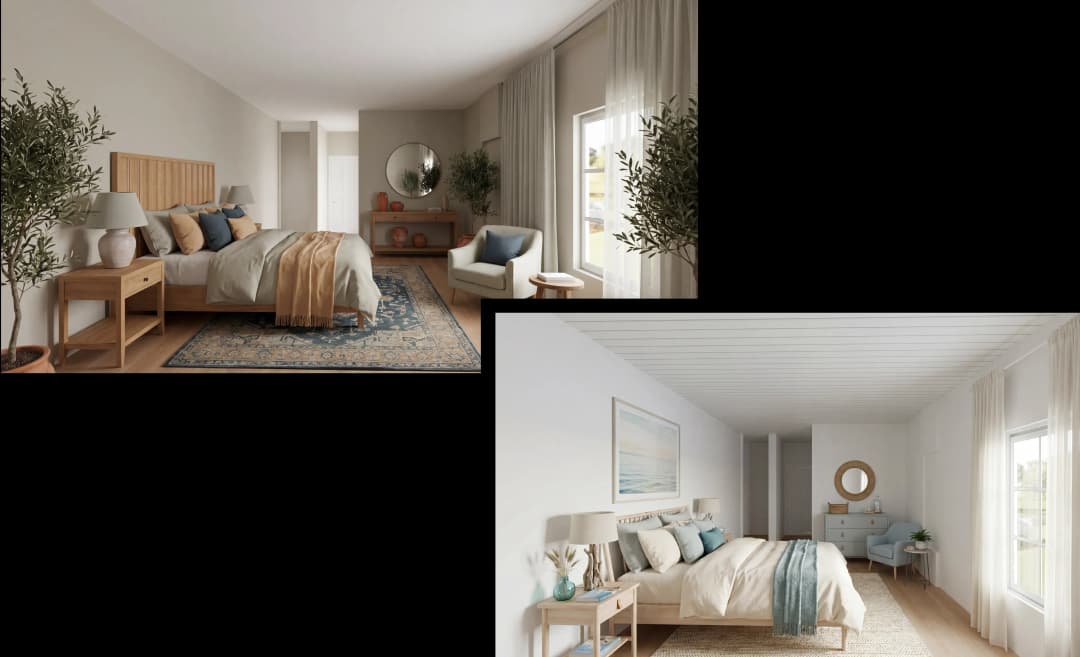
May 4, 2026
How Property Portals Can Turn 2D Floor Plans into 3D Design Decisions | VirtualSpaces
HHemanth Velury
CEO & Co-Founder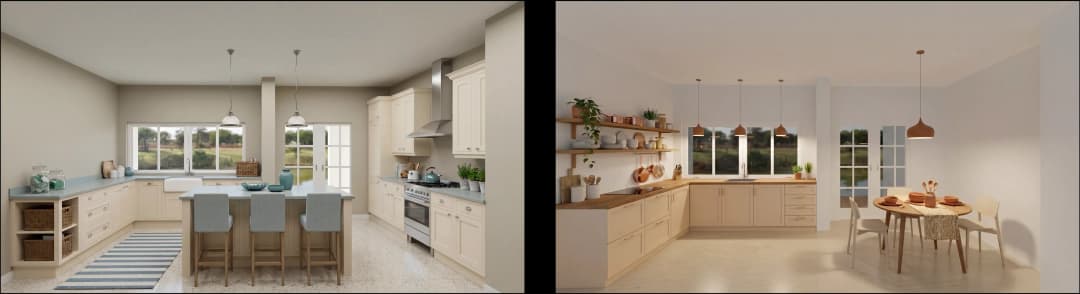
April 29, 2026
The Home-Fit Test: Why Square Footage Misleads | VirtualSpaces
HHemanth Velury
CEO & Co-Founder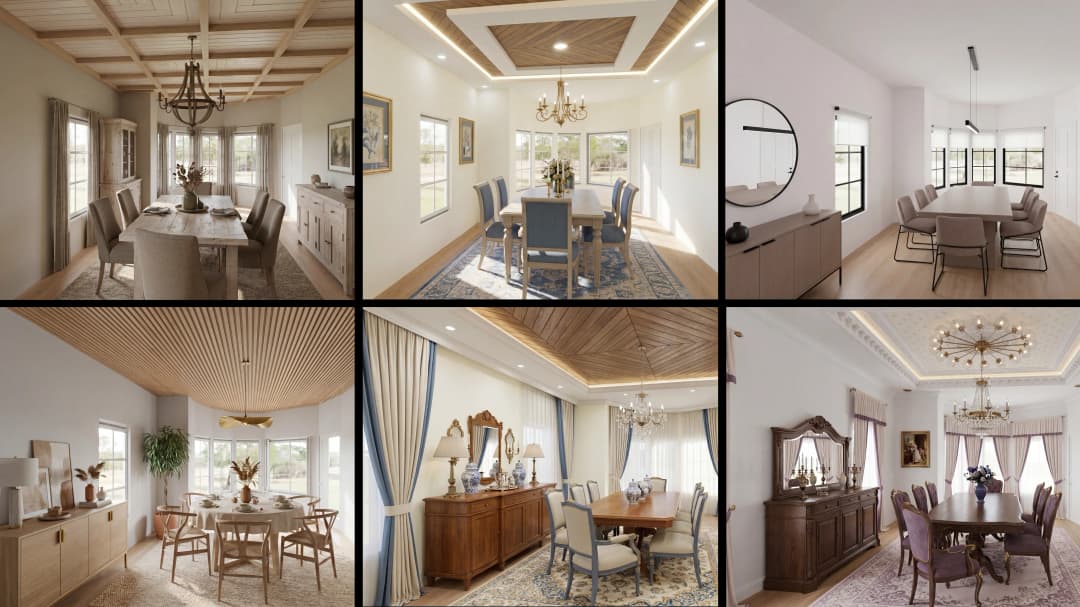
April 27, 2026
Designing Homes That Sell: 3D Visualization ROI Data | VirtualSpaces
HHemanth Velury
CEO & Co-FounderApril 24, 2026
What's Next: Foursite & Remodroom's New AI Features | VirtualSpaces
HHemanth Velury
CEO & Co-Founder
April 22, 2026
AI in Architecture: Closing the 85% Exposure Gap | VirtualSpaces
HHemanth Velury
CEO & Co-Founder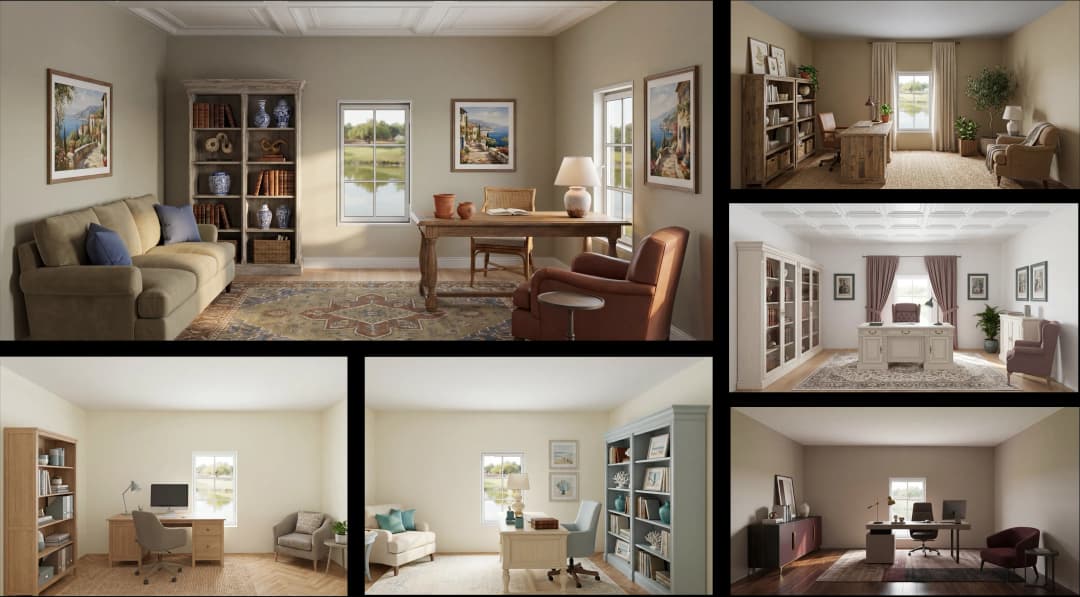
April 20, 2026
Interior Design Pricing in 2026: From Hourly to Value-Based Fees | VirtualSpaces
HHemanth Velury
CEO & Co-FounderApril 17, 2026
How Foursite and Remodroom Help Designers Win Clients | VirtualSpaces
HHemanth Velury
CEO & Co-Founder
April 15, 2026
Designing Spaces for People: Remodroom + Foursite AI Guide | VirtualSpaces
HHemanth Velury
CEO & Co-Founder
April 13, 2026
Designing for the Way People Actually Live: How AI 3D Is Finally Closing the Gap Between Floor Plan and Reality
HHemanth Velury
CEO & Co-Founder
April 11, 2026
Design in Real Time: AI Renders in Your First Client Meeting
HHemanth Velury
CEO & Co-Founder
April 06, 2026
Why Real Estate Photography Is No Longer Enough: The Shift to Spatial-First Listings
HHemanth Velury
CEO & Co-Founder
April 03, 2026
Property Management's Hidden Weapon: AI 3D Floor Plans That Cut Vacancy Time and Raise Tenant Quality
HHemanth Velury
CEO & Co-Founder
April 01, 2026
Off-Plan and Oversubscribed: How AI 3D Visualization Is Transforming Real Estate Pre-Sales
HHemanth Velury
CEO & Co-Founder
March 30, 2026
Why Foursite Beats Generic AI Tools for Interior Design 3D Visualization
HHemanth Velury
CEO & Co-Founder
March 27, 2026
7 Tenets of Interior Design: How AI Accelerates Harmony in Residential Spaces
HHemanth Velury
CEO & Co-Founder
March 25, 2026
What Is the 3-5-7 Rule in Interior Design? Foursite's AI Guide for Residential Spaces
HHemanth Velury
CEO & Co-Founder
March 23, 2026
What Is the 70/30 Rule in Interior Design? Foursite's AI Guide for Residential Spaces
HHemanth Velury
CEO & Co-Founder
March 20, 2026
How AI 3D Visualization Is Rewriting Residential Interior Design Workflows
HHemanth Velury
CEO & Co-Founder
March 18, 2026
Beyond Marketing: How 3D Floorplans Transform FM, Retrofit Planning & ESG Operations
HHemanth Velury
CEO & Co-Founder
March 16, 2026
Why AI Companies Use Token Payments (And Why VirtualSpaces Is Returning To Fiat)
HHemanth Velury
CEO & Co-Founder
March 13, 2026
Floorplan‑Native Digital Twins: Beyond BIM for Consumer‑Ready Real Estate Experiences
HHemanth Velury
CEO & Co-Founder
March 11, 2026
The Foursite Platform Thesis: Why Floor Plans, Not Photos, Are the Next Property Software Primitive
HHemanth Velury
CEO & Co-Founder
March 09, 2026
Design Systems for Space: Building Reusable 3D Component Libraries on Top of AI Floorplan‑to‑3D Engines
HHemanth Velury
CEO & Co-Founder
March 06, 2026
How to Standardize Design Quality Across Global Projects Using AI Floorplan-to-3D Tools
HHemanth Velury
CEO & Co-Founder
March 04, 2026
From CAD-First to AI-First: Reskilling Your Team for AI-Native Design Workflows
HHemanth Velury
CEO & Co-Founder
March 02, 2026
Algorithmic Ergonomics Meets Photorealistic 3D: Designing Human-Centered Smart Homes with Foursite in 2026
HHemanth Velury
CEO & Co-Founder
February 27, 2026
The Ethics of AI in Interior Design: Ownership, Originality, and Client Transparency
HHemanth Velury
CEO & Co-Founder
February 25, 2026
Designing with Empathy: Using AI 3D Visualization to Improve Client Communication and Emotional Clarity
HHemanth Velury
CEO & Co-Founder
February 23, 2026
From Tool to Infrastructure: AI Floorplan-to-3D and the Next Wave of PropTech
HHemanth Velury
CEO & Co-Founder
February 20, 2026
AI Interior Design for Holiday Homes: Turn Spare Flats into High-Demand Short-Stay Rentals with 3D Visuals
HHemanth Velury
CEO & Co-Founder
February 18, 2026
The Pre‑Purchase Power Play: How Savvy Home Buyers Use 3D Floor Plan Visualization to Negotiate Better Deals
HHemanth Velury
CEO & Co-FounderFebruary 16, 2026
AI Interior Design for Non‑Designers: How Homeowners Can Brief Like Pros
HHemanth Velury
CEO & Co-Founder
February 13, 2026
Scaling a Design Business Without Hiring a 3D Team: An Owner's Guide
HHemanth Velury
CEO & Co-Founder
February 11, 2026
From Bland to Bold: How to Rescue Builder-Grade Interiors on Any Budget
HHemanth Velury
CEO & Co-Founder
February 6, 2026
The Psychology of Space: How Room Dimensions Influence Interior Design Decisions
HHemanth Velury
CEO & Co-Founder
February 4, 2026
The Future of Interior Design Visualization: How AI Technology is Transforming 2D Concepts Into 3D Reality
HHemanth Velury
CEO & Co-Founder
February 2, 2026
AI Interior Décor: How Artificial Intelligence Generates Design Options from Your Floor Plan
HHemanth Velury
CEO & Co-Founder
January 30, 2026
Photoreal vs. Reality: What Clients Actually Expect from Interior Design Visualization
HHemanth Velury
CEO & Co-Founder
January 28, 2026
The Design Approval Conversation That Changes Everything: Communication Strategy When Using Photorealistic Visualization
HHemanth Velury
CEO & Co-Founder
January 25, 2026
Interior Design as Experience Design: How 3D Visualization Changes Your Professional Identity
HHemanth Velury
CEO & Co-Founder
January 23, 2026
The Professional Gap: How 3D Visualization Changes Interior Design Client Perception
HHemanth Velury
CEO & Co-Founder
January 21, 2026
Why Clients Fire Designers (And How 3D Visualization Could Have Saved the Project)
HHemanth Velury
CEO & Co-Founder
January 14, 2026
The Speed of Responsiveness: How AI Visualization Tools Make You Look Like You Care More
HHemanth Velury
CEO & Co-Founder
January 12, 2026
Why Interior Designers and Architects Can't Compete Without AI 3D Visualization Tools
HHemanth Velury
CEO & Co-Founder
January 07, 2026
From "Saved" to "Sold": How Homeowners Are Planning Renovations with AI
HHemanth Velury
CEO & Co-Founder
January 05, 2026
The Interior Designer's Secret Weapon: Speed as Premium Positioning
HHemanth Velury
CEO & Co-Founder
December 31, 2025
Gratitude, Growth & Game-Changing Innovation: VirtualSpaces' 2025 Journey & What's Coming in 2026
HHemanth Velury
CEO & Co-Founder
December 29, 2025
Why Interior Designers Are Switching to AI Floor Plan-to-3D Tools in 2026
HHemanth Velury
CEO & Co-Founder
December 26, 2025
AI Virtual Staging for Real Estate Agents: Sell More Homes Faster with Foursite
HHemanth Velury
CEO & Co-Founder
December 24, 2025
Why Architects Are Switching to AI 2D-to-3D: The SketchUp Alternative
HHemanth Velury
CEO & Co-Founder
December 22, 2025
Cut 3 Weeks from Real Estate Sales Cycle: The ROI of AI 2D to 3D Visualization
HHemanth Velury
CEO & Co-Founder
December 19, 2025
2D Floor Plans Are Dying: Why 3D Visualization & AI Virtual Staging Are the Future
HHemanth Velury
CEO & Co-Founder
December 17, 2025
Virtual Staging vs Physical Staging: How AI Saves Money Per Property
HHemanth Velury
CEO & Co-Founder
December 15, 2025
AI Floor Plan to Image: Revolutionizing Real Estate Marketing for Agents
HHemanth Velury
CEO & Co-Founder
December 12, 2025
Color of the Year 2026: Cloud Dancer | VirtualSpaces AI Interior Design Guide
HHemanth Velury
CEO & Co-Founder
December 10, 2025
AI Floor Plan to 3D: The New Standard for Interior Design Workflows
HHemanth Velury
CEO & Co-Founder
December 08, 2025
How Interior Design Studios Can Operationalize AI 2D-to-3D Workflows (Without Breaking Their Process)
HHemanth Velury
CEO & Co-Founder
December 06, 2025
How to Implement AI Interior Design Workflows in Your Studio
HHemanth Velury
CEO & Co-Founder
December 4, 2025
How Homeowners Can Use AI Interior Design Tools to Plan Renovations with Confidence
HHemanth Velury
CEO & Co-Founder
November 28, 2025
Interior Designers in the Age of AI: From Threat Narrative to Superpower
HHemanth Velury
CEO & Co-Founder
November 21, 2025
Foursite Launch: Embracing 'Release Early, Release Often'
HHemanth Velury
CEO & Co-Founder
November 13, 2025
Foursite by VirtSpaces: Empowering Interior Designers, Architects, and Homeowners
HHemanth Velury
CEO & Co-Founder
November 7, 2025
Reimagining Architectural Education: How AI Floorplan-to-3D Technology Can Transform Design Learning
VVirtualSpaces Research Labs
AI Research Initiative
October 27, 2025
Archisculpt AI: Turning Architectural Drawings into Photorealistic 3D Spaces
AAbhijeet Naik
Co-Founder & CTO
October 13, 2025
Home Makeover: From Floor Plan to Dream Space with AI
HHemanth Velury
CEO & Co-Founder
October 6, 2025
Real-Time Rendering & AI: Revolutionizing Interactive Property Walkthroughs with VirtSpaces
HHemanth Velury
CEO & Co-Founder
September 26, 2025
Foursite - A True AI-Native Experience in Design Visualization
AAbhijeet Naik
CTO & Co-Founder
September 18, 2025
Why PropTech Startups Are Betting on AI Interior Design
HHemanth Velury
CEO & Co-Founder
September 11, 2025
How AI Differs from Traditional 3D Rendering Software
HHemanth Velury
CEO & Co-Founder
September 2, 2025
From Client to Investor: How Nila Spaces and VirtSpaces Are Redefining Proptech with AI
HHemanth Velury
CEO & Co-Founder
August 25, 2025
VirtSpaces From Virtual Reality to AI – Transforming Real Estate Visualization.
HHemanth Velury
CEO & Co-Founder


We help teams collaborate seamlessly and reduce costs. Virtual Spaces offers cutting-edge technology with flexible plans designed to fit modern teams.
Copyright © VirtSpaces Pvt. Ltd. 2025 All Rights Reserved.
CIN: U74999KA2016PTC094921