
December 10, 2025
- AI Technology
- Interior Design
AI Floor Plan to 3D: The New Standard for Interior Design Workflows
Hemanth Velury
CEO & Co-FounderAI Floor Plan to 3D: The New Standard for Interior Design Workflows
In interior design and architecture, "faster" used to mean hiring more people or cutting visual quality. Today, AI-powered floor plan to 3D tools change that equation by turning flat 2D layouts into photorealistic 3D interiors in minutes instead of weeks. For studios, agencies, and real estate teams, this is no longer a gimmick; it is quickly becoming the new baseline for how design workflows are expected to run.
Platforms like VirtualSpaces and its AI-native Foursite app show what this looks like in practice: upload a simple 2D floor plan and get an accurate 3D shell with walls, doors, and windows, then generate styled interiors and walkthrough-ready scenes with almost no manual modeling. That shift has deep implications for margins, client experience, team structure, and even which projects a studio can profitably accept.
Why 2D-Only Workflows No Longer Scale
Traditional 2D-first workflows are still common: designers receive plans, sketch concepts in tools like CAD or Photoshop, and then hand everything to a 3D specialist or an external rendering partner. Each handoff introduces new delays, miscommunication, and rework, especially when clients request multiple iterations late in the process, resulting in higher costs.
These pain points usually show up in three places:
- Capacity: Senior designers spend hours preparing references and markup for 3D teams instead of iterating on concepts with clients.
- Timelines: Photorealistic renders can take days or weeks to turn around, forcing tradeoffs between visual fidelity and delivery dates.
- Cost: Outsourcing or maintaining in-house 3D capacity adds a fixed cost that is hard to justify for smaller or fast-turn projects.
Meanwhile, clients have grown used to seeing immersive, interactive visuals from consumer tools and gaming engines. They expect to walk through a space virtually, try out different styles, and make informed decisions early, without needing to read complex 2D drawings. This expectation gap is exactly what AI floor plan to 3D tools are closing.
What "AI Floor Plan to 3D" Actually Means
At a technical level, AI floor plan to 3D platforms do 3 important things:
- Interpret 2D layouts
- Construct accurate 3D geometry
- Generate visually coherent interiors
Instead of treating AI as a bolt-on feature, AI-native products like Foursite are built so that this intelligence sits in the center of the workflow, not at the edge.
A typical flow looks like this:
- Upload a 2D floor plan image (JPG/PNG) or a basic layout.
- The system detects walls, doors, windows, and openings, and builds a clean 3D shell.
- Designers choose a style or mood; the AI proposes layouts, furnishings, and lighting setups.
- The platform produces an interactive 3D viewer and high-quality still renders that can be shared immediately.
This is not just about automation; it fundamentally changes where the human designer's energy goes. Instead of spending hours on repetitive modeling and technical camera placement, teams focus on decisions, storytelling, and client alignment.
Benefits for Interior Design Studios
Interior design studios are under pressure to deliver more visuals per project while keeping retainers and fees competitive. Integrating AI 2D-to-3D tools into the core workflow offers several compounding advantages.
First, there is the obvious speed gain. Converting a flat plan to a walkthrough-ready 3D interior in a few minutes means same-day concept reviews become realistic, even for large spaces. This is especially impactful in early-stage design, where ideas change rapidly and visuals typically lag presentations.
Second, AI tools act like a force multiplier for mid-level designers. A team that once relied on a small group of 3D specialists can now have every designer create, adjust, and export 3D visuals without needing deep CAD or rendering expertise. This levels up the entire studio and reduces bottlenecks around a handful of technical experts.
Third, clients experience a radically more interactive design journey. Instead of waiting for final renders, they can review multiple layout options, style variants, and lighting moods from inside the same 3D environment. That makes approvals smoother and reduces last-minute changes, because misalignments become obvious much earlier.
How Architects Can Use AI 3D Floor Plans
Architectural teams are used to working in precise CAD and BIM environments, where the focus is correctness and compliance. However, those models are often not ideal for presenting ideas to non-technical stakeholders. AI-based 3D floor plan visualization can sit on top of these technical drawings as a "presentation layer" tailored for human understanding.
Early in the project, architects can export a simplified plan and feed it into a tool like VirtualSpaces to rapidly test spatial narratives, material palettes, and daylight scenarios. The resulting visuals are not a replacement for BIM, but a fast way to translate technical intent into emotionally resonant imagery and walkthroughs for clients, planning boards, or investors.
For design-build or developer-led projects, this becomes a competitive differentiator. Teams that can show a high-fidelity 3D walk-through in the same meeting where they present the first plan instantly stand out from firms that rely solely on 2D drawings and static mood boards.
Real Estate: From Listings to Immersive Experiences
In real estate, the impact of AI 3D floor plans is even more direct. Buyers and tenants rarely have the imagination or time to translate a flat plan into how a space will actually feel. AI-powered visualization solves that by turning every listing into an immersive experience where people can see realistic furniture, lighting, and sightlines.
Platforms like VirtualSpaces already help agencies turn 2D floor plans into realistic property visuals that agents can present to clients in minutes. This speeds up decision-making and often improves lead quality, because prospects get a more accurate sense of the property before scheduling visits.
For off-plan or under-construction projects, this is even more powerful. Developers can market units with rich 3D experiences long before the physical space exists, letting buyers explore layouts, finishes, and furniture configurations in a browser or on mobile AR. That bridges the gap between pre-sales and real-world handover, building trust and reducing post-handover dissatisfaction.
Operationalizing AI 2D-to-3D in Your Studio
Adopting AI floor plan to 3D tools is not just a "tool purchase"; it is an operational shift. The studios that succeed start small, then standardize and scale. A practical approach often looks like this:
- Phase 1 - Pilot: Pick one or two ongoing projects and use an AI 2D-to-3D platform for early concept visuals only. Measure how long it takes to get client-ready 3D compared to your usual process and track client reactions.
- Phase 2 - Standardize: Once the team is comfortable, define internal templates: file naming, preferred styles, and how AI-generated scenes are annotated and shared in presentations.
- Phase 3 - Scale: Fold the tool into your formal workflow documents, proposals, and pricing, so every new project benefits from rapid 3D visualization by default.
AI-native products like Foursite are built with this progression in mind, emphasizing web-based access, intuitive interfaces, and minimal setup. Studios do not need heavy IT infrastructure or complex integrations to get value; they can simply upload plans and immediately see output in a browser.
What Makes a Platform "AI-Native" (and Why It Matters)
Many visualization tools have added AI features on top of traditional 3D pipelines, but that is different from being AI-native. An AI-native platform treats AI as the core engine for understanding layouts, generating geometry, and styling spaces, so the product is designed around automation, not just manual control.
Foursite, for example, focuses on letting users move from upload to immersive 3D with almost no intermediate steps. Designers can customize and refine, but the baseline result is already usable, which is crucial when dealing with short deadlines and frequent changes. This is what makes AI floor plan to 3D viable at scale rather than as a one-off experiment.
Being AI-native also enables faster iteration on the product itself. Because the platform is built around data and automation, the team can ship improvements quickly, tune outputs based on real user behavior, and keep up with evolving styles and expectations.
The Human Designer's Role in an AI-First Future
One of the biggest concerns around AI interior design is the fear that algorithms will replace human creativity. In practice, studios using AI floor plan to 3D tools are seeing the opposite: designers spend less time wrestling with software and more time working with clients, refining concepts, and exploring bold ideas safely.
AI is very good at:
- Interpreting repetitive patterns in plans.
- Proposing functional layouts and standard configurations.
- Generating fast, consistent visuals across variations.
Humans are still uniquely good at:
- Understanding messy real-world constraints and politics.
- Balancing function, emotion, and brand in a single narrative.
- Knowing when to break "rules" to create something memorable.
The studios that win will be those that make AI do more of the first list so that their teams can concentrate almost entirely on the second. AI 2D-to-3D becomes the infrastructure that supports creativity, not a substitute for it.
We are strong proponents of AI augmenting humans at work. You can read more on our blog.
Recommended for you

August 19, 2026
The End of the Model Home? 3D Changes the Math | VirtualSpaces
HHemanth Velury
CEO & Co-Founder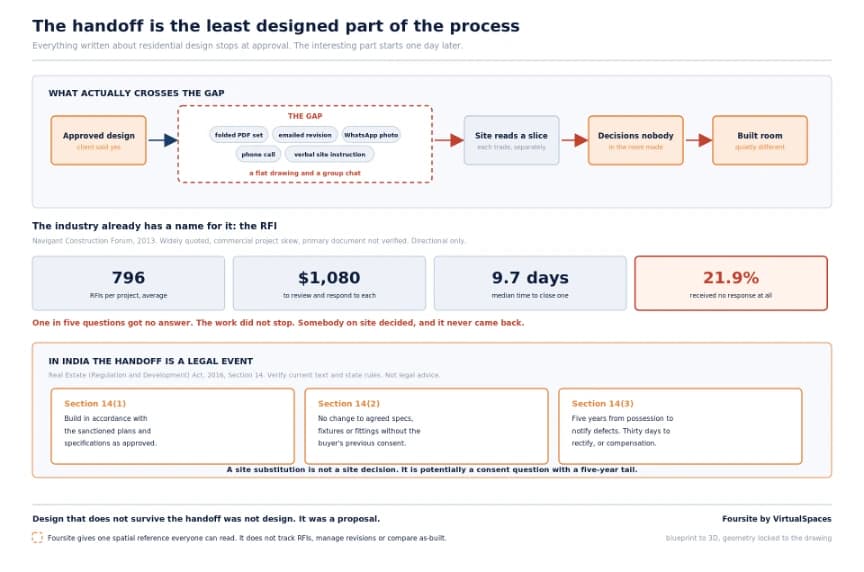
August 17, 2026
Designing Spaces That Actually Get Built | VirtualSpaces
HHemanth Velury
CEO & Co-Founder
August 12, 2026
Designing Homes for the Stuff People Actually Own | VirtualSpaces
HHemanth Velury
CEO & Co-Founder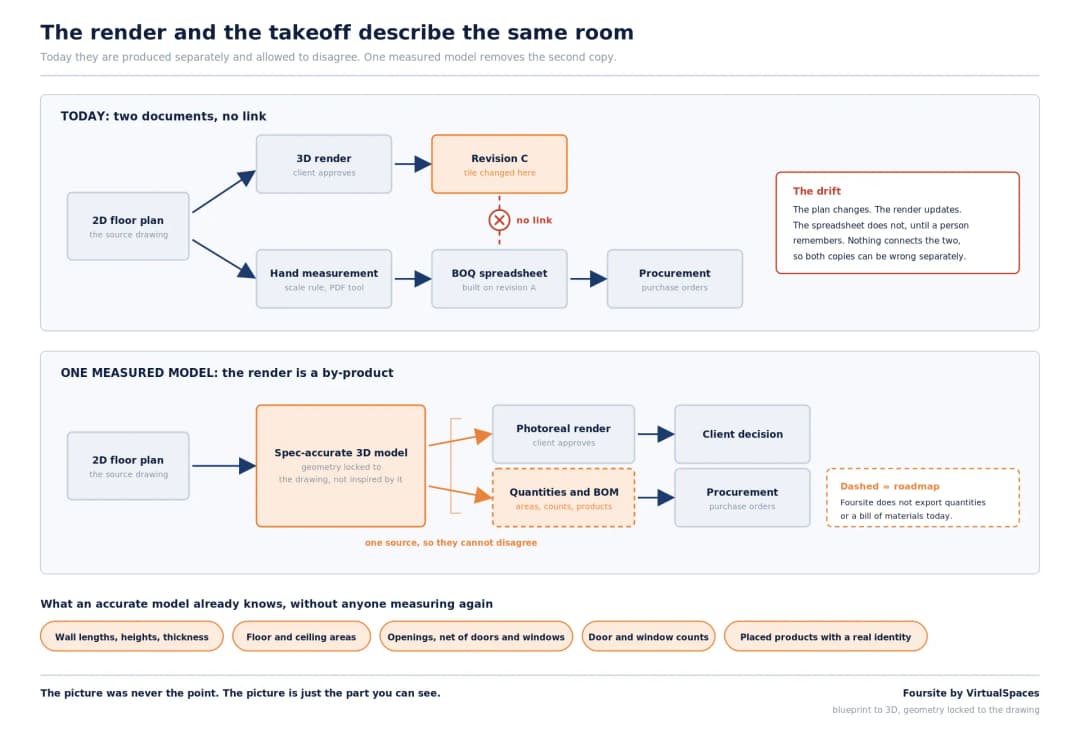
August 07, 2026
Floor Plan to Bill of Materials: The 3D Model as Data | VirtualSpaces
HHemanth Velury
CEO & Co-Founder.png&w=1080&q=75)
August 05, 2026
Designing Homes for How People Actually Live | VirtualSpaces
HHemanth Velury
CEO & Co-Founder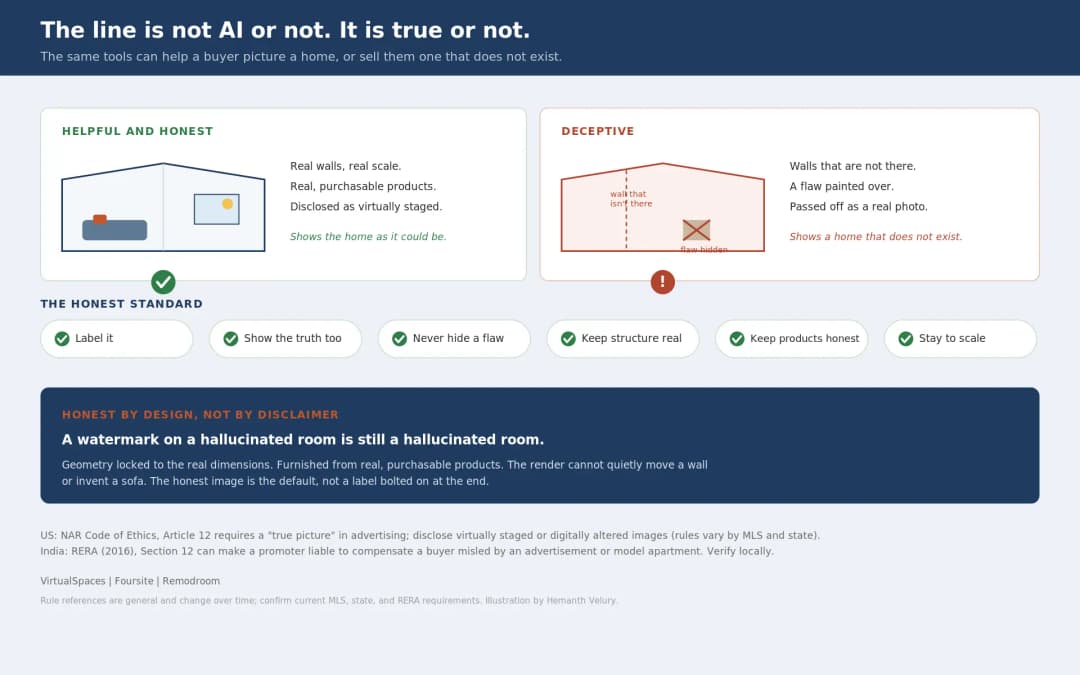
August 03, 2026
Honest by Design: Trust in AI Real Estate Imagery | VirtualSpaces
HHemanth Velury
CEO & Co-Founder
July 29, 2026
Kitchen and Bath: The Two Rooms That Decide Resale | VirtualSpaces
HHemanth Velury
CEO & Co-Founder
July 27, 2026
Why Empty Rooms Don't Sell: Virtual Staging | VirtualSpaces
HHemanth Velury
CEO & Co-Founder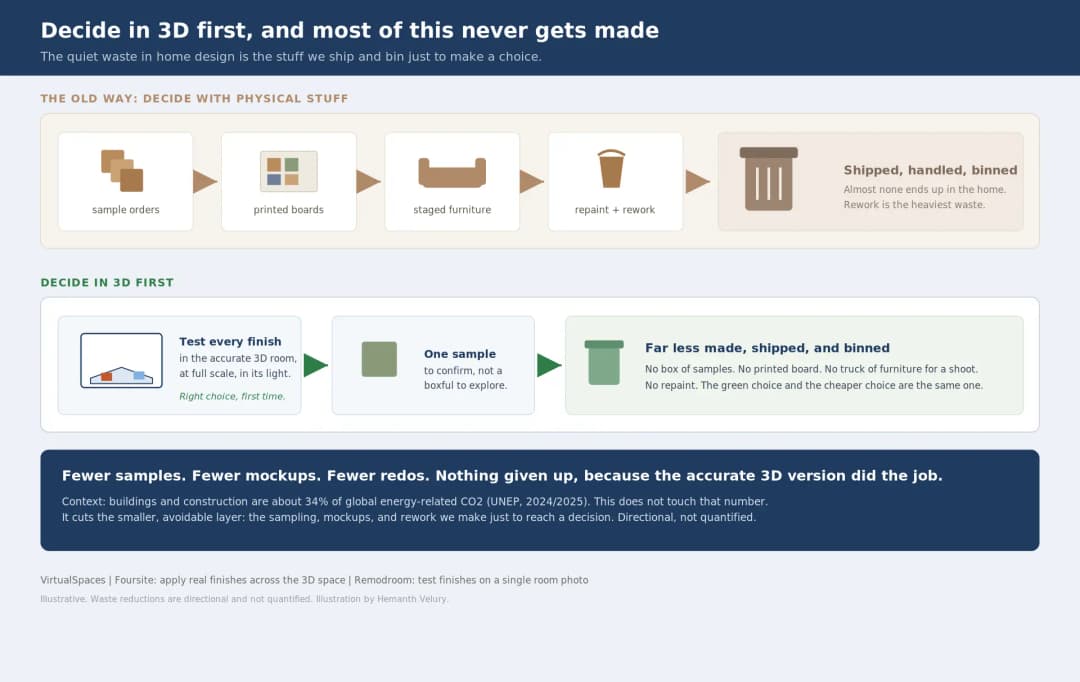
July 24, 2026
The Quiet Sustainability Win of Deciding in 3D | VirtualSpaces
HHemanth Velury
CEO & Co-Founder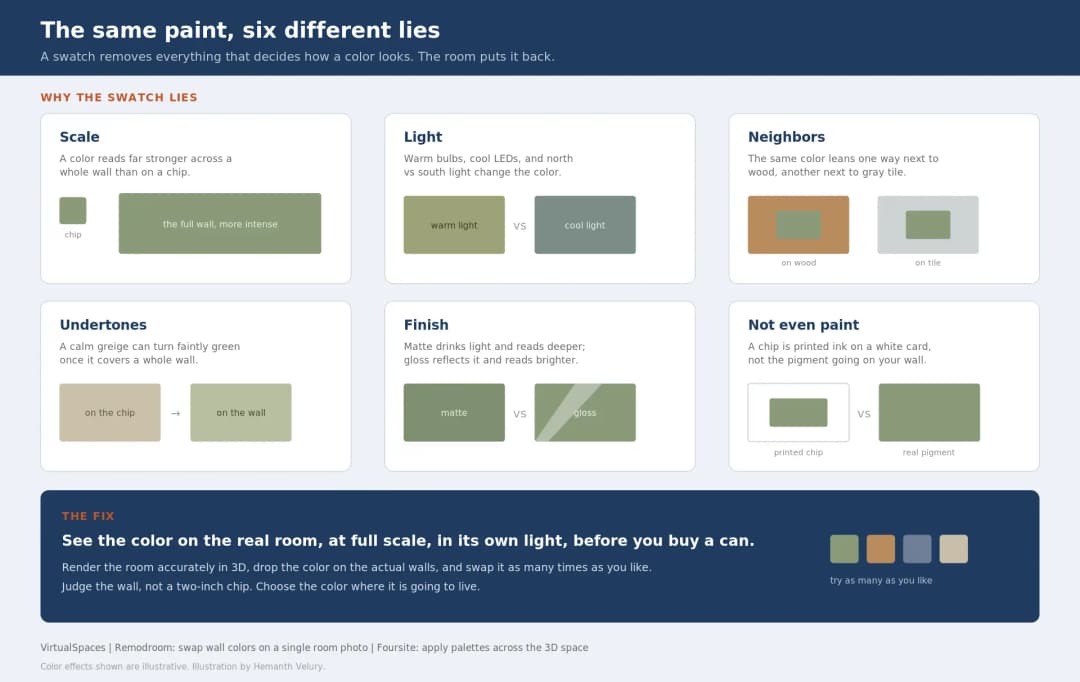
July 22, 2026
Why Paint Swatches Lie: Test Color in 3D First | VirtualSpaces
HHemanth Velury
CEO & Co-Founder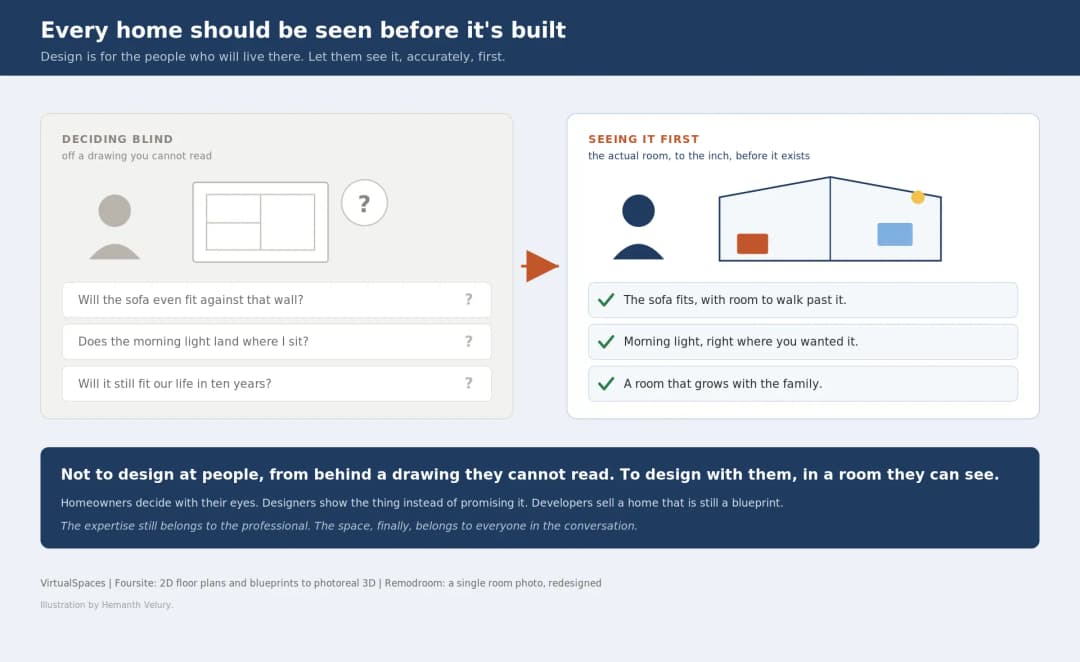
July 20, 2026
Why Every Home Should Be Seen Before It's Built | VirtualSpaces
HHemanth Velury
CEO & Co-Founder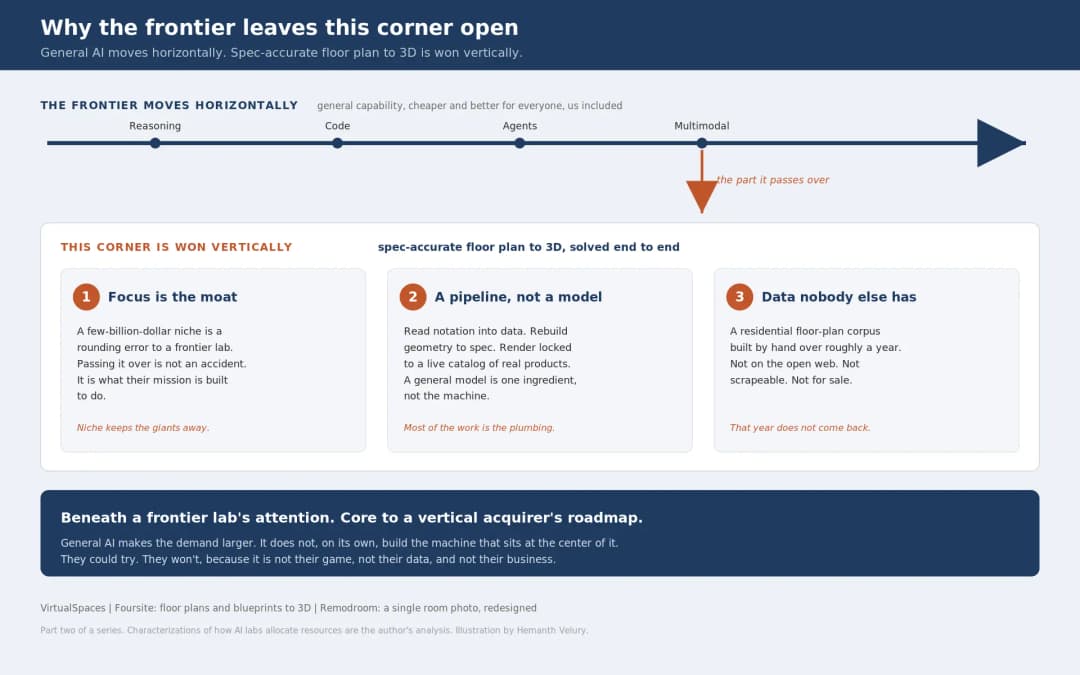
July 17, 2026
Why Big AI Labs Won't Build Floor Plan to 3D | VirtualSpaces
HHemanth Velury
CEO & Co-Founder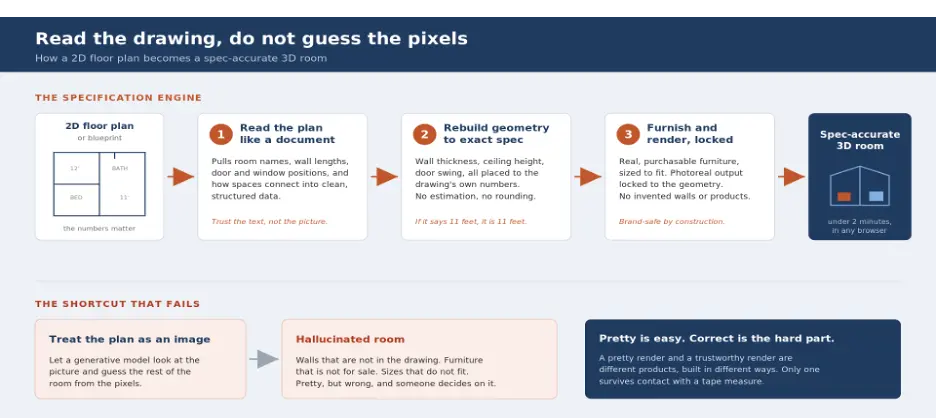
July 15, 2026
How We Solve Floor Plan to 3D, Accurately | VirtualSpaces
HHemanth Velury
CEO & Co-Founder
July 13, 2026
Designing Homes That Age With the People in Them | VirtualSpaces
HHemanth Velury
CEO & Co-Founder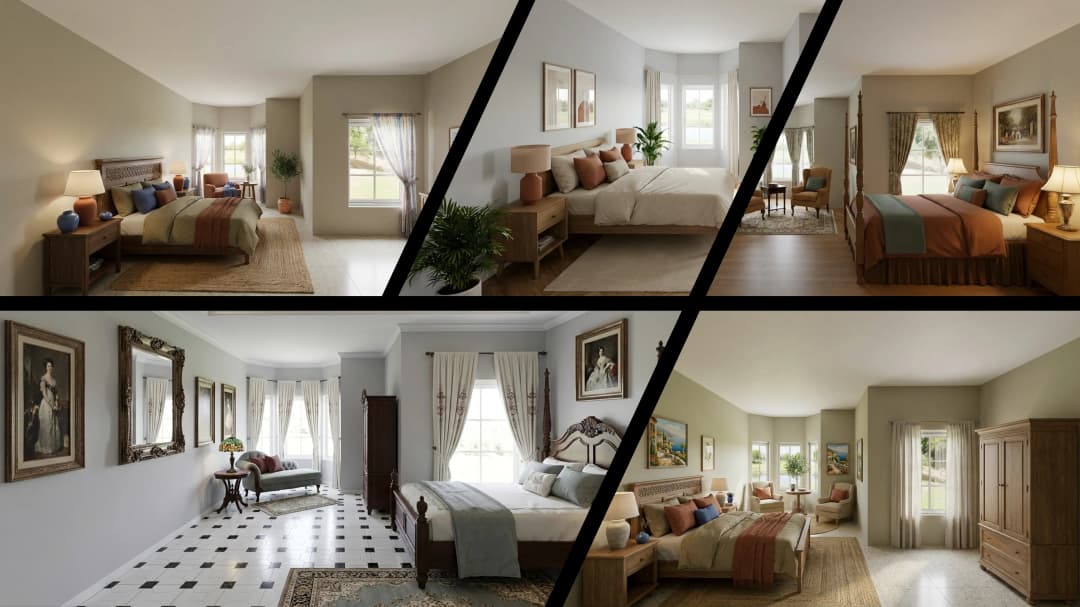
July 10, 2026
Designing Spaces for How Light Actually Moves | VirtualSpaces
HHemanth Velury
CEO & Co-Founder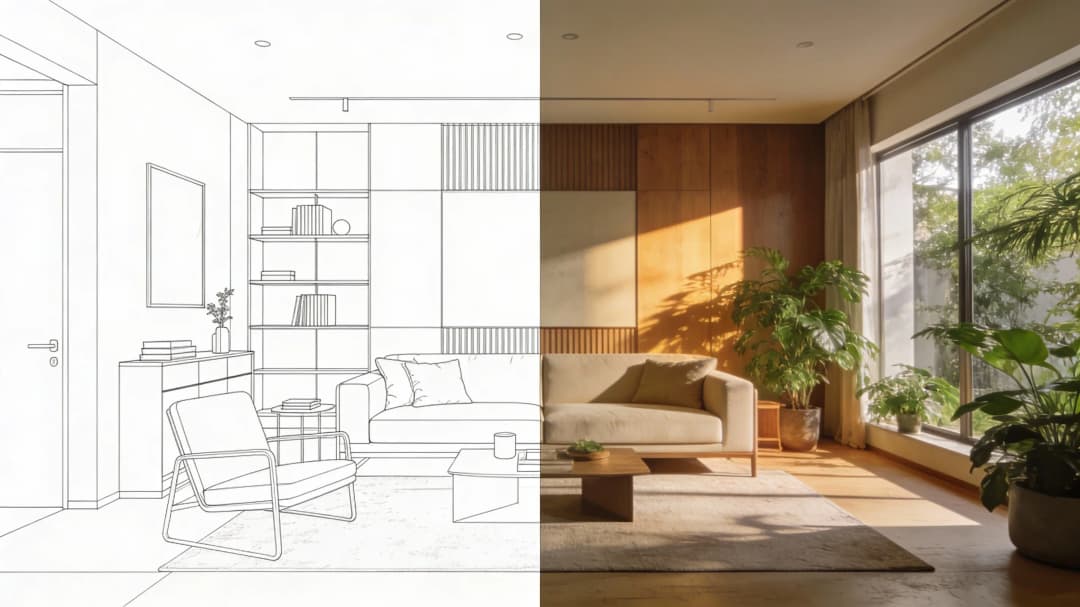
July 08, 2026
Designing Homes for Every Life Stage in 3D | VirtualSpaces
HHemanth Velury
CEO & Co-Founder
July 06, 2026
Build an Interior Design Portfolio Without Clients | VirtualSpaces
HHemanth Velury
CEO & Co-Founder
June 26, 2026
AI Interior Design: Full 3D Workflow in One Platform | VirtualSpaces
HHemanth Velury
CEO & Co-Founder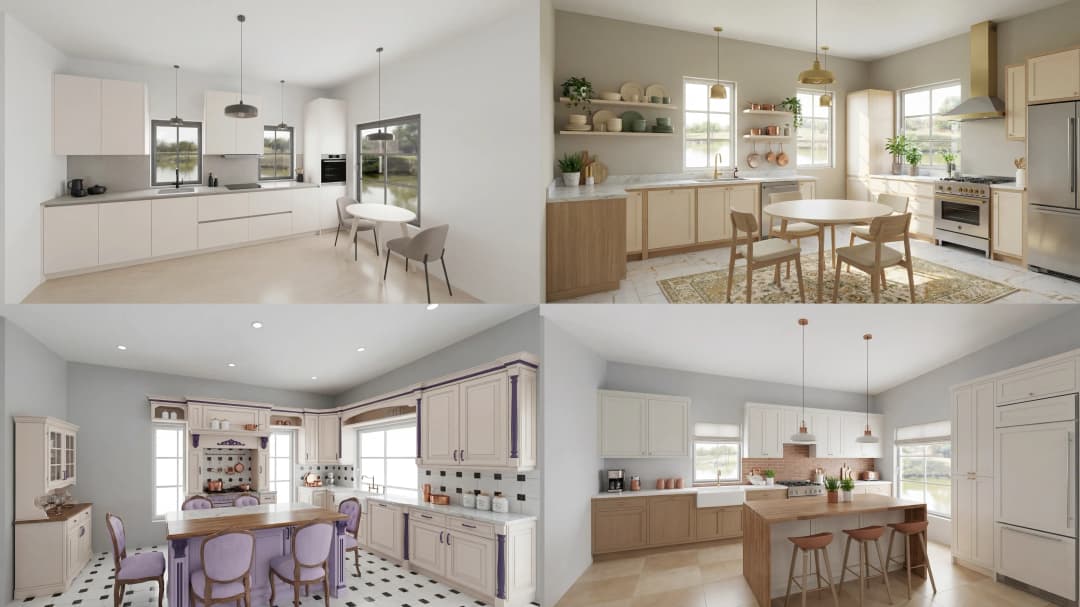
June 24, 2026
Scope Creep in Interior Design: How AI Visualization Fixes It | VirtualSpaces
HHemanth Velury
CEO & Co-Founder
June 22, 2026
What Buyers See on a Floor Plan: Your Biggest Sales Problem | VirtualSpaces
HHemanth Velury
CEO & Co-Founder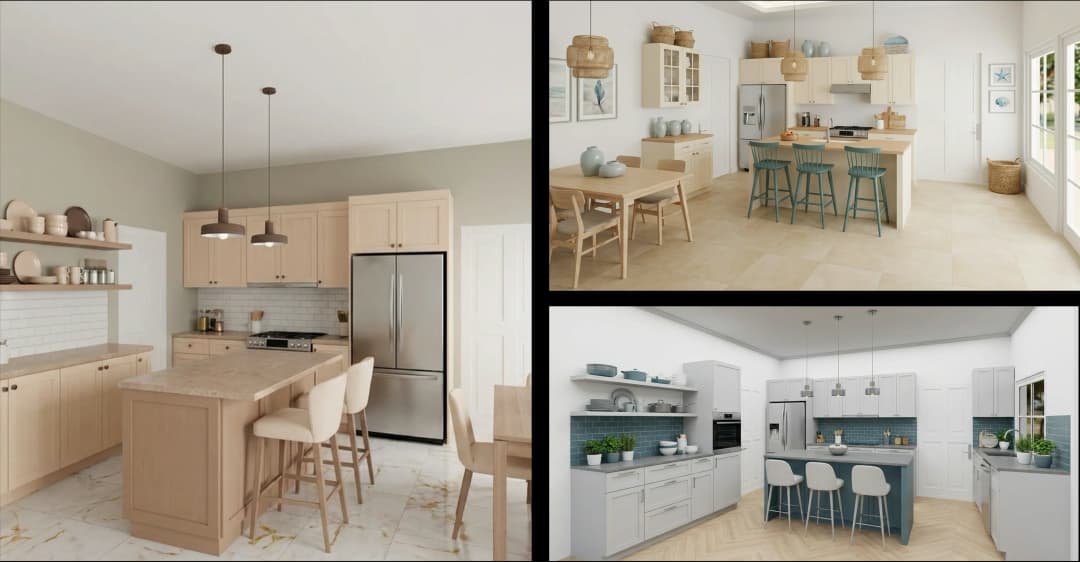
June 19, 2026
Small Design Studios vs Big Firms: The AI Advantage | VirtualSpaces
HHemanth Velury
CEO & Co-Founder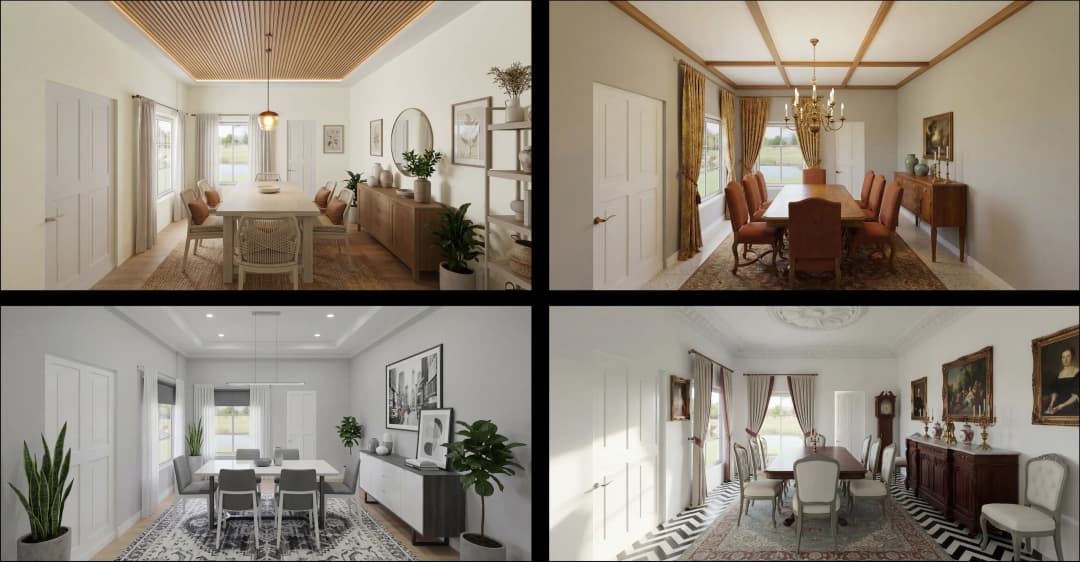
June 17, 2026
After the Mood Board: AI Interior Visualization | VirtualSpaces
HHemanth Velury
CEO & Co-Founder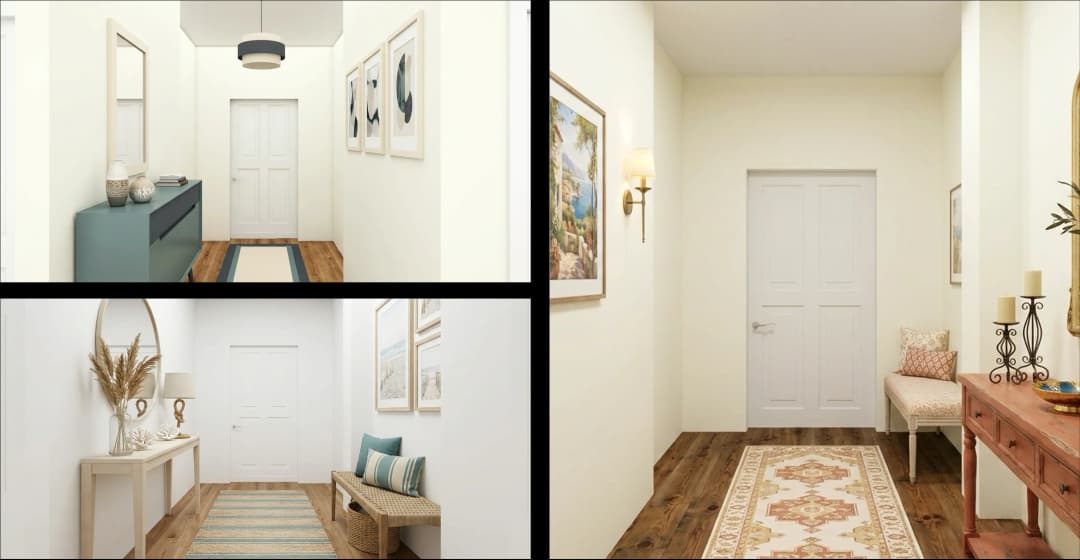
June 15, 2026
Foursite Pro Editor: Full Floor Plan Control for Designers | VirtualSpaces
HHemanth Velury
CEO & Co-Founder
June 12, 2026
AI Interior Design: Style Any Room in Seconds with Foursite | VirtualSpaces
HHemanth Velury
CEO & Co-Founder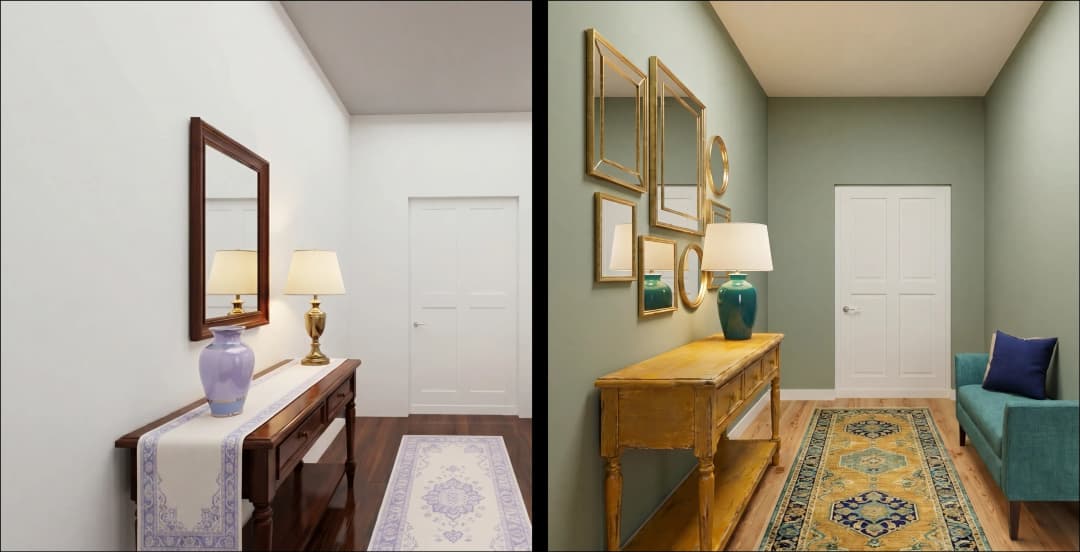
June 10, 2026
Foursite: Floor Plan to 3D Walkthrough in Minutes | VirtualSpaces
HHemanth Velury
CEO & Co-Founder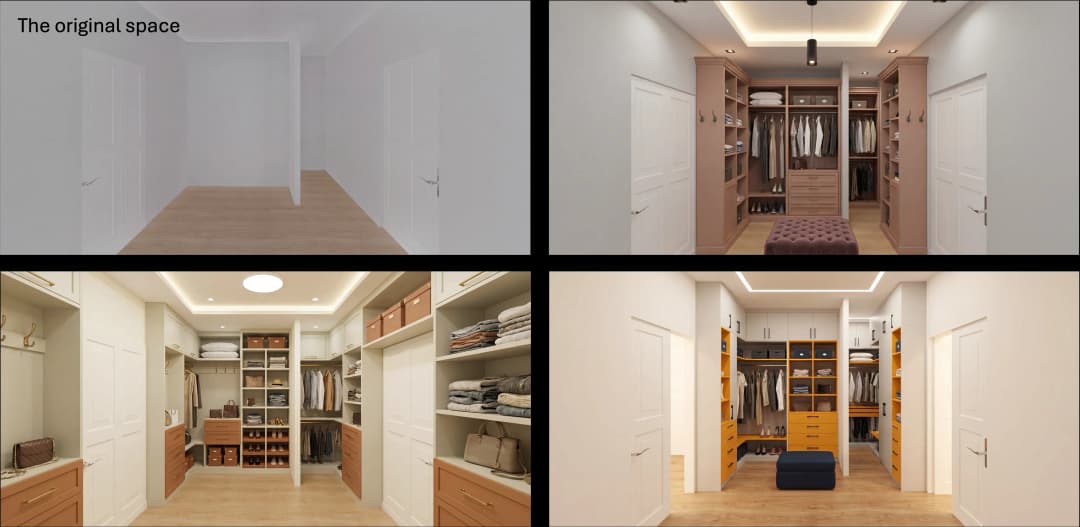
June 08, 2026
Win More Pitches With AI Renders Before the Meeting | VirtualSpaces
HHemanth Velury
CEO & Co-Founder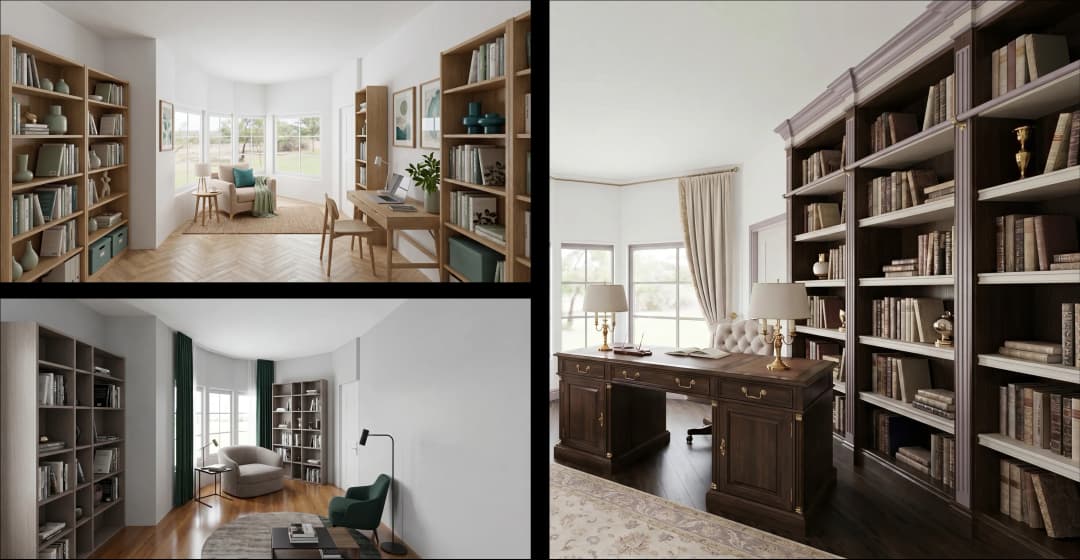
June 05, 2026
From Floor Plan to Finished Room: What AI Now Makes Possible | VirtualSpaces
HHemanth Velury
CEO & Co-Founder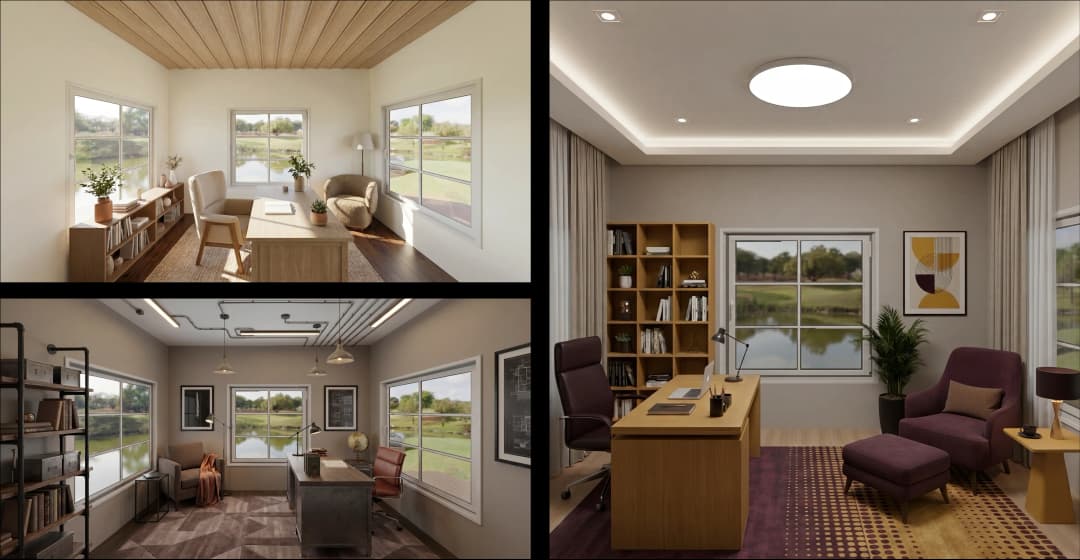
June 03, 2026
The Interior Design Brief Is Broken. AI Fixes It | VirtualSpaces
HHemanth Velury
CEO & Co-Founder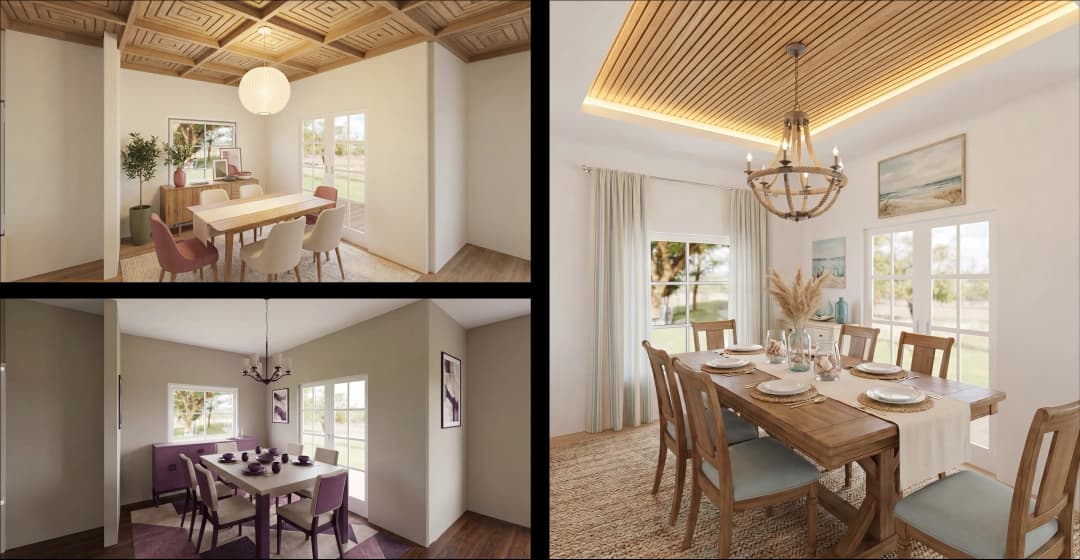
June 01, 2026
Pre-Construction Home Sales: AI Interior Visualization Guide | VirtualSpaces
HHemanth Velury
CEO & Co-Founder
May 30, 2026
Interior Design Principles: Applied with AI | VirtualSpaces
HHemanth Velury
CEO & Co-Founder
May 28, 2026
Designing Spaces for People, Not Blueprints | VirtualSpaces
HHemanth Velury
CEO & Co-Founder
May 26, 2026
The Future of Interior Design: Closing the Visualization Gap with Foursite and Remodroom | VirtualSpaces
HHemanth Velury
CEO & Co-Founder
May 18, 2026
How AI Visualization Upgrades Property Data Platforms | VirtualSpaces
HHemanth Velury
CEO & Co-Founder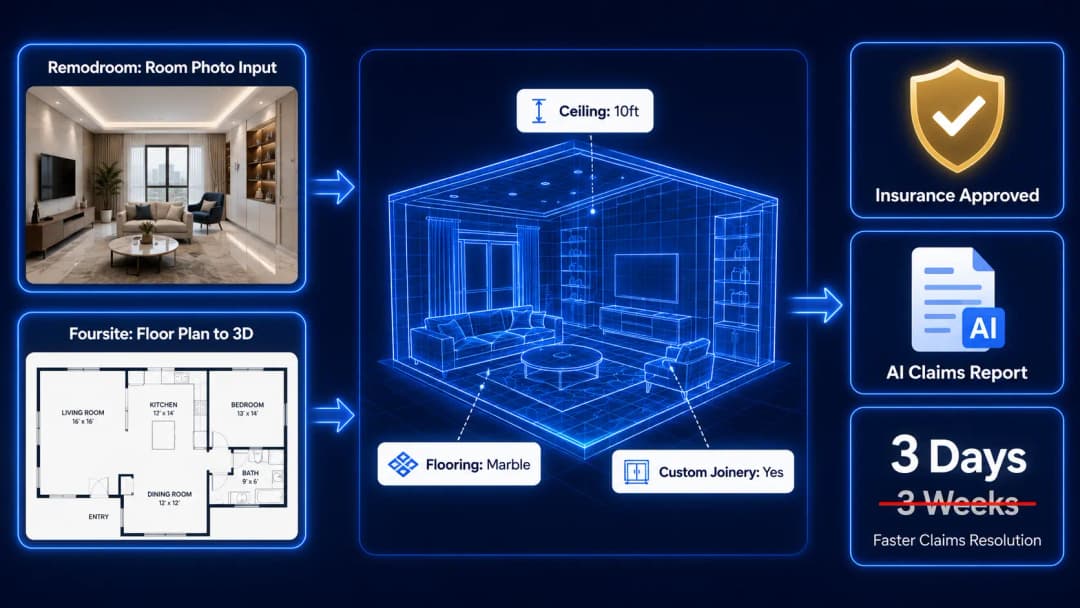
May 14, 2026
How AI-First Insurers Can Use 3D Property Data to Transform Home Claims | VirtualSpaces
HHemanth Velury
CEO & Co-FounderMay 12, 2026
Why Photoreal 3D Renders Are Replacing Mood Boards | Interior Design Client Presentations | VirtualSpaces
HHemanth Velury
CEO & Co-Founder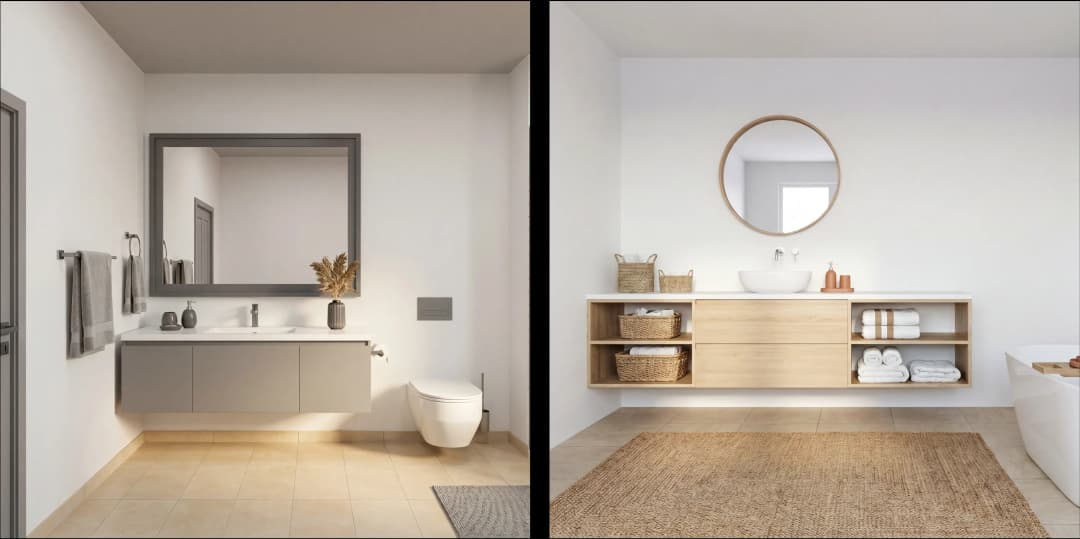
May 08, 2026
From 2D Floor Plans To Living Worlds: The Spec‑Accurate 3D Engine | VirtualSpaces
HHemanth Velury
CEO & Co-Founder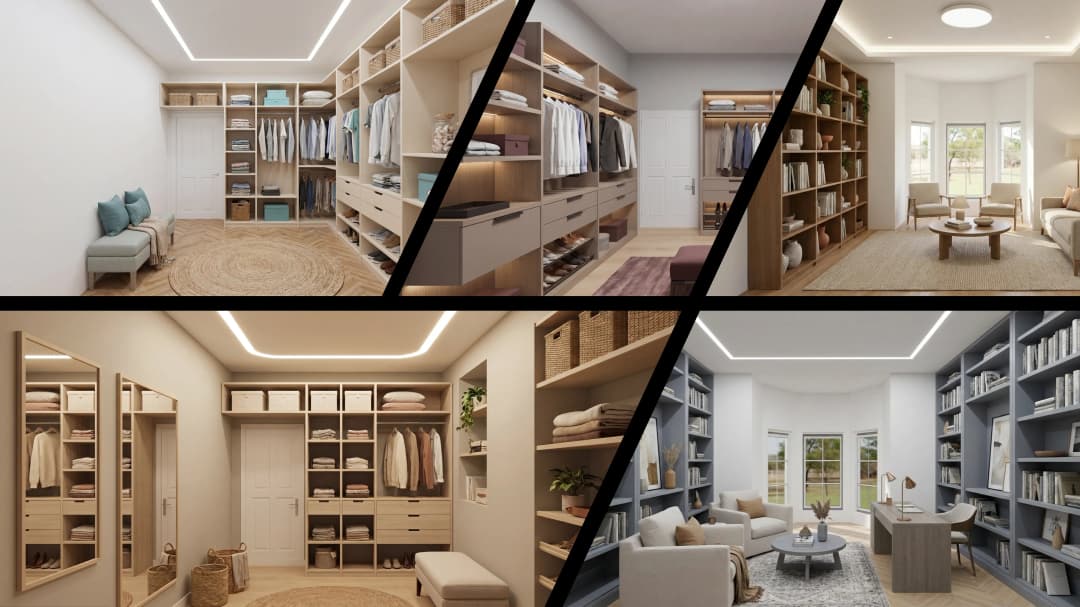
May 06, 2026
Why Furniture Brands Need AI 3D Visualization Now | VirtualSpaces
HHemanth Velury
CEO & Co-Founder
May 4, 2026
How Property Portals Can Turn 2D Floor Plans into 3D Design Decisions | VirtualSpaces
HHemanth Velury
CEO & Co-Founder
April 29, 2026
The Home-Fit Test: Why Square Footage Misleads | VirtualSpaces
HHemanth Velury
CEO & Co-Founder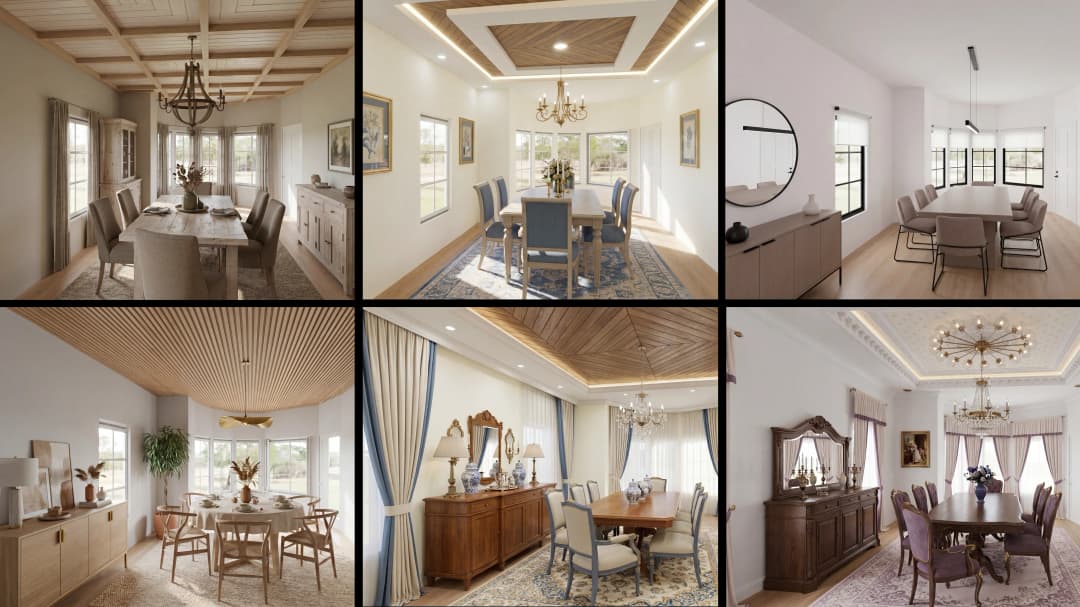
April 27, 2026
Designing Homes That Sell: 3D Visualization ROI Data | VirtualSpaces
HHemanth Velury
CEO & Co-FounderApril 24, 2026
What's Next: Foursite & Remodroom's New AI Features | VirtualSpaces
HHemanth Velury
CEO & Co-Founder
April 22, 2026
AI in Architecture: Closing the 85% Exposure Gap | VirtualSpaces
HHemanth Velury
CEO & Co-Founder
April 20, 2026
Interior Design Pricing in 2026: From Hourly to Value-Based Fees | VirtualSpaces
HHemanth Velury
CEO & Co-FounderApril 17, 2026
How Foursite and Remodroom Help Designers Win Clients | VirtualSpaces
HHemanth Velury
CEO & Co-Founder
April 15, 2026
Designing Spaces for People: Remodroom + Foursite AI Guide | VirtualSpaces
HHemanth Velury
CEO & Co-Founder
April 13, 2026
Designing for the Way People Actually Live: How AI 3D Is Finally Closing the Gap Between Floor Plan and Reality
HHemanth Velury
CEO & Co-Founder
April 11, 2026
Design in Real Time: AI Renders in Your First Client Meeting
HHemanth Velury
CEO & Co-Founder
April 06, 2026
Why Real Estate Photography Is No Longer Enough: The Shift to Spatial-First Listings
HHemanth Velury
CEO & Co-Founder
April 03, 2026
Property Management's Hidden Weapon: AI 3D Floor Plans That Cut Vacancy Time and Raise Tenant Quality
HHemanth Velury
CEO & Co-Founder
April 01, 2026
Off-Plan and Oversubscribed: How AI 3D Visualization Is Transforming Real Estate Pre-Sales
HHemanth Velury
CEO & Co-Founder
March 30, 2026
Why Foursite Beats Generic AI Tools for Interior Design 3D Visualization
HHemanth Velury
CEO & Co-Founder
March 27, 2026
7 Tenets of Interior Design: How AI Accelerates Harmony in Residential Spaces
HHemanth Velury
CEO & Co-Founder
March 25, 2026
What Is the 3-5-7 Rule in Interior Design? Foursite's AI Guide for Residential Spaces
HHemanth Velury
CEO & Co-Founder
March 23, 2026
What Is the 70/30 Rule in Interior Design? Foursite's AI Guide for Residential Spaces
HHemanth Velury
CEO & Co-Founder
March 20, 2026
How AI 3D Visualization Is Rewriting Residential Interior Design Workflows
HHemanth Velury
CEO & Co-Founder
March 18, 2026
Beyond Marketing: How 3D Floorplans Transform FM, Retrofit Planning & ESG Operations
HHemanth Velury
CEO & Co-Founder
March 16, 2026
Why AI Companies Use Token Payments (And Why VirtualSpaces Is Returning To Fiat)
HHemanth Velury
CEO & Co-Founder
March 13, 2026
Floorplan‑Native Digital Twins: Beyond BIM for Consumer‑Ready Real Estate Experiences
HHemanth Velury
CEO & Co-Founder
March 11, 2026
The Foursite Platform Thesis: Why Floor Plans, Not Photos, Are the Next Property Software Primitive
HHemanth Velury
CEO & Co-Founder
March 09, 2026
Design Systems for Space: Building Reusable 3D Component Libraries on Top of AI Floorplan‑to‑3D Engines
HHemanth Velury
CEO & Co-Founder
March 06, 2026
How to Standardize Design Quality Across Global Projects Using AI Floorplan-to-3D Tools
HHemanth Velury
CEO & Co-Founder
March 04, 2026
From CAD-First to AI-First: Reskilling Your Team for AI-Native Design Workflows
HHemanth Velury
CEO & Co-Founder
March 02, 2026
Algorithmic Ergonomics Meets Photorealistic 3D: Designing Human-Centered Smart Homes with Foursite in 2026
HHemanth Velury
CEO & Co-Founder
February 27, 2026
The Ethics of AI in Interior Design: Ownership, Originality, and Client Transparency
HHemanth Velury
CEO & Co-Founder
February 25, 2026
Designing with Empathy: Using AI 3D Visualization to Improve Client Communication and Emotional Clarity
HHemanth Velury
CEO & Co-Founder
February 23, 2026
From Tool to Infrastructure: AI Floorplan-to-3D and the Next Wave of PropTech
HHemanth Velury
CEO & Co-Founder
February 20, 2026
AI Interior Design for Holiday Homes: Turn Spare Flats into High-Demand Short-Stay Rentals with 3D Visuals
HHemanth Velury
CEO & Co-Founder
February 18, 2026
The Pre‑Purchase Power Play: How Savvy Home Buyers Use 3D Floor Plan Visualization to Negotiate Better Deals
HHemanth Velury
CEO & Co-FounderFebruary 16, 2026
AI Interior Design for Non‑Designers: How Homeowners Can Brief Like Pros
HHemanth Velury
CEO & Co-Founder
February 13, 2026
Scaling a Design Business Without Hiring a 3D Team: An Owner's Guide
HHemanth Velury
CEO & Co-Founder
February 11, 2026
From Bland to Bold: How to Rescue Builder-Grade Interiors on Any Budget
HHemanth Velury
CEO & Co-Founder
February 6, 2026
The Psychology of Space: How Room Dimensions Influence Interior Design Decisions
HHemanth Velury
CEO & Co-Founder
February 4, 2026
The Future of Interior Design Visualization: How AI Technology is Transforming 2D Concepts Into 3D Reality
HHemanth Velury
CEO & Co-Founder
February 2, 2026
AI Interior Décor: How Artificial Intelligence Generates Design Options from Your Floor Plan
HHemanth Velury
CEO & Co-Founder
January 30, 2026
Photoreal vs. Reality: What Clients Actually Expect from Interior Design Visualization
HHemanth Velury
CEO & Co-Founder
January 28, 2026
The Design Approval Conversation That Changes Everything: Communication Strategy When Using Photorealistic Visualization
HHemanth Velury
CEO & Co-Founder
January 25, 2026
Interior Design as Experience Design: How 3D Visualization Changes Your Professional Identity
HHemanth Velury
CEO & Co-Founder
January 23, 2026
The Professional Gap: How 3D Visualization Changes Interior Design Client Perception
HHemanth Velury
CEO & Co-Founder
January 21, 2026
Why Clients Fire Designers (And How 3D Visualization Could Have Saved the Project)
HHemanth Velury
CEO & Co-Founder
January 16, 2026
Blueprint to Vision: Why Seeing Is Believing in Interior Design
HHemanth Velury
CEO & Co-Founder
January 14, 2026
The Speed of Responsiveness: How AI Visualization Tools Make You Look Like You Care More
HHemanth Velury
CEO & Co-Founder
January 12, 2026
Why Interior Designers and Architects Can't Compete Without AI 3D Visualization Tools
HHemanth Velury
CEO & Co-Founder
January 07, 2026
From "Saved" to "Sold": How Homeowners Are Planning Renovations with AI
HHemanth Velury
CEO & Co-Founder
January 05, 2026
The Interior Designer's Secret Weapon: Speed as Premium Positioning
HHemanth Velury
CEO & Co-Founder
December 31, 2025
Gratitude, Growth & Game-Changing Innovation: VirtualSpaces' 2025 Journey & What's Coming in 2026
HHemanth Velury
CEO & Co-Founder
December 29, 2025
Why Interior Designers Are Switching to AI Floor Plan-to-3D Tools in 2026
HHemanth Velury
CEO & Co-Founder
December 26, 2025
AI Virtual Staging for Real Estate Agents: Sell More Homes Faster with Foursite
HHemanth Velury
CEO & Co-Founder
December 24, 2025
Why Architects Are Switching to AI 2D-to-3D: The SketchUp Alternative
HHemanth Velury
CEO & Co-Founder
December 22, 2025
Cut 3 Weeks from Real Estate Sales Cycle: The ROI of AI 2D to 3D Visualization
HHemanth Velury
CEO & Co-Founder
December 19, 2025
2D Floor Plans Are Dying: Why 3D Visualization & AI Virtual Staging Are the Future
HHemanth Velury
CEO & Co-Founder
December 17, 2025
Virtual Staging vs Physical Staging: How AI Saves Money Per Property
HHemanth Velury
CEO & Co-Founder
December 15, 2025
AI Floor Plan to Image: Revolutionizing Real Estate Marketing for Agents
HHemanth Velury
CEO & Co-Founder
December 12, 2025
Color of the Year 2026: Cloud Dancer | VirtualSpaces AI Interior Design Guide
HHemanth Velury
CEO & Co-Founder
December 08, 2025
How Interior Design Studios Can Operationalize AI 2D-to-3D Workflows (Without Breaking Their Process)
HHemanth Velury
CEO & Co-Founder
December 06, 2025
How to Implement AI Interior Design Workflows in Your Studio
HHemanth Velury
CEO & Co-Founder
December 4, 2025
How Homeowners Can Use AI Interior Design Tools to Plan Renovations with Confidence
HHemanth Velury
CEO & Co-Founder
November 28, 2025
Interior Designers in the Age of AI: From Threat Narrative to Superpower
HHemanth Velury
CEO & Co-Founder
November 21, 2025
Foursite Launch: Embracing 'Release Early, Release Often'
HHemanth Velury
CEO & Co-Founder
November 13, 2025
Foursite by VirtSpaces: Empowering Interior Designers, Architects, and Homeowners
HHemanth Velury
CEO & Co-Founder
November 7, 2025
Reimagining Architectural Education: How AI Floorplan-to-3D Technology Can Transform Design Learning
VVirtualSpaces Research Labs
AI Research Initiative
October 27, 2025
Archisculpt AI: Turning Architectural Drawings into Photorealistic 3D Spaces
AAbhijeet Naik
Co-Founder & CTO
October 13, 2025
Home Makeover: From Floor Plan to Dream Space with AI
HHemanth Velury
CEO & Co-Founder
October 6, 2025
Real-Time Rendering & AI: Revolutionizing Interactive Property Walkthroughs with VirtSpaces
HHemanth Velury
CEO & Co-Founder
September 26, 2025
Foursite - A True AI-Native Experience in Design Visualization
AAbhijeet Naik
CTO & Co-Founder
September 18, 2025
Why PropTech Startups Are Betting on AI Interior Design
HHemanth Velury
CEO & Co-Founder
September 11, 2025
How AI Differs from Traditional 3D Rendering Software
HHemanth Velury
CEO & Co-Founder
September 2, 2025
From Client to Investor: How Nila Spaces and VirtSpaces Are Redefining Proptech with AI
HHemanth Velury
CEO & Co-Founder
August 25, 2025
VirtSpaces From Virtual Reality to AI – Transforming Real Estate Visualization.
HHemanth Velury
CEO & Co-Founder


We help teams collaborate seamlessly and reduce costs. Virtual Spaces offers cutting-edge technology with flexible plans designed to fit modern teams.
Copyright © VirtSpaces Pvt. Ltd. 2025 All Rights Reserved.
CIN: U74999KA2016PTC094921