
March 11, 2026
- Interior Design
- AI Technology
- Real Estate
The Foursite Platform Thesis: Why Floor Plans, Not Photos, Are the Next Property Software Primitive
Hemanth Velury
CEO & Co-FounderThe Foursite Platform Thesis: Why Floor Plans, Not Photos, Are the Next Property Software Primitive
Scroll through any property portal today and you'll see the same pattern: a wall of glossy photos, maybe a video tour, and, if you're lucky, a tiny floor plan at the bottom.
Yet when you actually have to make a decision about a space, you instinctively ask: "What's the layout?" not "Which photo filter did they use?"
At Foursite by VirtualSpaces, our thesis is simple: floor plans, not photos, will be the core primitive for the next era of property software. Photos will always matter, but they are no longer enough to power design decisions, deal-making, or digital experiences at scale.
The next generation of tools will be built on 2D floor plans, Blueprints, and 3D Visualization and we're designing Foursite as the platform that makes that shift inevitable.
Photos Are a Dead-End Primitive
Photos are fantastic for emotion: they sell light, mood, and aspiration. But as a data primitive for software, they are fundamentally limited.
- A photo shows what one corner of a room looks like but says almost nothing about how that room connects to the rest of the home.
- Wide-angle lenses distort proportions, leaving buyers and tenants guessing about actual size and flow.
- For architects and interior designers, photos are a lagging artifact, they come after construction or staging, not before key decisions.
As a result, photos are great for marketing but weak for computation. You can't reliably:
- Simulate circulation paths.
- Run automatic furniture layout suggestions.
- Predict daylight behavior across the entire plan.
- Compare hundreds of units in a building with consistent logic.
Most "photo-first" tools end up bolting analytics and interactivity onto an asset that wasn't designed for structure. You can annotate, tag, and enhance a photo, but it will never become a robust spatial model.
Floor Plans as the Spatial Source of Truth
By contrast, 2D floor plans and Blueprints encode the relationships that actually matter: walls, openings, adjacencies, circulation, and proportions.
Real estate platforms already see that listings with floor plans drive better engagement and more qualified leads because they answer the layout question up front. For remote buyers and tenants, interactive floor plans bring the "how does this place actually work?" clarity that photos alone can't deliver.
From a software perspective, floor plans are powerful because they are:
- Structured: They can be parsed into rooms, surfaces, dimensions, and connectivity.
- Repeatable: Every unit type, every level, every variation of a building shares a common schema.
- Composable: Floor plans can be layered with metadata, think materials, costs, building systems, usage patterns without breaking the underlying model.
This is why we see 2D floor plans and Blueprints as the natural primitive for property software, and why "2D to 3D" is not a gimmick it's the new stack.
From 2D to 3D: Blueprint to 3D as the New Workflow
The magic unlock happens when you go from blueprint to 3D, and from floor plan to 3D, in minutes rather than weeks.
Foursite, a product by VirtualSpaces, is built exactly for this: you upload a 2D floor plan or blueprint, and the system automatically reconstructs a precise 3D shell with walls, doors, windows, and structural elements. That's the "convert floor plan to 3D" and "convert blueprint to 3D" workflow distilled to its essence: Fast, accurate, and repeatable.
Once you have that 3D shell, a whole class of experiences becomes trivial instead of painful:
- Interior design 3D visualization where you can test multiple layouts and styles in the same space.
- Interior design renders and interior design photoreal renders that are driven by a single underlying spatial model.
- AI 3D visualization and AI visualization that can simulate everything from furniture placement to lighting moods.
The important part: all of this is rooted in the floor plan, not in a collection of disjointed photos.
Why AI Wants Floor Plans, Not Photos
AI can do clever things with photos: AI virtual staging, object removal, style transfer, but it struggles with true spatial reasoning when there is no structural context.
Give AI a structured floor plan, however, and entirely new capabilities emerge:
- AI interior design / AI interior décor / AI interior decor can respect room proportions, door swings, and circulation routes instead of randomly dropping furniture where it "looks good."
- Virtual Staging / AI virtual staging can generate layouts that are actually build-able and code-compliant, not just pretty.
- AI 3D visualization can synthesize multiple camera angles, walkthroughs, and design variations from a single source of truth.
This is why Foursite is designed around a 2D to 3D pipeline: AI is not just painting pixels on top of photos, it is operating on a structured, semantically rich model derived from the floor plan. That makes every downstream feature more reliable, more automatable, and more scalable.
Foursite's Three-Step Reality: Upload, Style, Render
In practice, the Foursite workflow is intentionally simple:
-
Upload: Drag and drop your 2D floor plan or blueprint image. No manual wall tracing, no re-modeling from scratch.
-
Style: Use AI interior design, AI interior décor, and Virtual Staging to auto-furnish and light the space in different styles and configurations.
-
Render: Generate interior design photoreal renders and interior design 3D visualization from any viewpoint with a single click.
Architects and interior designers using Foursite report that this kind of pipeline cuts their 3D visualization workload dramatically, shifting their time from hand-building models to making design decisions. Stakeholder meetings move faster because clients can literally "walk" through a coherent 3D space that's aligned to the actual layout, instead of trying to reconcile a deck of disconnected images.
In a world where projects are increasingly global, remote, and multi-stakeholder, that time compression and clarity is not just a UX perk but a strategic advantage.
Floor Plans as a Data Flywheel
The second-order effect of a floor-plan-first platform is a data flywheel that photos simply cannot match.
Each time someone uses Foursite to go from floor plan to 3D or blueprint to 3D, they're implicitly labeling:
- Room types and relationships.
- Common furniture layouts and adjacencies.
- Style preferences and material combinations across regions and segments.
- Typical circulation patterns for different types of programs (residential, office, hospitality, retail). (PS: This is still Work-In-Progress, on our product roadmap)
Over time, this creates a proprietary corpus of spatial intelligence: patterns about how humans actually configure and experience space that can be fed back into smarter AI interior design and AI virtual staging models.
Photos, by contrast, are mostly a one-way street. Once they've been shot and edited, there's limited structured insight to be extracted without expensive, brittle computer vision pipelines.
A New Primitive for the Property Stack
Once you accept floor plans + AI-driven 3D as the primitive, the rest of the property software stack starts to reorganize around it.
You can imagine:
- Design tools that operate directly on a shared 2D/3D model instead of exporting/importing between CAD, BIM, and rendering tools.
- Sales and marketing platforms that link every lead interaction back to specific rooms, layouts, and configurations: "people who liked this kitchen island also liked these open-plan layouts."
- Operations and maintenance systems that understand not just which unit had an issue, but exactly how the plumbing runs through that stack based on the underlying plan.
VirtualSpaces already hints at this vision by unifying multiple products: Foursite for rapid 3D from floor plans, Archisculpt for advanced layout editing, Augmind for AR walkthroughs around the same core idea: turn flat layouts into immersive, navigable environments with minimal friction.
In that world, Foursite is not "just another visualization tool." It becomes the entry point into a broader digital twin ecosystem where every downstream application, from marketing to facilities, inherits the same spatial source of truth.
Why This Matters Now
Timing is everything for a new primitive.
On one side, market expectations are rising fast:
- Buyers and renters expect interactive experiences and 3D Visualization, not static brochures.
- Global teams are making decisions remotely and need clarity before they ever step on site.
- Developers and operators are under pressure to de-risk projects earlier and shorten decision cycles.
On the other side, the enabling technologies have matured:
- AI models are now capable of robust AI 3D visualization, material prediction, and layout generation at consumer-grade speeds.
- Browser and device capabilities mean rich 3D scenes and high-quality interior design renders are accessible without specialized hardware.
- The ecosystem of 2D assets: 2D floor plans, legacy Blueprints, PDFs, marketing layouts is massive and underutilized.
Put simply: there is a huge backlog of dormant 2D drawings waiting to be "lit up" by modern 2D to 3D pipelines. Foursite sits exactly at that intersection.
The Wedge: Everyday Workflows, Not Sci‑Fi Demos
A lot of proptech dies in the "demo gap": impressive videos, little day‑to‑day adoption.
Our conviction with Foursite is that the wedge is not a futuristic VR experience: it's fixing the most boring, painful workflows designers and property teams deal with every week.
Think about:
- The architect who spends nights rebuilding layouts in traditional 3D tools just to get a few halfway-decent angles for a client review.
- The interior designer who wants to propose three different fit-out options but can only afford to commission one full set of renders.
- The leasing team trying to explain to a remote tenant how the second bedroom relates to the living room with nothing but photos and a static PDF.
When Foursite lets them go from "upload floor plan" to "share photoreal, navigable 3D model" in minutes, you're not asking them to change their job: You're removing the friction that's been in the way of doing it well.
That is how new primitives sneak into the stack: they start out as a better way to do something familiar, then quietly become the default substrate for everything else.
From Visualization Tool to Decision Engine
Once every project has a high-fidelity, floor-plan-rooted 3D model by default, Foursite can move from showing space to optimizing it.
Imagine:
- Scenario testing: Instantly see how different layouts affect furniture capacity, daylight access, or acoustic zones, all grounded in the same floor plan.
- Design A/B tests: Generate multiple interior design photoreal renders and track which ones resonate more with customers or stakeholders.
- Value engineering with context: Swap materials and layouts while seeing their impact on both cost tables and the lived experience, not just spreadsheets.
Because Foursite owns the "convert floor plan to 3D / convert blueprint to 3D" moment, it sits at the earliest possible point in the decision funnel. That's where the most leverage lives, and where software can create outsized value relative to its footprint.
A Platform Thesis in One Sentence
If we had to compress the Foursite Platform Thesis into one line, it would be:
"The winner in property software will be the platform that treats floor plans as the native data type and uses AI to turn them into instantly understandable, infinitely re-composable 3D experiences."
VirtualSpaces is building Foursite in exactly that spirit: not as a niche rendering service, but as a foundational layer for anyone who touches space: Architects, interior designers, developers, agents, and eventually, occupants themselves.
In this model:
- Photos don't disappear: They become one of many views generated from a coherent spatial graph.
- Floor plans become APIs, not attachments: structured inputs that software can query, mutate, and optimize against.
- AI becomes a collaborator, not a filter: proposing layouts, styles, and sequences that are grounded in hard geometry and soft human preference.
That's why we're betting on floor plans, not photos, as the primitive and why we believe the next decade of property software will quietly be built on the kind of 2D to 3D, floor plan to 3D, blueprint to 3D stack that Foursite is pioneering today.
PS: some features may not be available and are a part of our future product roadmap
Recommended for you

August 19, 2026
The End of the Model Home? 3D Changes the Math | VirtualSpaces
HHemanth Velury
CEO & Co-Founder
August 17, 2026
Designing Spaces That Actually Get Built | VirtualSpaces
HHemanth Velury
CEO & Co-Founder
August 12, 2026
Designing Homes for the Stuff People Actually Own | VirtualSpaces
HHemanth Velury
CEO & Co-Founder
August 07, 2026
Floor Plan to Bill of Materials: The 3D Model as Data | VirtualSpaces
HHemanth Velury
CEO & Co-Founder.png&w=1080&q=75)
August 05, 2026
Designing Homes for How People Actually Live | VirtualSpaces
HHemanth Velury
CEO & Co-Founder
August 03, 2026
Honest by Design: Trust in AI Real Estate Imagery | VirtualSpaces
HHemanth Velury
CEO & Co-Founder
July 29, 2026
Kitchen and Bath: The Two Rooms That Decide Resale | VirtualSpaces
HHemanth Velury
CEO & Co-Founder
July 27, 2026
Why Empty Rooms Don't Sell: Virtual Staging | VirtualSpaces
HHemanth Velury
CEO & Co-Founder
July 24, 2026
The Quiet Sustainability Win of Deciding in 3D | VirtualSpaces
HHemanth Velury
CEO & Co-Founder
July 22, 2026
Why Paint Swatches Lie: Test Color in 3D First | VirtualSpaces
HHemanth Velury
CEO & Co-Founder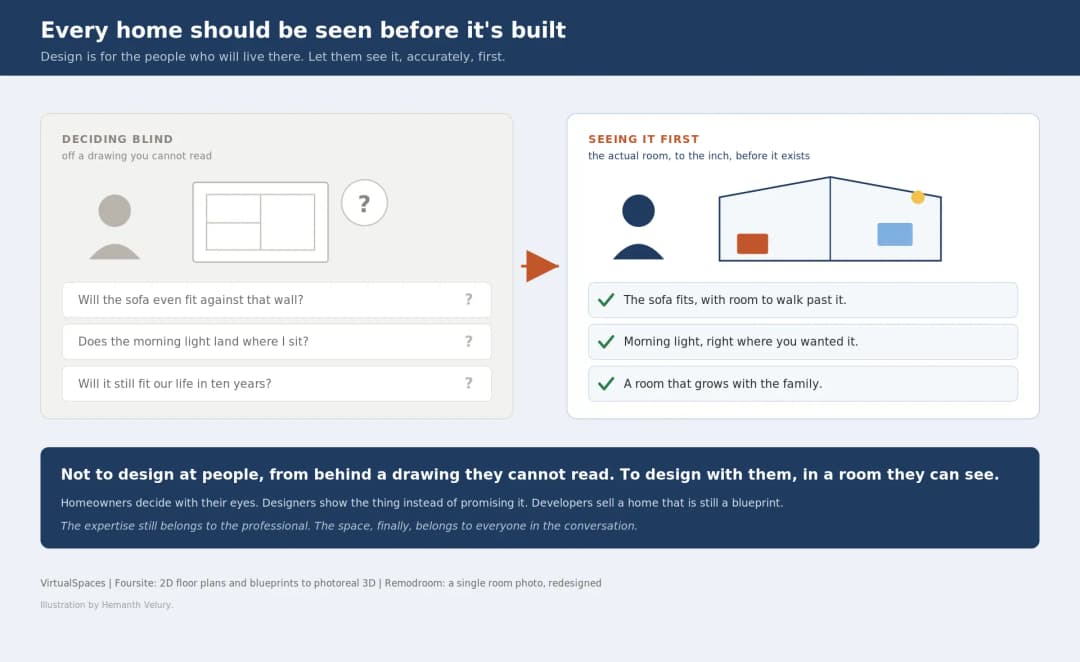
July 20, 2026
Why Every Home Should Be Seen Before It's Built | VirtualSpaces
HHemanth Velury
CEO & Co-Founder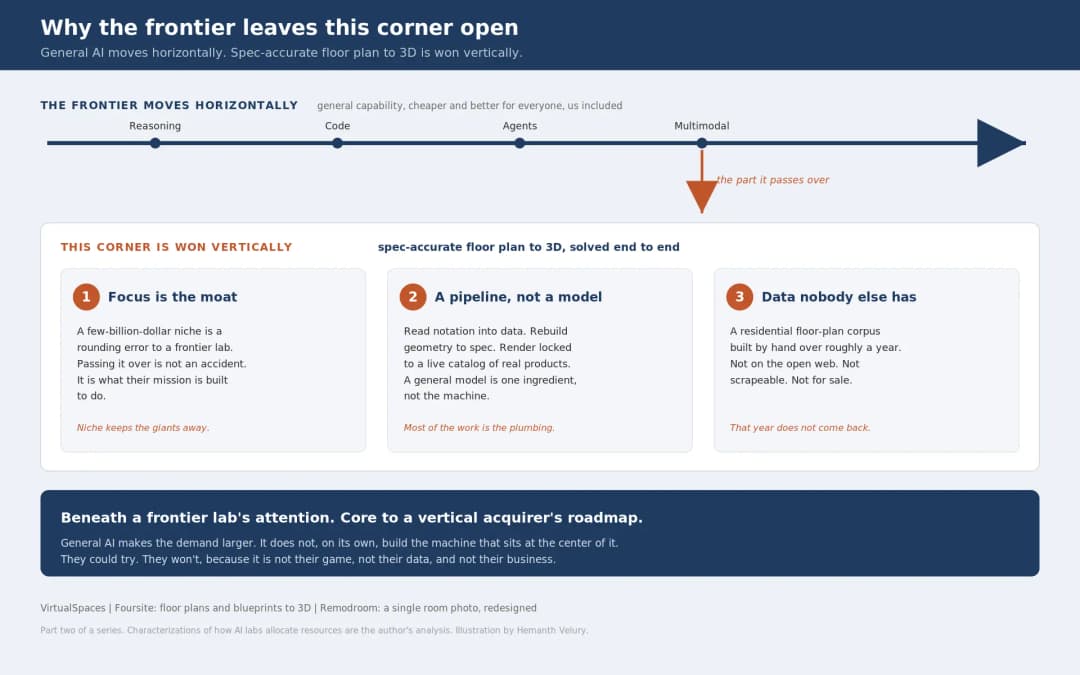
July 17, 2026
Why Big AI Labs Won't Build Floor Plan to 3D | VirtualSpaces
HHemanth Velury
CEO & Co-Founder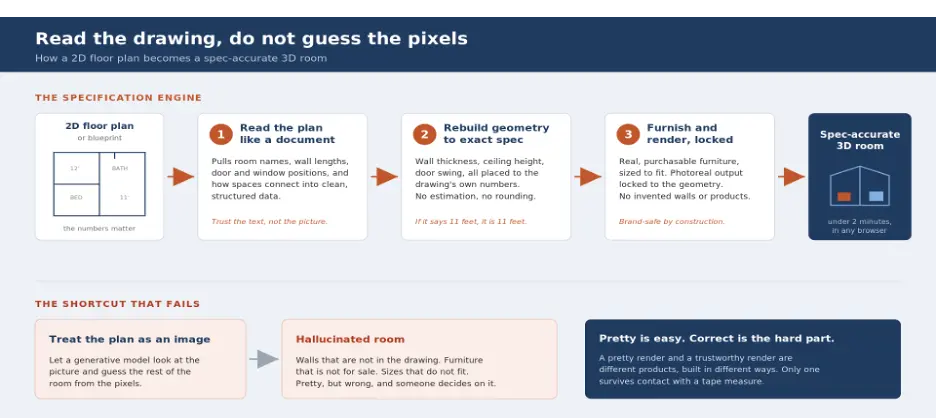
July 15, 2026
How We Solve Floor Plan to 3D, Accurately | VirtualSpaces
HHemanth Velury
CEO & Co-Founder
July 13, 2026
Designing Homes That Age With the People in Them | VirtualSpaces
HHemanth Velury
CEO & Co-Founder
July 10, 2026
Designing Spaces for How Light Actually Moves | VirtualSpaces
HHemanth Velury
CEO & Co-Founder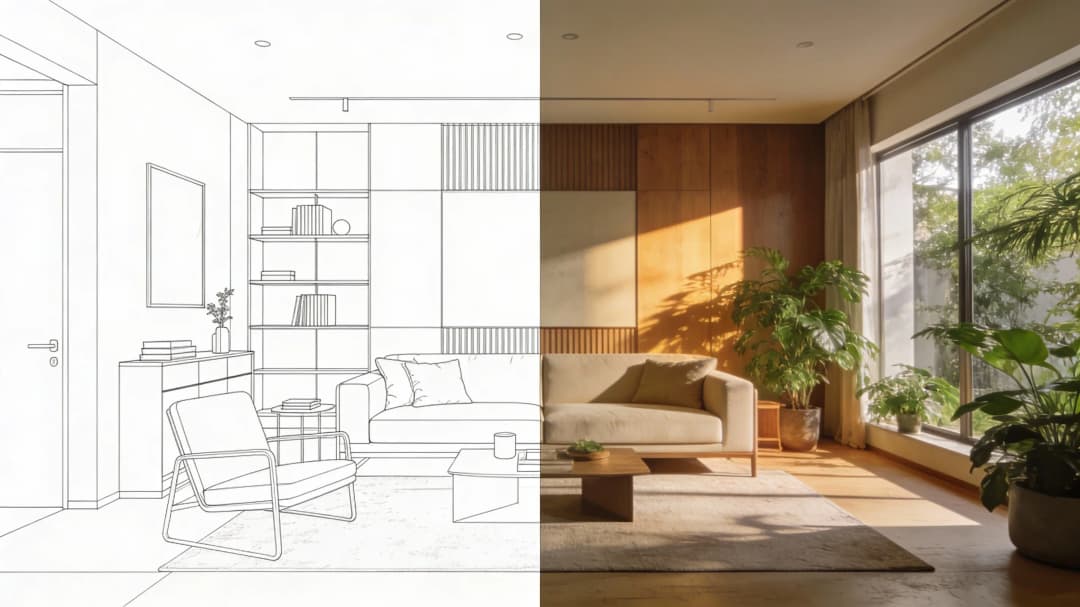
July 08, 2026
Designing Homes for Every Life Stage in 3D | VirtualSpaces
HHemanth Velury
CEO & Co-Founder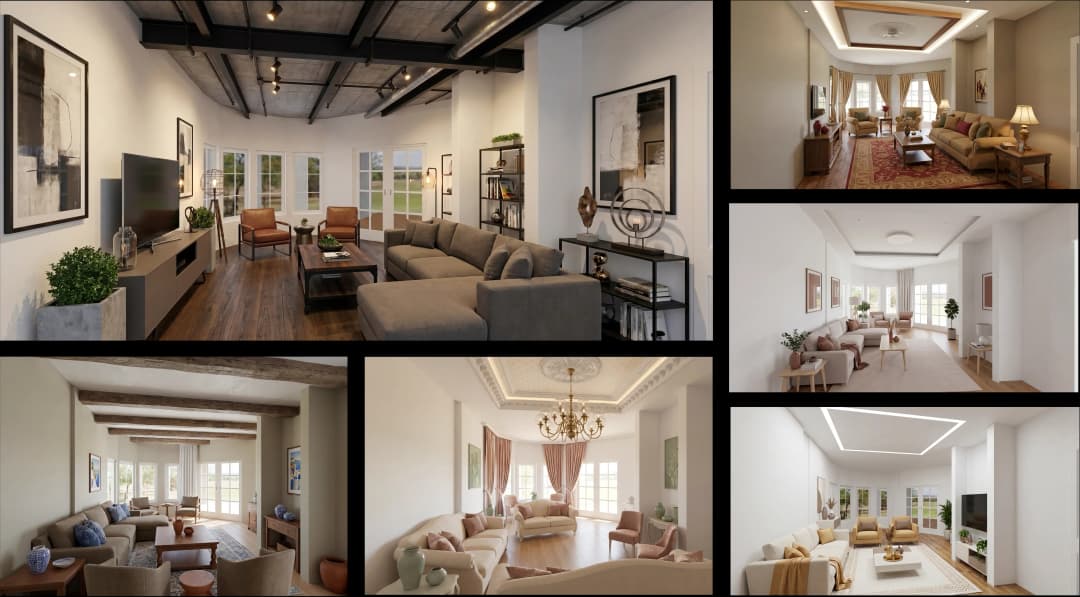
July 06, 2026
Build an Interior Design Portfolio Without Clients | VirtualSpaces
HHemanth Velury
CEO & Co-Founder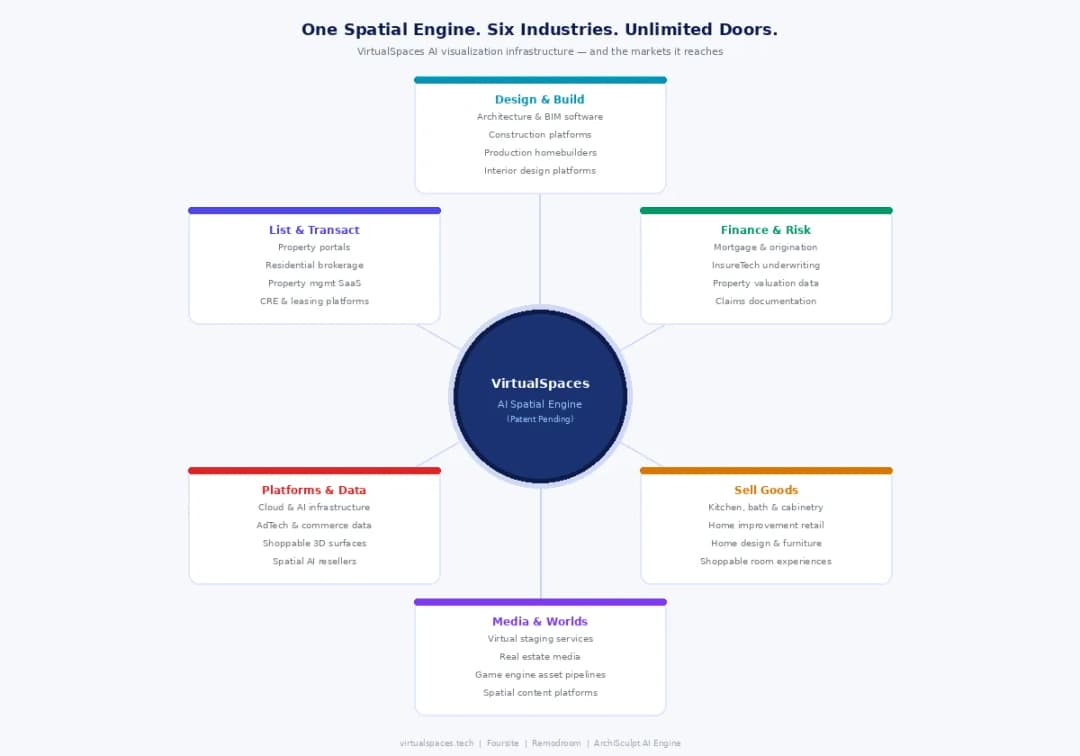
June 26, 2026
AI Interior Design: Full 3D Workflow in One Platform | VirtualSpaces
HHemanth Velury
CEO & Co-Founder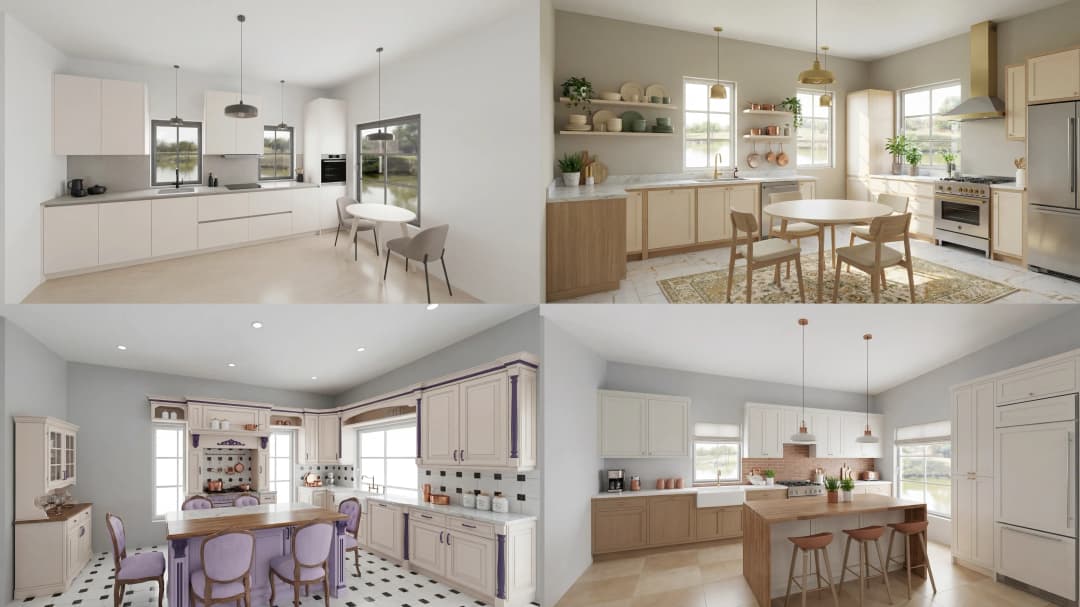
June 24, 2026
Scope Creep in Interior Design: How AI Visualization Fixes It | VirtualSpaces
HHemanth Velury
CEO & Co-Founder
June 22, 2026
What Buyers See on a Floor Plan: Your Biggest Sales Problem | VirtualSpaces
HHemanth Velury
CEO & Co-Founder
June 19, 2026
Small Design Studios vs Big Firms: The AI Advantage | VirtualSpaces
HHemanth Velury
CEO & Co-Founder
June 17, 2026
After the Mood Board: AI Interior Visualization | VirtualSpaces
HHemanth Velury
CEO & Co-Founder
June 15, 2026
Foursite Pro Editor: Full Floor Plan Control for Designers | VirtualSpaces
HHemanth Velury
CEO & Co-Founder
June 12, 2026
AI Interior Design: Style Any Room in Seconds with Foursite | VirtualSpaces
HHemanth Velury
CEO & Co-Founder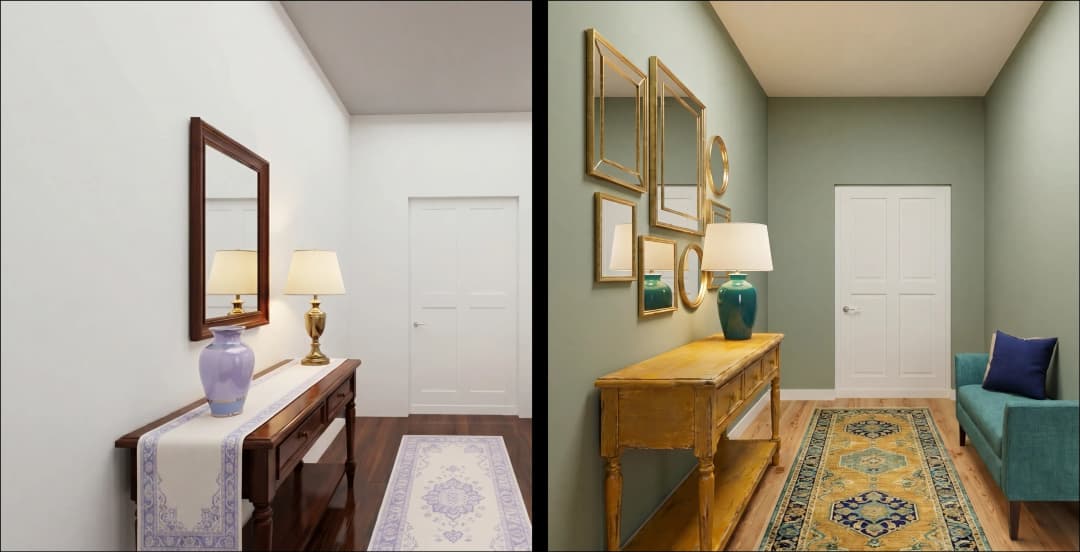
June 10, 2026
Foursite: Floor Plan to 3D Walkthrough in Minutes | VirtualSpaces
HHemanth Velury
CEO & Co-Founder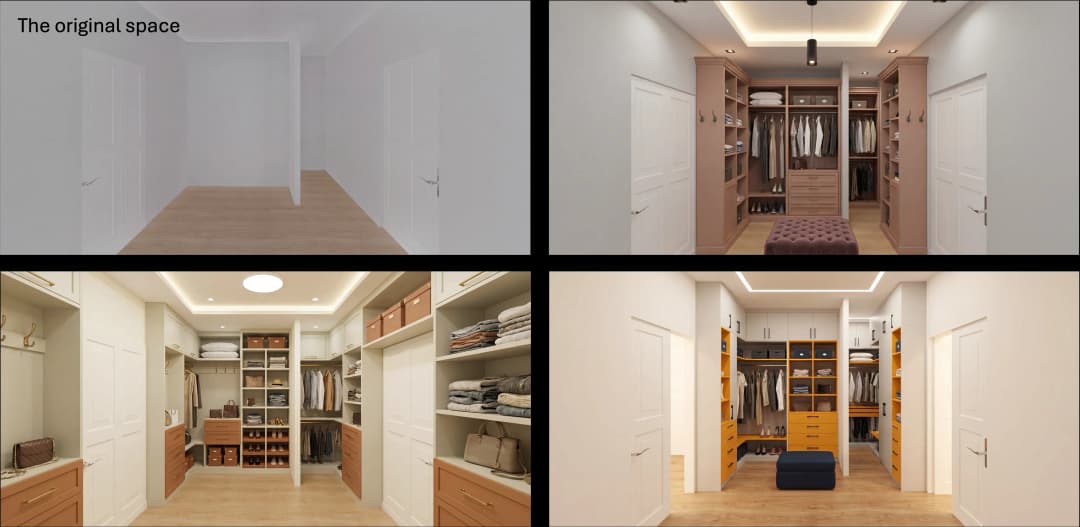
June 08, 2026
Win More Pitches With AI Renders Before the Meeting | VirtualSpaces
HHemanth Velury
CEO & Co-Founder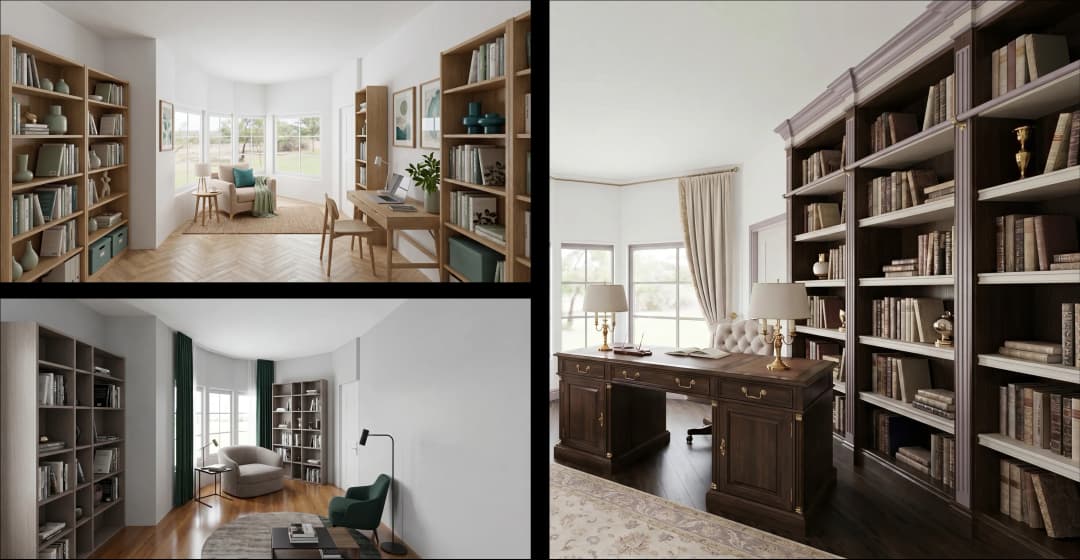
June 05, 2026
From Floor Plan to Finished Room: What AI Now Makes Possible | VirtualSpaces
HHemanth Velury
CEO & Co-Founder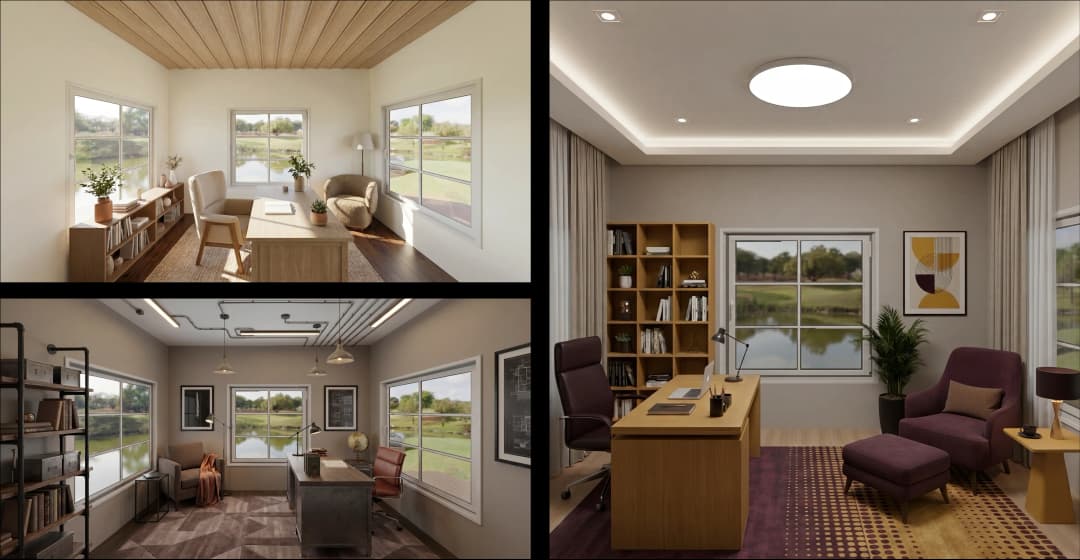
June 03, 2026
The Interior Design Brief Is Broken. AI Fixes It | VirtualSpaces
HHemanth Velury
CEO & Co-Founder
June 01, 2026
Pre-Construction Home Sales: AI Interior Visualization Guide | VirtualSpaces
HHemanth Velury
CEO & Co-Founder
May 30, 2026
Interior Design Principles: Applied with AI | VirtualSpaces
HHemanth Velury
CEO & Co-Founder
May 28, 2026
Designing Spaces for People, Not Blueprints | VirtualSpaces
HHemanth Velury
CEO & Co-Founder
May 26, 2026
The Future of Interior Design: Closing the Visualization Gap with Foursite and Remodroom | VirtualSpaces
HHemanth Velury
CEO & Co-Founder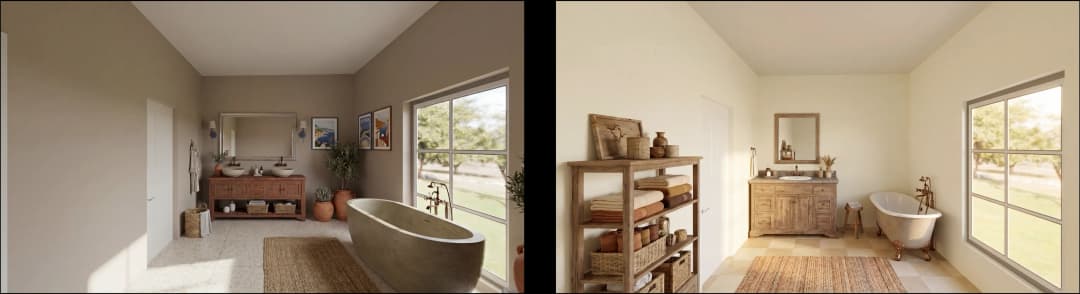
May 18, 2026
How AI Visualization Upgrades Property Data Platforms | VirtualSpaces
HHemanth Velury
CEO & Co-Founder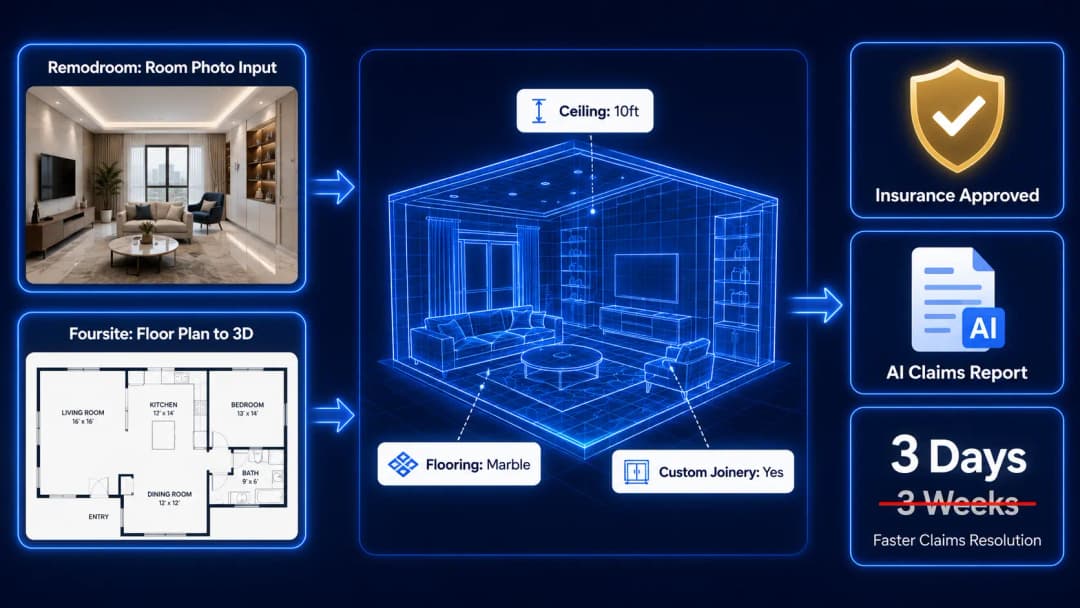
May 14, 2026
How AI-First Insurers Can Use 3D Property Data to Transform Home Claims | VirtualSpaces
HHemanth Velury
CEO & Co-FounderMay 12, 2026
Why Photoreal 3D Renders Are Replacing Mood Boards | Interior Design Client Presentations | VirtualSpaces
HHemanth Velury
CEO & Co-Founder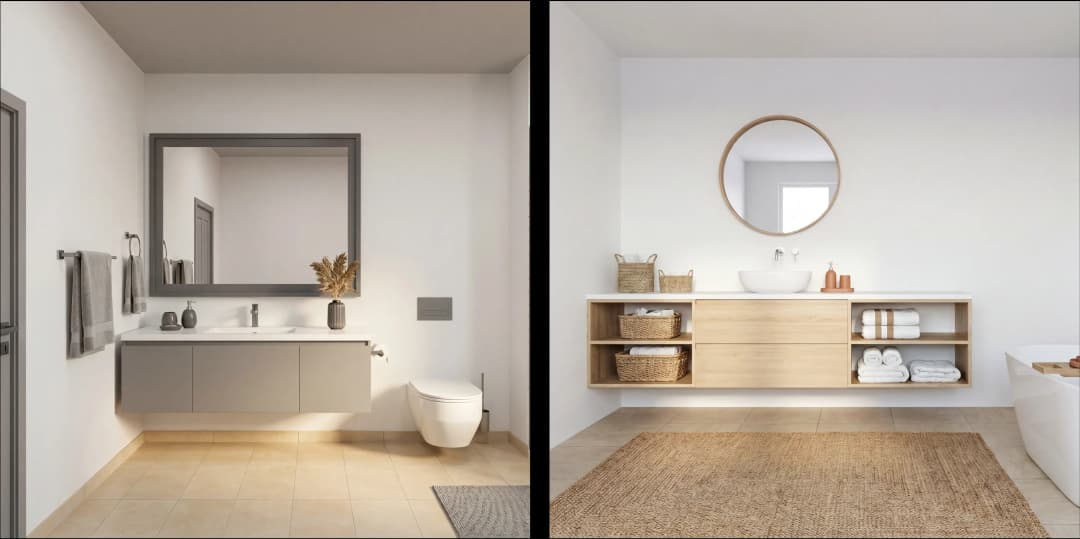
May 08, 2026
From 2D Floor Plans To Living Worlds: The Spec‑Accurate 3D Engine | VirtualSpaces
HHemanth Velury
CEO & Co-Founder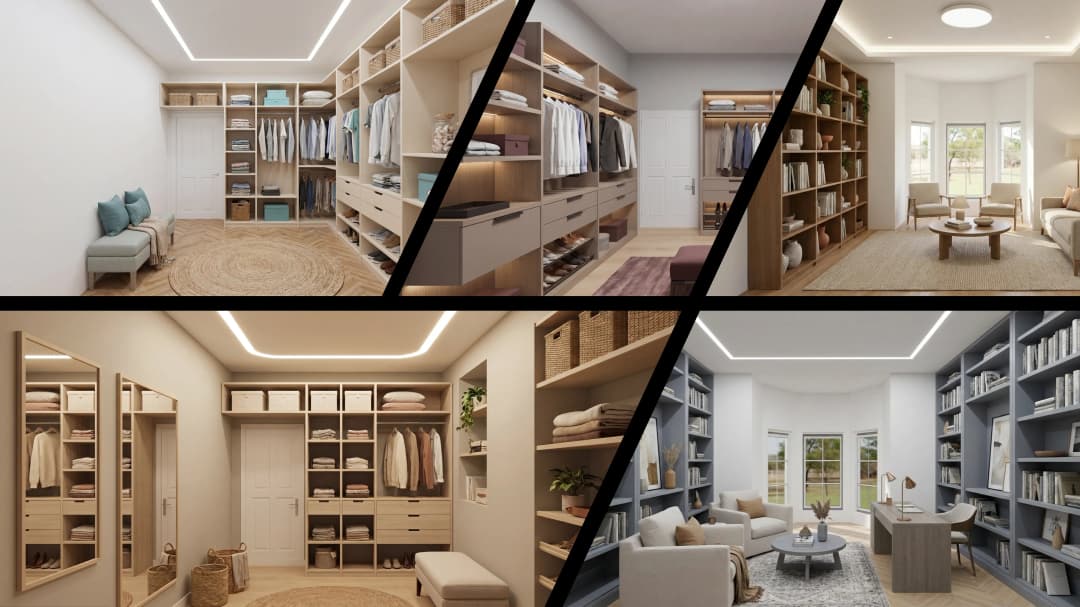
May 06, 2026
Why Furniture Brands Need AI 3D Visualization Now | VirtualSpaces
HHemanth Velury
CEO & Co-Founder
May 4, 2026
How Property Portals Can Turn 2D Floor Plans into 3D Design Decisions | VirtualSpaces
HHemanth Velury
CEO & Co-Founder
April 29, 2026
The Home-Fit Test: Why Square Footage Misleads | VirtualSpaces
HHemanth Velury
CEO & Co-Founder
April 27, 2026
Designing Homes That Sell: 3D Visualization ROI Data | VirtualSpaces
HHemanth Velury
CEO & Co-FounderApril 24, 2026
What's Next: Foursite & Remodroom's New AI Features | VirtualSpaces
HHemanth Velury
CEO & Co-Founder
April 22, 2026
AI in Architecture: Closing the 85% Exposure Gap | VirtualSpaces
HHemanth Velury
CEO & Co-Founder
April 20, 2026
Interior Design Pricing in 2026: From Hourly to Value-Based Fees | VirtualSpaces
HHemanth Velury
CEO & Co-FounderApril 17, 2026
How Foursite and Remodroom Help Designers Win Clients | VirtualSpaces
HHemanth Velury
CEO & Co-Founder
April 15, 2026
Designing Spaces for People: Remodroom + Foursite AI Guide | VirtualSpaces
HHemanth Velury
CEO & Co-Founder
April 13, 2026
Designing for the Way People Actually Live: How AI 3D Is Finally Closing the Gap Between Floor Plan and Reality
HHemanth Velury
CEO & Co-Founder
April 11, 2026
Design in Real Time: AI Renders in Your First Client Meeting
HHemanth Velury
CEO & Co-Founder
April 06, 2026
Why Real Estate Photography Is No Longer Enough: The Shift to Spatial-First Listings
HHemanth Velury
CEO & Co-Founder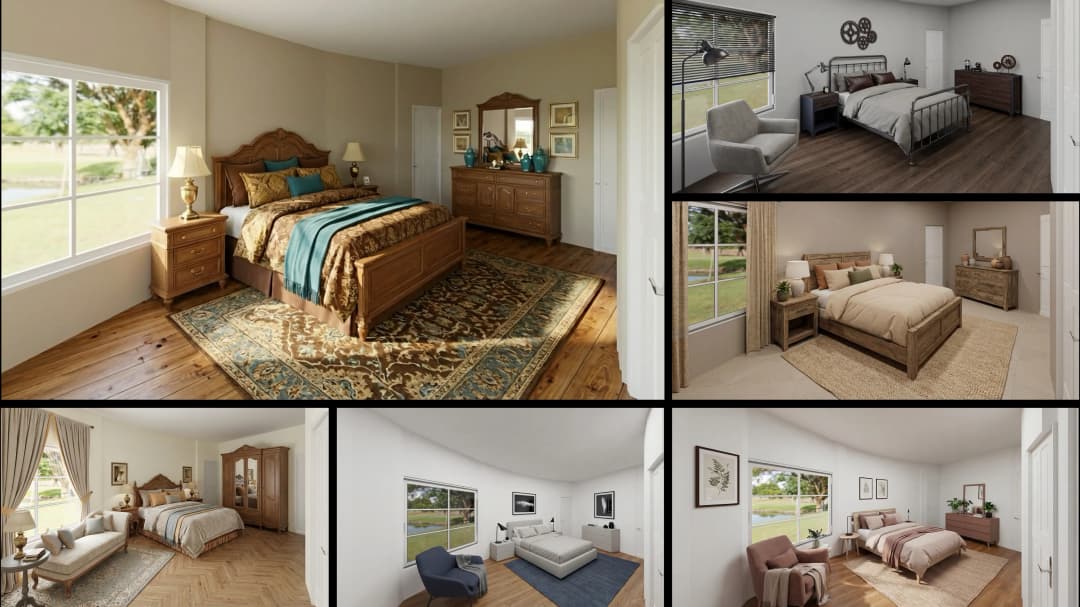
April 03, 2026
Property Management's Hidden Weapon: AI 3D Floor Plans That Cut Vacancy Time and Raise Tenant Quality
HHemanth Velury
CEO & Co-Founder
April 01, 2026
Off-Plan and Oversubscribed: How AI 3D Visualization Is Transforming Real Estate Pre-Sales
HHemanth Velury
CEO & Co-Founder
March 30, 2026
Why Foursite Beats Generic AI Tools for Interior Design 3D Visualization
HHemanth Velury
CEO & Co-Founder
March 27, 2026
7 Tenets of Interior Design: How AI Accelerates Harmony in Residential Spaces
HHemanth Velury
CEO & Co-Founder
March 25, 2026
What Is the 3-5-7 Rule in Interior Design? Foursite's AI Guide for Residential Spaces
HHemanth Velury
CEO & Co-Founder
March 23, 2026
What Is the 70/30 Rule in Interior Design? Foursite's AI Guide for Residential Spaces
HHemanth Velury
CEO & Co-Founder
March 20, 2026
How AI 3D Visualization Is Rewriting Residential Interior Design Workflows
HHemanth Velury
CEO & Co-Founder
March 18, 2026
Beyond Marketing: How 3D Floorplans Transform FM, Retrofit Planning & ESG Operations
HHemanth Velury
CEO & Co-Founder
March 16, 2026
Why AI Companies Use Token Payments (And Why VirtualSpaces Is Returning To Fiat)
HHemanth Velury
CEO & Co-Founder
March 13, 2026
Floorplan‑Native Digital Twins: Beyond BIM for Consumer‑Ready Real Estate Experiences
HHemanth Velury
CEO & Co-Founder
March 09, 2026
Design Systems for Space: Building Reusable 3D Component Libraries on Top of AI Floorplan‑to‑3D Engines
HHemanth Velury
CEO & Co-Founder
March 06, 2026
How to Standardize Design Quality Across Global Projects Using AI Floorplan-to-3D Tools
HHemanth Velury
CEO & Co-Founder
March 04, 2026
From CAD-First to AI-First: Reskilling Your Team for AI-Native Design Workflows
HHemanth Velury
CEO & Co-Founder
March 02, 2026
Algorithmic Ergonomics Meets Photorealistic 3D: Designing Human-Centered Smart Homes with Foursite in 2026
HHemanth Velury
CEO & Co-Founder
February 27, 2026
The Ethics of AI in Interior Design: Ownership, Originality, and Client Transparency
HHemanth Velury
CEO & Co-Founder
February 25, 2026
Designing with Empathy: Using AI 3D Visualization to Improve Client Communication and Emotional Clarity
HHemanth Velury
CEO & Co-Founder
February 23, 2026
From Tool to Infrastructure: AI Floorplan-to-3D and the Next Wave of PropTech
HHemanth Velury
CEO & Co-Founder
February 20, 2026
AI Interior Design for Holiday Homes: Turn Spare Flats into High-Demand Short-Stay Rentals with 3D Visuals
HHemanth Velury
CEO & Co-Founder
February 18, 2026
The Pre‑Purchase Power Play: How Savvy Home Buyers Use 3D Floor Plan Visualization to Negotiate Better Deals
HHemanth Velury
CEO & Co-FounderFebruary 16, 2026
AI Interior Design for Non‑Designers: How Homeowners Can Brief Like Pros
HHemanth Velury
CEO & Co-Founder
February 13, 2026
Scaling a Design Business Without Hiring a 3D Team: An Owner's Guide
HHemanth Velury
CEO & Co-Founder
February 11, 2026
From Bland to Bold: How to Rescue Builder-Grade Interiors on Any Budget
HHemanth Velury
CEO & Co-Founder
February 6, 2026
The Psychology of Space: How Room Dimensions Influence Interior Design Decisions
HHemanth Velury
CEO & Co-Founder
February 4, 2026
The Future of Interior Design Visualization: How AI Technology is Transforming 2D Concepts Into 3D Reality
HHemanth Velury
CEO & Co-Founder
February 2, 2026
AI Interior Décor: How Artificial Intelligence Generates Design Options from Your Floor Plan
HHemanth Velury
CEO & Co-Founder
January 30, 2026
Photoreal vs. Reality: What Clients Actually Expect from Interior Design Visualization
HHemanth Velury
CEO & Co-Founder
January 28, 2026
The Design Approval Conversation That Changes Everything: Communication Strategy When Using Photorealistic Visualization
HHemanth Velury
CEO & Co-Founder
January 25, 2026
Interior Design as Experience Design: How 3D Visualization Changes Your Professional Identity
HHemanth Velury
CEO & Co-Founder
January 23, 2026
The Professional Gap: How 3D Visualization Changes Interior Design Client Perception
HHemanth Velury
CEO & Co-Founder
January 21, 2026
Why Clients Fire Designers (And How 3D Visualization Could Have Saved the Project)
HHemanth Velury
CEO & Co-Founder
January 16, 2026
Blueprint to Vision: Why Seeing Is Believing in Interior Design
HHemanth Velury
CEO & Co-Founder
January 14, 2026
The Speed of Responsiveness: How AI Visualization Tools Make You Look Like You Care More
HHemanth Velury
CEO & Co-Founder
January 12, 2026
Why Interior Designers and Architects Can't Compete Without AI 3D Visualization Tools
HHemanth Velury
CEO & Co-Founder
January 07, 2026
From "Saved" to "Sold": How Homeowners Are Planning Renovations with AI
HHemanth Velury
CEO & Co-Founder
January 05, 2026
The Interior Designer's Secret Weapon: Speed as Premium Positioning
HHemanth Velury
CEO & Co-Founder
December 31, 2025
Gratitude, Growth & Game-Changing Innovation: VirtualSpaces' 2025 Journey & What's Coming in 2026
HHemanth Velury
CEO & Co-Founder
December 29, 2025
Why Interior Designers Are Switching to AI Floor Plan-to-3D Tools in 2026
HHemanth Velury
CEO & Co-Founder
December 26, 2025
AI Virtual Staging for Real Estate Agents: Sell More Homes Faster with Foursite
HHemanth Velury
CEO & Co-Founder
December 24, 2025
Why Architects Are Switching to AI 2D-to-3D: The SketchUp Alternative
HHemanth Velury
CEO & Co-Founder
December 22, 2025
Cut 3 Weeks from Real Estate Sales Cycle: The ROI of AI 2D to 3D Visualization
HHemanth Velury
CEO & Co-Founder
December 19, 2025
2D Floor Plans Are Dying: Why 3D Visualization & AI Virtual Staging Are the Future
HHemanth Velury
CEO & Co-Founder
December 17, 2025
Virtual Staging vs Physical Staging: How AI Saves Money Per Property
HHemanth Velury
CEO & Co-Founder
December 15, 2025
AI Floor Plan to Image: Revolutionizing Real Estate Marketing for Agents
HHemanth Velury
CEO & Co-Founder
December 12, 2025
Color of the Year 2026: Cloud Dancer | VirtualSpaces AI Interior Design Guide
HHemanth Velury
CEO & Co-Founder
December 10, 2025
AI Floor Plan to 3D: The New Standard for Interior Design Workflows
HHemanth Velury
CEO & Co-Founder
December 08, 2025
How Interior Design Studios Can Operationalize AI 2D-to-3D Workflows (Without Breaking Their Process)
HHemanth Velury
CEO & Co-Founder
December 06, 2025
How to Implement AI Interior Design Workflows in Your Studio
HHemanth Velury
CEO & Co-Founder
December 4, 2025
How Homeowners Can Use AI Interior Design Tools to Plan Renovations with Confidence
HHemanth Velury
CEO & Co-Founder
November 28, 2025
Interior Designers in the Age of AI: From Threat Narrative to Superpower
HHemanth Velury
CEO & Co-Founder
November 21, 2025
Foursite Launch: Embracing 'Release Early, Release Often'
HHemanth Velury
CEO & Co-Founder
November 13, 2025
Foursite by VirtSpaces: Empowering Interior Designers, Architects, and Homeowners
HHemanth Velury
CEO & Co-Founder
November 7, 2025
Reimagining Architectural Education: How AI Floorplan-to-3D Technology Can Transform Design Learning
VVirtualSpaces Research Labs
AI Research Initiative
October 27, 2025
Archisculpt AI: Turning Architectural Drawings into Photorealistic 3D Spaces
AAbhijeet Naik
Co-Founder & CTO
October 13, 2025
Home Makeover: From Floor Plan to Dream Space with AI
HHemanth Velury
CEO & Co-Founder
October 6, 2025
Real-Time Rendering & AI: Revolutionizing Interactive Property Walkthroughs with VirtSpaces
HHemanth Velury
CEO & Co-Founder
September 26, 2025
Foursite - A True AI-Native Experience in Design Visualization
AAbhijeet Naik
CTO & Co-Founder
September 18, 2025
Why PropTech Startups Are Betting on AI Interior Design
HHemanth Velury
CEO & Co-Founder
September 11, 2025
How AI Differs from Traditional 3D Rendering Software
HHemanth Velury
CEO & Co-Founder
September 2, 2025
From Client to Investor: How Nila Spaces and VirtSpaces Are Redefining Proptech with AI
HHemanth Velury
CEO & Co-Founder
August 25, 2025
VirtSpaces From Virtual Reality to AI – Transforming Real Estate Visualization.
HHemanth Velury
CEO & Co-Founder


We help teams collaborate seamlessly and reduce costs. Virtual Spaces offers cutting-edge technology with flexible plans designed to fit modern teams.
Copyright © VirtSpaces Pvt. Ltd. 2025 All Rights Reserved.
CIN: U74999KA2016PTC094921