April 22, 2026
- AI Technology
- Interior Design
AI in Architecture: Closing the 85% Exposure Gap | VirtualSpaces
Hemanth Velury
CEO & Co-FounderAI in Architecture and Interior Design: The 85% Exposure Gap and the Tools Closing It
Anthropic's (The maker of Claude AI) research confirms what many practitioners already sense. The gap between what AI can do for designers and what they are actually using it for has never been wider. Here is why it exists, what it costs, and what is changing.
The Numbers That Should Change How Every Designer Thinks
In March 2026, Anthropic published research that quickly found its way into every architecture and design publication worth reading. Dezeen ran it prominently: two nested circular line graphs, the kind of infographic that does its own arguing. The outer ring represents theoretical AI task exposure by profession. The inner ring represents real-world adoption. For architects and engineers, that outer ring sits above 80%. Roughly 85% of the tasks that architects and interior designers perform every day could theoretically be accelerated by AI.
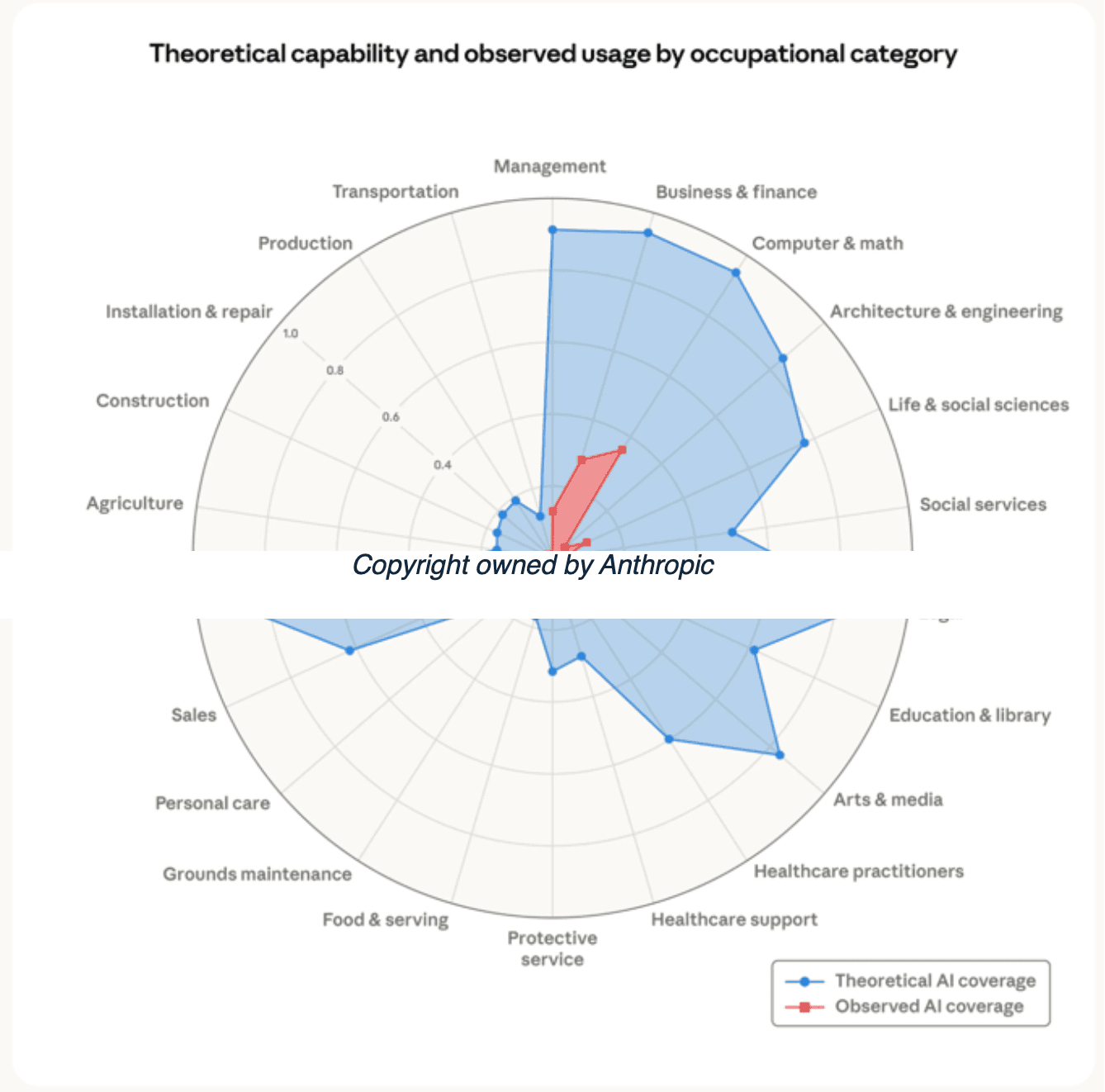
Look at the inner ring. It is almost invisible.
A separate study from the American Institute of Architects, reported by Dezeen a full year earlier in March 2025, had already put a precise number on it: only 6% of architects regularly use AI in their practice. Just 8% of architecture firms have implemented AI solutions at the practice level. The majority of those experimenting are applying it to low-complexity tasks: client communications, image manipulation, grammar review.
Not converting 2D floor plans to 3D. Not AI visualization that closes pre-sales. Not the work that actually changes outcomes.
The gap between 85% exposure and 6% adoption is not a technology problem. It is a behavior problem. And understanding the psychology behind it is the first step to solving it.
The Adoption Gap Is Not About Resistance
The comfortable narrative is that architects and interior designers are protective of their craft. That creative professionals resist automation on principle. That narrative has some truth, but it is not the primary explanation for where the data lands.
The deeper barrier is cognitive load.
Designing spaces for people is one of the most mentally demanding professional disciplines in existence. A residential architect or interior designer holds an enormous number of variables simultaneously: client psychology, spatial relationships, material behavior, code compliance, budget constraints, and contractor timelines. They are already operating at capacity. Asking them to integrate a new tool stack, one that requires workflow restructuring and trust in outputs they cannot fully verify, is not a small ask. It is friction added to an already full plate.
The AIA study confirmed the pattern. Firms with 50 or more employees are significantly more likely to have adopted AI solutions. They have the bandwidth to evaluate tools, run pilots, and train staff. Smaller residential practices, where the majority of interior design and home architecture happens, are still waiting for tools that fit inside the work they are already doing, rather than beside it.
There is a trust issue layered on top of this. Accuracy concerns keep practitioners away from using AI for the complex tasks where it would deliver the most value. Less than 10% of studios have used AI for estimation, specification, or complex product research, despite these being among the highest-friction areas of the workflow. The tools practitioners encounter most often feel like new jobs: something to learn, manage, and quality-check on top of everything else.
The AI that gets adopted is the AI that fits inside the work a practitioner is already doing. That distinction matters more than any individual feature set.
The Client Cannot Read a Floor Plan. This Is Not Their Fault.
There is a second adoption gap, and it sits on the client side of the relationship.
Spatial cognition research is unambiguous: the ability to mentally rotate a 2D representation into an accurate 3D mental model is a trained skill. Architects and interior designers develop it through years of practice. Most of their clients have never developed it at all.
This is the structural root of one of the most persistent complaints in residential interior design: the floor plan doesn't match reality. Not because the plan was inaccurate. Because the client was never able to visualize it accurately in the first place.
When a designer presents 2D floor plans to a homeowner or a residential developer, a translation failure is happening in real time. The client nods. They approve the layout. Months later, standing in the finished space, they say: "I didn't realize it would feel this small." Or this dark. Or this open. The cognitive gap between floor plans and lived spatial experience is not a client failure. It is a communication design failure, one the industry has quietly accepted as normal for decades.
The downstream effects compound in predictable ways:
- Revision cycles driven by late-stage misalignment between expectation and reality
- Post-delivery dissatisfaction that quietly erodes referral relationships
- Extended pre-sale timelines for developers presenting off-plan residential inventory
- Budget pressure when changes are requested after construction is already underway
- Lost proposals to practices that can already show a client what a finished room looks like
Designing homes and residential spaces is ultimately an act of designing for people, for how they will live and move inside a space. But the tools designers have traditionally used to communicate that vision, the 2D floor plan, the materials board, the mood board, have always asked clients to do the hardest cognitive work themselves. How to visualize a floor plan before buying, before building, before committing, is a question that never should have been left to the client to answer alone.
That is precisely the gap AI is designed to close.
What the Gap Costs: A Workflow Comparison
The real cost of the visualization gap shows up in time, external spend, and missed revenue. Here is what a typical residential design workflow looks like before and after AI 3D visualization becomes a standard part of the practice:
| Stage | Traditional Workflow | AI-Augmented Workflow |
|---|---|---|
| Initial concept presentation | 2D floor plans, mood boards, sketches; 8-15 hours of prep | Photorealistic 3D renders from floor plan; under 1 hour |
| Client revision round 1 | Verbal feedback, partial redraws; 4-8 hours | Style, palette, and layout adjustments in-platform; minutes per iteration |
| 3D visualization | Briefed to external render studio; 3-7 days, $500-$2,000 per render | Generated on demand; no external studio required |
| Client sign-off | Often requires a second or third revision round | Higher first-meeting close rate; fewer revision cycles |
| Pre-sale or listing visual | Separate virtual staging process; additional cost and lead time | AI virtual staging from the same session |
Every row in that table is a cost center. And most of them are optional once the visualization problem is solved.
Foursite: From Blueprint to Inhabited Space
Foursite is VirtualSpaces' direct answer to the floor plan visualization problem.
The workflow is deliberately uncomplicated. Upload a JPG or PNG of any 2D floor plan. Foursite's AI reads the geometry: Walls, doors, windows, trims and builds an accurate 3D environment automatically. No CAD knowledge required. No 3D modeling software. No briefing an external render studio and waiting a week for output.
From that point, designers control everything that matters creatively. Adjust room types, apply any of 18 design styles, set flooring, paint, ceiling finishes, and color palettes. The platform generates interior design photoreal renders from any camera angle, using ray-traced lighting that responds to both natural and artificial light sources. Every file is watermark-free and high-resolution: ready for client presentations, marketing decks, and pre-sale residential listings.
The 2D to 3D conversion Foursite delivers is not just an efficiency gain. It is a fundamental shift in how client communication works. When you convert a floor plan to 3D and present interior design 3D visualization of an actual space, you are not asking the client to trust an abstraction. You are showing them a finished room. The cognitive gap that typically produces revision cycles closes before it opens.
For architects presenting pre-construction residential designs, this changes the nature of the approval conversation. For developers managing off-plan pre-sales, it reshapes the sales cycle entirely: interior design renders that previously required outsourced studios, lead times, and per-render spend become a standard deliverable in the first client meeting.
Converting a blueprint to 3D is not a new idea. What Foursite changes is who can do it, how fast, and at what cost. That changes the underlying economics of the practice.
Remodroom: AI Interior Décor for the Space That Already Exists
Not every residential design project begins with a blank floor plan. Many of the most commercially significant ones start with an existing space: a renovation brief, a resale listing, a remodel proposal. Remodroom is built specifically for this context.
Where Foursite works from blueprints and 2D floor plans, Remodroom starts from a photograph. Point a camera at any room, upload the image, and Remodroom's Archisculpt AI analyzes the space: its proportions, architectural elements, and existing lighting conditions. From there, a designer applies a full design direction across the entire room, or swaps individual elements one at a time. New flooring. A different wall finish. Replaced furniture. A completely different style register. The AI interior décor and AI interior design outputs are photorealistic, built to hold up in client presentations, listing pages, and proposal documents without additional post-production.
The key distinction is what the client is actually looking at. They are not seeing a stock showroom scene or a generic rendered interior. They are seeing their own living room, their own kitchen, restyled to match the design direction being proposed. That specificity is what closes the spatial cognition gap. The client's question shifts from "will this work in my space?" to "which version do I prefer?" That is a qualitatively different conversation to be having in a first meeting, and it is one that results in faster decisions and fewer revision rounds.
For interior designers working on renovation and remodel projects, Remodroom functions as a closing tool as much as a visualization tool. AI virtual staging from an existing room photograph means no furniture rental, no professional staging crew, no external turnaround time. The AI 3D visualization output is production-quality: the same result a practitioner would previously have paid a render studio to produce, generated inside the same session as the client brief.
No plugins. No installations. No 3D modeling background required. The platform handles the technical translation; the designer's job is to direct the vision.
A Shifting Standard
The Anthropic research does not predict that AI will eliminate architects or interior designers. The employment data is clear: high theoretical exposure has not produced unemployment in the profession. What it does reveal is a profession with significant untapped leverage: practitioners spending time and budget on tasks that AI can accelerate, without yet having tools that integrate cleanly into how they already work.
Anthropic's infographic is worth sitting with. Two nested rings: one showing what AI can theoretically do for the profession, one showing what the profession is actually doing with it. For architecture and interior design, the outer ring is enormous. The inner ring is a sliver. That is not a story about technology failing to mature. It is a story about tools failing to earn practitioner trust by meeting them where they work.
The practices that close this gap are not simply becoming more efficient. They are redefining what they can promise a client at first contact: interior design renders from a floor plan, in the first meeting; a completed room, in the client's own home, with AI interior decor applied to brief before a single purchase decision is made. They are moving from firms that describe a vision to firms that show it, and that distinction compounds over every proposal, every pre-sale, every renovation pitch.
Designing spaces for people has always required the practitioner to hold a vision the client cannot yet see. The tools that reshape this industry will be the ones that put that vision directly in the client's hands: not as an abstraction requiring interpretation, but as something they can look at, respond to, and say yes to.
The gap between 85% exposure and 6% adoption will not stay that size for long. The question is which side of it each practice will be on.
Recommended for you

August 19, 2026
The End of the Model Home? 3D Changes the Math | VirtualSpaces
HHemanth Velury
CEO & Co-Founder
August 17, 2026
Designing Spaces That Actually Get Built | VirtualSpaces
HHemanth Velury
CEO & Co-Founder
August 12, 2026
Designing Homes for the Stuff People Actually Own | VirtualSpaces
HHemanth Velury
CEO & Co-Founder
August 07, 2026
Floor Plan to Bill of Materials: The 3D Model as Data | VirtualSpaces
HHemanth Velury
CEO & Co-Founder.png&w=1080&q=75)
August 05, 2026
Designing Homes for How People Actually Live | VirtualSpaces
HHemanth Velury
CEO & Co-Founder
August 03, 2026
Honest by Design: Trust in AI Real Estate Imagery | VirtualSpaces
HHemanth Velury
CEO & Co-Founder
July 29, 2026
Kitchen and Bath: The Two Rooms That Decide Resale | VirtualSpaces
HHemanth Velury
CEO & Co-Founder
July 27, 2026
Why Empty Rooms Don't Sell: Virtual Staging | VirtualSpaces
HHemanth Velury
CEO & Co-Founder
July 24, 2026
The Quiet Sustainability Win of Deciding in 3D | VirtualSpaces
HHemanth Velury
CEO & Co-Founder
July 22, 2026
Why Paint Swatches Lie: Test Color in 3D First | VirtualSpaces
HHemanth Velury
CEO & Co-Founder
July 20, 2026
Why Every Home Should Be Seen Before It's Built | VirtualSpaces
HHemanth Velury
CEO & Co-Founder
July 17, 2026
Why Big AI Labs Won't Build Floor Plan to 3D | VirtualSpaces
HHemanth Velury
CEO & Co-Founder
July 15, 2026
How We Solve Floor Plan to 3D, Accurately | VirtualSpaces
HHemanth Velury
CEO & Co-Founder
July 13, 2026
Designing Homes That Age With the People in Them | VirtualSpaces
HHemanth Velury
CEO & Co-Founder
July 10, 2026
Designing Spaces for How Light Actually Moves | VirtualSpaces
HHemanth Velury
CEO & Co-Founder
July 08, 2026
Designing Homes for Every Life Stage in 3D | VirtualSpaces
HHemanth Velury
CEO & Co-Founder
July 06, 2026
Build an Interior Design Portfolio Without Clients | VirtualSpaces
HHemanth Velury
CEO & Co-Founder
June 26, 2026
AI Interior Design: Full 3D Workflow in One Platform | VirtualSpaces
HHemanth Velury
CEO & Co-Founder
June 24, 2026
Scope Creep in Interior Design: How AI Visualization Fixes It | VirtualSpaces
HHemanth Velury
CEO & Co-Founder
June 22, 2026
What Buyers See on a Floor Plan: Your Biggest Sales Problem | VirtualSpaces
HHemanth Velury
CEO & Co-Founder
June 19, 2026
Small Design Studios vs Big Firms: The AI Advantage | VirtualSpaces
HHemanth Velury
CEO & Co-Founder
June 17, 2026
After the Mood Board: AI Interior Visualization | VirtualSpaces
HHemanth Velury
CEO & Co-Founder
June 15, 2026
Foursite Pro Editor: Full Floor Plan Control for Designers | VirtualSpaces
HHemanth Velury
CEO & Co-Founder
June 12, 2026
AI Interior Design: Style Any Room in Seconds with Foursite | VirtualSpaces
HHemanth Velury
CEO & Co-Founder
June 10, 2026
Foursite: Floor Plan to 3D Walkthrough in Minutes | VirtualSpaces
HHemanth Velury
CEO & Co-Founder
June 08, 2026
Win More Pitches With AI Renders Before the Meeting | VirtualSpaces
HHemanth Velury
CEO & Co-Founder
June 05, 2026
From Floor Plan to Finished Room: What AI Now Makes Possible | VirtualSpaces
HHemanth Velury
CEO & Co-Founder
June 03, 2026
The Interior Design Brief Is Broken. AI Fixes It | VirtualSpaces
HHemanth Velury
CEO & Co-Founder
June 01, 2026
Pre-Construction Home Sales: AI Interior Visualization Guide | VirtualSpaces
HHemanth Velury
CEO & Co-Founder
May 30, 2026
Interior Design Principles: Applied with AI | VirtualSpaces
HHemanth Velury
CEO & Co-Founder
May 28, 2026
Designing Spaces for People, Not Blueprints | VirtualSpaces
HHemanth Velury
CEO & Co-Founder
May 26, 2026
The Future of Interior Design: Closing the Visualization Gap with Foursite and Remodroom | VirtualSpaces
HHemanth Velury
CEO & Co-Founder
May 18, 2026
How AI Visualization Upgrades Property Data Platforms | VirtualSpaces
HHemanth Velury
CEO & Co-Founder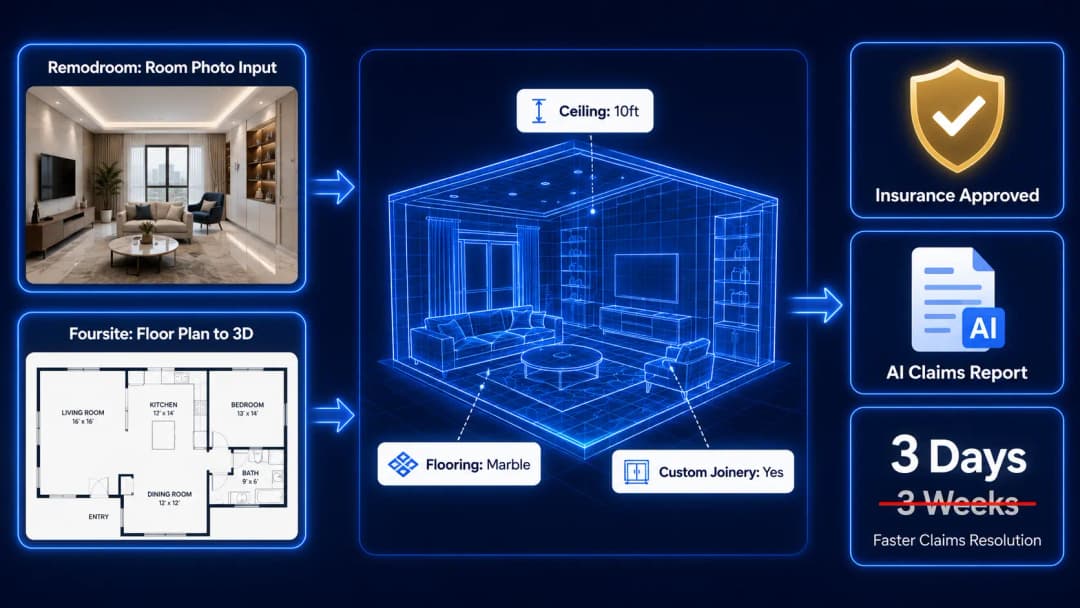
May 14, 2026
How AI-First Insurers Can Use 3D Property Data to Transform Home Claims | VirtualSpaces
HHemanth Velury
CEO & Co-FounderMay 12, 2026
Why Photoreal 3D Renders Are Replacing Mood Boards | Interior Design Client Presentations | VirtualSpaces
HHemanth Velury
CEO & Co-Founder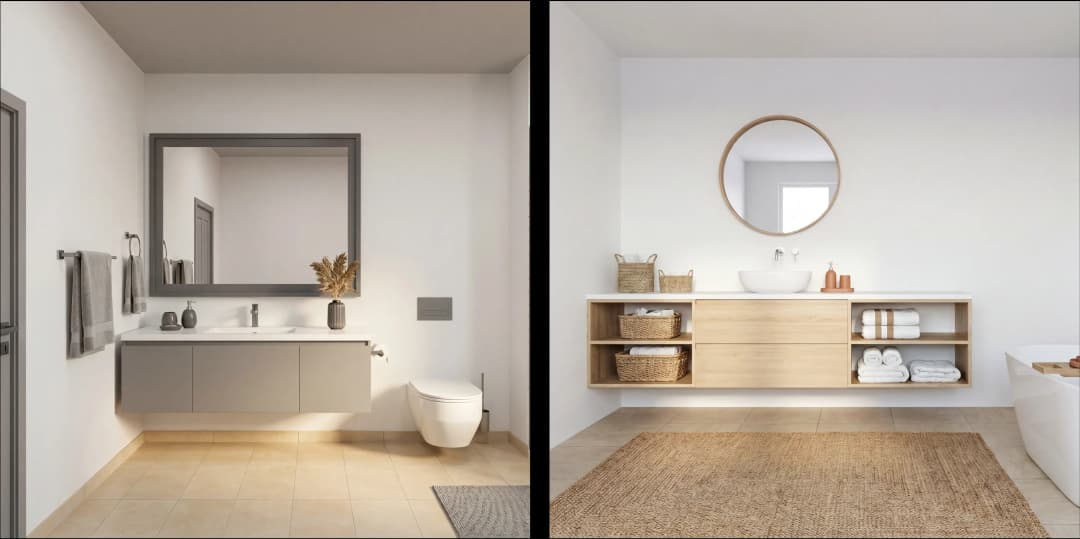
May 08, 2026
From 2D Floor Plans To Living Worlds: The Spec‑Accurate 3D Engine | VirtualSpaces
HHemanth Velury
CEO & Co-Founder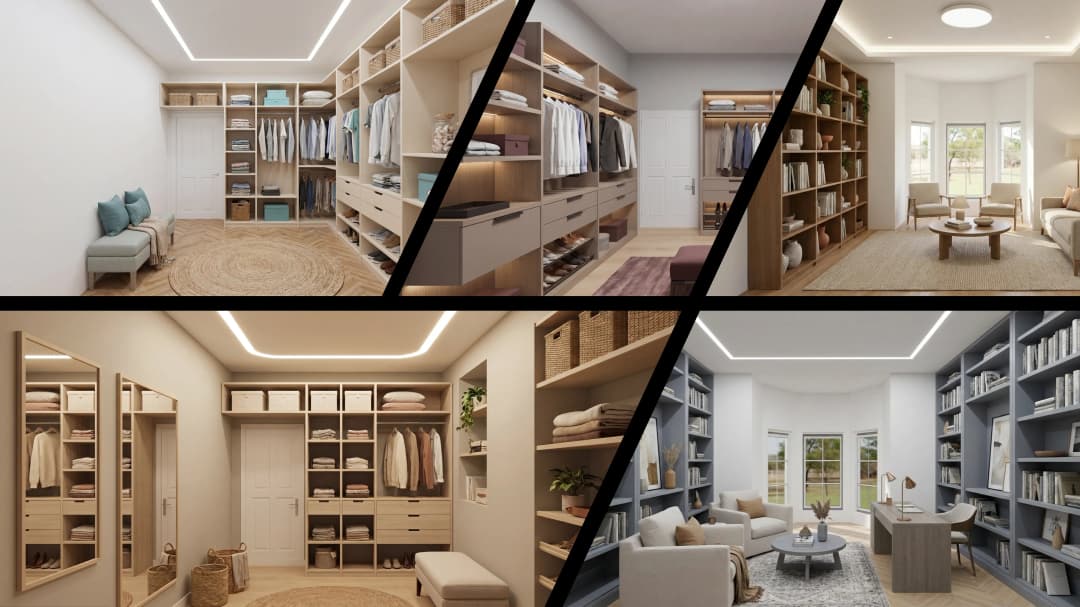
May 06, 2026
Why Furniture Brands Need AI 3D Visualization Now | VirtualSpaces
HHemanth Velury
CEO & Co-Founder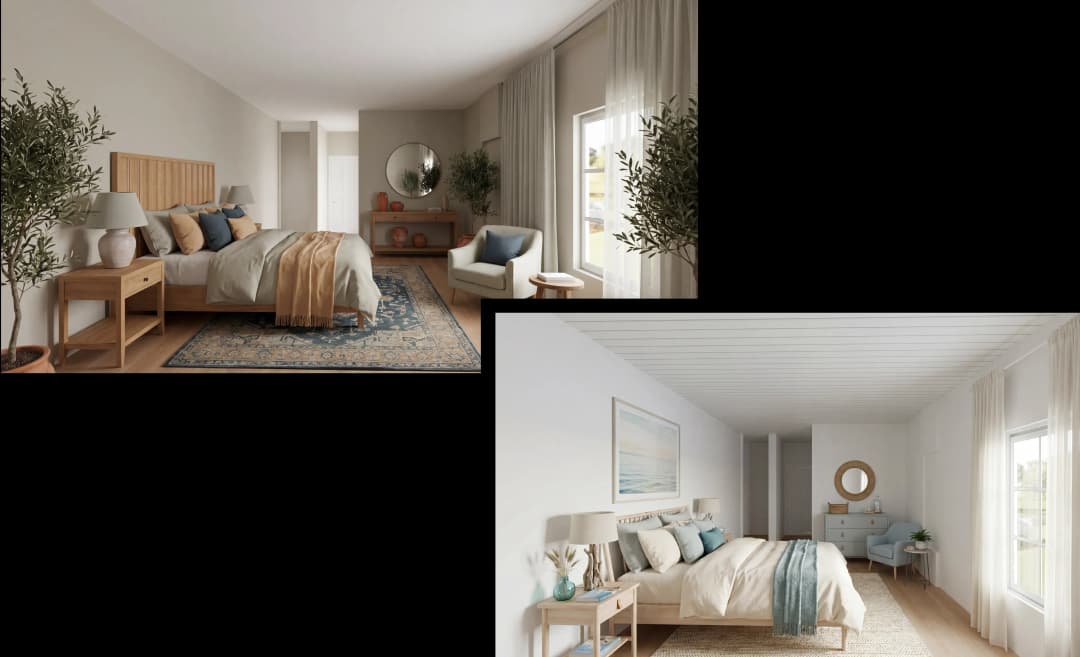
May 4, 2026
How Property Portals Can Turn 2D Floor Plans into 3D Design Decisions | VirtualSpaces
HHemanth Velury
CEO & Co-Founder
April 29, 2026
The Home-Fit Test: Why Square Footage Misleads | VirtualSpaces
HHemanth Velury
CEO & Co-Founder
April 27, 2026
Designing Homes That Sell: 3D Visualization ROI Data | VirtualSpaces
HHemanth Velury
CEO & Co-FounderApril 24, 2026
What's Next: Foursite & Remodroom's New AI Features | VirtualSpaces
HHemanth Velury
CEO & Co-Founder
April 20, 2026
Interior Design Pricing in 2026: From Hourly to Value-Based Fees | VirtualSpaces
HHemanth Velury
CEO & Co-FounderApril 17, 2026
How Foursite and Remodroom Help Designers Win Clients | VirtualSpaces
HHemanth Velury
CEO & Co-Founder
April 15, 2026
Designing Spaces for People: Remodroom + Foursite AI Guide | VirtualSpaces
HHemanth Velury
CEO & Co-Founder
April 13, 2026
Designing for the Way People Actually Live: How AI 3D Is Finally Closing the Gap Between Floor Plan and Reality
HHemanth Velury
CEO & Co-Founder
April 11, 2026
Design in Real Time: AI Renders in Your First Client Meeting
HHemanth Velury
CEO & Co-Founder
April 06, 2026
Why Real Estate Photography Is No Longer Enough: The Shift to Spatial-First Listings
HHemanth Velury
CEO & Co-Founder
April 03, 2026
Property Management's Hidden Weapon: AI 3D Floor Plans That Cut Vacancy Time and Raise Tenant Quality
HHemanth Velury
CEO & Co-Founder
April 01, 2026
Off-Plan and Oversubscribed: How AI 3D Visualization Is Transforming Real Estate Pre-Sales
HHemanth Velury
CEO & Co-Founder
March 30, 2026
Why Foursite Beats Generic AI Tools for Interior Design 3D Visualization
HHemanth Velury
CEO & Co-Founder
March 27, 2026
7 Tenets of Interior Design: How AI Accelerates Harmony in Residential Spaces
HHemanth Velury
CEO & Co-Founder
March 25, 2026
What Is the 3-5-7 Rule in Interior Design? Foursite's AI Guide for Residential Spaces
HHemanth Velury
CEO & Co-Founder
March 23, 2026
What Is the 70/30 Rule in Interior Design? Foursite's AI Guide for Residential Spaces
HHemanth Velury
CEO & Co-Founder
March 20, 2026
How AI 3D Visualization Is Rewriting Residential Interior Design Workflows
HHemanth Velury
CEO & Co-Founder
March 18, 2026
Beyond Marketing: How 3D Floorplans Transform FM, Retrofit Planning & ESG Operations
HHemanth Velury
CEO & Co-Founder
March 16, 2026
Why AI Companies Use Token Payments (And Why VirtualSpaces Is Returning To Fiat)
HHemanth Velury
CEO & Co-Founder
March 13, 2026
Floorplan‑Native Digital Twins: Beyond BIM for Consumer‑Ready Real Estate Experiences
HHemanth Velury
CEO & Co-Founder
March 11, 2026
The Foursite Platform Thesis: Why Floor Plans, Not Photos, Are the Next Property Software Primitive
HHemanth Velury
CEO & Co-Founder
March 09, 2026
Design Systems for Space: Building Reusable 3D Component Libraries on Top of AI Floorplan‑to‑3D Engines
HHemanth Velury
CEO & Co-Founder
March 06, 2026
How to Standardize Design Quality Across Global Projects Using AI Floorplan-to-3D Tools
HHemanth Velury
CEO & Co-Founder
March 04, 2026
From CAD-First to AI-First: Reskilling Your Team for AI-Native Design Workflows
HHemanth Velury
CEO & Co-Founder
March 02, 2026
Algorithmic Ergonomics Meets Photorealistic 3D: Designing Human-Centered Smart Homes with Foursite in 2026
HHemanth Velury
CEO & Co-Founder
February 27, 2026
The Ethics of AI in Interior Design: Ownership, Originality, and Client Transparency
HHemanth Velury
CEO & Co-Founder
February 25, 2026
Designing with Empathy: Using AI 3D Visualization to Improve Client Communication and Emotional Clarity
HHemanth Velury
CEO & Co-Founder
February 23, 2026
From Tool to Infrastructure: AI Floorplan-to-3D and the Next Wave of PropTech
HHemanth Velury
CEO & Co-Founder
February 20, 2026
AI Interior Design for Holiday Homes: Turn Spare Flats into High-Demand Short-Stay Rentals with 3D Visuals
HHemanth Velury
CEO & Co-Founder
February 18, 2026
The Pre‑Purchase Power Play: How Savvy Home Buyers Use 3D Floor Plan Visualization to Negotiate Better Deals
HHemanth Velury
CEO & Co-FounderFebruary 16, 2026
AI Interior Design for Non‑Designers: How Homeowners Can Brief Like Pros
HHemanth Velury
CEO & Co-Founder
February 13, 2026
Scaling a Design Business Without Hiring a 3D Team: An Owner's Guide
HHemanth Velury
CEO & Co-Founder
February 11, 2026
From Bland to Bold: How to Rescue Builder-Grade Interiors on Any Budget
HHemanth Velury
CEO & Co-Founder
February 6, 2026
The Psychology of Space: How Room Dimensions Influence Interior Design Decisions
HHemanth Velury
CEO & Co-Founder
February 4, 2026
The Future of Interior Design Visualization: How AI Technology is Transforming 2D Concepts Into 3D Reality
HHemanth Velury
CEO & Co-Founder
February 2, 2026
AI Interior Décor: How Artificial Intelligence Generates Design Options from Your Floor Plan
HHemanth Velury
CEO & Co-Founder
January 30, 2026
Photoreal vs. Reality: What Clients Actually Expect from Interior Design Visualization
HHemanth Velury
CEO & Co-Founder
January 28, 2026
The Design Approval Conversation That Changes Everything: Communication Strategy When Using Photorealistic Visualization
HHemanth Velury
CEO & Co-Founder
January 25, 2026
Interior Design as Experience Design: How 3D Visualization Changes Your Professional Identity
HHemanth Velury
CEO & Co-Founder
January 23, 2026
The Professional Gap: How 3D Visualization Changes Interior Design Client Perception
HHemanth Velury
CEO & Co-Founder
January 21, 2026
Why Clients Fire Designers (And How 3D Visualization Could Have Saved the Project)
HHemanth Velury
CEO & Co-Founder
January 16, 2026
Blueprint to Vision: Why Seeing Is Believing in Interior Design
HHemanth Velury
CEO & Co-Founder
January 14, 2026
The Speed of Responsiveness: How AI Visualization Tools Make You Look Like You Care More
HHemanth Velury
CEO & Co-Founder
January 12, 2026
Why Interior Designers and Architects Can't Compete Without AI 3D Visualization Tools
HHemanth Velury
CEO & Co-Founder
January 07, 2026
From "Saved" to "Sold": How Homeowners Are Planning Renovations with AI
HHemanth Velury
CEO & Co-Founder
January 05, 2026
The Interior Designer's Secret Weapon: Speed as Premium Positioning
HHemanth Velury
CEO & Co-Founder
December 31, 2025
Gratitude, Growth & Game-Changing Innovation: VirtualSpaces' 2025 Journey & What's Coming in 2026
HHemanth Velury
CEO & Co-Founder
December 29, 2025
Why Interior Designers Are Switching to AI Floor Plan-to-3D Tools in 2026
HHemanth Velury
CEO & Co-Founder
December 26, 2025
AI Virtual Staging for Real Estate Agents: Sell More Homes Faster with Foursite
HHemanth Velury
CEO & Co-Founder
December 24, 2025
Why Architects Are Switching to AI 2D-to-3D: The SketchUp Alternative
HHemanth Velury
CEO & Co-Founder
December 22, 2025
Cut 3 Weeks from Real Estate Sales Cycle: The ROI of AI 2D to 3D Visualization
HHemanth Velury
CEO & Co-Founder
December 19, 2025
2D Floor Plans Are Dying: Why 3D Visualization & AI Virtual Staging Are the Future
HHemanth Velury
CEO & Co-Founder
December 17, 2025
Virtual Staging vs Physical Staging: How AI Saves Money Per Property
HHemanth Velury
CEO & Co-Founder
December 15, 2025
AI Floor Plan to Image: Revolutionizing Real Estate Marketing for Agents
HHemanth Velury
CEO & Co-Founder
December 12, 2025
Color of the Year 2026: Cloud Dancer | VirtualSpaces AI Interior Design Guide
HHemanth Velury
CEO & Co-Founder
December 10, 2025
AI Floor Plan to 3D: The New Standard for Interior Design Workflows
HHemanth Velury
CEO & Co-Founder
December 08, 2025
How Interior Design Studios Can Operationalize AI 2D-to-3D Workflows (Without Breaking Their Process)
HHemanth Velury
CEO & Co-Founder
December 06, 2025
How to Implement AI Interior Design Workflows in Your Studio
HHemanth Velury
CEO & Co-Founder
December 4, 2025
How Homeowners Can Use AI Interior Design Tools to Plan Renovations with Confidence
HHemanth Velury
CEO & Co-Founder
November 28, 2025
Interior Designers in the Age of AI: From Threat Narrative to Superpower
HHemanth Velury
CEO & Co-Founder
November 21, 2025
Foursite Launch: Embracing 'Release Early, Release Often'
HHemanth Velury
CEO & Co-Founder
November 13, 2025
Foursite by VirtSpaces: Empowering Interior Designers, Architects, and Homeowners
HHemanth Velury
CEO & Co-Founder
November 7, 2025
Reimagining Architectural Education: How AI Floorplan-to-3D Technology Can Transform Design Learning
VVirtualSpaces Research Labs
AI Research Initiative
October 27, 2025
Archisculpt AI: Turning Architectural Drawings into Photorealistic 3D Spaces
AAbhijeet Naik
Co-Founder & CTO
October 13, 2025
Home Makeover: From Floor Plan to Dream Space with AI
HHemanth Velury
CEO & Co-Founder
October 6, 2025
Real-Time Rendering & AI: Revolutionizing Interactive Property Walkthroughs with VirtSpaces
HHemanth Velury
CEO & Co-Founder
September 26, 2025
Foursite - A True AI-Native Experience in Design Visualization
AAbhijeet Naik
CTO & Co-Founder
September 18, 2025
Why PropTech Startups Are Betting on AI Interior Design
HHemanth Velury
CEO & Co-Founder
September 11, 2025
How AI Differs from Traditional 3D Rendering Software
HHemanth Velury
CEO & Co-Founder
September 2, 2025
From Client to Investor: How Nila Spaces and VirtSpaces Are Redefining Proptech with AI
HHemanth Velury
CEO & Co-Founder
August 25, 2025
VirtSpaces From Virtual Reality to AI – Transforming Real Estate Visualization.
HHemanth Velury
CEO & Co-Founder


We help teams collaborate seamlessly and reduce costs. Virtual Spaces offers cutting-edge technology with flexible plans designed to fit modern teams.
Copyright © VirtSpaces Pvt. Ltd. 2025 All Rights Reserved.
CIN: U74999KA2016PTC094921