
February 23, 2026
- Interior Design
- AI Technology
- Design Tools
From Tool to Infrastructure: AI Floorplan-to-3D and the Next Wave of PropTech
Hemanth Velury
CEO & Co-FounderFrom Tool to Infrastructure: Why AI Floorplan‑to‑3D Platforms Will Underpin the Next Wave of PropTech
For years, “add 3D” was treated as a nice extra in real estate and design software. A few static renders here, a 360 tour there, and the box for “modern visuals” felt checked. That era is ending.
AI that can instantly convert a floor plan to 3D or turn a blueprint to 3D is no longer just a productivity booster but it is becoming the backbone of how property is searched, compared, designed, and experienced. Platforms like VirtualSpaces’ Foursite are quietly shifting from “cool feature” to foundational infrastructure for the next generation of PropTech products.
This shift is about more than pretty images. When you can reliably transform 2D floor plans and blueprints into rich, navigable 3D Visualization at scale, you unlock a common spatial layer that every property-related app can plug into. The same AI 3D visualization that powers an interior designer’s interior design photoreal renders can also sit behind a rental marketplace, a renovations app, or a mortgage platform that wants to show future value, not just present condition.
Let’s unpack why AI floorplan‑to‑3D engines, and especially Foursite, are on track to become core infrastructure rather than just another visual add‑on.
Why 2D to 3D Matters More Than Ever in PropTech
The property world is still built on 2D floor plans, PDFs, and rough sketches. These 2D floor plans are great for professionals, but almost everyone else has to squint, guess, and mentally fill in the gaps. That disconnect shows up everywhere: in listing portals, new development launches, co‑living projects, and even student housing.
Now imagine a world where every time a floor plan appears in a system, it is automatically converted from 2D to 3D in the background. Whether it’s a developer’s CAD drawing, a scanned brochure, or an agent’s sketch, an engine like Foursite quietly turns that into a clean 3D model with AI visualization layered on top.
From that moment, the property is no longer just a flat plan. It becomes:
-
A space you can walk through virtually
-
A canvas for AI interior design and AI interior décor
-
A baseline for AI virtual staging that feels native to the layout, not pasted on
The same “source of truth” 3D model can power interior design 3D visualization, interior design renders for marketing, and interior design photoreal renders for premium campaigns. Instead of each team recreating the same space from scratch, the AI floorplan‑to‑3D engine sits in the middle and serves everyone.
That is the first hint that we are dealing with infrastructure, not just a design shortcut.
From One‑Off Visuals to a Shared Spatial Layer
Traditional 3D workflows treat each project like a custom job: one property, one set of 3D models, one client. Useful, but siloed.
AI floorplan‑to‑3D platforms like Foursite flip this on its head. They create a repeatable capability: “give me any floor plans or blueprints, and I will convert them into standardized, structured, richly rendered 3D spaces.”
Once this becomes dependable, you can build entire product lines on top of it:
-
Listing portals that show every property with interactive 3D Visualization instead of static shots
-
Home improvement apps that let users test materials and layouts directly on accurate 3D models of their homes
-
Developer dashboards where pipeline projects move from 2D floor plans to AI 3D visualization the moment designs are updated
In all these cases, the end user may never see the words “floor plan to 3D” or “convert blueprint to 3D,” but the underlying capability is quietly doing the heavy lifting. The engine becomes a shared spatial layer that multiple teams, partners, and products rely on, exactly what infrastructure looks like.
VirtualSpaces, through Foursite, is deliberately building this shared layer, not just a single‑user design tool. That is a fundamental mindset shift.

What Makes AI Floorplan‑to‑3D True Infrastructure?
So what separates an isolated AI visualization tool from an infrastructure‑grade platform?
It understands real‑world property data
A true infrastructure engine doesn’t just extrude walls. It needs to grasp the logic of homes and buildings: room types, circulation, proportions, and how people actually move in a space.
Foursite is built to interpret Blueprints and 2D floor plans as more than lines and symbols. When it converts a blueprint to 3D, it recognizes what is a kitchen, what is a bedroom, and how light and furniture will sit in each space. That semantic understanding makes its AI interior design and AI interior décor feel natural rather than random.
It is consistent at scale
Infrastructure has to behave predictably. If you plug 10,000 different floor plans and floor plans variants into the system, you expect coherent 3D Visualization every time.
AI 3D visualization from Foursite is designed to handle a wide variety of inputs, clean digital 2D floor plans, messy scans, and everything in between, so that PropTech products can rely on it in bulk, not just for hero projects.
It is built for integration
An infrastructure platform must plug into other systems: CRMs, listing engines, project management tools, design apps, and more.
Foursite’s role in the VirtualSpaces ecosystem is exactly that: to sit in the background and be called whenever a partner needs to convert floor plan to 3D, generate interior design renders, or apply AI virtual staging. Over time, this kind of API‑driven approach allows a whole PropTech stack to standardize on one engine for AI visualization.
Why PropTech Needs a Floorplan‑First AI Engine
A lot of visual tools in real estate start from photos. That’s helpful but also limiting. Photos show “what is” today; they struggle to show “what could be” tomorrow.
Floor plans and blueprints, on the other hand, represent the structure, the permanent bones of a building. That makes floor plan to 3D and blueprint to 3D conversion uniquely powerful as a foundation for PropTech:
-
Every new development has plans long before it has photos
-
Renovations start with layouts, not finished pictures
-
Portfolio analysis happens on unit mixes and square footage, not current staging
By anchoring AI 3D visualization on 2D floor plans, VirtualSpaces Foursite ensures that every visualization is structurally honest. AI interior design and AI interior decor sit on top of a reliable spatial model, so what you see aligns with what will actually exist.
For PropTech founders and product teams, that means they can confidently show future states such as refits, furnished units, or reconfigured spaces, without drifting away from the architectural reality.
AI Virtual Staging as a Native Capability, Not an Overlay
Virtual staging has exploded in popularity, but many “AI virtual staging” tools treat it as a filter on static 2D photos. The result can be impressive in marketing campaigns but is often disconnected from the real shape and scale of the room.
When you start from a 3D model built from 2D floor plans, virtual staging becomes something else entirely. In Foursite, AI virtual staging happens inside a structurally accurate 3D space that was born from converting a floor plan to 3D. That means you can:
-
Swap furniture styles while keeping realistic proportions
-
Change layouts and circulation patterns to explore different use cases
-
Update AI interior design and AI interior décor themes without rebuilding the entire scene
In other words, virtual staging becomes a native capability of the spatial layer, not a cosmetic overlay. This is another hallmark of infrastructure: the same engine that generates interior design 3D visualization also supports Virtual Staging, high‑end interior design photoreal renders, and simple quick‑view 3D Visualization for listings.
How Infrastructure‑Level 3D Changes User Expectations
Once users get used to rich, consistent AI 3D visualization across an entire property journey, their expectations hard‑reset. Basic floor plans and a few photos suddenly feel outdated.
Imagine a renter browsing a portal where every listing shows:
-
A clean 3D walk‑through derived from the original 2D floor plans
-
Multiple decor themes using AI interior décor (say, Scandinavian, minimalist, or luxe)
-
Virtual Staging options that match their taste with a single click
Or a homebuyer exploring new projects where every unit, from compact studios to sprawling villas, is presented through interior design renders and interior design photoreal renders created from the same Foursite engine. Once someone has seen that level of clarity, going back to flat PDFs feels like stepping into the past.
When AI floorplan‑to‑3D engines like VirtualSpaces Foursite become common infrastructure, this level of experience stops being a differentiator and becomes the baseline. PropTech players who adopt it early are effectively shaping what “normal” will feel like for the next generation of property customers.
VirtualSpaces Foursite: Built as an AI Spatial Infrastructure Layer
Foursite is often introduced as a way to convert 2D to 3D or quickly generate AI 3D visualization from plans. Those are very real benefits, but they are only the surface.
At its core, Foursite is designed as an AI spatial engine for the entire property lifecycle:
-
It ingests 2D floor plans and Blueprints from many sources
-
It generates a consistent 3D Visualization model that can be reused across products
-
It layers on AI interior design, AI interior décor, and AI virtual staging in a way that is context‑aware, not random
-
It supports everything from quick interior design 3D visualization to polished interior design photoreal renders, all emerging from the same structured model
Because VirtualSpaces is focused on this floorplan‑to‑3D transformation as a central capability, Foursite naturally slots into PropTech products as infrastructure. It is not just a “plugin” that one team uses once in a while; it’s a spatial engine that can quietly power features across marketing, discovery, design exploration, and long‑term engagement.
Keeping the context of Foursite in mind means thinking of it less as a standalone app and more as a core service: whenever your system sees a floor plan, it should be able to ask Foursite, “What does this look like as a living, breathing space?”
The Data Flywheel: Every Floor Plan Makes the System Smarter
One of the most interesting aspects of AI floorplan‑to‑3D infrastructure is that it improves as it is used. Every time a new set of floor plans is converted, or a new combination of AI interior design options is tried, the system gains more understanding of spatial patterns and user preferences.
VirtualSpaces Foursite is positioned to benefit from this kind of learning:
-
More varied floor plans help it handle unusual layouts or regional architectural styles
-
More design choices help refine AI interior decor and AI interior décor suggestions
-
More 3D Visualization outputs across devices and platforms improve how the system balances speed, quality, and clarity
Over time, this creates a powerful feedback loop: the more PropTech products plug into Foursite for converting floor plans and blueprints to 3D, the better the underlying engine becomes, and the more compelling those products can be. That is another classic sign that you are dealing with infrastructure: network effects around a core, shared capability.
What the Next Wave of PropTech Built on 3D Infrastructure Might Look Like
Looking ahead, it is easy to imagine a PropTech ecosystem where AI floorplan‑to‑3D infrastructure is taken for granted, much like payment gateways or map APIs are today.
Here are some experiences that quickly become feasible once a platform like Foursite is woven into the stack:
-
Search by “feel” instead of filter: Users describe the kind of space they want such as cozy, sunlit, open‑plan, or flexible home‑office and the platform matches them to real units using 3D models created from 2D floor plans and enriched with AI 3D visualization.
-
Design‑forward property selection: Buyers and renters see not just current photos, but several AI interior design scenarios for every listing, generated automatically from the same underlying model. Choosing a home becomes as much about future potential as present state.
-
Always‑up‑to‑date digital twins: As developers update designs, the central floor plan to 3D engine regenerates fresh interiors, keeping marketing units, sales tools, and internal documentation in sync without manual rework.
In all of these, the user might not know the term “AI floorplan‑to‑3D,” but their experience depends on having a reliable engine like Foursite interpreting 2D floor plans and producing believable, beautiful 3D Visualization on demand.
Why Now Is the Time to Think “Platform,” Not Just “Tool”
The temptation with any new visual AI is to treat it as a quick win: add some 3D, drop in Virtual Staging, generate a few interior design renders, and move on. That mindset misses the bigger opportunity.
Right now, there is a clear window where PropTech companies can pick their foundational spatial engine. By choosing an infrastructure‑grade platform like Foursite, one that excels at converting floor plan to 3D and blueprint to 3D, and layering in AI virtual staging, AI interior design, and AI 3D visualization, they are not just upgrading visuals. They are defining the spatial layer that future products, experiments, and partnerships will rely on.
Thinking of Foursite as infrastructure means:
-
Treating 2D to 3D conversion as a default step whenever a new plan enters your systems
-
Standardizing on a single 3D Visualization layer that can feed many front‑ends
-
Letting AI interior décor and AI interior decor evolve alongside your customers’ tastes, not as one‑off campaigns
As more of the real estate journey moves online and into immersive formats, the PropTech players who have already laid this foundation will be the ones who can move fastest and most confidently.
Conclusion: The Invisible Engine Behind the Next Era of Property Experiences
When infrastructure works well, it fades into the background. People stop talking about it directly and start talking about what it enables. That is exactly where AI floorplan‑to‑3D platforms are headed.
By turning 2D floor plans and Blueprints into rich, reusable 3D assets, VirtualSpaces Foursite is doing far more than helping designers or agents make beautiful interior design photoreal renders. It is creating a shared, intelligent spatial layer that any PropTech product can tap into.
In the coming years, the products that feel magical to end users, the ones where every home has an instant 3D walkthrough, multiple AI interior design options, and believable AI virtual staging, will almost certainly be standing on top of this kind of invisible engine. From “tool” to “infrastructure” is not just a catchy phrase; it is the quiet transformation happening underneath the next wave of PropTech.
And at the center of that shift sits a deceptively simple promise: show me the space, not just the plan.
Recommended for you

August 19, 2026
The End of the Model Home? 3D Changes the Math | VirtualSpaces
HHemanth Velury
CEO & Co-Founder
August 17, 2026
Designing Spaces That Actually Get Built | VirtualSpaces
HHemanth Velury
CEO & Co-Founder
August 12, 2026
Designing Homes for the Stuff People Actually Own | VirtualSpaces
HHemanth Velury
CEO & Co-Founder
August 07, 2026
Floor Plan to Bill of Materials: The 3D Model as Data | VirtualSpaces
HHemanth Velury
CEO & Co-Founder.png&w=1080&q=75)
August 05, 2026
Designing Homes for How People Actually Live | VirtualSpaces
HHemanth Velury
CEO & Co-Founder
August 03, 2026
Honest by Design: Trust in AI Real Estate Imagery | VirtualSpaces
HHemanth Velury
CEO & Co-Founder
July 29, 2026
Kitchen and Bath: The Two Rooms That Decide Resale | VirtualSpaces
HHemanth Velury
CEO & Co-Founder
July 27, 2026
Why Empty Rooms Don't Sell: Virtual Staging | VirtualSpaces
HHemanth Velury
CEO & Co-Founder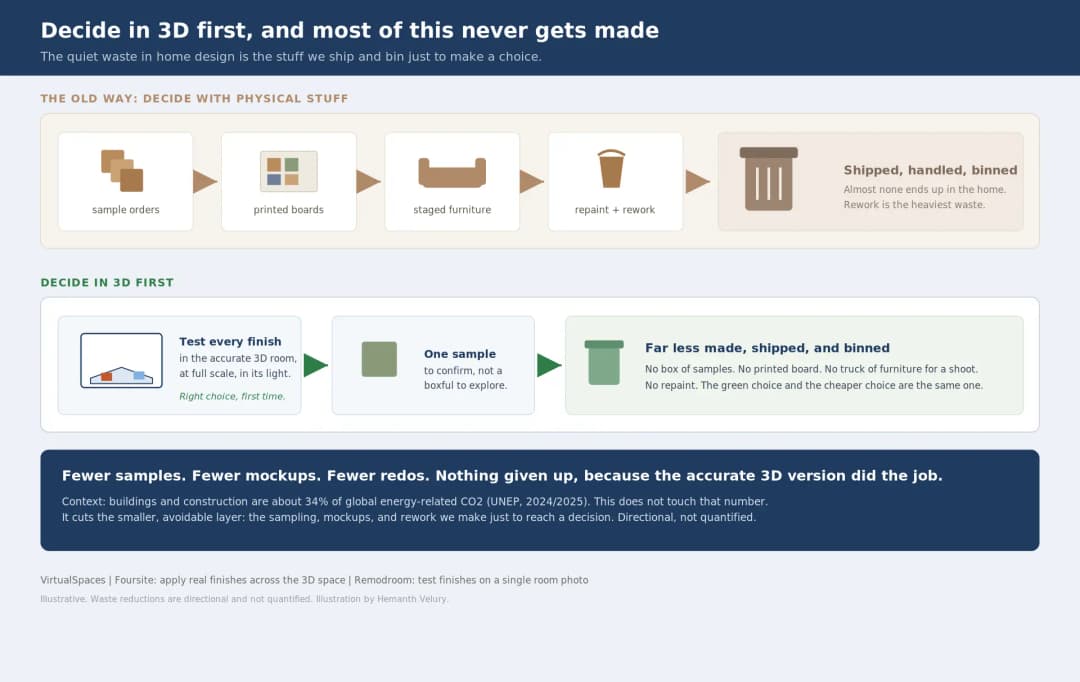
July 24, 2026
The Quiet Sustainability Win of Deciding in 3D | VirtualSpaces
HHemanth Velury
CEO & Co-Founder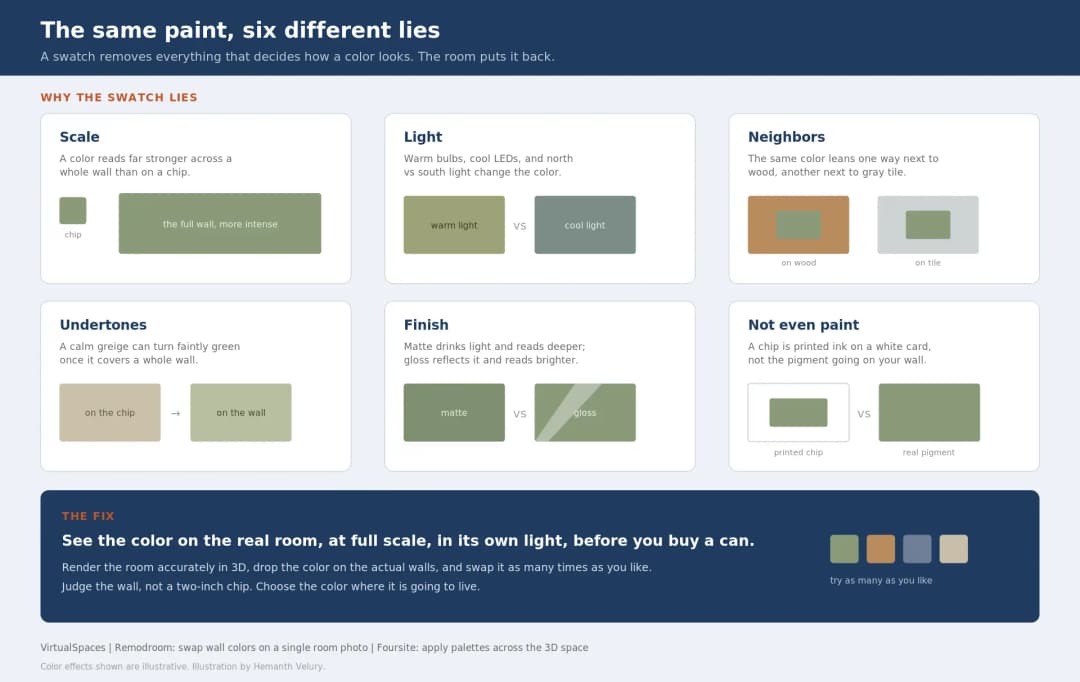
July 22, 2026
Why Paint Swatches Lie: Test Color in 3D First | VirtualSpaces
HHemanth Velury
CEO & Co-Founder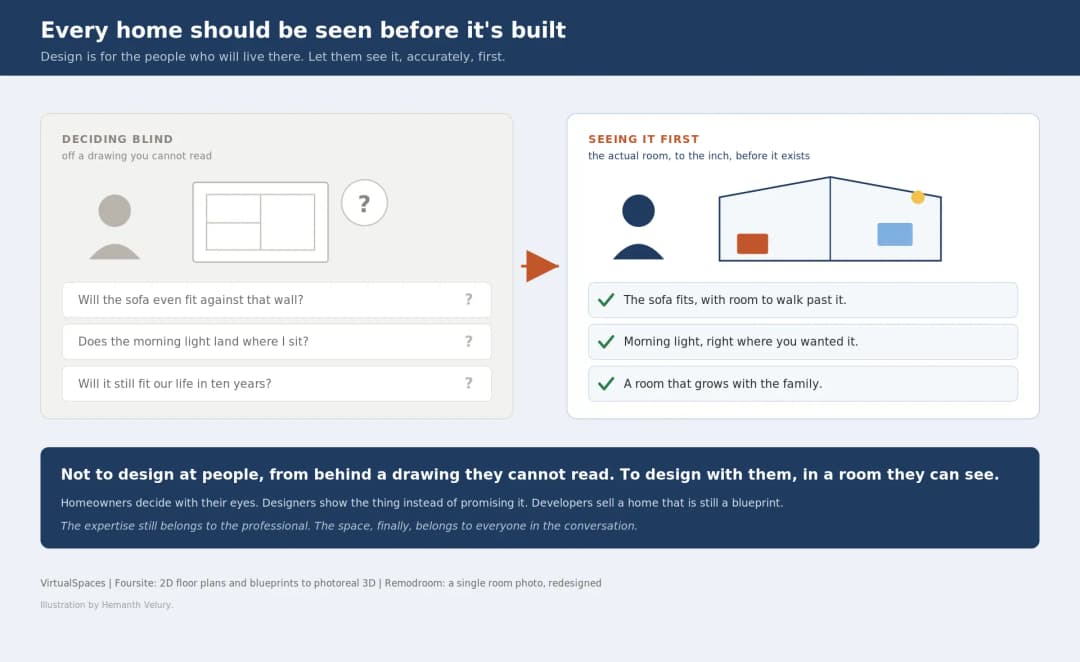
July 20, 2026
Why Every Home Should Be Seen Before It's Built | VirtualSpaces
HHemanth Velury
CEO & Co-Founder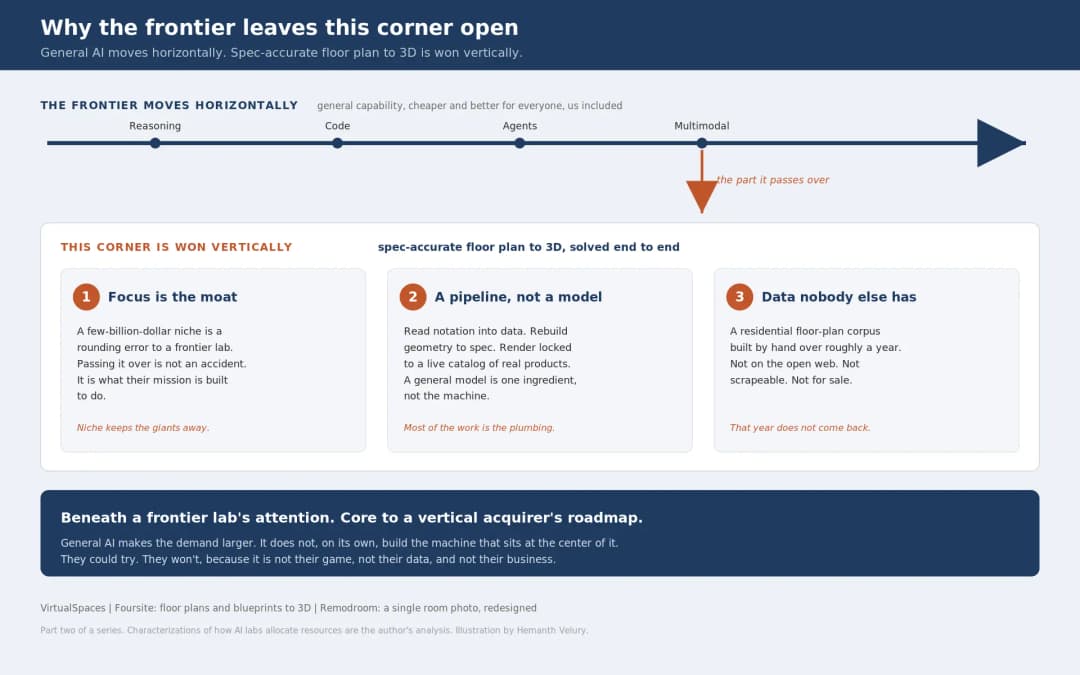
July 17, 2026
Why Big AI Labs Won't Build Floor Plan to 3D | VirtualSpaces
HHemanth Velury
CEO & Co-Founder
July 15, 2026
How We Solve Floor Plan to 3D, Accurately | VirtualSpaces
HHemanth Velury
CEO & Co-Founder
July 13, 2026
Designing Homes That Age With the People in Them | VirtualSpaces
HHemanth Velury
CEO & Co-Founder
July 10, 2026
Designing Spaces for How Light Actually Moves | VirtualSpaces
HHemanth Velury
CEO & Co-Founder
July 08, 2026
Designing Homes for Every Life Stage in 3D | VirtualSpaces
HHemanth Velury
CEO & Co-Founder
July 06, 2026
Build an Interior Design Portfolio Without Clients | VirtualSpaces
HHemanth Velury
CEO & Co-Founder
June 26, 2026
AI Interior Design: Full 3D Workflow in One Platform | VirtualSpaces
HHemanth Velury
CEO & Co-Founder
June 24, 2026
Scope Creep in Interior Design: How AI Visualization Fixes It | VirtualSpaces
HHemanth Velury
CEO & Co-Founder
June 22, 2026
What Buyers See on a Floor Plan: Your Biggest Sales Problem | VirtualSpaces
HHemanth Velury
CEO & Co-Founder
June 19, 2026
Small Design Studios vs Big Firms: The AI Advantage | VirtualSpaces
HHemanth Velury
CEO & Co-Founder
June 17, 2026
After the Mood Board: AI Interior Visualization | VirtualSpaces
HHemanth Velury
CEO & Co-Founder
June 15, 2026
Foursite Pro Editor: Full Floor Plan Control for Designers | VirtualSpaces
HHemanth Velury
CEO & Co-Founder
June 12, 2026
AI Interior Design: Style Any Room in Seconds with Foursite | VirtualSpaces
HHemanth Velury
CEO & Co-Founder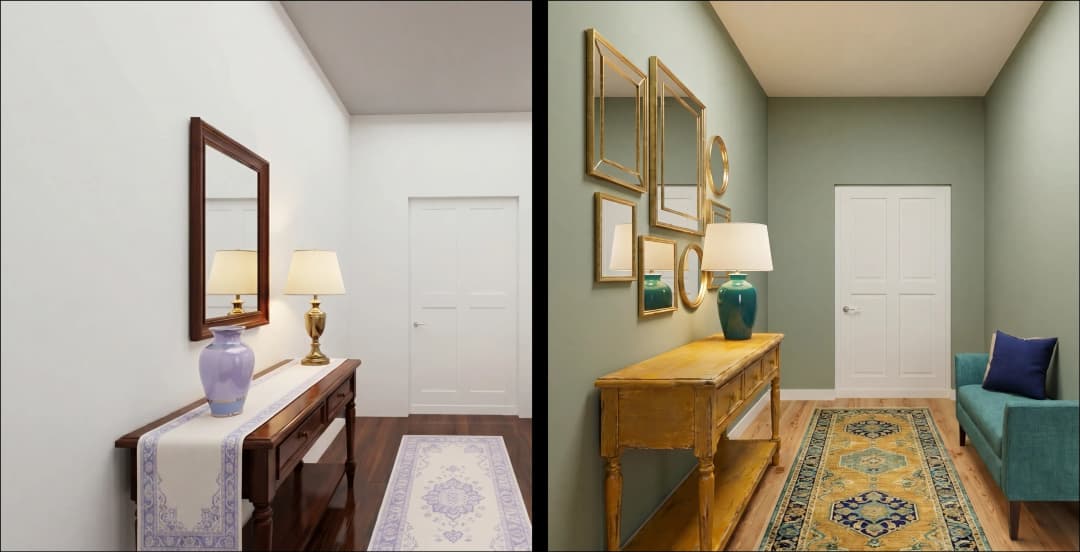
June 10, 2026
Foursite: Floor Plan to 3D Walkthrough in Minutes | VirtualSpaces
HHemanth Velury
CEO & Co-Founder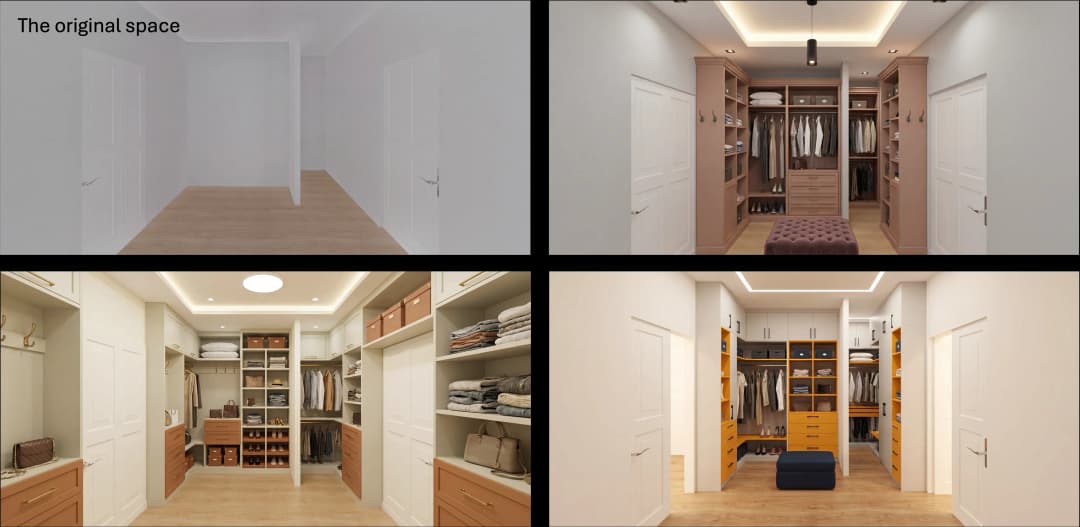
June 08, 2026
Win More Pitches With AI Renders Before the Meeting | VirtualSpaces
HHemanth Velury
CEO & Co-Founder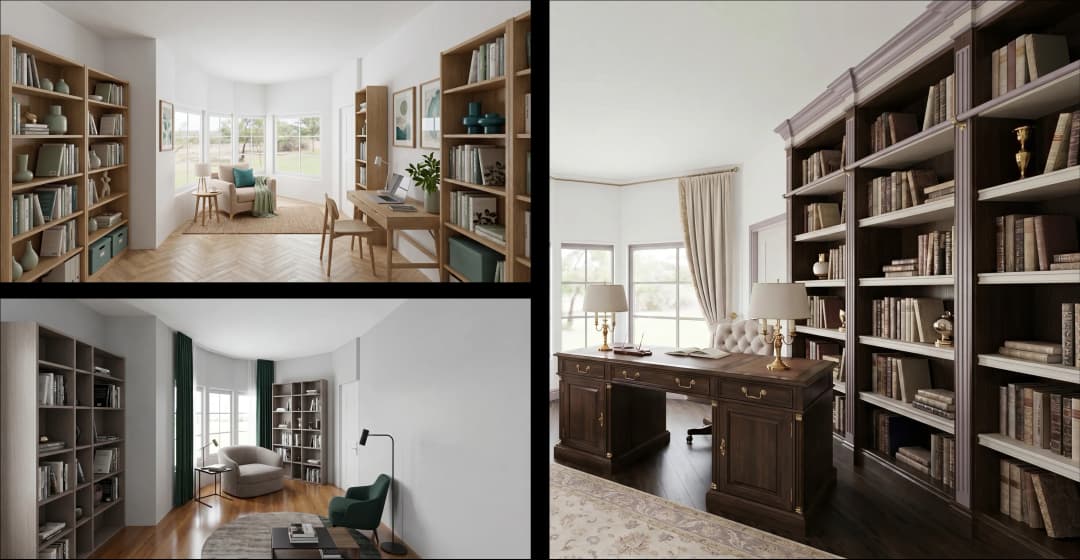
June 05, 2026
From Floor Plan to Finished Room: What AI Now Makes Possible | VirtualSpaces
HHemanth Velury
CEO & Co-Founder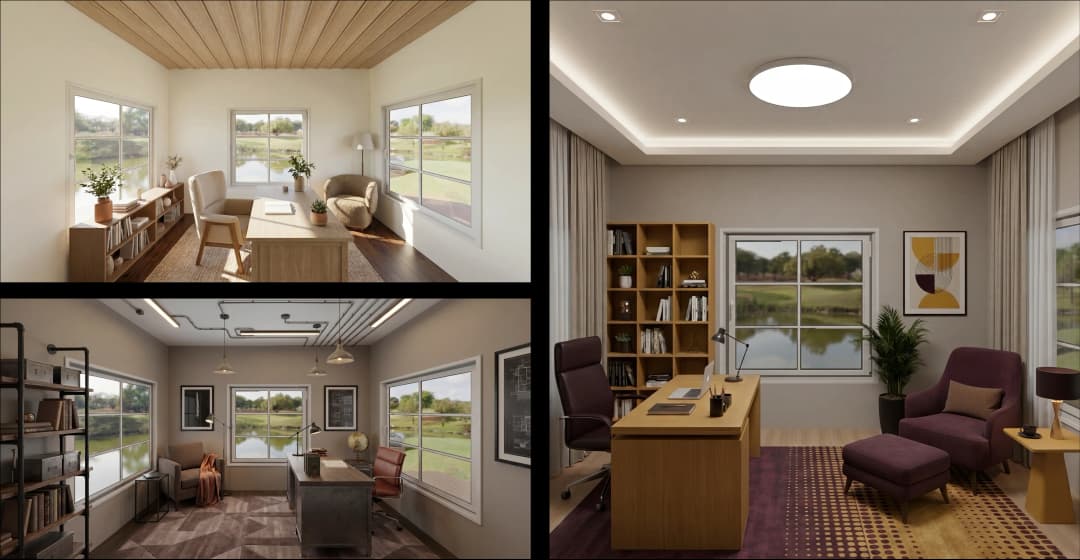
June 03, 2026
The Interior Design Brief Is Broken. AI Fixes It | VirtualSpaces
HHemanth Velury
CEO & Co-Founder
June 01, 2026
Pre-Construction Home Sales: AI Interior Visualization Guide | VirtualSpaces
HHemanth Velury
CEO & Co-Founder
May 30, 2026
Interior Design Principles: Applied with AI | VirtualSpaces
HHemanth Velury
CEO & Co-Founder
May 28, 2026
Designing Spaces for People, Not Blueprints | VirtualSpaces
HHemanth Velury
CEO & Co-Founder
May 26, 2026
The Future of Interior Design: Closing the Visualization Gap with Foursite and Remodroom | VirtualSpaces
HHemanth Velury
CEO & Co-Founder
May 18, 2026
How AI Visualization Upgrades Property Data Platforms | VirtualSpaces
HHemanth Velury
CEO & Co-Founder
May 14, 2026
How AI-First Insurers Can Use 3D Property Data to Transform Home Claims | VirtualSpaces
HHemanth Velury
CEO & Co-FounderMay 12, 2026
Why Photoreal 3D Renders Are Replacing Mood Boards | Interior Design Client Presentations | VirtualSpaces
HHemanth Velury
CEO & Co-Founder
May 08, 2026
From 2D Floor Plans To Living Worlds: The Spec‑Accurate 3D Engine | VirtualSpaces
HHemanth Velury
CEO & Co-Founder
May 06, 2026
Why Furniture Brands Need AI 3D Visualization Now | VirtualSpaces
HHemanth Velury
CEO & Co-Founder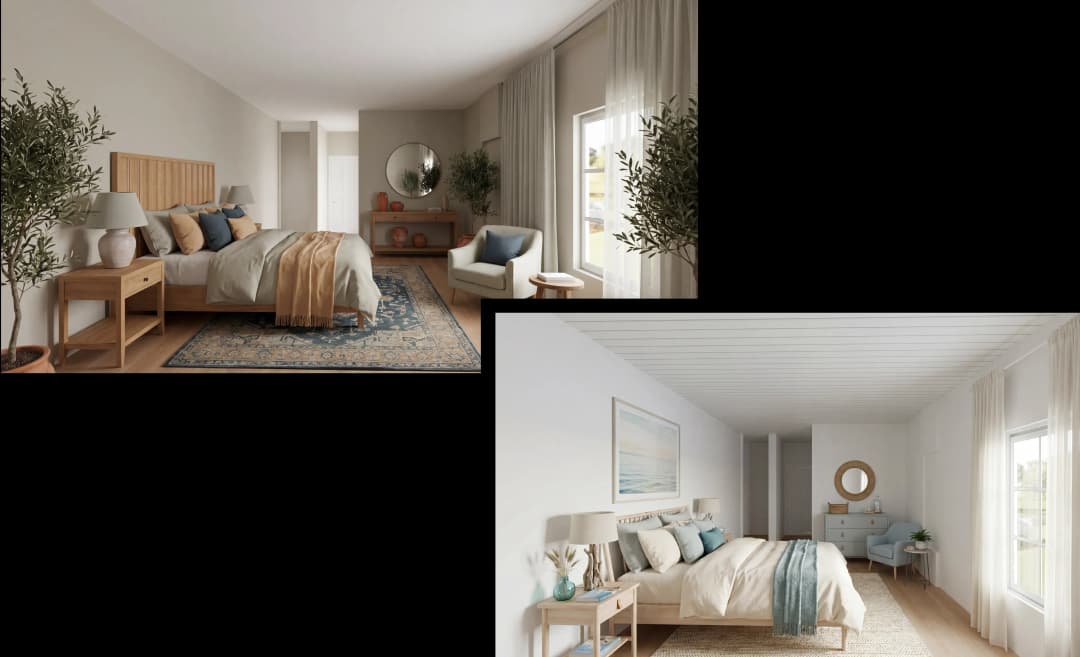
May 4, 2026
How Property Portals Can Turn 2D Floor Plans into 3D Design Decisions | VirtualSpaces
HHemanth Velury
CEO & Co-Founder
April 29, 2026
The Home-Fit Test: Why Square Footage Misleads | VirtualSpaces
HHemanth Velury
CEO & Co-Founder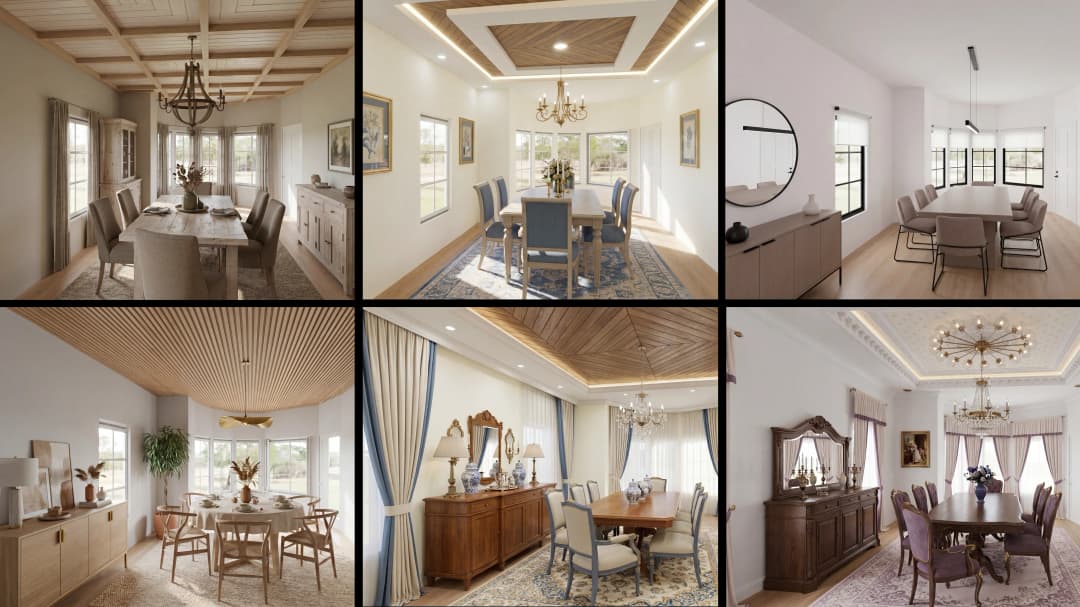
April 27, 2026
Designing Homes That Sell: 3D Visualization ROI Data | VirtualSpaces
HHemanth Velury
CEO & Co-FounderApril 24, 2026
What's Next: Foursite & Remodroom's New AI Features | VirtualSpaces
HHemanth Velury
CEO & Co-Founder
April 22, 2026
AI in Architecture: Closing the 85% Exposure Gap | VirtualSpaces
HHemanth Velury
CEO & Co-Founder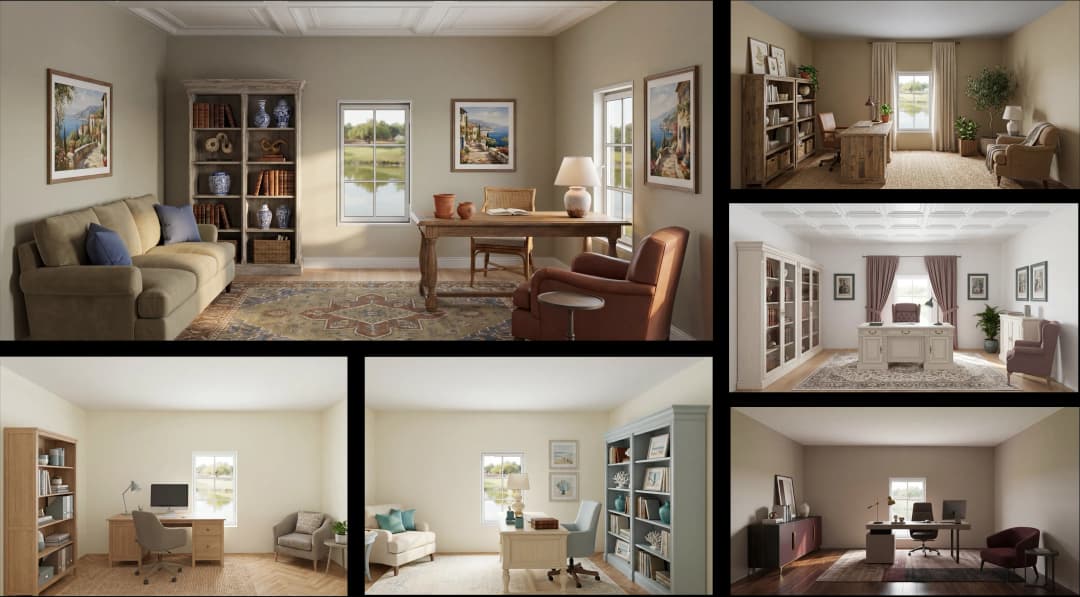
April 20, 2026
Interior Design Pricing in 2026: From Hourly to Value-Based Fees | VirtualSpaces
HHemanth Velury
CEO & Co-FounderApril 17, 2026
How Foursite and Remodroom Help Designers Win Clients | VirtualSpaces
HHemanth Velury
CEO & Co-Founder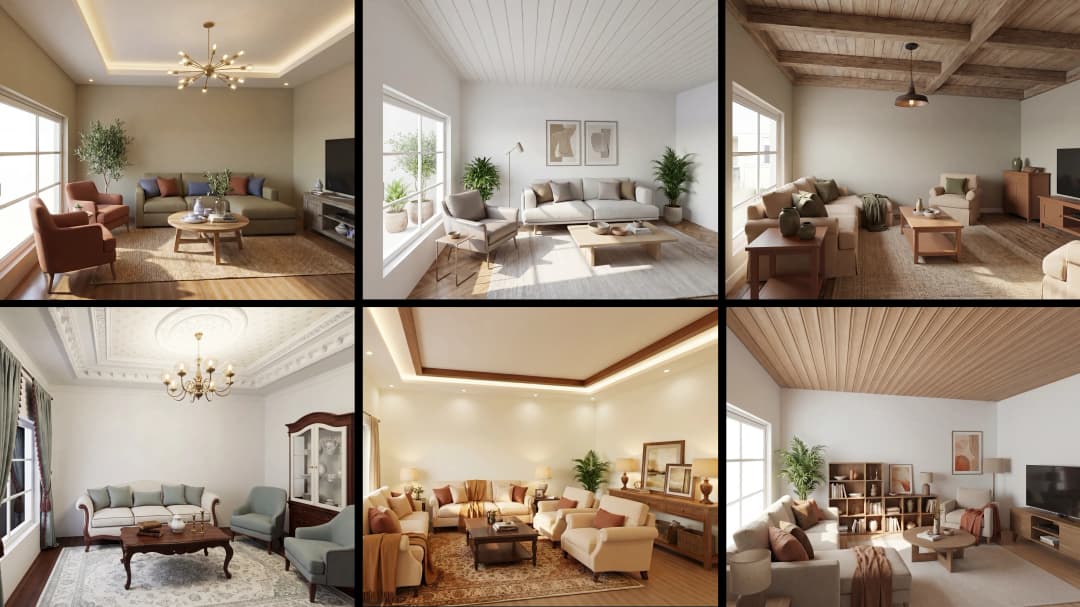
April 15, 2026
Designing Spaces for People: Remodroom + Foursite AI Guide | VirtualSpaces
HHemanth Velury
CEO & Co-Founder
April 13, 2026
Designing for the Way People Actually Live: How AI 3D Is Finally Closing the Gap Between Floor Plan and Reality
HHemanth Velury
CEO & Co-Founder
April 11, 2026
Design in Real Time: AI Renders in Your First Client Meeting
HHemanth Velury
CEO & Co-Founder
April 06, 2026
Why Real Estate Photography Is No Longer Enough: The Shift to Spatial-First Listings
HHemanth Velury
CEO & Co-Founder
April 03, 2026
Property Management's Hidden Weapon: AI 3D Floor Plans That Cut Vacancy Time and Raise Tenant Quality
HHemanth Velury
CEO & Co-Founder
April 01, 2026
Off-Plan and Oversubscribed: How AI 3D Visualization Is Transforming Real Estate Pre-Sales
HHemanth Velury
CEO & Co-Founder
March 30, 2026
Why Foursite Beats Generic AI Tools for Interior Design 3D Visualization
HHemanth Velury
CEO & Co-Founder
March 27, 2026
7 Tenets of Interior Design: How AI Accelerates Harmony in Residential Spaces
HHemanth Velury
CEO & Co-Founder
March 25, 2026
What Is the 3-5-7 Rule in Interior Design? Foursite's AI Guide for Residential Spaces
HHemanth Velury
CEO & Co-Founder
March 23, 2026
What Is the 70/30 Rule in Interior Design? Foursite's AI Guide for Residential Spaces
HHemanth Velury
CEO & Co-Founder
March 20, 2026
How AI 3D Visualization Is Rewriting Residential Interior Design Workflows
HHemanth Velury
CEO & Co-Founder
March 18, 2026
Beyond Marketing: How 3D Floorplans Transform FM, Retrofit Planning & ESG Operations
HHemanth Velury
CEO & Co-Founder
March 16, 2026
Why AI Companies Use Token Payments (And Why VirtualSpaces Is Returning To Fiat)
HHemanth Velury
CEO & Co-Founder
March 13, 2026
Floorplan‑Native Digital Twins: Beyond BIM for Consumer‑Ready Real Estate Experiences
HHemanth Velury
CEO & Co-Founder
March 11, 2026
The Foursite Platform Thesis: Why Floor Plans, Not Photos, Are the Next Property Software Primitive
HHemanth Velury
CEO & Co-Founder
March 09, 2026
Design Systems for Space: Building Reusable 3D Component Libraries on Top of AI Floorplan‑to‑3D Engines
HHemanth Velury
CEO & Co-Founder
March 06, 2026
How to Standardize Design Quality Across Global Projects Using AI Floorplan-to-3D Tools
HHemanth Velury
CEO & Co-Founder
March 04, 2026
From CAD-First to AI-First: Reskilling Your Team for AI-Native Design Workflows
HHemanth Velury
CEO & Co-Founder
March 02, 2026
Algorithmic Ergonomics Meets Photorealistic 3D: Designing Human-Centered Smart Homes with Foursite in 2026
HHemanth Velury
CEO & Co-Founder
February 27, 2026
The Ethics of AI in Interior Design: Ownership, Originality, and Client Transparency
HHemanth Velury
CEO & Co-Founder
February 25, 2026
Designing with Empathy: Using AI 3D Visualization to Improve Client Communication and Emotional Clarity
HHemanth Velury
CEO & Co-Founder
February 20, 2026
AI Interior Design for Holiday Homes: Turn Spare Flats into High-Demand Short-Stay Rentals with 3D Visuals
HHemanth Velury
CEO & Co-Founder
February 18, 2026
The Pre‑Purchase Power Play: How Savvy Home Buyers Use 3D Floor Plan Visualization to Negotiate Better Deals
HHemanth Velury
CEO & Co-FounderFebruary 16, 2026
AI Interior Design for Non‑Designers: How Homeowners Can Brief Like Pros
HHemanth Velury
CEO & Co-Founder
February 13, 2026
Scaling a Design Business Without Hiring a 3D Team: An Owner's Guide
HHemanth Velury
CEO & Co-Founder
February 11, 2026
From Bland to Bold: How to Rescue Builder-Grade Interiors on Any Budget
HHemanth Velury
CEO & Co-Founder
February 6, 2026
The Psychology of Space: How Room Dimensions Influence Interior Design Decisions
HHemanth Velury
CEO & Co-Founder
February 4, 2026
The Future of Interior Design Visualization: How AI Technology is Transforming 2D Concepts Into 3D Reality
HHemanth Velury
CEO & Co-Founder
February 2, 2026
AI Interior Décor: How Artificial Intelligence Generates Design Options from Your Floor Plan
HHemanth Velury
CEO & Co-Founder
January 30, 2026
Photoreal vs. Reality: What Clients Actually Expect from Interior Design Visualization
HHemanth Velury
CEO & Co-Founder
January 28, 2026
The Design Approval Conversation That Changes Everything: Communication Strategy When Using Photorealistic Visualization
HHemanth Velury
CEO & Co-Founder
January 25, 2026
Interior Design as Experience Design: How 3D Visualization Changes Your Professional Identity
HHemanth Velury
CEO & Co-Founder
January 23, 2026
The Professional Gap: How 3D Visualization Changes Interior Design Client Perception
HHemanth Velury
CEO & Co-Founder
January 21, 2026
Why Clients Fire Designers (And How 3D Visualization Could Have Saved the Project)
HHemanth Velury
CEO & Co-Founder
January 16, 2026
Blueprint to Vision: Why Seeing Is Believing in Interior Design
HHemanth Velury
CEO & Co-Founder
January 14, 2026
The Speed of Responsiveness: How AI Visualization Tools Make You Look Like You Care More
HHemanth Velury
CEO & Co-Founder
January 12, 2026
Why Interior Designers and Architects Can't Compete Without AI 3D Visualization Tools
HHemanth Velury
CEO & Co-Founder
January 07, 2026
From "Saved" to "Sold": How Homeowners Are Planning Renovations with AI
HHemanth Velury
CEO & Co-Founder
January 05, 2026
The Interior Designer's Secret Weapon: Speed as Premium Positioning
HHemanth Velury
CEO & Co-Founder
December 31, 2025
Gratitude, Growth & Game-Changing Innovation: VirtualSpaces' 2025 Journey & What's Coming in 2026
HHemanth Velury
CEO & Co-Founder
December 29, 2025
Why Interior Designers Are Switching to AI Floor Plan-to-3D Tools in 2026
HHemanth Velury
CEO & Co-Founder
December 26, 2025
AI Virtual Staging for Real Estate Agents: Sell More Homes Faster with Foursite
HHemanth Velury
CEO & Co-Founder
December 24, 2025
Why Architects Are Switching to AI 2D-to-3D: The SketchUp Alternative
HHemanth Velury
CEO & Co-Founder
December 22, 2025
Cut 3 Weeks from Real Estate Sales Cycle: The ROI of AI 2D to 3D Visualization
HHemanth Velury
CEO & Co-Founder
December 19, 2025
2D Floor Plans Are Dying: Why 3D Visualization & AI Virtual Staging Are the Future
HHemanth Velury
CEO & Co-Founder
December 17, 2025
Virtual Staging vs Physical Staging: How AI Saves Money Per Property
HHemanth Velury
CEO & Co-Founder
December 15, 2025
AI Floor Plan to Image: Revolutionizing Real Estate Marketing for Agents
HHemanth Velury
CEO & Co-Founder
December 12, 2025
Color of the Year 2026: Cloud Dancer | VirtualSpaces AI Interior Design Guide
HHemanth Velury
CEO & Co-Founder
December 10, 2025
AI Floor Plan to 3D: The New Standard for Interior Design Workflows
HHemanth Velury
CEO & Co-Founder
December 08, 2025
How Interior Design Studios Can Operationalize AI 2D-to-3D Workflows (Without Breaking Their Process)
HHemanth Velury
CEO & Co-Founder
December 06, 2025
How to Implement AI Interior Design Workflows in Your Studio
HHemanth Velury
CEO & Co-Founder
December 4, 2025
How Homeowners Can Use AI Interior Design Tools to Plan Renovations with Confidence
HHemanth Velury
CEO & Co-Founder
November 28, 2025
Interior Designers in the Age of AI: From Threat Narrative to Superpower
HHemanth Velury
CEO & Co-Founder
November 21, 2025
Foursite Launch: Embracing 'Release Early, Release Often'
HHemanth Velury
CEO & Co-Founder
November 13, 2025
Foursite by VirtSpaces: Empowering Interior Designers, Architects, and Homeowners
HHemanth Velury
CEO & Co-Founder
November 7, 2025
Reimagining Architectural Education: How AI Floorplan-to-3D Technology Can Transform Design Learning
VVirtualSpaces Research Labs
AI Research Initiative
October 27, 2025
Archisculpt AI: Turning Architectural Drawings into Photorealistic 3D Spaces
AAbhijeet Naik
Co-Founder & CTO
October 13, 2025
Home Makeover: From Floor Plan to Dream Space with AI
HHemanth Velury
CEO & Co-Founder
October 6, 2025
Real-Time Rendering & AI: Revolutionizing Interactive Property Walkthroughs with VirtSpaces
HHemanth Velury
CEO & Co-Founder
September 26, 2025
Foursite - A True AI-Native Experience in Design Visualization
AAbhijeet Naik
CTO & Co-Founder
September 18, 2025
Why PropTech Startups Are Betting on AI Interior Design
HHemanth Velury
CEO & Co-Founder
September 11, 2025
How AI Differs from Traditional 3D Rendering Software
HHemanth Velury
CEO & Co-Founder
September 2, 2025
From Client to Investor: How Nila Spaces and VirtSpaces Are Redefining Proptech with AI
HHemanth Velury
CEO & Co-Founder
August 25, 2025
VirtSpaces From Virtual Reality to AI – Transforming Real Estate Visualization.
HHemanth Velury
CEO & Co-Founder


We help teams collaborate seamlessly and reduce costs. Virtual Spaces offers cutting-edge technology with flexible plans designed to fit modern teams.
Copyright © VirtSpaces Pvt. Ltd. 2025 All Rights Reserved.
CIN: U74999KA2016PTC094921