
January 28, 2026
- Interior Design
- AI Technology
- Client Relations
The Design Approval Conversation That Changes Everything: Communication Strategy When Using Photorealistic Visualization
Hemanth Velury
CEO & Co-FounderThe Design Approval Conversation That Changes Everything: Communication Strategy When Using Photorealistic Visualization
You know that moment. You're sitting across from your client, the one who's been bouncing between excitement and hesitation for weeks. You've shown them mood-boards, fabric swatches, maybe a sketch or two. They've nodded politely, asked thoughtful questions, but you can see it in their eyes - that flicker of uncertainty, the quiet question they won't quite voice: "But what will it actually look like?"
Then you show them something different. Not another flat drawing. Not another request to "use your imagination." You show them their future living room, sun streaming through the windows, shadows dancing across the sofa they haven't bought yet, the exact warmth of that paint color on the walls. You show them a photorealistic render that looks so real they could reach out and touch it.
And just like that, the conversation changes.
Their shoulders relax. Their eyes light up. They lean forward, not back. They stop asking "What if?" and start saying "Yes, and ..." This is the design approval conversation that changes everything. This is what happens when you stop asking clients to translate your vision and start showing them exactly what you mean.
The Old Way Was Breaking Trust
Let's be honest about how interior design approvals used to work. You'd spend hours with your 2D floor plans, meticulously drawing every wall, every doorway, every piece of furniture. You'd add color, maybe some texture samples. You'd walk your client through the space, waving your hands a lot, using phrases like "imagine this" and "picture that." You'd watch their face for clues, trying to guess whether they were really seeing what you were seeing.
Sometimes it worked. Often, it didn't.
The problem isn't that clients are difficult. It's that you're fluent in a visual language they've never been taught to read. When you look at a 2D floor plan, you instantly understand spatial relationships, proportion, flow. You can mentally furnish the room, sense how light will move, feel the atmosphere. Your client sees lines on paper. The gap between your understanding and theirs? That's where projects stall, budgets bloat, and trust frays.
I spoke with a designer last month who told me about a project that nearly fell apart. "The client approved the layout," she said. "But when the walls went up, they panicked. The living room felt smaller than they expected. The kitchen island seemed to dominate the space. They couldn't see it from the floor plan, and I couldn't show them. We had to redesign on the fly, delay everything by six weeks, and I absorbed the cost. It nearly destroyed the relationship."
This story plays out in design studios everywhere. The traditional approval process asks clients to make decisions based on abstract representations of concrete realities. It's like asking someone to buy a car from a technical diagram. They need to see it, feel it, experience it. Until recently, we simply couldn't deliver that experience without massive time and budget.
When Speed Becomes Your Differentiator
Here's what I've learned from watching hundreds of designers transform their client conversations: speed isn't just about efficiency. It's about psychology.
When you can convert a blueprint to 3D in minutes instead of days, you're not just saving time. You're sending a powerful message: "I value your time. I'm on top of this project. You can trust me to move quickly and confidently."
Compare two designers. Both are talented. Both have great taste. Designer A tells a client, "I'll have initial concepts for you in two weeks." Designer B says, "Let's look at three different directions together right now." Who feels more competent? Who feels more engaged? Who wins the project?
This is where tools like VirtualSpaces' Foursite fundamentally change the game. They let you convert floor plan to 3D in under five minutes. Upload a 2D floor plan, and AI interior design algorithms automatically recognize walls, doors, windows, and room types. The system extracts accurate dimensions, analyzes spatial connectivity, and builds a watertight 3D mesh. Then it furnishes the space, applies realistic materials, and sets up lighting that behaves like actual daylight.
All of this happens while your client is still in the room with you.
The speed creates a dopamine hit. Clients get excited. They feel cared for. They see you as someone who uses technology intelligently, not as a crutch but as a superpower. You're not replacing your expertise but amplifying it.
The Psychology of "Yes"
There's a moment in every successful design approval conversation when you can physically feel the shift. It happens when uncertainty turns into confidence, when hesitation becomes excitement. Photorealistic visualization doesn't just show your client a design; it lets them inhabit it mentally.
When someone can see their future bedroom with the exact morning light filtering through those linen curtains you specified, they stop worrying about whether the curtains are right. They start imagining themselves waking up in that room. They feel the calm. They smell the coffee from the kitchen down the hall. They're not approving a concept anymore; they're committing to a future they can already see themselves living in.
This emotional clarity is what transforms the conversation. Traditional 2D floor plans engage the logical brain. Clients analyze, compare, weigh pros and cons. Photorealistic interior design renders bypass that analytical filter and go straight to the emotional center. They create what psychologists call psychological ownership: the feeling that something already belongs to you.
I've watched clients tear up looking at renders of spaces that don't exist yet. One woman looked at her virtual living room and whispered, "This is where my granddaughter will take her first steps." That level of connection? You can't get that from a line drawing.
Real Scenarios Where Everything Changes
Let me paint you some pictures of how this actually plays out in practice.
The Indecisive Client
You've been working with a couple who can't agree on style. She loves modern minimalism. He wants warm traditional. You've tried mood boards, but they just highlight the divide. With AI 3D visualization, you generate both options in minutes, same floor plan, two completely different interior design photoreal renders. They can see both visions fully realized. Suddenly, they're not arguing about abstract preferences. They're choosing between concrete realities. They compromise faster because they can see the middle ground.
The Budget Question
Your client loves the design but balks at the cost of that marble feature wall. In a 2D sketch, expensive materials look the same as cheap ones. But in a photorealistic render? They can see the way light plays across the veining, how it elevates the entire room. The value becomes visual, not just numerical. They understand what they're paying for.
The Remote Decision
You're working with a client who's relocating across the country. They can't visit the site often. Traditional processes would mean months of back-and-forth, delayed decisions, mounting anxiety. With AI interior décor visualization, you send them updated 3D renders within hours of every discussion. They can explore the space from their hotel room, share it with family, make decisions confidently from a distance. The relationship stays strong despite the miles.
The Builder Conflict
The contractor questions whether your design will work in the actual space. Instead of tense meetings with everyone interpreting the blueprint differently, you share a photorealistic interior design render. Everyone sees the same vision. Misunderstandings evaporate. The project moves forward without the usual friction.
The Language of Trust
Here's something subtle but crucial: When you respond quickly with professional, photorealistic interior design renders, you're not just showing competence. You're building a feedback loop of trust.
Every fast turnaround proves you have your process dialed in. Every detailed render shows you understand their vision. Every iteration you can generate on the spot demonstrates you're listening. This creates what we call confidence capital: the accumulated trust that makes clients say yes faster, approve bigger decisions, and refer you to everyone they know.
The interior designers I know who've fully embraced this approach all say the same thing: their projects run smoother. Clients make fewer changes because they can see and evaluate what they're approving. They feel more confident in their choices. Faster decisions mean faster timelines. Faster timelines mean you can take on more projects without sacrificing quality.
One designer told me, "I used to spend 40% of my time managing client anxiety, answering questions, reassuring them, explaining what things would look like. Now I spend that time designing. The visuals do the explaining for me."
Differentiation in a Crowded Market
The interior design industry has never been more competitive. Clients have endless options. What they're looking for isn't just good taste but confidence, responsiveness, and a modern approach.
When you use AI interior design tools like VirtualSpaces' Foursite to convert blueprint to 3D instantly, you're not just improving your workflow. You're signaling to the market that you're a forward-thinking professional who respects their time and uses technology intelligently.
Think about your online presence. Every photorealistic render you share becomes a magnet for new clients. They're not just seeing your style; they're seeing your capability. They can imagine working with you because they can see exactly what you'd show them. Your portfolio becomes a promise of the experience they'll have.
This is differentiation you can't buy with marketing alone. It's built into how you work. While other designers are still asking clients to "imagine," you're showing them reality. While they're scheduling follow-up meetings to present concepts, you're collaborating in real-time. While they're explaining limitations, you're demonstrating possibilities.
The Human Element Gets Stronger
There's a fear I hear sometimes: "Won't AI visualization make my job less personal? Won't clients feel like the computer is doing the work?"
The opposite is true.
When you're not spending hours manually modeling or waiting for renders, you spend that time where it matters: understanding your client's lifestyle, their fears, their dreams. The AI handles the technical visualization; you handle the human connection. You become more of a creative partner, less of a technical service provider.
The best designers I know use these tools to have deeper conversations. "Let's try three different layouts right now and see which feels right." "What if we made this room darker, cozier? Let me show you." The technology becomes a conversation facilitator, not a replacement.
Your expertise shifts from technical execution to creative strategy. You guide clients through choices they can actually see, helping them understand why certain decisions work. The AI interior decor suggestions become starting points for your refinement, not final answers. Your value becomes clearer, not murkier.
Moving Forward With Confidence
If you're still relying primarily on 2D floor plans and manual sketches, you're not just working slower but you're having a different kind of conversation with your clients. A harder one. One that asks them to trust without seeing, to commit without feeling.
The designers who are winning the best projects, building the strongest client relationships, and enjoying the most creative freedom are the ones who've embraced photorealistic visualization as their primary communication tool. They've discovered that speed isn't just about efficiency; it's about creating a better client experience. They've learned that differentiation isn't just about style; it's about process.
Tools like VirtualSpaces' Foursite make this accessible without requiring you to become a 3D modeling expert. You upload a floor plan, and AI 3D visualization does the heavy lifting. You focus on the design decisions, the client relationship, the creative vision. The technology handles the translation from your imagination to their understanding.
The Conversation You Want to Have
Imagine your next client meeting. Instead of starting with "Let me explain this floor plan," you start with "Let me show you your home." Instead of ending with "I'll have renderings in two weeks," you end with "I've sent you three options to explore tonight."
That's the design approval conversation that changes everything. It's not about the technology. It's about what the technology enables: clarity, confidence, emotional connection, and trust.
Your clients don't hire you for your ability to draw floor plans. They hire you for your vision, your taste, your ability to create spaces that improve their lives. Photorealistic visualization simply lets you communicate that vision in a language they already speak: the language of reality.
The future of interior design isn't AI replacing designers. It's designers who use AI to have better conversations, build stronger relationships, and create more beautiful spaces: faster, with more confidence, and with clients who feel truly seen and understood.
That's not just a better business model. That's a better way to design.
Recommended for you

August 19, 2026
The End of the Model Home? 3D Changes the Math | VirtualSpaces
HHemanth Velury
CEO & Co-Founder
August 17, 2026
Designing Spaces That Actually Get Built | VirtualSpaces
HHemanth Velury
CEO & Co-Founder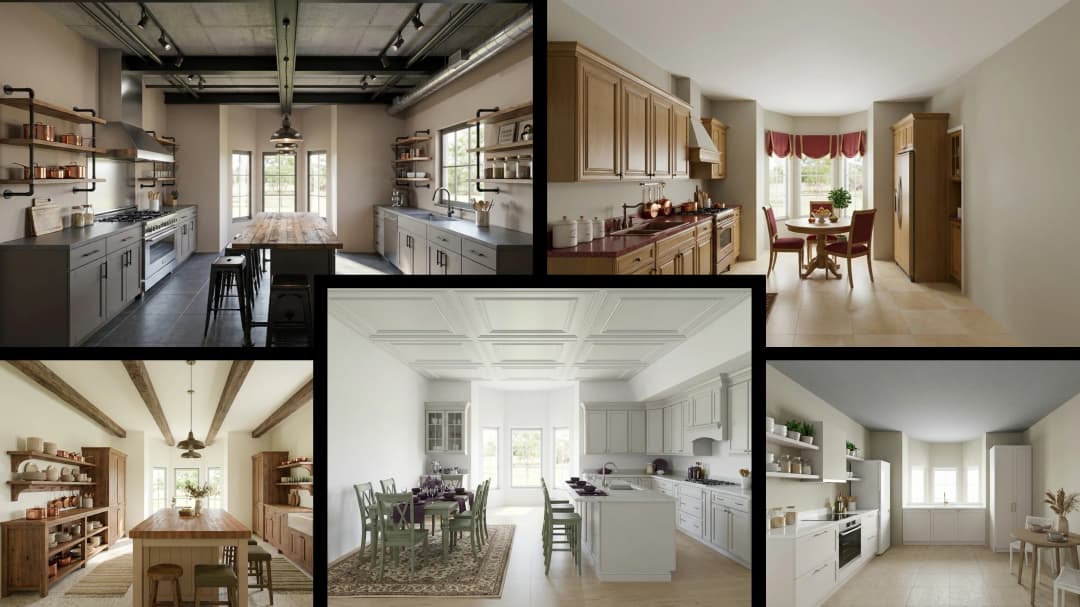
August 12, 2026
Designing Homes for the Stuff People Actually Own | VirtualSpaces
HHemanth Velury
CEO & Co-Founder
August 07, 2026
Floor Plan to Bill of Materials: The 3D Model as Data | VirtualSpaces
HHemanth Velury
CEO & Co-Founder.png&w=1080&q=75)
August 05, 2026
Designing Homes for How People Actually Live | VirtualSpaces
HHemanth Velury
CEO & Co-Founder
August 03, 2026
Honest by Design: Trust in AI Real Estate Imagery | VirtualSpaces
HHemanth Velury
CEO & Co-Founder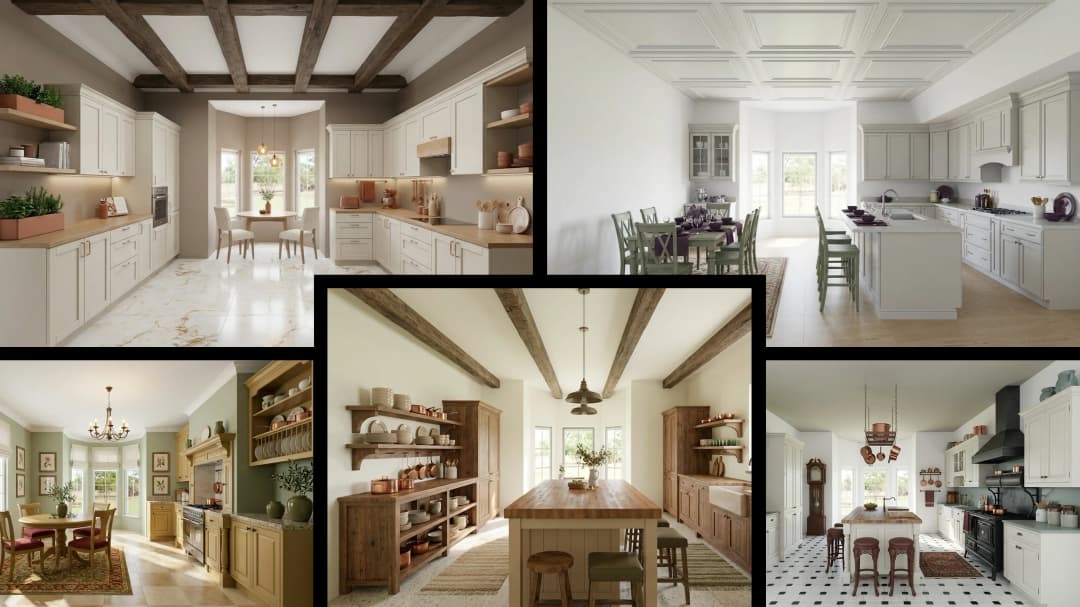
July 29, 2026
Kitchen and Bath: The Two Rooms That Decide Resale | VirtualSpaces
HHemanth Velury
CEO & Co-Founder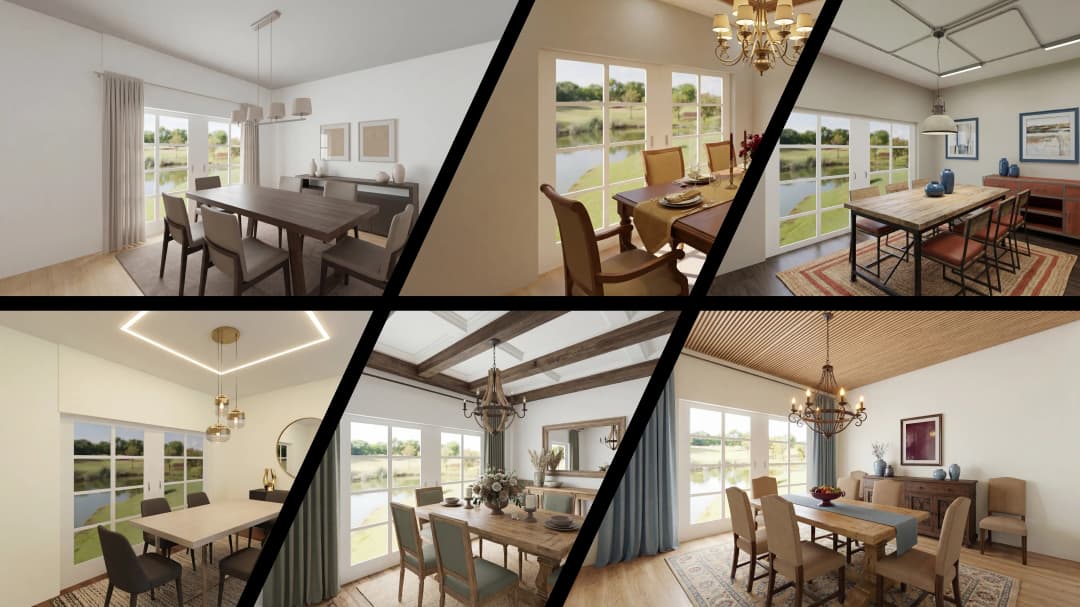
July 27, 2026
Why Empty Rooms Don't Sell: Virtual Staging | VirtualSpaces
HHemanth Velury
CEO & Co-Founder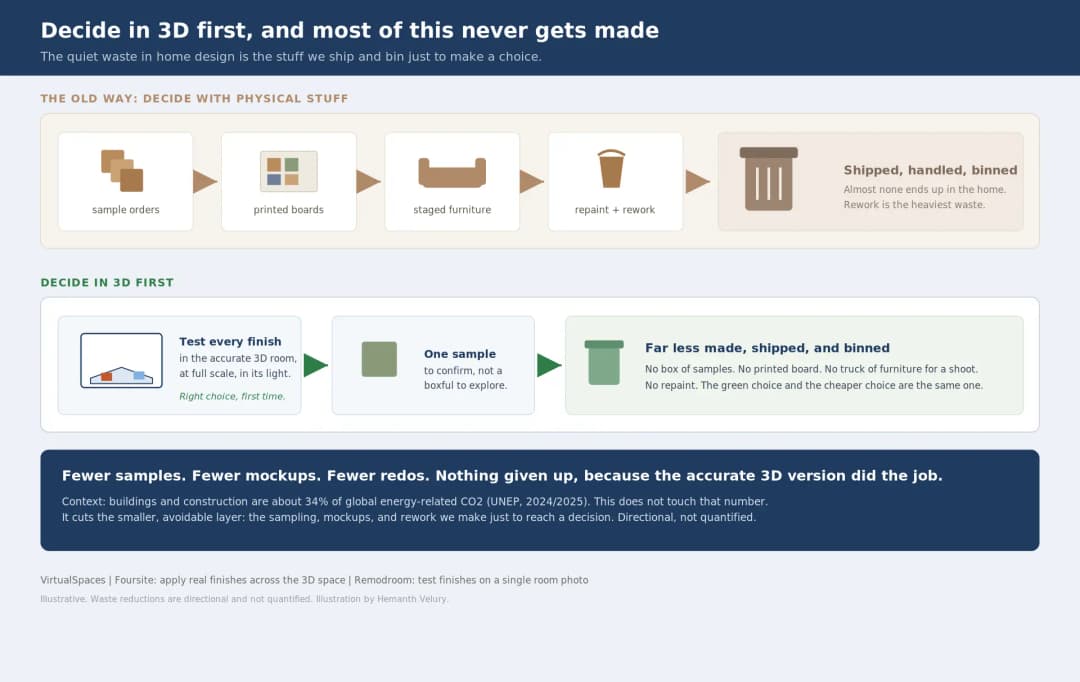
July 24, 2026
The Quiet Sustainability Win of Deciding in 3D | VirtualSpaces
HHemanth Velury
CEO & Co-Founder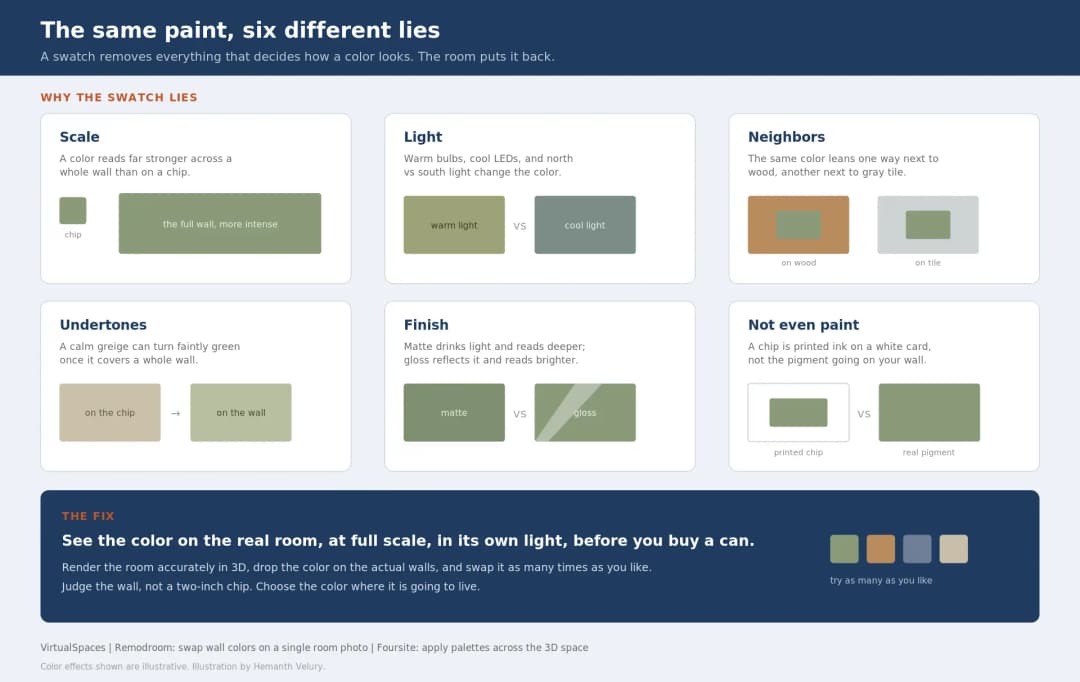
July 22, 2026
Why Paint Swatches Lie: Test Color in 3D First | VirtualSpaces
HHemanth Velury
CEO & Co-Founder
July 20, 2026
Why Every Home Should Be Seen Before It's Built | VirtualSpaces
HHemanth Velury
CEO & Co-Founder
July 17, 2026
Why Big AI Labs Won't Build Floor Plan to 3D | VirtualSpaces
HHemanth Velury
CEO & Co-Founder
July 15, 2026
How We Solve Floor Plan to 3D, Accurately | VirtualSpaces
HHemanth Velury
CEO & Co-Founder
July 13, 2026
Designing Homes That Age With the People in Them | VirtualSpaces
HHemanth Velury
CEO & Co-Founder
July 10, 2026
Designing Spaces for How Light Actually Moves | VirtualSpaces
HHemanth Velury
CEO & Co-Founder
July 08, 2026
Designing Homes for Every Life Stage in 3D | VirtualSpaces
HHemanth Velury
CEO & Co-Founder
July 06, 2026
Build an Interior Design Portfolio Without Clients | VirtualSpaces
HHemanth Velury
CEO & Co-Founder
June 26, 2026
AI Interior Design: Full 3D Workflow in One Platform | VirtualSpaces
HHemanth Velury
CEO & Co-Founder
June 24, 2026
Scope Creep in Interior Design: How AI Visualization Fixes It | VirtualSpaces
HHemanth Velury
CEO & Co-Founder
June 22, 2026
What Buyers See on a Floor Plan: Your Biggest Sales Problem | VirtualSpaces
HHemanth Velury
CEO & Co-Founder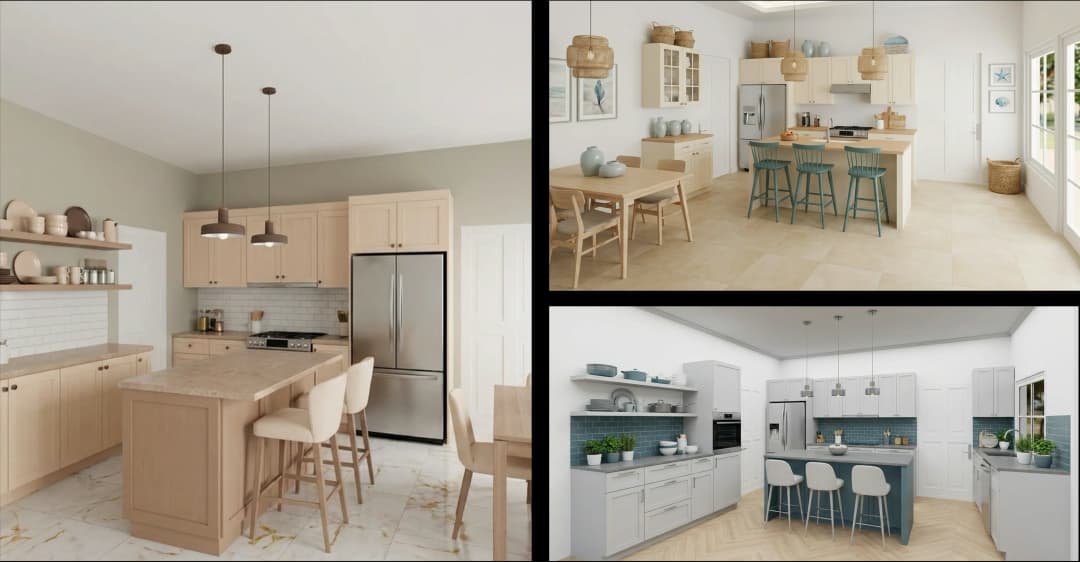
June 19, 2026
Small Design Studios vs Big Firms: The AI Advantage | VirtualSpaces
HHemanth Velury
CEO & Co-Founder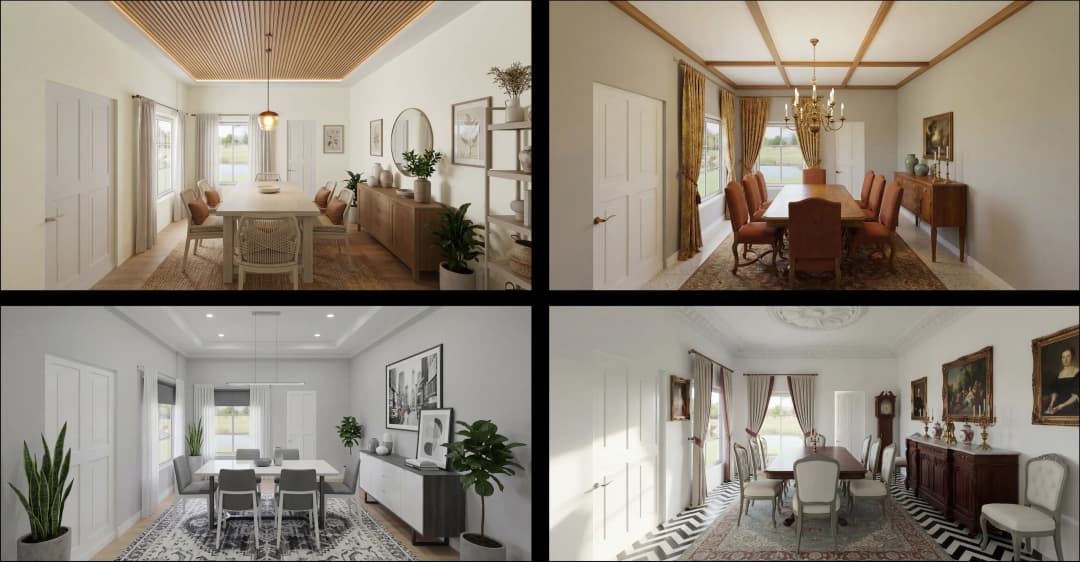
June 17, 2026
After the Mood Board: AI Interior Visualization | VirtualSpaces
HHemanth Velury
CEO & Co-Founder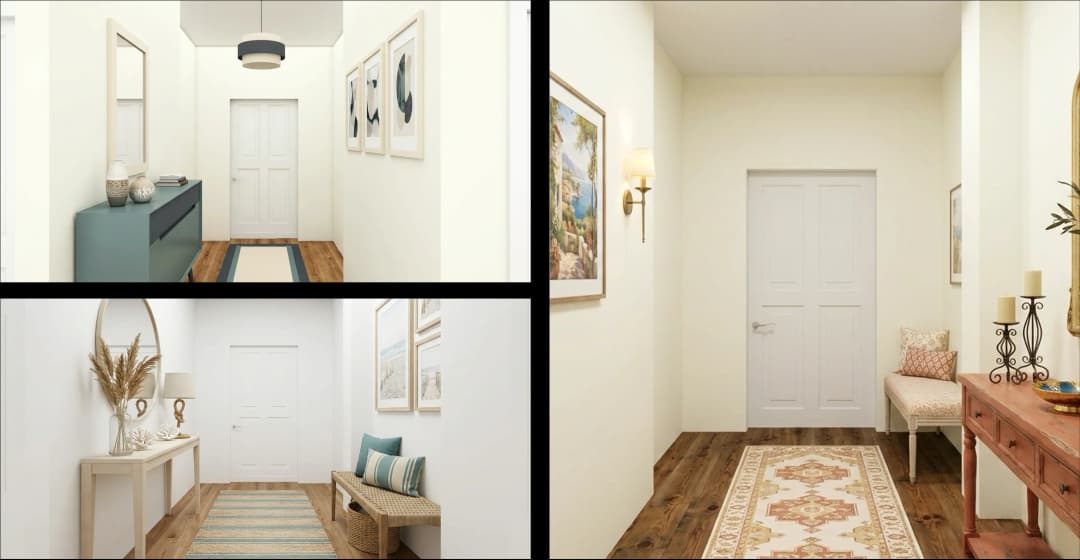
June 15, 2026
Foursite Pro Editor: Full Floor Plan Control for Designers | VirtualSpaces
HHemanth Velury
CEO & Co-Founder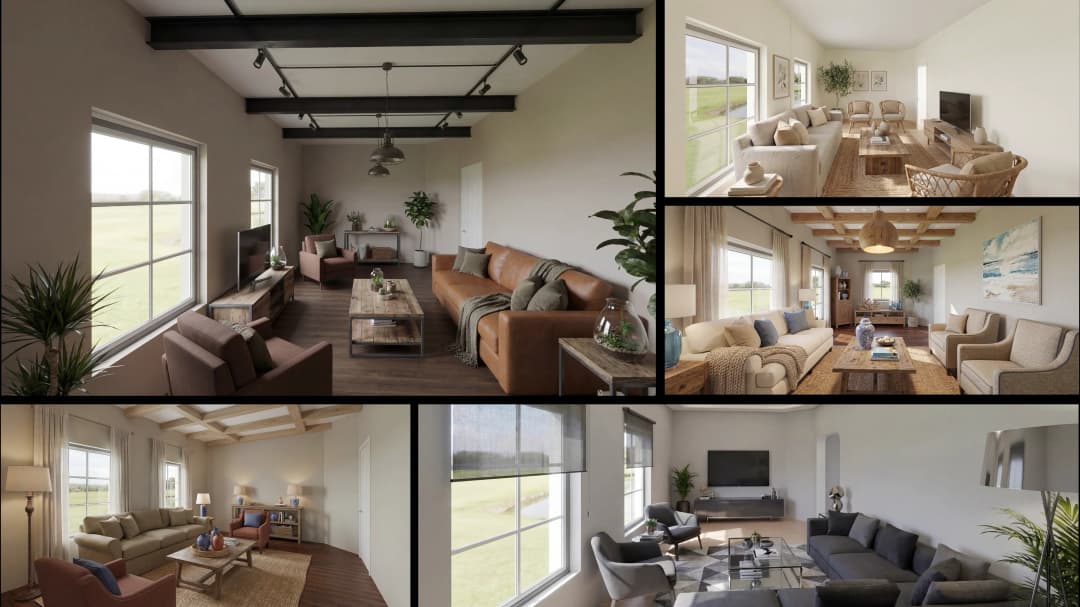
June 12, 2026
AI Interior Design: Style Any Room in Seconds with Foursite | VirtualSpaces
HHemanth Velury
CEO & Co-Founder
June 10, 2026
Foursite: Floor Plan to 3D Walkthrough in Minutes | VirtualSpaces
HHemanth Velury
CEO & Co-Founder
June 08, 2026
Win More Pitches With AI Renders Before the Meeting | VirtualSpaces
HHemanth Velury
CEO & Co-Founder
June 05, 2026
From Floor Plan to Finished Room: What AI Now Makes Possible | VirtualSpaces
HHemanth Velury
CEO & Co-Founder
June 03, 2026
The Interior Design Brief Is Broken. AI Fixes It | VirtualSpaces
HHemanth Velury
CEO & Co-Founder
June 01, 2026
Pre-Construction Home Sales: AI Interior Visualization Guide | VirtualSpaces
HHemanth Velury
CEO & Co-Founder
May 30, 2026
Interior Design Principles: Applied with AI | VirtualSpaces
HHemanth Velury
CEO & Co-Founder
May 28, 2026
Designing Spaces for People, Not Blueprints | VirtualSpaces
HHemanth Velury
CEO & Co-Founder
May 26, 2026
The Future of Interior Design: Closing the Visualization Gap with Foursite and Remodroom | VirtualSpaces
HHemanth Velury
CEO & Co-Founder
May 18, 2026
How AI Visualization Upgrades Property Data Platforms | VirtualSpaces
HHemanth Velury
CEO & Co-Founder
May 14, 2026
How AI-First Insurers Can Use 3D Property Data to Transform Home Claims | VirtualSpaces
HHemanth Velury
CEO & Co-FounderMay 12, 2026
Why Photoreal 3D Renders Are Replacing Mood Boards | Interior Design Client Presentations | VirtualSpaces
HHemanth Velury
CEO & Co-Founder
May 08, 2026
From 2D Floor Plans To Living Worlds: The Spec‑Accurate 3D Engine | VirtualSpaces
HHemanth Velury
CEO & Co-Founder
May 06, 2026
Why Furniture Brands Need AI 3D Visualization Now | VirtualSpaces
HHemanth Velury
CEO & Co-Founder
May 4, 2026
How Property Portals Can Turn 2D Floor Plans into 3D Design Decisions | VirtualSpaces
HHemanth Velury
CEO & Co-Founder
April 29, 2026
The Home-Fit Test: Why Square Footage Misleads | VirtualSpaces
HHemanth Velury
CEO & Co-Founder
April 27, 2026
Designing Homes That Sell: 3D Visualization ROI Data | VirtualSpaces
HHemanth Velury
CEO & Co-FounderApril 24, 2026
What's Next: Foursite & Remodroom's New AI Features | VirtualSpaces
HHemanth Velury
CEO & Co-Founder
April 22, 2026
AI in Architecture: Closing the 85% Exposure Gap | VirtualSpaces
HHemanth Velury
CEO & Co-Founder
April 20, 2026
Interior Design Pricing in 2026: From Hourly to Value-Based Fees | VirtualSpaces
HHemanth Velury
CEO & Co-FounderApril 17, 2026
How Foursite and Remodroom Help Designers Win Clients | VirtualSpaces
HHemanth Velury
CEO & Co-Founder
April 15, 2026
Designing Spaces for People: Remodroom + Foursite AI Guide | VirtualSpaces
HHemanth Velury
CEO & Co-Founder
April 13, 2026
Designing for the Way People Actually Live: How AI 3D Is Finally Closing the Gap Between Floor Plan and Reality
HHemanth Velury
CEO & Co-Founder
April 11, 2026
Design in Real Time: AI Renders in Your First Client Meeting
HHemanth Velury
CEO & Co-Founder
April 06, 2026
Why Real Estate Photography Is No Longer Enough: The Shift to Spatial-First Listings
HHemanth Velury
CEO & Co-Founder
April 03, 2026
Property Management's Hidden Weapon: AI 3D Floor Plans That Cut Vacancy Time and Raise Tenant Quality
HHemanth Velury
CEO & Co-Founder
April 01, 2026
Off-Plan and Oversubscribed: How AI 3D Visualization Is Transforming Real Estate Pre-Sales
HHemanth Velury
CEO & Co-Founder
March 30, 2026
Why Foursite Beats Generic AI Tools for Interior Design 3D Visualization
HHemanth Velury
CEO & Co-Founder
March 27, 2026
7 Tenets of Interior Design: How AI Accelerates Harmony in Residential Spaces
HHemanth Velury
CEO & Co-Founder
March 25, 2026
What Is the 3-5-7 Rule in Interior Design? Foursite's AI Guide for Residential Spaces
HHemanth Velury
CEO & Co-Founder
March 23, 2026
What Is the 70/30 Rule in Interior Design? Foursite's AI Guide for Residential Spaces
HHemanth Velury
CEO & Co-Founder
March 20, 2026
How AI 3D Visualization Is Rewriting Residential Interior Design Workflows
HHemanth Velury
CEO & Co-Founder
March 18, 2026
Beyond Marketing: How 3D Floorplans Transform FM, Retrofit Planning & ESG Operations
HHemanth Velury
CEO & Co-Founder
March 16, 2026
Why AI Companies Use Token Payments (And Why VirtualSpaces Is Returning To Fiat)
HHemanth Velury
CEO & Co-Founder
March 13, 2026
Floorplan‑Native Digital Twins: Beyond BIM for Consumer‑Ready Real Estate Experiences
HHemanth Velury
CEO & Co-Founder
March 11, 2026
The Foursite Platform Thesis: Why Floor Plans, Not Photos, Are the Next Property Software Primitive
HHemanth Velury
CEO & Co-Founder
March 09, 2026
Design Systems for Space: Building Reusable 3D Component Libraries on Top of AI Floorplan‑to‑3D Engines
HHemanth Velury
CEO & Co-Founder
March 06, 2026
How to Standardize Design Quality Across Global Projects Using AI Floorplan-to-3D Tools
HHemanth Velury
CEO & Co-Founder
March 04, 2026
From CAD-First to AI-First: Reskilling Your Team for AI-Native Design Workflows
HHemanth Velury
CEO & Co-Founder
March 02, 2026
Algorithmic Ergonomics Meets Photorealistic 3D: Designing Human-Centered Smart Homes with Foursite in 2026
HHemanth Velury
CEO & Co-Founder
February 27, 2026
The Ethics of AI in Interior Design: Ownership, Originality, and Client Transparency
HHemanth Velury
CEO & Co-Founder
February 25, 2026
Designing with Empathy: Using AI 3D Visualization to Improve Client Communication and Emotional Clarity
HHemanth Velury
CEO & Co-Founder
February 23, 2026
From Tool to Infrastructure: AI Floorplan-to-3D and the Next Wave of PropTech
HHemanth Velury
CEO & Co-Founder
February 20, 2026
AI Interior Design for Holiday Homes: Turn Spare Flats into High-Demand Short-Stay Rentals with 3D Visuals
HHemanth Velury
CEO & Co-Founder
February 18, 2026
The Pre‑Purchase Power Play: How Savvy Home Buyers Use 3D Floor Plan Visualization to Negotiate Better Deals
HHemanth Velury
CEO & Co-FounderFebruary 16, 2026
AI Interior Design for Non‑Designers: How Homeowners Can Brief Like Pros
HHemanth Velury
CEO & Co-Founder
February 13, 2026
Scaling a Design Business Without Hiring a 3D Team: An Owner's Guide
HHemanth Velury
CEO & Co-Founder
February 11, 2026
From Bland to Bold: How to Rescue Builder-Grade Interiors on Any Budget
HHemanth Velury
CEO & Co-Founder
February 6, 2026
The Psychology of Space: How Room Dimensions Influence Interior Design Decisions
HHemanth Velury
CEO & Co-Founder
February 4, 2026
The Future of Interior Design Visualization: How AI Technology is Transforming 2D Concepts Into 3D Reality
HHemanth Velury
CEO & Co-Founder
February 2, 2026
AI Interior Décor: How Artificial Intelligence Generates Design Options from Your Floor Plan
HHemanth Velury
CEO & Co-Founder
January 30, 2026
Photoreal vs. Reality: What Clients Actually Expect from Interior Design Visualization
HHemanth Velury
CEO & Co-Founder
January 25, 2026
Interior Design as Experience Design: How 3D Visualization Changes Your Professional Identity
HHemanth Velury
CEO & Co-Founder
January 23, 2026
The Professional Gap: How 3D Visualization Changes Interior Design Client Perception
HHemanth Velury
CEO & Co-Founder
January 21, 2026
Why Clients Fire Designers (And How 3D Visualization Could Have Saved the Project)
HHemanth Velury
CEO & Co-Founder
January 16, 2026
Blueprint to Vision: Why Seeing Is Believing in Interior Design
HHemanth Velury
CEO & Co-Founder
January 14, 2026
The Speed of Responsiveness: How AI Visualization Tools Make You Look Like You Care More
HHemanth Velury
CEO & Co-Founder
January 12, 2026
Why Interior Designers and Architects Can't Compete Without AI 3D Visualization Tools
HHemanth Velury
CEO & Co-Founder
January 07, 2026
From "Saved" to "Sold": How Homeowners Are Planning Renovations with AI
HHemanth Velury
CEO & Co-Founder
January 05, 2026
The Interior Designer's Secret Weapon: Speed as Premium Positioning
HHemanth Velury
CEO & Co-Founder
December 31, 2025
Gratitude, Growth & Game-Changing Innovation: VirtualSpaces' 2025 Journey & What's Coming in 2026
HHemanth Velury
CEO & Co-Founder
December 29, 2025
Why Interior Designers Are Switching to AI Floor Plan-to-3D Tools in 2026
HHemanth Velury
CEO & Co-Founder
December 26, 2025
AI Virtual Staging for Real Estate Agents: Sell More Homes Faster with Foursite
HHemanth Velury
CEO & Co-Founder
December 24, 2025
Why Architects Are Switching to AI 2D-to-3D: The SketchUp Alternative
HHemanth Velury
CEO & Co-Founder
December 22, 2025
Cut 3 Weeks from Real Estate Sales Cycle: The ROI of AI 2D to 3D Visualization
HHemanth Velury
CEO & Co-Founder
December 19, 2025
2D Floor Plans Are Dying: Why 3D Visualization & AI Virtual Staging Are the Future
HHemanth Velury
CEO & Co-Founder
December 17, 2025
Virtual Staging vs Physical Staging: How AI Saves Money Per Property
HHemanth Velury
CEO & Co-Founder
December 15, 2025
AI Floor Plan to Image: Revolutionizing Real Estate Marketing for Agents
HHemanth Velury
CEO & Co-Founder
December 12, 2025
Color of the Year 2026: Cloud Dancer | VirtualSpaces AI Interior Design Guide
HHemanth Velury
CEO & Co-Founder
December 10, 2025
AI Floor Plan to 3D: The New Standard for Interior Design Workflows
HHemanth Velury
CEO & Co-Founder
December 08, 2025
How Interior Design Studios Can Operationalize AI 2D-to-3D Workflows (Without Breaking Their Process)
HHemanth Velury
CEO & Co-Founder
December 06, 2025
How to Implement AI Interior Design Workflows in Your Studio
HHemanth Velury
CEO & Co-Founder
December 4, 2025
How Homeowners Can Use AI Interior Design Tools to Plan Renovations with Confidence
HHemanth Velury
CEO & Co-Founder
November 28, 2025
Interior Designers in the Age of AI: From Threat Narrative to Superpower
HHemanth Velury
CEO & Co-Founder
November 21, 2025
Foursite Launch: Embracing 'Release Early, Release Often'
HHemanth Velury
CEO & Co-Founder
November 13, 2025
Foursite by VirtSpaces: Empowering Interior Designers, Architects, and Homeowners
HHemanth Velury
CEO & Co-Founder
November 7, 2025
Reimagining Architectural Education: How AI Floorplan-to-3D Technology Can Transform Design Learning
VVirtualSpaces Research Labs
AI Research Initiative
October 27, 2025
Archisculpt AI: Turning Architectural Drawings into Photorealistic 3D Spaces
AAbhijeet Naik
Co-Founder & CTO
October 13, 2025
Home Makeover: From Floor Plan to Dream Space with AI
HHemanth Velury
CEO & Co-Founder
October 6, 2025
Real-Time Rendering & AI: Revolutionizing Interactive Property Walkthroughs with VirtSpaces
HHemanth Velury
CEO & Co-Founder
September 26, 2025
Foursite - A True AI-Native Experience in Design Visualization
AAbhijeet Naik
CTO & Co-Founder
September 18, 2025
Why PropTech Startups Are Betting on AI Interior Design
HHemanth Velury
CEO & Co-Founder
September 11, 2025
How AI Differs from Traditional 3D Rendering Software
HHemanth Velury
CEO & Co-Founder
September 2, 2025
From Client to Investor: How Nila Spaces and VirtSpaces Are Redefining Proptech with AI
HHemanth Velury
CEO & Co-Founder
August 25, 2025
VirtSpaces From Virtual Reality to AI – Transforming Real Estate Visualization.
HHemanth Velury
CEO & Co-Founder


We help teams collaborate seamlessly and reduce costs. Virtual Spaces offers cutting-edge technology with flexible plans designed to fit modern teams.
Copyright © VirtSpaces Pvt. Ltd. 2025 All Rights Reserved.
CIN: U74999KA2016PTC094921