
April 03, 2026
- Interior Design
- AI Technology
- Real Estate
Property Management's Hidden Weapon: AI 3D Floor Plans That Cut Vacancy Time and Raise Tenant Quality
Hemanth Velury
CEO & Co-FounderProperty Management's Hidden Weapon: Using AI 3D Floor Plans to Cut Vacancy Time and Increase Tenant Quality
Every property manager knows this feeling. A unit turns over. You scramble to get it photographed. You upload the listing. And then you wait.
You wait for enquiries. You wait for viewings. You wait to figure out, usually three or four appointments in, that the people walking through weren't even close to the right fit. Wrong budget. Wrong expectations. Wrong read of the space from a set of photographs that made the living room look twice as big as it is.
Meanwhile, every single day that unit sits empty is money leaving your pocket. Not as a line item. Not as a projection. As a hard, daily loss.
Vacancy is the silent tax on every property management business. And for an industry that manages hundreds of billions of dollars in residential assets globally, the tools to reduce it have been surprisingly primitive. Nice photos. Maybe a virtual tour if you're resourceful. A floor plan PDF that most prospective tenants can't mentally translate into a real space anyway.
That's changing. And the change is coming from an unexpected direction: AI 3D visualization applied directly to the humble floor plan.
The Real Cost of a Vacant Unit (And Why It's Worse Than You Think)
Before we talk about the solution, it's worth sitting with the problem properly. Because most property managers underestimate what vacancy actually costs them.
Take a unit renting at $2,500 a month. Every vacant day costs roughly $83 in lost rent. That sounds manageable until you realize the average vacancy cycle: from tenant departure to new lease signed, runs anywhere from 30 to 60 days in competitive markets. That's $2,500 to $5,000 gone, before you factor in utility costs during vacancy, marketing spend, and the staff time absorbed by viewings that go nowhere.
Multiply that across a portfolio of 20, 50, or 200 units and vacancy stops being a nuisance. It becomes a structural drag on profitability that compounds every month.
The industry has largely accepted this as a cost of doing business. It shouldn't. And the property managers who figure that out first are gaining a real competitive edge.
Why Photos Aren't Enough (And Never Were)
The standard rental listing playbook hasn't changed much in two decades. You hire a photographer. You get wide-angle shots that make rooms look spacious. You write a description that says "light-filled" and "open plan" and "great natural light." You upload to the portal and hope for the best.
Here's the problem. Photos show a moment in time from a single fixed angle. They cannot convey how a space actually flows. They can't help a prospective tenant understand whether their furniture will fit. They can't communicate ceiling height, room proportion, or whether the second bedroom is genuinely usable as a home office or really just a large cupboard.
What you end up with is a filtering problem. Tenants can't pre-qualify themselves against the space because they don't have enough spatial information to make a confident decision. So they book a viewing. They show up. And within four minutes, they know it's not right because the living room that looked so spacious in the photos is actually quite narrow, or the kitchen opens in a direction they didn't expect.
You've just spent an hour of your property manager's time on a viewing that never had a chance.
Now multiply that by six viewings per vacancy cycle across a portfolio of 50 units, and you start to see where the real time and money goes.
What AI 3D Visualization Actually Fixes
This is where AI 3D visualization enters the picture and specifically, the ability to convert a floor plan to 3D or convert a blueprint to 3D with photorealistic accuracy using tools like Foursite by VirtualSpaces.
The premise is straightforward. Every property already has a floor plan. Whether it's a PDF from the original build, a scan from the building's records, or a set of 2D floor plans your maintenance team uses for reference that spatial data exists. It's sitting there, largely unused from a marketing perspective, waiting to be unlocked.
Foursite takes those 2D floor plans and blueprints and transforms them into navigable 3D visualization environments. Not generic renders assembled from stock assets. Actual spatial reconstructions based on the real geometry of your property, correct ceiling heights, accurate room proportions, real window placement, real light.
From there, AI interior design tools allow you to style the space beautifully, applying furniture, colour palettes, and finishing touches that help a prospective tenant emotionally connect with the unit before they've ever set foot inside it.
The result is a listing that answers the questions photos never could. Is this space right for me? Will my furniture fit? Does the layout actually flow the way I need it to? Can I see myself living here?
When a prospective tenant can answer those questions from the listing itself, something important happens. The ones who proceed to a viewing are the ones who already know they want it.
Better Listings Mean Better-Fit Tenants
This is the part that property managers who've adopted AI 3D visualization talk about most and it doesn't get nearly enough attention in the industry conversation.
Reducing vacancy days is one thing. But filling a unit with the right tenant is a different kind of value entirely.
Bad tenant fit is expensive in ways that don't show up on a vacancy report. Tenants who misread the space from photos and move in anyway are more likely to raise maintenance complaints, less likely to renew their lease, and more likely to leave early. The unit that seemed to rent quickly becomes the unit you're reletting eight months later.
When your listing includes interior design 3D visualization derived from the real floor plan, the spatial honesty of the render does your filtering for you. The tenant who needs a dining space large enough for six people can see, clearly, that this unit doesn't have it. They self-select out. The tenant whose furniture layout maps perfectly to what they see in the interior design renders books the viewing knowing exactly what they're getting.
This isn't just a marketing improvement. It's a tenant quality improvement. And over the life of a tenancy, that pays back many times the cost of generating the visualization.
Fewer Viewings. Faster Decisions. Less Staff Time Wasted.
Let's talk about the operational impact, because this is where the numbers get compelling for any property management business thinking seriously about margin.
A typical vacancy cycle for a well-managed property involves anywhere from four to eight viewings before a successful application. Each viewing requires scheduling, travel or coordination time, follow-up communication, and processing of enquiries that frequently go cold. For a property manager handling 30 to 50 units, this administrative overhead is relentless.
AI virtual staging applied to an accurate floor plan to 3D render compresses this cycle significantly. When prospective tenants can do a full spatial walkthrough of the property digitally: Seeing the actual room sizes, the layout flow, the natural light from the real window positions, they arrive at viewing decisions faster and with more commitment.
The enquiries that convert to viewings are higher quality. The viewings that happen are shorter, because the tenant isn't discovering the space for the first time, they're confirming it. And the time from listing to signed application shrinks.
For a property manager whose time is the real constraint on portfolio growth, this matters enormously. Fewer wasted viewings means more capacity to manage more units without adding headcount. That's a direct profitability lever.
Killing the Outsourcing Cost: Once and For All
Here's a conversation most property managers have had at some point. You want better visuals for a high-value unit. You call a virtual staging company. They quote you $300 to $600 per room for digitally furnished renders. You either pay it, or you don't and you post the standard photos and hope for the best.
The outsourcing cost for professional visualization has kept the technology out of reach for the vast majority of property management businesses, who operate at margins that don't absorb $1,000-per-unit marketing spend without serious justification.
AI interior design platforms that work natively from 2D floor plans change this equation completely. When you can convert a floor plan to 3D, apply AI interior décor styling, and generate interior design photoreal renders in-house, using your existing team, without specialist skills, without external vendors, the cost per unit drops dramatically.
This isn't a marginal saving. For a PM business handling 100 units per year with a 15% turnover rate, that's 15 reletting cycles annually. At $500 per unit in outsourced visualization versus an AI-native workflow, the annual saving runs to thousands before you've accounted for the staff time recovered from wasted viewings.
And crucially, the quality of what you produce in-house with Foursite exceeds what most outsourced virtual staging services deliver, because it's built from the actual blueprint of your specific property, not assembled from generic templates.
The Workflow That Changes the Business
To make this real: here is what the property management workflow looks like with AI 3D visualization in the toolkit.
A tenant gives notice. The property manager pulls the 2D floor plan from their records or uploads a photograph of the floor plan if that's what they have. Foursite processes the geometry and builds the 3D visualization shell within minutes. The team selects a style direction: Contemporary, warm traditional, coastal, minimalist and generates interior design renders from multiple camera angles before the current tenant has even vacated.
By the time the unit is empty and the keys are ready for viewings, the listing is already live with photorealistic spatial renders, accurate to the real property. Prospective tenants are already filtering themselves in real time. The first viewing happens with a tenant who has already decided, in principle, that they want it.
That's not a modest improvement on the traditional timeline. That's a fundamentally different workflow: One where the vacancy marketing begins before the vacancy technically starts, and where the unit is effectively being pre-marketed to self-selected candidates from day one.
The 2D to 3D conversion is the trigger for the entire downstream acceleration.
The Bigger Picture: Why This Is a $100B+ Market Moment
Zoom out from any individual property manager or landlord, and the scale of what's being described becomes significant.
Residential property management is a global market worth over $100 billion annually. It sits on top of hundreds of millions of individual rental units, each of which turns over periodically, each of which generates a vacancy cycle that costs time and money. And yet the visualization technology available to the average property manager has barely evolved beyond the digital camera.
The reason is structural. Until very recently, generating accurate, spatially honest 3D visualization from a floor plan required expensive specialist software and skilled 3D artists. The economics only worked for high-value developments or premium estate agencies with marketing budgets to match.
AI visualization tools that work directly from floor plans and blueprints change the access equation entirely. They bring capability that was previously reserved for the top 1% of the market to every property manager operating at any scale.
What VirtualSpaces is building with Foursite isn't just a faster render. It's a spatial intelligence layer that sits underneath the entire property lifecycle: From pre-leasing visualization to tenant onboarding to eventual resale marketing. Every touchpoint that requires someone to understand a space before they occupy it is a touchpoint that this technology improves.
The property management segment is the proof of concept for how deeply that spatial intelligence can penetrate a market that has been underserved by software for too long.
The Property Manager Who Moves First Wins Twice
Reducing vacancy days is the obvious win. It's measurable, immediate, and it shows up directly on the bottom line.
But the deeper win is competitive positioning. In a market where most listings still look the same: Wide-angle photos, boilerplate descriptions, a PDF floor plan that most people can't read, the property manager who offers prospective tenants a genuine spatial preview of their future home is offering something categorically different.
That difference attracts better tenants. It reduces wasted time. It builds a reputation for transparency and professionalism that feeds the next vacancy cycle with referrals and returning applicants.
AI virtual staging, floor plan to 3D conversion, and interior design 3D visualization are not futuristic features. They are available tools, right now, that most of the market hasn't touched yet.
Foursite is making that access as simple as uploading a floor plan.
The vacancy clock starts the moment a tenant gives notice. The property managers who have already re-thought what happens in those first 24 hours, who have already converted their blueprints into photorealistic spatial previews before the unit is empty, are the ones filling it before anyone else has even started shooting photos.
That's not a small advantage. In property management, it's the whole game.
PS: some features may not be available and are a part of our future product roadmap
Recommended for you

August 19, 2026
The End of the Model Home? 3D Changes the Math | VirtualSpaces
HHemanth Velury
CEO & Co-Founder
August 17, 2026
Designing Spaces That Actually Get Built | VirtualSpaces
HHemanth Velury
CEO & Co-Founder
August 12, 2026
Designing Homes for the Stuff People Actually Own | VirtualSpaces
HHemanth Velury
CEO & Co-Founder
August 07, 2026
Floor Plan to Bill of Materials: The 3D Model as Data | VirtualSpaces
HHemanth Velury
CEO & Co-Founder.png&w=1080&q=75)
August 05, 2026
Designing Homes for How People Actually Live | VirtualSpaces
HHemanth Velury
CEO & Co-Founder
August 03, 2026
Honest by Design: Trust in AI Real Estate Imagery | VirtualSpaces
HHemanth Velury
CEO & Co-Founder
July 29, 2026
Kitchen and Bath: The Two Rooms That Decide Resale | VirtualSpaces
HHemanth Velury
CEO & Co-Founder
July 27, 2026
Why Empty Rooms Don't Sell: Virtual Staging | VirtualSpaces
HHemanth Velury
CEO & Co-Founder
July 24, 2026
The Quiet Sustainability Win of Deciding in 3D | VirtualSpaces
HHemanth Velury
CEO & Co-Founder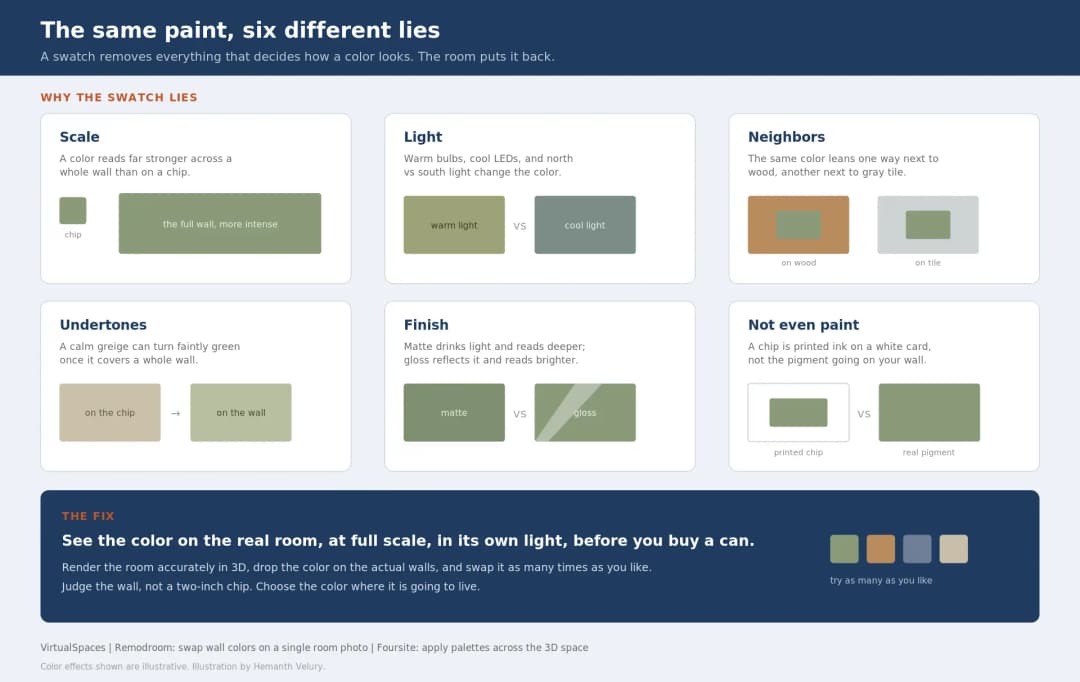
July 22, 2026
Why Paint Swatches Lie: Test Color in 3D First | VirtualSpaces
HHemanth Velury
CEO & Co-Founder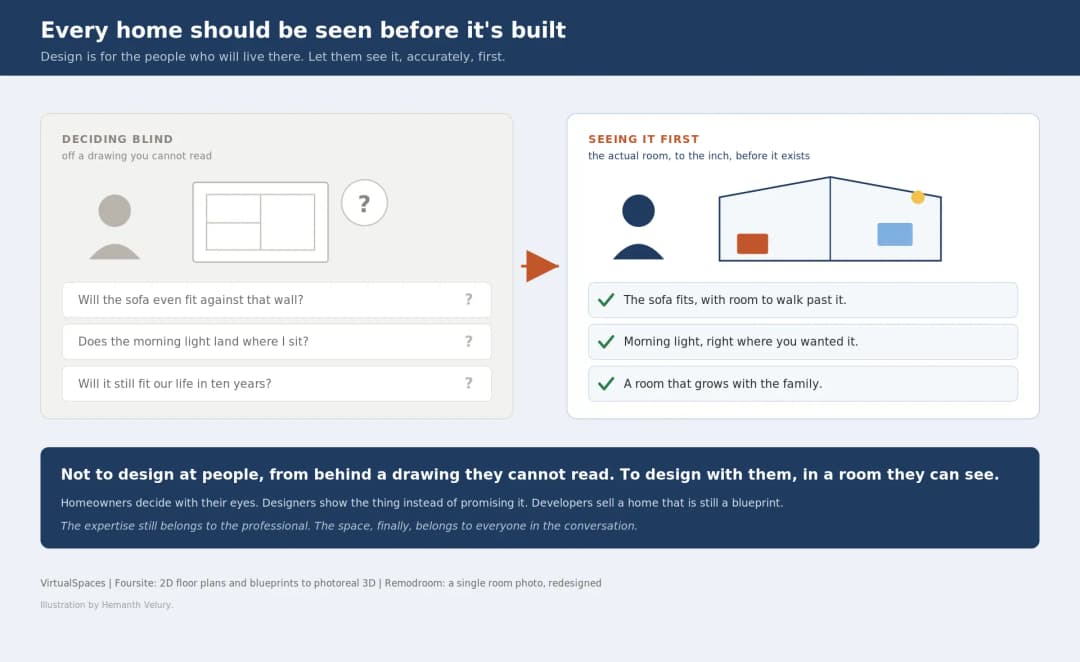
July 20, 2026
Why Every Home Should Be Seen Before It's Built | VirtualSpaces
HHemanth Velury
CEO & Co-Founder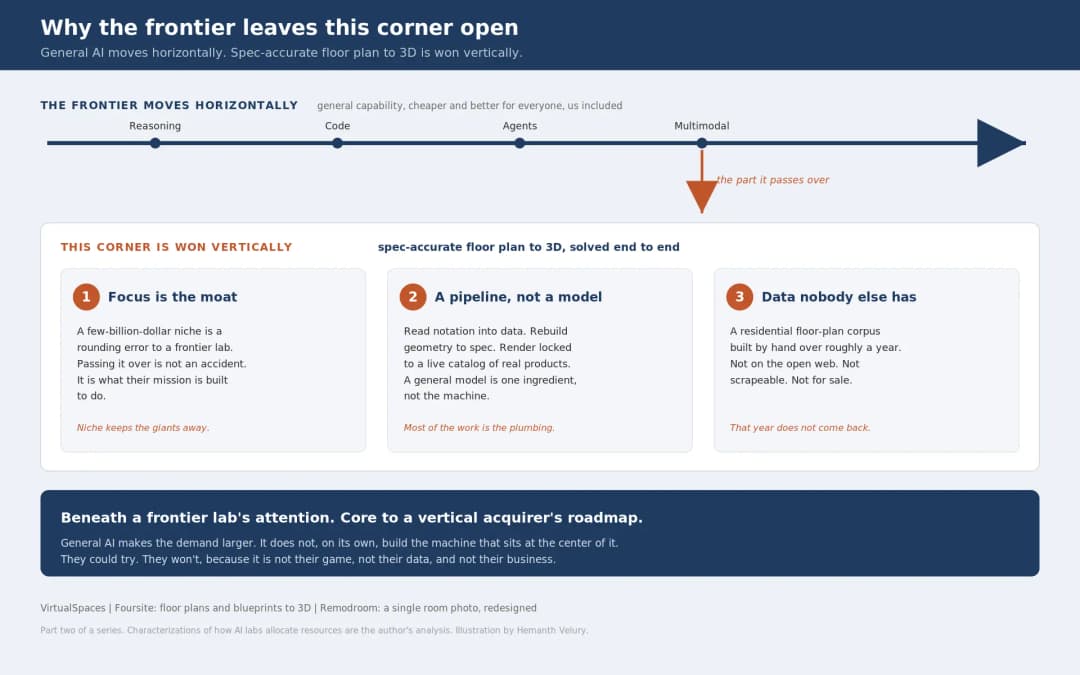
July 17, 2026
Why Big AI Labs Won't Build Floor Plan to 3D | VirtualSpaces
HHemanth Velury
CEO & Co-Founder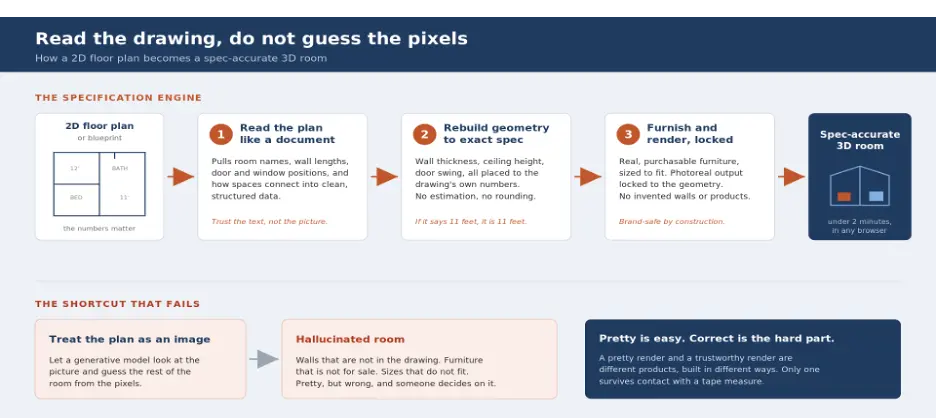
July 15, 2026
How We Solve Floor Plan to 3D, Accurately | VirtualSpaces
HHemanth Velury
CEO & Co-Founder
July 13, 2026
Designing Homes That Age With the People in Them | VirtualSpaces
HHemanth Velury
CEO & Co-Founder
July 10, 2026
Designing Spaces for How Light Actually Moves | VirtualSpaces
HHemanth Velury
CEO & Co-Founder
July 08, 2026
Designing Homes for Every Life Stage in 3D | VirtualSpaces
HHemanth Velury
CEO & Co-Founder
July 06, 2026
Build an Interior Design Portfolio Without Clients | VirtualSpaces
HHemanth Velury
CEO & Co-Founder
June 26, 2026
AI Interior Design: Full 3D Workflow in One Platform | VirtualSpaces
HHemanth Velury
CEO & Co-Founder
June 24, 2026
Scope Creep in Interior Design: How AI Visualization Fixes It | VirtualSpaces
HHemanth Velury
CEO & Co-Founder
June 22, 2026
What Buyers See on a Floor Plan: Your Biggest Sales Problem | VirtualSpaces
HHemanth Velury
CEO & Co-Founder
June 19, 2026
Small Design Studios vs Big Firms: The AI Advantage | VirtualSpaces
HHemanth Velury
CEO & Co-Founder
June 17, 2026
After the Mood Board: AI Interior Visualization | VirtualSpaces
HHemanth Velury
CEO & Co-Founder
June 15, 2026
Foursite Pro Editor: Full Floor Plan Control for Designers | VirtualSpaces
HHemanth Velury
CEO & Co-Founder
June 12, 2026
AI Interior Design: Style Any Room in Seconds with Foursite | VirtualSpaces
HHemanth Velury
CEO & Co-Founder
June 10, 2026
Foursite: Floor Plan to 3D Walkthrough in Minutes | VirtualSpaces
HHemanth Velury
CEO & Co-Founder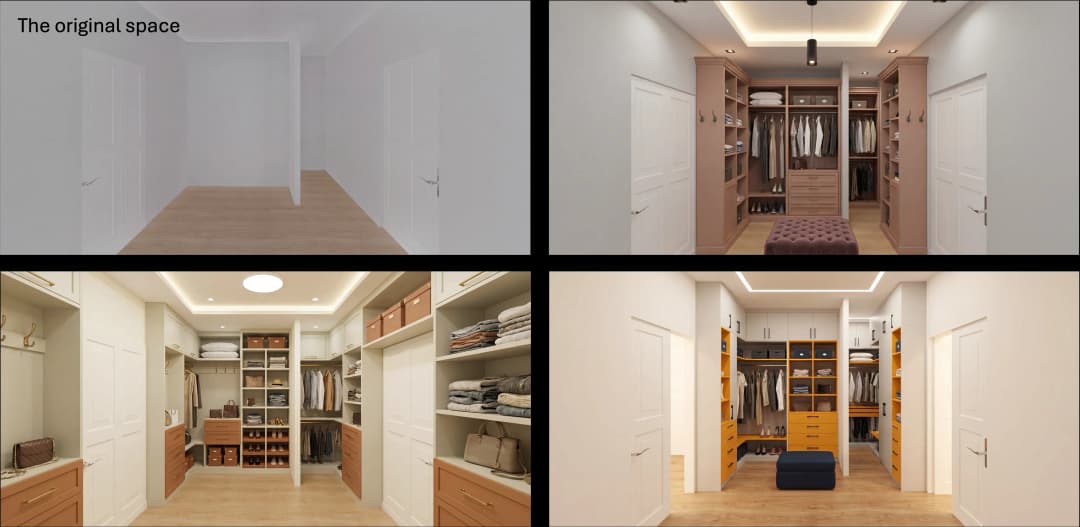
June 08, 2026
Win More Pitches With AI Renders Before the Meeting | VirtualSpaces
HHemanth Velury
CEO & Co-Founder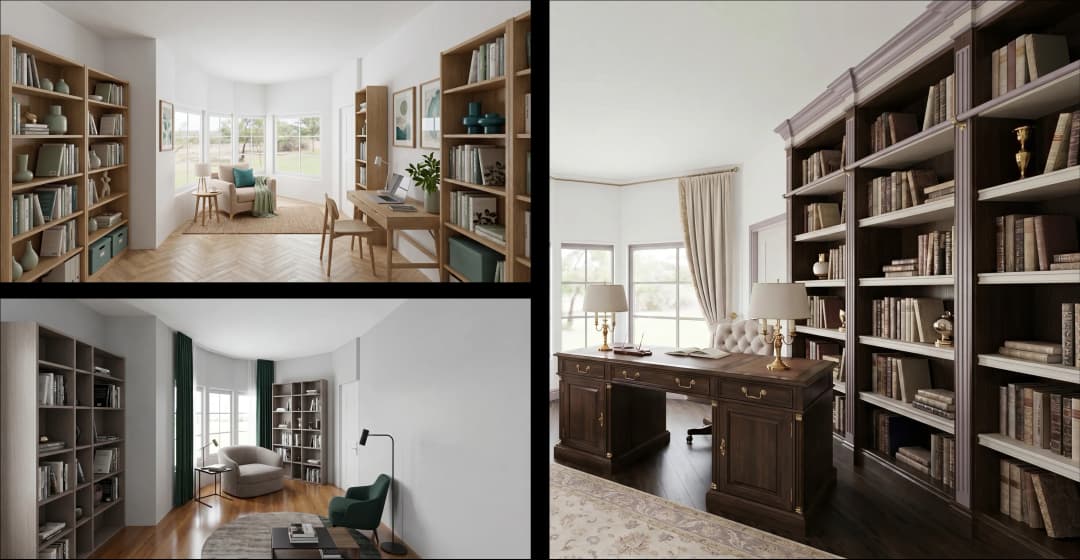
June 05, 2026
From Floor Plan to Finished Room: What AI Now Makes Possible | VirtualSpaces
HHemanth Velury
CEO & Co-Founder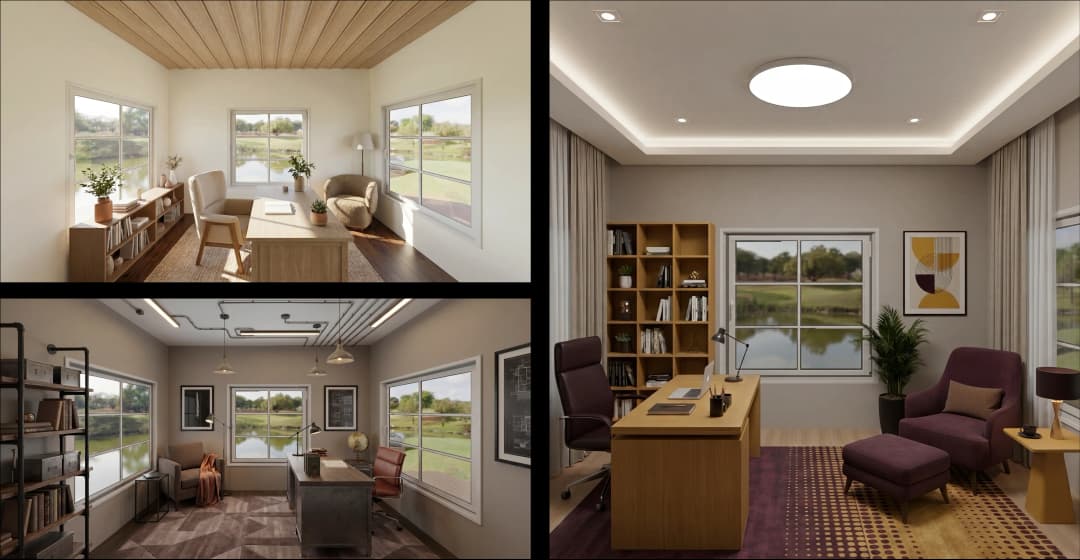
June 03, 2026
The Interior Design Brief Is Broken. AI Fixes It | VirtualSpaces
HHemanth Velury
CEO & Co-Founder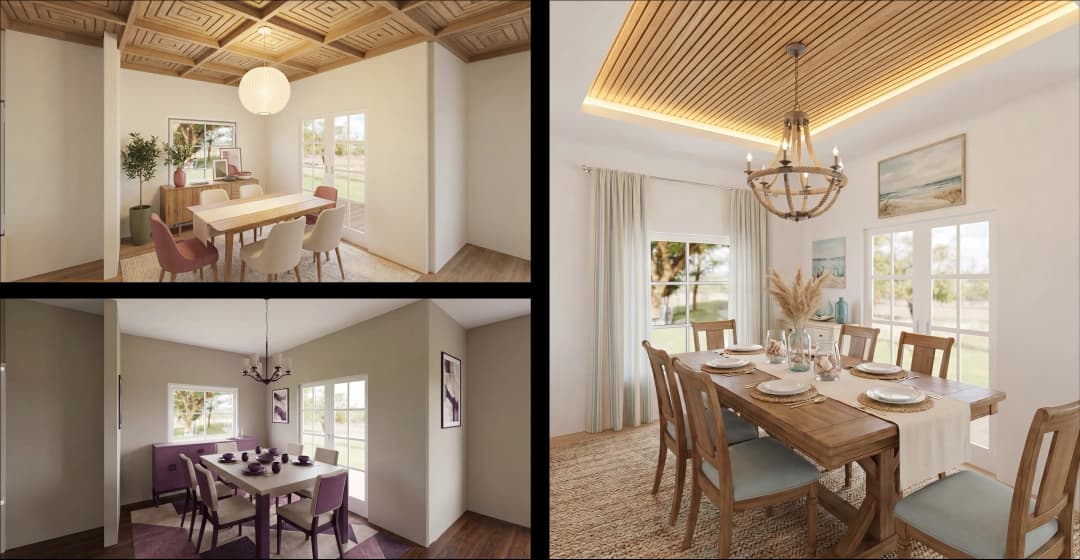
June 01, 2026
Pre-Construction Home Sales: AI Interior Visualization Guide | VirtualSpaces
HHemanth Velury
CEO & Co-Founder
May 30, 2026
Interior Design Principles: Applied with AI | VirtualSpaces
HHemanth Velury
CEO & Co-Founder
May 28, 2026
Designing Spaces for People, Not Blueprints | VirtualSpaces
HHemanth Velury
CEO & Co-Founder
May 26, 2026
The Future of Interior Design: Closing the Visualization Gap with Foursite and Remodroom | VirtualSpaces
HHemanth Velury
CEO & Co-Founder
May 18, 2026
How AI Visualization Upgrades Property Data Platforms | VirtualSpaces
HHemanth Velury
CEO & Co-Founder
May 14, 2026
How AI-First Insurers Can Use 3D Property Data to Transform Home Claims | VirtualSpaces
HHemanth Velury
CEO & Co-FounderMay 12, 2026
Why Photoreal 3D Renders Are Replacing Mood Boards | Interior Design Client Presentations | VirtualSpaces
HHemanth Velury
CEO & Co-Founder
May 08, 2026
From 2D Floor Plans To Living Worlds: The Spec‑Accurate 3D Engine | VirtualSpaces
HHemanth Velury
CEO & Co-Founder
May 06, 2026
Why Furniture Brands Need AI 3D Visualization Now | VirtualSpaces
HHemanth Velury
CEO & Co-Founder
May 4, 2026
How Property Portals Can Turn 2D Floor Plans into 3D Design Decisions | VirtualSpaces
HHemanth Velury
CEO & Co-Founder
April 29, 2026
The Home-Fit Test: Why Square Footage Misleads | VirtualSpaces
HHemanth Velury
CEO & Co-Founder
April 27, 2026
Designing Homes That Sell: 3D Visualization ROI Data | VirtualSpaces
HHemanth Velury
CEO & Co-FounderApril 24, 2026
What's Next: Foursite & Remodroom's New AI Features | VirtualSpaces
HHemanth Velury
CEO & Co-Founder
April 22, 2026
AI in Architecture: Closing the 85% Exposure Gap | VirtualSpaces
HHemanth Velury
CEO & Co-Founder
April 20, 2026
Interior Design Pricing in 2026: From Hourly to Value-Based Fees | VirtualSpaces
HHemanth Velury
CEO & Co-FounderApril 17, 2026
How Foursite and Remodroom Help Designers Win Clients | VirtualSpaces
HHemanth Velury
CEO & Co-Founder
April 15, 2026
Designing Spaces for People: Remodroom + Foursite AI Guide | VirtualSpaces
HHemanth Velury
CEO & Co-Founder
April 13, 2026
Designing for the Way People Actually Live: How AI 3D Is Finally Closing the Gap Between Floor Plan and Reality
HHemanth Velury
CEO & Co-Founder
April 11, 2026
Design in Real Time: AI Renders in Your First Client Meeting
HHemanth Velury
CEO & Co-Founder
April 06, 2026
Why Real Estate Photography Is No Longer Enough: The Shift to Spatial-First Listings
HHemanth Velury
CEO & Co-Founder
April 01, 2026
Off-Plan and Oversubscribed: How AI 3D Visualization Is Transforming Real Estate Pre-Sales
HHemanth Velury
CEO & Co-Founder
March 30, 2026
Why Foursite Beats Generic AI Tools for Interior Design 3D Visualization
HHemanth Velury
CEO & Co-Founder
March 27, 2026
7 Tenets of Interior Design: How AI Accelerates Harmony in Residential Spaces
HHemanth Velury
CEO & Co-Founder
March 25, 2026
What Is the 3-5-7 Rule in Interior Design? Foursite's AI Guide for Residential Spaces
HHemanth Velury
CEO & Co-Founder
March 23, 2026
What Is the 70/30 Rule in Interior Design? Foursite's AI Guide for Residential Spaces
HHemanth Velury
CEO & Co-Founder
March 20, 2026
How AI 3D Visualization Is Rewriting Residential Interior Design Workflows
HHemanth Velury
CEO & Co-Founder
March 18, 2026
Beyond Marketing: How 3D Floorplans Transform FM, Retrofit Planning & ESG Operations
HHemanth Velury
CEO & Co-Founder
March 16, 2026
Why AI Companies Use Token Payments (And Why VirtualSpaces Is Returning To Fiat)
HHemanth Velury
CEO & Co-Founder
March 13, 2026
Floorplan‑Native Digital Twins: Beyond BIM for Consumer‑Ready Real Estate Experiences
HHemanth Velury
CEO & Co-Founder
March 11, 2026
The Foursite Platform Thesis: Why Floor Plans, Not Photos, Are the Next Property Software Primitive
HHemanth Velury
CEO & Co-Founder
March 09, 2026
Design Systems for Space: Building Reusable 3D Component Libraries on Top of AI Floorplan‑to‑3D Engines
HHemanth Velury
CEO & Co-Founder
March 06, 2026
How to Standardize Design Quality Across Global Projects Using AI Floorplan-to-3D Tools
HHemanth Velury
CEO & Co-Founder
March 04, 2026
From CAD-First to AI-First: Reskilling Your Team for AI-Native Design Workflows
HHemanth Velury
CEO & Co-Founder
March 02, 2026
Algorithmic Ergonomics Meets Photorealistic 3D: Designing Human-Centered Smart Homes with Foursite in 2026
HHemanth Velury
CEO & Co-Founder
February 27, 2026
The Ethics of AI in Interior Design: Ownership, Originality, and Client Transparency
HHemanth Velury
CEO & Co-Founder
February 25, 2026
Designing with Empathy: Using AI 3D Visualization to Improve Client Communication and Emotional Clarity
HHemanth Velury
CEO & Co-Founder
February 23, 2026
From Tool to Infrastructure: AI Floorplan-to-3D and the Next Wave of PropTech
HHemanth Velury
CEO & Co-Founder
February 20, 2026
AI Interior Design for Holiday Homes: Turn Spare Flats into High-Demand Short-Stay Rentals with 3D Visuals
HHemanth Velury
CEO & Co-Founder
February 18, 2026
The Pre‑Purchase Power Play: How Savvy Home Buyers Use 3D Floor Plan Visualization to Negotiate Better Deals
HHemanth Velury
CEO & Co-FounderFebruary 16, 2026
AI Interior Design for Non‑Designers: How Homeowners Can Brief Like Pros
HHemanth Velury
CEO & Co-Founder
February 13, 2026
Scaling a Design Business Without Hiring a 3D Team: An Owner's Guide
HHemanth Velury
CEO & Co-Founder
February 11, 2026
From Bland to Bold: How to Rescue Builder-Grade Interiors on Any Budget
HHemanth Velury
CEO & Co-Founder
February 6, 2026
The Psychology of Space: How Room Dimensions Influence Interior Design Decisions
HHemanth Velury
CEO & Co-Founder
February 4, 2026
The Future of Interior Design Visualization: How AI Technology is Transforming 2D Concepts Into 3D Reality
HHemanth Velury
CEO & Co-Founder
February 2, 2026
AI Interior Décor: How Artificial Intelligence Generates Design Options from Your Floor Plan
HHemanth Velury
CEO & Co-Founder
January 30, 2026
Photoreal vs. Reality: What Clients Actually Expect from Interior Design Visualization
HHemanth Velury
CEO & Co-Founder
January 28, 2026
The Design Approval Conversation That Changes Everything: Communication Strategy When Using Photorealistic Visualization
HHemanth Velury
CEO & Co-Founder
January 25, 2026
Interior Design as Experience Design: How 3D Visualization Changes Your Professional Identity
HHemanth Velury
CEO & Co-Founder
January 23, 2026
The Professional Gap: How 3D Visualization Changes Interior Design Client Perception
HHemanth Velury
CEO & Co-Founder
January 21, 2026
Why Clients Fire Designers (And How 3D Visualization Could Have Saved the Project)
HHemanth Velury
CEO & Co-Founder
January 16, 2026
Blueprint to Vision: Why Seeing Is Believing in Interior Design
HHemanth Velury
CEO & Co-Founder
January 14, 2026
The Speed of Responsiveness: How AI Visualization Tools Make You Look Like You Care More
HHemanth Velury
CEO & Co-Founder
January 12, 2026
Why Interior Designers and Architects Can't Compete Without AI 3D Visualization Tools
HHemanth Velury
CEO & Co-Founder
January 07, 2026
From "Saved" to "Sold": How Homeowners Are Planning Renovations with AI
HHemanth Velury
CEO & Co-Founder
January 05, 2026
The Interior Designer's Secret Weapon: Speed as Premium Positioning
HHemanth Velury
CEO & Co-Founder
December 31, 2025
Gratitude, Growth & Game-Changing Innovation: VirtualSpaces' 2025 Journey & What's Coming in 2026
HHemanth Velury
CEO & Co-Founder
December 29, 2025
Why Interior Designers Are Switching to AI Floor Plan-to-3D Tools in 2026
HHemanth Velury
CEO & Co-Founder
December 26, 2025
AI Virtual Staging for Real Estate Agents: Sell More Homes Faster with Foursite
HHemanth Velury
CEO & Co-Founder
December 24, 2025
Why Architects Are Switching to AI 2D-to-3D: The SketchUp Alternative
HHemanth Velury
CEO & Co-Founder
December 22, 2025
Cut 3 Weeks from Real Estate Sales Cycle: The ROI of AI 2D to 3D Visualization
HHemanth Velury
CEO & Co-Founder
December 19, 2025
2D Floor Plans Are Dying: Why 3D Visualization & AI Virtual Staging Are the Future
HHemanth Velury
CEO & Co-Founder
December 17, 2025
Virtual Staging vs Physical Staging: How AI Saves Money Per Property
HHemanth Velury
CEO & Co-Founder
December 15, 2025
AI Floor Plan to Image: Revolutionizing Real Estate Marketing for Agents
HHemanth Velury
CEO & Co-Founder
December 12, 2025
Color of the Year 2026: Cloud Dancer | VirtualSpaces AI Interior Design Guide
HHemanth Velury
CEO & Co-Founder
December 10, 2025
AI Floor Plan to 3D: The New Standard for Interior Design Workflows
HHemanth Velury
CEO & Co-Founder
December 08, 2025
How Interior Design Studios Can Operationalize AI 2D-to-3D Workflows (Without Breaking Their Process)
HHemanth Velury
CEO & Co-Founder
December 06, 2025
How to Implement AI Interior Design Workflows in Your Studio
HHemanth Velury
CEO & Co-Founder
December 4, 2025
How Homeowners Can Use AI Interior Design Tools to Plan Renovations with Confidence
HHemanth Velury
CEO & Co-Founder
November 28, 2025
Interior Designers in the Age of AI: From Threat Narrative to Superpower
HHemanth Velury
CEO & Co-Founder
November 21, 2025
Foursite Launch: Embracing 'Release Early, Release Often'
HHemanth Velury
CEO & Co-Founder
November 13, 2025
Foursite by VirtSpaces: Empowering Interior Designers, Architects, and Homeowners
HHemanth Velury
CEO & Co-Founder
November 7, 2025
Reimagining Architectural Education: How AI Floorplan-to-3D Technology Can Transform Design Learning
VVirtualSpaces Research Labs
AI Research Initiative
October 27, 2025
Archisculpt AI: Turning Architectural Drawings into Photorealistic 3D Spaces
AAbhijeet Naik
Co-Founder & CTO
October 13, 2025
Home Makeover: From Floor Plan to Dream Space with AI
HHemanth Velury
CEO & Co-Founder
October 6, 2025
Real-Time Rendering & AI: Revolutionizing Interactive Property Walkthroughs with VirtSpaces
HHemanth Velury
CEO & Co-Founder
September 26, 2025
Foursite - A True AI-Native Experience in Design Visualization
AAbhijeet Naik
CTO & Co-Founder
September 18, 2025
Why PropTech Startups Are Betting on AI Interior Design
HHemanth Velury
CEO & Co-Founder
September 11, 2025
How AI Differs from Traditional 3D Rendering Software
HHemanth Velury
CEO & Co-Founder
September 2, 2025
From Client to Investor: How Nila Spaces and VirtSpaces Are Redefining Proptech with AI
HHemanth Velury
CEO & Co-Founder
August 25, 2025
VirtSpaces From Virtual Reality to AI – Transforming Real Estate Visualization.
HHemanth Velury
CEO & Co-Founder


We help teams collaborate seamlessly and reduce costs. Virtual Spaces offers cutting-edge technology with flexible plans designed to fit modern teams.
Copyright © VirtSpaces Pvt. Ltd. 2025 All Rights Reserved.
CIN: U74999KA2016PTC094921