
March 23, 2026
- Interior Design
- AI Technology
- Real Estate
What Is the 70/30 Rule in Interior Design? Foursite's AI Guide for Residential Spaces
Hemanth Velury
CEO & Co-FounderWhat Is the 70/30 Rule in Interior Design?
At its core, the 70/30 rule in interior design says that roughly 70% of a room should be defined by one dominant style, color palette, or material language, while the remaining 30% introduces complementary or contrasting accents. The 70% is your anchor: walls, flooring, main furniture pieces, and the overall mood; the 30% is your personality layer: accent colors, textures, lighting, artwork, and decor that break monotony without causing chaos.
Some designers also use a functional spin on this rule in homes: around 70% of the space is optimized for essential, everyday use, and 30% is reserved for decorative or experiential elements that make the home feel personal and warm. In practice, both interpretations overlap: the principle is about balance between what must work and what makes it feel like "you."
Why It Matters in Real Homes
Residential interiors are deeply emotional: research on home personalization shows that homeowners report higher satisfaction and stronger emotional connection to their homes after targeted design interventions, especially when they can express individuality within a coherent framework. The 70/30 rule gives designers and homeowners a simple mental model to achieve that: enough order that the space feels calm, with enough contrast that it feels alive.
In small or multi-functional homes, where each square meter has to work hard, this proportion also helps reconcile competing needs, work, family life, relaxation, by ensuring that the core layout (70%) is ruthlessly functional, while the remaining layer (30%) handles color, story, and experimentation. That balance is especially valuable in dense urban residential markets, where standardized shells still need highly individualized interiors.
The 70/30 Rule, Reimagined Through AI
Historically, applying the 70/30 rule has been a manual, intuition-heavy process: sketches, mood-boards, CAD models, and hours of back-and-forth with clients. Today, generative AI and neural rendering are reshaping this workflow by turning raw spatial data into intelligent visual proposals.
Modern AI systems can read layouts, understand room types, and propose complete interior schemes such as furniture, finishes, lighting, and décor, in seconds, making it trivial to explore multiple 70/30 combinations instead of defending a single option. For residential interior designers, that shift is less about replacing taste and more about removing friction: AI handles the heavy lifting of layout generation and visualization so designers can stay in "editor mode," refining proportion, hierarchy, and narrative.
Foursite in Context: From Floor Plans to Decisions
Foursite by VirtualSpaces is built precisely for this new workflow: upload 2D floor plans or Blueprints, convert floor plan to 3D, and generate interior design 3D visualization and photoreal interior design renders in minutes, without traditional 3D or CAD skills. The platform's thesis is simple but powerful: in the next era of property software, floor plans, not photos, will be the core primitive for design, marketing, and decision-making.
Under the hood, Foursite automatically parses 2D floor plans and blueprints, reconstructs walls, doors, and windows, and builds a navigable 3D shell that you can instantly style. Designers can then use AI interior design, AI interior decor, and AI virtual staging workflows to test multiple 70/30 scenarios: different dominant palettes, materials, and accent strategies, directly inside the same 3D Visualization environment.
From 2D to 3D: Seeing the 70/30 Rule, Not Guessing It
The hardest part of "What is the 70/30 rule in interior design?" for most homeowners is not the definition, it is imagining how that proportion will actually feel in a real room. This is where Foursite's 2D to 3D pipeline becomes more than a technical trick; it is a cognitive shortcut.
Because Foursite can convert floor plan to 3D and convert blueprint to 3D almost instantly, designers can walk clients through live examples of the rule in action:
- A living room where 70% is a calm, neutral Scandinavian base, and 30% is bold art and color-saturated textiles.
- A bedroom where 70% is warm wood and muted tones, and 30% introduces metal accents and sculptural lighting.
Each variation is expressed as AI 3D visualization and interior design photoreal renders, so both designer and client can judge whether the 70% truly feels dominant, or whether the 30% has started to take over. Instead of abstract talk about "too much color," clients react to specific, high-fidelity AI visualization outputs and choose with confidence.
AI as Creative Amplifier, Not Creative Director
A common fear is that AI interior design tools will flatten taste and generate generic interiors. The evidence so far points the other way: generative models are best when they are directed by a human point of view and used to multiply options, not to pick the final answer.
Foursite fits that pattern. The designer still defines the core 70% intent: Style direction, material families, light levels and uses AI as a way to rapidly produce, compare, and discard 30% accent strategies. Instead of spending hours pushing polygons in a DCC tool or exporting between multiple apps, they stay in one environment and iterate on questions like:
- What if the 70% remains minimalist, but the 30% is dramatic lighting rather than bold color?
- What does the 70/30 rule look like if we flip from Japandi to Mid-Century as the dominant style but keep the same floor plans?
Behind the scenes, AI models trained on large interior datasets can generate multiple layout and styling variants from each 2D floor plan, similar to how neural networks have been used to automate interior layout generation in research settings. The designer's job shifts from "produce three options from scratch" to "curate the best of twenty options and fine-tune details", a far better use of senior creative time.
Faster Turnarounds and Higher Design Revenue
On the business side, this AI-first interpretation of the 70/30 rule matters because it changes project economics for interior studios. Traditional staging and visualization workflows require physical furniture, on-site setup, specialist 3D artists, or both, each handoff adding time and cost.
AI virtual staging and Virtual Staging generally allow teams to furnish empty spaces digitally in seconds, producing highly realistic interiors that closely mimic real-world lighting, textures, and material behavior. Platforms in this category routinely deliver renders in minutes rather than days, with per-image costs dramatically lower than physical staging or manual CGI.
Because Foursite starts from 2D floor plans and blueprints and goes blueprint to 3D and floor plan to 3D in a single pipeline, interior designers no longer need a chain of separate tools: CAD for walls, another app for materials, a renderer for images, and an external freelancer for final compositing. That consolidation means:
- Faster project turnarounds: fewer software hand-offs, fewer re-export cycles, and instant updates when floor plans change.
- Higher effective hourly rates: designers can handle more residential projects in parallel because interior design renders and interior design photoreal renders are generated with far less manual effort.
- Lower outsourcing costs: many studios can bring 3D Visualization fully in-house instead of relying on external visualization boutiques.
For a small or mid-sized residential studio, this unlocks a different growth profile: revenue scales more with creative judgment and client acquisition than with headcount devoted purely to production.
A Pre-Sales Tool for Quick Wins
One of the most underappreciated uses of AI interior design is as a pre-sales engine. In residential real estate and interiors, the firm that helps a homeowner "see it" first often wins the mandate, even before detailed drawings or budgets are in place.
Foursite is tuned for exactly that moment. By allowing designers and property professionals to go from 2D floor plans to AI virtual staging in minutes, they enable rapid, high-impact proposals that embody the 70/30 rule in clear visuals rather than in abstract language. A typical pre-sales flow might look like:
-
Client shares 2D floor plans or Blueprints.
-
The designer uploads them into Foursite and uses 2D to 3D / blueprint to 3D conversion to get an accurate model.
-
Within the same session, they apply AI interior design, AI interior décor, and Virtual Staging templates to generate several design directions.
-
The client receives a small deck of interior design 3D visualization outputs and interior design photoreal renders, each clearly annotated to show how the 70/30 rule was applied.
Instead of a static mood board and a promise, the client sees their future home, from blueprint to 3D to styled reality, in the first conversation. That level of immediacy shortens sales cycles, increases close rates, and positions the designer as a technology-forward partner rather than "just another vendor."
Reducing Friction in Everyday Collaboration
Beyond pre-sales, AI 3D visualization also smooths the everyday collaboration between designers, homeowners, and other residential stakeholders. Misalignment often comes from different mental models: the designer is thinking in plans and sections, while the homeowner is thinking in vignettes and feelings.
By standardizing around floor plans as the shared input and using Foursite to convert floor plan to 3D for every iteration, everyone works off a single source of truth. Adjusting the 70/30 balance, such as dialing back a bold accent wall, shifting storage to reclaim calm surfaces becomes a matter of updating parameters and regenerating AI visualization, not redoing half the documentation set.
Because these changes are surfaced as interior design renders, they also make it easier to involve non-design stakeholders, think of partners, parents, even building managers earlier, reducing late-stage surprises that traditionally cause rework.
Why This Matters at Platform Scale
Stepping back, "What is the 70/30 rule in interior design?" becomes more than a design tip; it is an ideal test case for what happens when spatial computing and generative AI meet residential real estate. The rule is simple, universal, and expressive exactly the kind of pattern an AI-first platform can operationalize at scale.
Foursite sits at a strategic junction: it turns ubiquitous, low-fidelity artifacts (2D floor plans and blueprints) into high-fidelity, actionable assets (3D Visualization, AI 3D visualization, and AI virtual staging) that drive both design quality and commercial decisions. In doing so, it collapses a traditionally fragmented value chain: Survey, CAD, modeling, staging, rendering into a single software layer built for residential use cases.
As more of the buyer and homeowner journey shifts online, the ability to go from floor plans to persuasive, on-brand, photoreal interiors becomes a core infrastructure capability for every serious residential player, from boutique studios to large developers. Platforms that can own that "from blueprint to 3D to emotion" loop, while respecting timeless design heuristics like the 70/30 rule, are well-positioned to define the next generation of interior design tooling.
In that sense, the 70/30 rule is both an interior design guideline and a product lens: a reminder that the best tools keep 70% of workflows familiar and trustworthy for designers, while using the remaining 30%, in this case, AI, to unlock new speed, clarity, and scale.
PS: some features may not be available and are a part of our future product roadmap
Recommended for you

August 19, 2026
The End of the Model Home? 3D Changes the Math | VirtualSpaces
HHemanth Velury
CEO & Co-Founder
August 17, 2026
Designing Spaces That Actually Get Built | VirtualSpaces
HHemanth Velury
CEO & Co-Founder
August 12, 2026
Designing Homes for the Stuff People Actually Own | VirtualSpaces
HHemanth Velury
CEO & Co-Founder
August 07, 2026
Floor Plan to Bill of Materials: The 3D Model as Data | VirtualSpaces
HHemanth Velury
CEO & Co-Founder.png&w=1080&q=75)
August 05, 2026
Designing Homes for How People Actually Live | VirtualSpaces
HHemanth Velury
CEO & Co-Founder
August 03, 2026
Honest by Design: Trust in AI Real Estate Imagery | VirtualSpaces
HHemanth Velury
CEO & Co-Founder
July 29, 2026
Kitchen and Bath: The Two Rooms That Decide Resale | VirtualSpaces
HHemanth Velury
CEO & Co-Founder
July 27, 2026
Why Empty Rooms Don't Sell: Virtual Staging | VirtualSpaces
HHemanth Velury
CEO & Co-Founder
July 24, 2026
The Quiet Sustainability Win of Deciding in 3D | VirtualSpaces
HHemanth Velury
CEO & Co-Founder
July 22, 2026
Why Paint Swatches Lie: Test Color in 3D First | VirtualSpaces
HHemanth Velury
CEO & Co-Founder
July 20, 2026
Why Every Home Should Be Seen Before It's Built | VirtualSpaces
HHemanth Velury
CEO & Co-Founder
July 17, 2026
Why Big AI Labs Won't Build Floor Plan to 3D | VirtualSpaces
HHemanth Velury
CEO & Co-Founder
July 15, 2026
How We Solve Floor Plan to 3D, Accurately | VirtualSpaces
HHemanth Velury
CEO & Co-Founder
July 13, 2026
Designing Homes That Age With the People in Them | VirtualSpaces
HHemanth Velury
CEO & Co-Founder
July 10, 2026
Designing Spaces for How Light Actually Moves | VirtualSpaces
HHemanth Velury
CEO & Co-Founder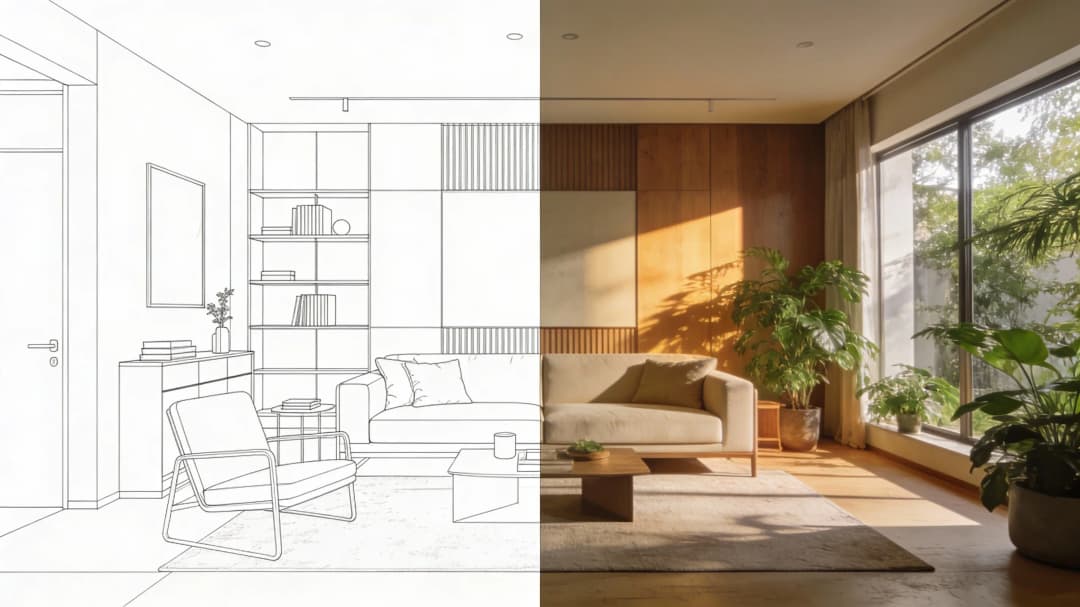
July 08, 2026
Designing Homes for Every Life Stage in 3D | VirtualSpaces
HHemanth Velury
CEO & Co-Founder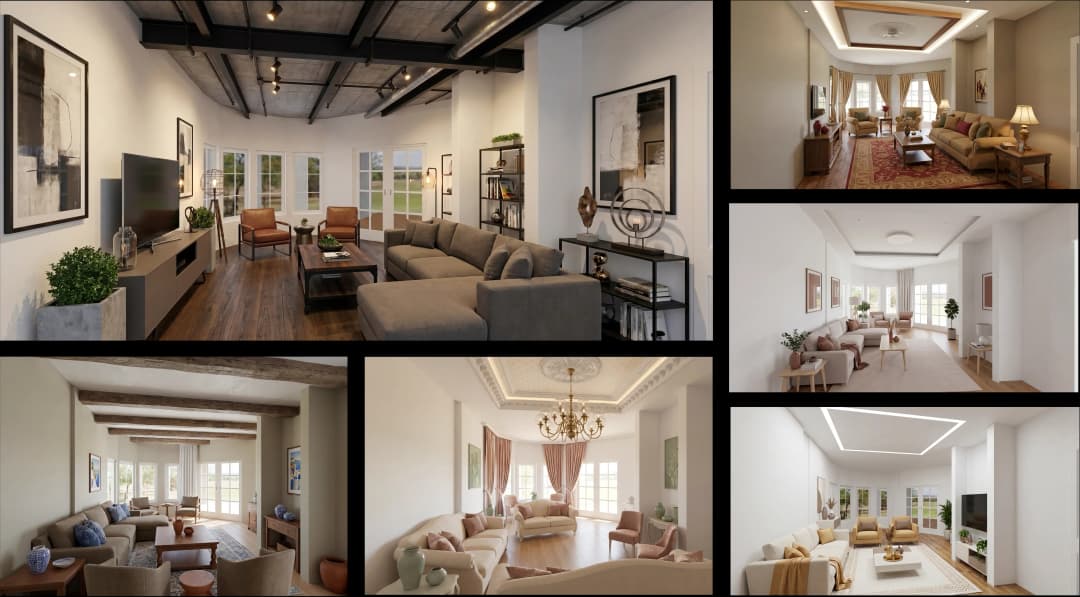
July 06, 2026
Build an Interior Design Portfolio Without Clients | VirtualSpaces
HHemanth Velury
CEO & Co-Founder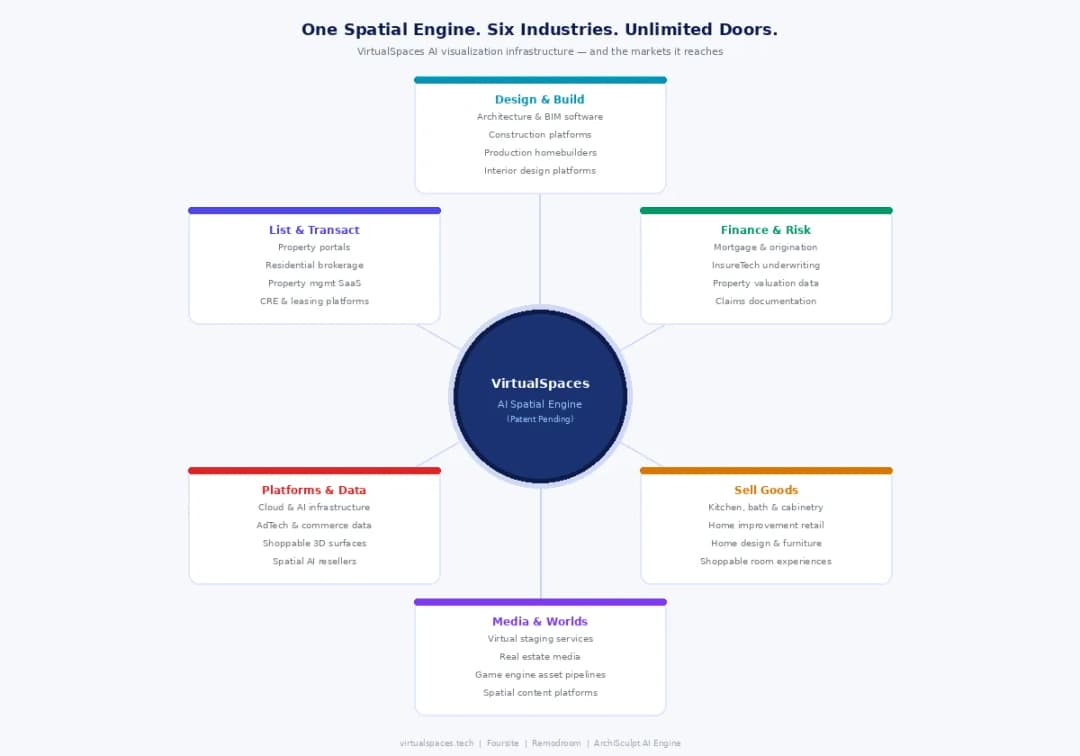
June 26, 2026
AI Interior Design: Full 3D Workflow in One Platform | VirtualSpaces
HHemanth Velury
CEO & Co-Founder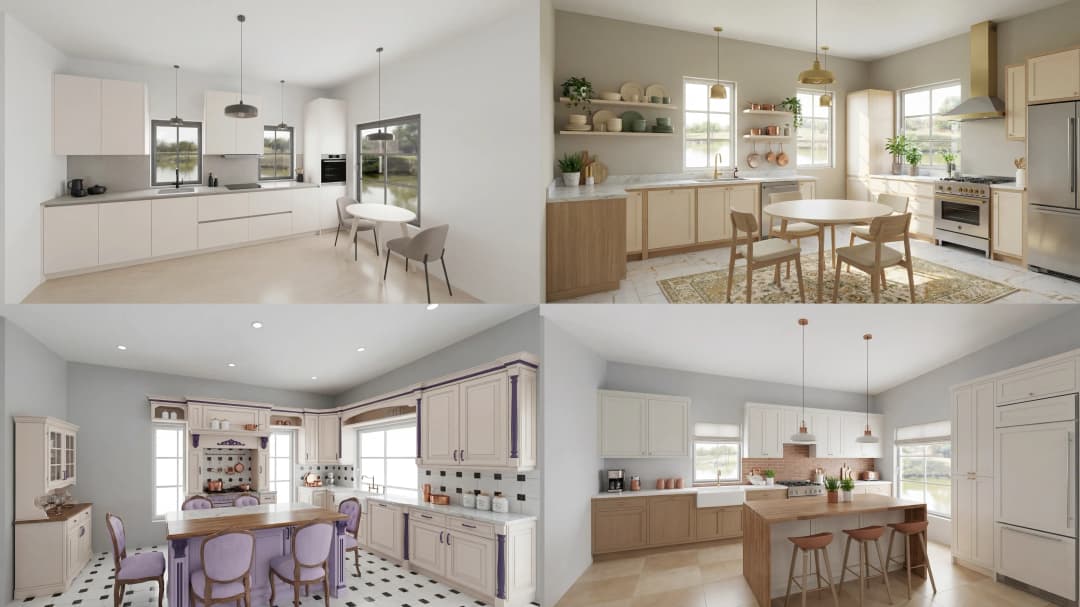
June 24, 2026
Scope Creep in Interior Design: How AI Visualization Fixes It | VirtualSpaces
HHemanth Velury
CEO & Co-Founder
June 22, 2026
What Buyers See on a Floor Plan: Your Biggest Sales Problem | VirtualSpaces
HHemanth Velury
CEO & Co-Founder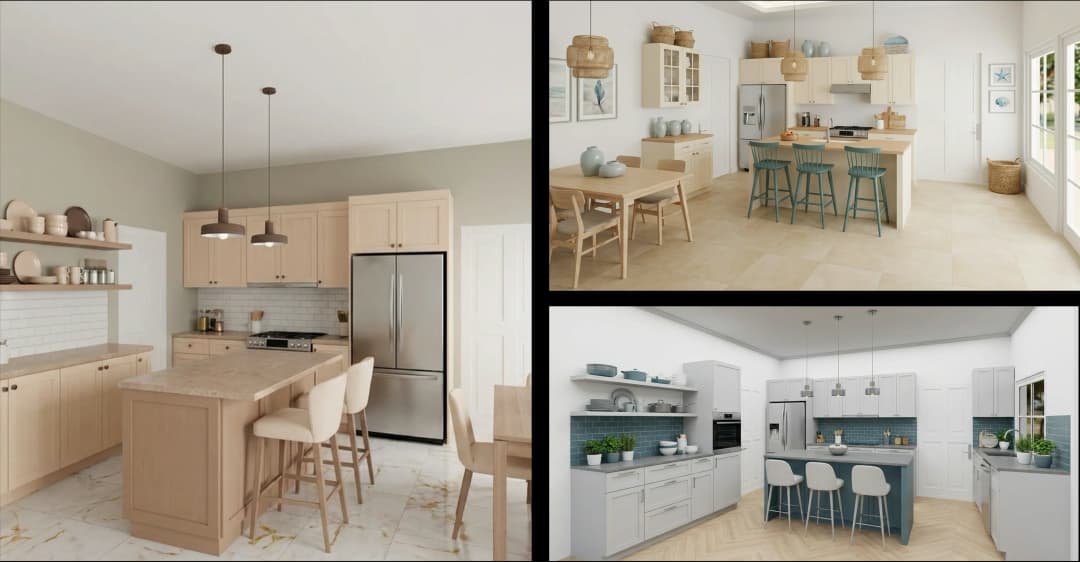
June 19, 2026
Small Design Studios vs Big Firms: The AI Advantage | VirtualSpaces
HHemanth Velury
CEO & Co-Founder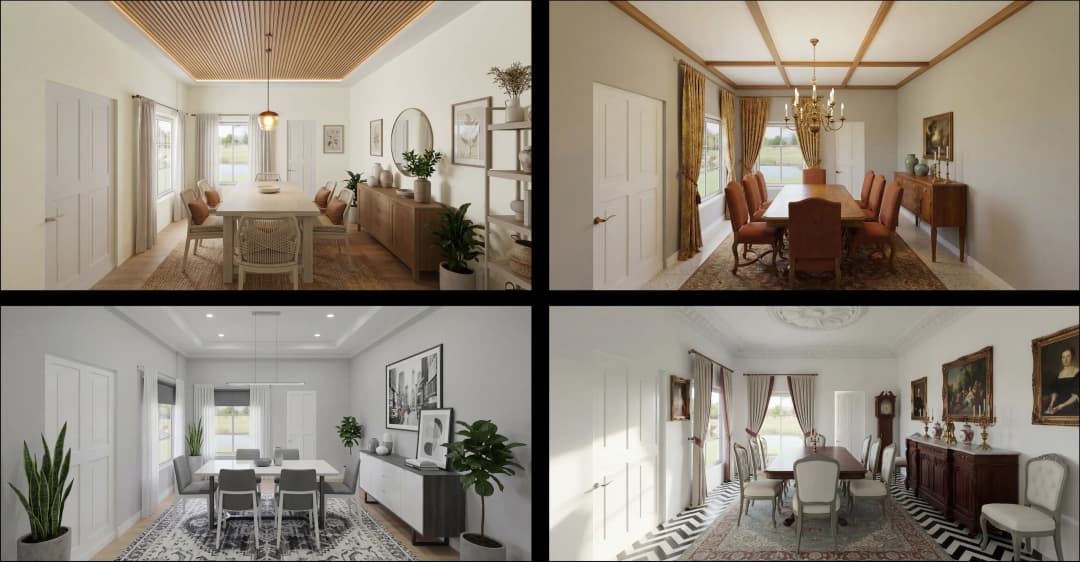
June 17, 2026
After the Mood Board: AI Interior Visualization | VirtualSpaces
HHemanth Velury
CEO & Co-Founder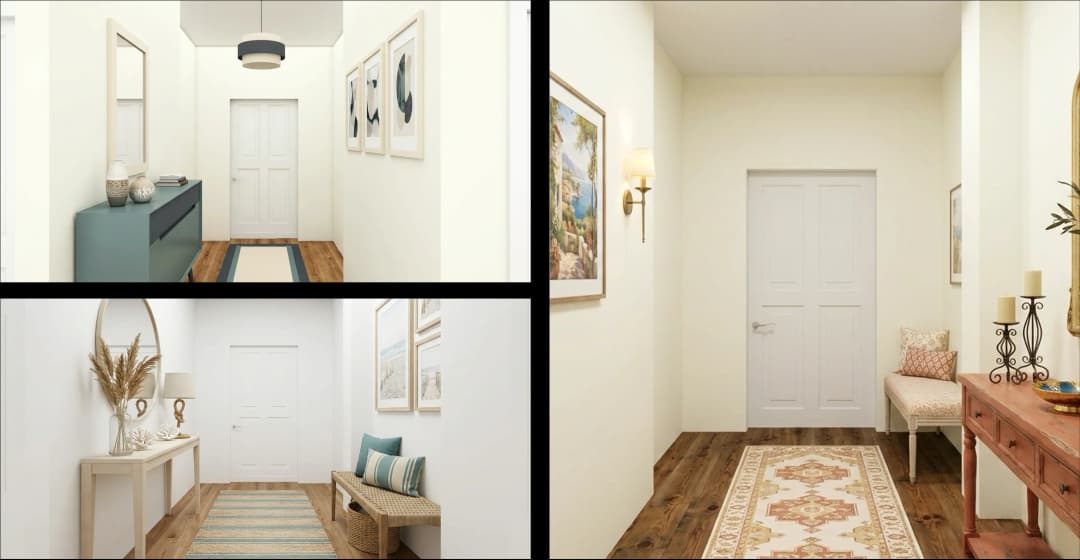
June 15, 2026
Foursite Pro Editor: Full Floor Plan Control for Designers | VirtualSpaces
HHemanth Velury
CEO & Co-Founder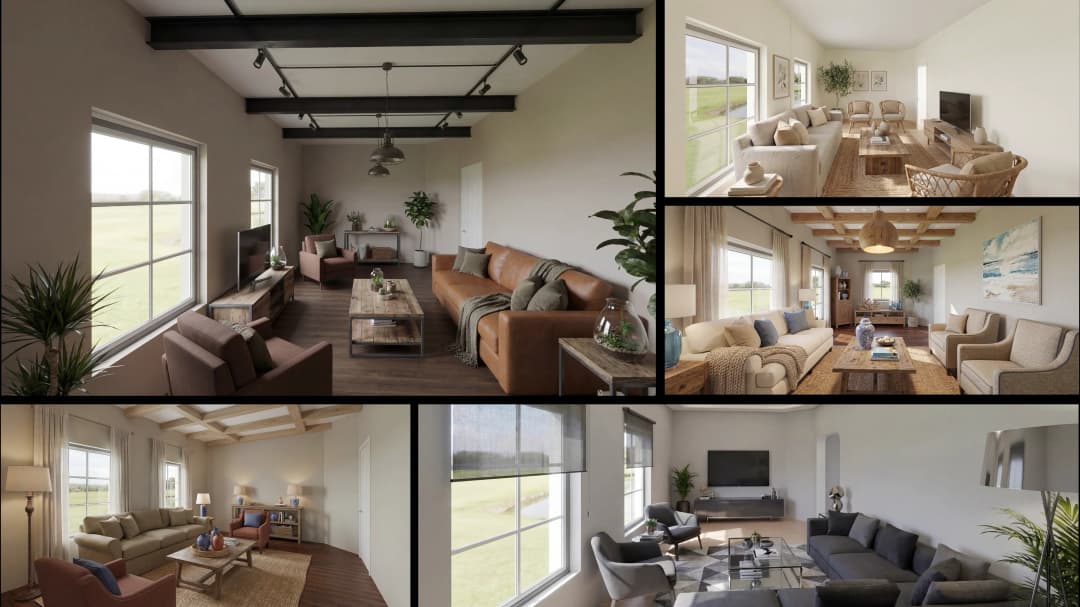
June 12, 2026
AI Interior Design: Style Any Room in Seconds with Foursite | VirtualSpaces
HHemanth Velury
CEO & Co-Founder
June 10, 2026
Foursite: Floor Plan to 3D Walkthrough in Minutes | VirtualSpaces
HHemanth Velury
CEO & Co-Founder
June 08, 2026
Win More Pitches With AI Renders Before the Meeting | VirtualSpaces
HHemanth Velury
CEO & Co-Founder
June 05, 2026
From Floor Plan to Finished Room: What AI Now Makes Possible | VirtualSpaces
HHemanth Velury
CEO & Co-Founder
June 03, 2026
The Interior Design Brief Is Broken. AI Fixes It | VirtualSpaces
HHemanth Velury
CEO & Co-Founder
June 01, 2026
Pre-Construction Home Sales: AI Interior Visualization Guide | VirtualSpaces
HHemanth Velury
CEO & Co-Founder
May 30, 2026
Interior Design Principles: Applied with AI | VirtualSpaces
HHemanth Velury
CEO & Co-Founder
May 28, 2026
Designing Spaces for People, Not Blueprints | VirtualSpaces
HHemanth Velury
CEO & Co-Founder
May 26, 2026
The Future of Interior Design: Closing the Visualization Gap with Foursite and Remodroom | VirtualSpaces
HHemanth Velury
CEO & Co-Founder
May 18, 2026
How AI Visualization Upgrades Property Data Platforms | VirtualSpaces
HHemanth Velury
CEO & Co-Founder
May 14, 2026
How AI-First Insurers Can Use 3D Property Data to Transform Home Claims | VirtualSpaces
HHemanth Velury
CEO & Co-FounderMay 12, 2026
Why Photoreal 3D Renders Are Replacing Mood Boards | Interior Design Client Presentations | VirtualSpaces
HHemanth Velury
CEO & Co-Founder
May 08, 2026
From 2D Floor Plans To Living Worlds: The Spec‑Accurate 3D Engine | VirtualSpaces
HHemanth Velury
CEO & Co-Founder
May 06, 2026
Why Furniture Brands Need AI 3D Visualization Now | VirtualSpaces
HHemanth Velury
CEO & Co-Founder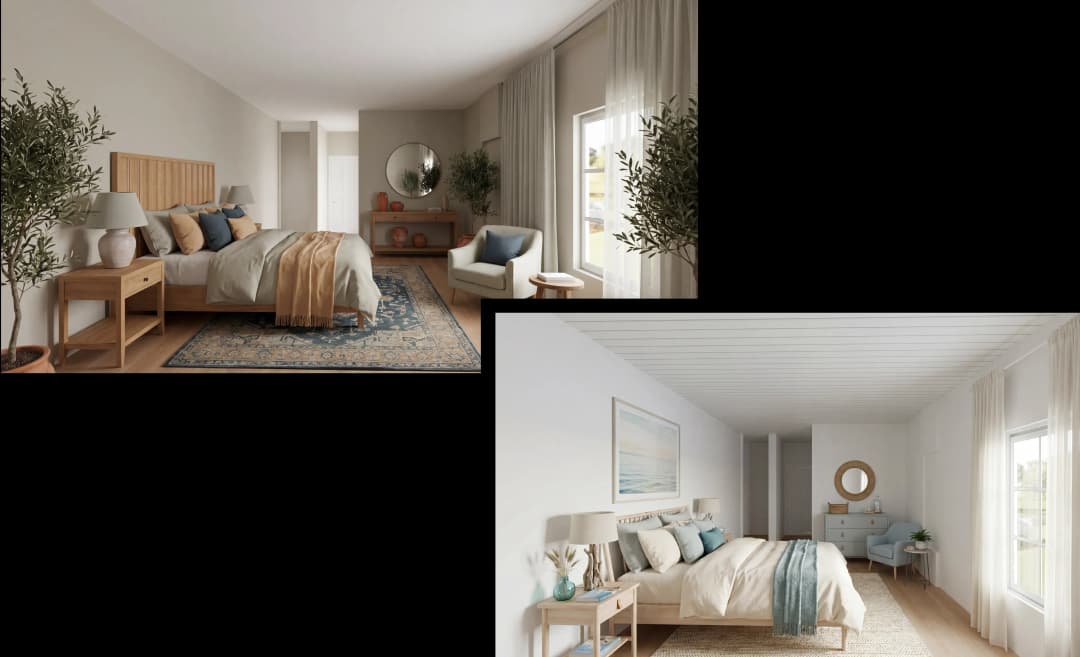
May 4, 2026
How Property Portals Can Turn 2D Floor Plans into 3D Design Decisions | VirtualSpaces
HHemanth Velury
CEO & Co-Founder
April 29, 2026
The Home-Fit Test: Why Square Footage Misleads | VirtualSpaces
HHemanth Velury
CEO & Co-Founder
April 27, 2026
Designing Homes That Sell: 3D Visualization ROI Data | VirtualSpaces
HHemanth Velury
CEO & Co-FounderApril 24, 2026
What's Next: Foursite & Remodroom's New AI Features | VirtualSpaces
HHemanth Velury
CEO & Co-Founder
April 22, 2026
AI in Architecture: Closing the 85% Exposure Gap | VirtualSpaces
HHemanth Velury
CEO & Co-Founder
April 20, 2026
Interior Design Pricing in 2026: From Hourly to Value-Based Fees | VirtualSpaces
HHemanth Velury
CEO & Co-FounderApril 17, 2026
How Foursite and Remodroom Help Designers Win Clients | VirtualSpaces
HHemanth Velury
CEO & Co-Founder
April 15, 2026
Designing Spaces for People: Remodroom + Foursite AI Guide | VirtualSpaces
HHemanth Velury
CEO & Co-Founder
April 13, 2026
Designing for the Way People Actually Live: How AI 3D Is Finally Closing the Gap Between Floor Plan and Reality
HHemanth Velury
CEO & Co-Founder
April 11, 2026
Design in Real Time: AI Renders in Your First Client Meeting
HHemanth Velury
CEO & Co-Founder
April 06, 2026
Why Real Estate Photography Is No Longer Enough: The Shift to Spatial-First Listings
HHemanth Velury
CEO & Co-Founder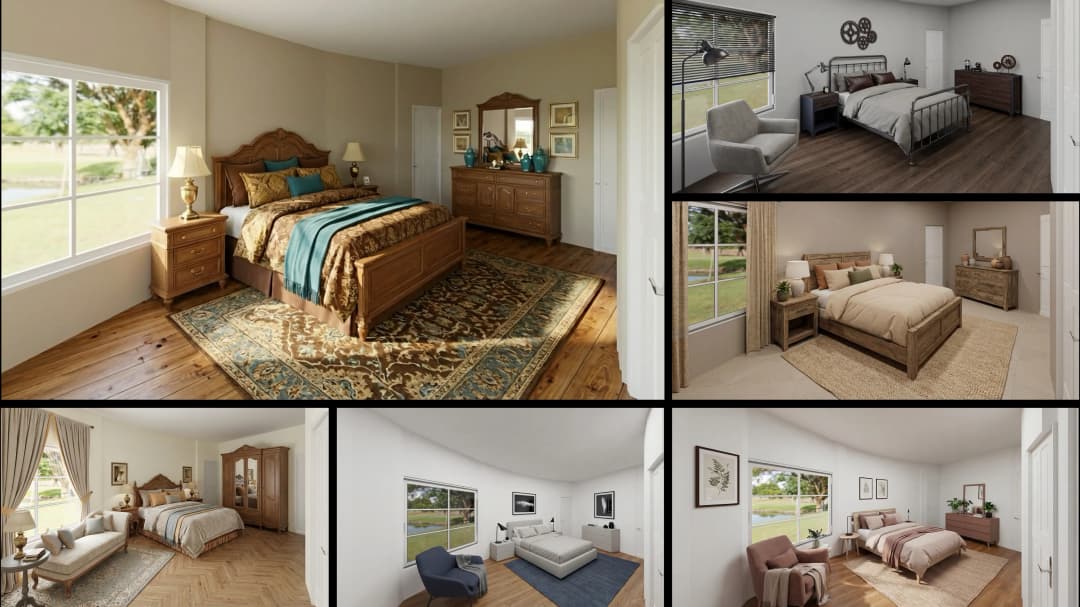
April 03, 2026
Property Management's Hidden Weapon: AI 3D Floor Plans That Cut Vacancy Time and Raise Tenant Quality
HHemanth Velury
CEO & Co-Founder
April 01, 2026
Off-Plan and Oversubscribed: How AI 3D Visualization Is Transforming Real Estate Pre-Sales
HHemanth Velury
CEO & Co-Founder
March 30, 2026
Why Foursite Beats Generic AI Tools for Interior Design 3D Visualization
HHemanth Velury
CEO & Co-Founder
March 27, 2026
7 Tenets of Interior Design: How AI Accelerates Harmony in Residential Spaces
HHemanth Velury
CEO & Co-Founder
March 25, 2026
What Is the 3-5-7 Rule in Interior Design? Foursite's AI Guide for Residential Spaces
HHemanth Velury
CEO & Co-Founder
March 20, 2026
How AI 3D Visualization Is Rewriting Residential Interior Design Workflows
HHemanth Velury
CEO & Co-Founder
March 18, 2026
Beyond Marketing: How 3D Floorplans Transform FM, Retrofit Planning & ESG Operations
HHemanth Velury
CEO & Co-Founder
March 16, 2026
Why AI Companies Use Token Payments (And Why VirtualSpaces Is Returning To Fiat)
HHemanth Velury
CEO & Co-Founder
March 13, 2026
Floorplan‑Native Digital Twins: Beyond BIM for Consumer‑Ready Real Estate Experiences
HHemanth Velury
CEO & Co-Founder
March 11, 2026
The Foursite Platform Thesis: Why Floor Plans, Not Photos, Are the Next Property Software Primitive
HHemanth Velury
CEO & Co-Founder
March 09, 2026
Design Systems for Space: Building Reusable 3D Component Libraries on Top of AI Floorplan‑to‑3D Engines
HHemanth Velury
CEO & Co-Founder
March 06, 2026
How to Standardize Design Quality Across Global Projects Using AI Floorplan-to-3D Tools
HHemanth Velury
CEO & Co-Founder
March 04, 2026
From CAD-First to AI-First: Reskilling Your Team for AI-Native Design Workflows
HHemanth Velury
CEO & Co-Founder
March 02, 2026
Algorithmic Ergonomics Meets Photorealistic 3D: Designing Human-Centered Smart Homes with Foursite in 2026
HHemanth Velury
CEO & Co-Founder
February 27, 2026
The Ethics of AI in Interior Design: Ownership, Originality, and Client Transparency
HHemanth Velury
CEO & Co-Founder
February 25, 2026
Designing with Empathy: Using AI 3D Visualization to Improve Client Communication and Emotional Clarity
HHemanth Velury
CEO & Co-Founder
February 23, 2026
From Tool to Infrastructure: AI Floorplan-to-3D and the Next Wave of PropTech
HHemanth Velury
CEO & Co-Founder
February 20, 2026
AI Interior Design for Holiday Homes: Turn Spare Flats into High-Demand Short-Stay Rentals with 3D Visuals
HHemanth Velury
CEO & Co-Founder
February 18, 2026
The Pre‑Purchase Power Play: How Savvy Home Buyers Use 3D Floor Plan Visualization to Negotiate Better Deals
HHemanth Velury
CEO & Co-FounderFebruary 16, 2026
AI Interior Design for Non‑Designers: How Homeowners Can Brief Like Pros
HHemanth Velury
CEO & Co-Founder
February 13, 2026
Scaling a Design Business Without Hiring a 3D Team: An Owner's Guide
HHemanth Velury
CEO & Co-Founder
February 11, 2026
From Bland to Bold: How to Rescue Builder-Grade Interiors on Any Budget
HHemanth Velury
CEO & Co-Founder
February 6, 2026
The Psychology of Space: How Room Dimensions Influence Interior Design Decisions
HHemanth Velury
CEO & Co-Founder
February 4, 2026
The Future of Interior Design Visualization: How AI Technology is Transforming 2D Concepts Into 3D Reality
HHemanth Velury
CEO & Co-Founder
February 2, 2026
AI Interior Décor: How Artificial Intelligence Generates Design Options from Your Floor Plan
HHemanth Velury
CEO & Co-Founder
January 30, 2026
Photoreal vs. Reality: What Clients Actually Expect from Interior Design Visualization
HHemanth Velury
CEO & Co-Founder
January 28, 2026
The Design Approval Conversation That Changes Everything: Communication Strategy When Using Photorealistic Visualization
HHemanth Velury
CEO & Co-Founder
January 25, 2026
Interior Design as Experience Design: How 3D Visualization Changes Your Professional Identity
HHemanth Velury
CEO & Co-Founder
January 23, 2026
The Professional Gap: How 3D Visualization Changes Interior Design Client Perception
HHemanth Velury
CEO & Co-Founder
January 21, 2026
Why Clients Fire Designers (And How 3D Visualization Could Have Saved the Project)
HHemanth Velury
CEO & Co-Founder
January 16, 2026
Blueprint to Vision: Why Seeing Is Believing in Interior Design
HHemanth Velury
CEO & Co-Founder
January 14, 2026
The Speed of Responsiveness: How AI Visualization Tools Make You Look Like You Care More
HHemanth Velury
CEO & Co-Founder
January 12, 2026
Why Interior Designers and Architects Can't Compete Without AI 3D Visualization Tools
HHemanth Velury
CEO & Co-Founder
January 07, 2026
From "Saved" to "Sold": How Homeowners Are Planning Renovations with AI
HHemanth Velury
CEO & Co-Founder
January 05, 2026
The Interior Designer's Secret Weapon: Speed as Premium Positioning
HHemanth Velury
CEO & Co-Founder
December 31, 2025
Gratitude, Growth & Game-Changing Innovation: VirtualSpaces' 2025 Journey & What's Coming in 2026
HHemanth Velury
CEO & Co-Founder
December 29, 2025
Why Interior Designers Are Switching to AI Floor Plan-to-3D Tools in 2026
HHemanth Velury
CEO & Co-Founder
December 26, 2025
AI Virtual Staging for Real Estate Agents: Sell More Homes Faster with Foursite
HHemanth Velury
CEO & Co-Founder
December 24, 2025
Why Architects Are Switching to AI 2D-to-3D: The SketchUp Alternative
HHemanth Velury
CEO & Co-Founder
December 22, 2025
Cut 3 Weeks from Real Estate Sales Cycle: The ROI of AI 2D to 3D Visualization
HHemanth Velury
CEO & Co-Founder
December 19, 2025
2D Floor Plans Are Dying: Why 3D Visualization & AI Virtual Staging Are the Future
HHemanth Velury
CEO & Co-Founder
December 17, 2025
Virtual Staging vs Physical Staging: How AI Saves Money Per Property
HHemanth Velury
CEO & Co-Founder
December 15, 2025
AI Floor Plan to Image: Revolutionizing Real Estate Marketing for Agents
HHemanth Velury
CEO & Co-Founder
December 12, 2025
Color of the Year 2026: Cloud Dancer | VirtualSpaces AI Interior Design Guide
HHemanth Velury
CEO & Co-Founder
December 10, 2025
AI Floor Plan to 3D: The New Standard for Interior Design Workflows
HHemanth Velury
CEO & Co-Founder
December 08, 2025
How Interior Design Studios Can Operationalize AI 2D-to-3D Workflows (Without Breaking Their Process)
HHemanth Velury
CEO & Co-Founder
December 06, 2025
How to Implement AI Interior Design Workflows in Your Studio
HHemanth Velury
CEO & Co-Founder
December 4, 2025
How Homeowners Can Use AI Interior Design Tools to Plan Renovations with Confidence
HHemanth Velury
CEO & Co-Founder
November 28, 2025
Interior Designers in the Age of AI: From Threat Narrative to Superpower
HHemanth Velury
CEO & Co-Founder
November 21, 2025
Foursite Launch: Embracing 'Release Early, Release Often'
HHemanth Velury
CEO & Co-Founder
November 13, 2025
Foursite by VirtSpaces: Empowering Interior Designers, Architects, and Homeowners
HHemanth Velury
CEO & Co-Founder
November 7, 2025
Reimagining Architectural Education: How AI Floorplan-to-3D Technology Can Transform Design Learning
VVirtualSpaces Research Labs
AI Research Initiative
October 27, 2025
Archisculpt AI: Turning Architectural Drawings into Photorealistic 3D Spaces
AAbhijeet Naik
Co-Founder & CTO
October 13, 2025
Home Makeover: From Floor Plan to Dream Space with AI
HHemanth Velury
CEO & Co-Founder
October 6, 2025
Real-Time Rendering & AI: Revolutionizing Interactive Property Walkthroughs with VirtSpaces
HHemanth Velury
CEO & Co-Founder
September 26, 2025
Foursite - A True AI-Native Experience in Design Visualization
AAbhijeet Naik
CTO & Co-Founder
September 18, 2025
Why PropTech Startups Are Betting on AI Interior Design
HHemanth Velury
CEO & Co-Founder
September 11, 2025
How AI Differs from Traditional 3D Rendering Software
HHemanth Velury
CEO & Co-Founder
September 2, 2025
From Client to Investor: How Nila Spaces and VirtSpaces Are Redefining Proptech with AI
HHemanth Velury
CEO & Co-Founder
August 25, 2025
VirtSpaces From Virtual Reality to AI – Transforming Real Estate Visualization.
HHemanth Velury
CEO & Co-Founder


We help teams collaborate seamlessly and reduce costs. Virtual Spaces offers cutting-edge technology with flexible plans designed to fit modern teams.
Copyright © VirtSpaces Pvt. Ltd. 2025 All Rights Reserved.
CIN: U74999KA2016PTC094921