
March 25, 2026
- Interior Design
- AI Technology
- Real Estate
What Is the 3-5-7 Rule in Interior Design? Foursite's AI Guide for Residential Spaces
Hemanth Velury
CEO & Co-FounderWhy the 3-5-7 Rule Matters in an AI-First Design World
The 3-5-7 rule is a simple interior design principle: group objects in sets of three, five, or seven to create compositions that feel balanced, intentional, and visually engaging. It sounds almost too basic until you pair it with AI tools like Foursite by VirtualSpaces that can turn 2D floor plans and Blueprints into immersive 3D visualization and photoreal interior design renders in minutes.
For residential interior designers, that pairing is where the business model starts to shift. Instead of fighting software, outsourcing every render, and waiting days for revisions, you can move from blueprint to 3D, run AI interior design and AI interior décor variations at scale, and use the 3-5-7 rule as a creative "operating system" that AI augments, not replaces.
What Is the 3-5-7 Rule in Interior Design?
At its core, the 3-5-7 rule (sometimes called the "rule of odd numbers") says that decor and styling elements look more natural and dynamic when they're grouped in odd-numbered sets: Three, five, or seven, rather than in rigid, even pairs. Our brains read these odd clusters as more organic and less staged, which makes a console, coffee table, or shelf instantly more interesting without adding more stuff.
Designers use the rule at multiple scales in a residential home: three main focal pieces in a living room, five key materials across a palette, seven small décor items to tell a story on a bookshelf. It's not a law, but a flexible framework that helps you avoid visual clutter while still layering richness, texture, and personality into real homes not show flats or short‑term rentals.
Applying 3-5-7 in Real Homes (Not Showrooms)
In residential interiors, the 3-5-7 rule shows up in dozens of everyday decisions:
- Three anchors: sofa, rug, and hero artwork in a living room.
- Five supporting elements: an accent chair, coffee table, floor lamp, side table, and media unit.
- Seven small details: plants, candles, books, trays, and personal objects that make the space feel lived‑in.
Stylists use 3-5-7 to curate shelves, bedside tables, dining buffets, and gallery walls so they look intentionally styled but still relaxed. Because the rule is about perception, not brand names, it travels well across budgets: from compact apartments in Bengaluru to larger villas, so long as you're working with real residents and their constraints, not staging for short‑stay platforms.
What gets interesting is when you stop thinking of 3-5-7 as just "how many vases go on the console" and start seeing it as a way to structure choices that AI can help you explore faster.
Where Designers Lose Time and Margin Today
Most residential interior designers know the creative answer long before the software catches up. The real friction sits in the pipeline:
- 2D floor plans arrive as PDFs, screenshots, or slightly skewed scans.
- You or your team rebuild them in CAD to get usable 2D floor plans.
- Someone else extrudes to 3D in another tool.
- A visualization studio or freelancer turns that shell into interior design 3D visualization and photoreal renders.
- Every client change triggers a round of re-exports, markups, and outsourced revisions.
Each hand-off adds cost, latency, and opportunities for miscommunication. Virtual staging and AI virtual staging already proved that digital workflows can be faster and cheaper than physical staging for marketing images in residential real estate. But a lot of interior design studios are still running "CAD-first" pipelines that were designed for an era before AI visualization and AI 3D visualization were even possible at consumer hardware levels.
The result: slow turnarounds, squeezed margins, and a creative process that's constantly waiting on someone else's render queue.
Enter Foursite: From 2D to 3D in a Single Pipeline
Foursite is built to collapse that entire chain for residential projects. Instead of juggling four or five different tools, designers upload 2D floor plans or Blueprints and let the platform convert floor plan to 3D and convert blueprint to 3D automatically.
Under the hood, Foursite parses 2D floor plans, reconstructs walls, doors, and windows, and builds a navigable 3D shell that requires no traditional CAD or 3D skills to use. From there, you can:
- Move from 2D to 3D in minutes using blueprint to 3D and floor plan to 3D workflows.
- Apply AI interior design and AI interior décor presets to generate full room schemes.
- Use AI virtual staging and Virtual Staging workflows to furnish empty rooms digitally.
- Produce interior design renders and interior design photoreal renders from any viewpoint.
Because everything happens inside one 3D Visualization environment, you avoid exporting and importing across multiple apps. That alone reduces software hand-offs and outsourcing costs for visualization, particularly in residential studios that previously relied on external CGI vendors.
How AI Makes the 3-5-7 Rule Actionable at Scale
On its own, the 3-5-7 rule is a mental model. In Foursite, it becomes a rapid experimentation engine.
Imagine a standard living room for a residential client:
- You upload the client's 2D floor plans or Blueprints into Foursite.
- The system runs 2D to 3D and blueprint to 3D conversion, building the space automatically.
- You pick a base layout using AI interior design: Sofa, rug, media unit, and signature art as your "3."
- You layer in AI interior decor and Virtual Staging variations to test five medium‑scale elements: accent chair, coffee table, sideboard, floor lamp, and a feature wall treatment.
- You finish with seven small styling elements like plants, books, lamps, cushions, and objects using AI visualization and AI 3D visualization to see how they read from multiple angles.
Because Foursite can generate interior design 3D visualization and photoreal interior design renders in minutes, you aren't forced to pick one route and hope it lands. You can show two or three fully resolved 3-5-7 compositions side by side: same shell, same budget, but different stories about how the client might live there.
The rule acts as a constraint that keeps options legible and human; the AI acts as a multiplier that lets you explore those options without burning days of manual modeling.
Faster Turnarounds, Higher Effective Revenue
From a studio economics perspective, that shift matters more than the novelty of any single render.
Traditional visualization workflows often mean designers either absorb the cost of multiple iterations or pass them on and risk sticker shock. AI virtual staging platforms have shown that AI can cut per‑image costs and delivery times dramatically for real estate marketing images. Foursite extends that logic upstream into the design process itself, starting from floor plans instead of photos.
When you convert floor plan to 3D and convert blueprint to 3D in a single environment, you:
- Reduce billable hours spent on low‑leverage drafting work.
- Free up senior designers to stay in "editor mode" instead of "production mode."
- Increase the number of residential projects you can run in parallel because renders no longer block decisions.
The result is a higher effective hourly rate without raising your fees. You're selling the same project scope, but you're spending less time fighting files and more time exercising judgment, which is the part clients are actually paying for.
Reducing Software and Outsourcing Sprawl
Many interior studios quietly carry a heavy stack of software subscriptions and freelancer relationships: CAD tools for 2D floor plans, separate modeling tools for 3D, rendering engines, Photoshop, and specialized visualization boutiques for hero shots.
By starting with 2D floor plans and Blueprints and going straight to 3D Visualization and interior design photoreal renders, Foursite consolidates that tech stack. Interior design renders, quick AI virtual staging passes, and marketing‑grade visuals all live in the same pipeline.
For a practice owner, that has three direct implications:
- Fewer licenses and training paths to manage across the team.
- Less dependency on a small pool of external visualizers whose timelines you don't control.
- A more predictable gross margin on design packages, because visualization is no longer a volatile cost center.
In other words, AI doesn't just make rooms look better; it makes studios run more like product companies: Repeatable, measurable, and scalable.
Using AI as a Pre‑Sales Engine for Residential Projects
One of the underused powers of AI interior design is in pre‑sales. In residential real estate and interiors, the designer who helps a homeowner "see it" first usually wins the mandate, often before a detailed budget or GFC drawings exist.
AI virtual staging tools in the real estate world already show that staged homes photograph better and sell faster than empty ones. Foursite adapts that principle for design practices: you can sit in an initial discovery meeting, upload the client's 2D floor plans, run 2D to 3D conversion, and generate interior design 3D visualization options while the conversation is still warm.
A typical pre‑sales flow might look like this:
-
The homeowner emails their floor plans ahead of your first call.
-
You convert floor plan to 3D in Foursite and prepare two or three AI interior décor concepts, each structured around a different 3-5-7 narrative.
-
During the meeting, you live‑edit variations like swapping materials, testing alternative "3" anchors or "5" supporting elements using AI 3D visualization tools.
-
You leave the client with a small deck of interior design renders and photoreal interiors they can immediately react to.
Instead of an abstract mood board and a verbal promise, they see their actual home from Blueprints to 3D to styled, believable rooms, on day one. That speed builds trust and dramatically shortens decision cycles, which is exactly where design revenue is often lost.
3-5-7 as a Language Between Humans and AI
There is a deeper reason the 3-5-7 rule pairs so well with platforms like Foursite.
Odd‑numbered groupings give designers a clear, human‑readable way to brief AI systems: "Give me three anchor pieces, five supporting moves, seven details." Cognitive research and practice both show that odd-number clusters create more dynamic, natural compositions than evenly paired sets. When you translate those constraints into prompts and presets, AI visualization tools become far less random and more aligned with how designers already think.
Instead of clicking through infinite, unstructured AI interior design outputs, you can:
- Lock in your "3" as non‑negotiables: structural layout moves, key furniture, and a hero material.
- Use the "5" for experimentation: alternative chairs, tables, lighting schemes, and storage strategies.
- Reserve the "7" for personalisation: books, art, textiles, and plants that reflect the actual residents.
The machine explores the combinatorics; you curate the narrative. That division of labor is what allows AI to augment, not flatten, design practice.
Why This Matters to the Future of Residential Design
Stepping back, the combination of a simple rule like 3-5-7 and a platform like Foursite hints at where residential interior design is heading.
Floor plans become the primary data primitive for decisions, not just a technical artifact on the way to a render.
- AI interior decor, AI visualization, and AI 3D visualization move from being "nice to have" add‑ons to the default way studios explore options.
- Virtual Staging is no longer just a marketing layer for brokers, it becomes a fast, iterative prototyping layer for designers and homeowners.
- Interior design 3D visualization and photoreal renders stop being rare, expensive milestones and become a continuous, conversational surface for decision‑making.
For designers, the opportunity is to build practices that are more profitable, more scalable, and more fun to run: less time rebuilding 2D floor plans, more time setting the rules of the game. For investors watching the space, the opportunity is a category shift: From services constrained by billable hours to software‑augmented studios where IP, data, and workflows compound over time.
And for homeowners, the benefit is simple: better‑designed homes, delivered faster, at price points that make good design feel like a default, not a luxury.
Bringing It All Together
Used alone, the 3-5-7 rule is a helpful styling trick you can apply to shelves and sofas. Used inside an AI‑first workflow powered by Foursite and VirtualSpaces, it becomes part of a larger operating system for residential design: one where Blueprints, 2D floor plans, and floor plans flow through a 2D to 3D pipeline, into AI virtual staging, AI interior design, and AI interior décor, and out the other side as interior design renders and photoreal visualizations ready to close clients and drive revenue.
The designers who will thrive in that world are not the ones who fear AI, but the ones who treat it as a collaborator: fast, tireless, and happy to explore every 3-5-7 combination you can imagine so you can stay focused on the one thing no algorithm can fake yet: taste.
PS: some features may not be available and are a part of our future product roadmap
Recommended for you

August 19, 2026
The End of the Model Home? 3D Changes the Math | VirtualSpaces
HHemanth Velury
CEO & Co-Founder
August 17, 2026
Designing Spaces That Actually Get Built | VirtualSpaces
HHemanth Velury
CEO & Co-Founder
August 12, 2026
Designing Homes for the Stuff People Actually Own | VirtualSpaces
HHemanth Velury
CEO & Co-Founder
August 07, 2026
Floor Plan to Bill of Materials: The 3D Model as Data | VirtualSpaces
HHemanth Velury
CEO & Co-Founder.png&w=1080&q=75)
August 05, 2026
Designing Homes for How People Actually Live | VirtualSpaces
HHemanth Velury
CEO & Co-Founder
August 03, 2026
Honest by Design: Trust in AI Real Estate Imagery | VirtualSpaces
HHemanth Velury
CEO & Co-Founder
July 29, 2026
Kitchen and Bath: The Two Rooms That Decide Resale | VirtualSpaces
HHemanth Velury
CEO & Co-Founder
July 27, 2026
Why Empty Rooms Don't Sell: Virtual Staging | VirtualSpaces
HHemanth Velury
CEO & Co-Founder
July 24, 2026
The Quiet Sustainability Win of Deciding in 3D | VirtualSpaces
HHemanth Velury
CEO & Co-Founder
July 22, 2026
Why Paint Swatches Lie: Test Color in 3D First | VirtualSpaces
HHemanth Velury
CEO & Co-Founder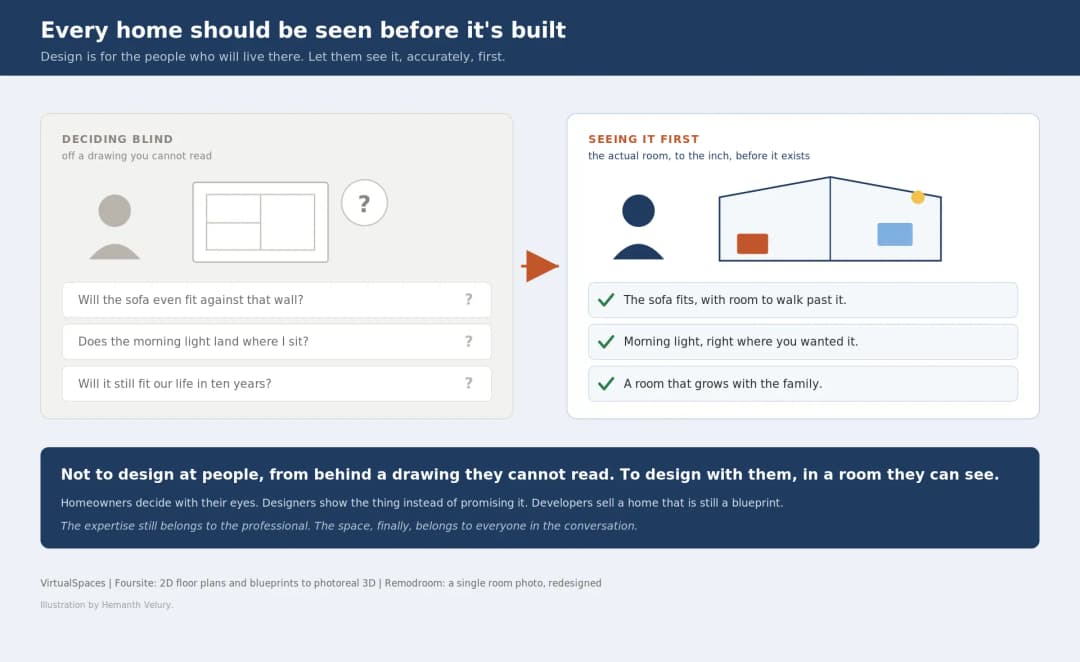
July 20, 2026
Why Every Home Should Be Seen Before It's Built | VirtualSpaces
HHemanth Velury
CEO & Co-Founder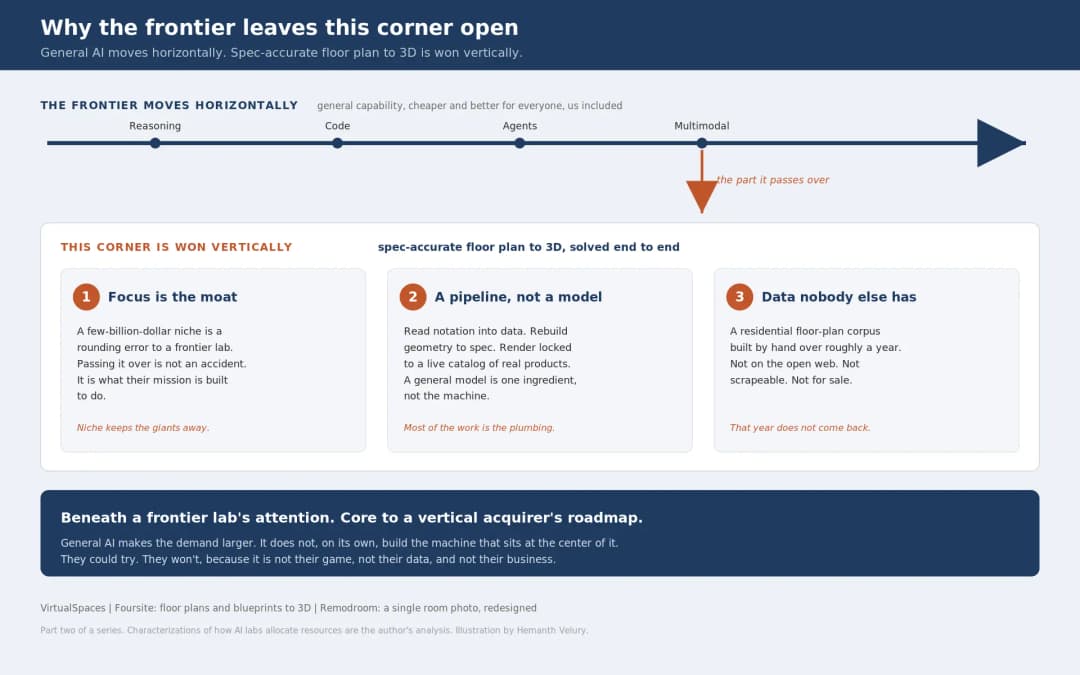
July 17, 2026
Why Big AI Labs Won't Build Floor Plan to 3D | VirtualSpaces
HHemanth Velury
CEO & Co-Founder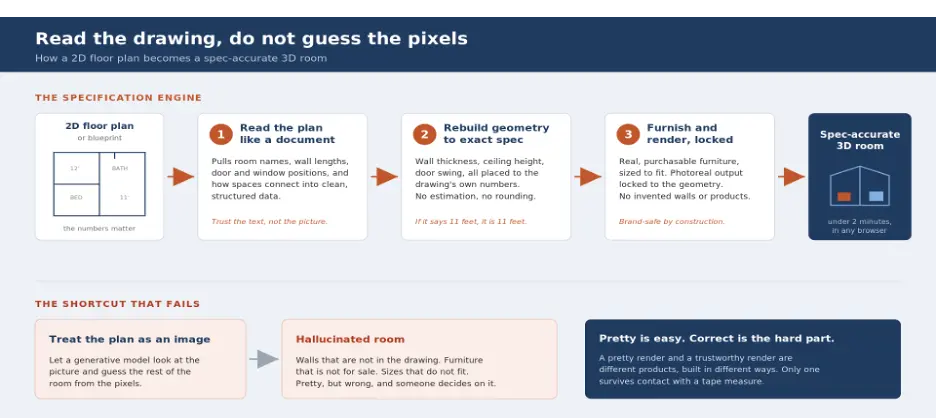
July 15, 2026
How We Solve Floor Plan to 3D, Accurately | VirtualSpaces
HHemanth Velury
CEO & Co-Founder
July 13, 2026
Designing Homes That Age With the People in Them | VirtualSpaces
HHemanth Velury
CEO & Co-Founder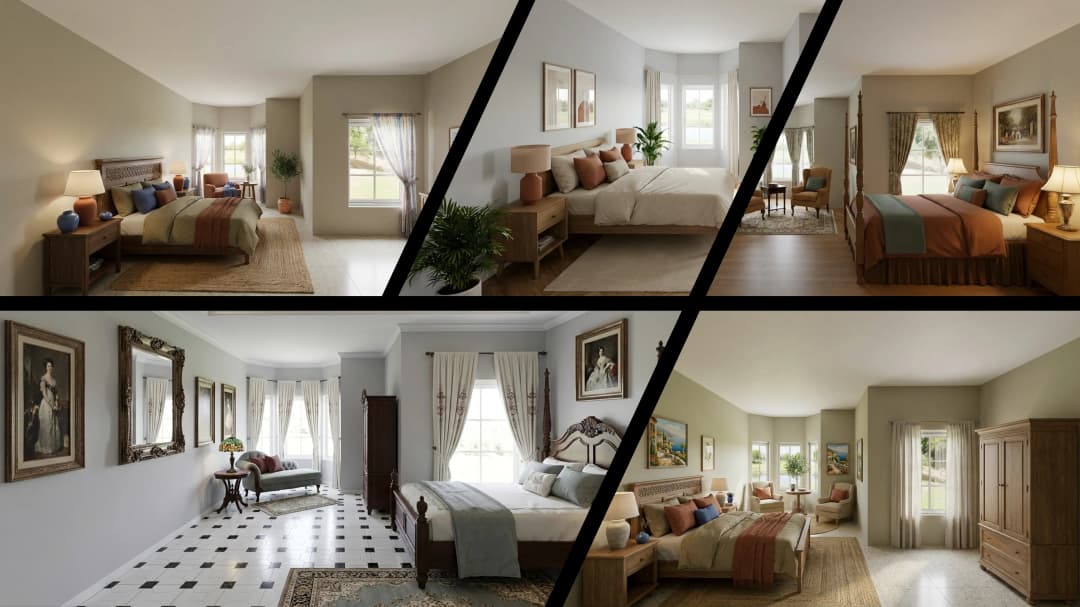
July 10, 2026
Designing Spaces for How Light Actually Moves | VirtualSpaces
HHemanth Velury
CEO & Co-Founder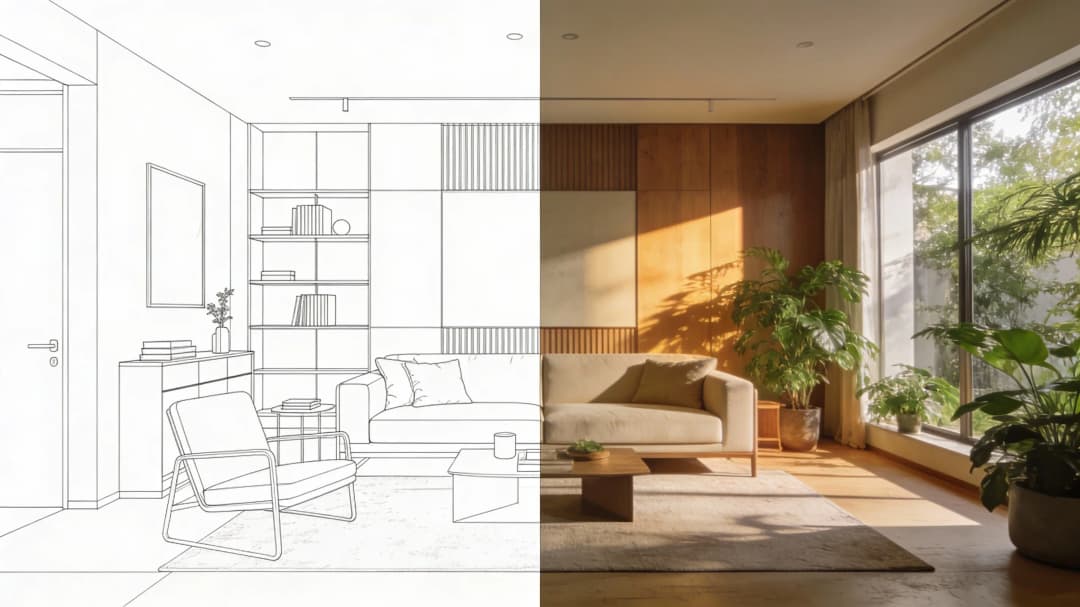
July 08, 2026
Designing Homes for Every Life Stage in 3D | VirtualSpaces
HHemanth Velury
CEO & Co-Founder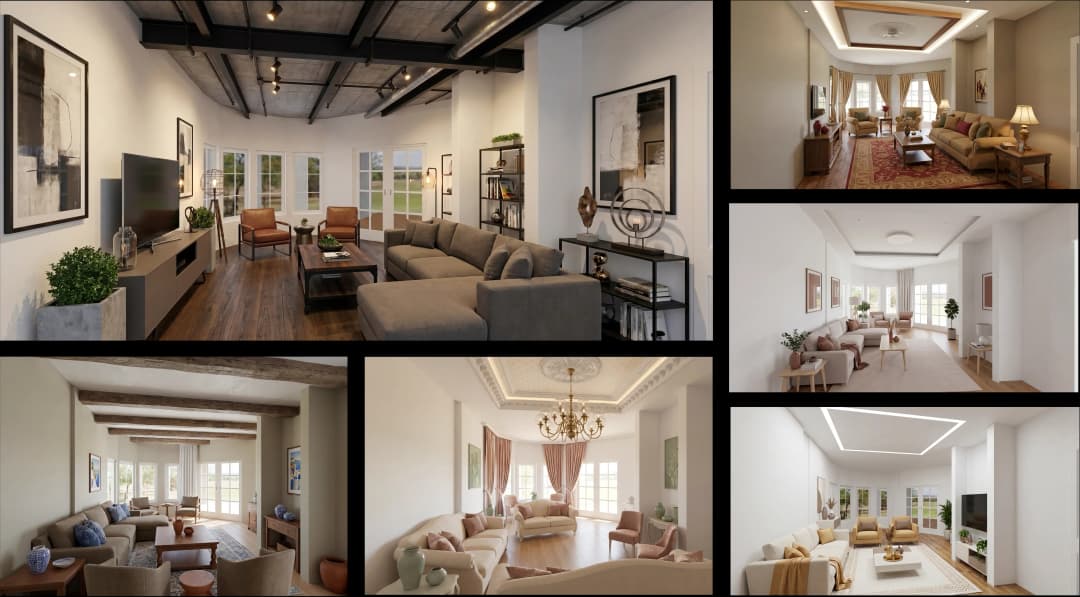
July 06, 2026
Build an Interior Design Portfolio Without Clients | VirtualSpaces
HHemanth Velury
CEO & Co-Founder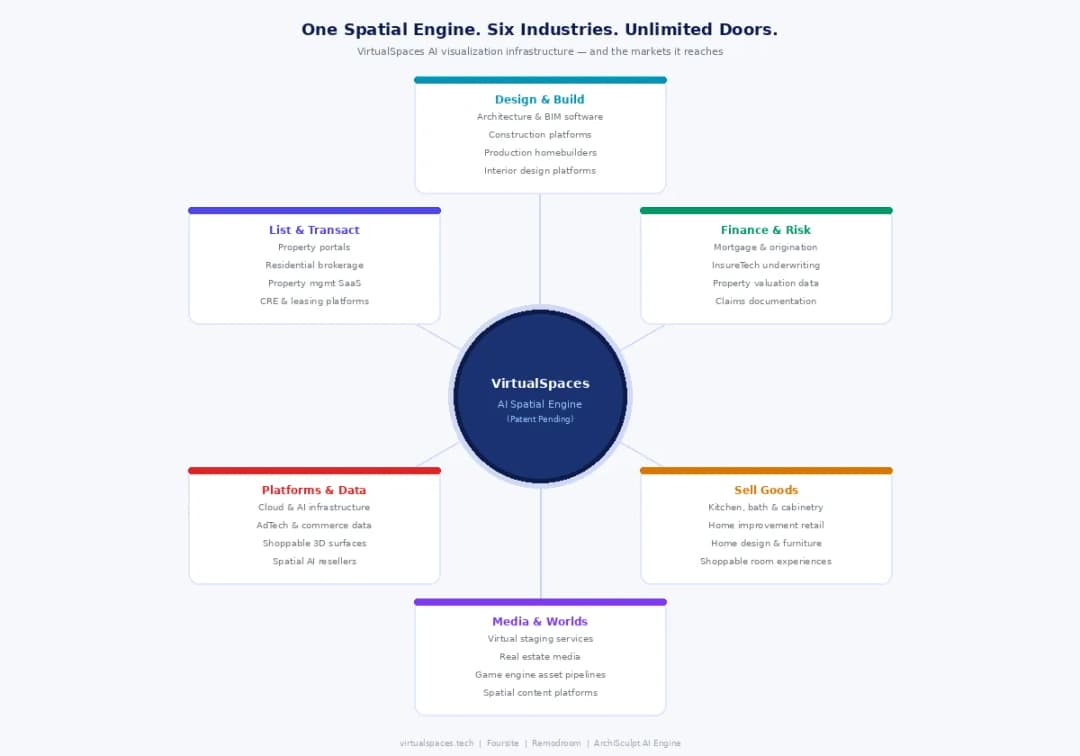
June 26, 2026
AI Interior Design: Full 3D Workflow in One Platform | VirtualSpaces
HHemanth Velury
CEO & Co-Founder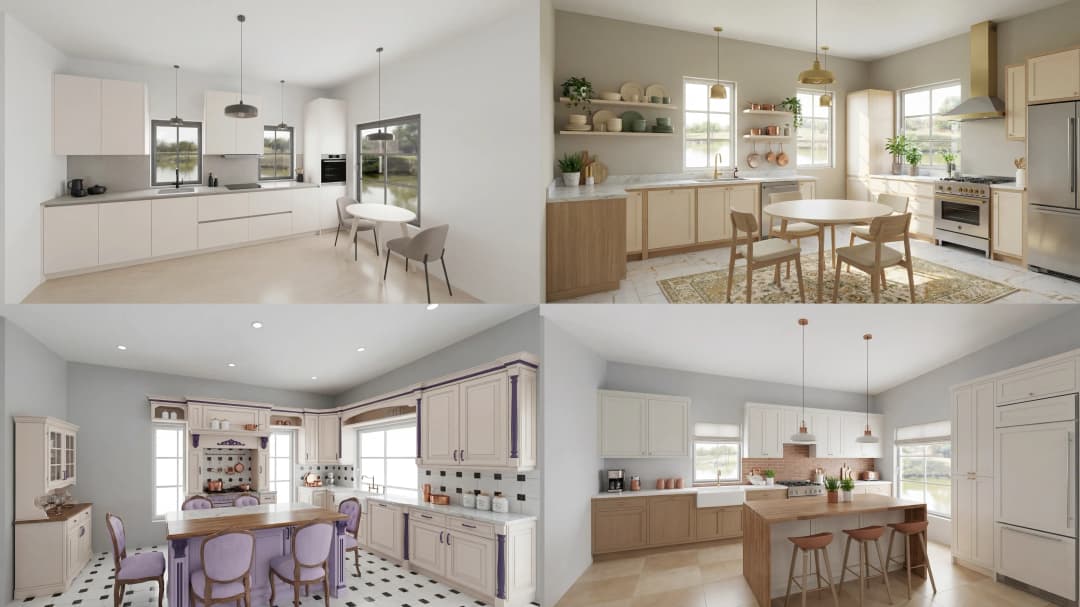
June 24, 2026
Scope Creep in Interior Design: How AI Visualization Fixes It | VirtualSpaces
HHemanth Velury
CEO & Co-Founder
June 22, 2026
What Buyers See on a Floor Plan: Your Biggest Sales Problem | VirtualSpaces
HHemanth Velury
CEO & Co-Founder
June 19, 2026
Small Design Studios vs Big Firms: The AI Advantage | VirtualSpaces
HHemanth Velury
CEO & Co-Founder
June 17, 2026
After the Mood Board: AI Interior Visualization | VirtualSpaces
HHemanth Velury
CEO & Co-Founder
June 15, 2026
Foursite Pro Editor: Full Floor Plan Control for Designers | VirtualSpaces
HHemanth Velury
CEO & Co-Founder
June 12, 2026
AI Interior Design: Style Any Room in Seconds with Foursite | VirtualSpaces
HHemanth Velury
CEO & Co-Founder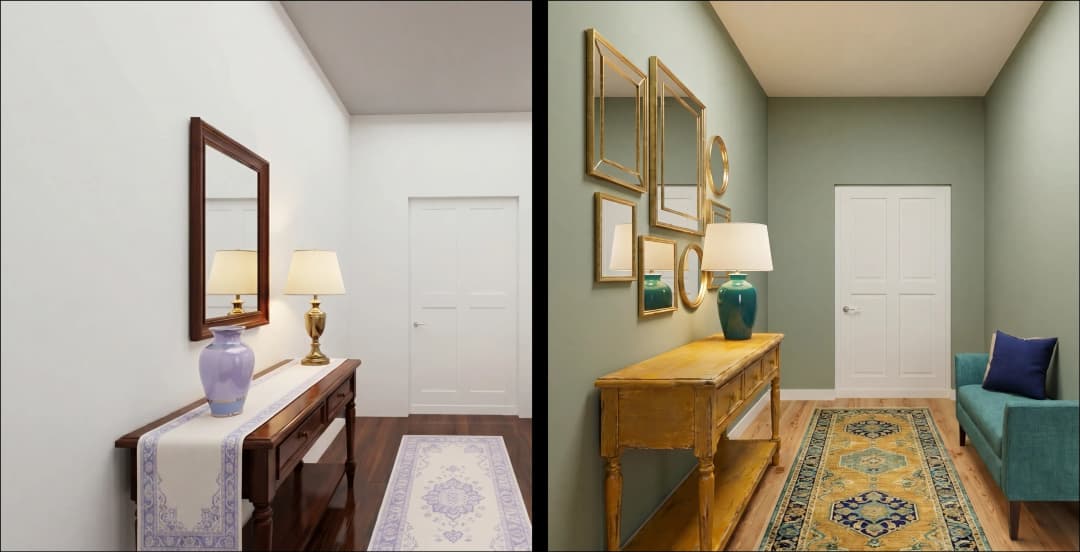
June 10, 2026
Foursite: Floor Plan to 3D Walkthrough in Minutes | VirtualSpaces
HHemanth Velury
CEO & Co-Founder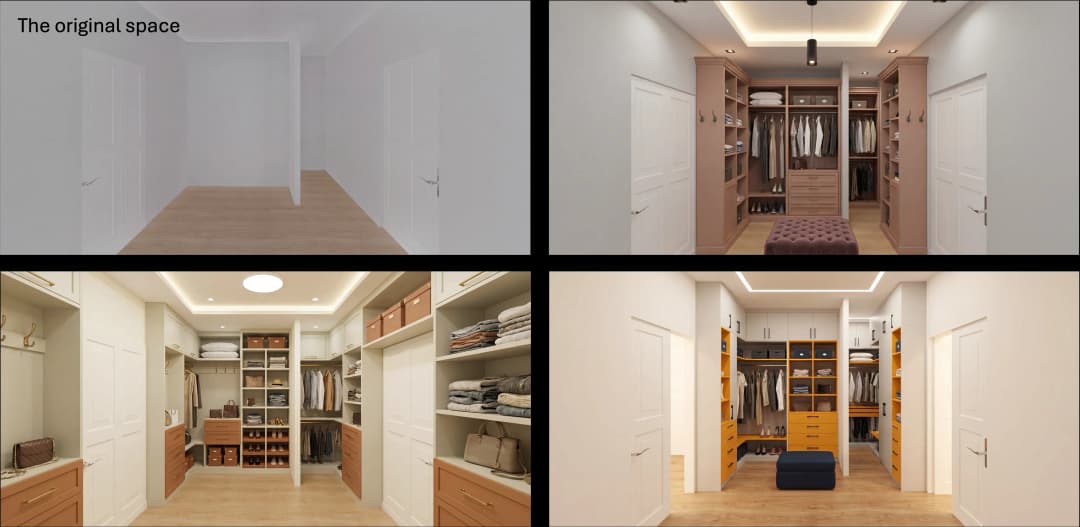
June 08, 2026
Win More Pitches With AI Renders Before the Meeting | VirtualSpaces
HHemanth Velury
CEO & Co-Founder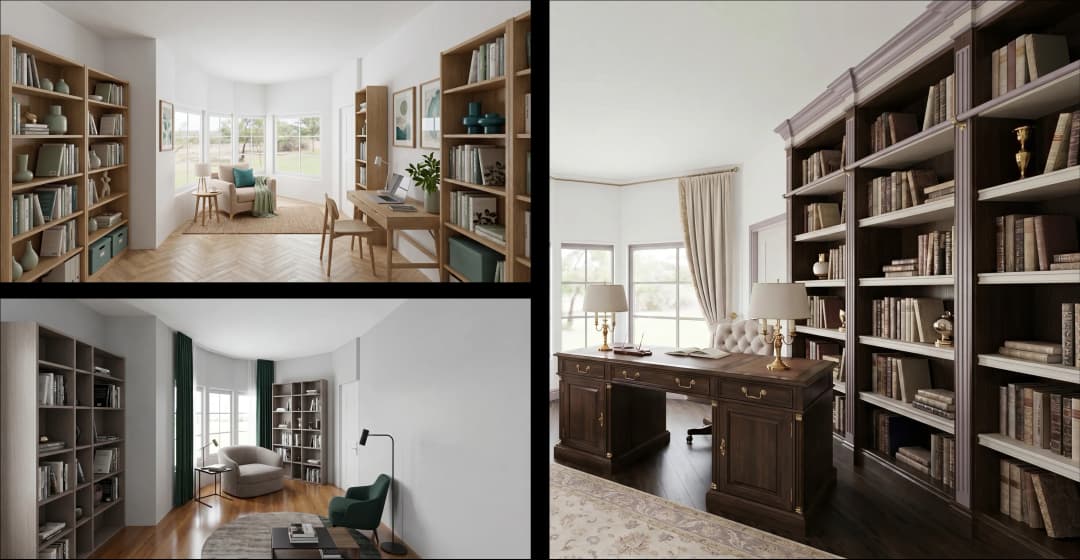
June 05, 2026
From Floor Plan to Finished Room: What AI Now Makes Possible | VirtualSpaces
HHemanth Velury
CEO & Co-Founder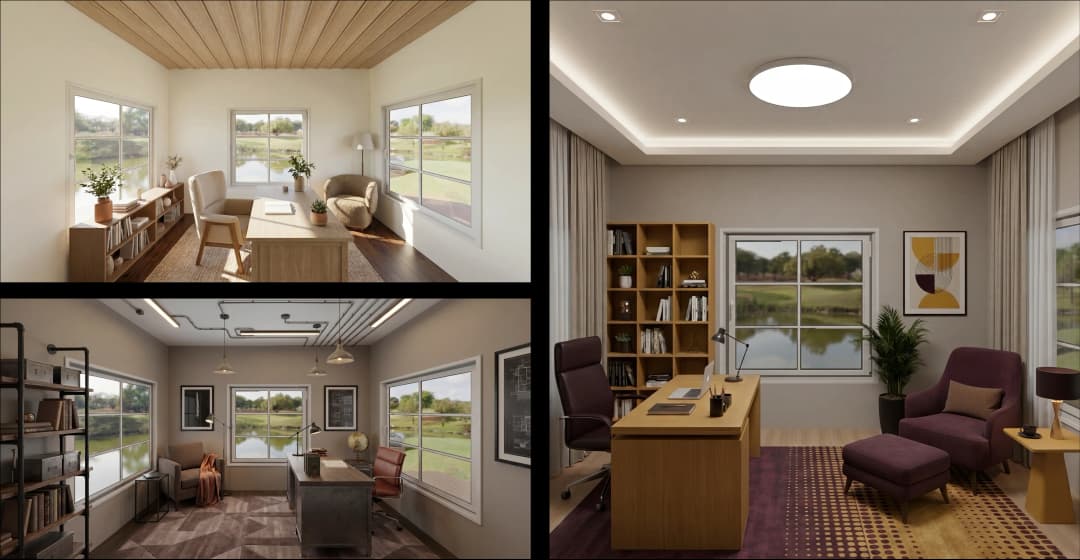
June 03, 2026
The Interior Design Brief Is Broken. AI Fixes It | VirtualSpaces
HHemanth Velury
CEO & Co-Founder
June 01, 2026
Pre-Construction Home Sales: AI Interior Visualization Guide | VirtualSpaces
HHemanth Velury
CEO & Co-Founder
May 30, 2026
Interior Design Principles: Applied with AI | VirtualSpaces
HHemanth Velury
CEO & Co-Founder
May 28, 2026
Designing Spaces for People, Not Blueprints | VirtualSpaces
HHemanth Velury
CEO & Co-Founder
May 26, 2026
The Future of Interior Design: Closing the Visualization Gap with Foursite and Remodroom | VirtualSpaces
HHemanth Velury
CEO & Co-Founder
May 18, 2026
How AI Visualization Upgrades Property Data Platforms | VirtualSpaces
HHemanth Velury
CEO & Co-Founder
May 14, 2026
How AI-First Insurers Can Use 3D Property Data to Transform Home Claims | VirtualSpaces
HHemanth Velury
CEO & Co-FounderMay 12, 2026
Why Photoreal 3D Renders Are Replacing Mood Boards | Interior Design Client Presentations | VirtualSpaces
HHemanth Velury
CEO & Co-Founder
May 08, 2026
From 2D Floor Plans To Living Worlds: The Spec‑Accurate 3D Engine | VirtualSpaces
HHemanth Velury
CEO & Co-Founder
May 06, 2026
Why Furniture Brands Need AI 3D Visualization Now | VirtualSpaces
HHemanth Velury
CEO & Co-Founder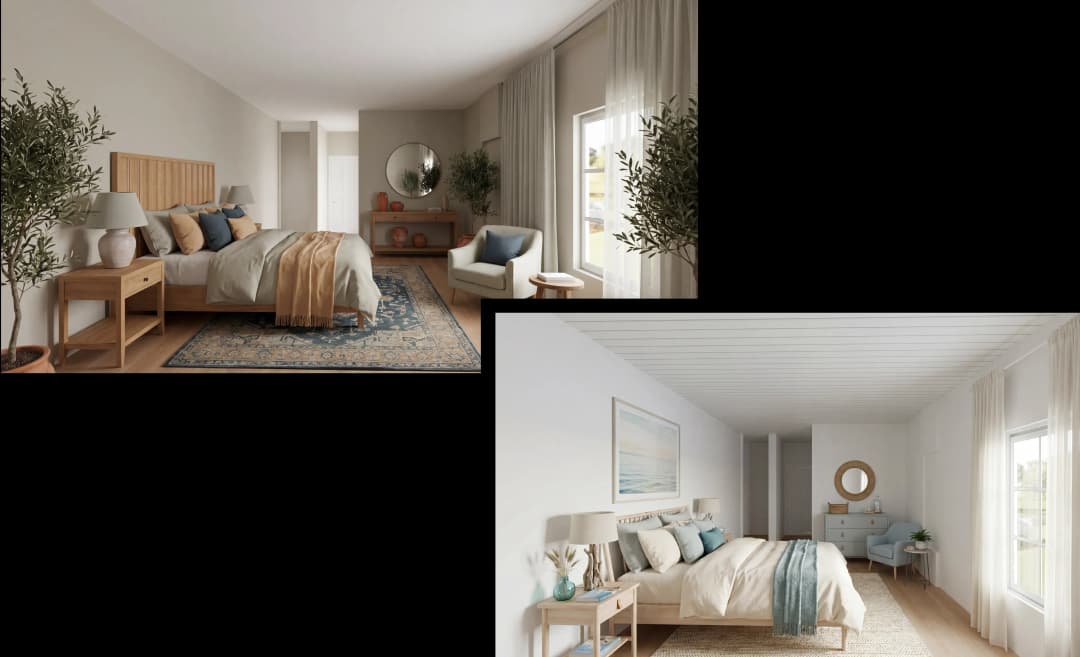
May 4, 2026
How Property Portals Can Turn 2D Floor Plans into 3D Design Decisions | VirtualSpaces
HHemanth Velury
CEO & Co-Founder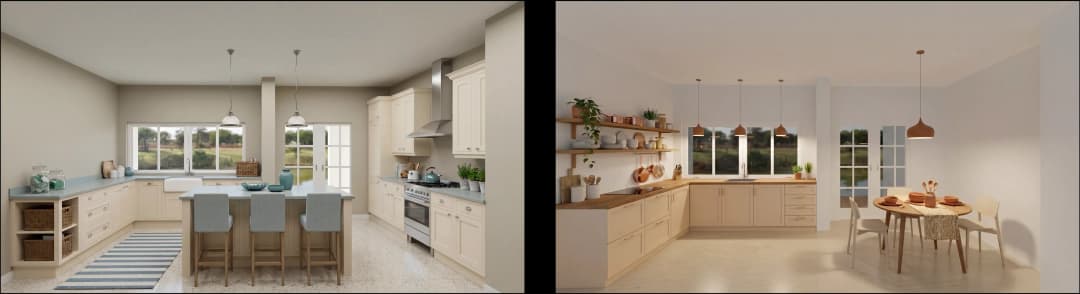
April 29, 2026
The Home-Fit Test: Why Square Footage Misleads | VirtualSpaces
HHemanth Velury
CEO & Co-Founder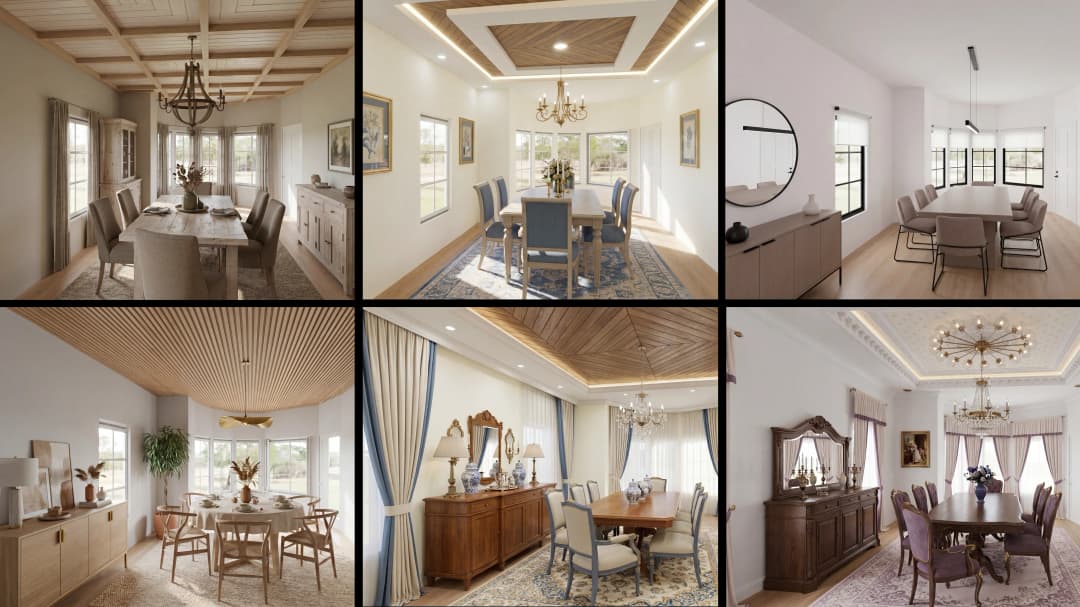
April 27, 2026
Designing Homes That Sell: 3D Visualization ROI Data | VirtualSpaces
HHemanth Velury
CEO & Co-FounderApril 24, 2026
What's Next: Foursite & Remodroom's New AI Features | VirtualSpaces
HHemanth Velury
CEO & Co-Founder
April 22, 2026
AI in Architecture: Closing the 85% Exposure Gap | VirtualSpaces
HHemanth Velury
CEO & Co-Founder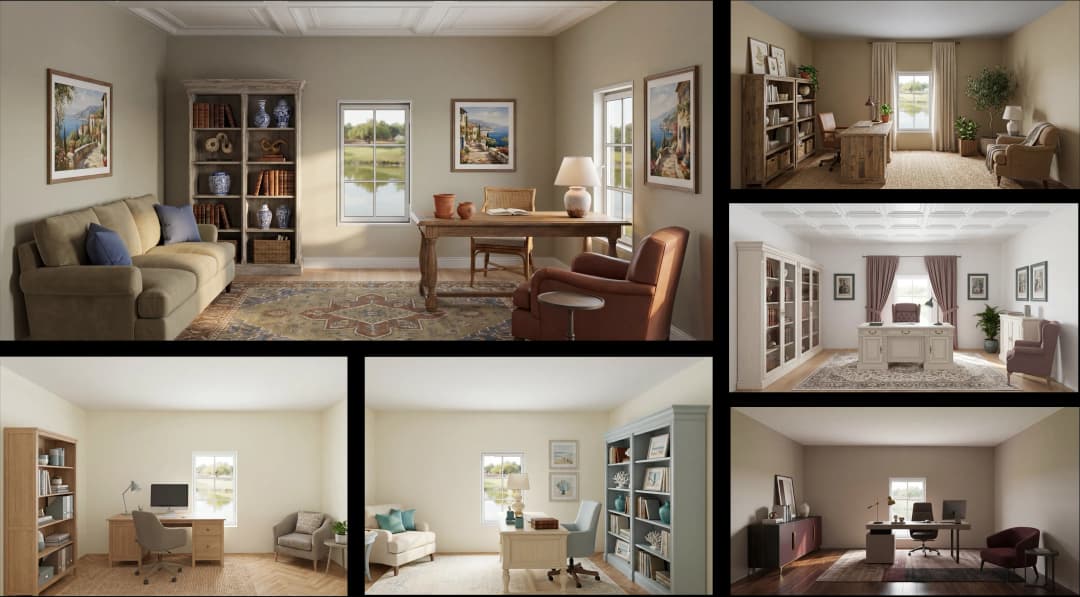
April 20, 2026
Interior Design Pricing in 2026: From Hourly to Value-Based Fees | VirtualSpaces
HHemanth Velury
CEO & Co-FounderApril 17, 2026
How Foursite and Remodroom Help Designers Win Clients | VirtualSpaces
HHemanth Velury
CEO & Co-Founder
April 15, 2026
Designing Spaces for People: Remodroom + Foursite AI Guide | VirtualSpaces
HHemanth Velury
CEO & Co-Founder
April 13, 2026
Designing for the Way People Actually Live: How AI 3D Is Finally Closing the Gap Between Floor Plan and Reality
HHemanth Velury
CEO & Co-Founder
April 11, 2026
Design in Real Time: AI Renders in Your First Client Meeting
HHemanth Velury
CEO & Co-Founder
April 06, 2026
Why Real Estate Photography Is No Longer Enough: The Shift to Spatial-First Listings
HHemanth Velury
CEO & Co-Founder
April 03, 2026
Property Management's Hidden Weapon: AI 3D Floor Plans That Cut Vacancy Time and Raise Tenant Quality
HHemanth Velury
CEO & Co-Founder
April 01, 2026
Off-Plan and Oversubscribed: How AI 3D Visualization Is Transforming Real Estate Pre-Sales
HHemanth Velury
CEO & Co-Founder
March 30, 2026
Why Foursite Beats Generic AI Tools for Interior Design 3D Visualization
HHemanth Velury
CEO & Co-Founder
March 27, 2026
7 Tenets of Interior Design: How AI Accelerates Harmony in Residential Spaces
HHemanth Velury
CEO & Co-Founder
March 23, 2026
What Is the 70/30 Rule in Interior Design? Foursite's AI Guide for Residential Spaces
HHemanth Velury
CEO & Co-Founder
March 20, 2026
How AI 3D Visualization Is Rewriting Residential Interior Design Workflows
HHemanth Velury
CEO & Co-Founder
March 18, 2026
Beyond Marketing: How 3D Floorplans Transform FM, Retrofit Planning & ESG Operations
HHemanth Velury
CEO & Co-Founder
March 16, 2026
Why AI Companies Use Token Payments (And Why VirtualSpaces Is Returning To Fiat)
HHemanth Velury
CEO & Co-Founder
March 13, 2026
Floorplan‑Native Digital Twins: Beyond BIM for Consumer‑Ready Real Estate Experiences
HHemanth Velury
CEO & Co-Founder
March 11, 2026
The Foursite Platform Thesis: Why Floor Plans, Not Photos, Are the Next Property Software Primitive
HHemanth Velury
CEO & Co-Founder
March 09, 2026
Design Systems for Space: Building Reusable 3D Component Libraries on Top of AI Floorplan‑to‑3D Engines
HHemanth Velury
CEO & Co-Founder
March 06, 2026
How to Standardize Design Quality Across Global Projects Using AI Floorplan-to-3D Tools
HHemanth Velury
CEO & Co-Founder
March 04, 2026
From CAD-First to AI-First: Reskilling Your Team for AI-Native Design Workflows
HHemanth Velury
CEO & Co-Founder
March 02, 2026
Algorithmic Ergonomics Meets Photorealistic 3D: Designing Human-Centered Smart Homes with Foursite in 2026
HHemanth Velury
CEO & Co-Founder
February 27, 2026
The Ethics of AI in Interior Design: Ownership, Originality, and Client Transparency
HHemanth Velury
CEO & Co-Founder
February 25, 2026
Designing with Empathy: Using AI 3D Visualization to Improve Client Communication and Emotional Clarity
HHemanth Velury
CEO & Co-Founder
February 23, 2026
From Tool to Infrastructure: AI Floorplan-to-3D and the Next Wave of PropTech
HHemanth Velury
CEO & Co-Founder
February 20, 2026
AI Interior Design for Holiday Homes: Turn Spare Flats into High-Demand Short-Stay Rentals with 3D Visuals
HHemanth Velury
CEO & Co-Founder
February 18, 2026
The Pre‑Purchase Power Play: How Savvy Home Buyers Use 3D Floor Plan Visualization to Negotiate Better Deals
HHemanth Velury
CEO & Co-FounderFebruary 16, 2026
AI Interior Design for Non‑Designers: How Homeowners Can Brief Like Pros
HHemanth Velury
CEO & Co-Founder
February 13, 2026
Scaling a Design Business Without Hiring a 3D Team: An Owner's Guide
HHemanth Velury
CEO & Co-Founder
February 11, 2026
From Bland to Bold: How to Rescue Builder-Grade Interiors on Any Budget
HHemanth Velury
CEO & Co-Founder
February 6, 2026
The Psychology of Space: How Room Dimensions Influence Interior Design Decisions
HHemanth Velury
CEO & Co-Founder
February 4, 2026
The Future of Interior Design Visualization: How AI Technology is Transforming 2D Concepts Into 3D Reality
HHemanth Velury
CEO & Co-Founder
February 2, 2026
AI Interior Décor: How Artificial Intelligence Generates Design Options from Your Floor Plan
HHemanth Velury
CEO & Co-Founder
January 30, 2026
Photoreal vs. Reality: What Clients Actually Expect from Interior Design Visualization
HHemanth Velury
CEO & Co-Founder
January 28, 2026
The Design Approval Conversation That Changes Everything: Communication Strategy When Using Photorealistic Visualization
HHemanth Velury
CEO & Co-Founder
January 25, 2026
Interior Design as Experience Design: How 3D Visualization Changes Your Professional Identity
HHemanth Velury
CEO & Co-Founder
January 23, 2026
The Professional Gap: How 3D Visualization Changes Interior Design Client Perception
HHemanth Velury
CEO & Co-Founder
January 21, 2026
Why Clients Fire Designers (And How 3D Visualization Could Have Saved the Project)
HHemanth Velury
CEO & Co-Founder
January 16, 2026
Blueprint to Vision: Why Seeing Is Believing in Interior Design
HHemanth Velury
CEO & Co-Founder
January 14, 2026
The Speed of Responsiveness: How AI Visualization Tools Make You Look Like You Care More
HHemanth Velury
CEO & Co-Founder
January 12, 2026
Why Interior Designers and Architects Can't Compete Without AI 3D Visualization Tools
HHemanth Velury
CEO & Co-Founder
January 07, 2026
From "Saved" to "Sold": How Homeowners Are Planning Renovations with AI
HHemanth Velury
CEO & Co-Founder
January 05, 2026
The Interior Designer's Secret Weapon: Speed as Premium Positioning
HHemanth Velury
CEO & Co-Founder
December 31, 2025
Gratitude, Growth & Game-Changing Innovation: VirtualSpaces' 2025 Journey & What's Coming in 2026
HHemanth Velury
CEO & Co-Founder
December 29, 2025
Why Interior Designers Are Switching to AI Floor Plan-to-3D Tools in 2026
HHemanth Velury
CEO & Co-Founder
December 26, 2025
AI Virtual Staging for Real Estate Agents: Sell More Homes Faster with Foursite
HHemanth Velury
CEO & Co-Founder
December 24, 2025
Why Architects Are Switching to AI 2D-to-3D: The SketchUp Alternative
HHemanth Velury
CEO & Co-Founder
December 22, 2025
Cut 3 Weeks from Real Estate Sales Cycle: The ROI of AI 2D to 3D Visualization
HHemanth Velury
CEO & Co-Founder
December 19, 2025
2D Floor Plans Are Dying: Why 3D Visualization & AI Virtual Staging Are the Future
HHemanth Velury
CEO & Co-Founder
December 17, 2025
Virtual Staging vs Physical Staging: How AI Saves Money Per Property
HHemanth Velury
CEO & Co-Founder
December 15, 2025
AI Floor Plan to Image: Revolutionizing Real Estate Marketing for Agents
HHemanth Velury
CEO & Co-Founder
December 12, 2025
Color of the Year 2026: Cloud Dancer | VirtualSpaces AI Interior Design Guide
HHemanth Velury
CEO & Co-Founder
December 10, 2025
AI Floor Plan to 3D: The New Standard for Interior Design Workflows
HHemanth Velury
CEO & Co-Founder
December 08, 2025
How Interior Design Studios Can Operationalize AI 2D-to-3D Workflows (Without Breaking Their Process)
HHemanth Velury
CEO & Co-Founder
December 06, 2025
How to Implement AI Interior Design Workflows in Your Studio
HHemanth Velury
CEO & Co-Founder
December 4, 2025
How Homeowners Can Use AI Interior Design Tools to Plan Renovations with Confidence
HHemanth Velury
CEO & Co-Founder
November 28, 2025
Interior Designers in the Age of AI: From Threat Narrative to Superpower
HHemanth Velury
CEO & Co-Founder
November 21, 2025
Foursite Launch: Embracing 'Release Early, Release Often'
HHemanth Velury
CEO & Co-Founder
November 13, 2025
Foursite by VirtSpaces: Empowering Interior Designers, Architects, and Homeowners
HHemanth Velury
CEO & Co-Founder
November 7, 2025
Reimagining Architectural Education: How AI Floorplan-to-3D Technology Can Transform Design Learning
VVirtualSpaces Research Labs
AI Research Initiative
October 27, 2025
Archisculpt AI: Turning Architectural Drawings into Photorealistic 3D Spaces
AAbhijeet Naik
Co-Founder & CTO
October 13, 2025
Home Makeover: From Floor Plan to Dream Space with AI
HHemanth Velury
CEO & Co-Founder
October 6, 2025
Real-Time Rendering & AI: Revolutionizing Interactive Property Walkthroughs with VirtSpaces
HHemanth Velury
CEO & Co-Founder
September 26, 2025
Foursite - A True AI-Native Experience in Design Visualization
AAbhijeet Naik
CTO & Co-Founder
September 18, 2025
Why PropTech Startups Are Betting on AI Interior Design
HHemanth Velury
CEO & Co-Founder
September 11, 2025
How AI Differs from Traditional 3D Rendering Software
HHemanth Velury
CEO & Co-Founder
September 2, 2025
From Client to Investor: How Nila Spaces and VirtSpaces Are Redefining Proptech with AI
HHemanth Velury
CEO & Co-Founder
August 25, 2025
VirtSpaces From Virtual Reality to AI – Transforming Real Estate Visualization.
HHemanth Velury
CEO & Co-Founder


We help teams collaborate seamlessly and reduce costs. Virtual Spaces offers cutting-edge technology with flexible plans designed to fit modern teams.
Copyright © VirtSpaces Pvt. Ltd. 2025 All Rights Reserved.
CIN: U74999KA2016PTC094921